






















The Iran war has again reached the point where diplomacy rests less on trust than on fear of the next strike. Iran’s Islamic Revolutionary Guard Corps has warned that if the United States resumes attacks, the response could extend far beyond the Middle East.
The wording was deliberately vague, and therefore dangerous. Iranian commanders spoke of possible blows in places the enemy “cannot even imagine.” This was not merely a threat of retaliation, but an attempt to widen the psychological map of the war for Washington, U.S. allies and global markets.
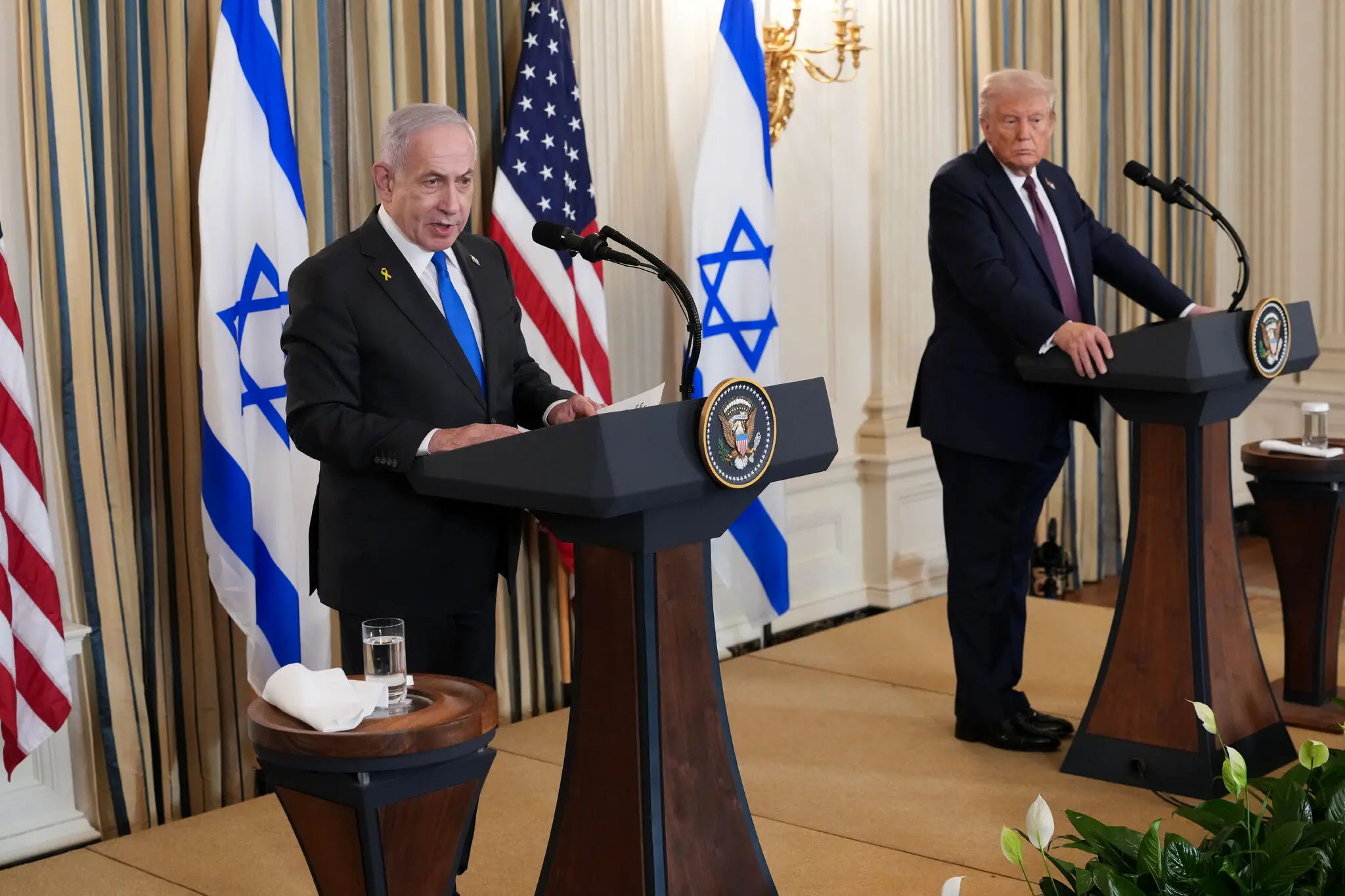
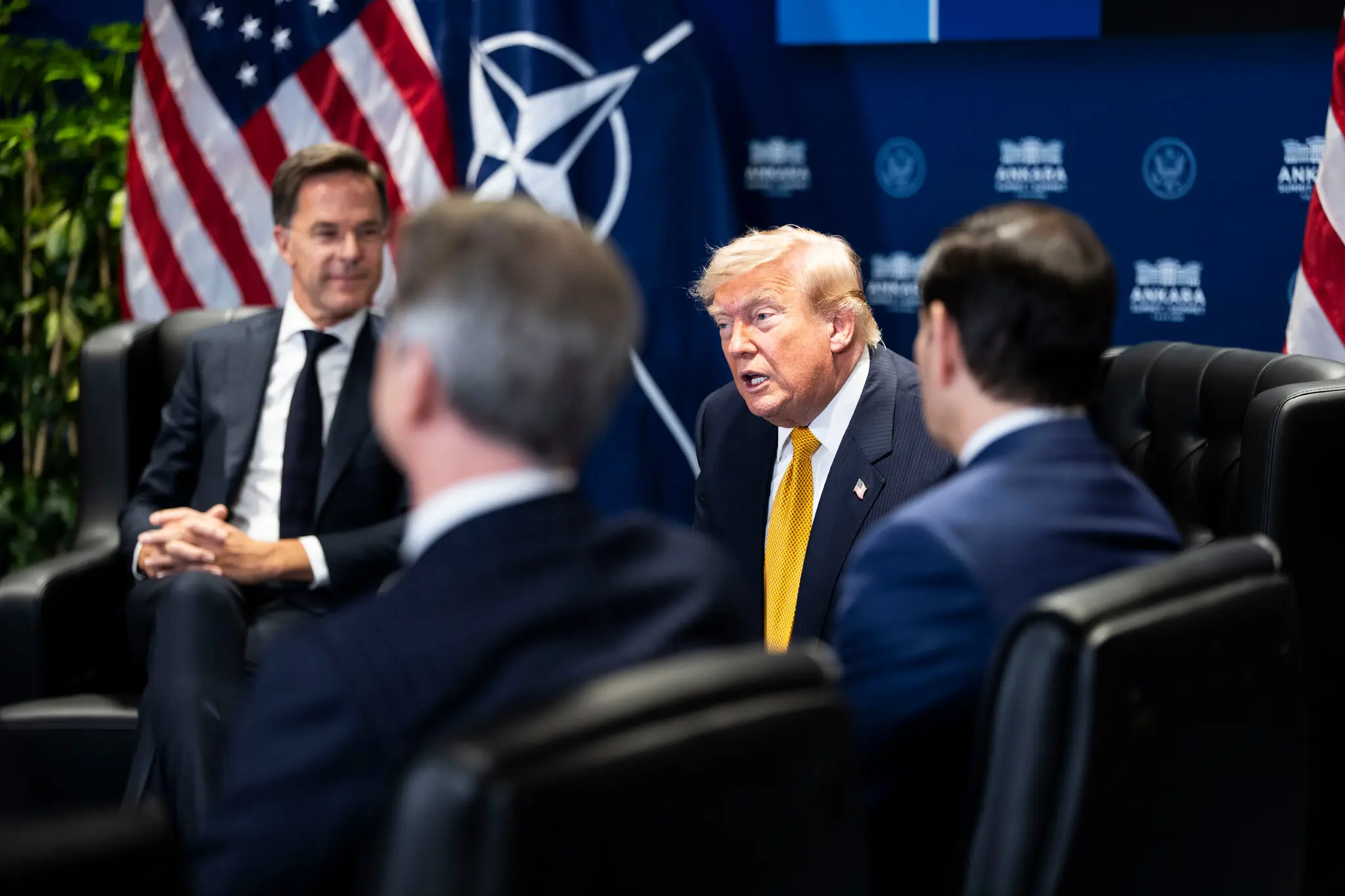
The warning came as Donald Trump and Vice President JD Vance were simultaneously talking up progress in negotiations while keeping “option B” on the table: a return to the military campaign. It is precisely this dual message that makes the situation so fragile.
The Iran war has again reached the point where diplomacy rests less on trust than on fear of the next strike. Iran’s Islamic Revolutionary Guard Corps has warned that if the United States resumes attacks, the response could extend far beyond the Middle East.
The wording was deliberately vague, and therefore dangerous. Iranian commanders spoke of possible blows in places the enemy “cannot even imagine.” This was not merely a threat of retaliation, but an attempt to widen the psychological map of the war for Washington, U.S. allies and global markets.
The warning came as Donald Trump and Vice President JD Vance were simultaneously talking up progress in negotiations while keeping “option B” on the table: a return to the military campaign. It is precisely this dual message that makes the situation so fragile.
According to Daycom’s earlier analysis, the main danger at this stage lies not only in Iran’s capacity to respond, but in the blurred nature of the red lines. Both sides speak of a deal, yet each keeps an escalation tool ready — one that could destroy the talks within hours.
Trump said he had postponed a “very major attack” after appeals from the leaders of Saudi Arabia, the United Arab Emirates and Qatar, who asked for more time for diplomacy. That gave mediators a temporary window, but it did not create any guarantee that the White House would not return to strikes.
Washington wants to show that pressure works. Tehran wants to show that it has not been broken. Between those two imperatives, the most dangerous logic emerges: every concession looks like weakness, every threat like proof of strength, and every pause like preparation for the next round.
The negotiations are stuck on two central issues: Iran’s nuclear program and the Strait of Hormuz. Iran is demanding guarantees for its right to enrich uranium and compensation for wartime damage. The United States has previously rejected those conditions. For now, claims of “significant progress” still lack firm political substance.
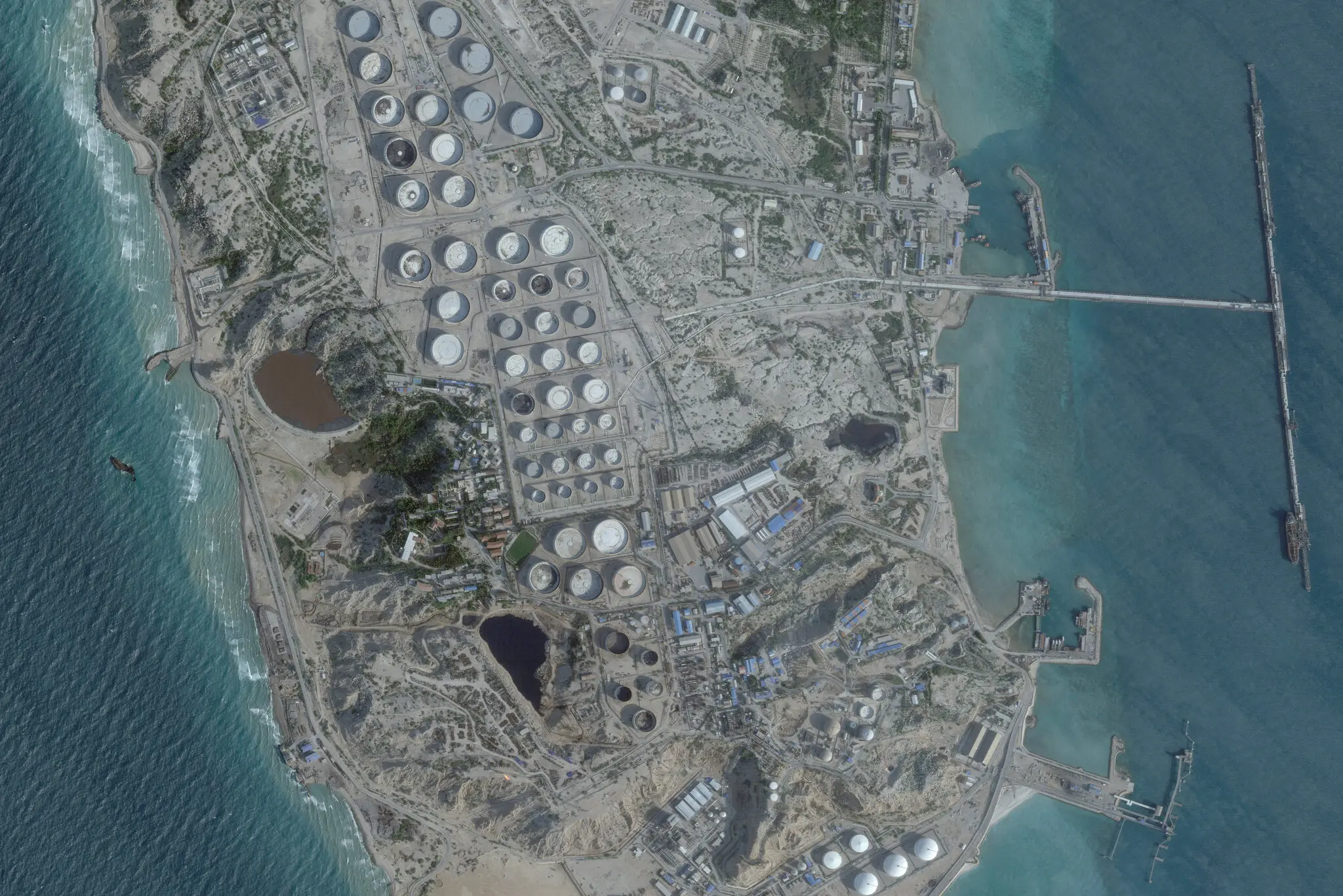
The Strait of Hormuz remains the central lever of pressure. A critical share of global oil and gas moves through it, and its effective closure has already altered shipping behavior. The United States has responded with a blockade of Iran-linked maritime traffic, further narrowing the space for compromise.
The seizure by U.S. forces of an Iranian-linked tanker in the Indian Ocean sent another signal. This is no longer only a war of missiles and statements, but a struggle for control over sea routes, insurance risk, oil exports and the confidence of shipowners.
Iran, for its part, is trying to show that the strait is not fully paralyzed and that vessel traffic can move under its control. Claims that dozens of ships passed through in a single day under Iranian naval coordination carry a political message: Tehran is presenting not chaos, but managed force.
For the Gulf states, this has become a severe test. Saudi Arabia, Qatar and the UAE do not want Iran strengthened, but they want even less a new wave of strikes against oil facilities, ports, terminals and tanker infrastructure. Their call for diplomacy is driven not by softness, but by cold calculation.
Saudi support for a pause in strikes shows that even Washington’s closest regional partners fear uncontrolled escalation. They understand that if the war climbs again, Iran’s response may hit not only American targets, but the economic foundations of the Gulf monarchies themselves.
The broader threat is that the war could move beyond the Persian Gulf. Iran has a network of allies and proxies able to operate not only in Iraq, Syria or Lebanon. Yemen could play a special role, with the Houthis controlling territory near the Bab el-Mandeb Strait.
Bab el-Mandeb is the second maritime nerve of this war. If Hormuz is tied to Persian Gulf oil, Bab el-Mandeb links the Red Sea to the Gulf of Aden and affects a significant share of global trade. Its destabilization could strike Europe, Asia and the wider logistics system.
That is why the IRGC’s threat of attacks in “unexpected places” cannot be dismissed as empty rhetoric. Iran may not have the strength to defeat the United States directly, but it has tools for distributed damage: tankers, ports, bases, allied militias, cyberattacks and energy infrastructure.
This is the strategy of a weaker but resilient state. Iran does not need to win the war in a conventional sense. It only needs to make the cost of continued attacks too high — for markets, U.S. allies, gasoline prices, insurers and Trump’s domestic politics.
Washington understands this. That is why Vance speaks of “option B” while stressing that the president does not want to use it. The aim is to preserve a double signal: Iran must fear renewed strikes, while markets and partners must believe diplomacy is still alive.
The problem is that such duality quickly exhausts trust. If the United States is truly close to a deal, why keep reminding everyone of a new military campaign? If Iran is ready to negotiate, why threaten to expand the war beyond the region?
Against this backdrop, the role of mediators becomes crucial but limited. Pakistan is trying to sustain the cease-fire, and regional capitals are pressing both sides, but no mediator can replace a political decision in Washington and Tehran. They can only buy time.
Time, however, works in two directions. It gives diplomacy a chance, but it also accumulates incidents: more seized tankers, more drone flights, more shelling, more statements. In a war of this kind, a single episode can quickly become the trigger that collapses the entire diplomatic structure.
The main conclusion from this stage is simple and unsettling. Iran has been weakened by months of strikes, but it has not become helpless. The United States has military superiority, but not full control over the consequences of using it. And the Persian Gulf is again proving that geography can be stronger than political rhetoric.
The current pause, therefore, is not peace. It is a deferred decision. If negotiations fail, the next strike may not remain confined to Iran and American targets. It could pass through oil routes, the Red Sea, proxy networks and global markets. That is how Tehran is trying to deter Washington: not through victory, but through the threat of a much higher price.