
















Donald Trump’s deal with Iran was supposed to be a moment of control after weeks of war, strikes, oil panic and anxiety over the Strait of Hormuz. Instead, its first week has become a demonstration of how a fragile diplomatic structure can start shaking before anyone has fully explained it.
Switzerland was preparing for talks that were meant to give the preliminary memorandum real substance. The Bürgenstock resort near Lake Lucerne was expected to host a new round of U.S.-Iranian contacts, while Vice President JD Vance’s plane was waiting outside Washington. Then, in the middle of the Swiss night, it became clear: Vance was not coming.
The talks were postponed with no new date. The explanation sounded logistical, but the cause was political: Tehran pulled back after Israeli strikes in Lebanon, where Israel is fighting Hezbollah, Iran’s ally. The second stage of the deal was disrupted by the very front the agreement was supposed to calm.
For Daycom, this is the central symptom of the entire story: Trump’s Iran deal has not collapsed, but it has begun life as a document without a firm foundation. It depends on Iran, which speaks in several voices; on Israel, which does not see itself as bound by its terms; and on Washington, which has still not given a clear answer about what exactly it signed.
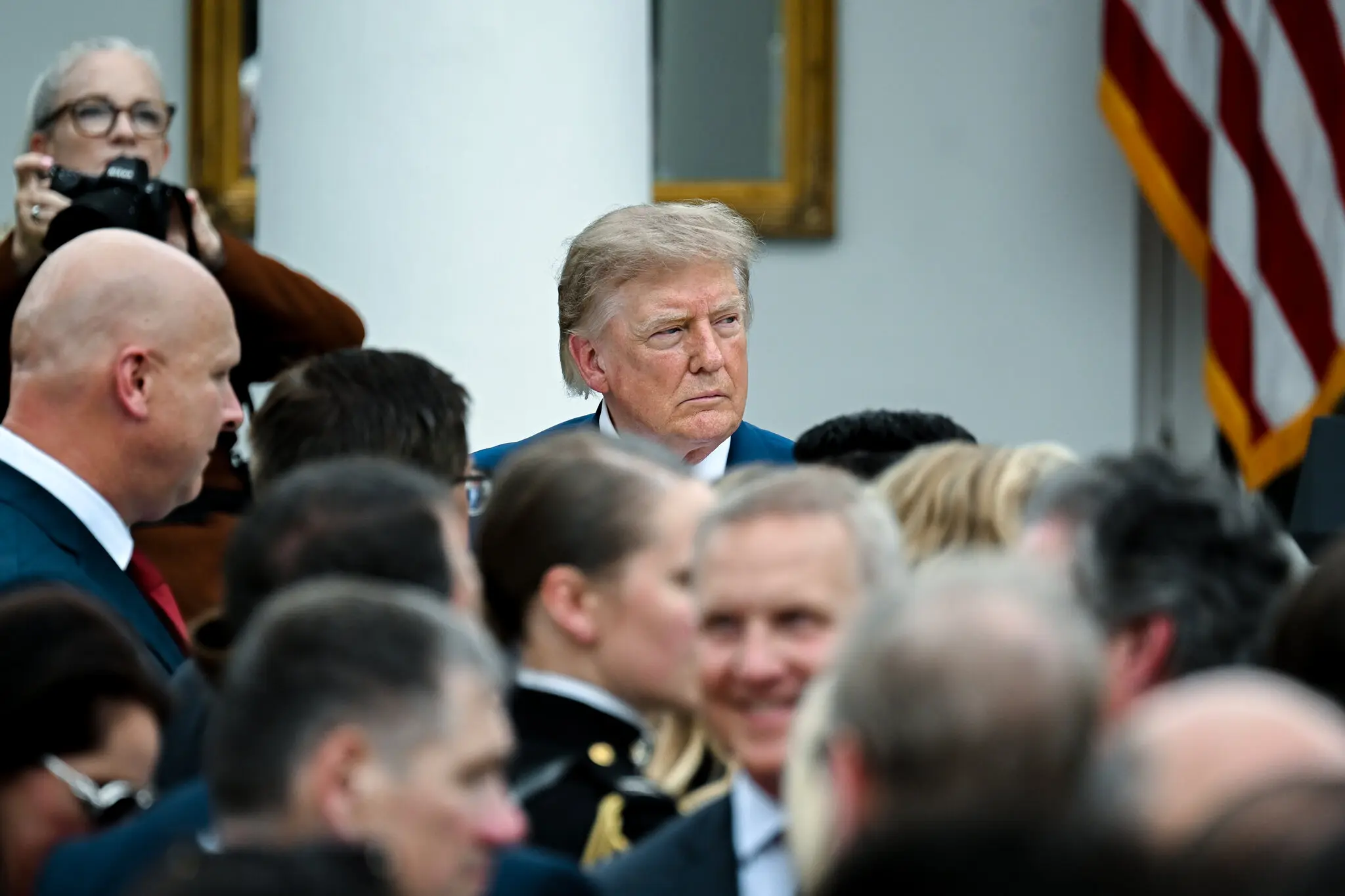
Confusion began at the moment of announcement. Trump first declared the agreement without explaining its contents. Then there was talk of a signing ceremony near Lake Geneva. Vance later said the deal had already been signed electronically. Swiss officials then prepared for an in-person signing. In the end, Trump put his signature on a document at Versailles after the G7 summit.
That chronology matters not as a protocol error, but as a sign of weak command over the process. Peace agreements require not only substance, but a ritual of clarity: who signed, what was signed, when it entered into force, what obligations were created and what happens if they are violated. In this case, each of those elements remained movable.
The text of the agreement was not publicly available for several days. During that time, Washington and Tehran began describing it in different ways. American officials spoke of commitments that were not clearly visible in the released language. Iran emphasized economic benefits and the postponement of the most painful issues. The agreement became a fight over interpretation before it became an instrument of peace.
The question of money became especially dangerous. Vance suggested Iran could gain access to a $300 billion reconstruction fund to be assembled by a coalition of Gulf states. Trump quickly rejected the idea that the United States would pay that money, but did not clarify whether others would, or under what conditions. For critics, this immediately became a weak point.
The answer on sanctions was just as unclear. Asked whether Iran would receive immediate relief, Trump first said no, then added that Tehran would have to “behave well.” For markets, allies and adversaries, that is not a policy formula. It is a signal of uncertainty. Sanctions cannot be built on gestures and hints.
The hardest questions were simply deferred for the next 60 days. Iran’s nuclear program, the future of uranium enrichment, inspections, ballistic missiles, Tehran’s regional allies and guarantees for the Strait of Hormuz were not resolved, but postponed. That can be a diplomatic pause. But such a pause works only when the next talks actually begin.
So far, they have not. The Swiss setback showed that the agreement already depends on events no party fully controls. If Israel strikes Hezbollah, Iran can refuse to negotiate. If Hezbollah attacks Israel, Netanyahu can continue operations. If the Lebanese front burns, Hormuz and nuclear diplomacy again become hostages of a wider war.
Israel has become Trump’s sharpest challenge. Washington and Jerusalem began the war together, but now they see its ending differently. Trump wants to present the deal as a victory of force and diplomacy. Benjamin Netanyahu does not want to look like a leader who stopped while Hezbollah remains a threat to northern Israel.
Netanyahu has already made clear that he does not feel bound by the memorandum. He speaks of continuing the struggle and keeping Israeli forces in southern Lebanon. For Iran, this is evidence that Washington does not control its own ally. For the United States, it is a problem: a deal with Tehran cannot stabilize the region if America’s key partner acts outside its logic.
The dispute has also entered American domestic politics. Some Republicans see the agreement as a dangerous concession to a regime that has not abandoned its missiles, proxies or nuclear potential. To them, any money or sanctions relief looks less like peace than a reward for aggressive behavior.
Vance has become the administration’s chief defender of the deal. He has tried to argue that the process is moving smoothly and that visible chaos reflects the difficulty of communicating with a fragmented Iranian system. But that line contains its own weakness: if Iran’s system is so fragmented, it is unclear who exactly guarantees implementation.
His warning to Israeli critics was even sharper. Vance effectively reminded Israel not to attack the only powerful ally it has left. In the language of U.S.-Israeli relations, that sounded almost like a warning: Washington does not want Jerusalem to wreck the victory Trump has already declared.
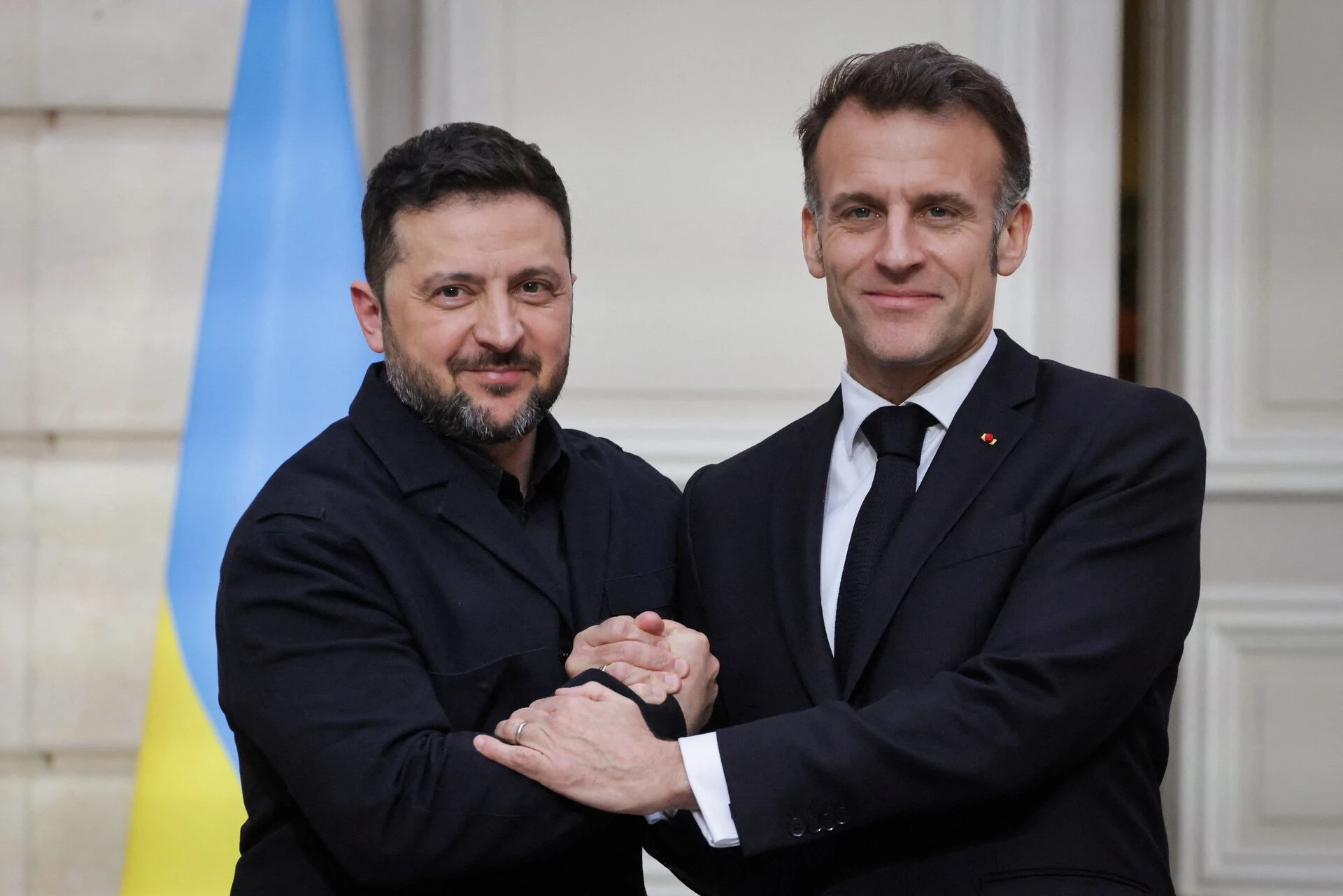
Europe first greeted the agreement with cautious relief. After weeks of war, any pause looked preferable to escalation. But within days, optimism turned into anxious waiting. Leaders can see that the document has not provided clarity on Iran, Israel, Hormuz or the next round of talks.
For global markets, that means uncertainty has returned. The Strait of Hormuz is formally supposed to be open, but shipping does not live on formalities. Tanker companies need routes, insurance, guarantees and a clear understanding of who controls the rules of passage. If negotiations do not resume, the risk to oil and trade will rise again.
This is the deal’s central weakness: it is being sold as the end of a war, but in substance it is only a postponed test. Trump gained the ability to say bombing brought Iran to the table. Iran gained a pause and potential economic benefits. Israel kept its freedom to act. Each side took what it needed, but no shared system of control emerged.
Trump himself underlined the fragility of the structure when he described the document as a memorandum and allowed for a return to bombing if nothing is achieved in 60 days. Such a phrase may sound like pressure on Tehran. But it also shows that the deal has not created an irreversible process. It has merely paused the war under an open threat of renewal.
That is dangerous for everyone involved. Iran can use the 60 days to gain economic oxygen and delay technical concessions. Israel can continue operations in Lebanon, describing them as defensive. Congress can increase pressure on the White House. Markets can lose faith in the stability of Hormuz. And any strike can return the parties to war faster than diplomats can find a new date for talks.
The success of this agreement now depends not on the elegant Swiss ceremony that never happened. It depends on Washington’s ability to turn a foggy memorandum into a concrete system of limits, guarantees and consequences. For now, the White House appears to be chasing events more than directing them.
The first week of Trump’s Iran deal has shown that a pause is possible, but order is not yet here. There is a document, a signature and a political declaration. What is missing is the essential thing: a shared understanding of what the parties have actually promised to do, and who will stop the war on the fronts that do not fit inside one memorandum.