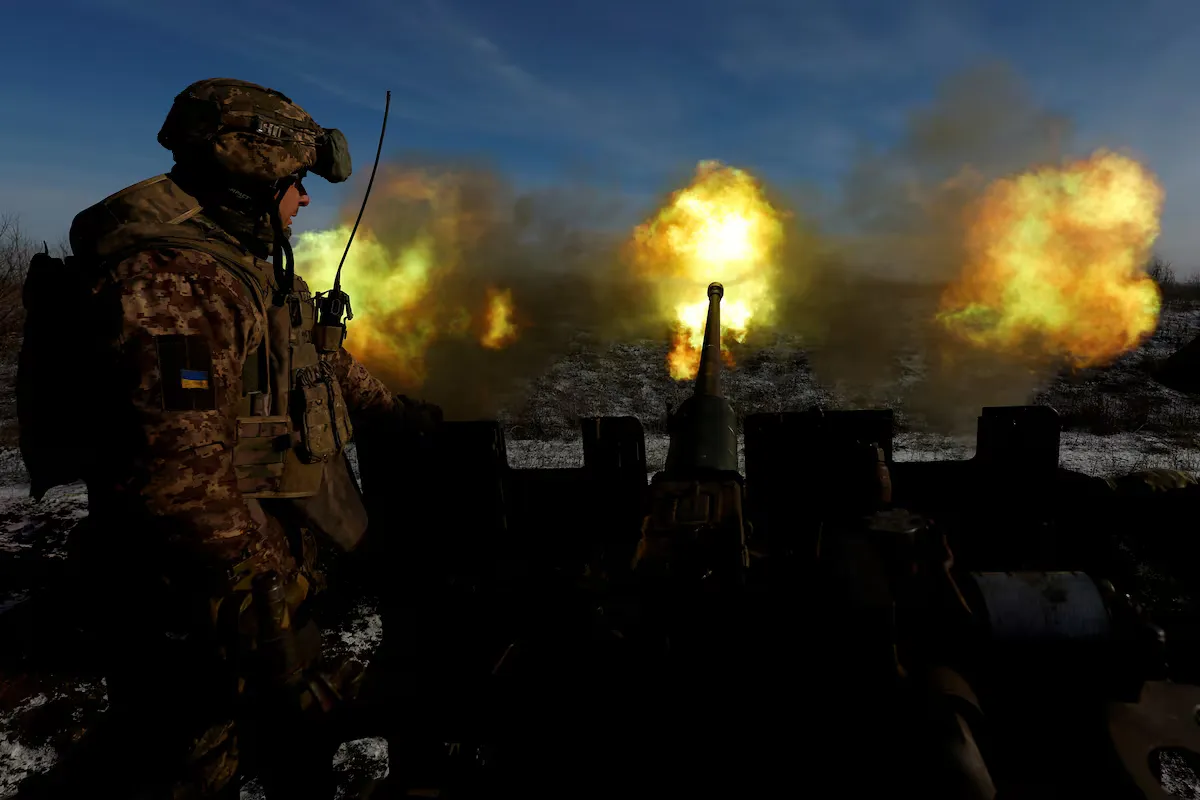
























After many months of steadily losing ground, Ukraine in March finally experienced something rare on the battlefield: momentum. The clearest example came in the south, where on the open steppe of Zaporizhzhia region Ukrainian forces managed not only to hold off Russian pressure, but in some areas to push Russian troops back.
Analysts at the Institute for the Study of War estimated that since the start of 2026, Ukrainian troops had retaken roughly 279 square kilometers in the directions of Oleksandrivka and Huliaipole. Ukraine’s General Staff provided higher figures for some sectors, but even the more conservative estimate makes one thing clear: on this stretch, the front has become fluid again.
These gains did not emerge out of nowhere. They were the result of several factors coming together: the regrouping of Ukrainian forces, a well-chosen sector for counterattacks, and a temporary weakening of Russia’s advantage in the drone war. For several weeks, this part of the front stopped looking like a one-sided contest.
According to Daycom’s preliminary analysis, the real significance of Ukraine’s March success lies not so much in the number of kilometers gained as in the shift in rhythm. Ukraine showed that even with shortages of manpower and equipment, it can still disrupt Russia’s script if it is able to impose its own tempo, exploit a weak sector, and break the enemy’s drone-control system.
Another factor was the restriction of unauthorized Starlink use by Russian forces. ISW, citing publications and commentary on the issue, noted that the blocking of such terminals in early February complicated Russian communications and partly weakened their ability to coordinate drones in certain sectors of the front.

But that window of opportunity turned out to be short-lived. By mid-March, Commander-in-Chief Oleksandr Syrskyi, after visiting the front, said Russia was concentrating significant forces precisely on the Zaporizhzhia axis and treating it as one of its priorities. He described the intensity of assault operations near Huliaipole as higher than on many other parts of the front.
President Volodymyr Zelensky said on March 16 that Ukraine’s Defense Forces had disrupted a Russian strategic offensive operation that the enemy had planned for March. Yet in the same statement he stressed that the Zaporizhzhia direction remained important and that Russian forces continued to build up there despite Ukrainian strikes on their troop concentrations.
That is why the current phase of the war does not look like a turning point in the classic sense. It is better understood as an episode in which Ukraine won several tactical rounds and forced Moscow to revise the timetable and configuration of its spring-summer offensive. ISW said directly that Ukrainian counterattacks in southern Ukraine may have disrupted Russia’s planned campaign for 2026.
Russia, however, is already adapting. According to ISW, from March 17 onward there was a noticeable increase in mechanized assaults across different sectors of the front. That matters because the previous months had been marked mainly by small-scale infantry advances and infiltration by small groups, often on motorcycles or on foot, under drone cover.
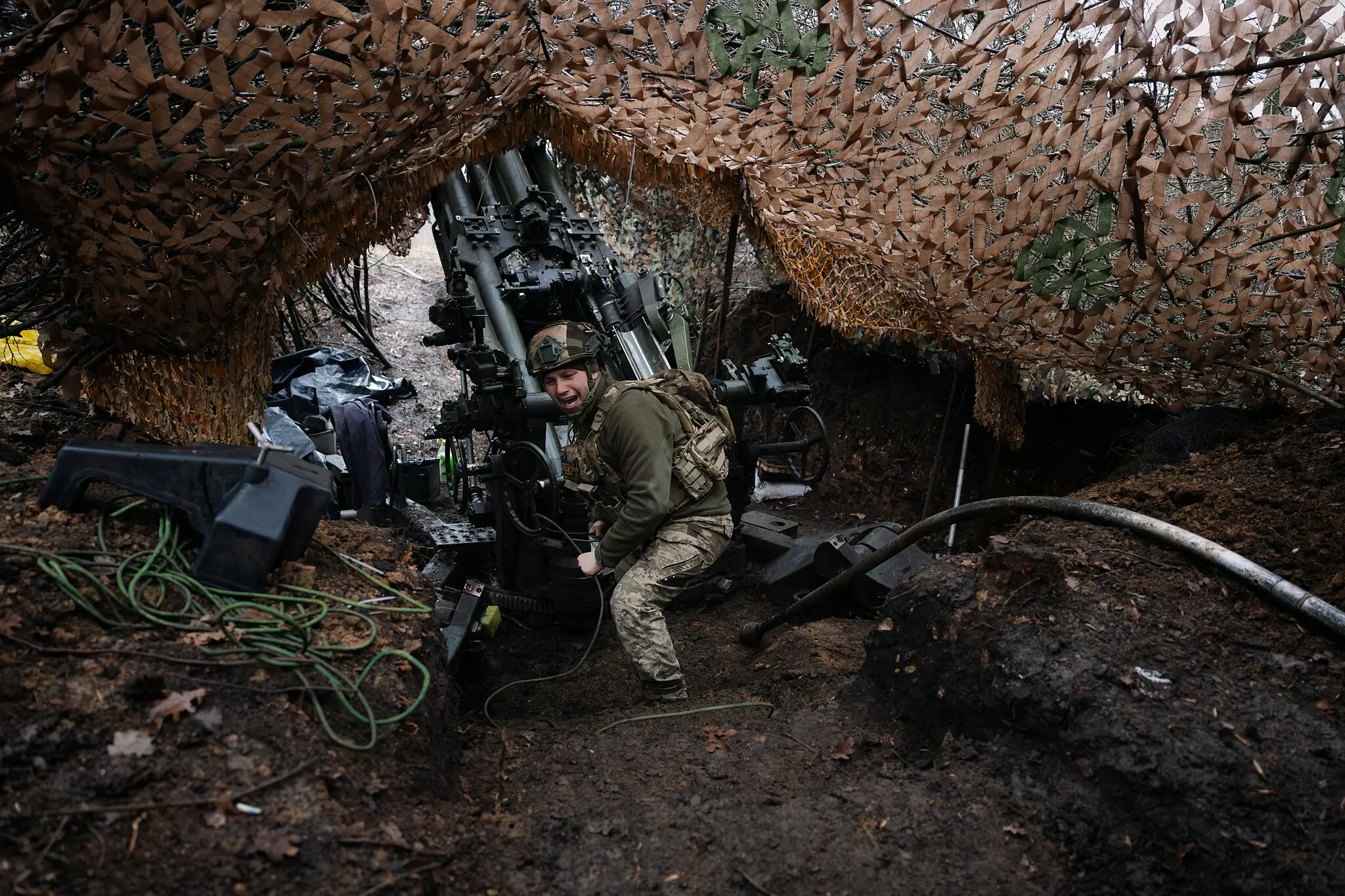
The partial return of armored vehicles suggests an attempt to find a new formula for breakthrough operations. In a battlefield saturated with FPV drones, both sides have long since abandoned the kind of large mechanized offensives once associated with high-intensity warfare. But without armor, it is difficult to achieve not just a tactical result, but an operational one: to break through, widen the breach, and hold it.
In Zaporizhzhia region, that matters especially. The front line here is less cemented than in parts of Donetsk region, while the relatively flat terrain creates opportunities both for sudden thrusts and for rapid counterstrikes. That is why the south is likely to see not a linear advance by one side, but a series of reciprocal swings in which villages and tree lines change hands again and again.
Russia’s plan, moreover, extends beyond Huliaipole itself. Zelensky also pointed to pressure attempts in Kharkiv region and in Sumy region, while Syrskyi spoke of “colossal pressure” in the east as well, especially in Donetsk region. In other words, Moscow is again trying to stretch Ukrainian reserves across the full arc of the front.
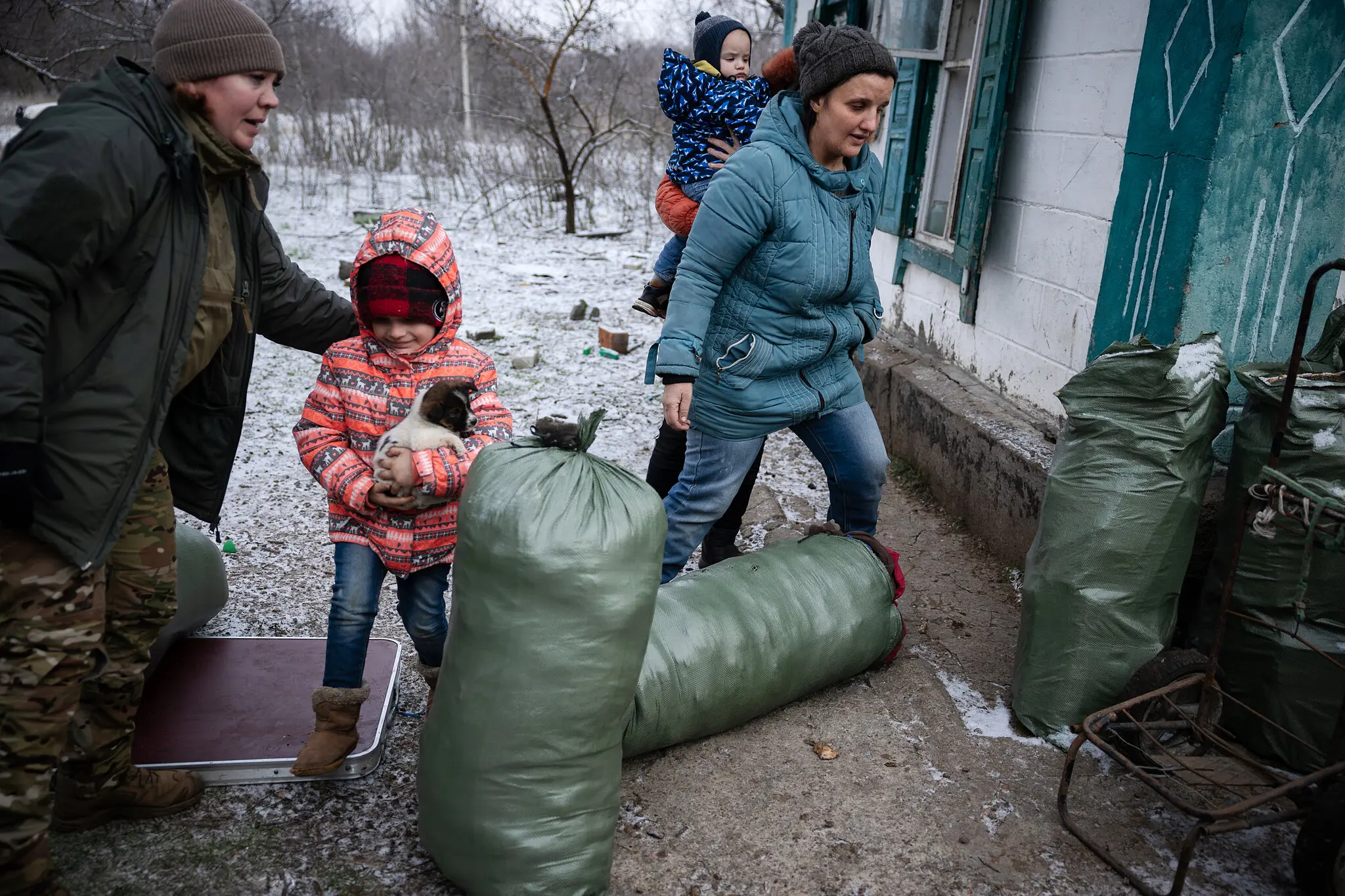 Родина готується до евакуації у січні з Рівного, села за 30 миль на північ від Гуляйполя — Тайлер Хікс
This is where the main danger for Kyiv comes into view. A local success in one sector does not resolve the structural problem: shortages of manpower, ammunition, and air-defense assets, combined with the need to hold the south, the east, and the border regions at the same time. Russia, even at the cost of heavy losses, still retains an advantage in mass and can shift pressure from one sector to another.
Moreover, the success of Ukraine’s counterattack was made possible in part by the fact that Russia had earlier dispersed its forces and exposed some positions. When an enemy reveals weakness, that does not necessarily mean it has broken. Often it simply means a transition period before a new buildup. Moscow’s spring campaign appears to be taking shape in exactly that way: through renewed force concentration on priority axes.
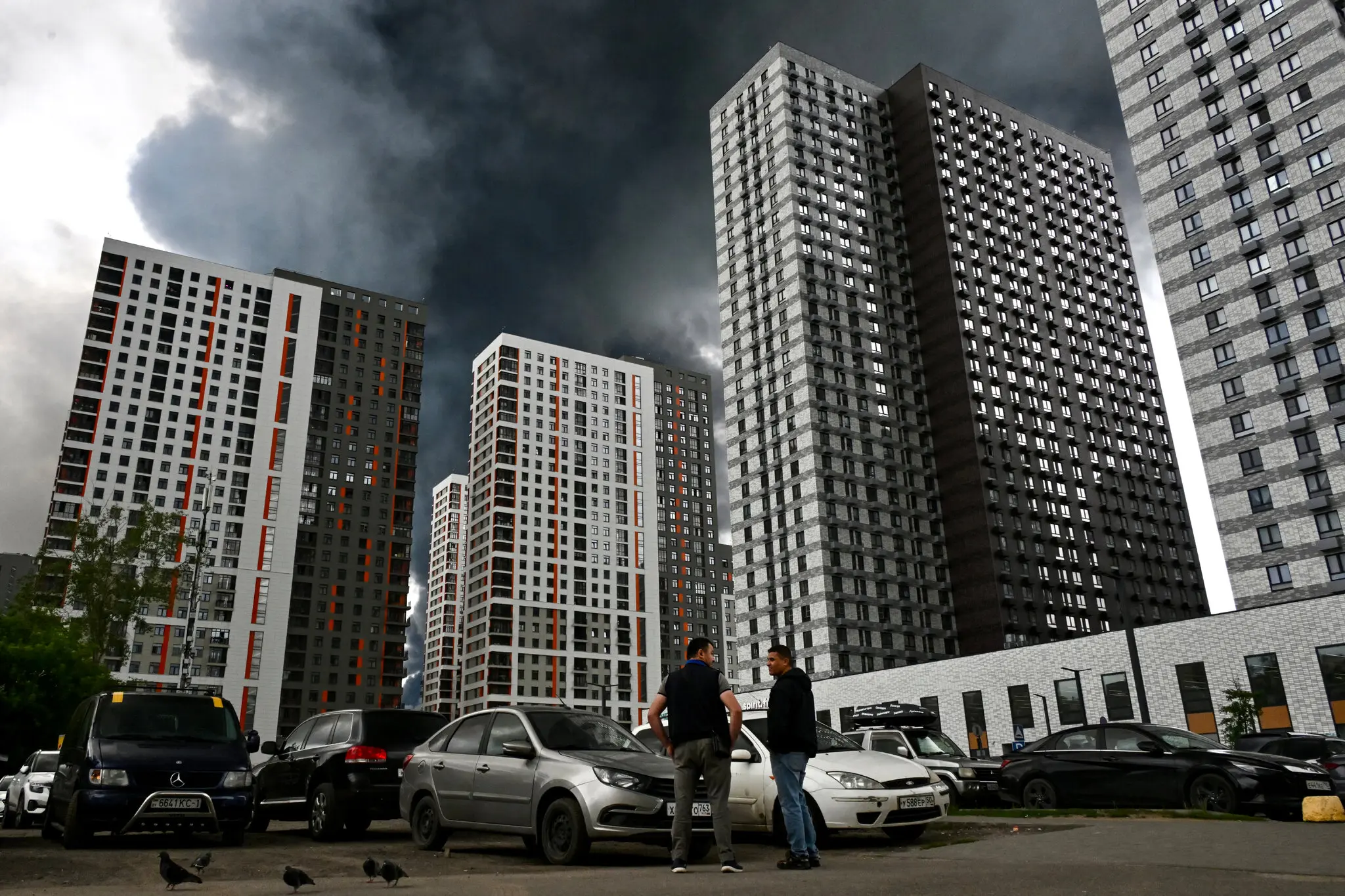
There is another troubling indicator as well. Russian FPV drones are reaching ever closer to the city of Zaporizhzhia itself, while strikes across the region are becoming routine not only for frontline villages. In March, attacks were recorded on evacuation transport and residential buildings, underscoring that battlefield compression has a direct civilian dimension and is steadily shrinking what remains of rear-area normality.

At the same time, Russia’s prospects should not be overstated. Ukraine’s actions in March have already shown that the Kremlin does not have an automatic right to offensive success. As early as late February, ISW stressed that the realities of the battlefield no longer support the idea that Ukraine’s position will inevitably deteriorate over time. That is an important correction to much of the conventional talk about attrition.
What will matter most now is not simply whether Russia attacks, but the pace it can sustain in April and May. If Ukraine can once again sever the link between Russian infantry, drones, and armor, the current momentum could be turned into a longer phase of containment. If not, March’s success will remain an important but brief pause before a new period of major pressure.
So today the Zaporizhzhia axis is more than just one section of the front. It has become a test of whether Ukraine can convert tactical gains into operational resilience. The Ukrainian counteroffensive has shown that the initiative can be seized. Russia’s 2026 offensive will show whether it can be held.