

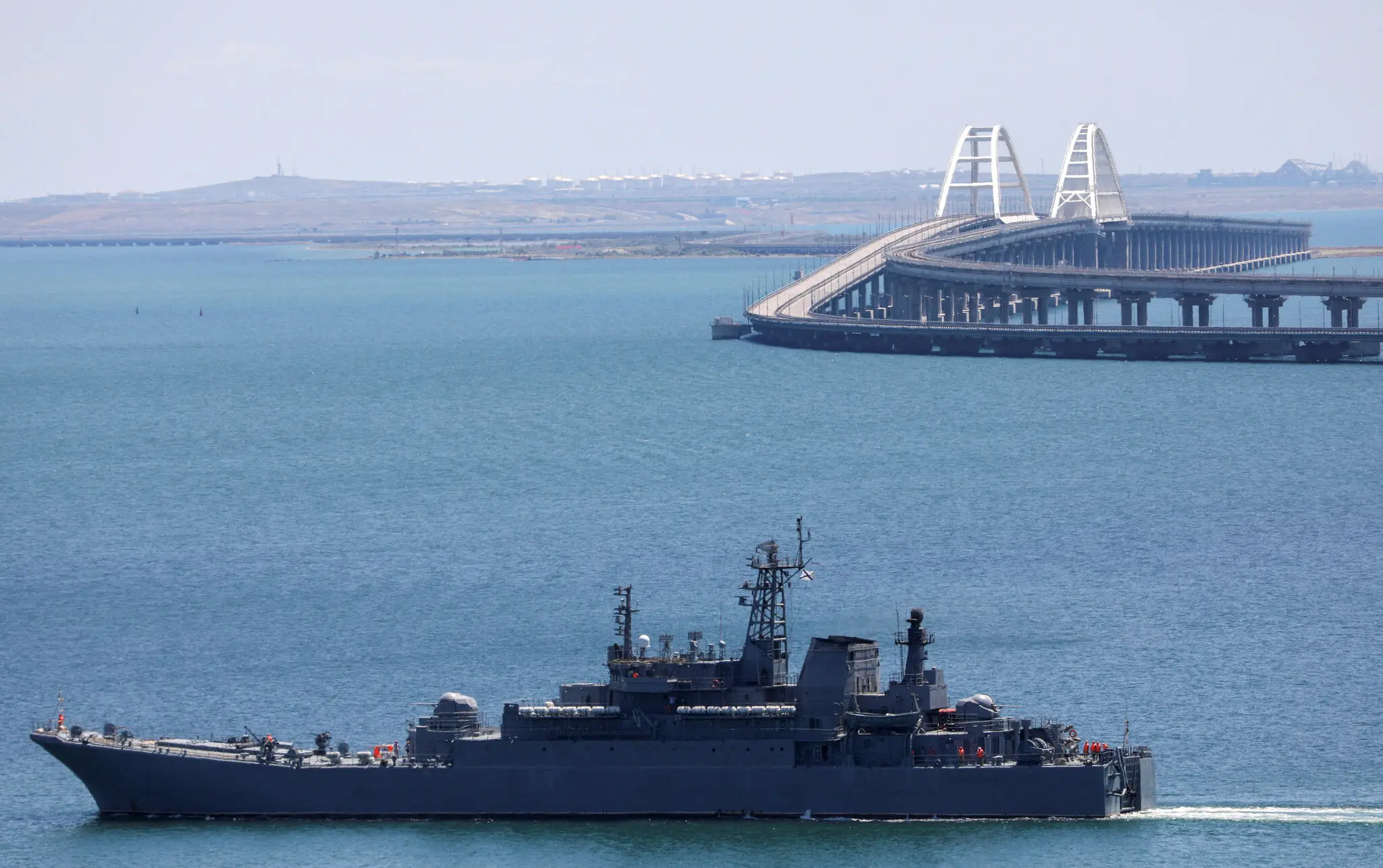



















Ukraine has opened a new phase in its campaign against Russian logistics in Crimea. After striking roads, bridges, rail hubs, power facilities and storage sites, Kyiv is increasingly targeting the sea routes Moscow uses to supply the occupied peninsula.
The Sea of Azov, which after 2022 seemed almost sealed off from Ukraine, has now come within reach of long-range drones. That changes the map of the war: Russian vessels, tankers, cargo ships and auxiliary boats can no longer feel secure even in waters surrounded by Russia and Russian-occupied territory.
For the Kremlin, Crimea matters far beyond military geography. It is a political symbol of the Putin era, a proof of strength, a sacred element of the imperial myth. Ukrainian strikes on the peninsula therefore have a double effect: they disrupt supply and expose the vulnerability of what Moscow has spent years presenting as untouchable.
In Daycom’s earlier analysis, Kyiv’s current campaign is aimed not only at individual ships. Its deeper purpose is to make Russia’s hold on Crimea more expensive, more complicated and more politically painful. If Moscow cannot guarantee the safety of roads, railways, ports and sea lanes, the image of a controlled peninsula begins to break down.
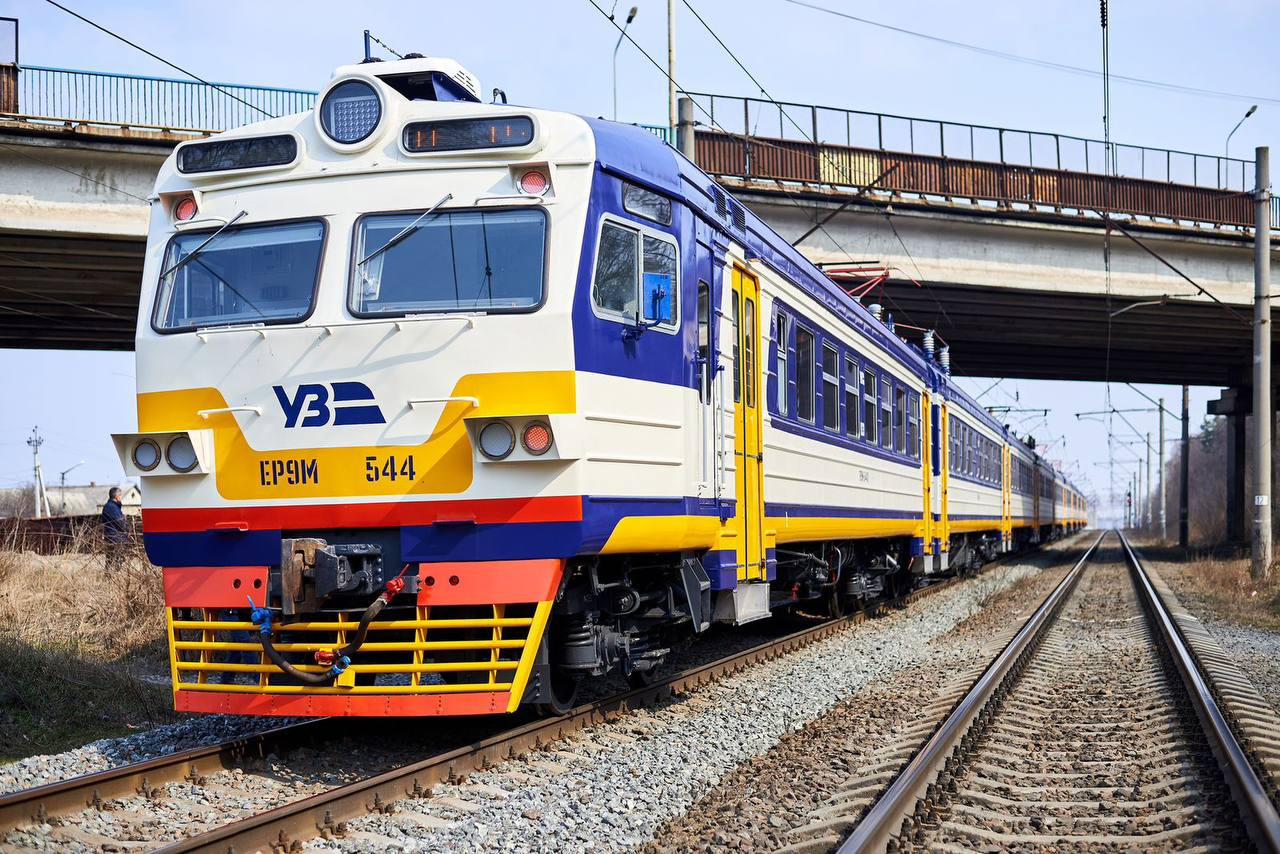
Ukraine’s logic is sequential. First came strikes on land routes connecting Crimea with occupied southern Ukraine and Russia. Then large fuel reserves, power stations, military infrastructure and depots came under pressure. When Russia began leaning more heavily on the sea, Kyiv moved its fire toward shipping.
This is not a random series of attacks. It is an attempt to steadily narrow the enemy’s logistical options. Crimea depends on fuel, ammunition, equipment, food, repair materials and stable communications. If every route becomes risky, Russia must spend more on protection, dispersal, repairs and the security of its own supply chain.
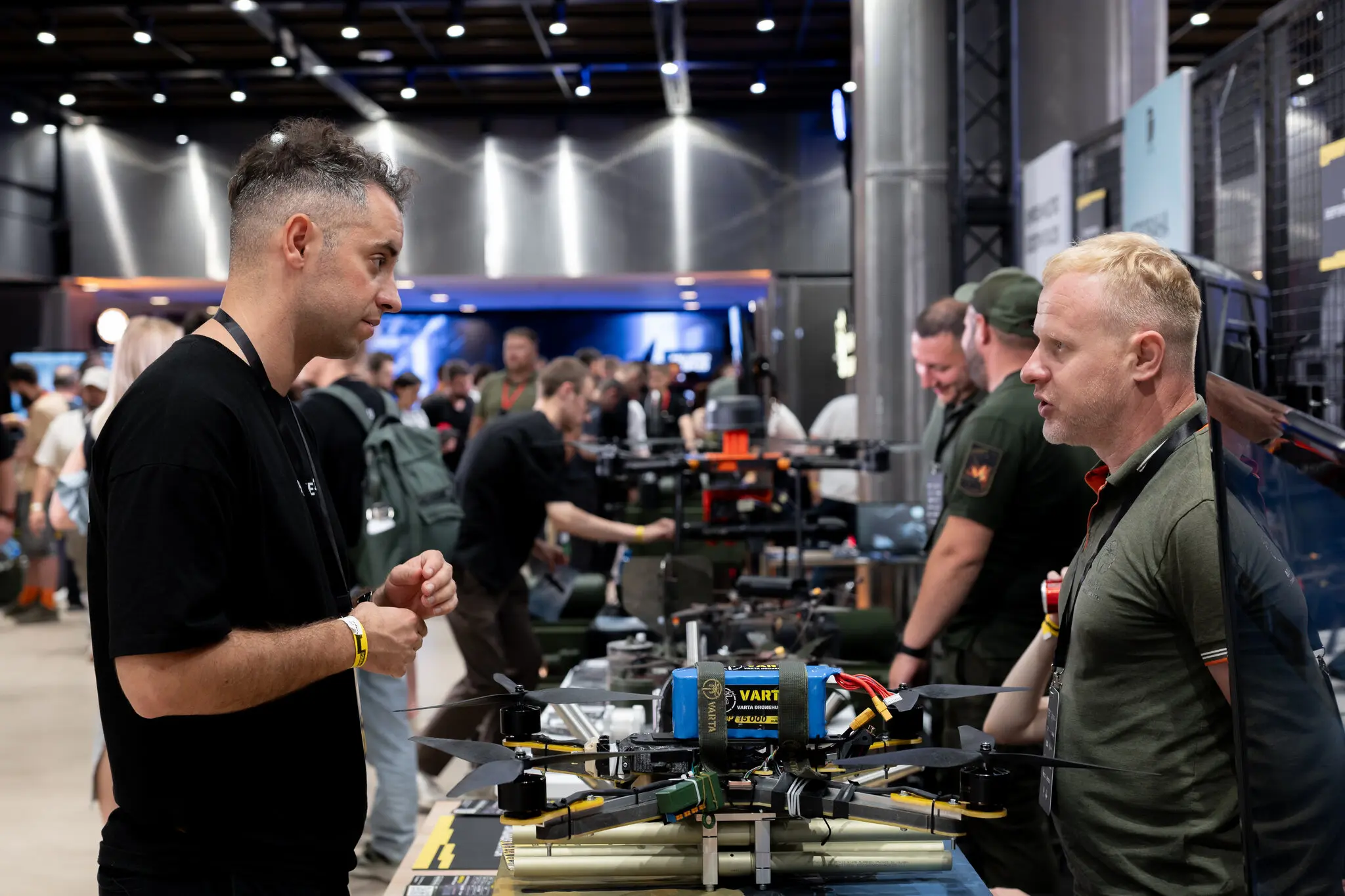
The defining feature of this phase is the large-scale use of Ukrainian drones at long range. To reach the Sea of Azov, operators must guide aircraft over hundreds of kilometers, navigating Russian air defenses, electronic warfare and surveillance. Over water, the drones fly low, close to the surface, to reduce the chance of detection.
That method of war shows how quickly Ukraine has turned drones from a tactical tool into a strategic instrument of pressure. They no longer merely correct artillery fire or attack trenches. They are changing maritime logistics, hitting oil refining deep inside Russia, disrupting ports and forcing the enemy to redesign its entire supply system.
Moscow acknowledges only part of the damage, while Kyiv speaks of dozens of vessels hit. The real number is likely somewhere between the official versions. But the central issue is not only statistics. Russian pro-war commentators are already complaining that the command cannot protect ships in the Sea of Azov. When that criticism emerges inside Russia’s own information camp, a military effect becomes political.
For Russia, the Sea of Azov long functioned as a rear area. After the capture of Mariupol and Berdiansk and control over much of the coast, Moscow used it as a logistical corridor. But drone warfare removes the stability of the rear. What appears protected on the map becomes reachable in practice.
For Ukraine, this is also a way to offset its weakness in conventional naval power. Kyiv does not have a large fleet capable of openly competing with Russia. But naval and aerial drones, long-range missiles and precise intelligence allow it to fight a different kind of war — not for ship-to-ship dominance, but to deny the enemy calm use of the sea.
In that sense, the Crimea campaign echoes Ukraine’s earlier successes in the Black Sea. Russia’s fleet has already been forced to move some ships away from occupied Sevastopol, change routes and limit activity. Now similar pressure is spreading to smaller but critically important supply vessels.
If Russia is indeed being pushed to rely more on maritime supply because bridges, roads and railways have become vulnerable, then strikes on ships are no longer peripheral. They become central. This is not an attack on an incidental target. It is an attack on the enemy’s adaptation after an older route became dangerous.
Fuel remains the most sensitive issue. Ukrainian strikes on Russian refineries have already contributed to gasoline shortages in different regions of Russia. If fuel delivery to Crimea is also made harder, Moscow faces a double pressure: less stable production and greater risk in transportation.
For the military machine, the consequences are direct. Without fuel, armored vehicles do not move, logistics slows, generators are constrained, repairs become harder, evacuations are delayed, and air and naval activity is limited. Even temporary disruptions force commanders to shift resources, change schedules and build reserves in places that may again become targets.
Kyiv is trying to impose precisely that arithmetic on Russia: every route must become costly, every storage site risky, every port a potential target. In a war of attrition, the goal is not only to destroy resources, but to force the enemy to spend more and more on protecting them.
The political dimension of the campaign is just as important. Ukraine is trying to show that the war cannot remain distant for Russian society. Strikes on Crimea, Russian refineries and logistics are meant to bring the war back into spaces Moscow considered controlled. It is a strategy of pressure: if negotiations remain frozen, the cost of continuing the war must rise.
The Kremlin has not shown any readiness to change course. Instead, Russia has answered with heavy strikes on Ukrainian cities, trying to prove that pressure on Crimea will not make it stop. Yet that reaction only confirms the peninsula’s importance. Moscow cannot ignore strikes on a territory it made central to its own victory narrative.
The Ukrainian slogan that Moscow will fall through Crimea sounds like political messaging, but there is a strategic idea behind it. Crimea is not only a naval base, not only a bridgehead and not only a transport hub. It is a place into which Putin’s system has invested enormous symbolic capital. If it becomes unsafe, the crack runs not only through logistics, but through the myth.
Russian commentators are already comparing the situation to their own version of the Strait of Hormuz, where ships cannot move there and back unharmed. The comparison is exaggerated, but revealing. It means Ukraine has achieved a psychological effect: a sea that was supposed to be a Russian rear zone is beginning to be seen as a zone of constant threat.
For Kyiv, maintaining tempo is essential. One wave of strikes can create shock, but the systemic effect comes only when the enemy cannot restore vessels, repair ports, change routes and adapt defenses quickly enough. That is why Ukrainian attacks in the Sea of Azov and the Black Sea are unlikely to remain a one-off operation.
The campaign also points to the future of war at sea. Large fleets can no longer rely only on tonnage and the range of their weapons. Small drones, low flight paths, satellite reconnaissance, commercial technologies and operators hundreds of kilometers away are creating a new threat for vessels that once seemed protected in rear areas.
Ukraine cannot quickly retake Crimea by striking ships alone. But it can make the peninsula less useful for the Russian army and more expensive for the Russian state. In a war where a direct breakthrough is often impossible, logistical exhaustion becomes a way to shift the balance.
That is why attacks on Russian vessels near Crimea are not a maritime detail of a larger war. They are part of a broader strategy: cut routes, break the sense of safety, hit fuel, expose the vulnerability of occupation and force Moscow to pay for every day it holds the peninsula.
Crimea was Putin’s symbol of control. Ukraine is trying to turn it into a symbol of vulnerability. If Kyiv succeeds in making the sea as dangerous for Russian logistics as bridges, roads and fuel depots have already become, the occupied peninsula will look less like a fortress and more like a distant garrison waiting each night for the next drone.