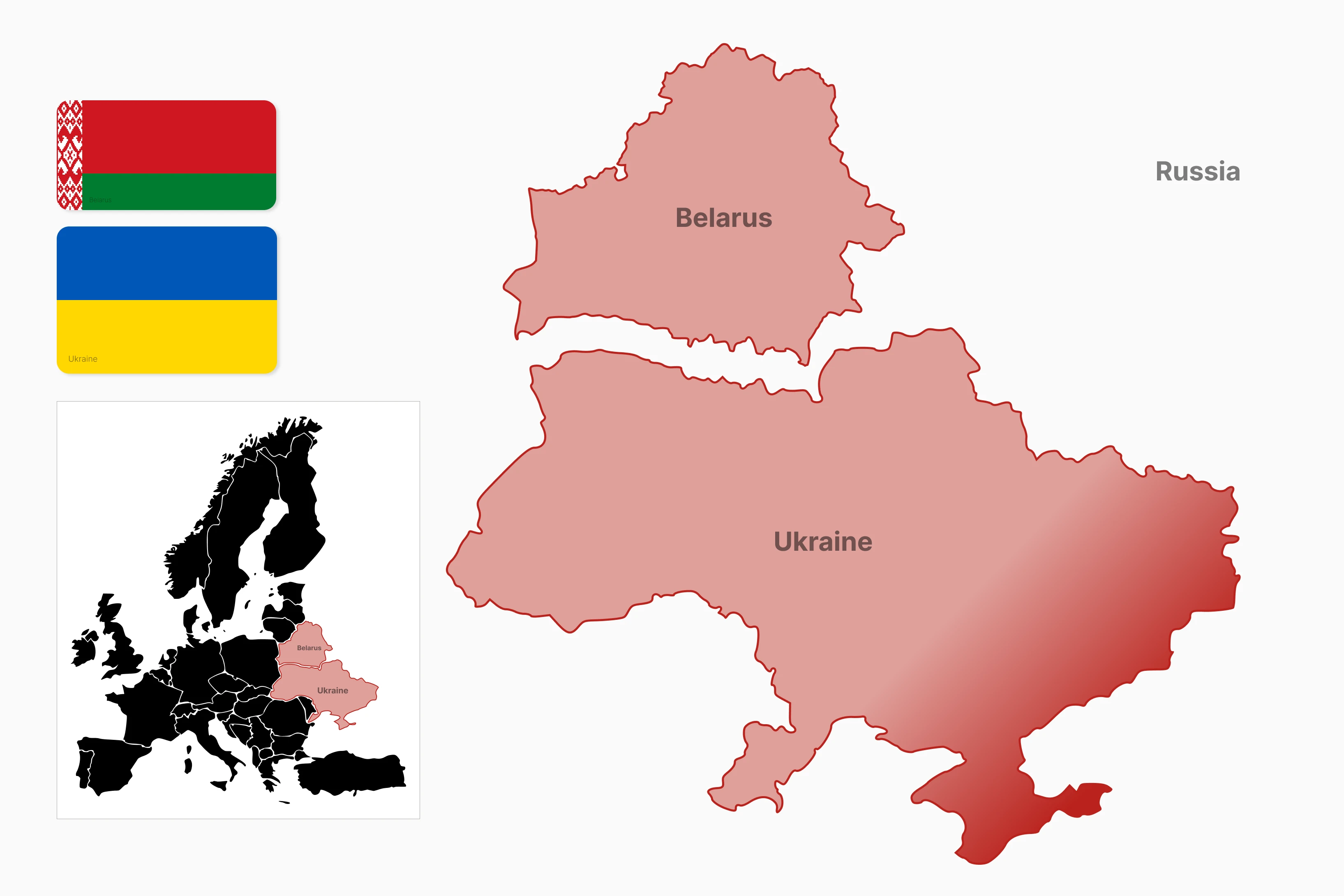























Ukraine is again looking north not as a quiet rear area, but as a direction of possible Russian maneuver. After several years of war, the map of threats no longer has secondary zones: even where a major breakthrough is not expected, Russia may still look for ways to stretch Ukrainian defenses.
Ukraine’s commander in chief, Oleksandr Syrskyi, has identified possible offensive action from Russian territory, from the Bryansk region, as the most realistic scenario. This is not panic, nor a prediction that an attack is inevitable. It is military preparation for an option the command considers serious enough.
In this assessment, Kyiv does not appear to be the main target. The Russian army already tried to seize the capital after the February 2022 invasion, failed and was forced to withdraw. Moscow’s possible logic now looks far more pragmatic.
According to Daycom’s earlier analysis, potential northern pressure should be seen not as a separate campaign for major cities, but as part of a war of attrition. Russia does not need to take Kyiv to create a problem. It only needs to force Ukraine to move forces away from other sectors of the front.
Chernihiv region may become the most likely target. For Moscow, even limited advances there would have political and military effect: new tension along the northern border, additional fortifications for Ukraine, and fresh demand for reserves, artillery, air defense and logistics.
In this scheme, the main objective is not a lightning breakthrough, but overstretch. Ukraine’s front already runs for more than a thousand kilometers. Every newly active sector forces the General Staff to decide where to keep its best brigades, where to take risks and where to build reserves.
This is the classic logic of a large army with greater manpower but an uneven ability to turn that resource quickly into operational success. If it cannot break the defense in one place, it can try to make the defense itself more expensive across the entire line.
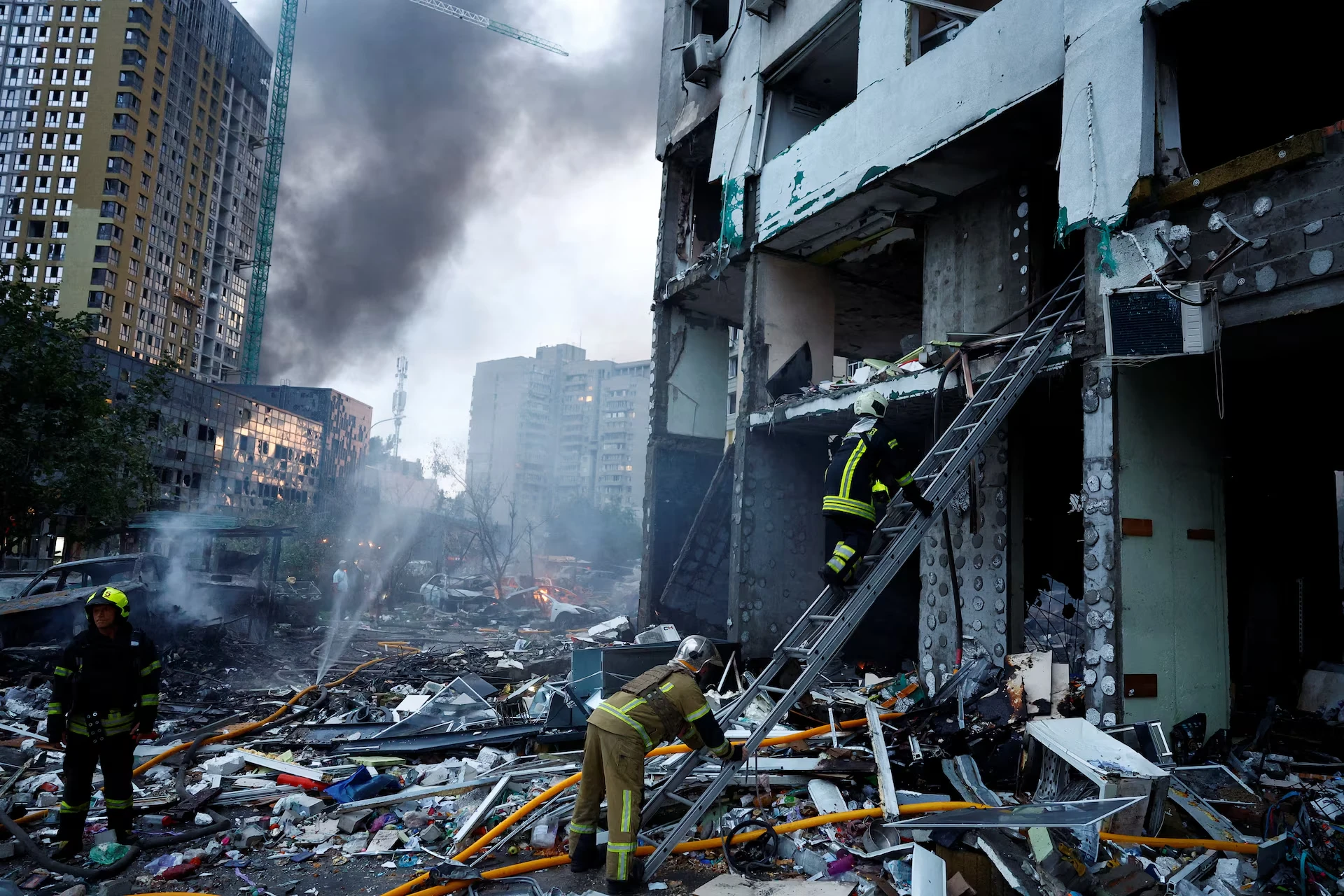
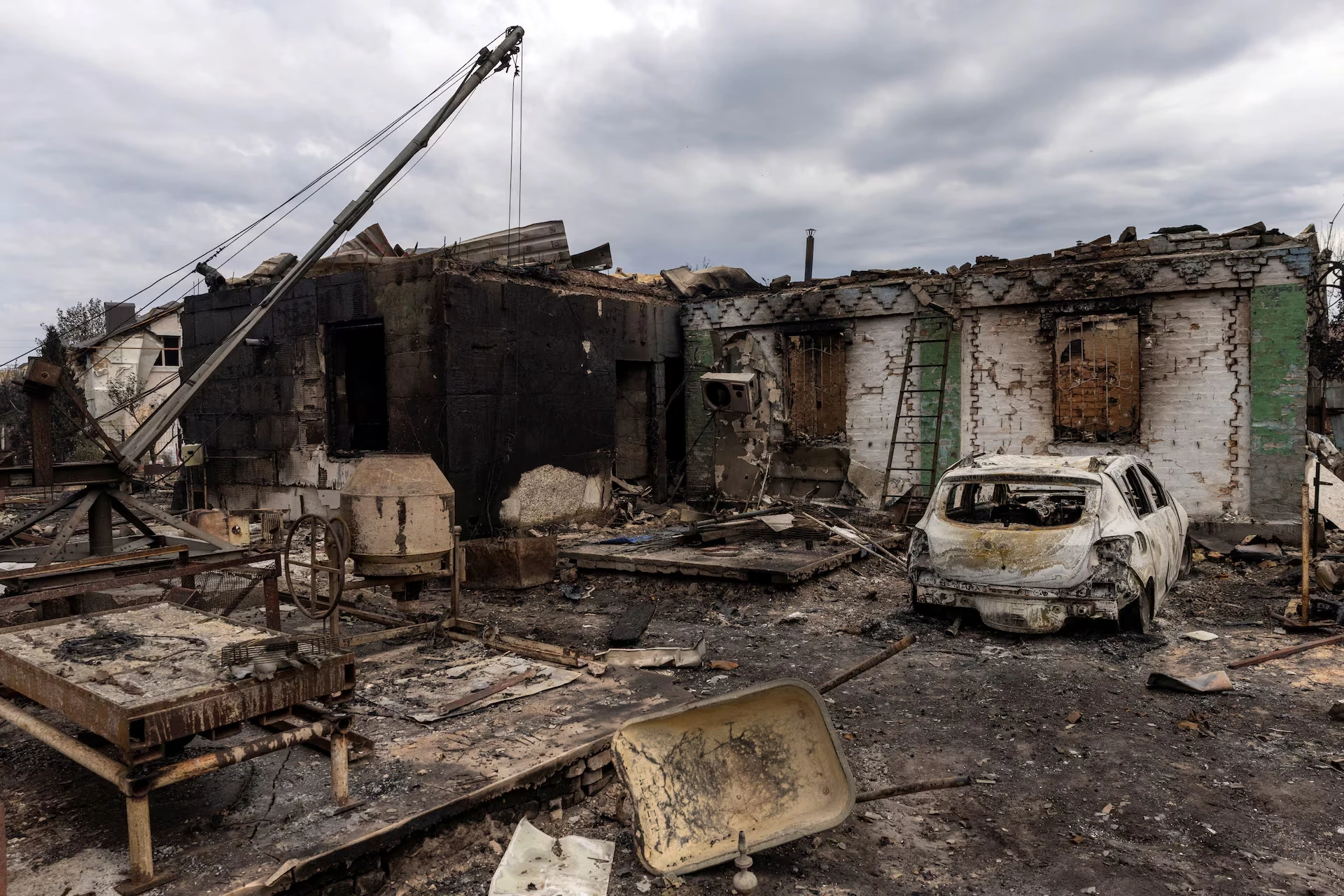
The northern direction carries special psychological weight for Ukraine. Chernihiv, Sumy and Kyiv regions already endured the first blow of 2022, the occupation of some communities, shelling, destruction and the difficult return of life after Russian forces withdrew. Any signal of renewed danger there is felt more sharply.
At the same time, today’s situation is not February 2022. Ukraine’s army has different combat experience, stronger fortifications, a more developed reconnaissance system, drones, minefields, fire plans and mobilized local defense. Russia is different as well: more exhausted, but also far more adapted.
The Belarusian direction does not currently look like the most likely one. Minsk allowed its territory to be used for Russia’s first strike at the beginning of the full-scale war, but direct involvement in a new offensive phase would bring Alexander Lukashenko’s regime serious internal and external risks.
Ukrainian command does not rule out that possibility entirely. In war, it is dangerous to build a defense on the assumption that an adversary will not dare. But the current assessment shows that the main focus is shifting toward Russian territory rather than a Belarusian staging ground.
A separate line of tension concerns infrastructure Kyiv believes may have been used in Russian attacks. Ukraine has demanded that Belarus shut down relay stations that could be involved in strikes on Ukrainian territory. After that, officials said those stations were no longer operating.
That episode reflects the new nature of the northern threat. It may not be only about tanks or infantry. It includes communications, targeting, reconnaissance, drones, missiles, logistics and political pressure. In this kind of war, the border becomes not a line, but a zone of permanent risk.
Across the wider front, Russia is also showing signs of exhaustion. According to Ukraine’s military command, the intensity of fighting has declined by roughly a third. That does not mean the offensive has ended, but it points to fatigue, problems with tempo and accumulated losses.
It is precisely at such moments that an army may seek new directions for pressure. Lower activity in some sectors does not guarantee a strategic pause. On the contrary, it may accompany preparations to change the geography of the fighting and force Ukraine to respond across a wider space.
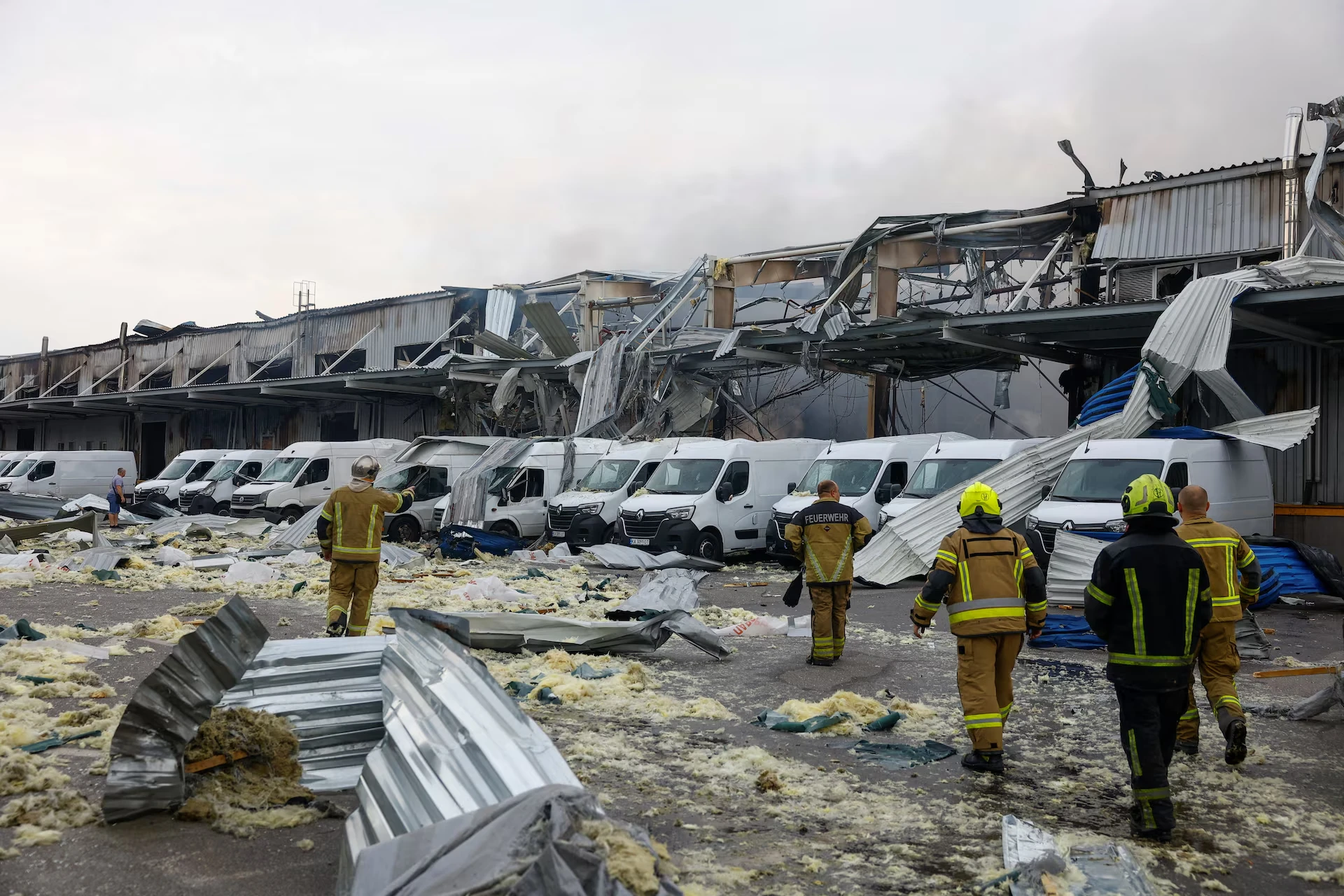
Ukraine’s answer is no longer limited to trench defense. Kyiv continues its campaign of long-range strikes against Russian targets, especially those linked to the oil industry. This is an attempt to hit not only soldiers at the front, but fuel, logistics and the economic rear of the war.
A two-sided logic of attrition is taking shape. Russia may try to stretch Ukrainian forces through renewed pressure from the north. Ukraine, in turn, is trying to stretch Russia’s air defenses, repair capacity, supply systems and rear security through strikes deep inside Russian territory.
For Kyiv, the main danger lies in maintaining balance. Overstrengthening the north could weaken the east or south. Underestimating the north could create room for a sudden local strike. In this war, reserves have become as important as the front line itself.
A possible offensive from Bryansk region does not have to be large to matter. Even a limited operation could force Ukraine to spend troops, ammunition, engineering resources and command attention. For Moscow, that alone may be part of the plan.
Still, a repeat march on Kyiv looks unlikely. The capital is better defended, Ukrainian society is mobilized, and the Russian army already knows the cost of underestimating the northern theater. The Kremlin may seek pressure, but it has no easy road to a major strategic breakthrough.
The northern threat is therefore not a sign of an inevitable assault on Kyiv, but a symptom of a long war. Russia is looking for new ways to force Ukraine to disperse its forces. Ukraine is preparing to prevent that maneuver from becoming an operational trap.
In that preparation, the key is not dramatic rhetoric, but sober planning. The north may become active again, Belarus remains a less likely staging ground for now, and the war is increasingly becoming a contest of reserves, reaction speed and the ability to see danger before it becomes a strike.