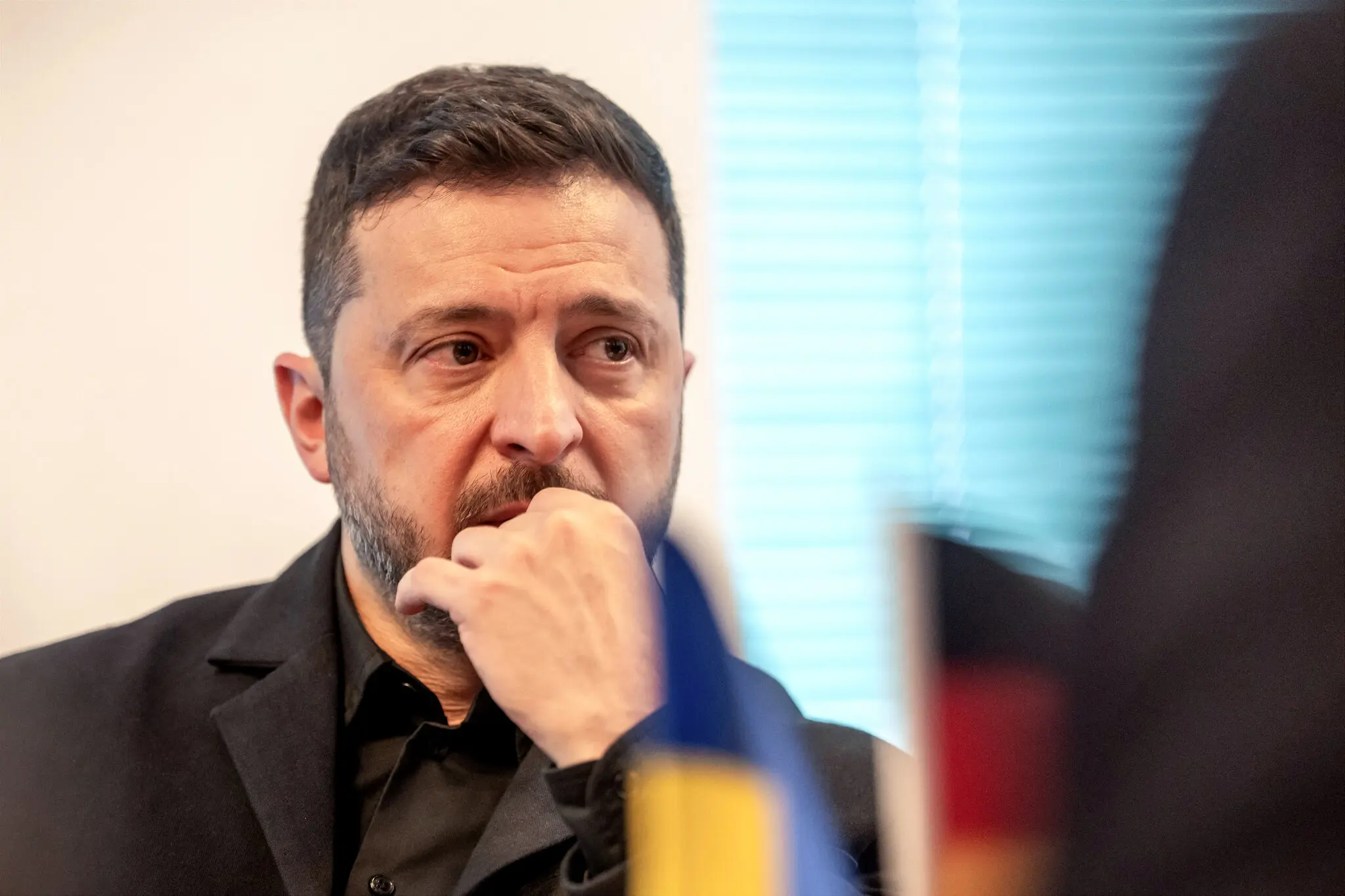
















Volodymyr Zelenskyy’s trip to the Gulf matters not as a chain of diplomatic meetings, but as evidence of a deeper shift. Ukraine, which until recently was associated above all with requests for Patriots, missiles, and emergency military aid, is now stepping onto the market as a provider of security expertise, operational experience, and wartime solutions.
That is the real story. Kyiv is offering Saudi Arabia, Qatar, and the United Arab Emirates not merely political solidarity, but practical help in protecting the sky, critical infrastructure, and urban space from Iranian drones and missiles. In that formula, Ukraine stops being only a consumer of Western security and begins acting as a producer of it.
The shift is logical. After years of full-scale war, Ukraine has accumulated unique experience in dealing with waves of Shahed drones, mixed aerial attacks, and systematic strikes on the energy grid. That experience is now becoming a geopolitical asset that can be converted into partnerships, investment, co-production, and a broader diplomatic role.
According to Deikom’s assessment, this is where a new Ukrainian role is emerging: not a victim asking for protection, but a country selling an architecture of survival. That does not cancel Kyiv’s need for Western weapons, but it changes the negotiating position itself. Ukraine is no longer speaking only from vulnerability. It is also speaking from utility.
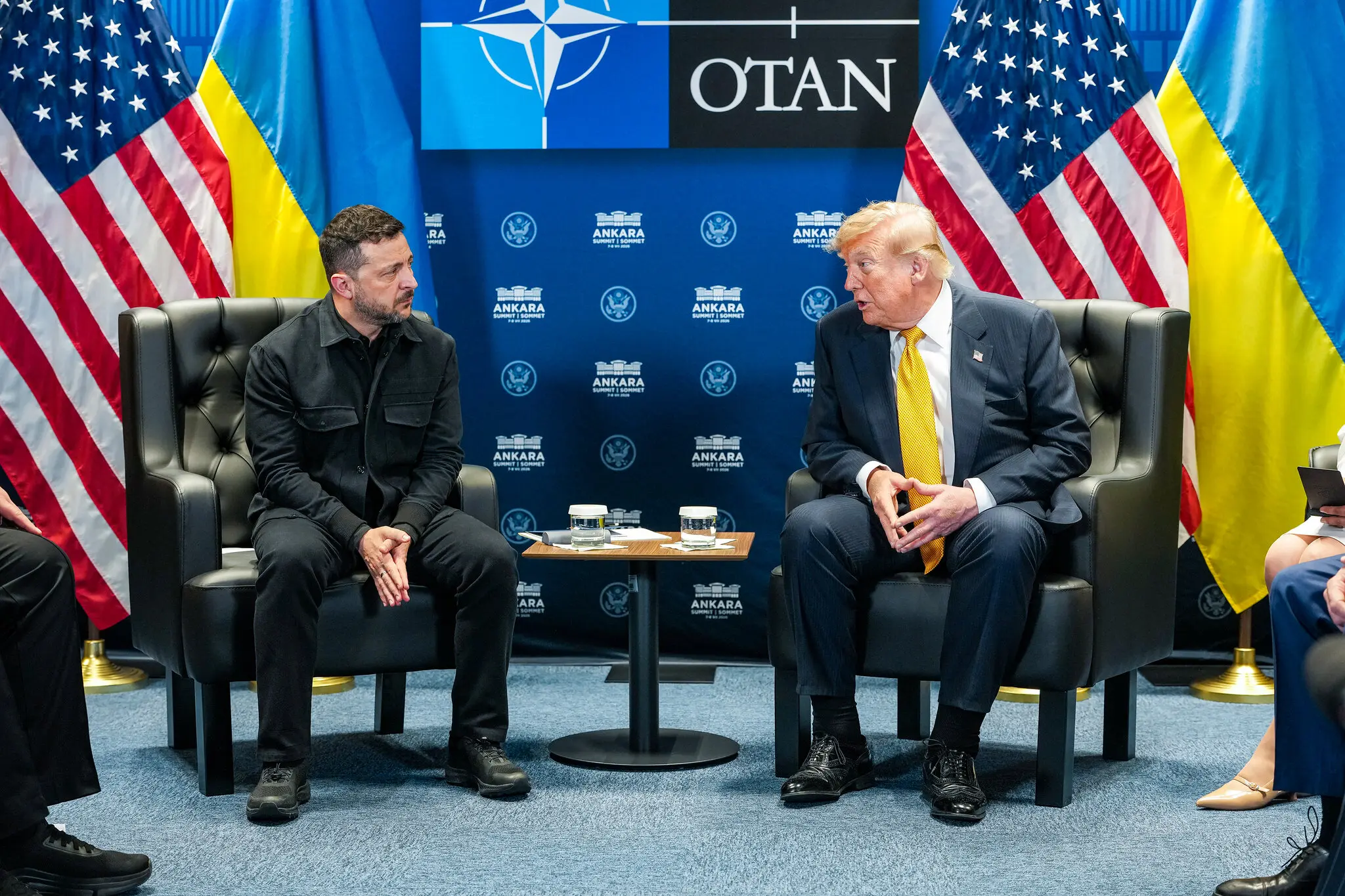
Saudi Arabia offered the first clear sign of that change. During talks in Jeddah, Zelenskyy and Crown Prince Mohammed bin Salman discussed defense cooperation in terms that go beyond symbolism. Kyiv presented the arrangement as a foundation for future contracts, technological cooperation, and investment, openly framing Ukraine as a potential “security donor.”
The practical dimension matters even more. Ukrainian military experts have already been working in Saudi Arabia on ways to strengthen defenses against Iranian drones and missile threats. This was not abstract consultation. It was a transfer of battlefield knowledge: how to intercept cheap mass attacks, how to adapt layered defense in real time, and how to protect vulnerable infrastructure under repeated pressure.
 «Вже є чітке розуміння того, як посилити систему захисту неба та критичної інфраструктури в Еміратах, інтегруючи український досвід», – написав президент України Володимир Зеленський у дописі в Telegram — Геня Савілов
In Qatar, the logic moved further. Kyiv and Doha agreed to a defense partnership expected to run for at least a decade. The agenda reportedly spans air defense, anti-drone systems, military training, cybersecurity, artificial intelligence, command systems, and joint defense projects. This is no longer about sympathy for Ukraine. It is about structured long-term security exchange.
What makes that especially important is that the discussion is no longer limited to sharing know-how. The Qatari track includes the prospect of co-production facilities, industrial cooperation, and long-term investment in defense projects. In other words, Ukraine is exporting not only combat lessons, but also its defense industry as a platform for partnership.
The UAE track is still being finalized, but its shape is already visible. In Abu Dhabi, the talks focused on the protection of life, critical and social infrastructure, and the wider consequences of Iranian attacks and pressure on the Strait of Hormuz. That means security and energy are now being discussed as part of a single strategic package.
This energy dimension is what makes Gulf diplomacy with Ukraine especially significant. For the Emirates and Saudi Arabia, air defense is not just about military bases. It is about terminals, ports, electricity, refining capacity, shipping confidence, and the continuity of exports. For Ukraine, this creates a way into the region based not on moral sympathy, but on practical relevance.
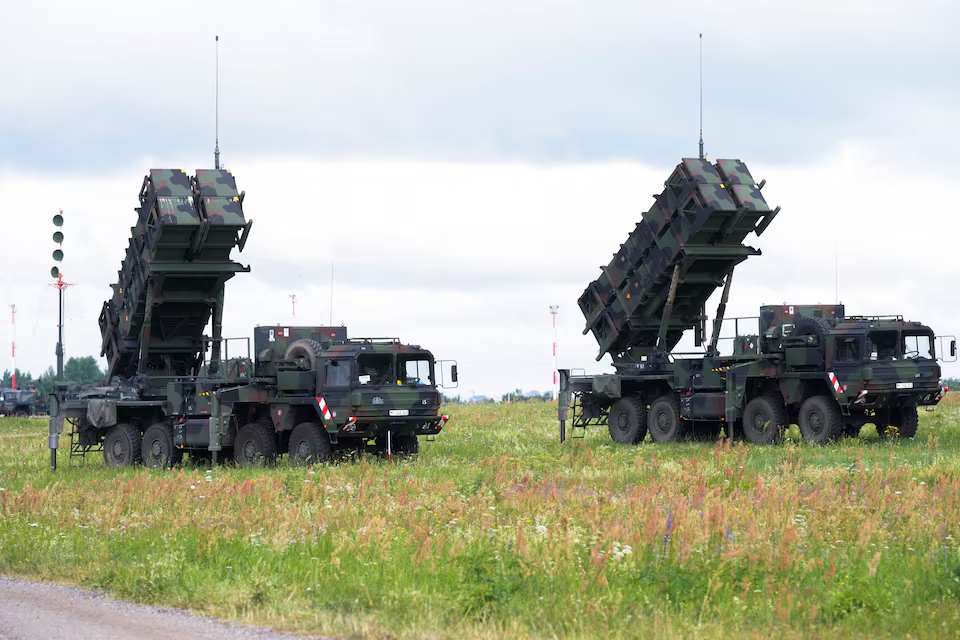
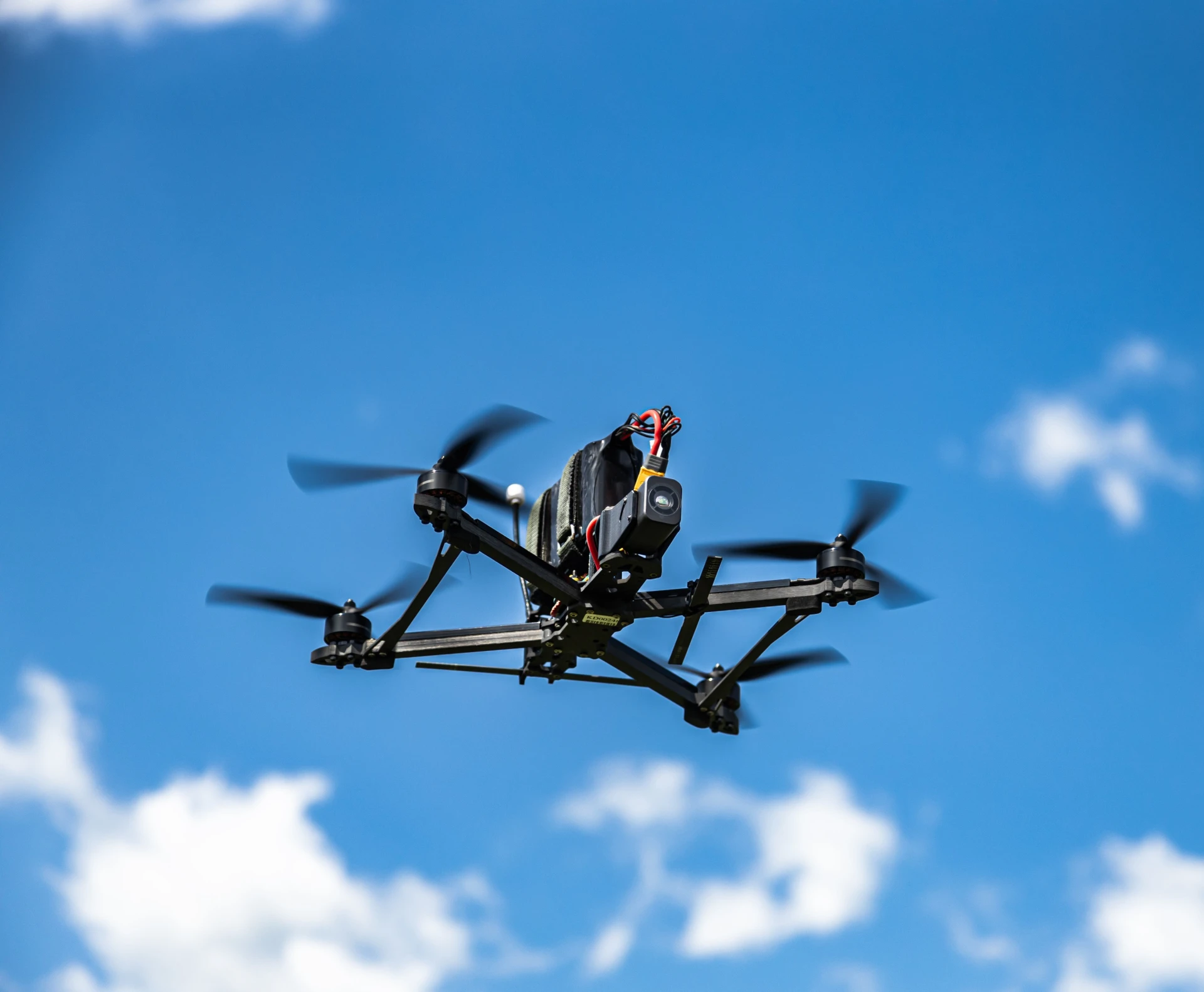
Kyiv’s key product here is not Patriot batteries, which Ukraine itself still lacks, but a cheaper and more flexible model for countering drones. Ukrainian specialists understand that ballistic threats still require high-end systems, but they have also developed more affordable methods against mass drone attacks: mobile fire groups, radar integration, improvised intercept layers, and software-enabled response systems.
That is the heart of the new Ukrainian export. Ukraine cannot compete with the United States in producing expensive interceptor missiles, but it has learned how to build an integrated defense model from scarcity. It knows how to combine limited resources, tactical improvisation, and operational discipline into a system that works under constant attack. For Gulf states used to relying on costly Western platforms, that is a highly attractive proposition.
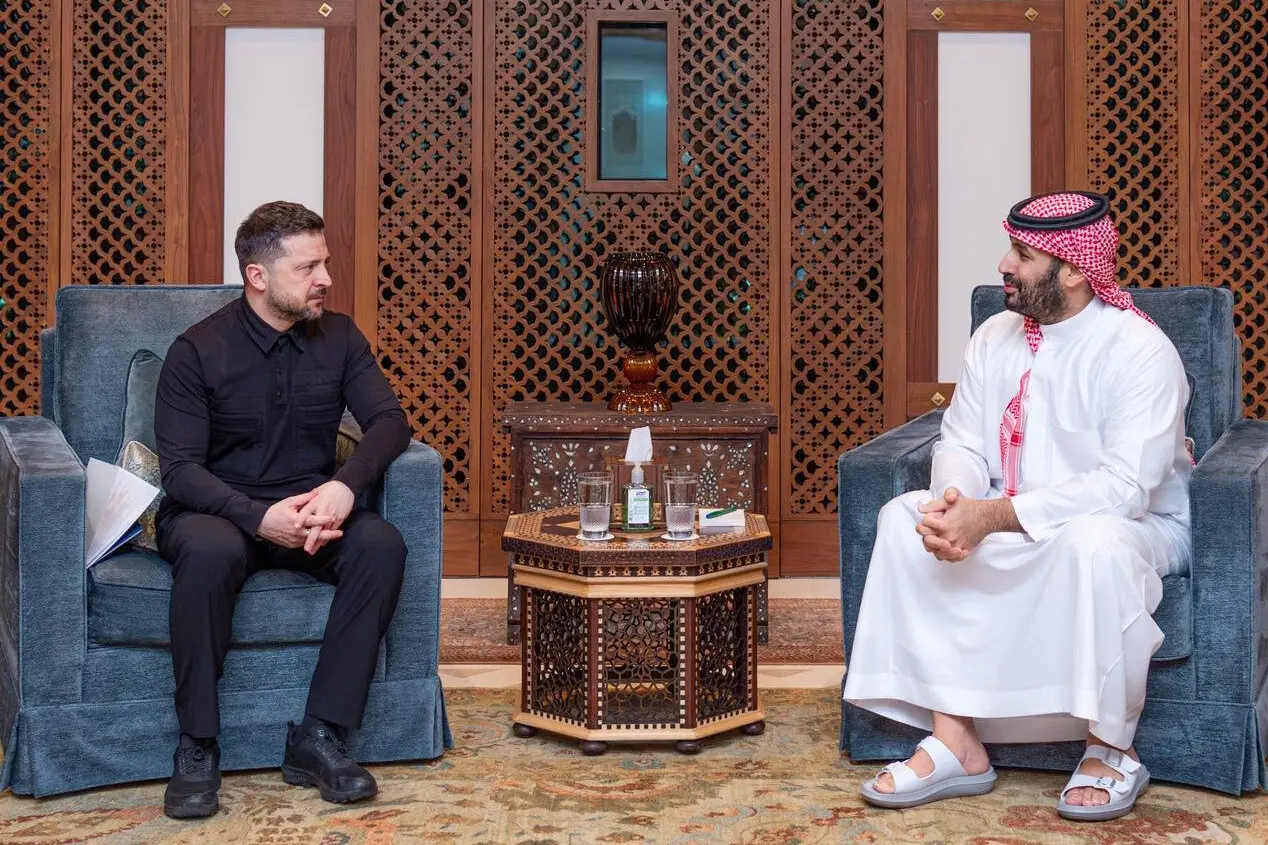 Фотографія, оприлюднена урядом Саудівської Аравії, на якій зображено зустріч президента України Володимира Зеленського з кронпринцем Мухаммедом бін Салманом у п'ятницю — Саудівське інформаційне агентство
Kyiv is also explicit about the reciprocal nature of the arrangement. Zelenskyy has made clear that in exchange for Ukrainian expertise, Ukraine needs what it still lacks most: stronger protection against ballistic threats and greater financial resources for its own defense. These Gulf agreements are therefore not acts of altruism. They are part of a strategic barter system linking experience, capital, and military technology.
Another point matters just as much: this is not a one-off diplomatic tour. It is the beginning of a more durable Ukrainian security presence in the Gulf. Once experts are deployed on the ground and agreements are signed for ten years rather than ten weeks, Kyiv is no longer visiting the region. It is positioning itself inside it.
The Middle East war also changes Ukraine’s diplomatic balance. On one hand, there is a clear risk that U.S. and Western attention shifts from Ukraine toward Iran and the Gulf. On the other, Kyiv has found a way to insert itself into the new crisis not as a passive victim of shrinking attention, but as a useful partner for states now facing Iranian aerial threats of their own.
That gives this policy an informational purpose as well. Ukraine is telling its partners that Russia’s war against Ukraine and Iran’s threat to the region are not separate stories. They are part of the same technological and military ecosystem. Wherever Shaheds appear, the answer is not only expensive Western hardware, but also the experience of the country that has lived under such attacks for years.
There are limits, of course. Ukraine cannot replace Western air defense systems, and Gulf states will not become a full substitute for America’s strategic umbrella. But Kyiv is not trying to create a replacement. It is building an additional layer of strength: political, industrial, technological, and financial, operating alongside its European and American tracks.
That is why the broader conclusion matters. Ukraine has begun to sell the world not only courage, but a tested model of how to survive sustained aerial warfare. If the agreements with Qatar, Saudi Arabia, and the UAE begin to operate at full scale, Kyiv will gain a new status: not only Europe’s frontline state, but also an exporter of security solutions to an entire region.