
















Ukraine is increasingly bringing the war to places Russia long regarded as rear areas rather than front lines. Strikes on tankers delivering fuel to occupied Crimea through the Sea of Azov showed that Kyiv is no longer limiting itself to attacks on bridges, depots or oil terminals.
The target is now the supply system itself — mobile, hidden, often wrapped in a civilian shell and connected to Russia’s shadow fleet. Through such vessels, Moscow tries to bypass sanctions, move oil and fuel, and sustain its war machine as official routes become more vulnerable.
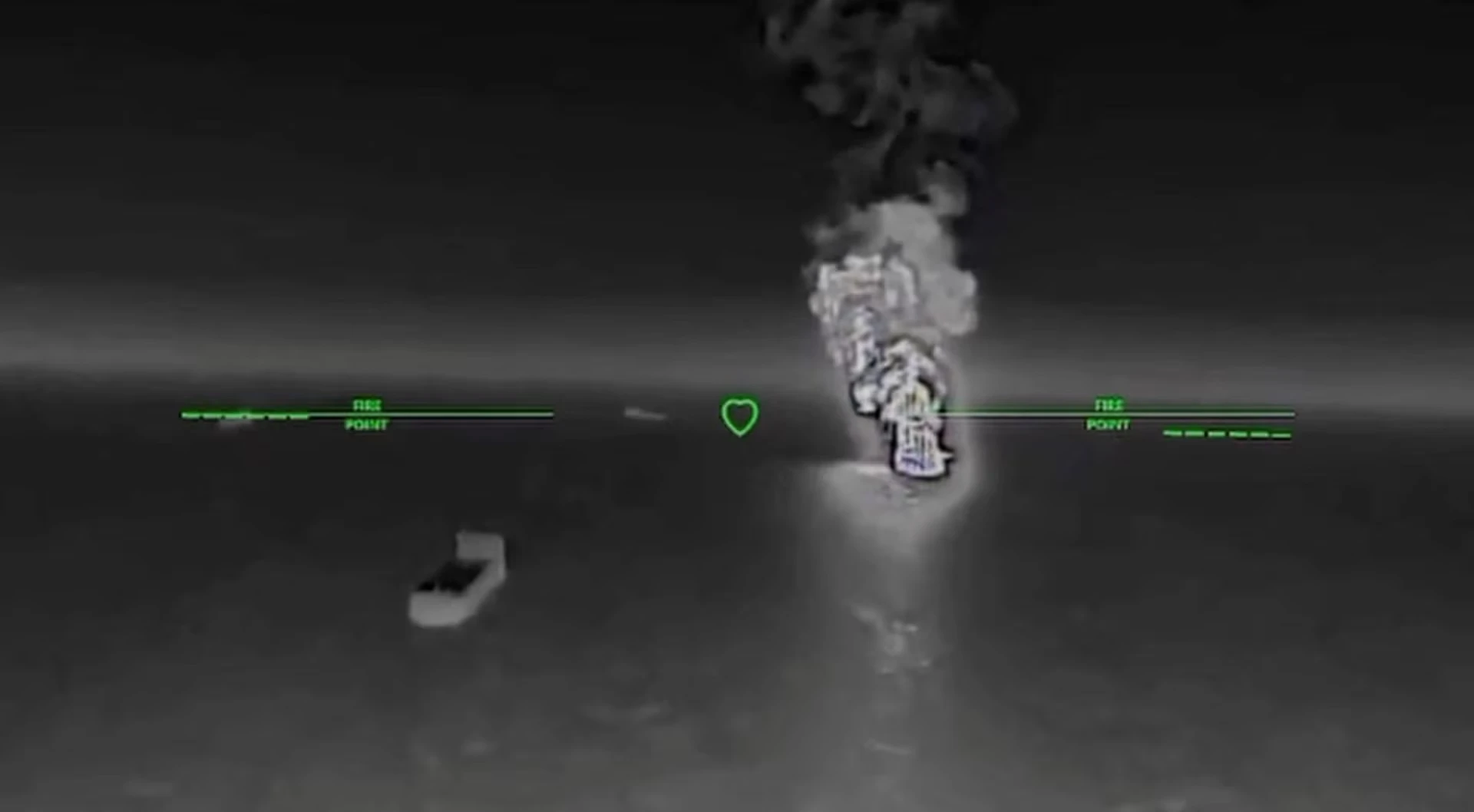
Ukrainian drones struck a series of tankers in the Sea of Azov over two days, some of them operating on routes linked to Crimea’s supply network. For Russia, this is more than a maritime incident. It is a strike on the artery connecting fuel, occupied territory, the southern front and Moscow’s ability to wage a long war.
According to Daycom’s analysis, this campaign marks Ukraine’s shift from hitting individual facilities to pressuring the entire logic of Russian supply. If depots and terminals were once the primary targets, the transport cycle itself is now under attack — vessel, route, port, transfer and delivery.
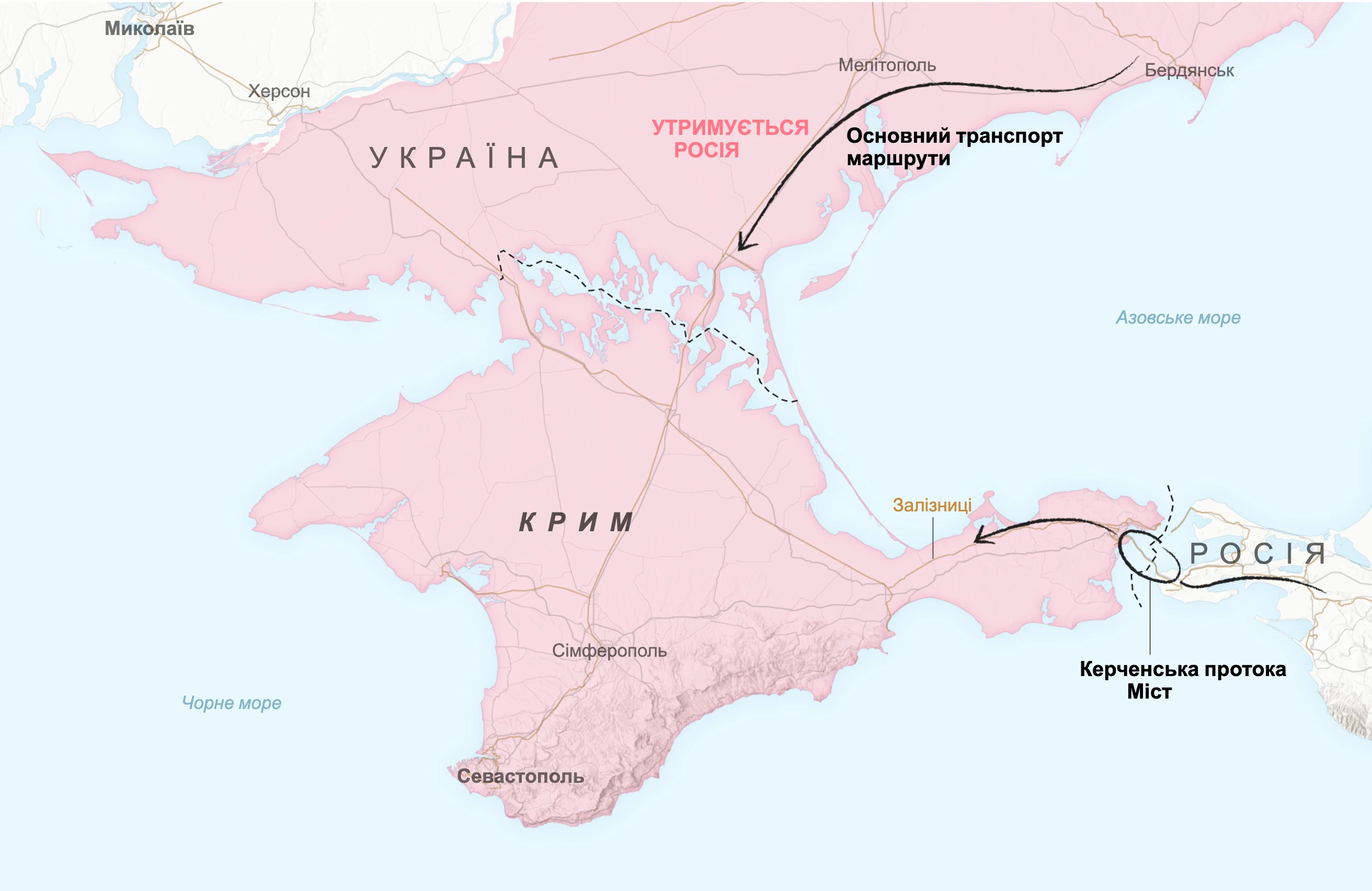
The Sea of Azov has particular importance for Russia. After the occupation of parts of southern Ukraine, it became an internal corridor for military logistics. Through it, Moscow can supply Crimea, support forces on the southern axis, and move fuel, ammunition and equipment without relying entirely on the Kerch Bridge.
That is why attacks on tankers carry more weight than they may appear to at first glance. Damaging or destroying a vessel is only the visible part of the result. The larger effect is forcing Russia to change routes, disperse cargo, strengthen protection, reduce transport volumes and calculate risks where inertia once prevailed.
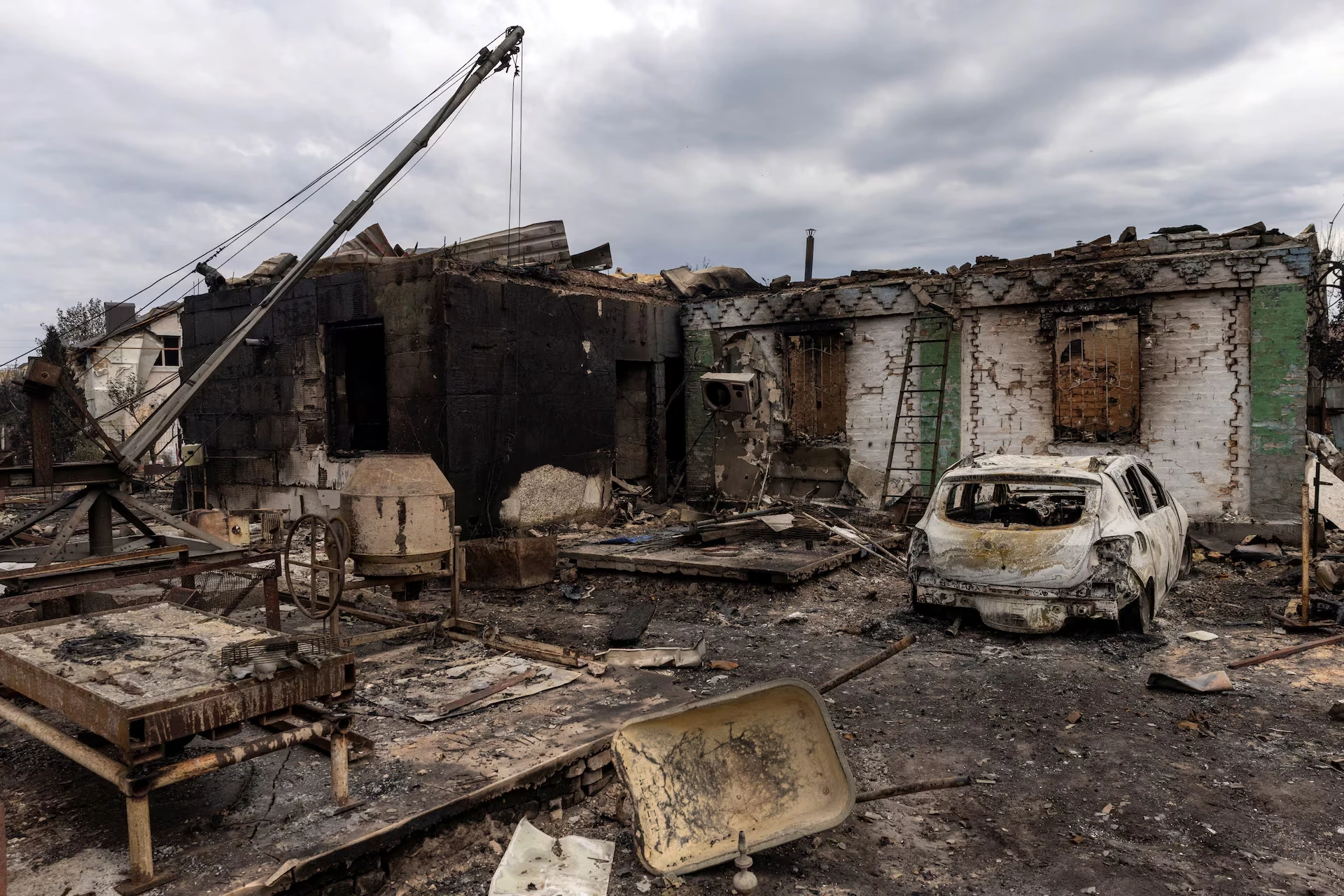
Crimea is already feeling the effects of Ukraine’s campaign against fuel and energy infrastructure. Strikes on oil depots, electrical substations, radars, missile systems and logistics hubs have created a cumulative effect. The peninsula, which Moscow built as a military platform, increasingly resembles a complex system with many points of failure.
For the Russian army, fuel is not just a resource. It is the movement of tanks, trucks, generators, repair teams, air defense systems, boats, drone units and evacuation routes. When Ukraine strikes fuel, it is not merely hitting reserves in a tank. It is hitting the tempo of Russia’s war.
The shadow fleet functions in this structure as a gray circulatory system. Its vessels are harder to monitor, often changing flags, owners, routes and documents. But the very opacity that makes them useful to Moscow also turns them into legitimate targets in the war against Russian supply.
Ukraine has long argued that the fight against such vessels cannot remain only a matter of sanctions lists. When a tanker is actively carrying resources for Russia’s military infrastructure, it is not an abstract element of the global market. It is part of a specific war.
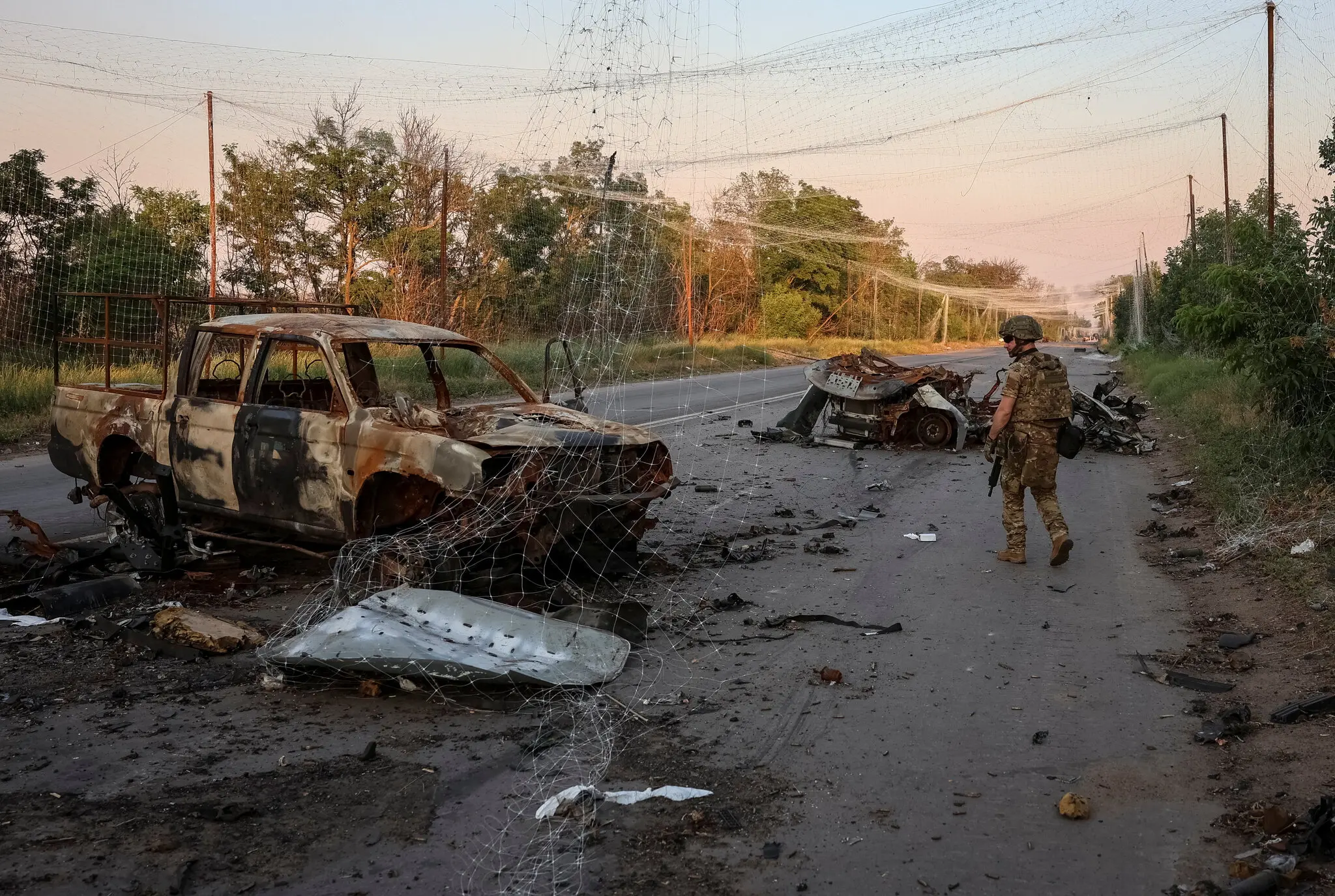
A strike on maritime logistics also complicates Russian planning. Land routes through occupied territories are already under pressure from Ukrainian drones. Bridges and crossings are regular targets. The Kerch direction requires constant protection. Now maritime movement carries its own risk.
This creates a multilayered problem for Moscow. If fuel moves by land, it can be attacked on roads or railways. If it moves by sea, the tanker becomes vulnerable. If cargo is stored in Crimea, oil depots and terminals can be hit. If supplies are dispersed, efficiency declines.
In this kind of war, every route does not have to be fully cut off. It is enough to make each one expensive, slow, dangerous and unpredictable. Logistics depends on rhythm. Ukraine’s strategy is to break that rhythm.
Russia will certainly try to adapt. It can change transport schemes, use smaller vessels, increase protection, disguise routes, move fuel through other channels and accelerate repairs to damaged infrastructure. But adaptation also carries a cost.
Every additional route means more time lost. Every new protective measure draws away people and equipment. Every damaged vessel raises insurance, operational and political risks. Even when a single strike does not stop supply, it makes the entire system work worse.
For Crimea, this is especially dangerous. The peninsula depends on narrow corridors, ports, electricity, fuel and bridges. Its geography was long a Russian advantage because it provided a base for the fleet, aviation and strikes against Ukraine. Now that same geography works against Moscow: everything entering Crimea must pass through limited and visible points.
The political meaning of the campaign is also clear. Ukraine is demonstrating that the occupation of Crimea has not become a stable reality. Moscow may call the peninsula Russian, but it cannot guarantee calm, fuel, electricity or invulnerable logistics. This undermines not only the military system, but also the myth of control.
In future negotiations, such strikes give Kyiv additional leverage. Ukraine is showing that it can raise the cost of occupation and gradually turn Crimea from a platform into a burden. Russia can no longer assume that time automatically works in favor of consolidating its gains.
Still, this campaign does not produce instant results. It does not liberate territory with one strike or collapse Russian logistics overnight. Its strength lies elsewhere — in consistency, repetition and the ability to accumulate effect. One damaged tanker creates a problem. A series of strikes changes the rules of the game.
Ukraine is striking the shadow fleet not for the spectacle of fire at sea. It is trying to deprive Russia of confidence that Crimea can be fed indefinitely with fuel, ammunition and resources without consequence. In a war of attrition, that matters strategically: whoever loses reliable supply gradually loses freedom of action.
Crimea was once a symbol of restored power for the Kremlin. Now it is increasingly becoming a test of whether that power can be sustained. Every strike on a tanker, port, substation or depot asks Russia the same question: how much will occupation cost if it must be fed every day through routes that are no longer safe?