



















Wars usually destroy export capacity before they create it. Ukraine, however, may be entering a rarer phase: the battlefield lessons it learned while defending its cities from Russian drone barrages are beginning to look like a viable product for the outside world.
That possibility has sharpened as the Middle East absorbs the military meaning of Iranian-style drone warfare. For governments across the Gulf, the question is no longer whether cheap unmanned systems can penetrate defenses. It is how quickly they can build a layered response without exhausting budgets or exposing critical infrastructure.
Kyiv’s answer is not a single device. It is a wartime-built ecosystem: interceptor drones, sea platforms, radar integration, operator training, software, deployment doctrine and the institutional memory of a country forced to improvise under pressure and then refine that improvisation at scale.
In Deikom’s assessment, this is what gives Ukraine an unusual advantage at a pivotal moment. The value lies less in a stand-alone drone than in a tested method for defending against mass attacks. Countries worried about their exposure to Shahed-style strikes are not only shopping for hardware. They are searching for a working system.
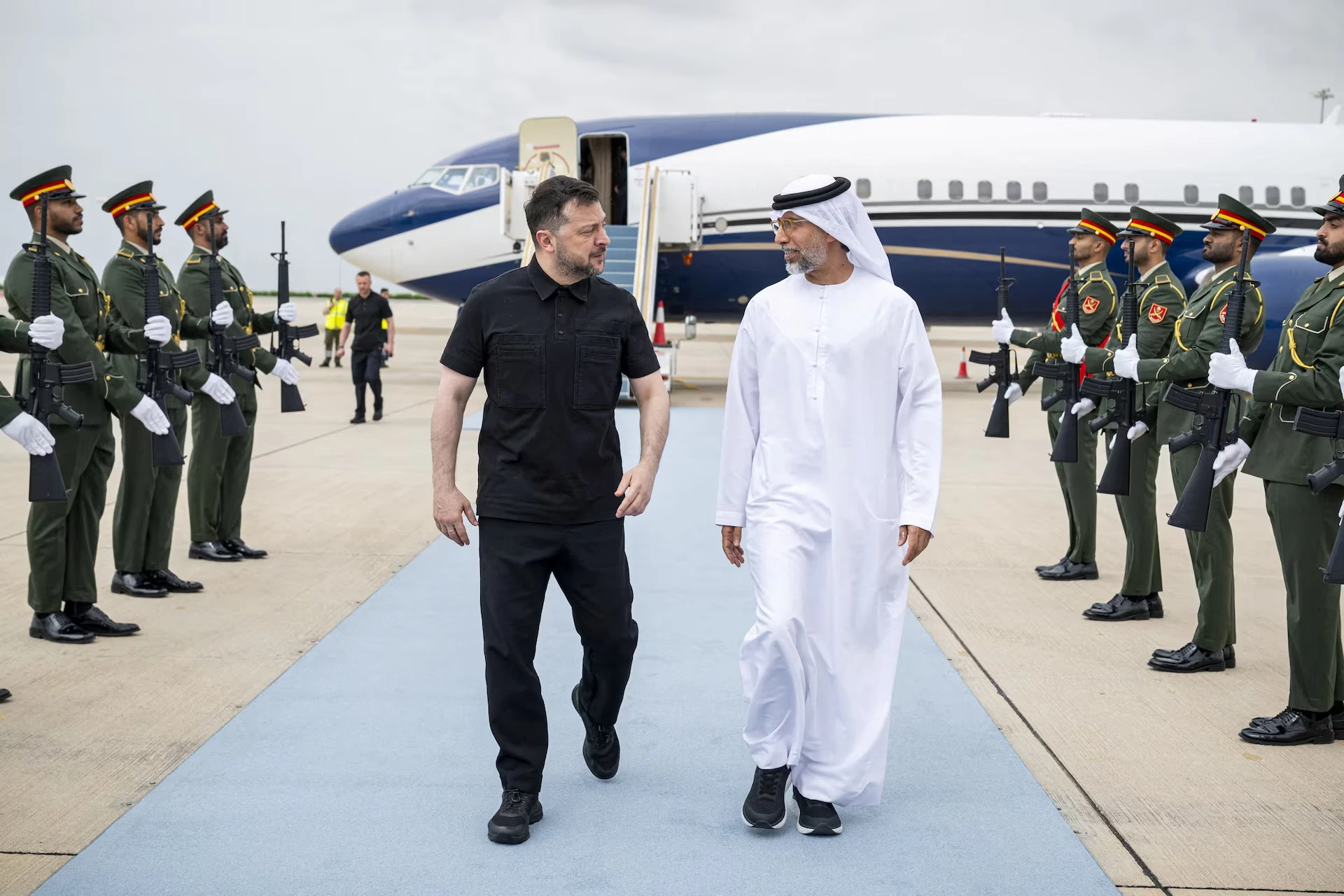
That is why President Volodymyr Zelenskyy’s outreach to Saudi Arabia, Qatar and the United Arab Emirates matters beyond diplomacy. The emerging framework is not simply about arms sales. It is about whether Ukraine can package combat experience into a long-term defense export model before the window narrows or closes.

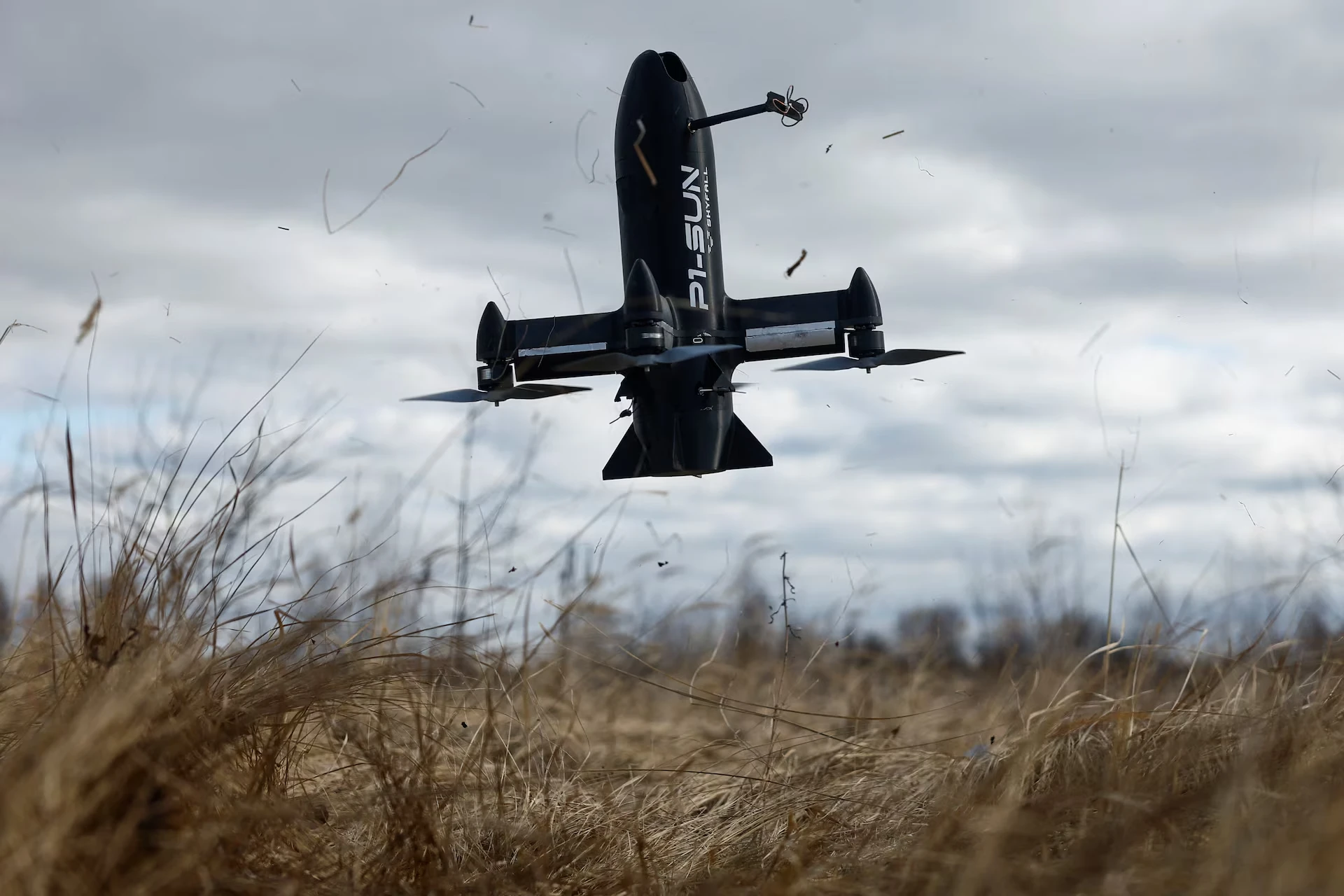
Ukraine’s drone sector has earned that attention the hard way. For years, Russia’s attacks forced the country to build a cheaper, faster and more adaptive layer of air defense beneath traditional missile-based systems. When hundreds of drones can be launched in a single night, no state can rely on expensive interceptors alone.
This is where Ukrainian interceptor drones became strategically significant. They are imperfect, but they alter the economics of defense. A system that costs thousands of dollars per engagement, rather than tens or hundreds of thousands, gives governments a chance to sustain protection over time instead of burning through resources on every incoming target.
The same logic extends to sea drones, one of Ukraine’s most consequential wartime innovations. Platforms such as Magura were first designed as an asymmetric answer to Russian naval superiority in the Black Sea. But their strategic appeal has widened. They can also serve as mobile bases for countering aerial threats over water and near coastlines.
For Gulf states with long shorelines, exposed ports and energy infrastructure near the sea, that concept is more than an experiment. It suggests a coastal defense architecture that is modular, relatively flexible and tailored to a threat environment defined by low-cost unmanned systems rather than conventional fleets alone.
If that architecture proves exportable, Ukraine will not merely be selling drones. It will be exporting a standard for drone-age defense. That distinction matters. Hardware can be copied, improved upon or undercut. Operational doctrine, training pipelines, integration methods and software ecosystems are harder to replicate and often far more valuable over time.
 Міністр закордонних справ України Андрій Сибіга показує міністру закордонних справ Ізраїлю Гідеону Саару російський безпілотник-камікадзе «Геран», копію безпілотного літального апарату «Шахед-136» іранського виробництва, на тлі нападу Росії на Україну, у Києві, Україна, 23 липня 2025 року — Валентин Огіренко
Yet the obstacle now is not only technological. It is political. Kyiv has made clear that sensitive defense exports must move through state channels, not through private firms acting alone. That caution is understandable. Ukraine cannot afford to send abroad systems it still needs at home, nor can it risk reputational damage from poorly supported foreign sales.
Still, delay carries its own cost. Defense markets rarely wait for perfect regulatory clarity. If the government moves too slowly, the first wave of demand may drift elsewhere, including to suppliers with less combat-proven experience but faster commercial machinery. In an emerging market, hesitation is often a competitive disadvantage in disguise.
This is why the current moment has implications far beyond one regional crisis. Ukraine is trying to answer a larger question: can a country that was forced into relentless military adaptation turn that adaptation into an industrial strategy? If it can, defense exports may become part of the financial backbone of postwar reconstruction.
The numbers make the prospect hard to dismiss. Ukraine’s defense manufacturing base has already reached a scale that would have seemed improbable early in the full-scale war, and officials argue that with sufficient financing it could expand much further. That gives the export conversation a seriousness that goes beyond rhetoric.
But the real exportable commodity is experience. A buyer does not simply need a drone. It needs trained crews, maintenance chains, battlefield procedures, radar placement, command-and-control coordination and a realistic understanding of what works when attacks come in waves, at night, under stress and with limited reaction time.

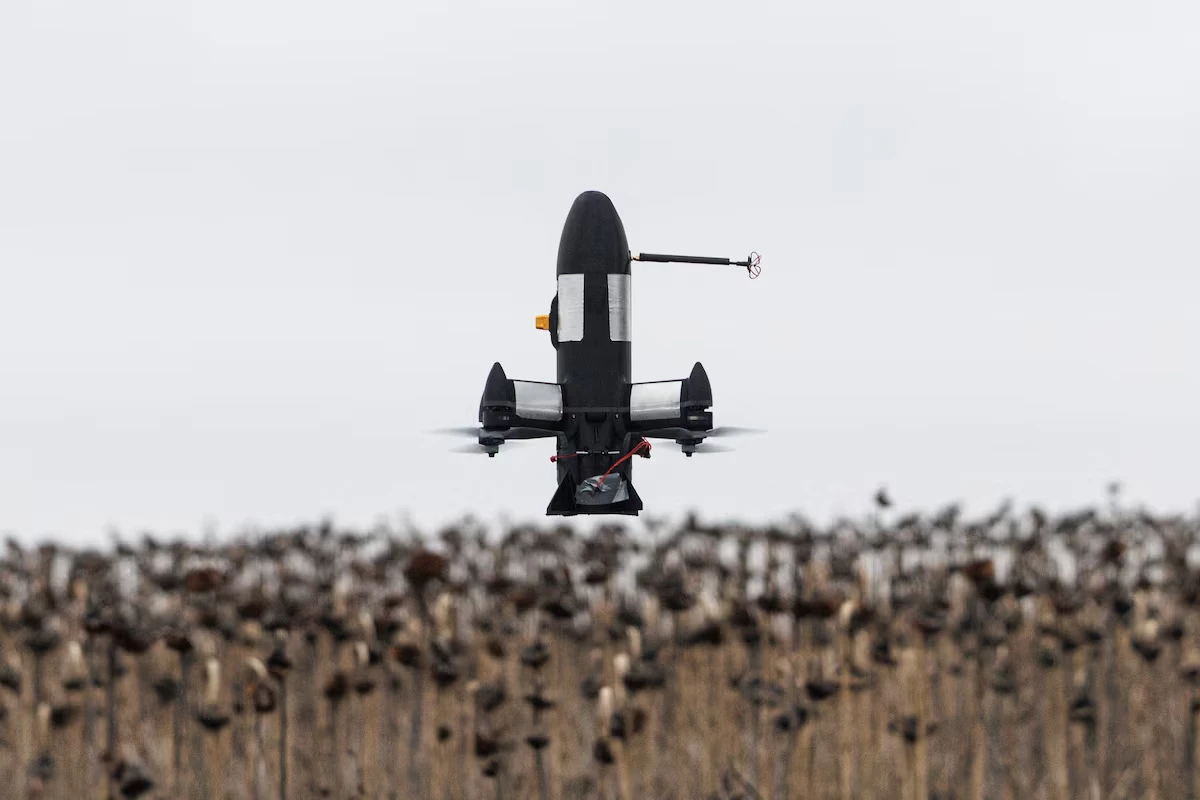
That is the part many countries cannot buy off the shelf. Ukraine can. Or at least, it can sell the closest thing available: a doctrine forged in live conditions rather than in simulations. For militaries only now confronting the implications of modern drone warfare, that may prove as important as any platform they acquire.
For the Gulf, the lesson is blunt. Money and infrastructure can accelerate acquisition, but they do not automatically create competence. The learning curve may be shorter than Ukraine’s was because the path has already been mapped. Yet the path still has to be built into institutions, not just contracts.
For Ukraine, the lesson is even sharper. Battlefield ingenuity becomes national strength only when the state knows how to formalize it — into export rules, production capacity, training schools, service networks and strategic partnerships. Otherwise, a wartime edge remains exactly that: an edge visible in conflict, but not converted into lasting power.
The conflict around Iran did not create Ukraine’s expertise. It merely made that expertise newly legible to the world. What happens next will depend on speed and discipline. If Kyiv can lock its advantage into policy and industrial structure, the Ukrainian drone industry may become more than a wartime necessity. It may become one of the country’s defining postwar sectors.