











Ukraine’s drone attack on Moscow was more than another strike on Russian infrastructure. It hit one of the Kremlin’s central political illusions: that the war can remain hundreds of miles from the capital while Moscow itself lives under the protection of distance, propaganda and layered air defense.
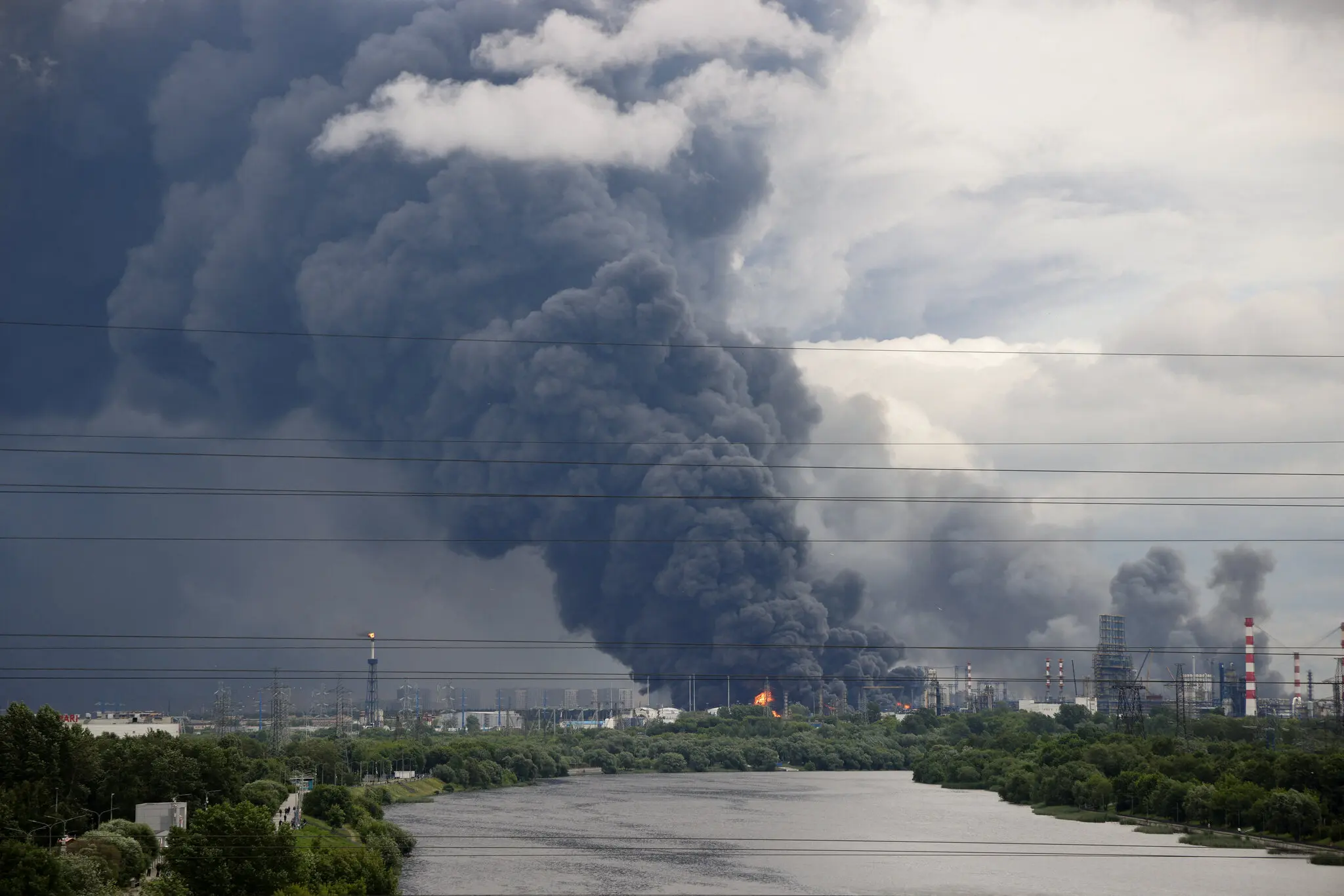
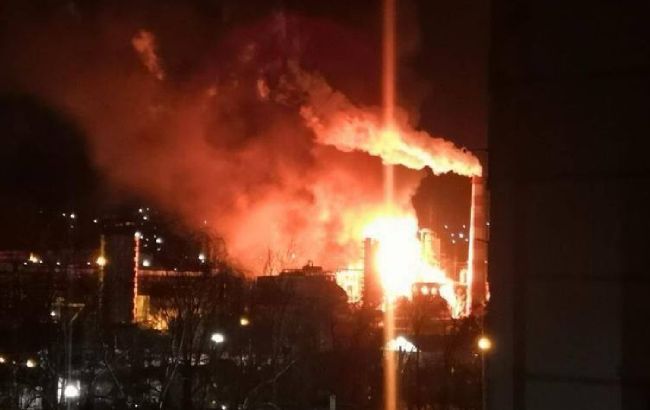
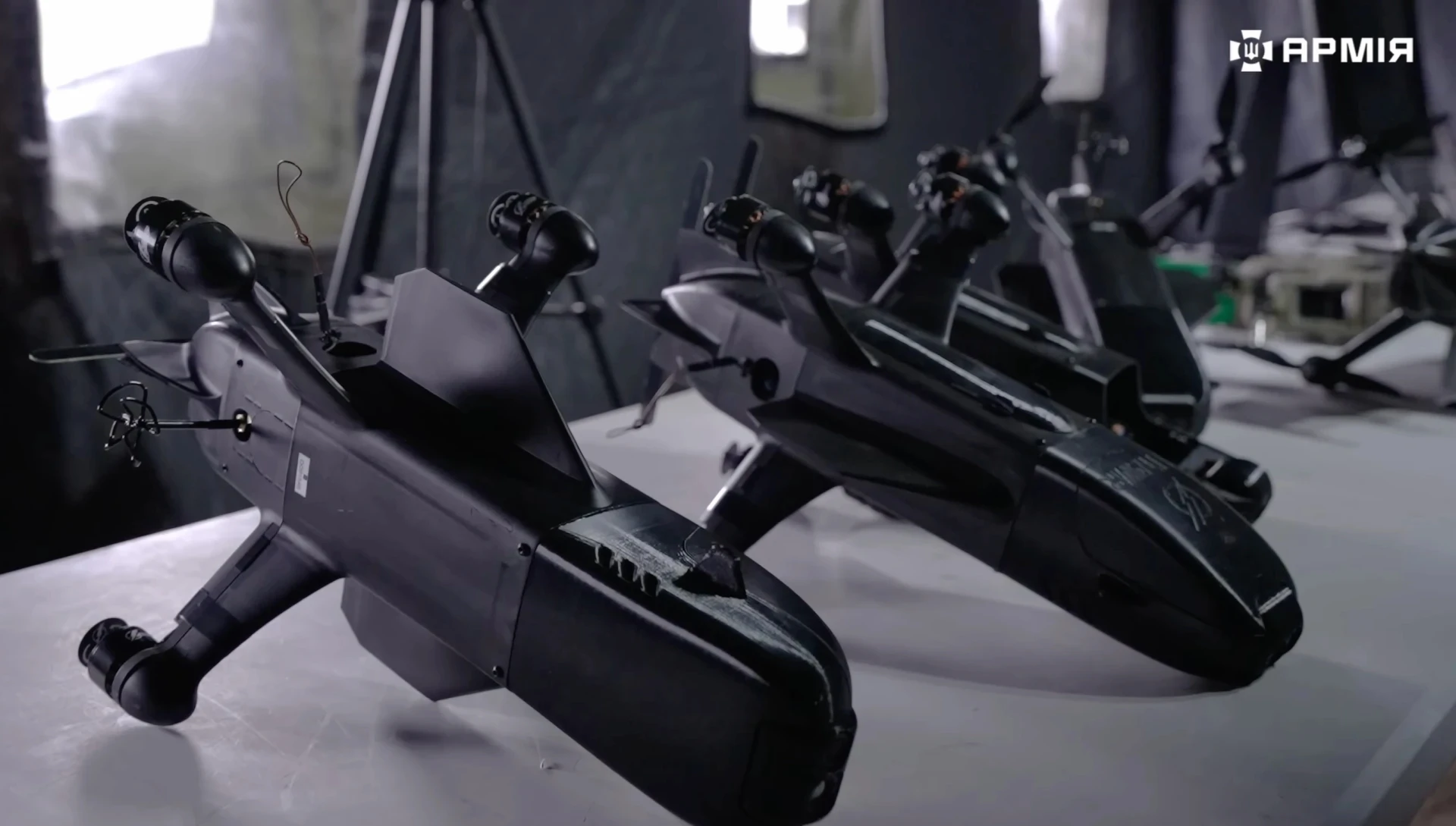
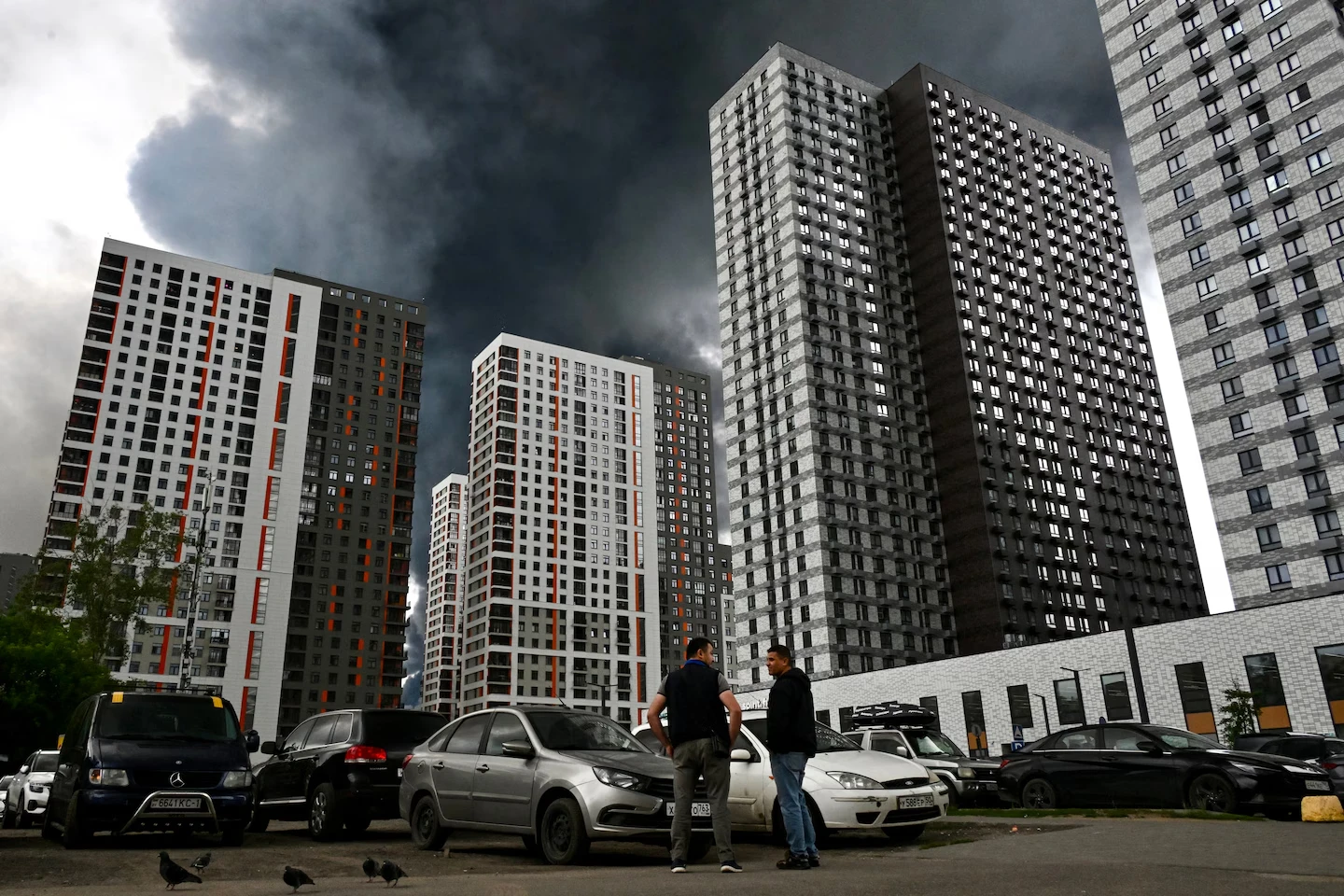
After weeks of intensified Russian strikes on Kyiv, Ukraine responded with a swarm of drones in what appeared to be the largest attack on the Russian capital since the beginning of the full-scale war. Black smoke rose over the Moscow region, the oil refinery in Kapotnya caught fire, and all four Moscow airports temporarily suspended operations.
For Kyiv, this was not only a military episode, but a demonstration of a new logic. Volodymyr Zelensky linked the strike directly to Russia’s attack on the Kyiv-Pechersk Lavra and said Ukraine does not want to burn, but if Ukraine burns, Moscow will burn as well. This is not revenge as emotion. It is coercion through the symmetry of pain.
According to Daycom’s assessment, the attack’s central meaning lies in transferring the war from Ukrainian skies into Russian daily life. Drones cannot by themselves force the Kremlin to capitulate, but they can undermine Vladimir Putin’s social contract with the residents of the capital: you stay out of the war, and the state protects your peace.
Moscow authorities said 194 drones flying toward the capital had been shot down. Russia’s Defense Ministry reported nearly 1,000 drones intercepted across the country in 24 hours. Even if these figures are meant to show air-defense effectiveness, they also acknowledge the scale of an attack Russia’s security system can no longer hide.
The paradox is that Ukraine does not need most drones to reach their targets. A small fraction is enough if it breaks through defenses, hits a refinery, starts fires, halts air traffic, makes people film smoke from their windows and raises the question of why the capital of a nuclear power no longer looks unreachable.
The Kapotnya refinery has special significance. It is not a peripheral facility or a random industrial target. The plant supplies a major share of Moscow’s fuel needs — up to 40 percent of the capital’s gasoline and roughly half of its diesel. A second hit within a week damages not only production, but the image of normality.
Russian authorities tried to minimize the consequences, but residents of towns near Moscow reported a sharp smell, dark sticky traces on windowsills and cars, and a phenomenon already described in everyday language as “black oil rain.” Even if officials call it soot, the psychological effect is clear: the war has begun falling into Russian courtyards.
That matters because the Kremlin spent years building a model of remote war for its domestic audience. Russians could see the front on television, Ukrainian cities in official briefings and mobilization in the provinces, but Moscow remained a space of relative safety. Ukrainian strikes on the capital rupture precisely that distance.
The attack also carries an economic layer. Ukraine’s campaign against Russian energy infrastructure in recent months has already forced several regions to restrict fuel sales. Strikes on refineries create not a one-time effect, but an accumulating one: equipment repairs, refining disruptions, logistical strain, rising costs and nervousness in the domestic market.
Hits on more complex secondary refining equipment are especially painful, because such machinery is harder to replace and takes longer to repair. That means Ukraine is trying not merely to ignite a storage tank, but to disable nodes without which a refinery loses quality and operational flexibility.
Russia’s economy is paradoxically benefiting from external oil-market conditions, including the war around Iran, yet its domestic fuel market is becoming more vulnerable. If crude oil is exported while domestic refining suffers from strikes, the state may still receive hard currency, but citizens and businesses face shortages, queues or restrictions.
This is where Kyiv’s strategy becomes political. A strike on Moscow does not mean Ukraine seeks to terrorize the capital’s population. Its logic is different: to show Russians that the war has a price not only for Ukrainians, and that continued aggression no longer guarantees safety even to those living at the center of imperial comfort.
That logic is especially visible against the diplomatic backdrop. The attack followed Zelensky’s meeting with Donald Trump at the G7 summit, where Russia’s war against Ukraine returned to the White House agenda. Trump urged Moscow to make a deal but acknowledged that no end was in sight. At that moment, Kyiv showed that if diplomacy cannot move the Kremlin, the rear front will move instead.
Russia is trying to answer with an old instrument: the threat of even more massive strikes. Sergei Lavrov recalled the task of carrying out regular coordinated attacks on targets that sustain Ukraine’s combat readiness. Russian propaganda presents this as inevitable retaliation. In reality, it confirms that Moscow does not intend to change course without pressure.
Putin has shown no readiness to abandon the goal of taking Donetsk, whether by force or through an agreement imposed on Ukraine. That is why Ukrainian strikes on Russia’s rear should not be read as a substitute for the front line or diplomacy. They are a way to change the cost of continuing the war for a Kremlin that still believes it can fight for a long time mainly through other people’s destruction.
The information reaction inside Russia is also revealing. State television limited coverage, regions have introduced bans on spreading data about the consequences of strikes, and propagandists are demanding military censorship and punishment for publishing videos. This is not a sign of confidence. It is a sign of fear of an uncontrolled image of war.
For an authoritarian system, video of smoke over Moscow is almost as dangerous as the smoke itself. It breaks the state’s monopoly on describing reality. When a resident of the capital sees fire, smells fumes, reads about closed airports and records the aftermath, it becomes harder to believe that the war is going according to plan and remains far away.
Still, the immediate effect should not be exaggerated. Russian society does not take to the streets after every strike, and the regime has enough repressive and propaganda resources to suppress anxiety. A strike on Moscow does not create an automatic antiwar turn. But it adds another layer of fatigue, fear and doubt.
There is also a risk of escalation. Moscow may use the attack as a justification for heavier strikes on Ukrainian cities, energy facilities and civilian infrastructure. But that logic has long been part of Russia’s war regardless of Ukrainian responses. Russia attacks Ukraine not because it has been provoked, but because this is its main instrument of coercion.
Ukraine is operating in a difficult moral and strategic zone. It has the right to strike military and energy facilities of the aggressor that sustain the war. But the closer such targets are to densely populated areas, the greater the risk of injuries, debris, fires and propaganda manipulation. That is why precision and target selection are not only military questions, but political ones.
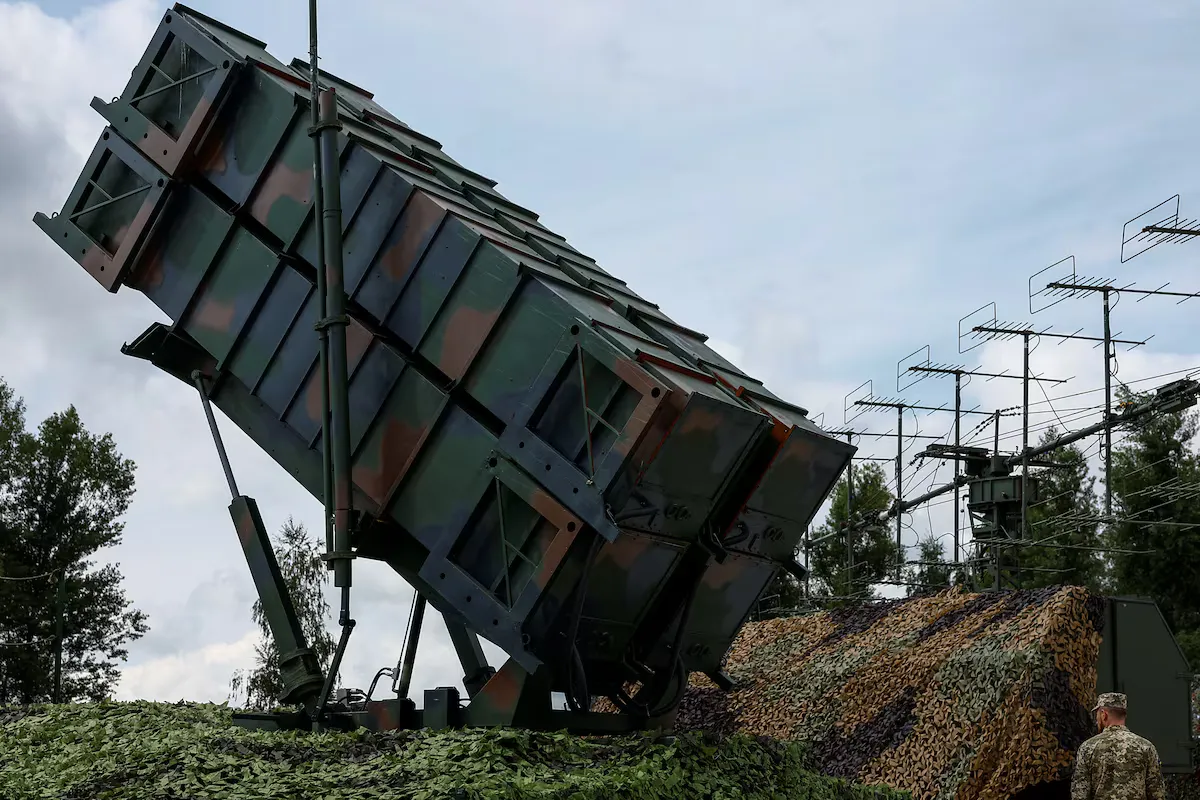
The Moscow attack also exposed the limits of Russian air defense. Even “three layers” of protection do not guarantee impermeability. For Russia, this is an uncomfortable lesson: the defense of the capital may shoot down hundreds of aircraft, but it cannot provide zero risk. In a war of cheap mass drones, absolute security becomes too expensive or unattainable.
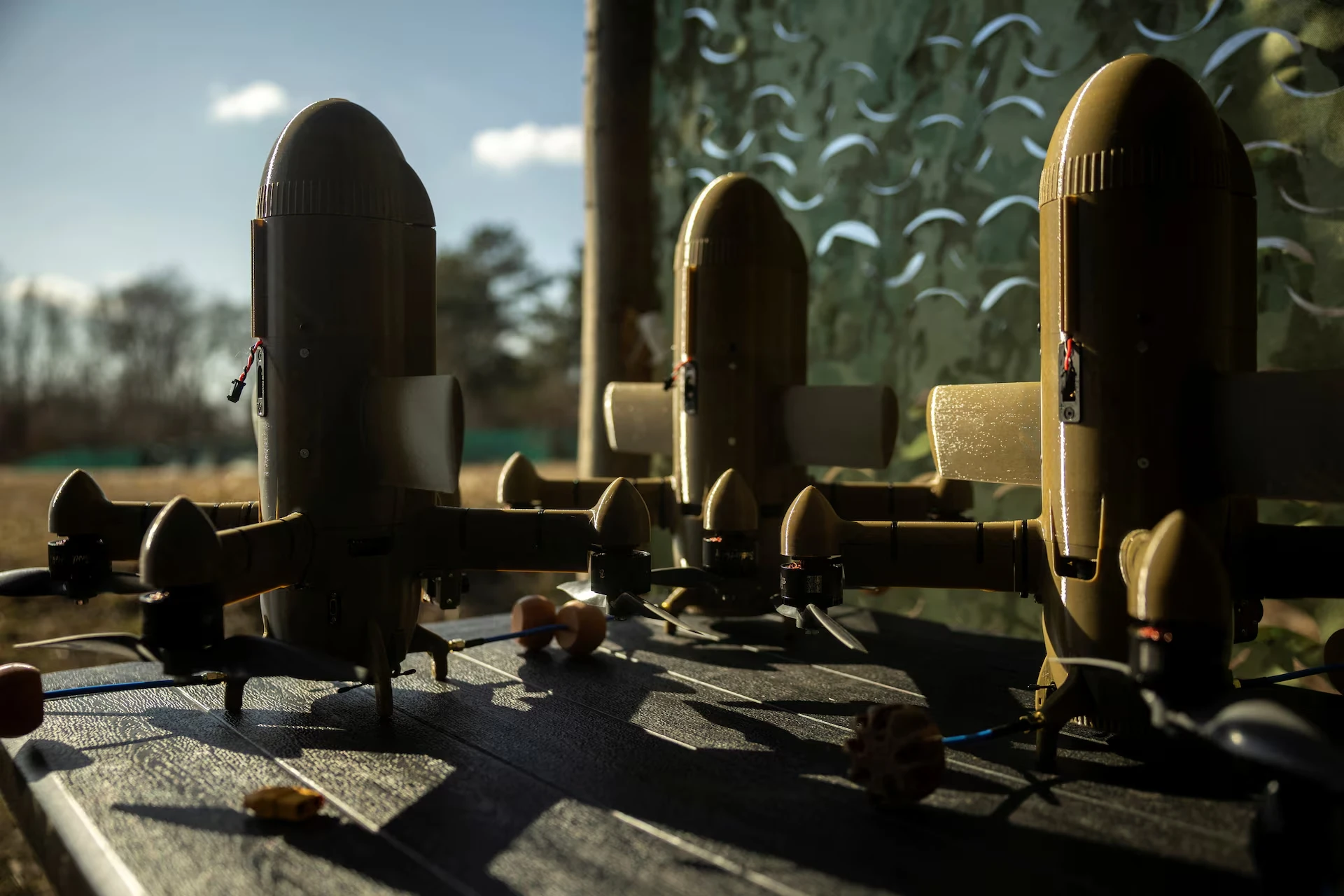
For Ukraine, this confirms the effectiveness of an air war of attrition. Cheaper drones force Russia to spend resources, halt airports, disperse air defense, and protect refineries, depots, factories, bridges and cities. Even a small breakthrough rate can produce disproportionately large consequences.
Yet the strategic question remains open. Whether this will push Putin toward negotiations is unknown. The Kremlin may intensify repression, restrict information, blame the West and mobilize society even harder. But without transferring the price of war into Russia, the chances of changing Moscow’s calculations are even smaller.
That is why the strike on the Russian capital was not an endpoint, but a marker of a new phase. Ukraine is no longer only defending itself against Russia’s air campaign. It is building its own campaign of pressure against Russian infrastructure, logistics, energy and the nervous system of the capital.
The smoke over Moscow does not mean the war has become symmetrical. Russia still has more missiles, greater aviation capacity and a much deeper industrial base. But it does mean the asymmetry is no longer one-sided. Ukraine has found a way to hit the weak points of a stronger adversary — and to do so where the Kremlin least wanted to see the war.
That is the main result of the attack. Kyiv cannot quickly break Russia’s war machine, but it can make its operation more expensive, dirtier and more visible to Russians themselves. For a regime built on the promise of control, the visible vulnerability of the capital is not a technical problem. It is a political warning.