























Heat becomes dangerous not only when a thermometer reaches a record. The real risk begins when the body can no longer shed heat as quickly as it absorbs it. At that point, walking, working, exercising or simply waiting outside can turn into a strain on the entire system.
The early signs often look ordinary: weakness, headache, dizziness, nausea, muscle cramps, swelling in the hands or feet, heat rash or fainting after standing too long. But this is the stage at which the outcome is still easiest to change.
Heat exhaustion can often be reversed with quick cooling, rest and fluids. Heat stroke is different. Confusion, seizures, loss of orientation, unusual behavior or a body temperature around 104°F and above signal a medical emergency, not a bad reaction to a hot day.
According to Daycom’s earlier analysis, the most dangerous mistake during a heat wave is treating overheating as discomfort rather than a warning. Extreme heat can rapidly disrupt the brain, heart, kidneys and muscles. The longer a person remains exposed, the less room the body has to compensate.
The first response should be simple and immediate: get out of the heat. Move into air conditioning, shade, a cooling center, a car with the air conditioner running, a mall, a public building or any cooler space. Remove tight or unnecessary clothing and stop physical activity.
Cooling the skin matters. A cool shower or bath, wet towels, cold packs and a fan over damp skin can all help bring body temperature down. Moving air works best when moisture can evaporate. In severe symptoms, however, a fan alone is not enough.
Hydration should begin before intense thirst appears. Thirst often comes late, especially in children, older adults and people focused on outdoor work. During heavy sweating, the body loses water and electrolytes, including sodium, which are needed to maintain fluid balance and muscle function.
Sports drinks or fluids with electrolytes may help after prolonged exertion, outdoor labor or exercise in extreme heat. But they do not replace the most important step: leaving the hot environment. Drinking while continuing to push through heat can create a false sense of control.
Alcohol makes heat more dangerous. It can increase dehydration, dull judgment and make people less likely to notice that something is wrong. On very hot days, alcohol is not just a lifestyle detail; it can become a medical risk factor.
A practical rule is clear: if symptoms do not improve within about 30 minutes after cooling, resting and drinking fluids, or if they get worse, emergency care is needed. If there is confusion, fainting, seizures or strange behavior, waiting is unsafe.
Children are especially vulnerable because they heat up faster and do not regulate temperature as effectively as adults. They may keep playing after their bodies are already under stress, and they often forget to drink. Adults can miss the danger because the early signs look like ordinary tiredness.
Older adults face another set of risks. Heart disease, kidney disease, diabetes, dementia, depression and blood pressure problems can interfere with thermoregulation and fluid balance. Some medications can increase fluid loss or limit the body’s ability to respond to heat.
People with chronic illness need a plan before a heat wave arrives. Medication should not be changed without medical advice, but the basic questions should be answered early: where to cool down, how much to drink, when to avoid going outside and which symptoms require help.
High humidity makes heat especially deceptive. When the air is heavy with moisture, sweat evaporates more slowly, so the body cools less efficiently. That is why the heat index can matter more than the temperature itself. A less dramatic number can still be dangerous.
In dry climates, the threat works differently. Direct sun, asphalt, concrete, hot wind and the lack of shade can create an oven-like environment. Sweat may evaporate so quickly that people fail to notice how much fluid they have lost. Dehydration can build quietly and then hit suddenly.
Staying safe in extreme heat requires changing the rhythm of the day. Outdoor work and exercise should move to early morning or evening when possible. Light-colored, loose clothing helps. Breaks should be planned before exhaustion appears, not after.
People who must work or train outside need acclimatization. The body adapts better when heat exposure and exertion increase gradually over one to two weeks, with regular cooling breaks and enough fluid replacement. Going straight to full intensity in extreme heat sharply increases risk.
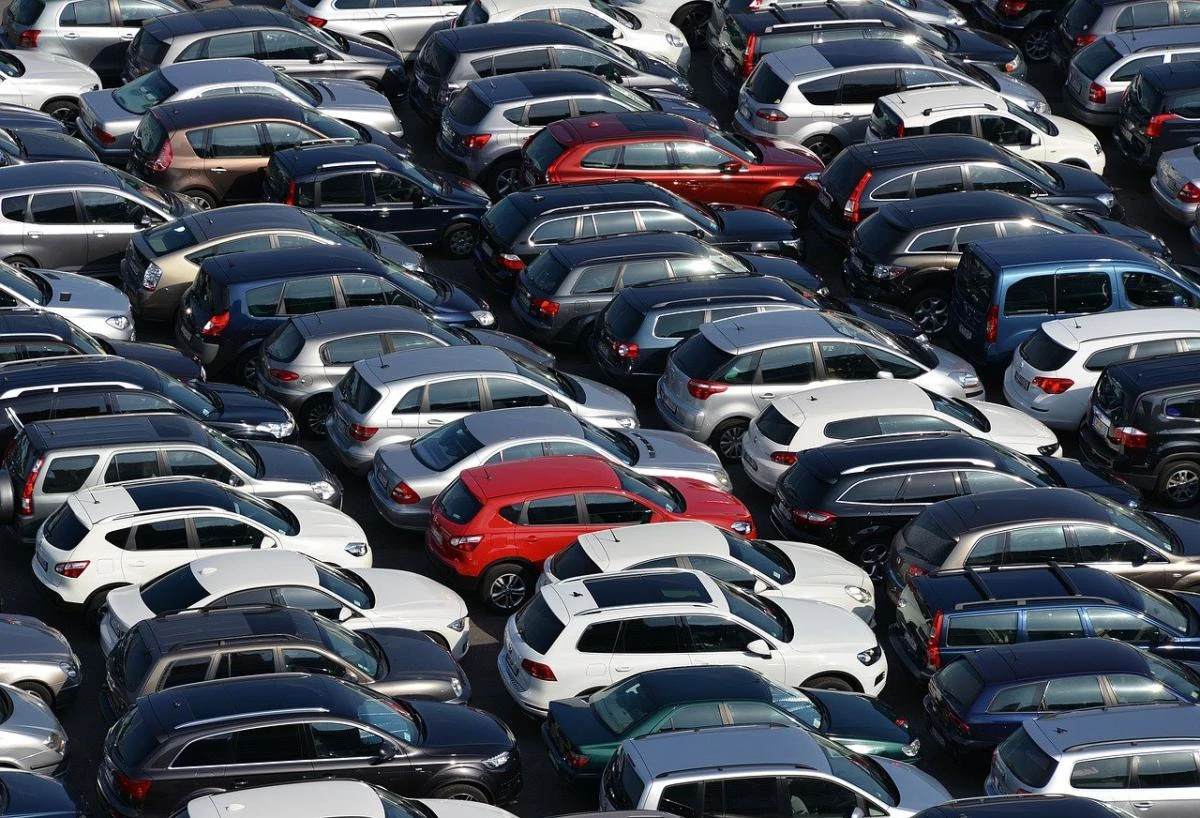
Cars require special caution. Children, older adults and animals should never be left inside a parked vehicle, even briefly. Interior temperatures can rise rapidly, and a partly open window does not solve the problem. This is one of the most preventable heat-related tragedies.
Extreme heat does not always announce itself as a crisis. More often, it begins with fatigue, a dry mouth, a heavy head and the thought that one can push a little longer. That is precisely the moment to stop. In a heat wave, caution is not weakness; it is the line that keeps the body from crossing into danger.