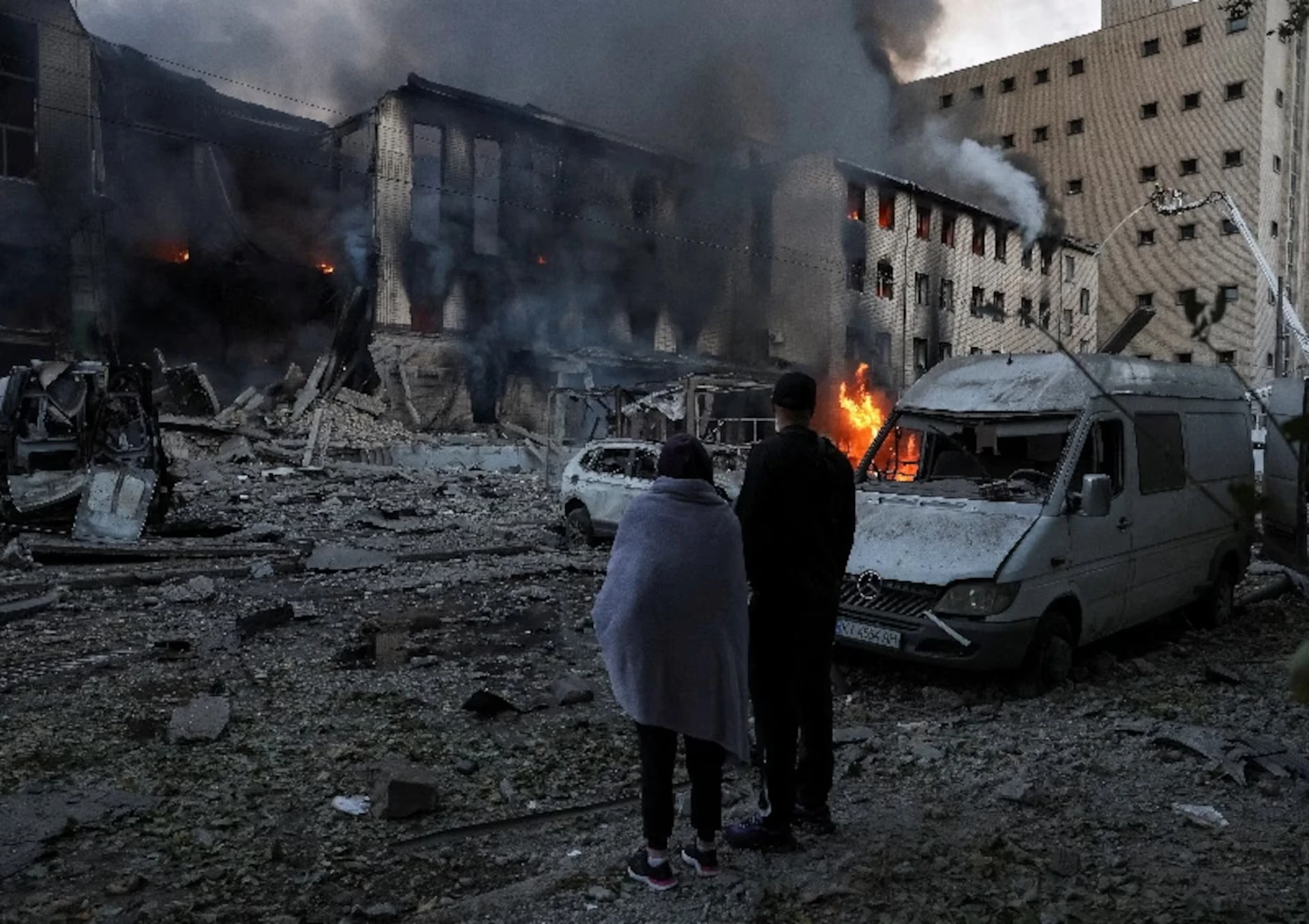
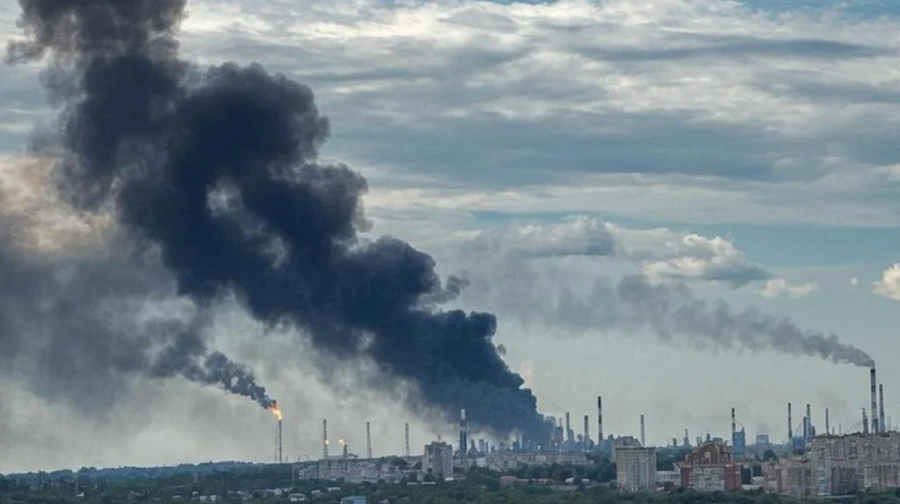







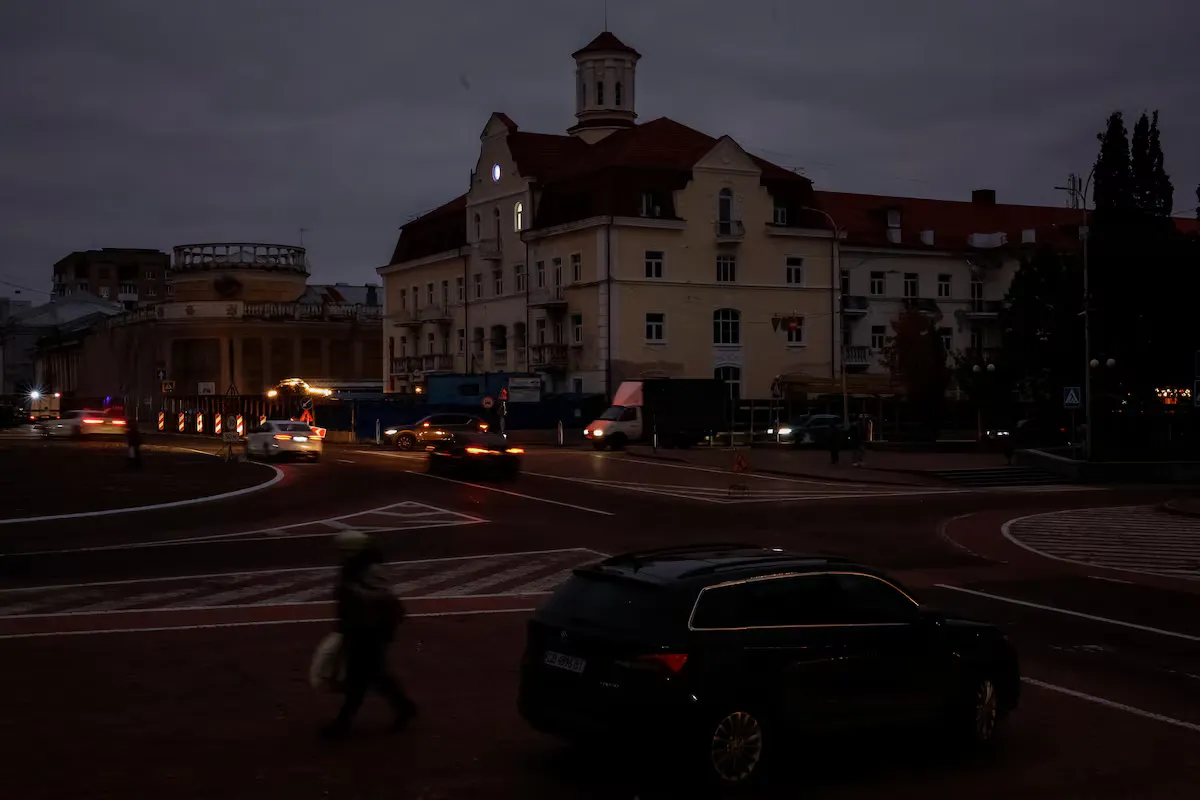













In rural eastern Ukraine, the collapse of health care rarely begins with the destruction of a hospital. It starts more quietly: the pharmacy closes, the bus stops running, the family doctor relocates, and the nearest consultation becomes a dangerous journey through shell-damaged roads and drone risk.
For older people, that slow unraveling can be as consequential as a direct strike. In isolated villages near the front line, many residents live alone, depend on daily medication, and have limited mobility. When primary care disappears, high blood pressure, diabetes, heart disease, and respiratory illness stop being manageable conditions.
That is why the war’s medical toll cannot be measured only by the number of damaged hospitals. The deeper crisis lies in what public health experts call access: the ability to reach a nurse, refill a prescription, monitor a chronic disease, or get emergency help before a condition becomes life-threatening.
As Deikom’s earlier analysis of frontline communities has suggested, the core problem is not only destruction, but disconnection. War has fractured the rural health chain at every link: staff shortages, fuel shortages, broken roads, interrupted power, closed pharmacies, and the loss of time that is often decisive in medicine.
In much of rural Ukraine, primary care now arrives as an event rather than a service. A mobile medical unit may visit once a month, bringing a doctor, a nurse, a psychologist, and a limited supply of medicine. For many villages, that visit has become the closest thing to a functioning clinic.
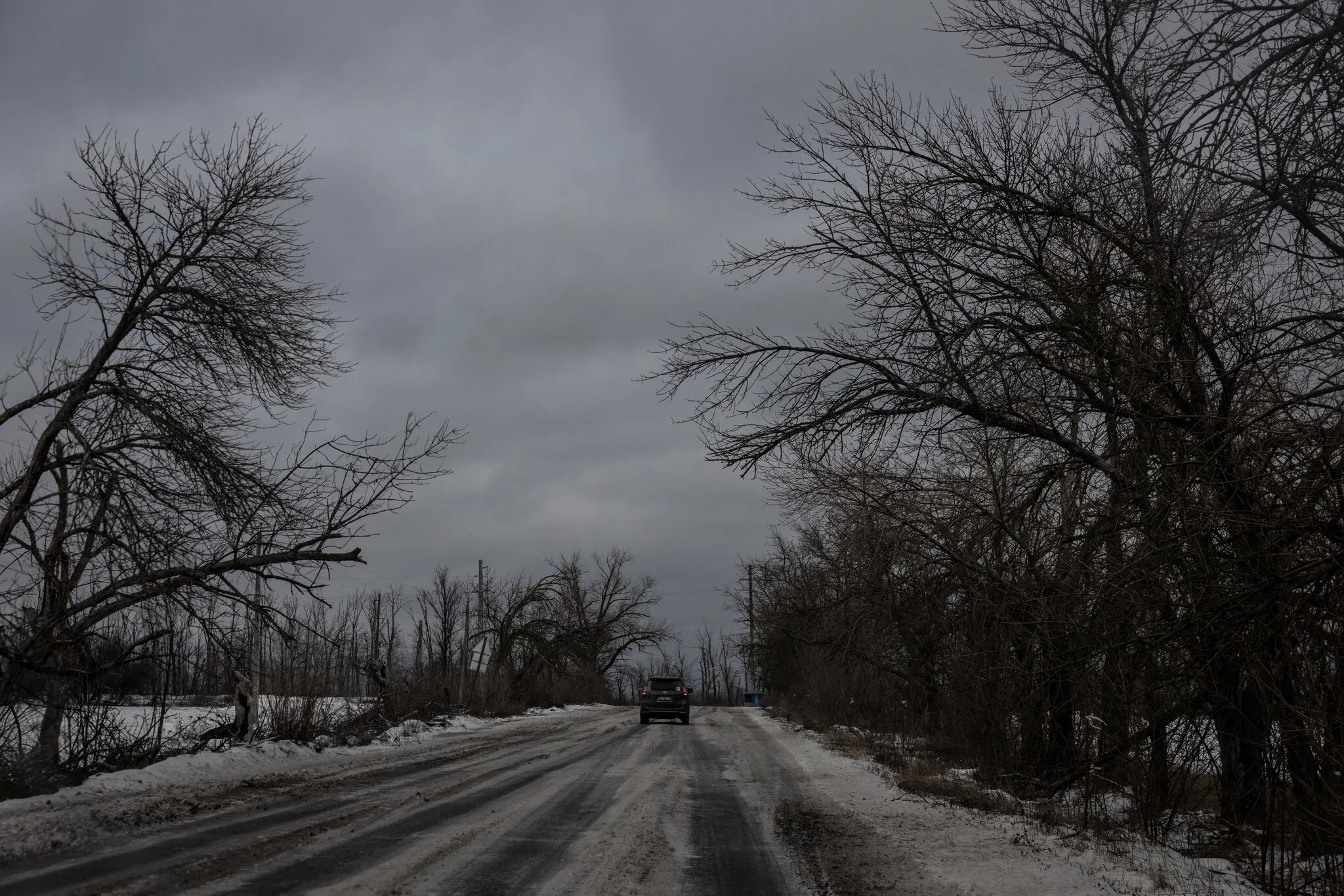 Транспортний засіб IRC їде сільською дорогою до мобільної медичної клініки — Фінбарр О'Райлі
The model is lifesaving, but it is also a sign of systemic fragility. A mobile team can measure blood pressure, treat infections, adjust medication, and offer psychological support. What it cannot do is replace a permanent family physician, a laboratory, a referral network, an oncology route, or a guaranteed ambulance response.
This matters most in places where the population is older and poorer than the national average. Rural Ukraine has long faced demographic decline, physician shortages, and weak transport links. Full-scale war has turned those structural weaknesses into acute risk, especially in settlements close to active fighting in Kharkiv, Donetsk, Kherson, and Zaporizhzhia regions.
The health burden is also changing. International agencies have warned of rising cardiovascular disease, untreated chronic illness, and worsening mental health across Ukraine. In frontline districts, months of stress, cold, displacement, and interrupted treatment are aggravating conditions that require steady care rather than one-off intervention.
Winter makes everything worse. A cold spell in a peaceful country is a seasonal challenge; in a frontline village, it can become a medical accelerator. Respiratory infections turn into pneumonia more quickly. Hypertension spikes in poorly heated homes. Limited electricity, damaged infrastructure, and unsafe roads make routine care harder precisely when people need it most.
For elderly residents, the consequences are cumulative. Missing one appointment may be survivable. Missing care for months or years is something else entirely. A woman who has not seen a doctor in four years is not an anecdote of wartime hardship; she is evidence of a system that no longer reaches the people most dependent on it.
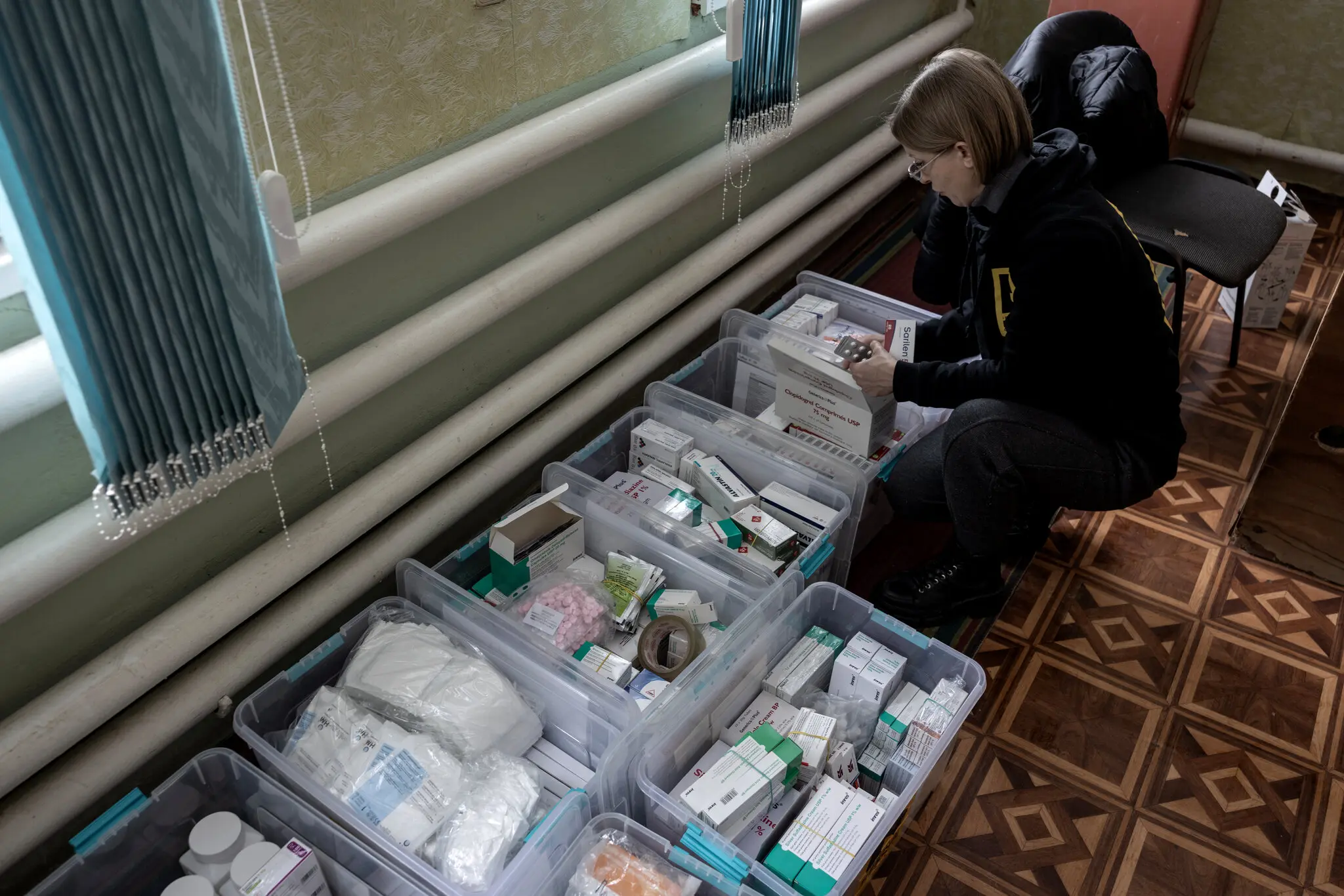 Медсестра медичного підрозділу IRC організовує постачання ліків для візиту громадського здоров'я в Нижньому Бурлуку — Фінбарр О'Райлі
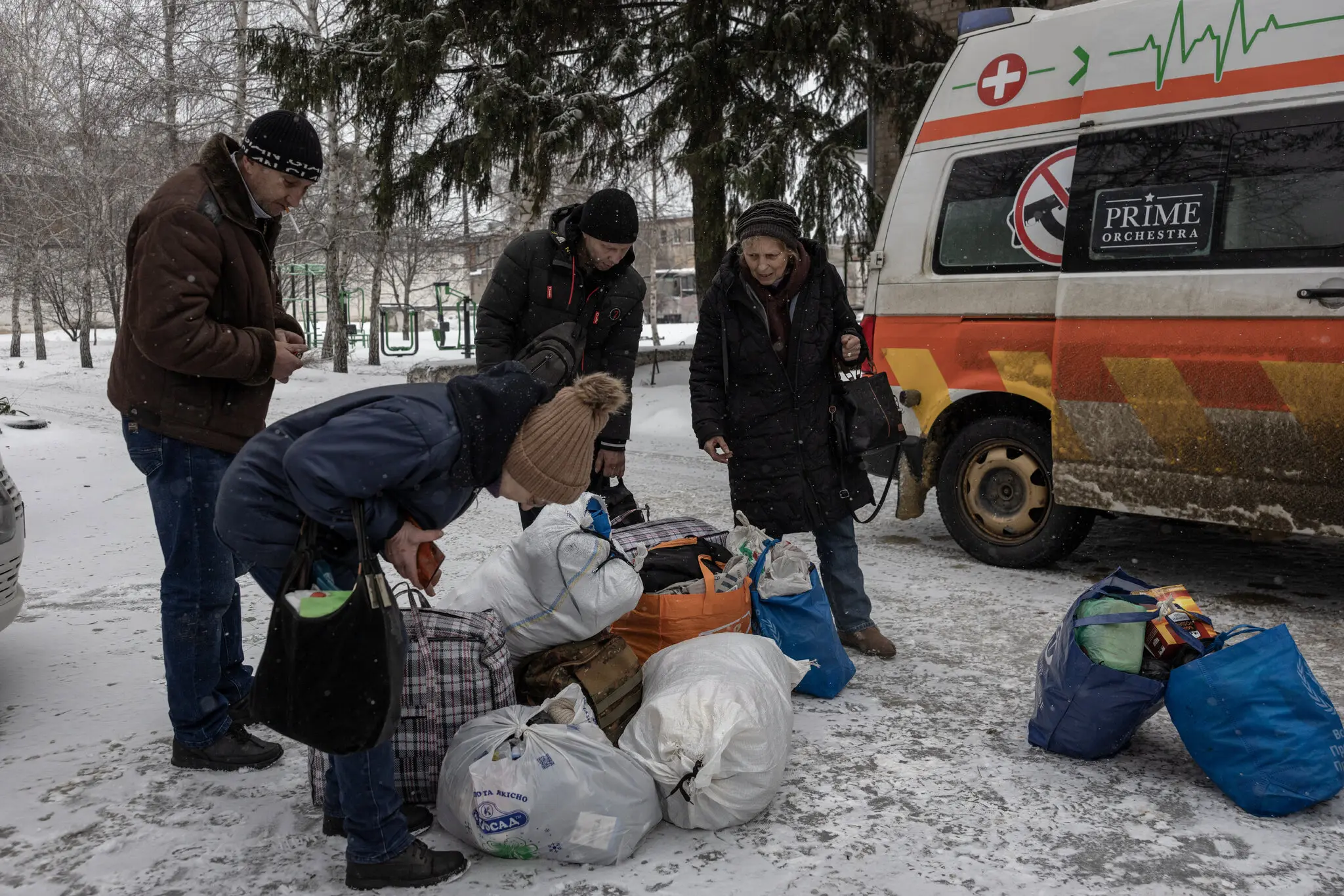 Люди, евакуйовані з прифронтового села, прибувають до північно-східного міста Харків — Фінбарр О'Райлі
Even where hospitals still exist in larger towns, access is no longer guaranteed. Patients may be unable to travel because taxi drivers refuse routes threatened by drones. Chemotherapy, specialist consultations, and diagnostic services can become unreachable not because treatment has vanished on paper, but because the path to treatment has become too dangerous or too uncertain.
This is why rebuilding Ukrainian health care cannot be understood simply as a construction project. Replacing walls, roofs, and windows is necessary, but insufficient. Rural health care depends on staffing, transport, heating, telecommunications, medicine supply chains, and the confidence of doctors willing to work within range of artillery and drones.
That has major implications for Western donors and policymakers. If reconstruction funding prioritizes large hospitals while neglecting rural primary care, the result may be a two-tier recovery: cities regain medical capacity while villages continue to rely on humanitarian patchwork. In practice, that would leave the oldest and most vulnerable Ukrainians in a prolonged zone of medical abandonment.
A more credible recovery model would treat rural primary care as strategic infrastructure. That means higher incentives for medical workers in high-risk areas, support for mobile medical units, expanded telemedicine, stronger ambulance coordination, pharmacy access, mental health services, and housing solutions for doctors and nurses willing to stay.
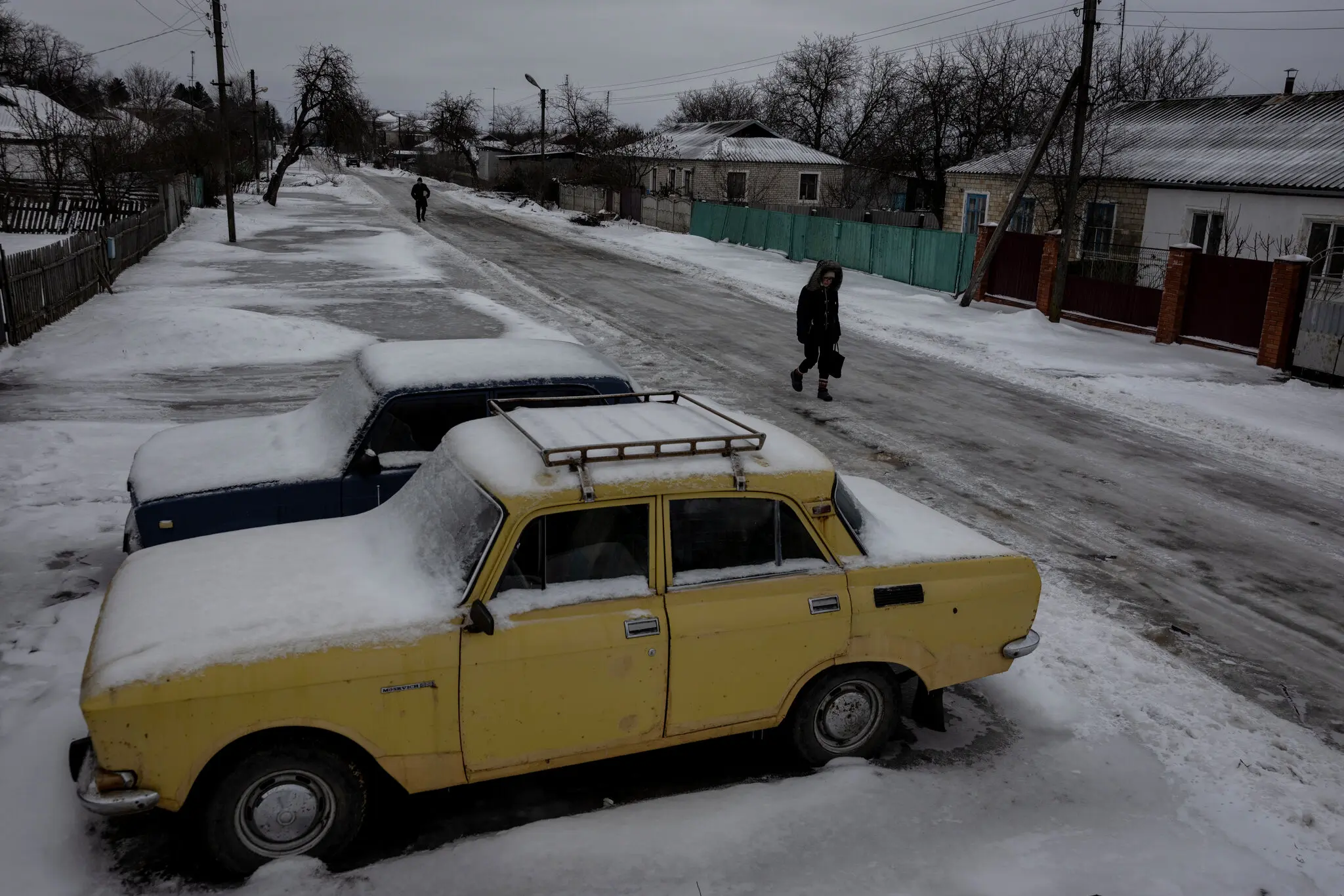 В Іванівці, селі, де мешкає пані Андріївна, немає ні клініки, ні аптеки, тому вона покладається на щомісячні візити представників IRC, благодійної організації, яка надає безкоштовні консультації та ліки — Фінбарр О'Райлі
Ukraine’s health crisis in wartime is often described through the lens of missile strikes and ruined buildings. But in rural communities, the deeper story is slower and less visible. It is the story of a patient with heart disease waiting for the next mobile clinic, of a pensioner rationing pills, of a village where the road to the doctor has become part of the battlefield.
In the end, the question is not only how Ukraine will rebuild its health system after the war. It is how many people in its most isolated communities can be kept alive, stable, and treated until that reconstruction arrives. In frontline villages, basic health care is no longer a routine public service. It is a test of national endurance.