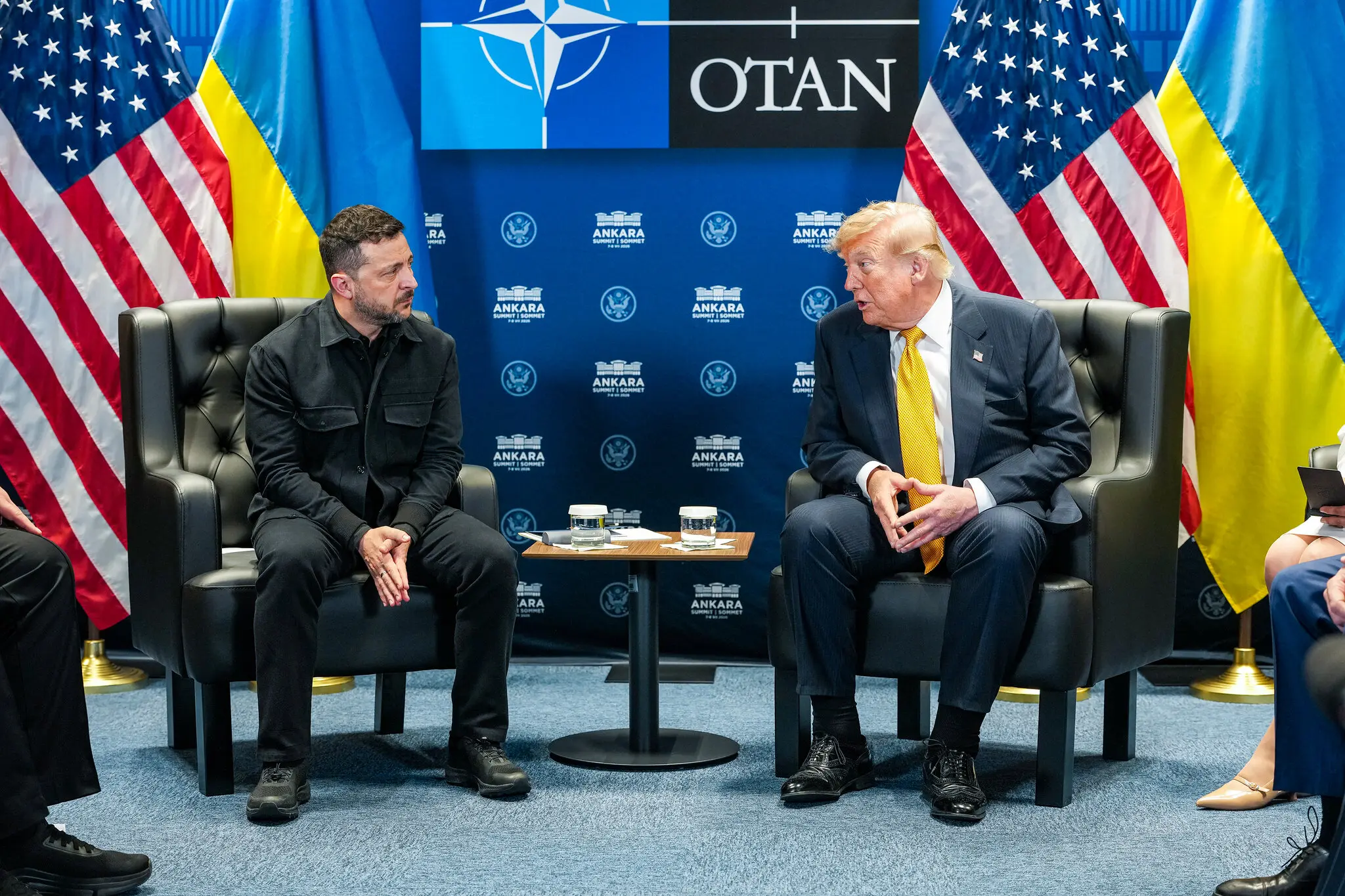
























The silence between Kyiv and Washington no longer looks like strategic caution. Volodymyr Zelensky is increasingly speaking about the United States not as the main ally guiding Ukraine toward peace, but as an unpredictable partner whose attention has been scattered by other wars, domestic interests and the desire to close the Ukrainian file quickly.
This rupture did not happen overnight. After Donald Trump returned to the White House, Ukrainian diplomacy spent more than a year trying to preserve working relations with an administration that saw Russia’s war against Ukraine through the lens of a fast deal. Kyiv stayed quiet where it might once have argued and accepted tactical pauses to avoid losing the last American levers.
That caution is now visibly weakening. Peace talks have effectively frozen since the start of the U.S.-Israeli war with Iran, and Ukraine has slipped down Washington’s list of priorities. Zelensky is openly criticizing American negotiators for having too little time for Ukraine, condemning the easing of oil pressure on Russia and speaking more directly about the imbalance in Washington’s approach.
According to Daycom’s earlier analysis, this is not an emotional quarrel between allies, but a change in the structure of dependence. Ukraine still needs America, but it no longer lives inside a framework of total strategic helplessness. After four years of full-scale war, Kyiv has expanded its own production, strengthened European support channels and begun building new security ties beyond the classic Western track.
That partial self-reliance has given Zelensky room for sharper language. In the past, any serious clash with Washington could have looked catastrophic for Kyiv: the loss of weapons, intelligence, political cover and diplomatic mediation. That risk remains serious, but it no longer paralyzes Ukraine’s position as it did in the first years of the invasion.


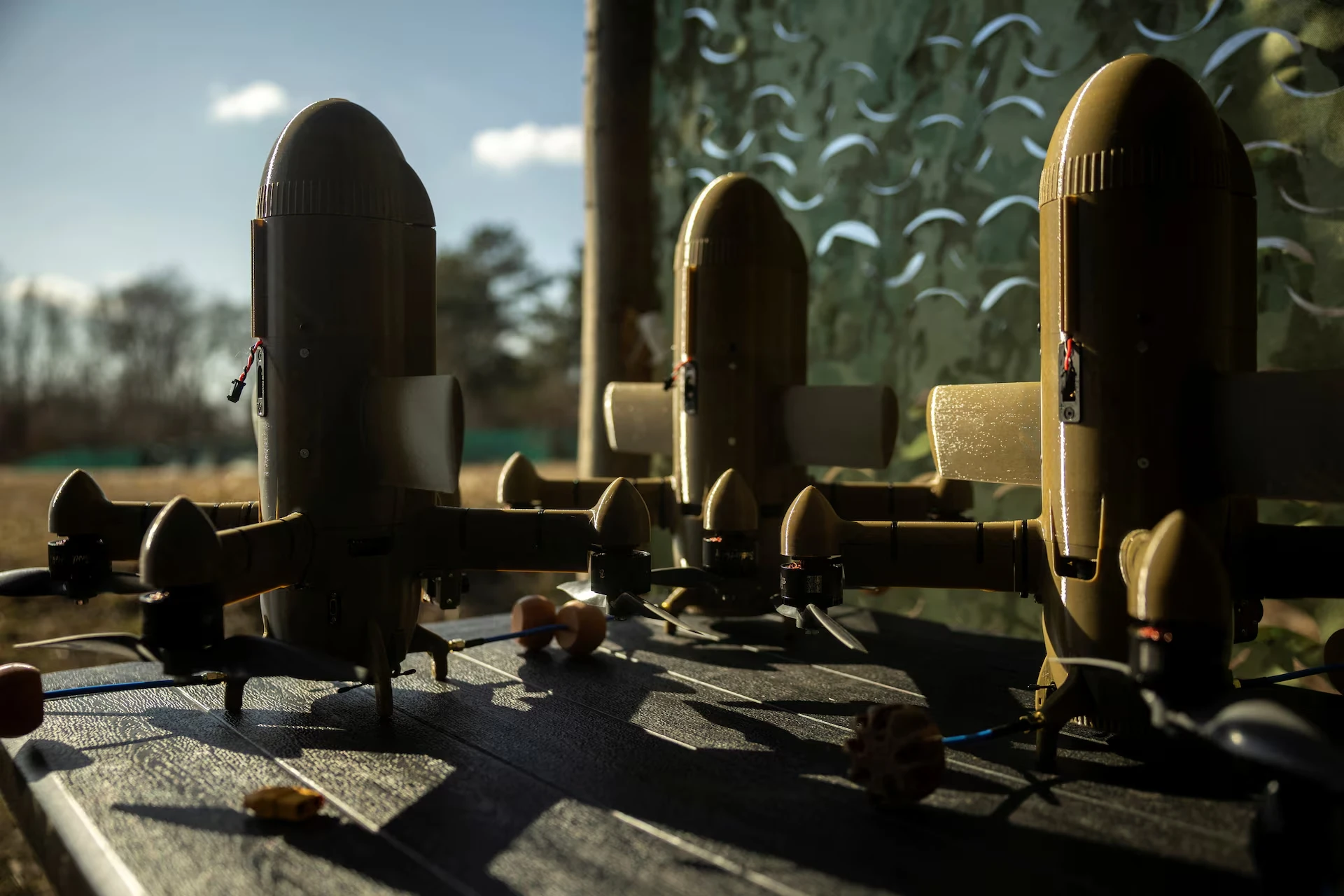
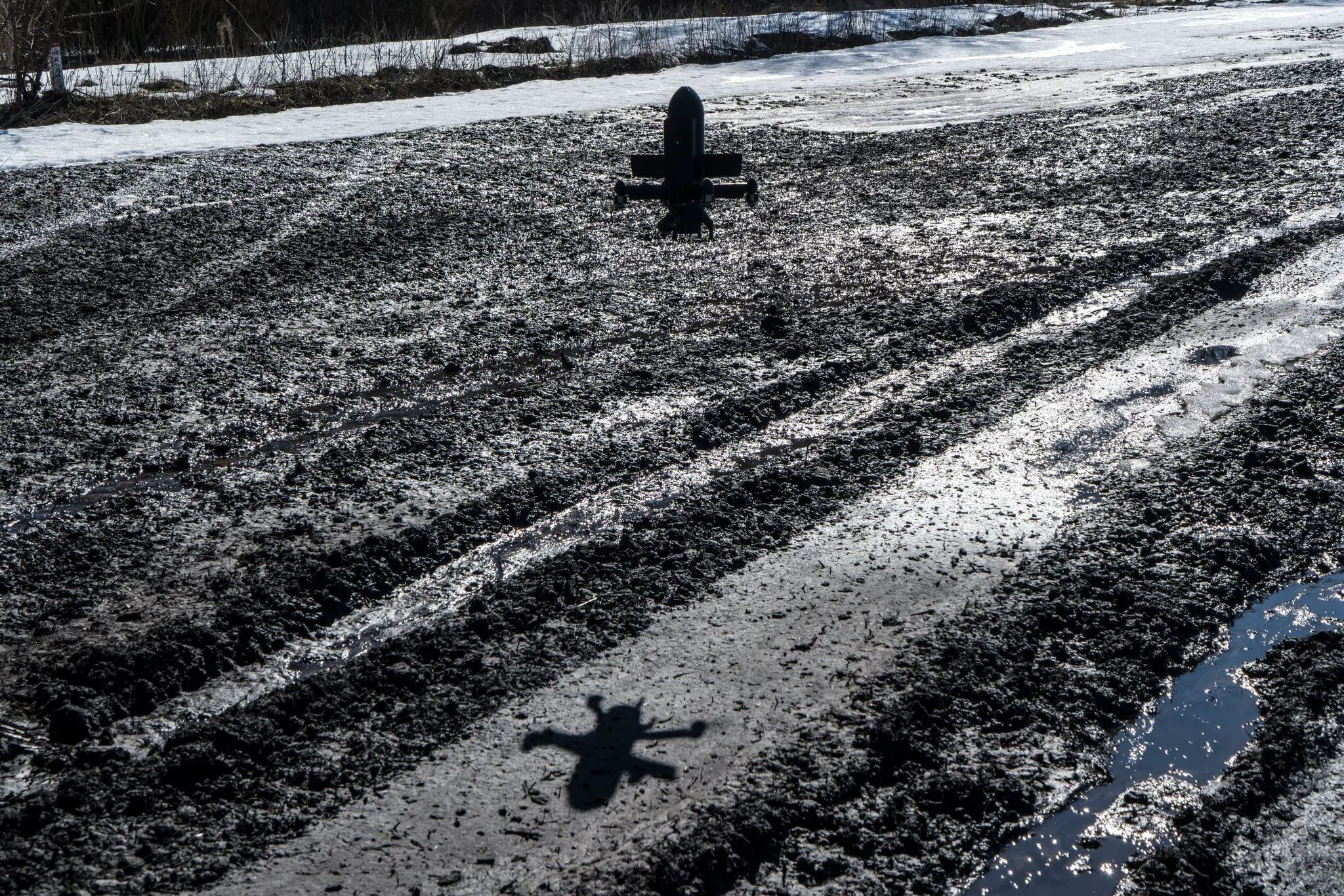
Ukraine now produces most of the drones it uses on the battlefield. Its own interceptor systems have become part of the response to Russia’s mass attacks, while the defense industry has moved from a supporting role to one of the state’s survival centers. This does not replace Western systems, but it changes the psychology of the war: Kyiv is no longer only waiting for deliveries. It is building deterrence.
The drone track has become especially important. Ukrainian drones strike Russian logistics, depots, refineries and military targets deep inside Russia. Washington has repeatedly signaled that it does not want escalation through attacks on Russian energy infrastructure, but Kyiv has continued the campaign. For Ukraine, this is not a gesture of defiance. It is a way to force the aggressor to feel the price of the war.
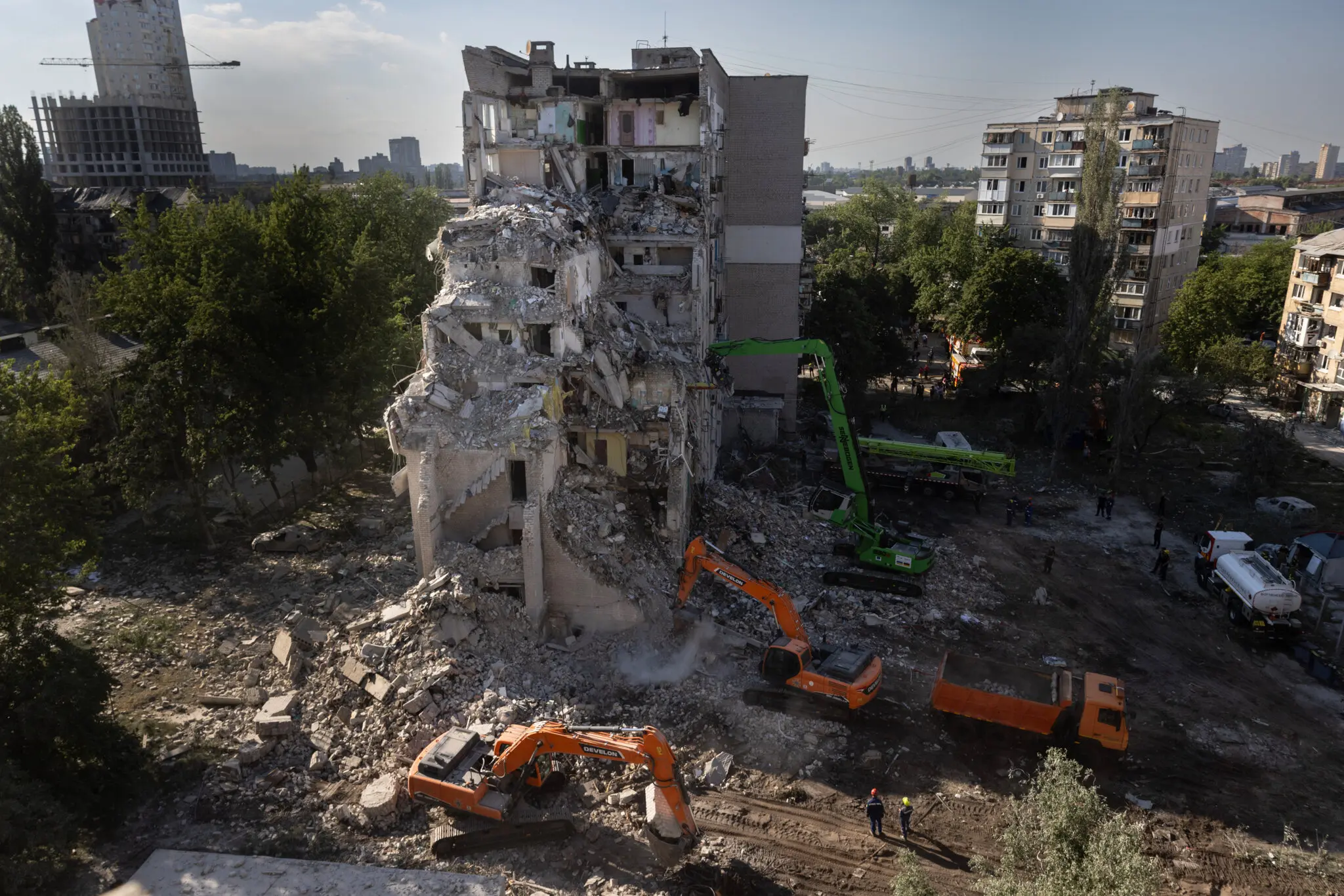
The American line under Trump has grown increasingly difficult for Kyiv. The White House has pushed toward a quick peace formula in which territory often appears not as a matter of sovereignty, but as a bargaining item. For Ukraine, that is a dangerous frame: Donbas, the south and the front-line regions are not abstract square kilometers, but the country’s future defensive depth, the lives of its citizens and the line between statehood and coercion.
That is why remarks by American officials about “a few square kilometers” are heard in Kyiv not as pragmatism, but as a misunderstanding of the war itself. For Ukraine, territory is not a map spread across a negotiating table. It is cities, fortifications, families, supply roads, industrial districts and positions without which the next Russian attack would become closer, cheaper and more dangerous.
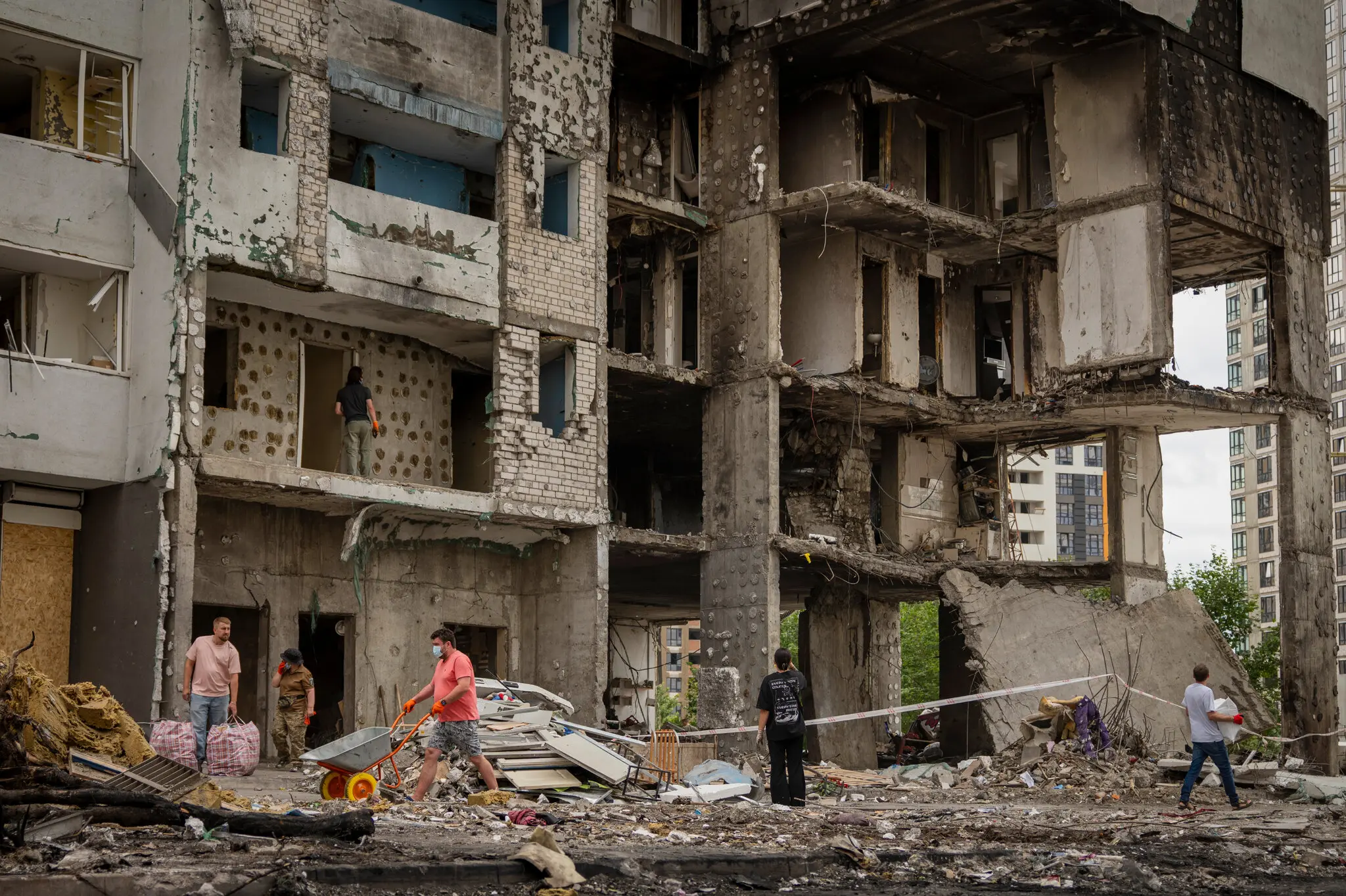
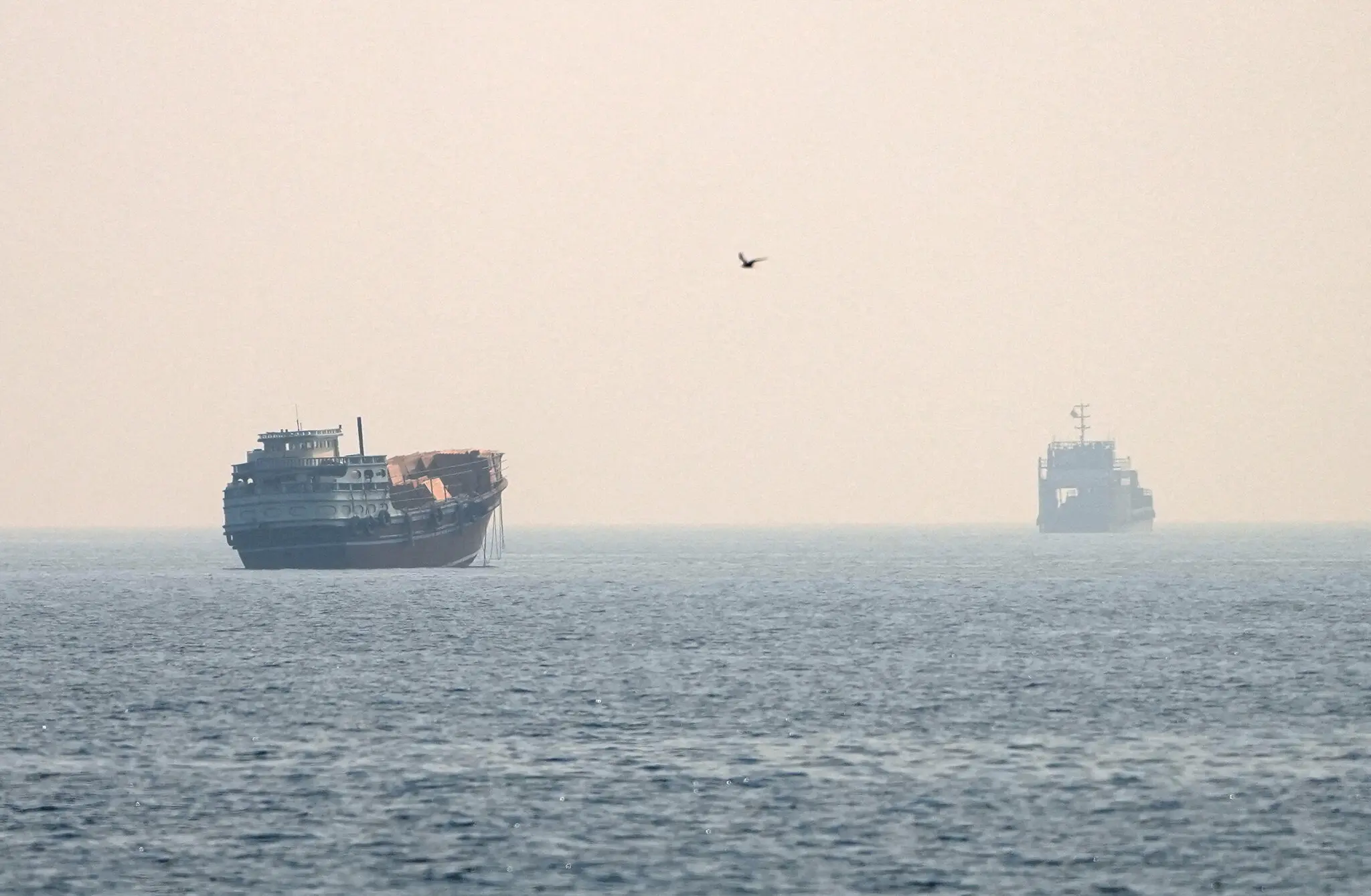
The most painful blow came not only from rhetoric, but from policy. Washington’s decision to soften some oil restrictions on Russian crude under the argument of stabilizing markets amid the war with Iran was seen in Kyiv as a gift to the Kremlin. In Ukraine’s logic, every dollar that reaches Russia’s budget through oil quickly becomes missiles, drones, artillery and new attacks on cities.
 Пан Зеленський разом із канцлером Німеччини Фрідріхом Мерцем (у центрі у синьому костюмі) на презентації військової техніки, виготовленої в рамках німецько-української співпраці, минулого місяця в Берліні — Фото басейну від Ебрахіма Норузі
That episode deepened the sense in Kyiv that Moscow was once again playing Washington. Russia has shown no readiness for real concessions, yet it receives signals that economic pressure can be loosened when the world fears an energy shock. In such conditions, the Kremlin has no incentive to rush toward peace. It can wait, press on the front and count on Western fatigue to do part of its work.
Zelensky is naming this problem more often and more openly. His criticism is no longer hidden behind diplomatic formulas. He is not breaking relations with the United States, abandoning the negotiating channel or denying the American role. But he is making clear that Ukraine is no longer ready to accept mediation that puts more pressure on the victim of aggression than on the state that began it.
This does not mean Kyiv can afford to turn away from Washington completely. American intelligence remains critical. Satellite data, launch warnings, analysis of Russian movements and U.S. technological capacity cannot be quickly replaced. Europe can build its own capabilities, but that requires time, money and political will.
Another indispensable link is Patriot. Ukraine needs American-designed interceptors to counter Russian ballistic missiles, against which other systems have limited effectiveness. Kyiv is working on its own solutions, but in air defense, years of development cannot be shortened by political desire. Here, dependence on the United States remains real and painful.
Yet the broader structure of support has changed. Europe has gradually become Ukraine’s main financial rear. A major new EU loan package for 2026 and 2027 gives Kyiv the ability to plan beyond the next few weeks. For a country at war, that is not an accounting detail. It is the foundation of endurance.
European capitals have also begun to act with greater confidence. Germany, Italy and other partners are trying to close gaps created by America’s diversion toward Iran. Cooperation on arms production, drones, ammunition and protection systems is becoming not emergency assistance, but part of a new European security architecture.
For Kyiv, this is a chance to rethink its place in Europe. Ukraine is no longer only a front-line state asking for support. It is becoming a laboratory of modern warfare, a producer of military technology, a source of drone-defense expertise and a potential pillar of European defense. That role does not erase losses or dependencies, but it gives Ukraine political weight it once lacked.
Ukraine’s outreach to the Middle East is also telling. Kyiv is offering regional states its experience in countering Iranian drones while seeking new defense, energy and diplomatic links in return. Where Ukraine was once almost entirely tied to the Western route of assistance, it is now building a broader network of interests.
This network is not a replacement for NATO or the United States. It is insurance against a situation in which one political center can abruptly change the conditions of Ukraine’s survival. The past year has taught Kyiv that even the largest ally can become inconsistent when domestic politics, electoral calculations or another war begin to matter more than Ukrainian security.
The hardest task for Zelensky is not to cross the line where firmness becomes self-harm. Ukraine cannot afford to lose the American channel entirely. Even a weakened Washington remains the only capital with enough influence over Moscow, global finance, the sanctions system and military supply chains. A flawed mediator can be a problem, but the absence of a mediator can sometimes be even more dangerous.
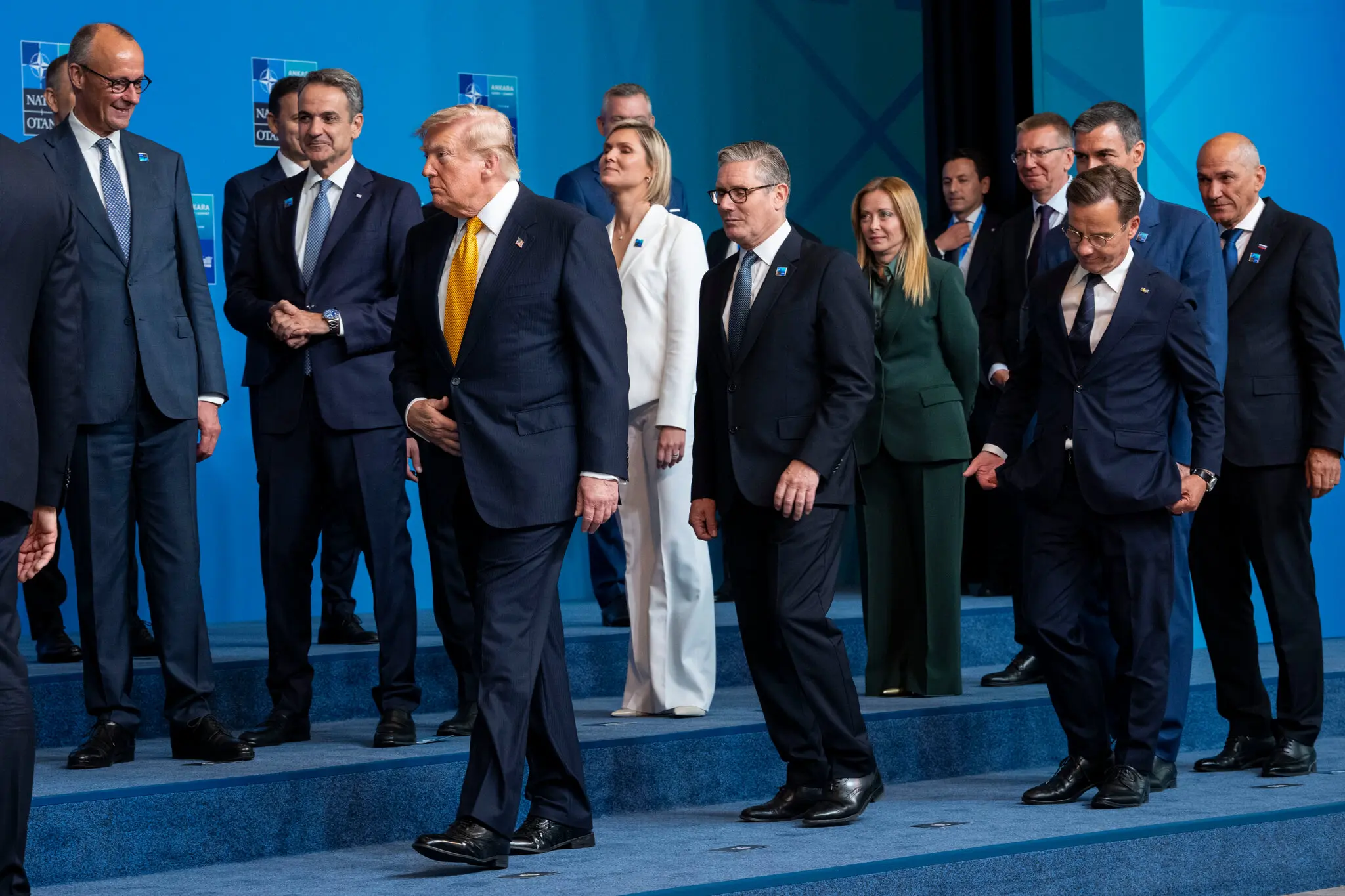
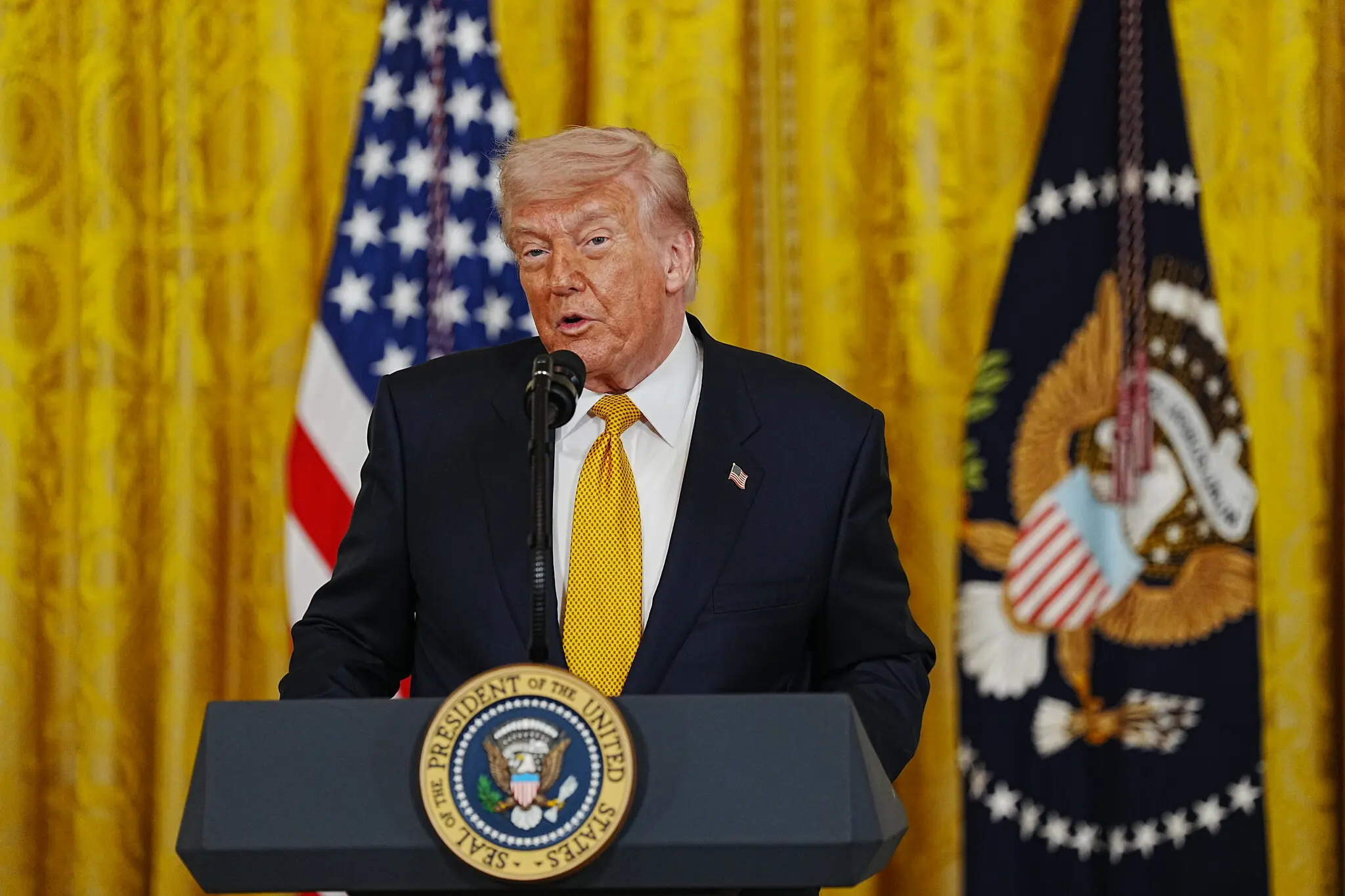 Президент США Трамп неодноразово намагався переписати історію, хибно стверджуючи, що війну розпочала Україна, а не Росія — Тірні Кросс
That is why Kyiv is playing a careful game. It agrees to proposed pauses even when it doubts they will hold. It asks American negotiators to come to Ukraine, even when they appear more often in Moscow. It reminds Washington about prisoner exchanges, implementation of agreements and the U.S. role — while also showing that it will not stay silent when America gets it wrong.
There is also a personal evolution in this diplomatic shift. In the first years of the full-scale war, Zelensky spoke to allies in the language of existential appeal: give us weapons, close the sky, help us survive. Now his language is harder: do not pressure us instead of Russia, do not sell Russian oil as stability, do not confuse peace with the freezing of occupation.
This is not the rhetoric of rupture. It is the rhetoric of a country that has lived long enough under dependence to understand its limits. Ukraine has not become fully self-sufficient and will not do so quickly. But it is no longer the country of 2022, waiting for every aid package as a matter of immediate survival. It is building its own war effort, its own industry and its own network of alliances.
For Trump, this creates a new reality. Ukraine is harder to force into a deal when it has more European money, its own drones, a broader supply line and fewer illusions about American stability. Kyiv remains weaker than Moscow in resources, but stronger than those expecting quick Ukrainian exhaustion had imagined.
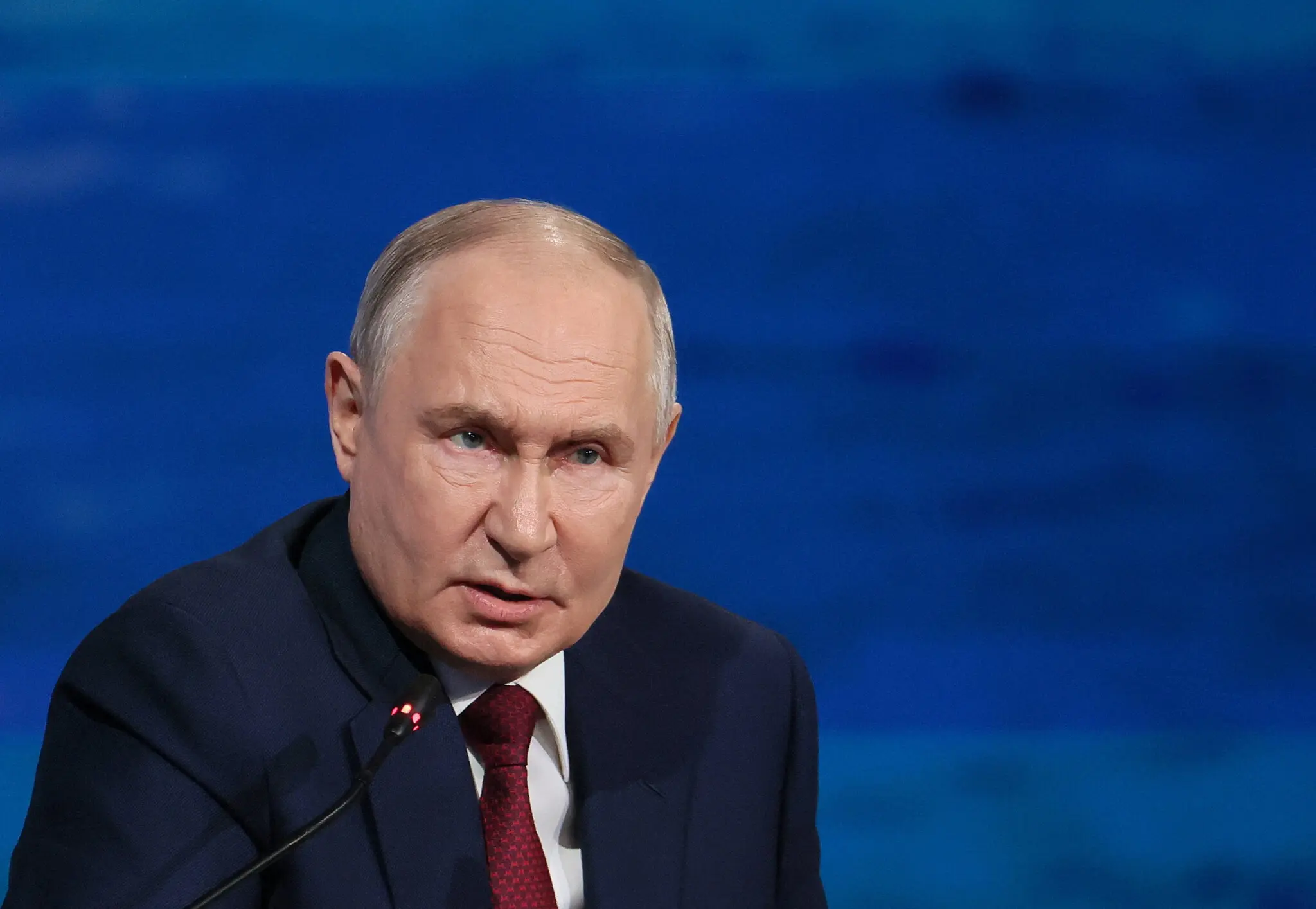
For Russia, this is also bad news. The Kremlin had counted on an American turn to break Ukraine’s position. Instead of readiness for capitulation, Kyiv is showing adaptation. If the United States cannot or will not be the kind of ally it once was, Ukraine is looking for another architecture of war: more European, more technological, more dispersed and less dependent on one office in Washington.


The coming months will show how durable that architecture is. If American assistance shrinks further, Europe will have to prove that its talk of strategic autonomy does not end at conferences. If the peace track remains dead, Ukraine will have to fight longer and at greater cost. If Russia senses impunity, it will try to test the new system’s strength.
But the main shift has already happened: Kyiv no longer expects Washington to deliver a just peace on its own. Zelensky has taken off the diplomatic gloves not because Ukraine no longer needs the United States, but because need no longer means silent obedience. In a war now in its fifth year, this may be the most important change in Ukrainian foreign policy: allies remain necessary, but Kyiv is reclaiming the right to define the limits of what is acceptable.