





















After major summits, diplomacy often dissolves into wording. Ukraine is trying to do the opposite: to take from Évian not only political support, but a concrete mechanism that can be measured in missiles, licenses, contracts and new commitments from allies.
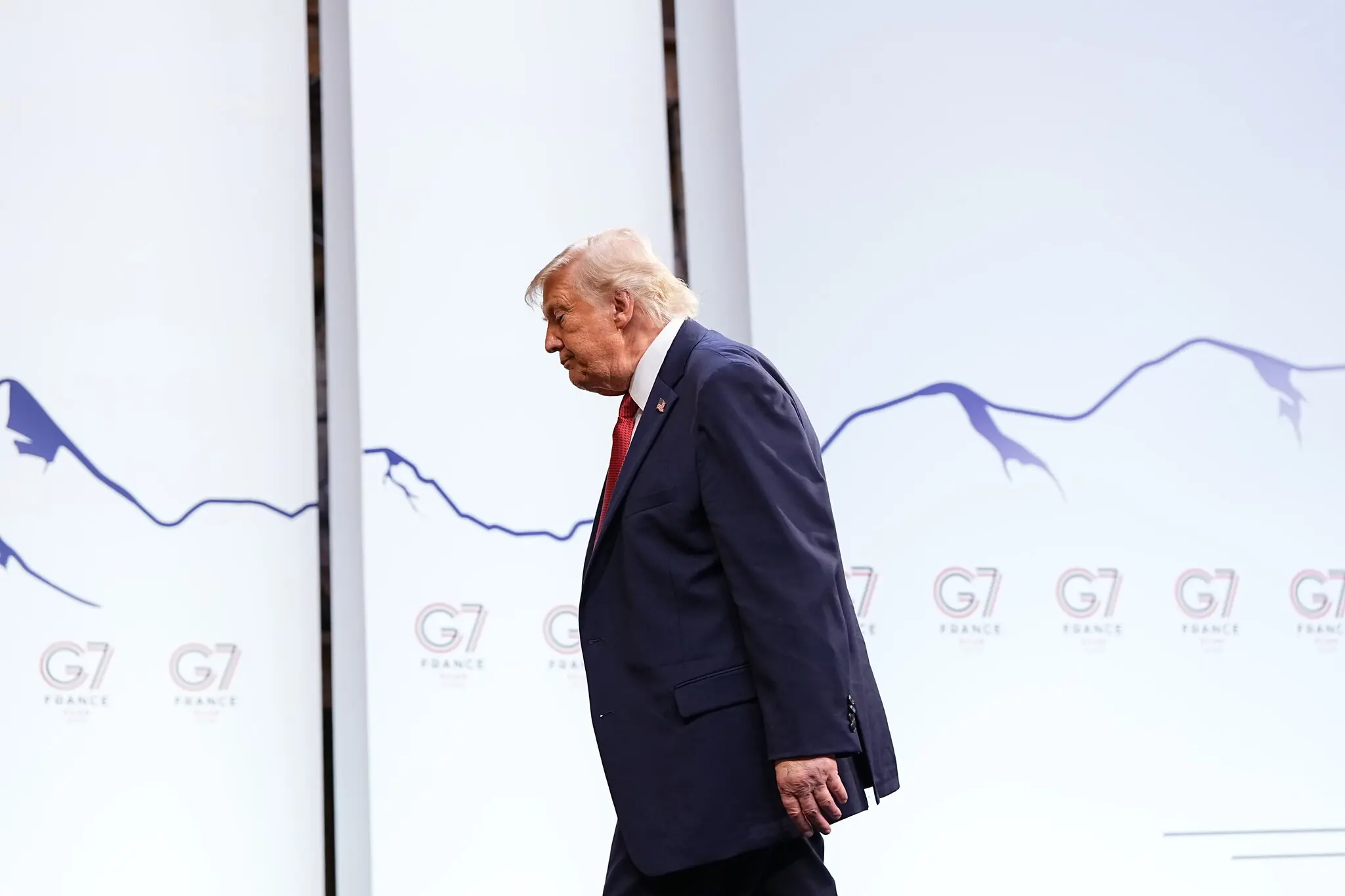
Volodymyr Zelensky’s conversation with Donald Trump and Emmanuel Macron at the close of the G7 summit became exactly that kind of bridge between declaration and implementation. The Ukrainian president described it as a coordinating conversation that could change a great deal. For Kyiv, it was important not to end the summit with applause, but to immediately lock in the next steps.
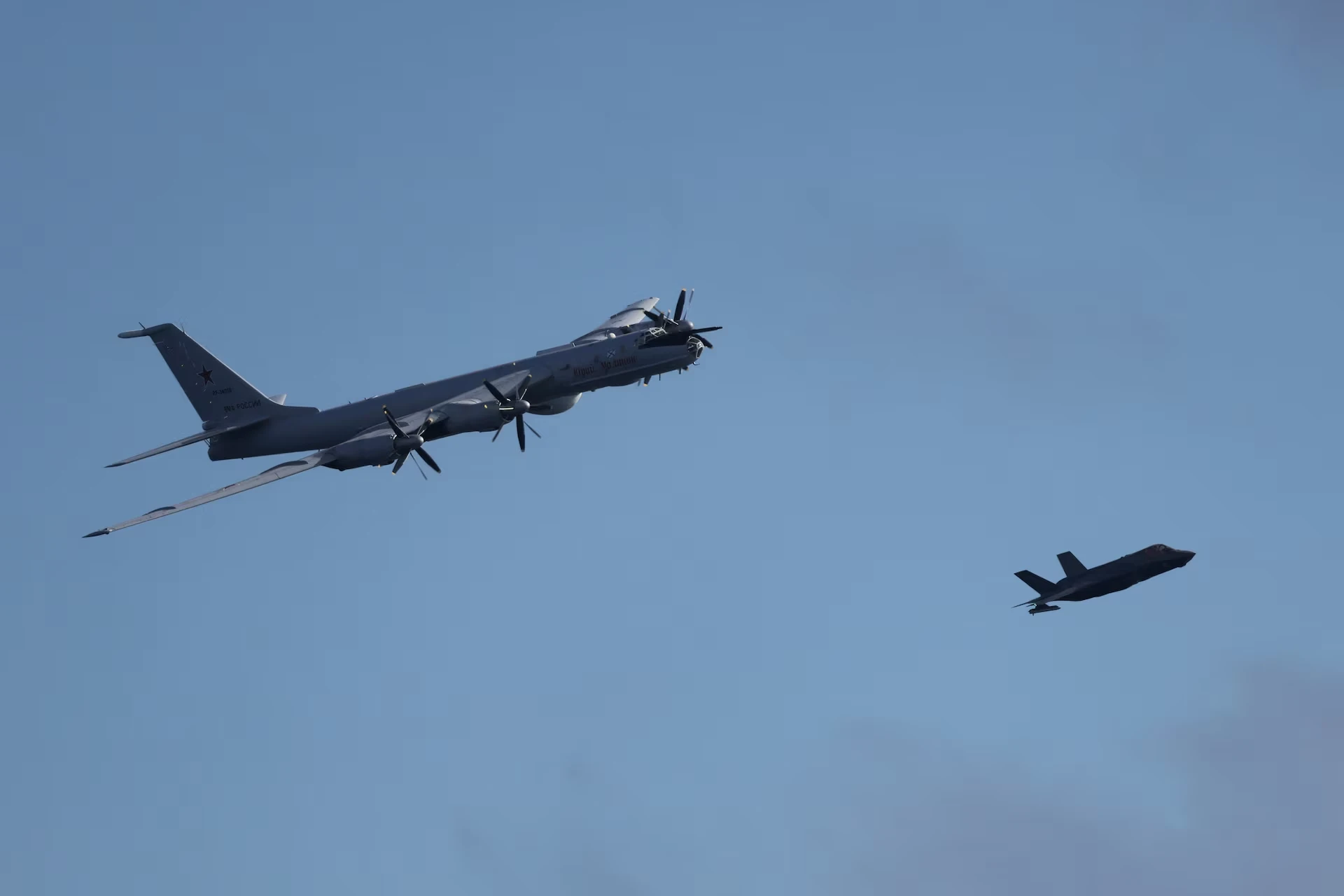
The central question is no longer whether the West supports Ukraine. It is whether that support can move at the same speed as Russia launches missiles, drones and new waves of attacks on cities. That is why, after the G7, the focus shifted from political unity to weapons production.
For Daycom, this moment is revealing: Ukraine is speaking to its allies less and less in the language of request, and increasingly in the language of a shared defense architecture. Kyiv is asking not only for ready-made systems, but for the right to produce protection together with partners, so that it is not dependent on the slow cycle of deliveries.
After Évian, Zelensky met in Brussels with NATO Secretary General Mark Rutte. At the center of the discussion were additional interceptors, missiles for Patriot systems, the PURL initiative and U.S. licenses for the production of air-defense capabilities. This is no longer one-off assistance, but an attempt to build a longer industrial answer to Russian ballistic missiles.
The word “licenses” is crucial here. If Ukraine and European countries gain the ability to produce critical air-defense components, the balance changes. The shortage of interceptor missiles stops being only a warehouse problem and becomes a question of factories, patents, technological access and American political will.
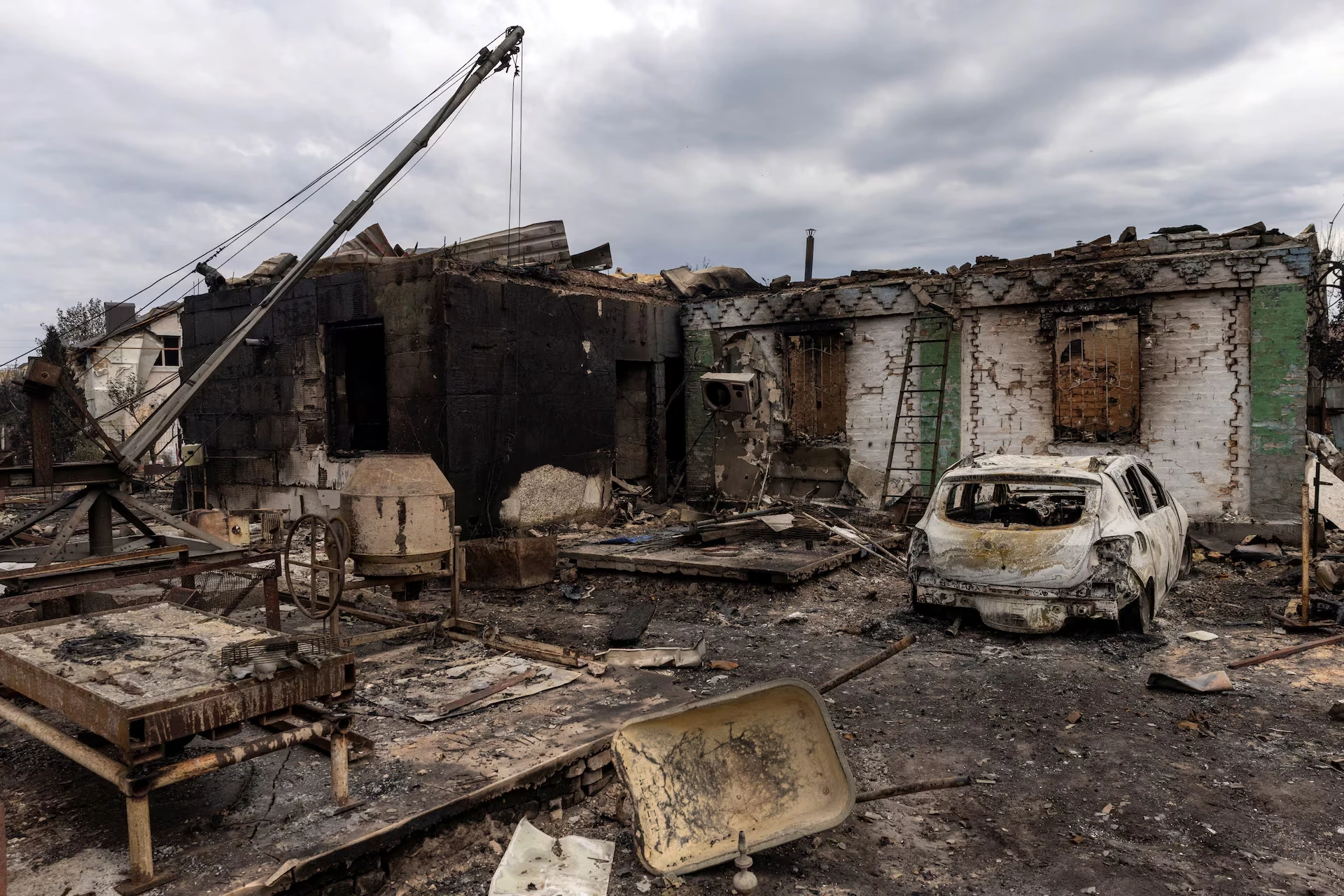
This is especially important after the latest mass attacks on Kyiv, Kharkiv, Dnipro and cultural sites. Russia is trying to strike not only the front, but Ukraine’s ability to live, work and recover. Without stronger air defense, any diplomatic breakthrough remains vulnerable to the next night of bombardment.
At the G7 summit, Ukraine received political confirmation of precisely this logic: more missiles for air defense, licenses for the production of anti-ballistic systems, energy support and stronger pressure on Russia. Ukraine’s needs for diesel, gas and gasoline were also discussed, should the war continue to exhaust its infrastructure.
In this package, air defense and energy have effectively become one issue. The protection of a power plant, substation or gas storage facility can no longer be separated from the protection of a city. If the sky is not covered, the economy does not function. If the economy does not function, the front begins to lose depth in the rear.
That is why the next key point is the Ramstein format meeting. Ukraine is going there not simply to replenish stocks, but to consolidate the current window of opportunity. After more successful drone strikes on Russian logistics, Kyiv wants to scale its advantage while Moscow is still being forced to rebuild routes and defenses.
The request for an additional $20 billion in military funding should not be read as just another line in the war budget. It is an attempt to buy time, tempo and technological advantage. The money means weapons, drones, ammunition, air defense, repair capacity, production and the ability to keep Russia under constant pressure.
These funds are needed not for abstract “resilience,” but for a very concrete strategy. Ukraine wants to strike Russia’s war economy, logistics, fuel routes and rear nodes so that every subsequent Russian offensive becomes more expensive, slower and less predictable.
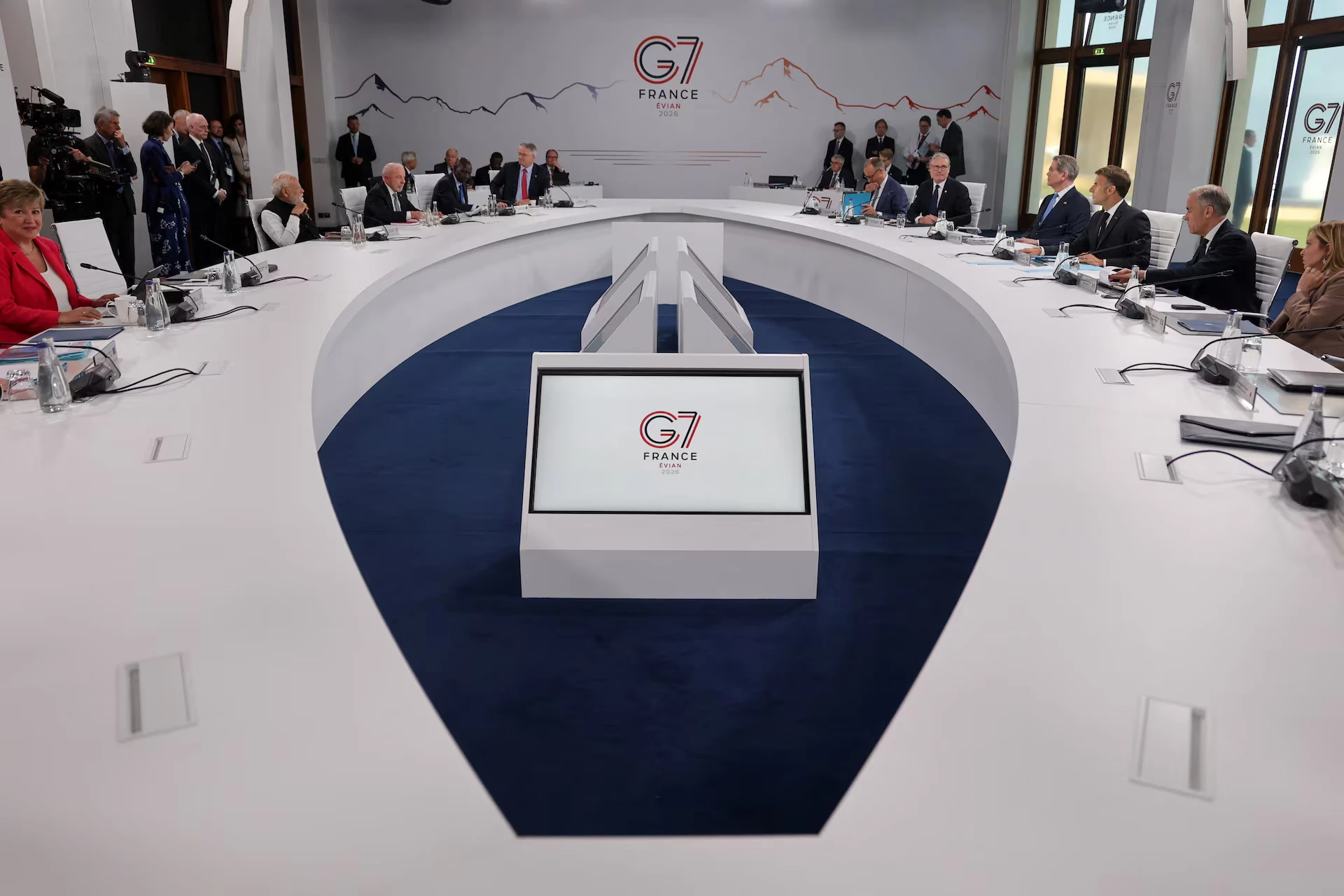
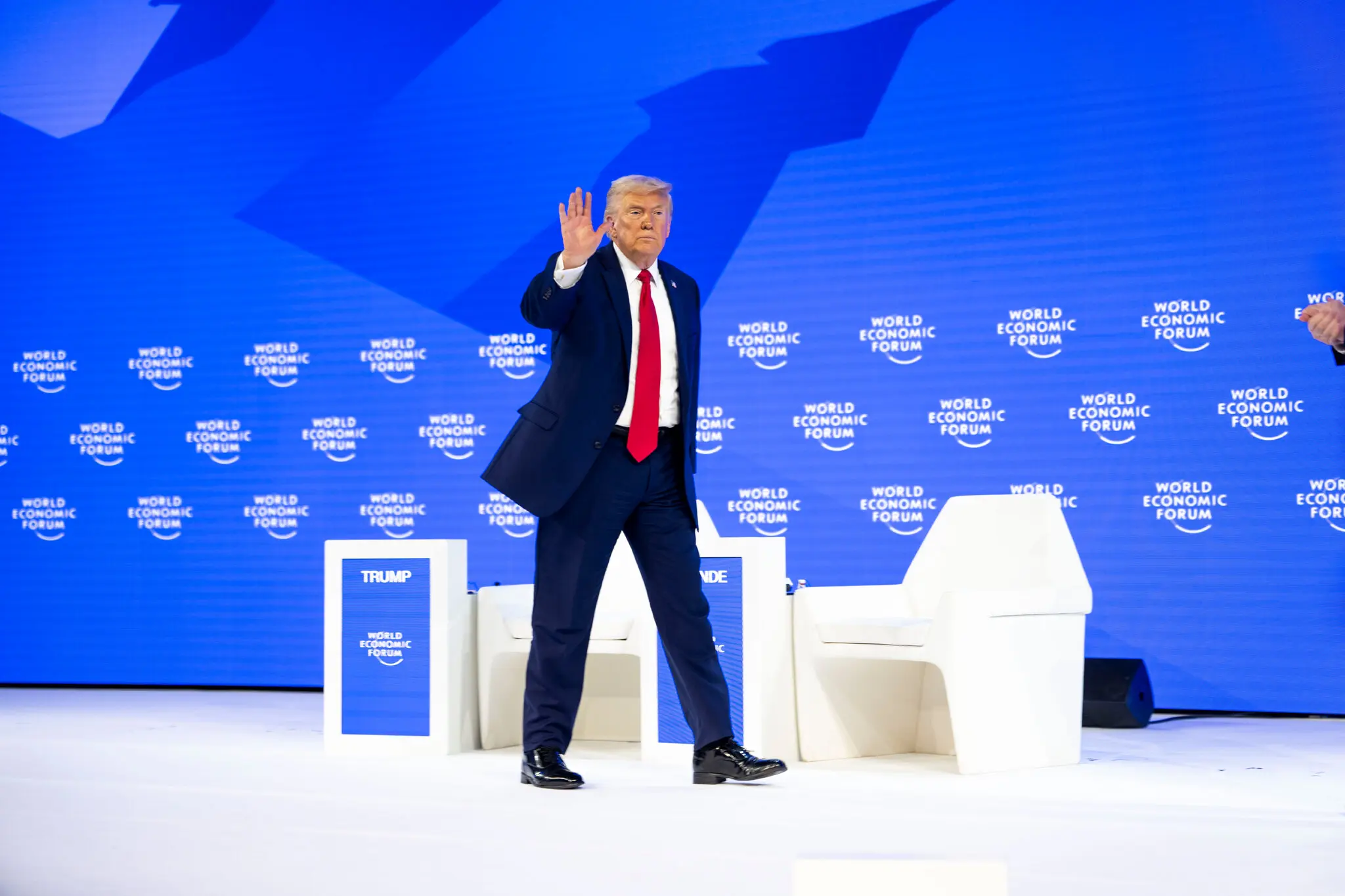
The G7 in Évian gave Kyiv an important political resource: the sense that Ukraine’s argument had again been heard in Washington. The change in Trump’s tone toward Russia became a sign for Europeans and for Kyiv that the United States could return to a firmer line if it sees results from Ukrainian defense and pressure from allies.
But this is not yet a guarantee. Trump remains a politician who values quick results and his own role in major deals. Ukrainian diplomacy has to work with that reality: to show that support for Kyiv does not prolong the war, but creates conditions under which Russia cannot dictate peace.
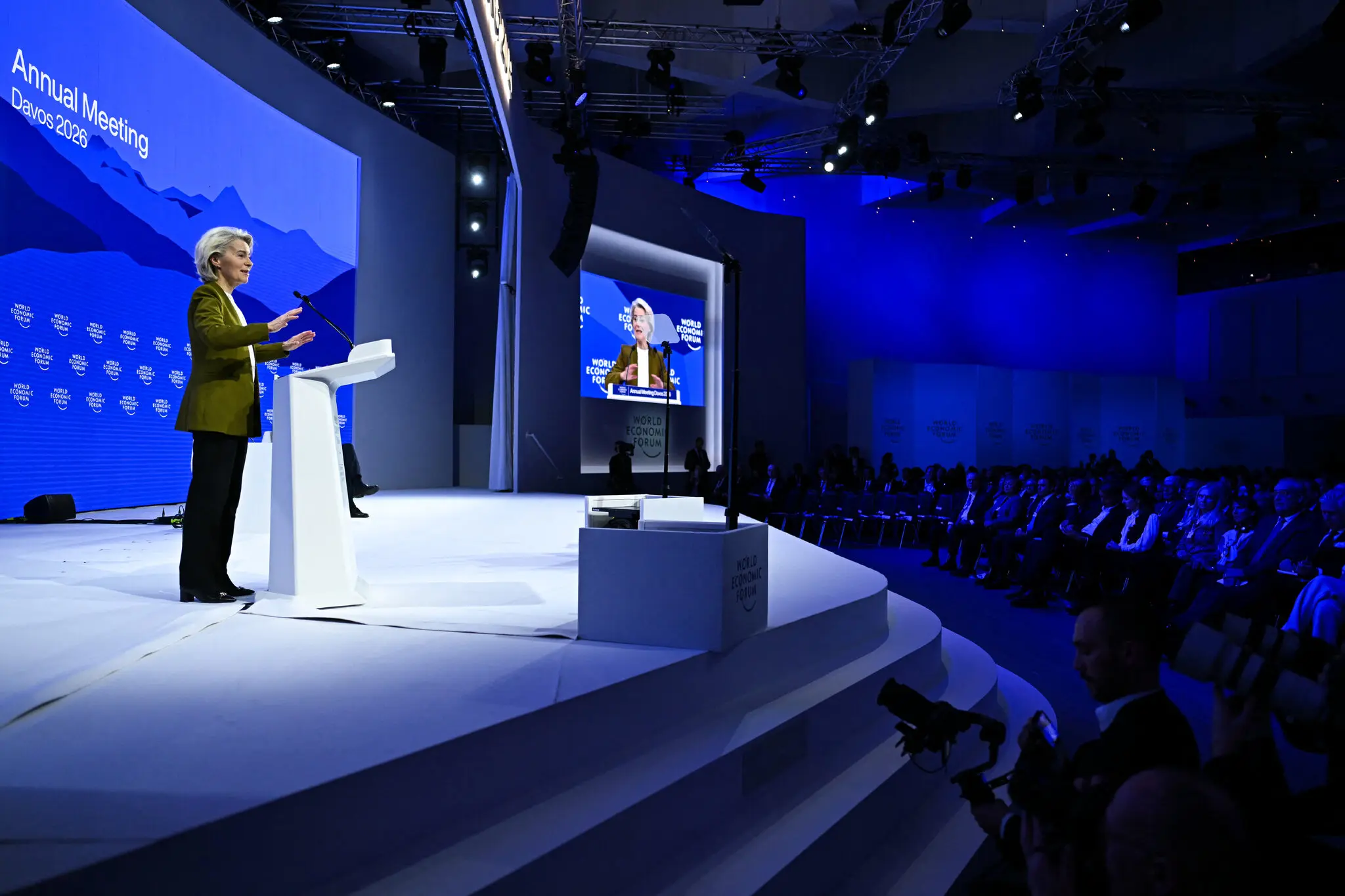
That is why the post-summit coordination call with Trump and Macron mattered. In this structure, Macron is not only the host of the G7, but also a European moderator of the American shift. He helps keep Ukraine at the center of the agenda when Washington is simultaneously focused on Iran, the economy and domestic politics.
For Zelensky, the task is even more difficult: to turn the positive atmosphere of Évian into a strict calendar of decisions. The NATO summit in Ankara in July must become not a ceremony of solidarity, but a place where Ukraine’s defense receives new instruments. That was the effectiveness Zelensky discussed with Rutte.
Ankara also matters because NATO must answer the question the war has posed for a fourth year: how to protect a country that is effectively defending the Alliance’s eastern flank, but does not formally have membership guarantees. Until that answer exists, air defense, joint production and financing become temporary substitutes for guarantees.
Russia is watching precisely that temporariness. The Kremlin hopes Western decisions will tire faster than Ukrainian defense. Every delay with interceptors, licenses or funding works in Moscow’s favor. Conversely, every fast contract reduces the space for Russian blackmail.
After the G7, Ukraine is trying to assemble a new formula: American political support, European production capacity, NATO coordination, the Ramstein format, sanctions against Russia and Ukraine’s own ability to strike enemy logistics. If these elements come together, Kyiv’s negotiating position will become significantly stronger.
This does not mean peace is close. Rather, Kyiv is preparing for longer pressure because it sees no sign that Moscow is ready to stop without being compelled. That is why today’s diplomacy is so concrete. It is no longer limited to words about a just peace. It asks: who provides missiles, who grants licenses, who pays, who produces, who pressures Russia.
This is the main result of the post-summit day. Évian gave Ukraine political momentum, but the real test begins afterward — in Brussels, at Ramstein, in Ankara, in factories, in allied budgets and in negotiations with Washington.
Ukraine left the G7 not with a final answer, but with an open corridor of opportunity. Now it must be filled quickly with weapons, money, production and decisions. In a war of attrition, diplomacy has value only when an interceptor missile arrives behind it on time.