





















Ukraine’s need for missile defense is no longer just another item on a military aid list. It has become one of the central lines of the war: whoever can produce interceptors faster than Russia can launch ballistic missiles will define the limits of urban survival.
Volodymyr Zelensky has now said openly what Kyiv has treated for months as a dangerous delay: talks with the United States on expanding anti-ballistic missile production have brought little visible progress. For a country living under regular missile attacks, such a pause is not procedural. It is operational risk.
That does not mean a break with Washington. On the contrary, Ukraine’s tone has sharpened precisely because the American technological and political role remains indispensable. But war does not wait for industrial cycles, and Russian missiles do not adjust to diplomatic calendars.
According to Daycom’s earlier analysis, the deeper shift is not rhetorical but structural. Ukraine is moving from asking for additional air-defense batteries to trying to build a sustainable production system on the European continent.
The European track now looks less like a reserve option and more like a parallel pillar. Zelensky is speaking not about symbolic cooperation, but about producing anti-ballistic systems in Europe in sufficient quantities. The key word is quantity: in this war, a system that cannot be scaled cannot change the battlefield.
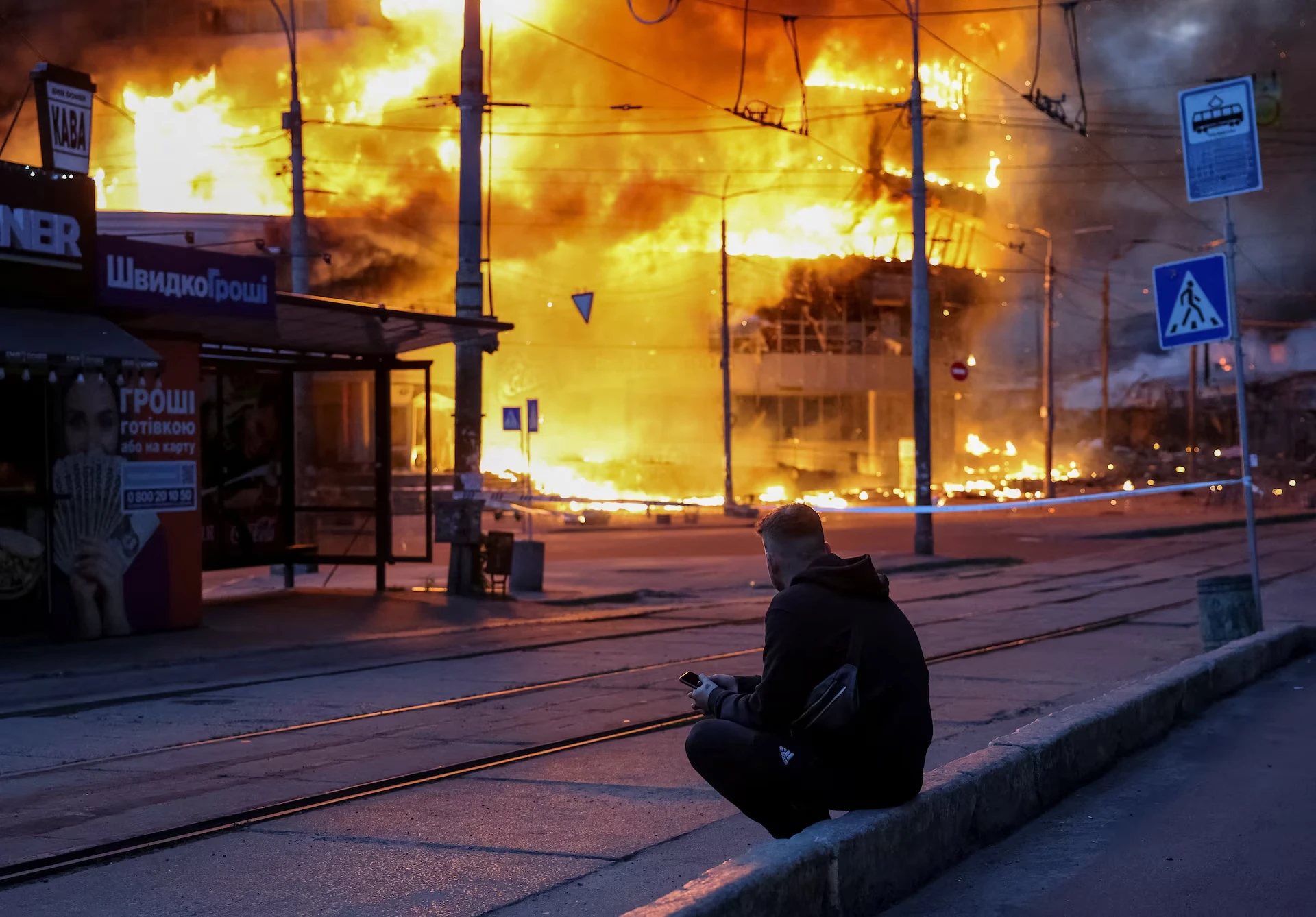
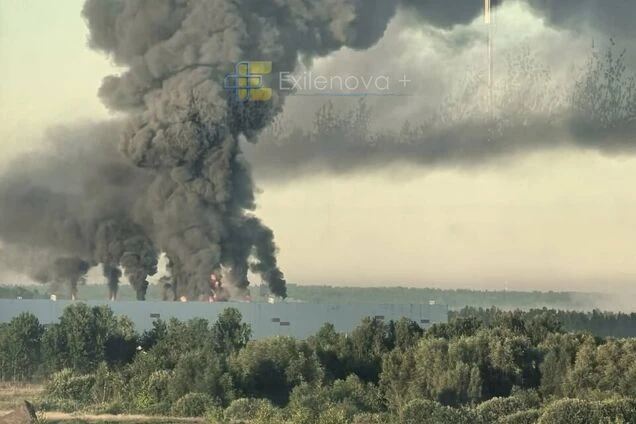
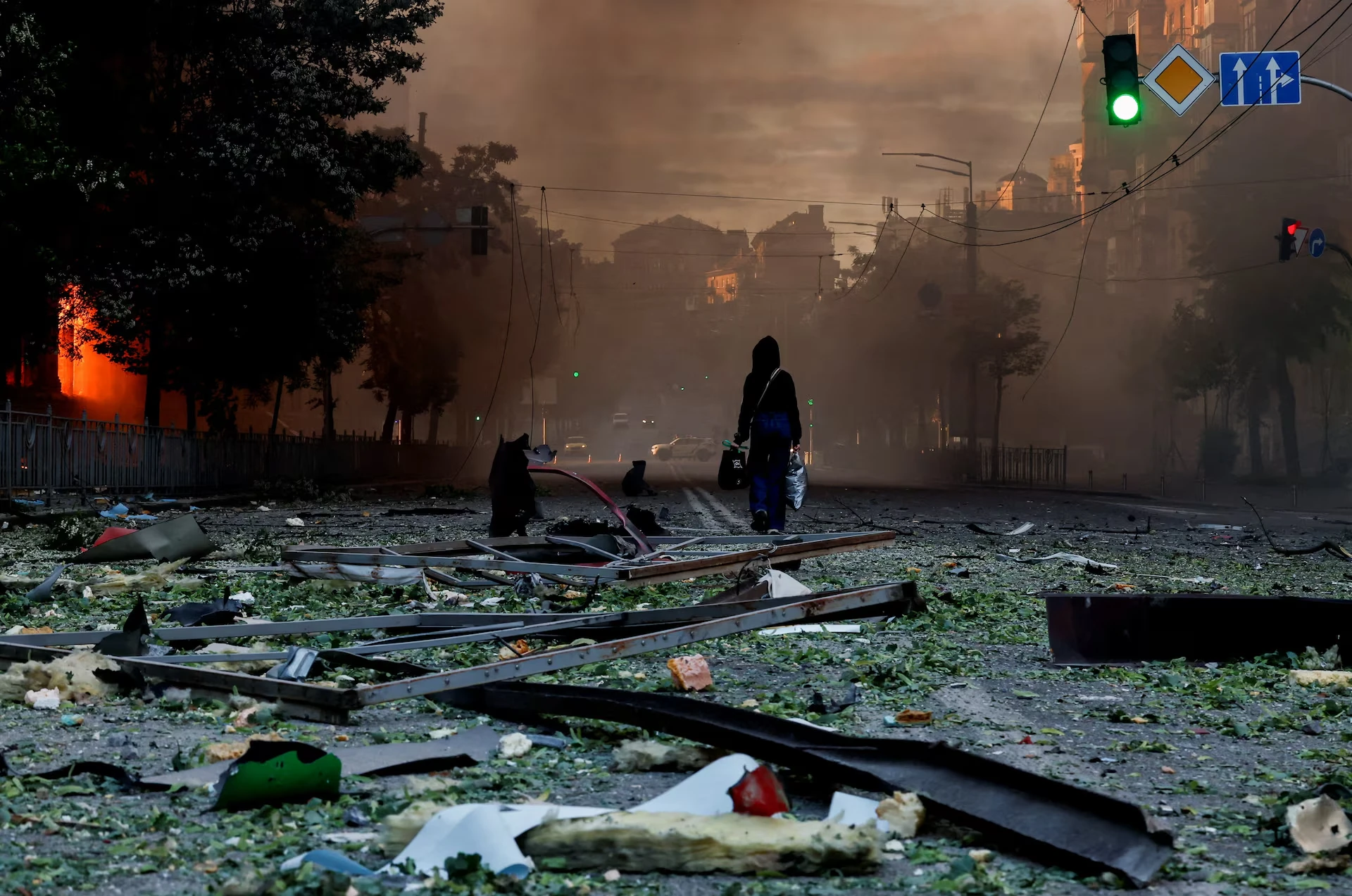
For Ukraine, the problem is brutally concrete. Ballistic missiles reduce reaction time to minutes, sometimes seconds. They threaten not only power grids or military logistics, but the state’s ability to keep major cities functioning under pressure.
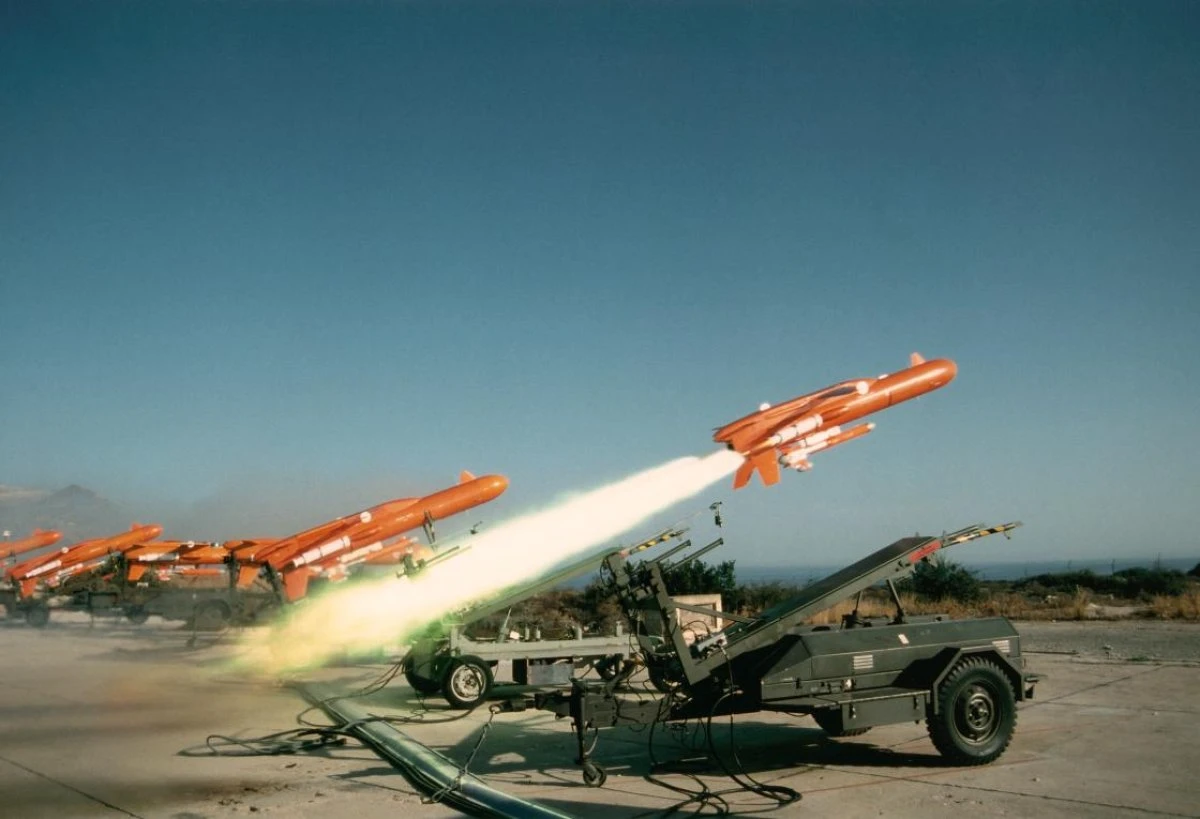
That is why the debate over Patriot, SAMP/T, interceptors and anti-ballistic systems has moved beyond technical language. It is now a question of political endurance: whether Ukraine can protect Kyiv, Kharkiv, Dnipro, Odesa and industrial centers not occasionally, but systematically.
France has gained particular weight in this architecture. Paris matters to Kyiv not only as a donor or diplomatic partner. Together with Italy, France stands behind the SAMP/T system, one of the few European options capable of engaging complex aerial threats.
If that track accelerates, Europe could reduce its dependence on the American production bottleneck. But it would not quickly replace the United States. Patriot systems remain central to Ukraine’s ability to counter Russian ballistic threats on the most critical axes.
This is why Zelensky can thank Europe for financial support while still stressing that U.S. leadership is essential. Kyiv is not trying to replace one partner with another. It is trying to reduce the danger of a defense architecture that depends too heavily on a single decision-making center.

The balance reflects a new wartime diplomacy. Any delay in Washington, any shift in U.S. priorities, any crisis in the Middle East can quickly become a security factor for Ukrainian cities. Political agendas move fast; the need for interceptors remains constant.
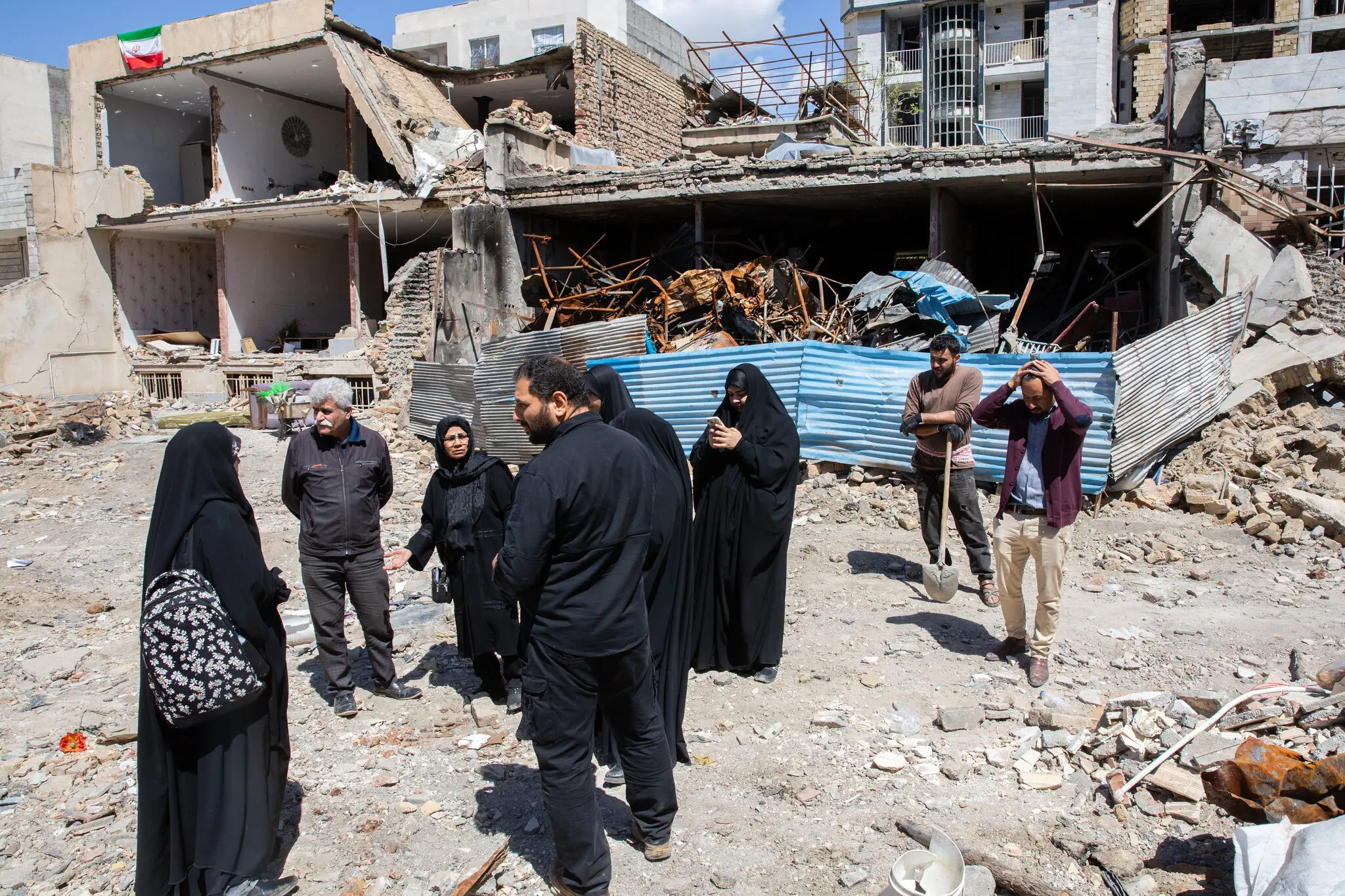
The war around Iran has already absorbed part of Washington’s attention and complicated the diplomatic calendar. Efforts to move toward a settlement of Russia’s war against Ukraine have slowed, while Kyiv waits for new U.S. proposals on formats and next steps.
That pause is dangerous beyond diplomacy. When political focus moves elsewhere, weapons often move more slowly as well. For Ukraine, this means that its air-defense needs may have to compete with other crises where missiles, radars and interceptors are also in demand.
Russia reads such delays carefully. Its air-terror strategy is designed not only to destroy infrastructure, but to exhaust Ukrainian stocks. Every large-scale strike tests not only the sky, but warehouses, contracts, production lines and the political will of partners.
That is why European anti-ballistic production is not autonomy for its own sake. It is an attempt to remove the most dangerous bottleneck: dependence on a limited number of systems and missiles needed simultaneously across several security theaters.
For Europe, this is a test of defense-policy maturity. Financing purchases for Ukraine is easier than building full-scale missile-defense production. But without production, financing gradually loses force. Money does not intercept missiles if there are not enough interceptors on the shelves.
For the United States, this is also a moment of choice. Washington can preserve its central role as the coordinator of Ukraine’s defense, or it can allow the European track to grow because of American slowness. Kyiv is not turning away from the United States, but it is increasingly insuring itself against delay.
Ukraine’s formula is now pragmatic: U.S. leadership, European money, joint production and a domestic technological base. None of these elements solves the problem alone. Together, they could create what Ukraine needs most — predictability.
In a war of attrition, predictability becomes a weapon. If Ukraine knows how many interceptors it will receive in six months and where they are being produced, it can plan the defense of cities, energy facilities, ports and military infrastructure without living in permanent emergency mode.
Zelensky’s statement about the lack of progress with the United States should therefore not be read as a complaint. It is a political signal. Kyiv is showing its partners the line beyond which delay stops being bureaucracy and becomes a combat risk.

There is no simple pivot here from America to Europe. The process is more complex: Ukraine is trying to turn a coalition of assistance into a coalition of production. That will determine whether Ukrainian air defense can match the war ahead, rather than merely patch the gaps of the war today.