























After the overnight mass attack on Ukraine, Moscow did what it usually reserves for politically charged moments of the war: it did not merely announce a strike, but placed the names of its weapons at the center of the message. Oreshnik, Iskander, Kinzhal and Zircon were presented as a single sequence — not only a display of firepower, but a statement of pressure.
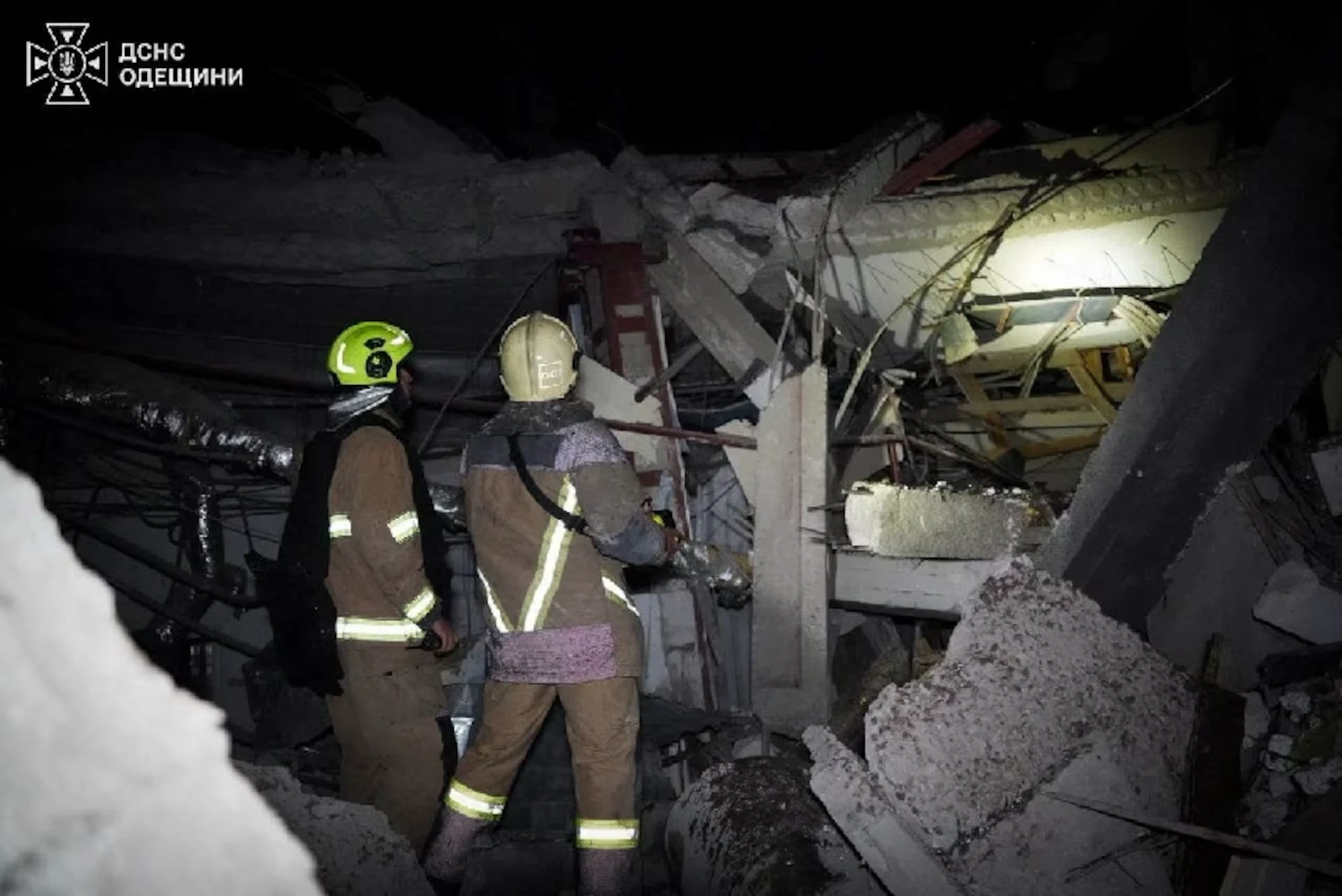
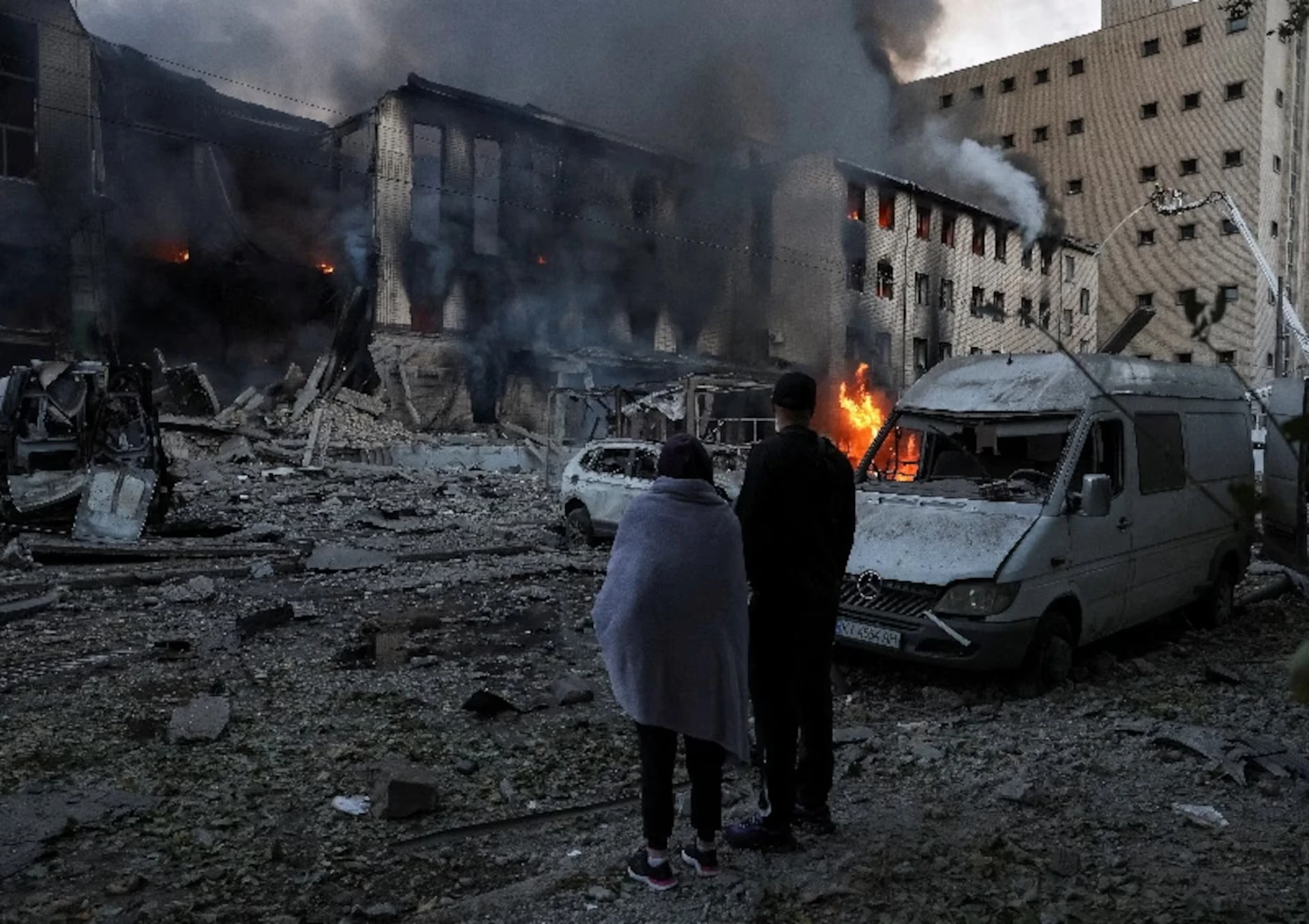
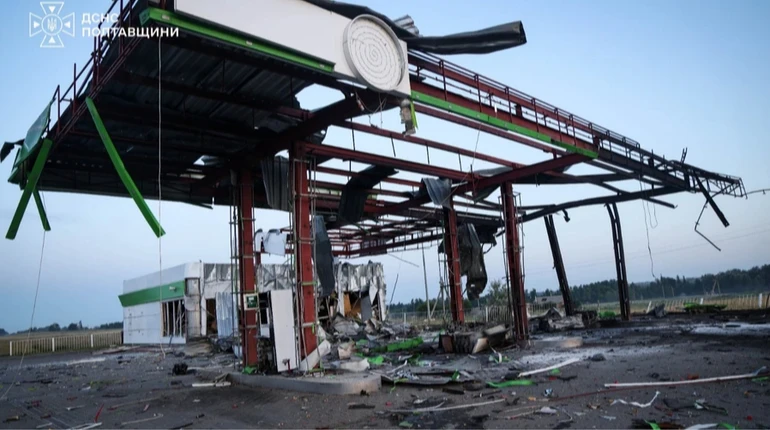
Russia framed the attack as retaliation for Ukrainian strikes on civilian targets inside Russia. Within that narrative, Moscow described the targets as military command facilities, air bases and enterprises linked to Ukraine’s defense industry. Yet the effects of such attacks again spilled into civilian life — fires, damaged buildings, casualties and fear across Ukrainian cities.
This contradiction has become a defining feature of Russia’s missile campaign. Official language speaks of military sites; Ukrainian cities wake to debris, shattered glass and smoke. The strike turned a technical list of weapons into a political message: Russia wants to show that it can attack the rear, exhaust air defenses and raise the stakes at the same time.
According to Daycom’s earlier analysis, the key point is not simply that different missile types were used, but that Moscow bundled them into one information package. Oreshnik, Kinzhal and Zircon were not named by accident. Each carries its own psychological weight, even when the actual battlefield effect remains open to assessment.
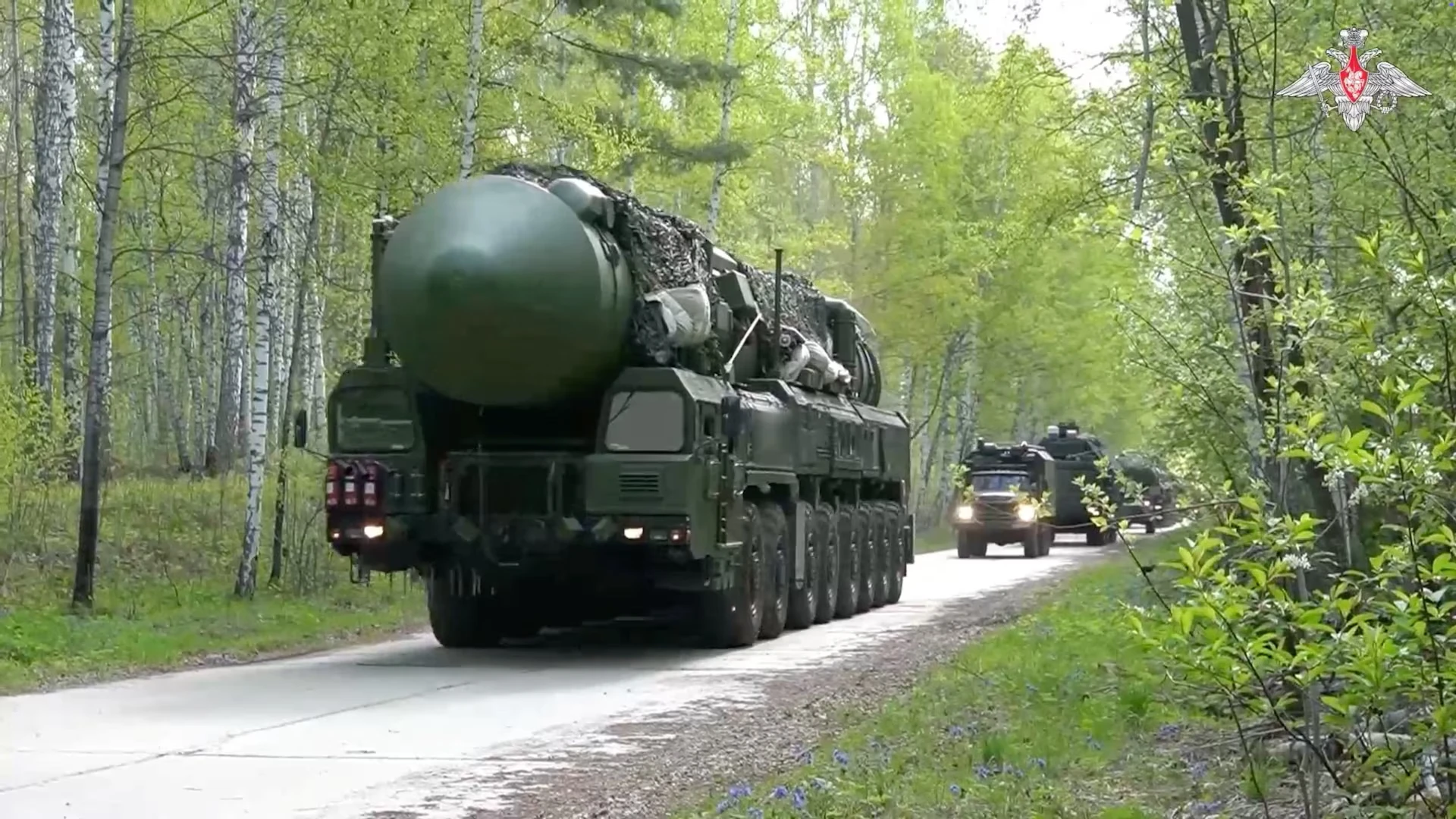
Oreshnik occupies the central place in this construction. It is presented by Russia not as just another ballistic missile, but as a weapon of a new level — fast, difficult to intercept and capable of carrying different types of warheads. For the Kremlin, even mentioning it has symbolic value: it suggests a phase of war in which Moscow is ready to display systems associated with a nuclear shadow, even when a strike is carried out with a conventional charge.
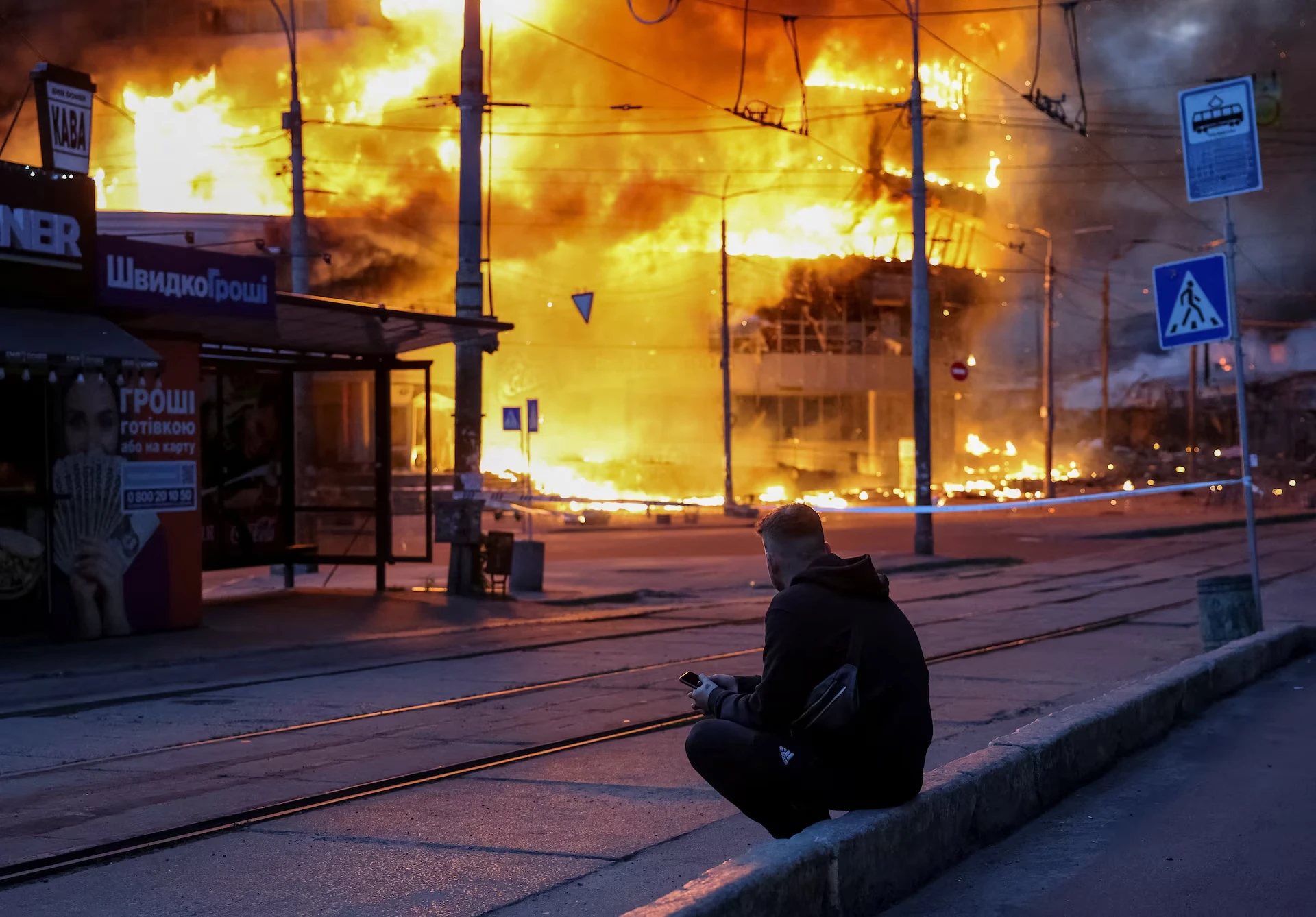
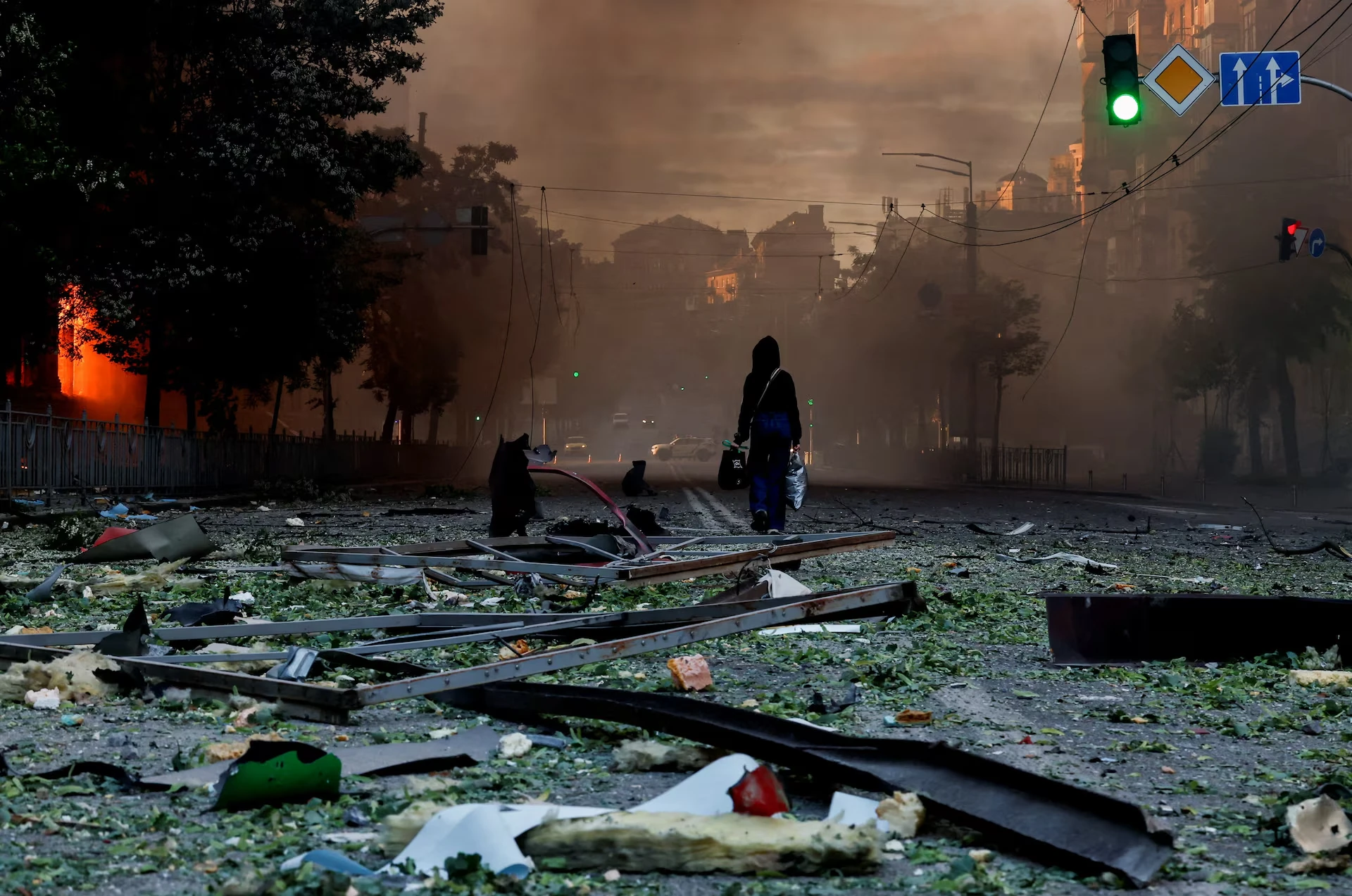
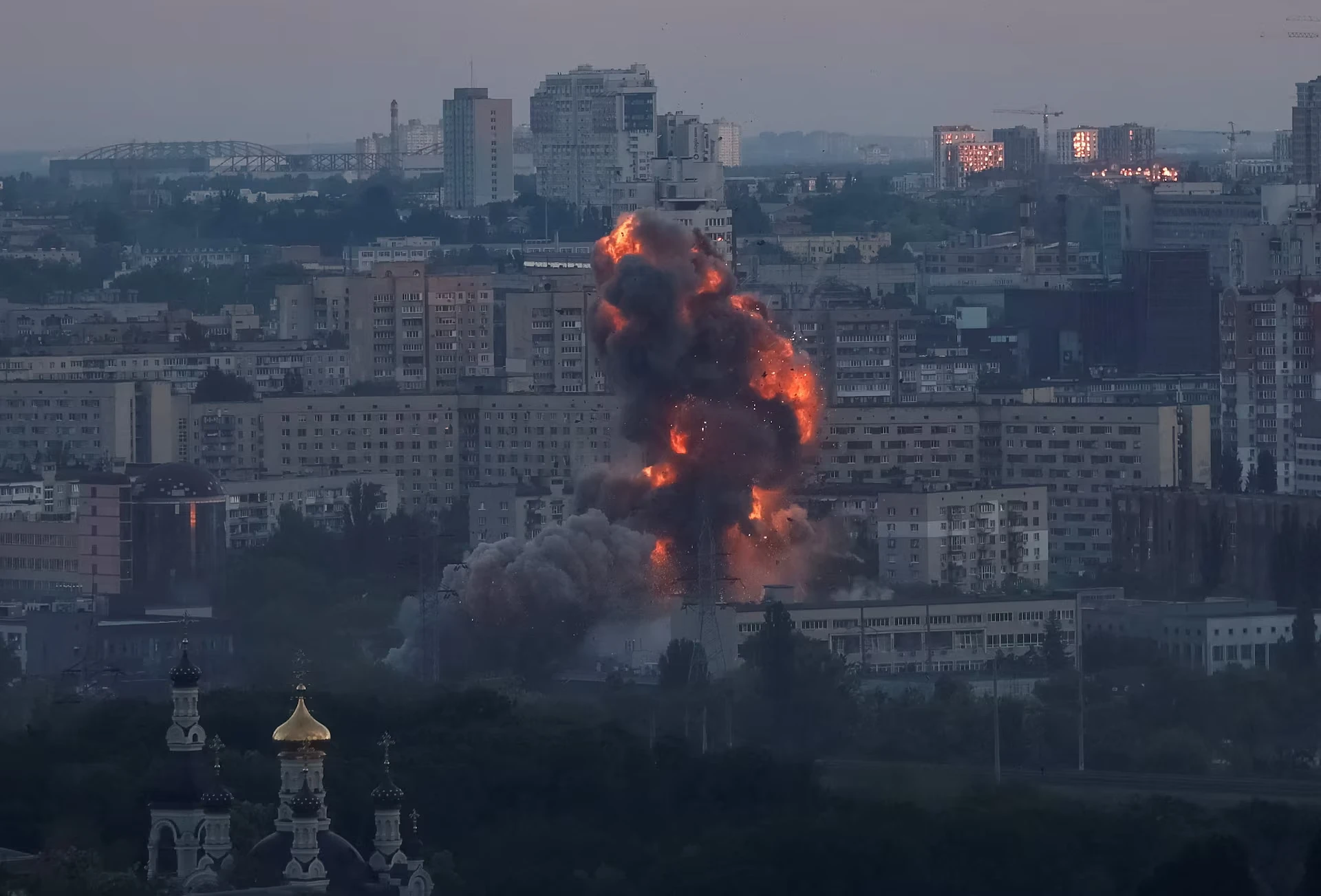 24 травня 2026 року в Києві, Україна, під час російського ракетного та безпілотного удару в рамках російської агресії проти України піднімаються стовпи вогню та диму — Гліб Гаранич
Iskander plays a different role. It is no longer an exotic system, but a regular instrument of Russian pressure against Ukraine: a fast strike on relatively nearby targets, a complex trajectory and little time for response. In mass attacks, missiles of this class create one of the toughest tempos for Ukrainian air defenses, where decisions must be made within minutes.
Kinzhal has long been used by Russia as proof of its claimed hypersonic advantage, though the war has stripped away some of its propaganda aura. Ukrainian air defenses have shown that even such targets are not untouchable. Still, every renewed reference to Kinzhal serves the psychology of attack: it is meant to create a sense of inevitability before interception or impact.
Zircon adds a maritime and long-range dimension to the picture. Russia presents it as a hypersonic cruise missile capable of striking complex targets at high speed. Its inclusion in the list matters not only technically. It shows Moscow’s desire to display a broad arsenal, as though the diversity of missiles itself could compensate for strategic uncertainty on the front.
In that sense, the claim that all strikes were successful is less a military conclusion than part of an information operation. During such attacks, the two sides almost always diverge in their assessments: Russia speaks of destroyed military targets, while Ukraine records intercepted missiles and drones, damaged civilian infrastructure and the human cost. The space between these versions becomes a battlefield of perception.
The most dangerous element is the attempt to normalize the use of increasingly heavy missile systems in overnight attacks on Ukraine. When Oreshnik appears not as a rare exception but as part of a broader salvo, it changes the political temperature of the war. Russia is trying to accustom the world to the idea that hypersonic and ballistic escalation can become routine.
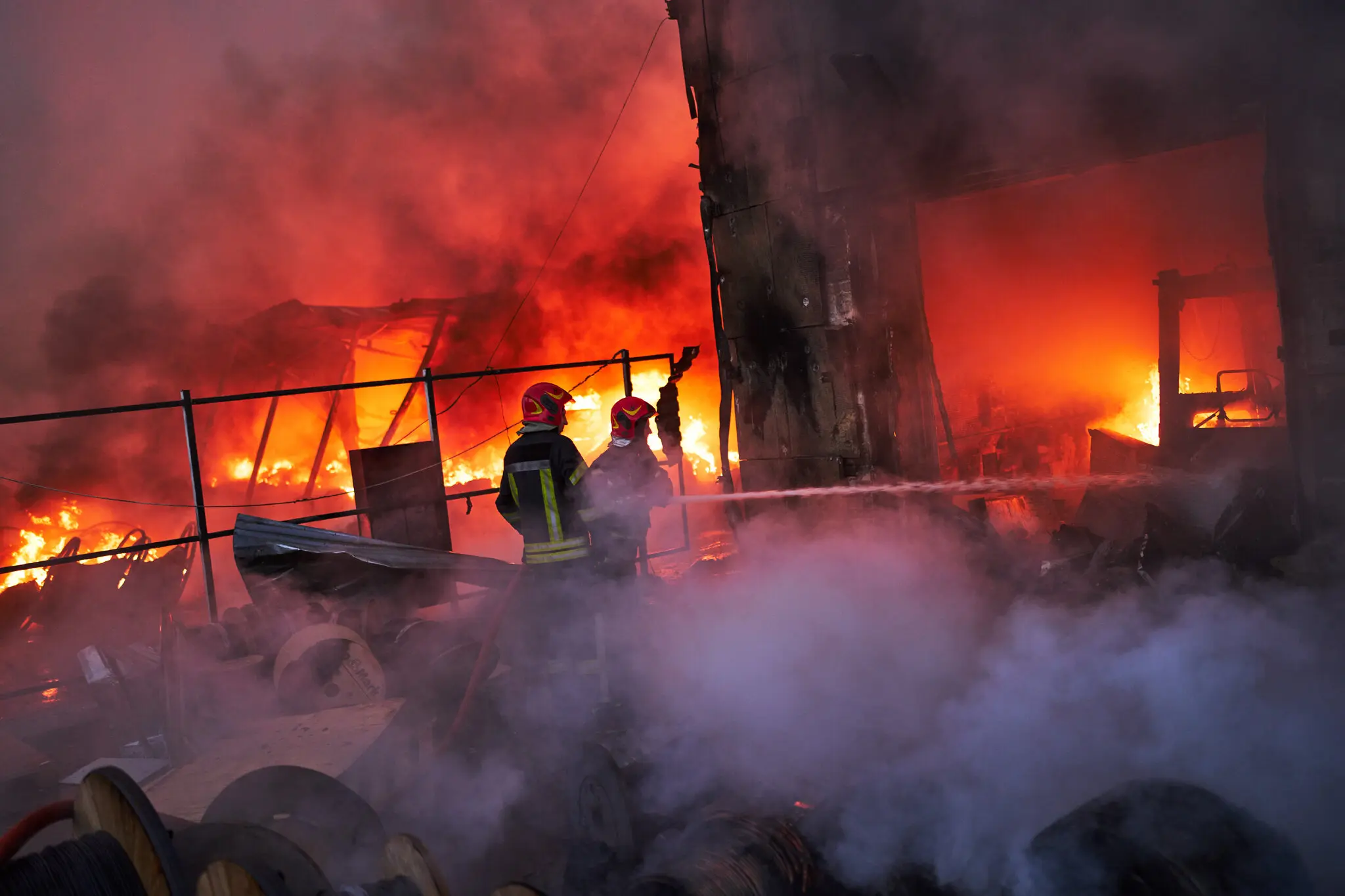
 Пожежник працює на місці пожежі, що виникла внаслідок нічних ракетних обстрілів та атак дронів з боку Росії в рамках російського вторгнення в Україну, у Києві, Україна, 24 травня 2026 року — Томас Пітер
 Пожежник працює на місці пожежі, що виникла внаслідок нічних ракетних обстрілів та атак дронів з боку Росії в рамках російського вторгнення в Україну, у Києві, Україна, 24 травня 2026 року — Томас Пітер
For Ukraine, this logic means a growing burden on air defense. A combined strike, in which drones distract and drain the system while different classes of missiles attack from different directions, creates not only a technical problem but a command problem. Protecting the capital, energy infrastructure, airfields and defense production requires more interceptors, radars and mobile fire groups.
For the West, this night should also be read not as an isolated episode, but as an argument in the debate over the pace of military assistance. Russia is showing a willingness to spend expensive missiles, combine them with mass drone waves and push the war into a long contest of technological exhaustion. The answer cannot be limited to political statements after each attack.
That is why Ukraine’s air defense question again extends beyond the protection of a single city. It concerns the state’s ability to preserve its economy, military production, logistics and urban life under sustained missile pressure. When Moscow strikes Ukraine with Oreshnik, Iskander, Kinzhal and Zircon in one campaign, it is testing not only radar systems, but the political endurance of Ukraine’s allies.
Russia’s language of retaliation carries another purpose. It tries to reserve for Moscow the right to define what counts as a response and what counts as escalation. In this logic, any Ukrainian attack on Russian military infrastructure can be used as a pretext for a mass strike on Ukrainian cities and rear areas. The aim is to narrow Ukraine’s room for defensive initiative.
 Залишки російської крилатої ракети з'являються на футбольному полі біля школи, яка була уражена під час російського ракетного удару та удару безпілотника на тлі нападу Росії на Україну, у Києві, Україна, 24 травня 2026 року — Аліна Смутко
Yet the Kremlin’s need to emphasize the names of missiles reveals something else as well: Moscow wants to be feared more than it wants the actual results of the strike to be measured. Missile warfare has long become signal warfare. The louder Russia speaks about Oreshnik or Zircon, the clearer it becomes that the goal is not only to destroy a specific target, but to project the supposed invulnerability of its arsenal.
Ukraine’s response to this strategy cannot be purely military. It consists of air defense work, precise strikes on Russian military logistics, protection of cities, public discipline and the ability to explain the true scale of the threat to partners. The overnight strike on Ukraine was not only an attack on facilities. It was an attempt to shift the boundaries of what is considered acceptable in war.
Moscow put missiles in the headline. Ukraine carried out of the night its losses, fires, rescue operations and the need for stronger protection of the sky. The central line of this phase of the war runs between those two realities: Russia is trying to turn fear into a weapon, while Ukraine is trying to prevent fear from becoming the political result of the strike.