
















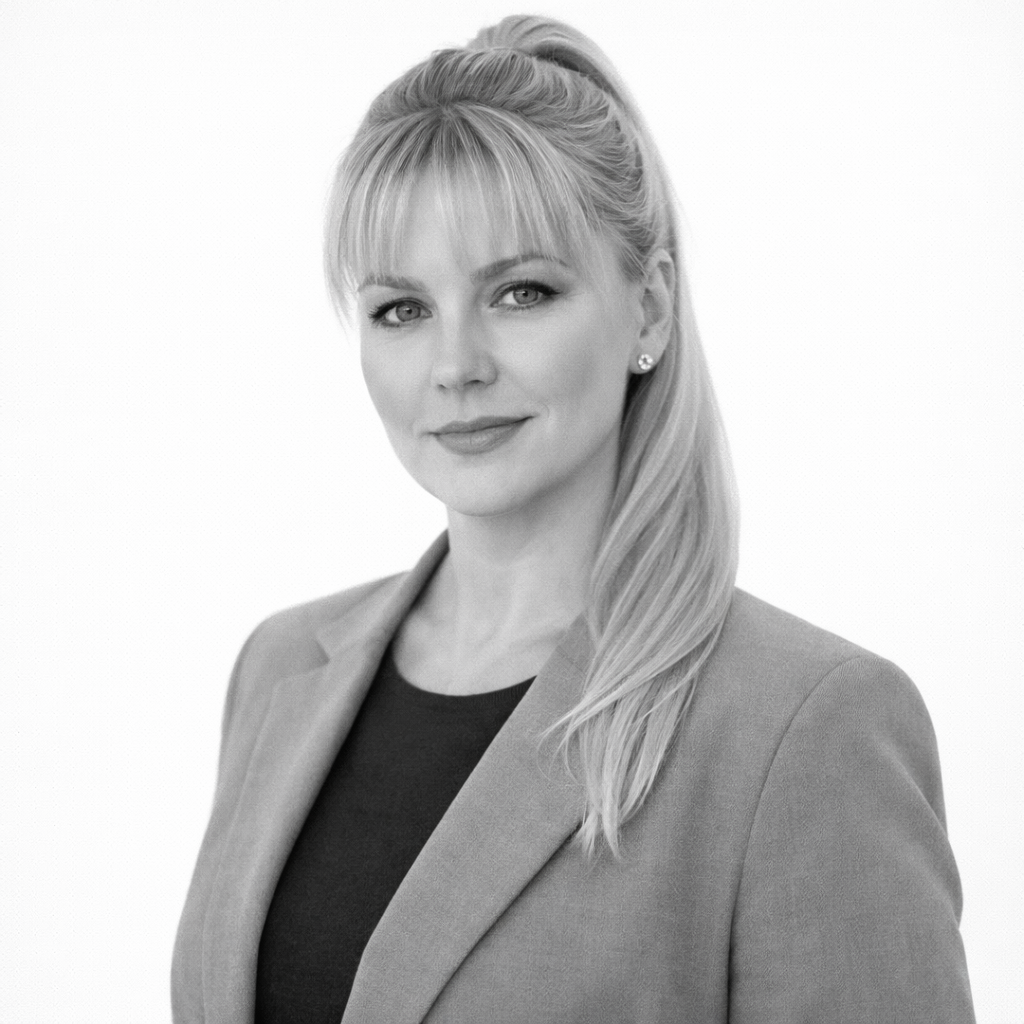

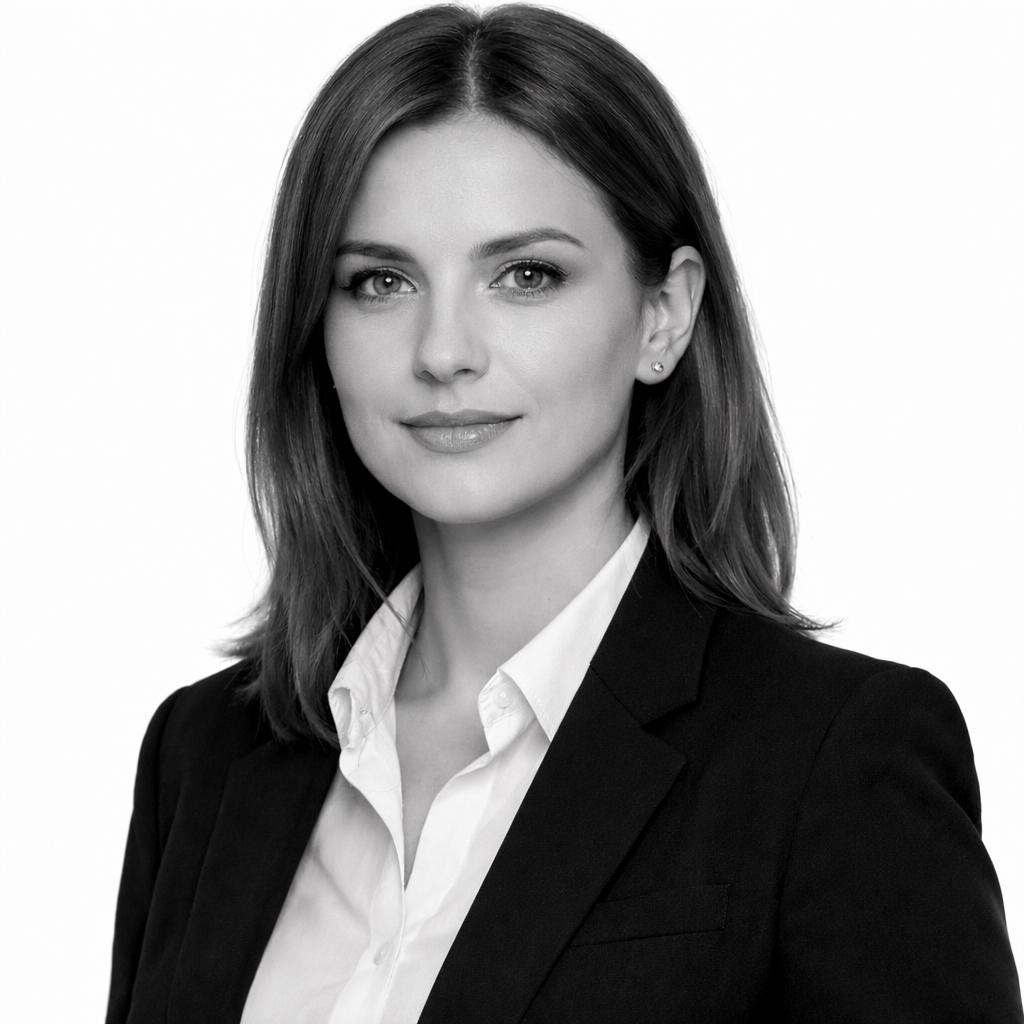
Olha Reshetylova did not enter the Ukrainian military through its ceremonial door. For ten years, she spoke about what the armed forces often preferred not to expose: abuses by commanders, humiliation of soldiers, retaliation for complaints and threats to send inconvenient troops on deadly missions.
In a country where the army has become the central pillar of survival, such work was almost bound to provoke resistance. Criticism of the military during war is painful even when it is necessary. Reshetylova was accused, attacked online, threatened with criminal prosecution and, she says, once faced soldiers ordered to point rifles at her to keep her from entering a base.
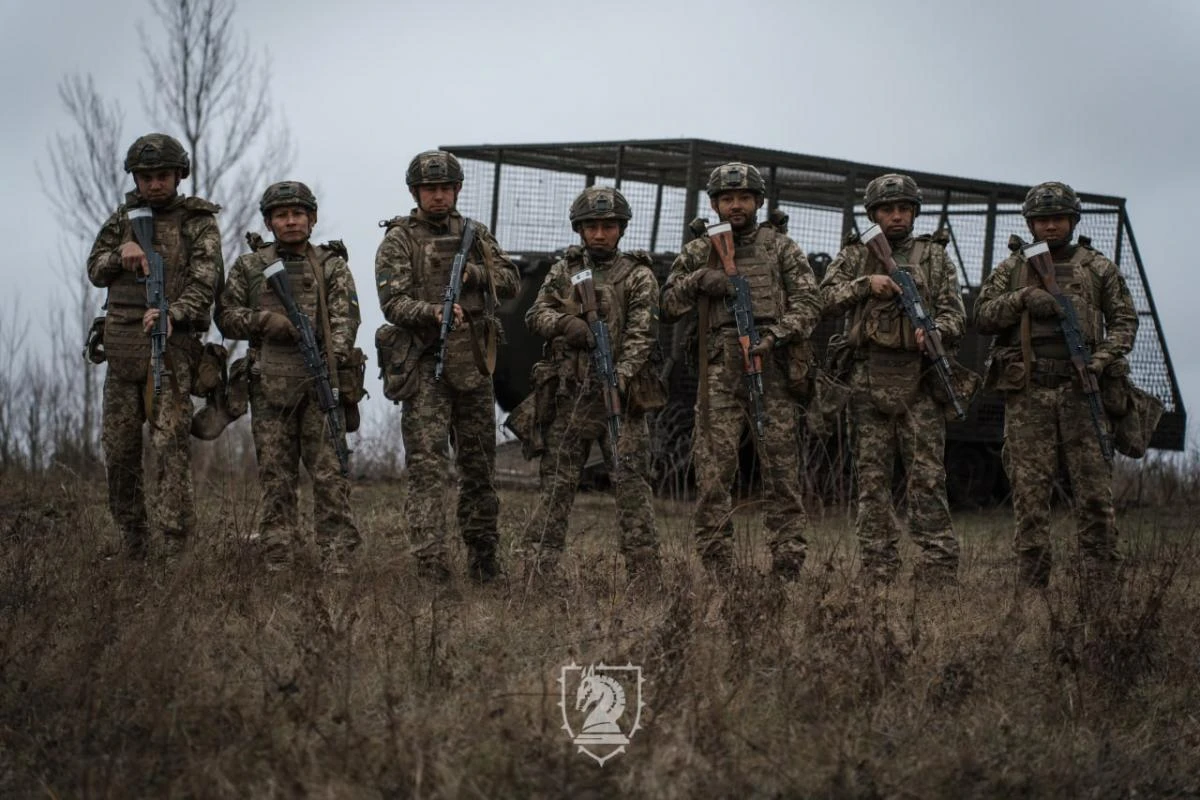
Now she is Ukraine’s first military ombudsman. The paradox of her role is that she is meant to strengthen the army precisely through the right to ask uncomfortable questions. Not to undermine command, but to force the system to see a soldier not only as a unit of mobilization, but as a person with dignity, rights and limits of endurance.
According to Daycom’s assessment, the creation of a military ombudsman is one of wartime Ukraine’s most important institutional steps. It shows that the state is trying to build an army not only through orders, discipline and punishment, but also through internal trust, without which a long war turns even strong units into exhausted mechanisms.
Reshetylova’s appointment came after pressure from civil society and years of her own persistence. Before heading the new institution, she effectively had to design it: define its mandate, convince the authorities, overcome resistance from parts of the military establishment and prove to parliament that this was needed not by activists, but by an army of nearly one million people.
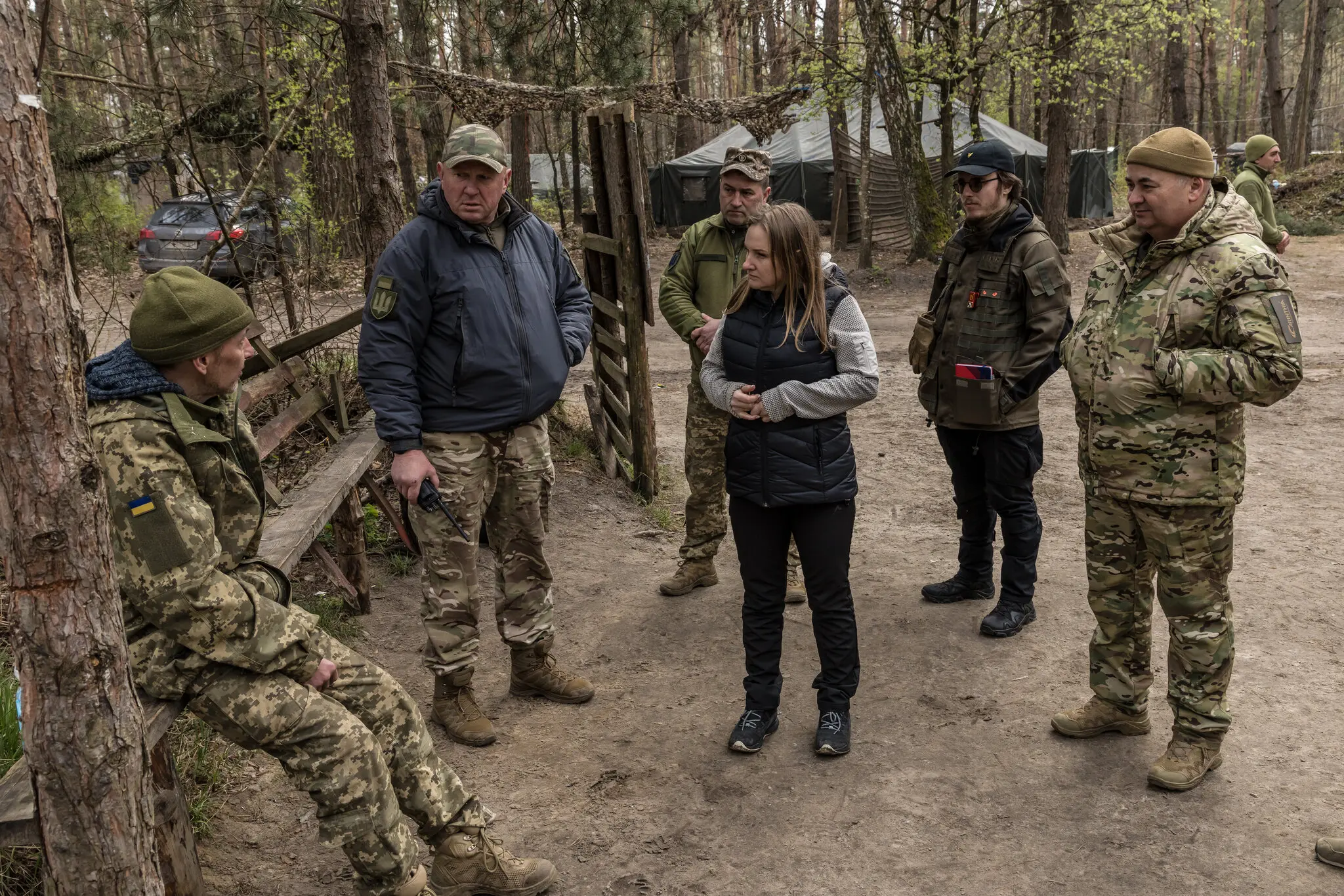
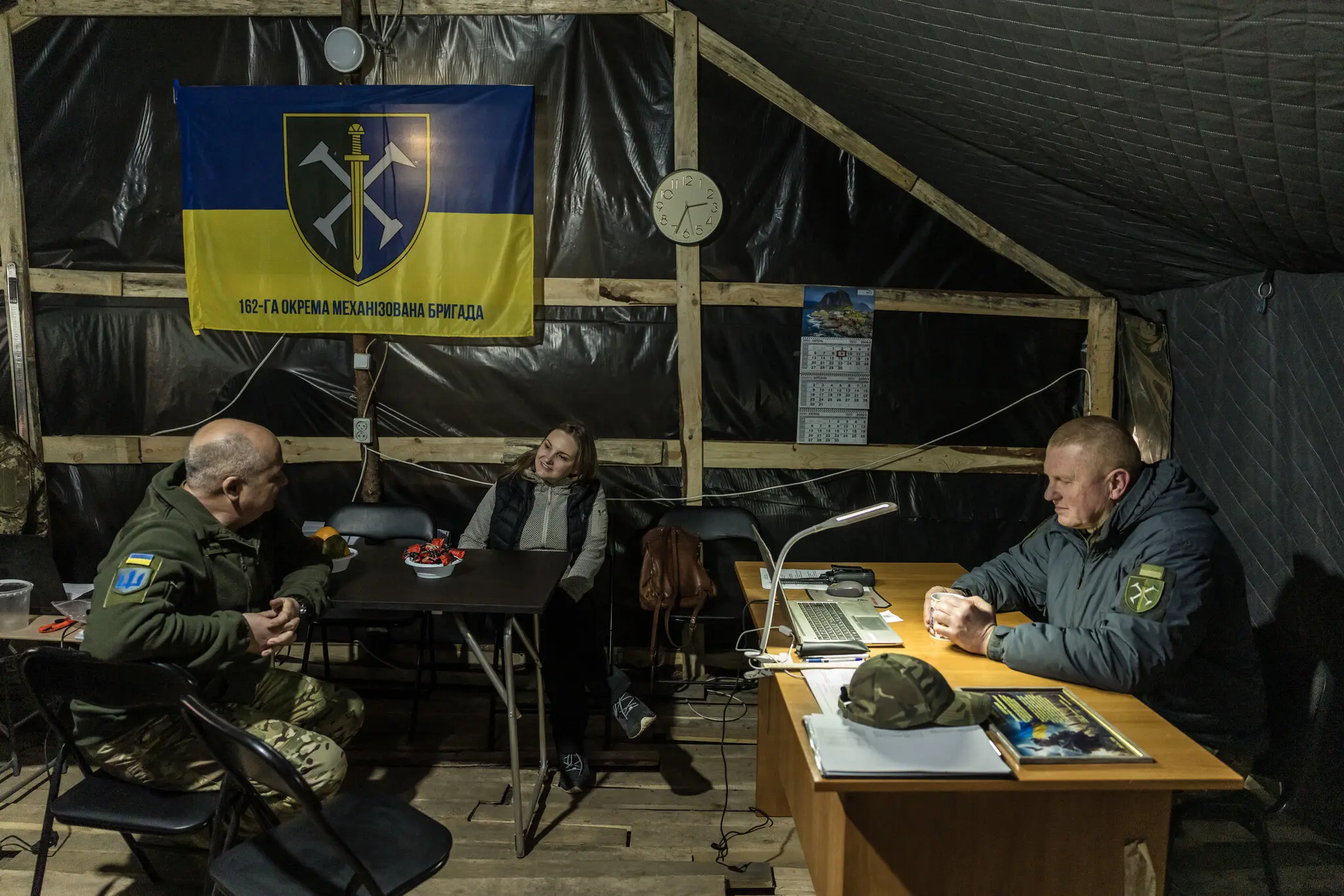 Пані Решетилова розмовляє з військовими командирами. Вона визнає, що її вплив на них може бути обмеженим, але зазначає, що закон, який вона написала, вимагає, щоб вони співпрацювали з нею — Оксана Парафенюк
Her argument is simple: soldiers’ rights are not a luxury of peacetime. They directly affect combat effectiveness. A soldier who is humiliated, thrown into service without proper preparation, ignored after injury or punished by illegal means does not become a better fighter. He becomes someone looking for a way to flee, stay silent or break.
After the office was created, service members began filing thousands of complaints. They concern commanders, medical evaluations, transfers, the mobilization of people in poor health, psychological pressure, absence without leave and the chaos of the first days of service. This is not secondary bureaucracy. It is the real anatomy of an army fighting in the fifth year of war.
The issue is personal for Reshetylova as well. Her husband is fighting. She has two sons, and if the war drags on, they too may face military reality. That makes her position not outside moralizing, but an internal question: what kind of army should exist if tomorrow it may take in those closest to you?
Her work began in 2014, when Russian aggression in Crimea and Donbas found Ukraine with an army that society often had to save with its own hands. Reshetylova raised money for body armor, worked with volunteer initiatives, co-founded Come Back Alive and later focused on soldiers’ rights and the documentation of war crimes.
After the full-scale invasion, she saw not only Russian crimes against Ukrainians, but also violations inside Ukraine’s own system. That brought her back to the subject of soldiers’ rights. In a long war, injustice inside the army becomes no less corrosive than a shortage of equipment: it eats away at motivation where motivation cannot be quickly restored by command.
 Робота пані Решетилової полягає у зустрічах із військовослужбовцями та забезпеченні їхнього захисту від зловживань — Оксана Парафенюк
Commanders receive her differently. Some see her as an ally; others as a threat to the chain of command. Some officers advise her to spend more time at command posts before speaking about military problems. She answers with restraint: after years of work near the front, she has seen enough to understand not only legal formulas, but the reality of dugouts.
That reality is becoming harsher. Drone warfare forces soldiers to spend weeks in closed shelters, unable to wash properly, go outside, light a fire or evacuate wounded comrades without risking detection. Reshetylova argues that training doctrines must change: the army has to prepare people for long-term survival in confined spaces, cold and complete exhaustion.
At one training ground in western Ukraine, she saw a problem that has long troubled commanders: mobilized men with such poor health that they become not reinforcements, but an additional burden. A commander may have no legal mechanism to leave them in the rear, even when it is obvious that the front is physically impossible for them.
This is one of the most painful issues in mobilization. Ukraine urgently needs people, but mechanical replenishment of units is not the same as strengthening the army. When the system takes in people who are unfit, unprepared or psychologically broken, it simply transfers the problem from the draft office to the brigade, and from the brigade to the battlefield.
Another major problem is absence without leave. Government data indicate that around 200,000 Ukrainian service members have at some point been away without authorization. Some flee within the first days of basic training. For commanders, this looks like a disciplinary disaster that invites tougher punishment.
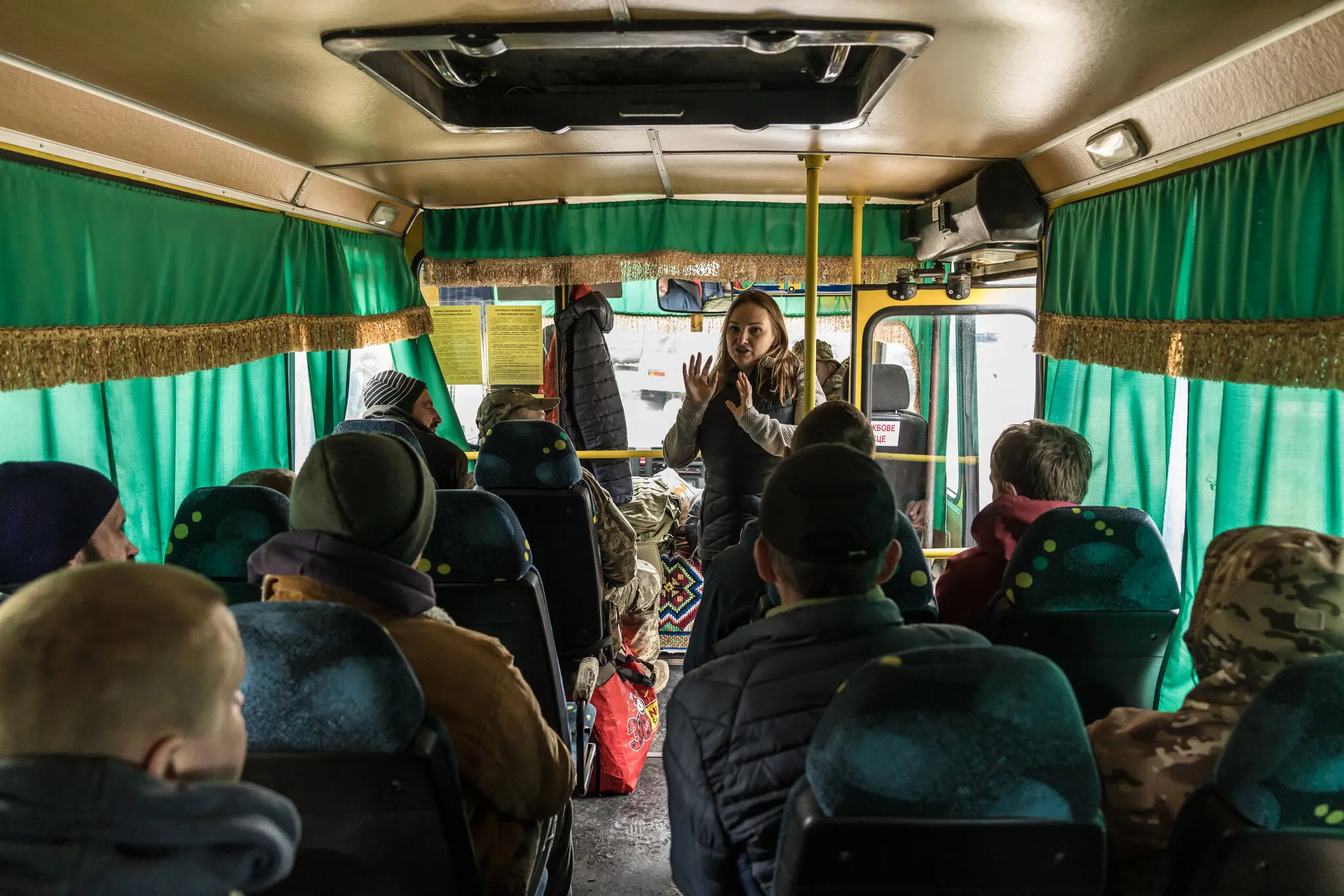 Пані Решетилова спілкується з солдатами, які раніше самовільно покинули територію. Щоб спробувати пом'якшити перехід до військового життя, вона додала триденний адаптаційний курс до приблизно місячної базової підготовки — Оксана Парафенюк
Reshetylova offers a different logic. Instead of only punishing those who break at the entrance to the army, she has introduced a three-day adaptation course into basic training. New recruits work with psychologists in civilian clothing, an attempt to soften the abrupt transition from civilian life into the military machine.
This may seem minor against the backdrop of artillery, drones and front-line losses. But the first days are often when a person decides whether he can endure the new reality. If the system greets him only with shouting, chaos and fear, it produces flight itself. If it explains the rules, provides support and minimizes humiliation, the chance of keeping a soldier grows.
Reshetylova also visits camps for troops who left their units and are now being given the chance to transfer to different brigades. Poor unit management is one of the common reasons soldiers run. This is an uncomfortable truth for the army, but silence does not bring people back into service. Sometimes changing a brigade is more effective than breaking a person through prosecution.
Her mandate remains limited. War offers no ideal conditions for rights work, and the command hierarchy naturally dislikes external oversight. Ukraine desperately needs soldiers, creating constant tension between the needs of the front and the rights of an individual. That is precisely the conflict in which the ombudsman must operate.
Strategically, however, her role goes beyond individual complaints. It forces the Ukrainian military to answer the central question of a long war: how to build an army largely from civilians without turning them into expendable material. Mobilization provides numbers, but combat effectiveness comes from training, trust, discipline and respect for the limits of human endurance.
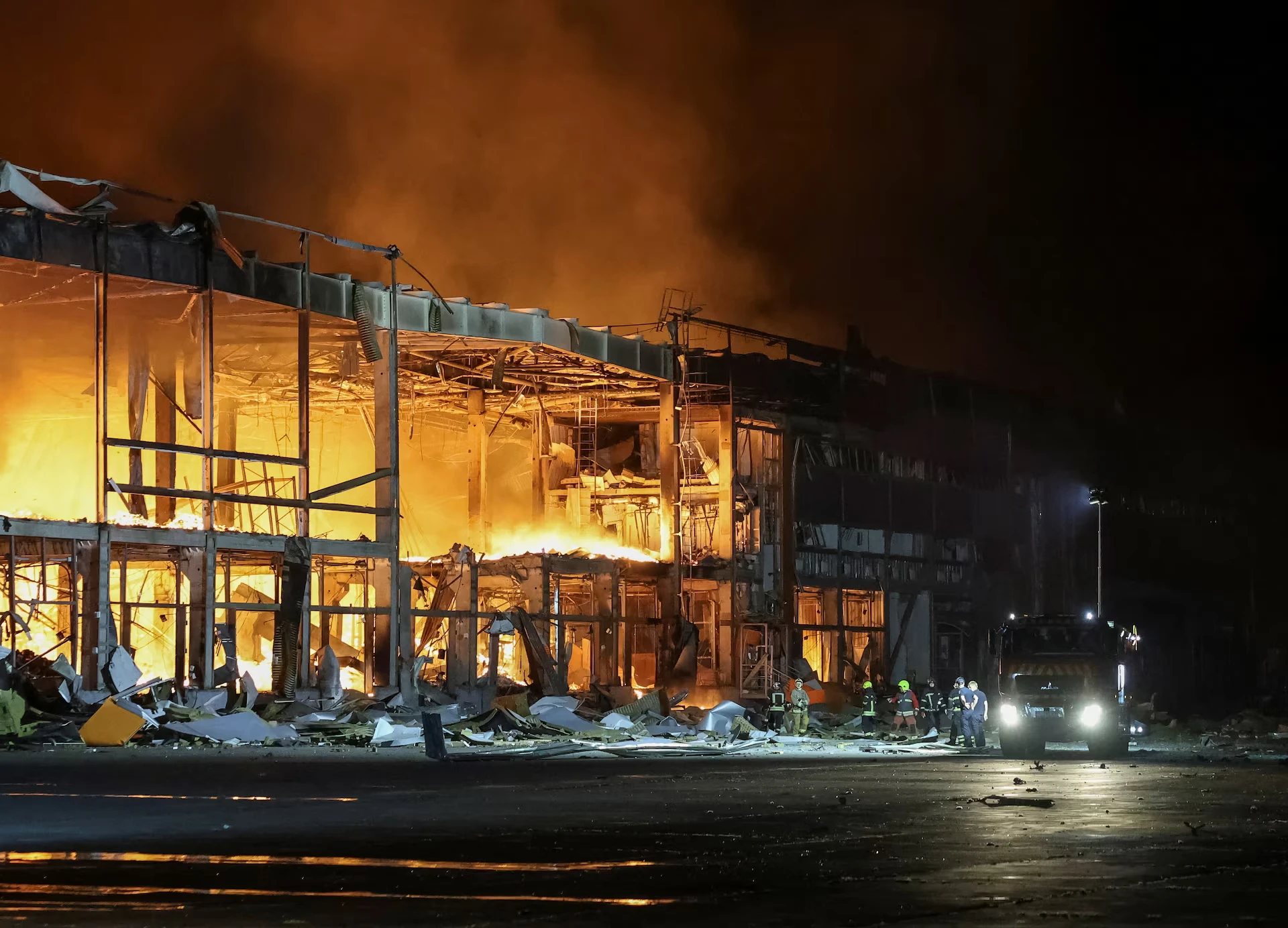
 Вид частково зруйнованої будівлі в Ізюмі, Україна, 29 січня 2026 року — Томас Пітер
Ukraine often tells its allies that it is defending not only its territory, but a democratic principle. That principle is tested not only in elections or courts, but also inside a military unit, where a soldier can complain about a commander and not be destroyed by the system for doing so. It is there that dignity stops being a slogan and becomes practice.
Reshetylova is not trying to make the army softer. She is trying to make it smarter. In a war of attrition, the stronger system will not be the one that grinds people down fastest, but the one that preserves their motivation, health, training and belief in the justice of their service for longer. That is the plain, uncomfortable and necessary logic of her work.