
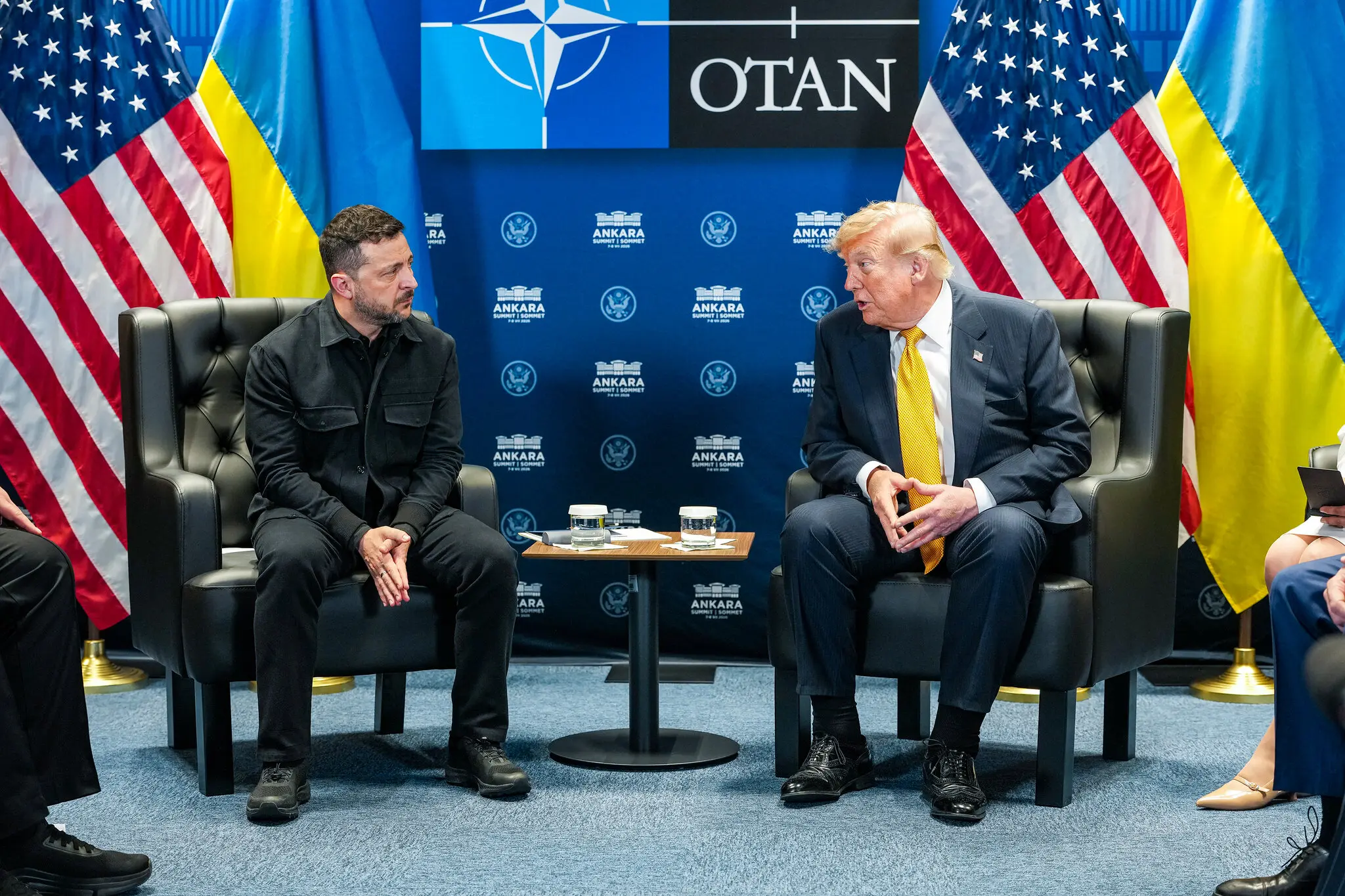







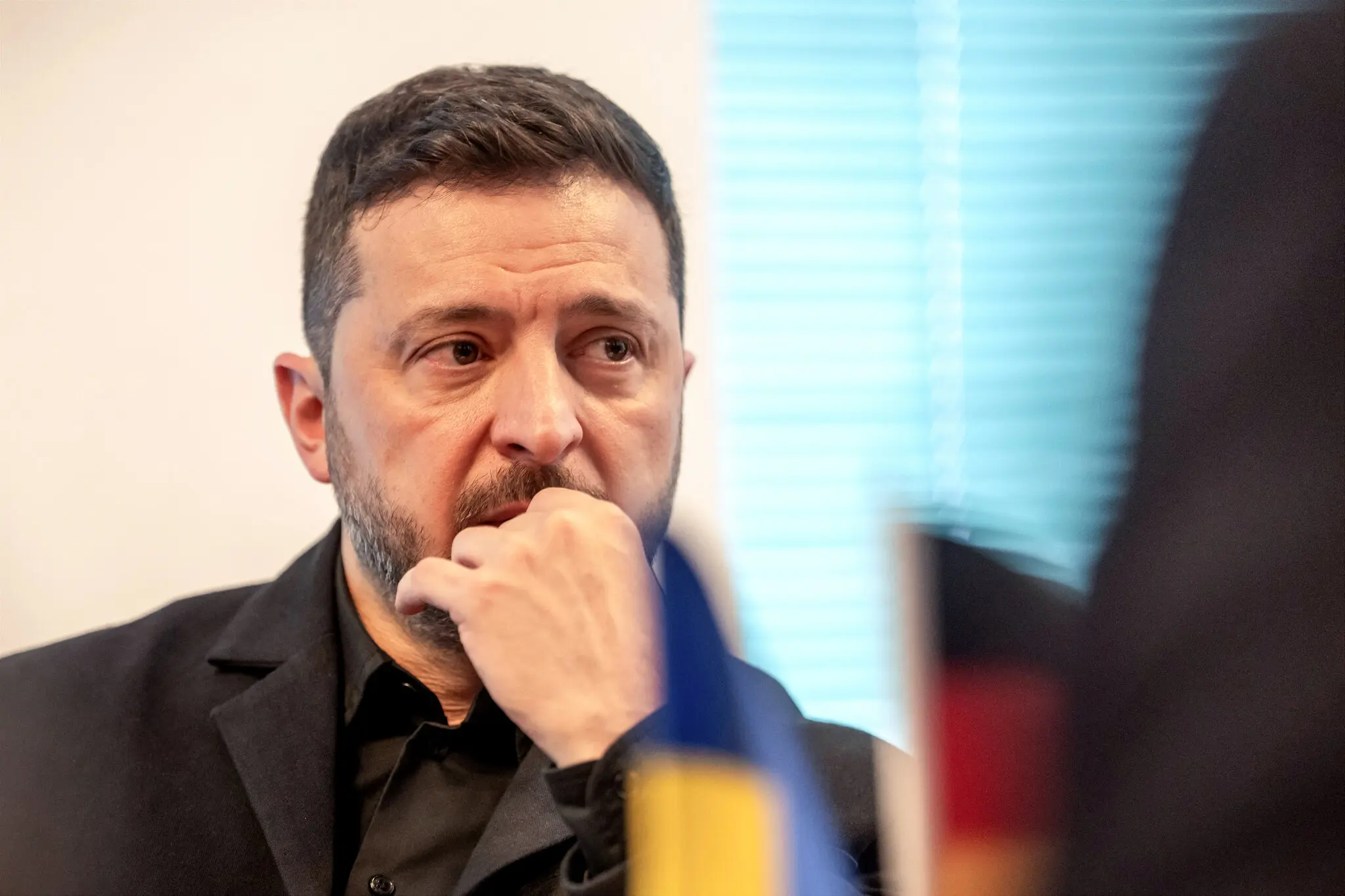















Volodymyr Zelensky’s latest warning should be read as more than another sharp exchange in a difficult negotiation. If his account is accurate, the Trump administration is no longer treating security guarantees for Ukraine as the foundation of a settlement, but as something that could be finalized only after Kyiv agrees to withdraw from the part of Donbas it still holds. In Zelensky’s telling, that is the trade now on the table: territorial retreat first, security promises second.
That marks a significant change in the logic Ukraine has publicly defended for months. In November 2024, Zelensky said it was irresponsible to discuss a ceasefire without “real, effective” security guarantees, arguing that any pause without credible protection would only prepare the ground for renewed Russian aggression. The principle was simple: security must precede vulnerability, not follow it.
Earlier this year, Kyiv was still describing a very different trajectory with Washington. In January, Zelensky said a U.S. security-guarantees document was “100% ready” and awaiting signature, and the Ukrainian presidency later said it was continuing to prepare documents with the United States on security guarantees and recovery, with legal approval in Congress and the Ukrainian parliament in mind. That did not mean an agreement was complete, but it did suggest the discussion was centered on how to lock in guarantees, not on whether Ukraine must first pay for them in territory.
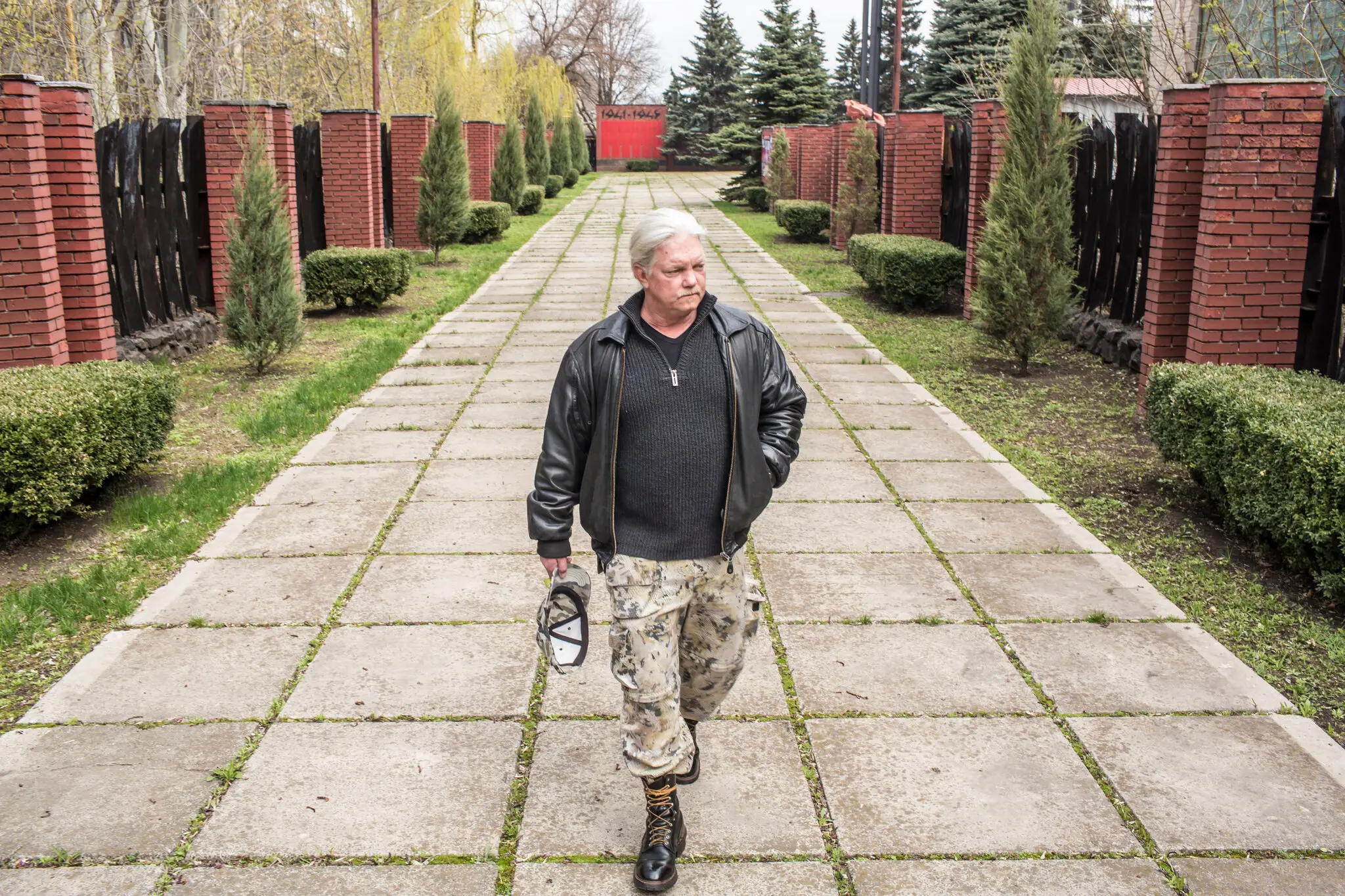
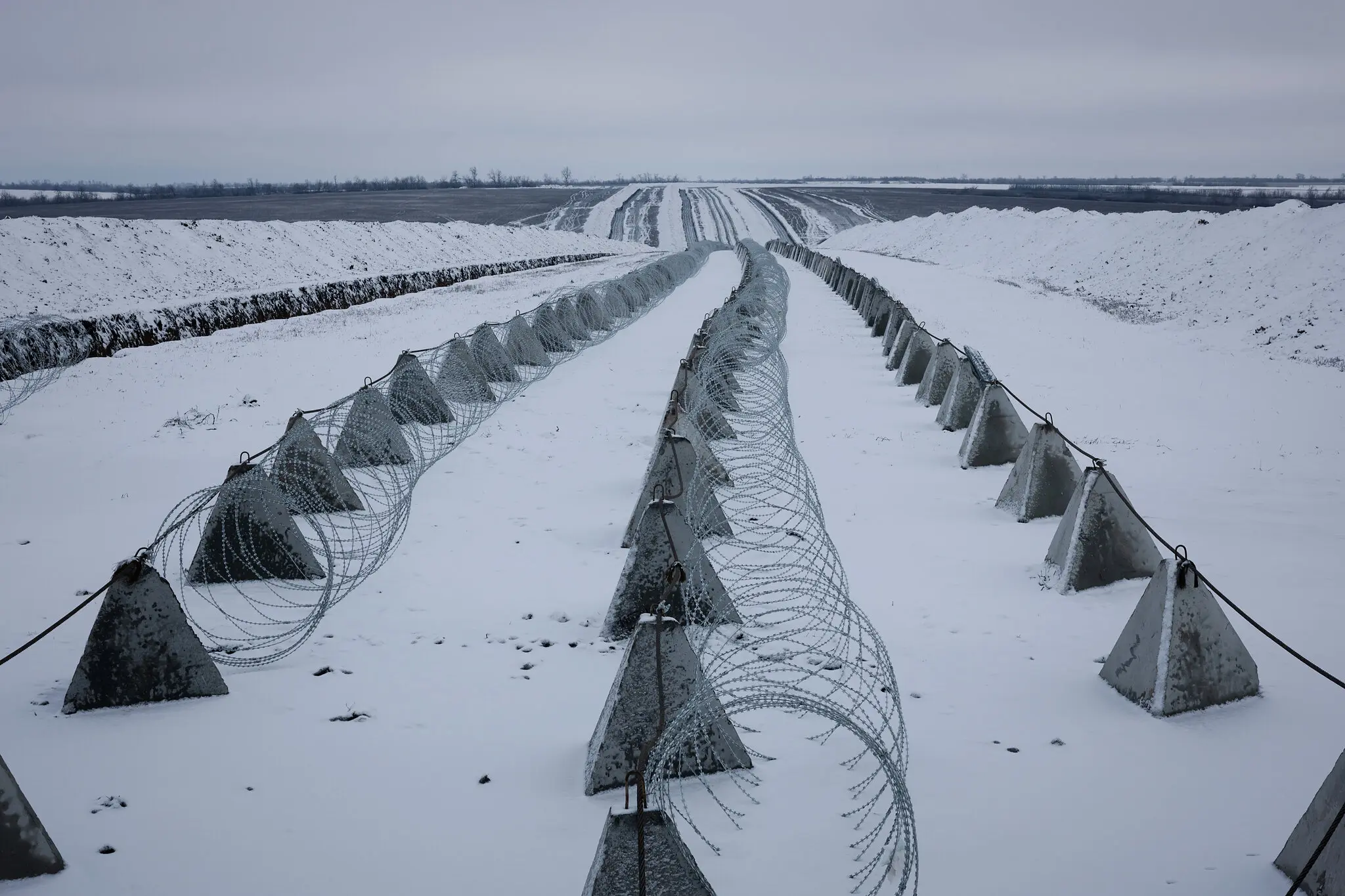 Колючий дріт та протитанкові «зуби дракона» на оборонній лінії в Донбасі минулого місяця — Тайлер Хікс
As Deikom sees it, that is the real significance of Zelensky’s remarks. The core question is not simply whether Ukraine might be asked to cede land. It is whether the entire architecture of postwar security is being inverted. Kyiv’s long-standing position has been that guarantees must deter the next invasion before any dangerous concession is made. The position Zelensky now describes from Washington appears to reverse that sequence: first Ukraine pulls back from a vital defensive zone, then the West considers formalizing the shield that was supposed to make such a withdrawal unnecessary in the first place. That is an inference based on Zelensky’s latest description, Ukraine’s earlier public stance, and the previous guarantees track.
The contradiction is sharpened by the Paris Declaration issued on January 6 by the so-called Coalition of the Willing, with Ukraine and the United States participating. That statement said Ukraine’s sovereignty and lasting security must be an integral part of any peace agreement and that any settlement would need robust security guarantees. But it also said willing states were ready to commit to politically and legally binding guarantees that would be activated once a ceasefire enters into force. The declaration included long-term military support, financing for weapons purchases, access to defense depots, support for fortifications, ceasefire monitoring, and commitments to help Ukraine in the event of a future Russian attack. In other words, the Western framework already contained a built-in tension: serious guarantees, yes, but many of them designed to begin after hostilities stop.
That timing matters because Donbas is not just a symbolic bargaining chip. It is one of the central pieces of Ukraine’s current defensive geometry. The Institute for the Study of War has argued that the Ukrainian-held part of Donetsk Oblast forms a heavily fortified “fortress belt,” and that ceding it would place Russian forces on the borders of Donetsk Oblast in a position more advantageous for future operations than the current line. ISW has also argued that taking this belt by force would likely take Russia years, which means a negotiated Ukrainian withdrawal would hand Moscow something it has not been able to secure at acceptable cost on the battlefield.
 Українські солдати ведуть вогонь по російській цілі в Донецькій області цього року. Донбас, що складається з Донецької та Луганської областей, став центром територіальних суперечок між Україною та Росією — Тайлер Хікс
This is why Zelensky’s insistence that eastern Ukraine is itself part of Ukraine’s security guarantee is more than rhetoric. It reflects the military fact that terrain can deter just as treaties can. A fortified urban belt around Sloviansk, Kramatorsk, Druzhkivka, and Kostiantynivka is not merely land under a flag. It is depth, time, logistics, and a hardened line that complicates Russian planning. To surrender it before a coercive threat has actually been removed would not simply reduce Ukraine’s map. It would alter the balance of the next war. That is an inference grounded in ISW’s assessment of the fortress belt and in Zelensky’s latest framing.
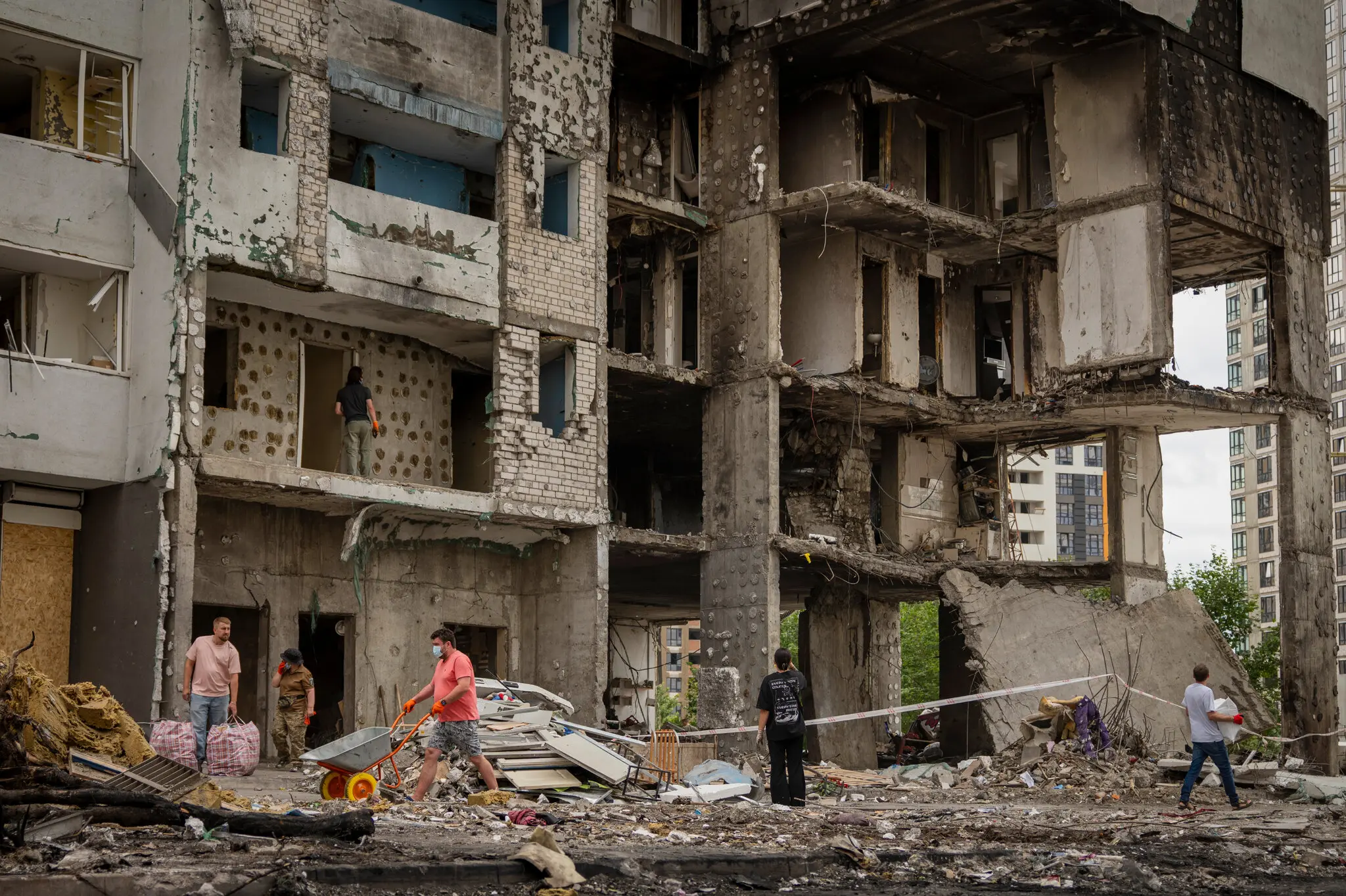
The urgency of the issue is magnified by the current military moment. Associated Press reported this week that Russia is in the early phase of a spring offensive and is assaulting Ukraine’s eastern “Fortress Belt” while also escalating long-range drone and missile attacks. The same report said U.S.-led talks have largely gone quiet as Washington’s focus has been pulled toward the war with Iran, and that Patriot air-defense missiles have been moved from Europe toward the Middle East. In that environment, a demand for Ukrainian concessions in Donbas does not arrive against a backdrop of calm diplomacy. It arrives while Moscow is probing the front and while Ukraine fears a weakening of Western attention and air defense.

That broader context helps explain why Kyiv sees pressure as asymmetrical. A White House seeking a quick diplomatic result has an obvious temptation: freeze the war on terms that can be presented as movement, reduce the immediate burden on U.S. policy, and convert a grinding conflict into a negotiable file. But the fastest route to a headline is not always the safest route to a settlement. If Russia receives territorial and operational advantages now while Ukraine receives guarantees whose enforcement is deferred to future political will, then the deal may end up being strategically lopsided even if it looks balanced on paper. That is an inference from the current negotiation track, the Paris framework, and the diversion of U.S. attention described by AP.
Kyiv’s objection, then, is not just moral or constitutional. It is operational. Ukraine has repeatedly argued that a ceasefire or settlement without credible enforcement mechanisms would replicate earlier failures after 2014, when pauses in fighting did not resolve the underlying threat. The Ukrainian presidency has also emphasized that any real guarantees must have legal and institutional depth, including parliamentary approval and concrete mechanisms for future support. From this perspective, a formula that asks Ukraine to surrender a key defensive belt before those guarantees are fully locked in does not look like peace through security. It looks like exposure first, assurance later.
There is also a European dimension that should not be understated. The Paris Declaration explicitly linked Ukraine’s ability to defend itself with the future of Euro-Atlantic collective security. That means the line in Donbas is not only a Ukrainian problem. If Ukraine were compelled to abandon a fortified position in exchange for still-contingent commitments, Europe would not be inheriting a solved problem. It would be inheriting a shorter fuse. The issue is not whether peace requires compromise; nearly every war ends with one kind or another. The issue is whether the compromise strengthens deterrence or weakens it. On the evidence currently available, Zelensky is warning that the proposal now being pressed on Kyiv would do the latter.
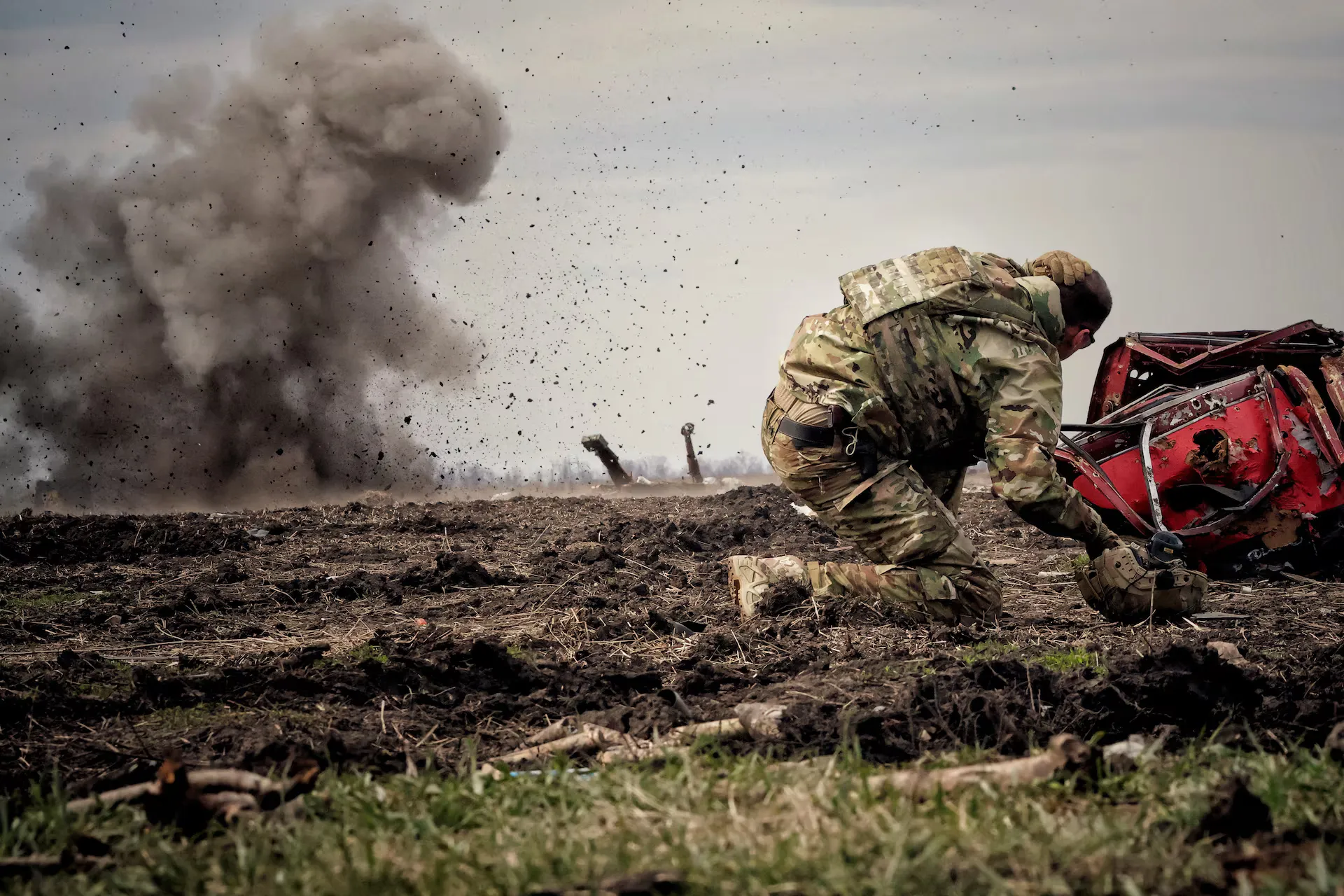 Реакція українського військовослужбовця на кидання гранати під час навчань на тлі вторгнення Росії в Україну на Донбасі, Україна, 8 квітня 2023 року — Ян Дорброносов
In the end, this is why Zelensky’s statement matters so much. The dispute is not only about who controls a piece of the Donbas map. It is about whether Ukraine is being asked to trade real defense for delayed assurances, and whether Western capitals still understand that for Kyiv, geography is part of security, not separate from it. If that distinction collapses, the talks will not be moving toward a durable peace. They will be moving toward a settlement that may calm the present while storing up the next round of war.