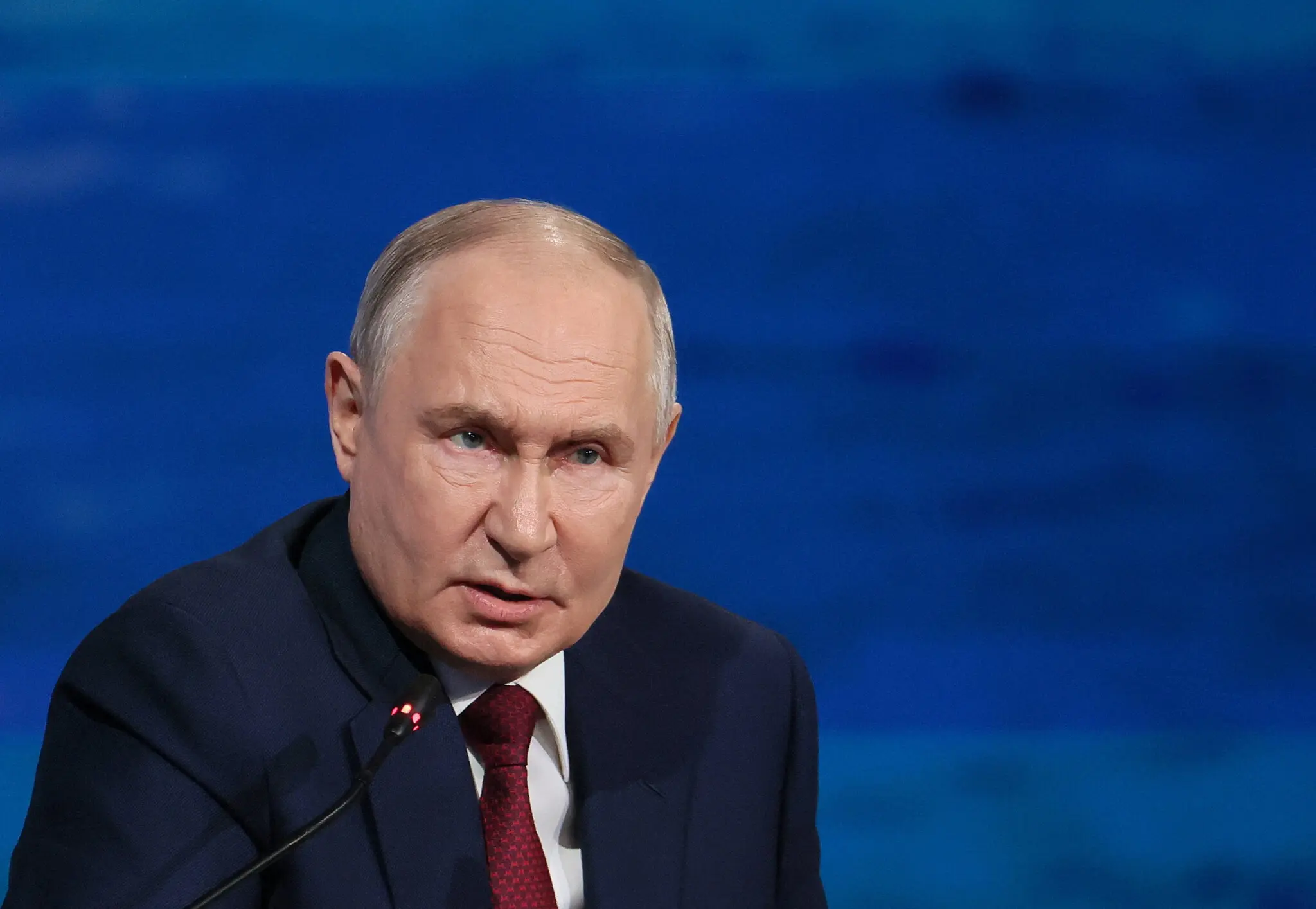















Vladimir Putin is trying to sell Donald Trump a simple version of the war: Russian forces, he suggests, are moving slowly but inevitably toward victory, and Ukraine should surrender Donbas to avoid a worse defeat. It is a convenient political formula, but it increasingly fails to match the map of the front.
The reality in eastern Ukraine is far more complicated. After visible gains late last year, Russia’s advance has slowed to a crawl. In some sectors, Moscow has not only failed to build on earlier momentum, but has lost positions it once presented as steps toward a larger breakthrough.
If the Russian army continued moving through Donbas at the average pace it has shown this year, it would need decades to seize the entire region. That arithmetic undermines the Kremlin’s central claim: the inevitability of Russian victory now looks less like a strategic fact than a tool of pressure at the negotiating table.
According to Daycom’s earlier analysis, the current phase of the war marks a fundamental break. Russia still has more manpower, artillery and resources, but it lacks a simple way to convert those advantages into large territorial gains. The battlefield has become transparent — and drones created that transparency.
The old logic of an offensive — armor, massed fire, breakthrough and consolidation — no longer works as it did in previous wars. Columns are visible from the air. Infantry groups are tracked by thermal cameras. Logistics routes, depots, evacuation paths and command posts become targets before an assault can gather momentum.
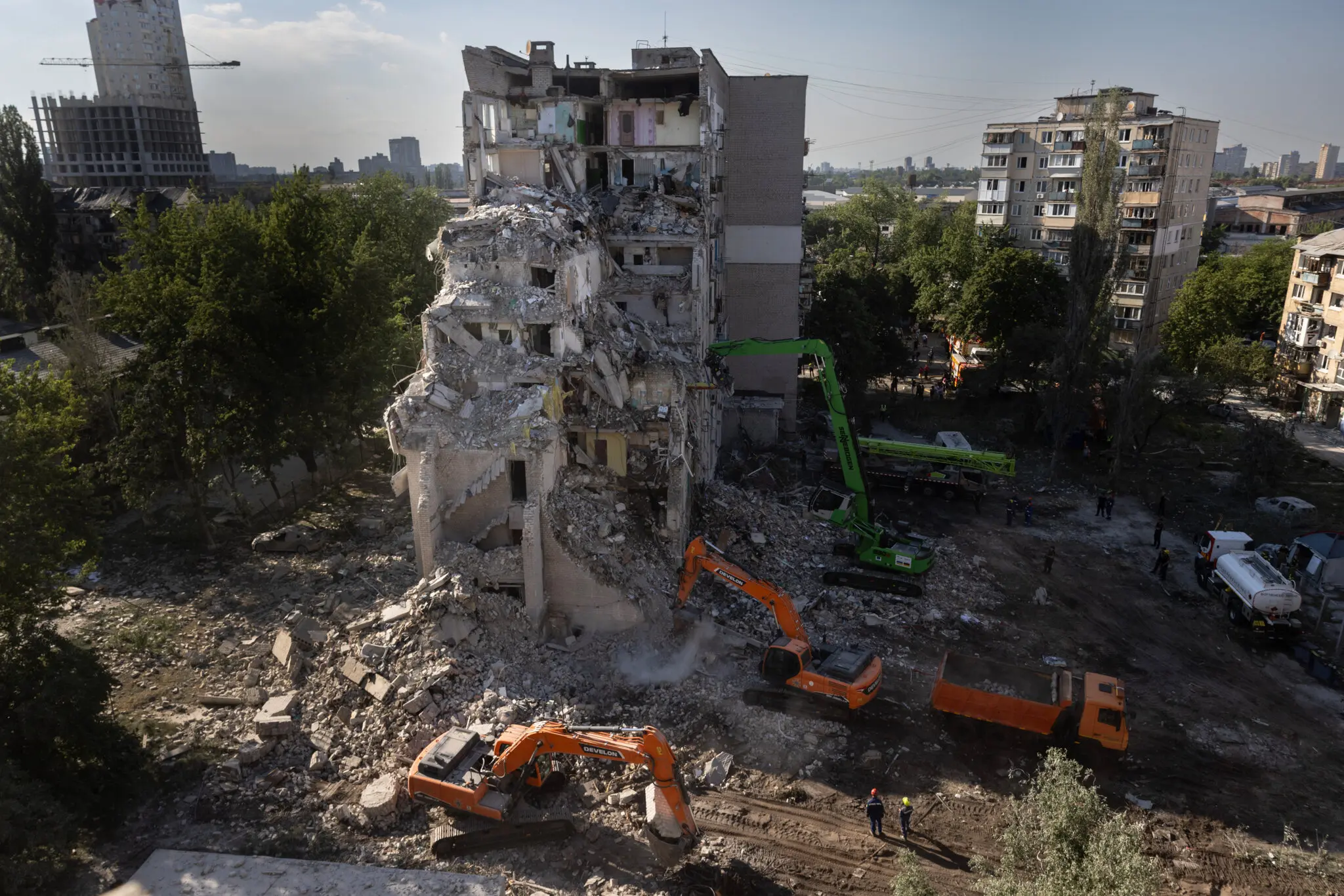
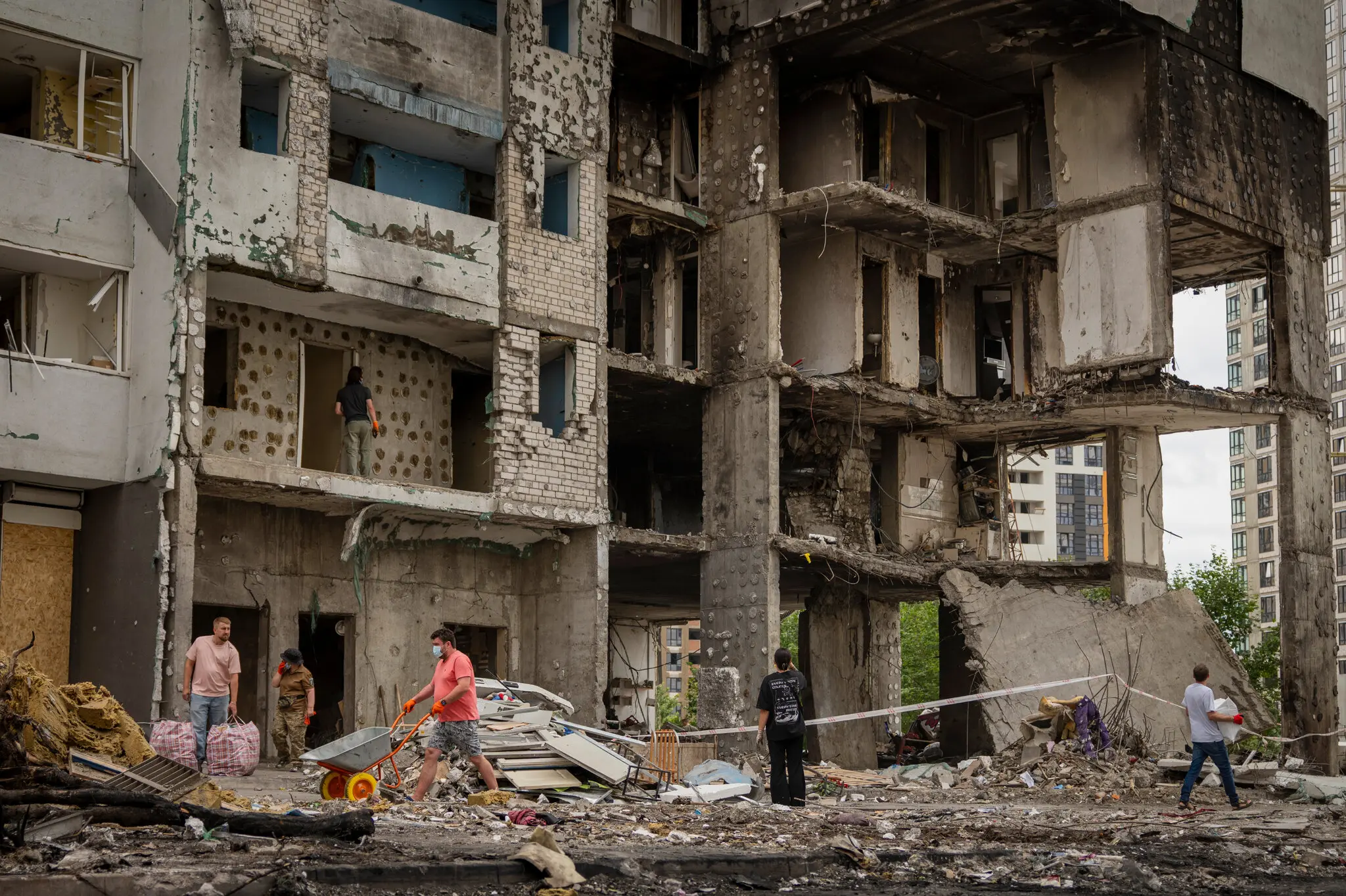
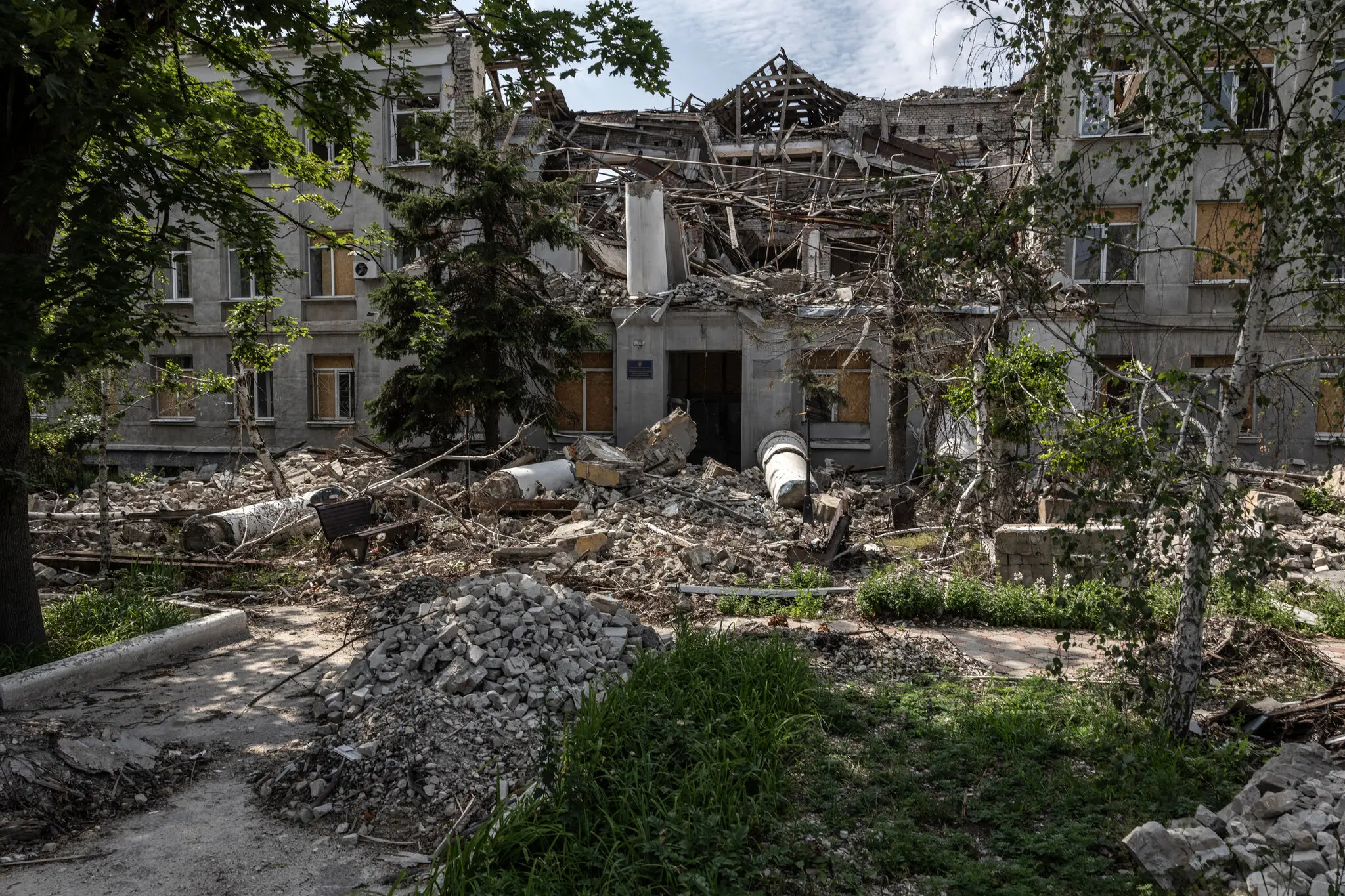 Наслідки російського удару в Дружківці, Україна, минулого червня. Російські війська, як правило, набирають швидкість влітку, чому сприяє краща погода та рослинність, яка забезпечує більше прикриття від дронів — Девід Гуттенфельдер
Drones have turned the front into a zone of constant observation. A Russian soldier is no longer simply crossing a tree line or entering a village. He is moving through a space where every step can be detected, passed to an operator, corrected by artillery fire or ended by an FPV drone. That is what has broken the speed of Russia’s advance.
Moscow is adapting, but slowly and at enormous cost. Instead of large mechanized attacks, Russian units increasingly rely on small-group infiltration. Two or three soldiers move into tree lines, ruins, basements or the outer houses of settlements, trying to build a presence where control is still unclear.
This is how the expanding “gray zone” is created — territory where neither side has full dominance. Ukrainian and Russian groups may both be present there, along with drones from both armies, abandoned wounded soldiers, mined approaches and destroyed vehicles. It is no longer a front line in the classical sense, but a moving belt of exhaustion.
For Russia, this tactic has one advantage: it reduces the risk of a major failure in a single operation. The Kremlin can explain slow progress more easily than the collapse of a large assault. But the price is the absence of operational breakthrough. Infiltration can take several streets or tree lines; it rarely opens the way to the rapid fall of major cities.
Pokrovsk and Chasiv Yar have become symbols of this war of slow attrition. Russia has spent years, men and equipment trying to push toward these defensive hubs, yet the front line still runs through them or near them. What was supposed to prove Russian momentum has instead exposed the heavy viscosity of modern war.
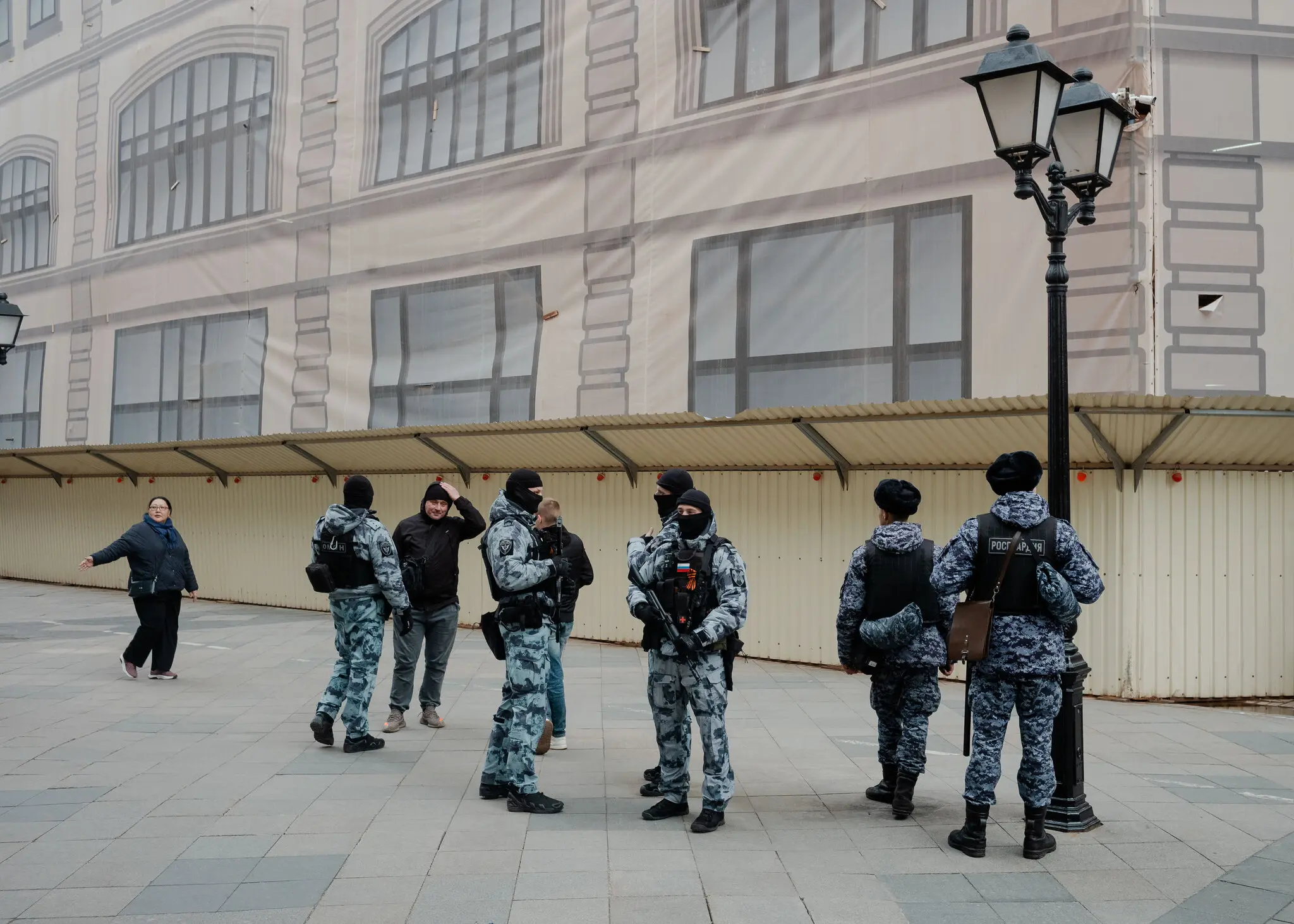 Посилені заходи безпеки в Москві у квітні — Нанна Хейтманн
Seasonal factors may temporarily help Moscow. In summer, drier ground, foliage and better movement conditions give Russian groups more cover. Motorcycles can again replace long marches on foot, and tree lines become less exposed to surveillance. But that does not remove the main constraint: drones remain everywhere.
Ukrainian forces are already recording increased Russian activity in Donetsk region. The enemy is searching for weak points, testing routes, reinforcing assault groups and trying to strike not only forward positions, but also rear support networks: drone operators, logistics hubs, communication points, depots and supply roads.
This shows that Russia has not abandoned the offensive. It is changing its form. The Kremlin cannot demonstrate a rapid march through Donbas, so it is betting on gradual grinding: one step, one tree line, one basement, one ruin, one more attempt to slip behind a Ukrainian position. This kind of war is less spectacular, but no less dangerous.
Ukraine’s defense has its own weaknesses. A shortage of personnel, exhausted units, rotation problems and cases of desertion remain serious challenges. Drones help contain the larger Russian army, but they cannot replace the soldiers holding tree lines, trenches and shattered towns.
That is why Ukrainian success in certain sectors does not mean an easy turning point. When Russia loses positions, they often do not return immediately to Kyiv’s full control. They fall into the same gray zone. The war does not revert to a clean line on the map. It becomes a field where control must be proven every day.
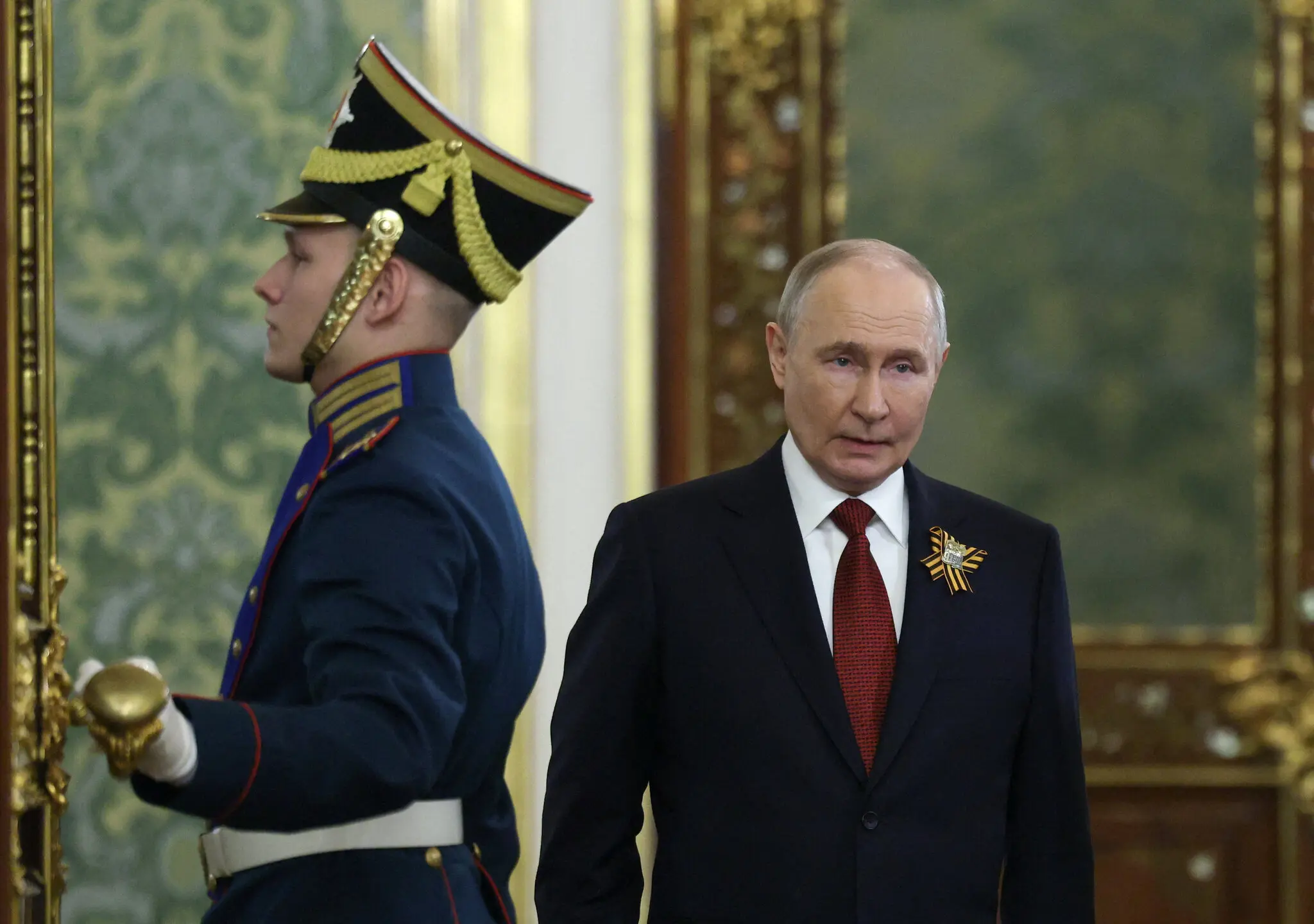 Рейтинги схвалення президента Володимира Путіна впали до найнижчого рівня з початку війни, оскільки економіка Росії прогинається через величезні військові витрати, а відключення мобільного інтернету обурюють громадян — Раміль Сітдіков/Reuters
Even with Ukraine’s problems, Russia’s current pace has become politically inconvenient for the Kremlin. Putin speaks to Washington as if the outcome has already been decided. But his army on the ground is not demonstrating the force needed to compel Ukraine quickly to accept the loss of all Donbas.
This is where the front intersects with diplomacy. Moscow is demanding that Ukraine withdraw from parts of Donbas that Russia has failed to capture by force. In other words, the Kremlin is trying to obtain through negotiations what it has not achieved on the battlefield. A slow offensive becomes not only a military problem, but also an argument for political blackmail.
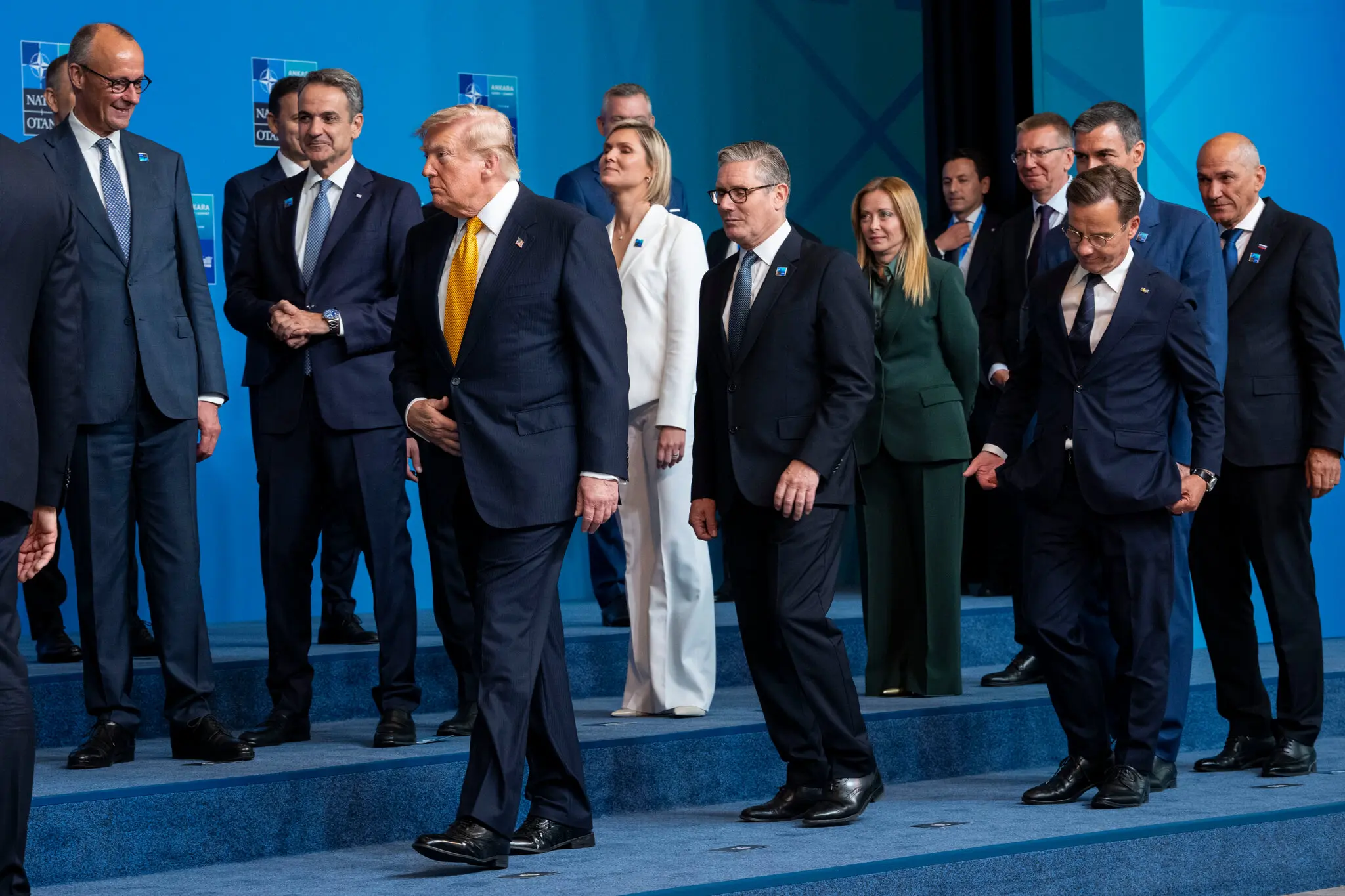
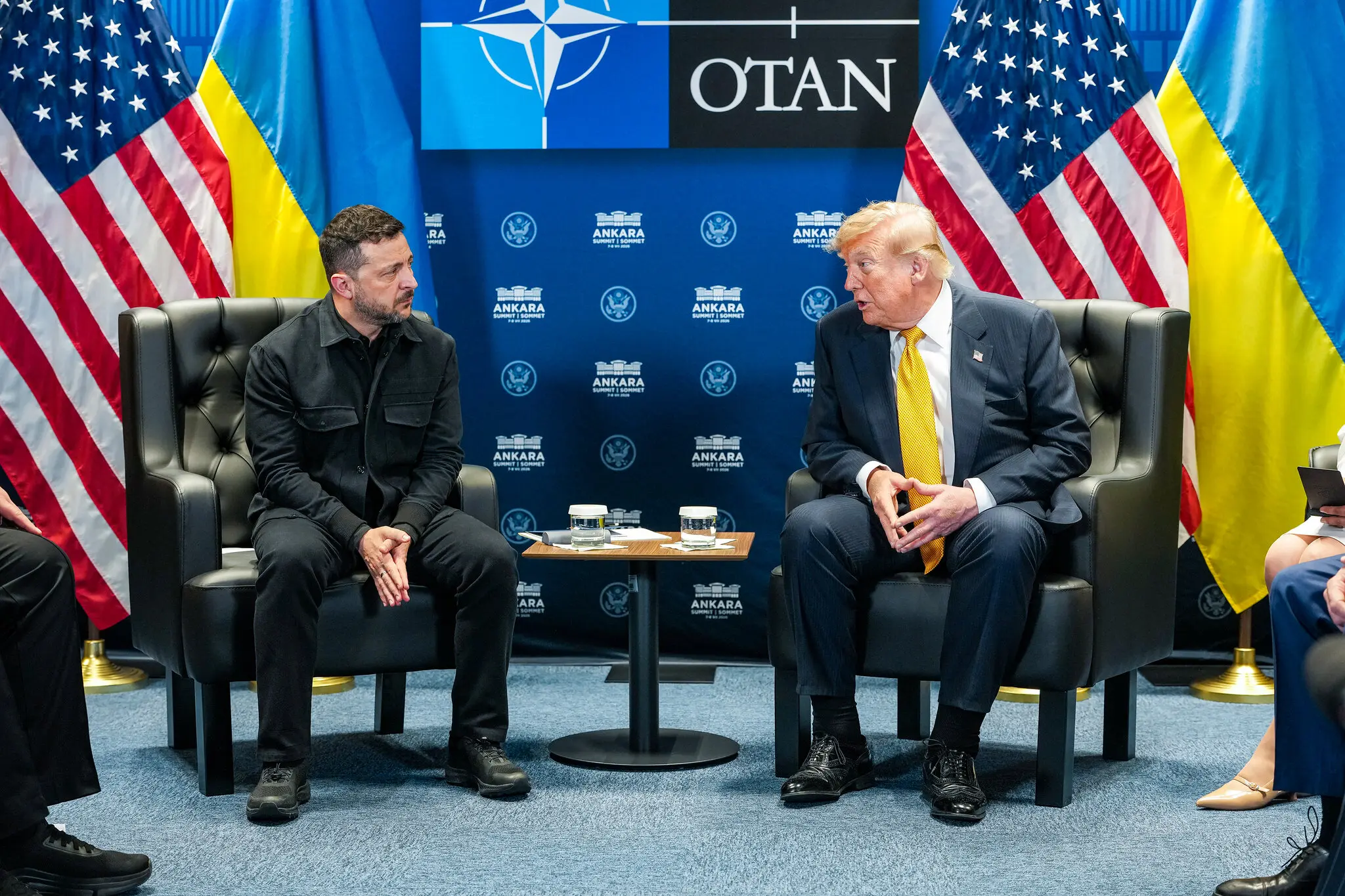
The Trump administration, seeking a quick peace formula, hears Russia’s version of Ukrainian hopelessness. But that version ignores the essential fact: if Russia were truly one step away from victory, it would not need to insist so forcefully on diplomatic recognition of territory it does not control. It could simply take it. That is precisely what has not happened.
Russia’s losses sharpen the contradiction. Hundreds of thousands of dead and wounded, the strain on mobilization capacity, recruitment problems and fear of another unpopular draft all raise the domestic cost of the war for the Kremlin. Slow progress stops looking like proof of strength when every kilometer is paid for with such human losses.
At the same time, Russia’s economy is feeling the pressure of military spending. Mobile internet shutdowns, imposed in part out of fear of Ukrainian drones, are angering ordinary Russians. Restrictions on the digital space and communication disruptions have also affected Russian troops, who have grown dependent on accessible channels for coordination at the front.
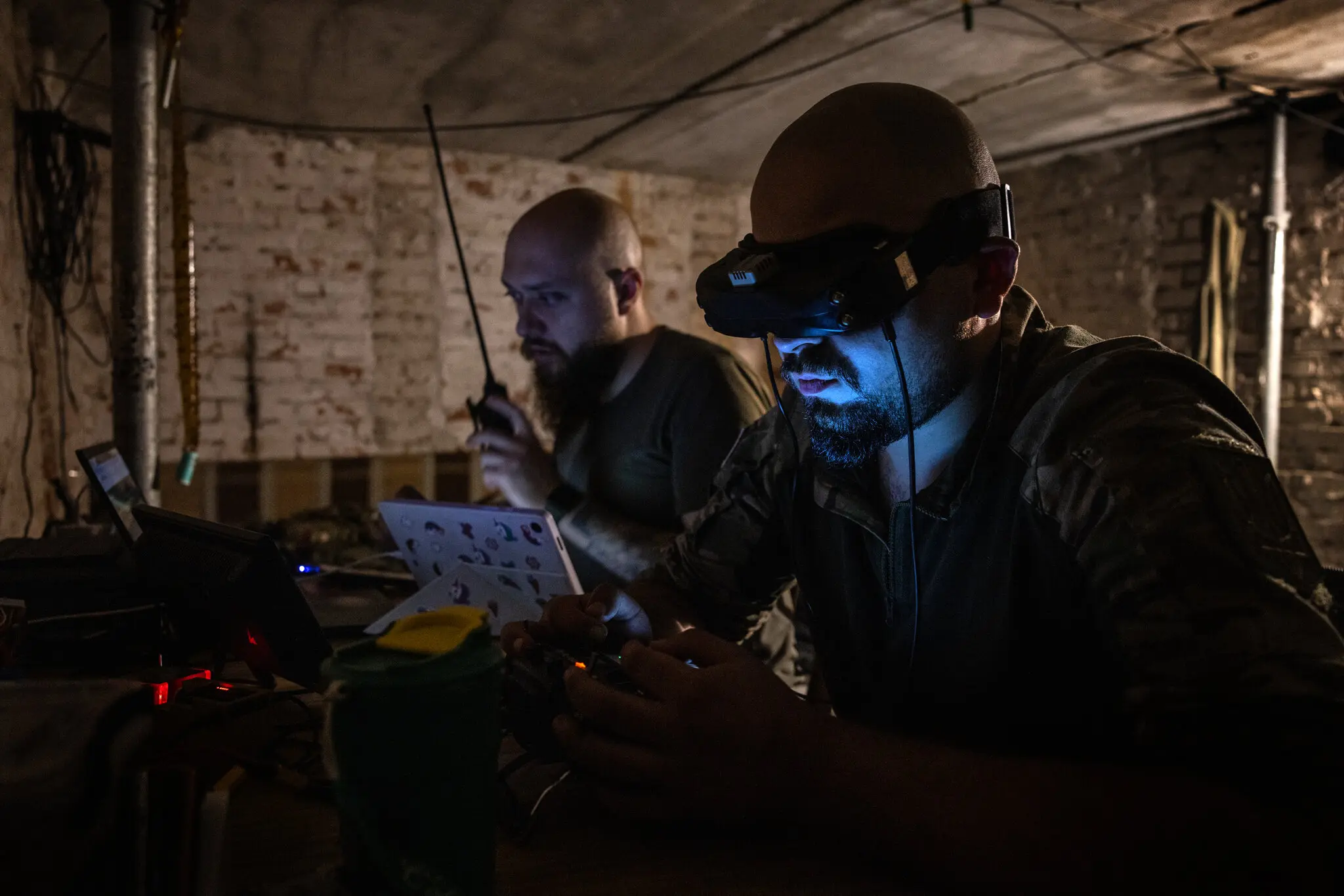 Українські солдати виконують місію збройної атаки за допомогою безпілотника з підвального бункера в Харківській області у 2024 році. Досягнення України в технології, виробництві та тактиці безпілотників дали їй перевагу на деяких ділянках фронту — Девід Гуттенфельдер
The loss of some satellite capabilities used by Russian units to coordinate drones has been particularly symbolic. In modern war, communication is not a secondary function; it is the nervous system of battle. When it falters, even numerical superiority cannot guarantee rapid movement.
Ukraine, meanwhile, is striking at another Russian weakness: the cost of war in the rear. Attacks on oil refineries, depots, logistics networks and military sites deep inside Russia are not only tactical. They show Russians that the war is no longer taking place somewhere far away behind a television screen.
This matters for Kyiv’s strategy. If Ukraine cannot quickly drive Russian forces from all occupied territory, it can make the continuation of the war increasingly expensive for Moscow. In that logic, drones are not only front-line weapons. They are instruments of strategic pressure.
Russia is also expanding its own drone force. The emergence of elite operator units and mass production of unmanned systems show that Moscow understands the nature of the new war. The problem for the Kremlin is that Ukraine is moving fast: changing tactics, scaling production, experimenting with interceptors and learning constantly on the battlefield.
This contest looks less and less like a classical war of artillery barrages. It is a technological race under fire. The side that can build drones faster, protect operators better, jam signals, bypass interference, locate targets and destroy them more cheaply gains a local advantage. But local advantage does not automatically become strategic victory.
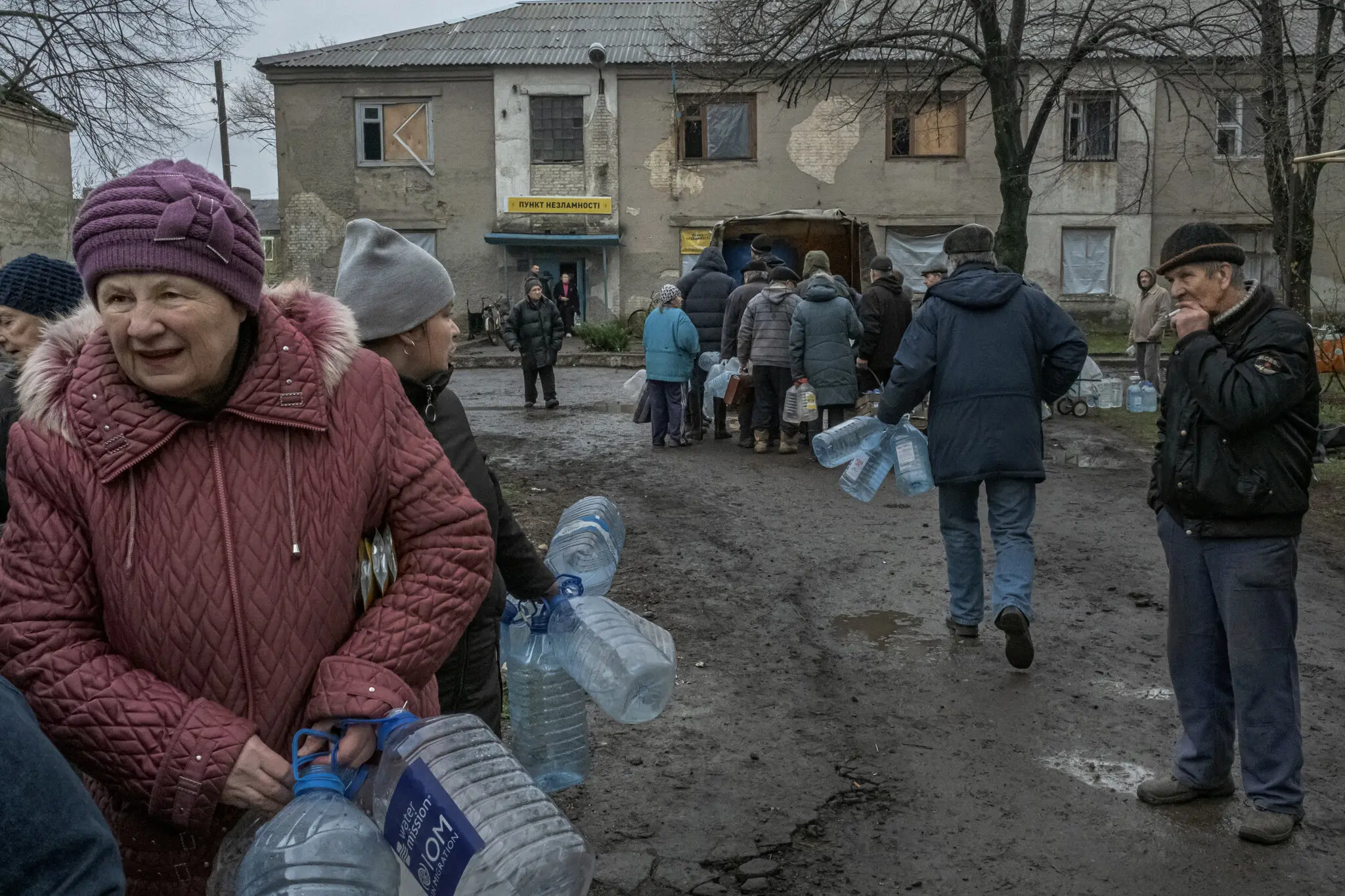 Мешканці Часового Яру, Україна, наповнюють пластикові пляшки водою у 2023 році — Маурісіо Ліма
That is why the front both moves and stands still. Every day brings attacks, losses, assaults, withdrawals, reclaimed positions, destroyed groups, new routes and new tactical solutions. Yet on the larger map, the war remains almost frozen. It is an exhausting stability in which every meter has a price, but rarely changes the broader configuration.
For Putin, this is politically dangerous. He cannot admit that the Russian army is bogged down, because his entire negotiating position rests on the image of inevitability. But he also cannot sell Russians an endless war without visible results. That is why the Kremlin speaks of a war “coming to a close” without explaining why that ending is still not visible on the front.
Ukraine must use this gap between rhetoric and reality. If Russia’s advance is not inevitable, then concessions cannot be presented as the only way to avoid catastrophe. On the contrary, support for Ukraine, stronger air defense, drone production, strikes on Russia’s war economy and the resilience of Ukrainian defenses can change the cost of war for the Kremlin faster than another round of diplomatic illusions.
This does not mean Ukraine is in a safe position. Russia still has scale, reserves, glide bombs, artillery, a mobilization apparatus and political willingness to spend lives. The summer campaign may be difficult, and some sectors of the front may be highly vulnerable. Underestimating the Russian army would be as dangerous as believing in its inevitable victory.
But the current battlefield picture points to a different conclusion: Russia is not one step away from full control of Donbas. It is running into the limits of its own offensive model. Drones, attrition, logistics, losses and Ukrainian adaptation have turned the war into a process in which superiority in resources no longer automatically produces rapid results.
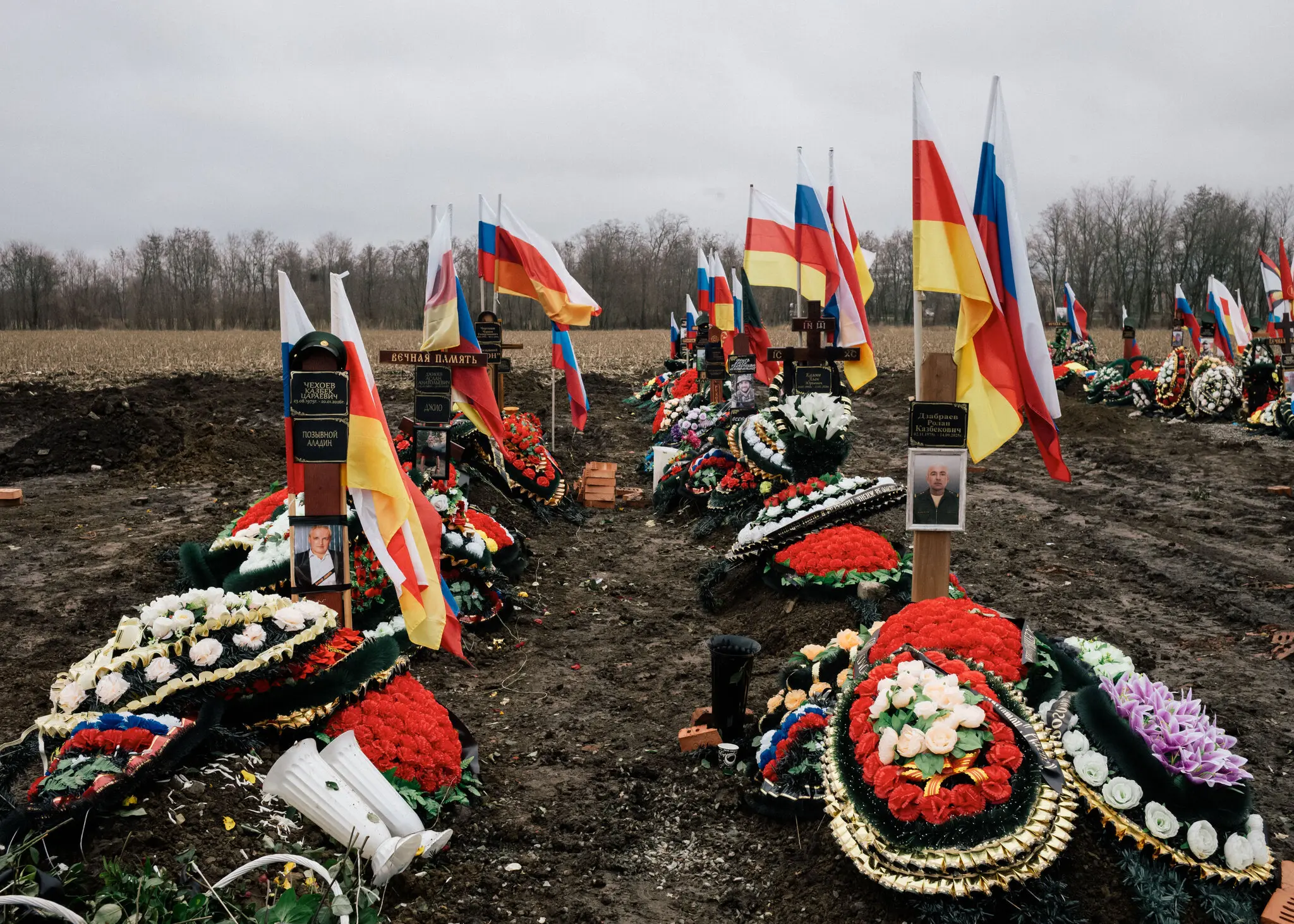 Могили солдатів, загиблих в Україні, на кладовищі у Владикавказі, Росія — Нанна Хейтманн
That is why the Kremlin’s demand for Donbas is not proof of strength, but an admission of difficulty. Russia wants a political solution to a military task it cannot quickly complete. That should be the central fact of any negotiation: territory that Moscow cannot seize without decades of slow bloodshed should not be handed to it under the pressure of a myth of inevitability.