



















The European Union has again approached a question that has remained almost taboo since the start of the full-scale war: whether direct channels with Moscow should be opened if Russia shows no intention of ending its aggression. The brief diplomatic contacts between the office of European Council President António Costa and the Kremlin became not a breakthrough, but a test of EU unity.
In Brussels, an old fault line immediately resurfaced. Some capitals believe that even a minimal channel of communication is necessary, because wars eventually end through talks. Others insist that contact without substance merely gives the Kremlin diplomatic oxygen and creates the illusion of a process where there is no real readiness for peace.
The eastern flank is speaking most firmly. Latvia and Lithuania argue that dialogue makes sense only when the other side genuinely wants the war to end. As long as Russia continues strikes, issues ultimatums and shows no readiness for a ceasefire, the very idea of rushed contacts looks premature.
According to Daycom’s assessment, this dispute is not about a telephone line between Brussels and Moscow. It is about whether Europe can distinguish diplomacy from a symbolic gesture. Negotiations can be an instrument of peace, but they can also become an instrument for prolonging war if the aggressor uses them to dilute pressure.
That is what the Baltic states and the Netherlands fear. They do not reject diplomacy as such. They reject haste that is not based on any change in Russian behavior. For them, the central question is simple: what exactly does the EU want to achieve through contact if Moscow is offering no positive signal?
This caution is rooted in deep historical experience. Countries that border Russia, or remember Soviet domination, have far less faith in diplomatic forms without the backing of force. They know the Russian method: speak of peace while the army advances; open channels while missiles fly at cities; demand concessions and call it negotiation.
Austria, by contrast, supports keeping communication channels open at any level. But even Vienna is not naïve about the Kremlin. Chancellor Christian Stocker has acknowledged that he does not see Vladimir Putin coming to the negotiating table in order to seek genuine peace. That detail matters: even those who favor contact have no illusions about a quick settlement.
Italy’s proposal to create a single EU envoy for contacts with Russia looks like an attempt to impose order on fragmented diplomacy. If Europe is to speak with Moscow, it should speak not with 27 separate voices, but through one mandate. Otherwise, the Kremlin will again gain an opening to play on differences between European capitals.
But the figure of an envoy does not solve the core problem. A single channel is useful only when the EU has a single position. If some states want tougher pressure, others seek quick contact, and still others fear losing economic opportunities, a diplomatic representative will become not a source of strength, but a reflection of internal weakness.
That is why the current debate is dangerous for Ukraine. Kyiv does not reject negotiations as a tool for ending the war. Volodymyr Zelensky has repeatedly said he is ready for talks with Putin. But Ukraine insists that negotiations cannot begin with Russian diktat and cannot be conducted over the head of the state that is defending itself.
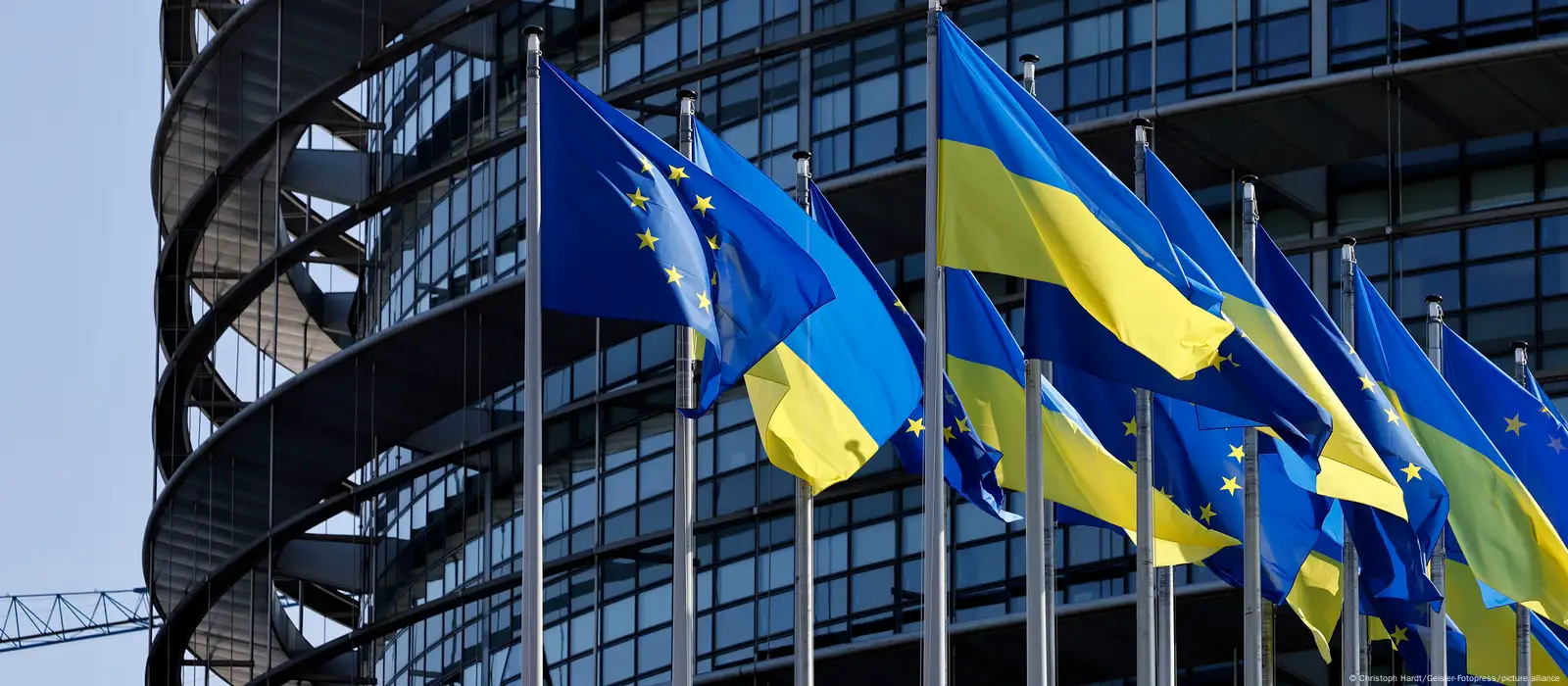
Against this backdrop, Zelensky in Brussels focused not on contacts with the Kremlin, but on the opening of the first phase of EU accession talks. For Kyiv, this is not a formal European track. It is a way to anchor Ukraine in Western political structures at the very moment when Moscow is trying to prove that Ukraine’s future can be decided by force.
The contrast is revealing. While part of Europe is considering whether it should talk to Russia, Ukraine is asking to accelerate its integration into the European Union. For Kyiv, the answer to the war lies not only in channels with the enemy, but in irreversible political accession to the community Russia is trying to destabilize.
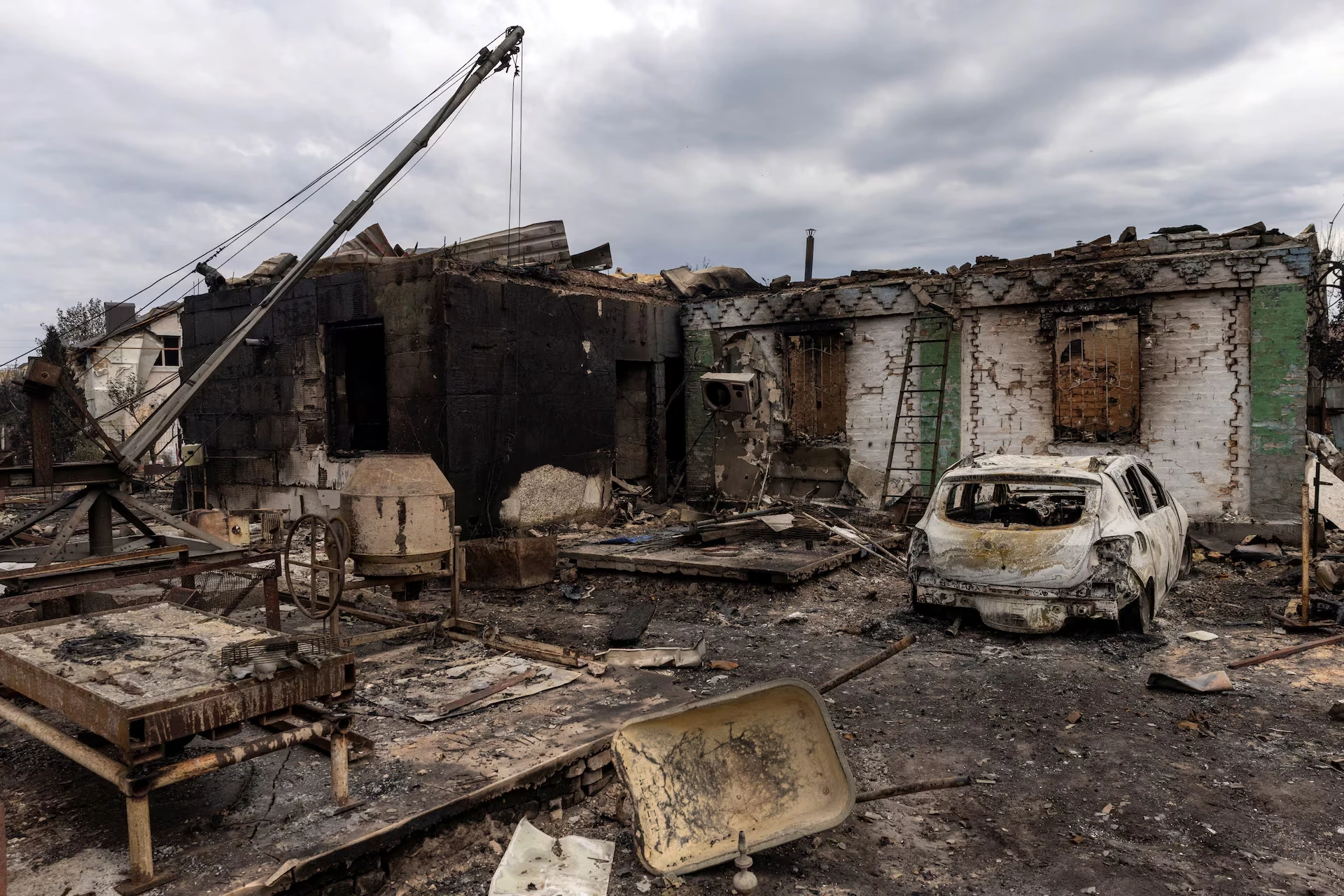
Russia, for its part, is giving no reason for optimism. It continues strikes on Ukrainian cities, speaks in the language of territorial demands and tries to present every Ukrainian response as proof that Kyiv allegedly does not want peace. In this logic, negotiations are needed by the Kremlin not for compromise, but to lock in the results of aggression.
This is where Europe must be especially careful. Contact with Moscow can be useful for transmitting signals, addressing humanitarian issues, arranging prisoner exchanges, managing nuclear safety or testing real intentions. But if it turns into a political stage without conditions, the Kremlin will use it as evidence that it is emerging from isolation.
Since 2022, Russia’s diplomatic isolation has not been an emotional reaction, but part of the pressure. It was meant to show that aggression against Ukraine is not an ordinary crisis to be managed through the old European routine. A return to contacts without any change in Russian behavior could blur that message.
At the same time, a complete absence of channels also carries a cost. In a war involving nuclear risks, strikes on energy infrastructure, prisoner issues and the possibility of uncontrolled escalation, a communication vacuum is dangerous. The problem is not whether to talk at all. The problem is who talks, with what mandate and for what purpose.
The EU now needs neither an emotional ban on diplomacy nor a rushed return to dialogue, but a clear hierarchy. First: support for Ukraine, sanctions, military aid, financing, confiscation of Russian assets and the accession process. Only then should contact with Moscow follow — not as a substitute for pressure, but as an addition to it.
If that sequence is broken, Russia will get what it wants: a conversation without concessions on its side, division among Europeans and doubts over whether the West is truly ready to support Ukraine for the long haul. For the Kremlin, even the appearance of European uncertainty is already a political resource.
That is why the skepticism of some EU leaders is not obstructive, but protective. They are not against peace. They are against diplomacy that begins before Moscow has shown even minimal readiness to stop the war. This is the main lesson of the moment: talks with Russia must not become a reward for continued aggression.
Europe has the right to keep channels open. But it does not have the right to forget that the real substance of any contact is defined not by what is said in a diplomatic room, but by what is happening at the front and in the skies over Ukrainian cities. As long as Russia is fighting, the EU’s main language must not be haste toward talks, but strength, unity and support for Ukraine.