












The war in Ukraine is entering a phase in which the defining word is no longer “breakthrough,” but “duration.” Russia has no quick path to victory. Ukraine lacks the force to expel the aggressor rapidly. Diplomacy, meanwhile, has again stalled somewhere between the appearance of movement and the absence of real pressure on Moscow.
Europe increasingly understands that waiting for an American solution has become dangerous. Donald Trump promised to end the war quickly, yet fifteen months of his negotiating approach have left the sides largely where they began. The Kremlin has not abandoned its objectives. Kyiv has not accepted a settlement that would amount to political surrender.
Washington’s attention has shifted toward the war with Iran, energy risks and domestic political calculations. For Ukraine, this creates an uncomfortable clarity: American involvement remains necessary, but it can no longer serve as the sole foundation of military planning.
According to Daycom’s earlier analysis, this is where the central contradiction of Europe’s moment becomes visible. Europe is now prepared for long-term support of Ukraine, but it has not yet produced a convincing answer to the harder question: how exactly that support is supposed to force Russia to stop.
The European Union’s €90 billion loan to Ukraine is more than a financial instrument. It is a political signal. It is meant to give Kyiv the one resource Moscow is trying to deny it: time — for defense procurement, ammunition production, drones, repairs, energy protection and the continued functioning of the state under attack.
Yet funding is not strategy. Europe can keep Ukraine in the fight, but it still lacks a persuasive theory of victory. The original idea was to alter the Kremlin’s calculation through sanctions, weapons and economic pressure. The problem is that for too long, the scale of support has remained smaller than the political goal attached to it.
Russia, despite its losses, continues to wage war as a state willing to pay an extraordinary price for slow advances. Its army may lack a brilliant operational prospect, but it still has mass, mobilization capacity, military inertia and the ability to turn destruction into a method of pressure.
 Президент Франції Еммануель Макрон (ліворуч) з президентом України Володимиром Зеленським у четвер на неформальному засіданні Європейської Ради на Кіпрі — Ніколя Тука
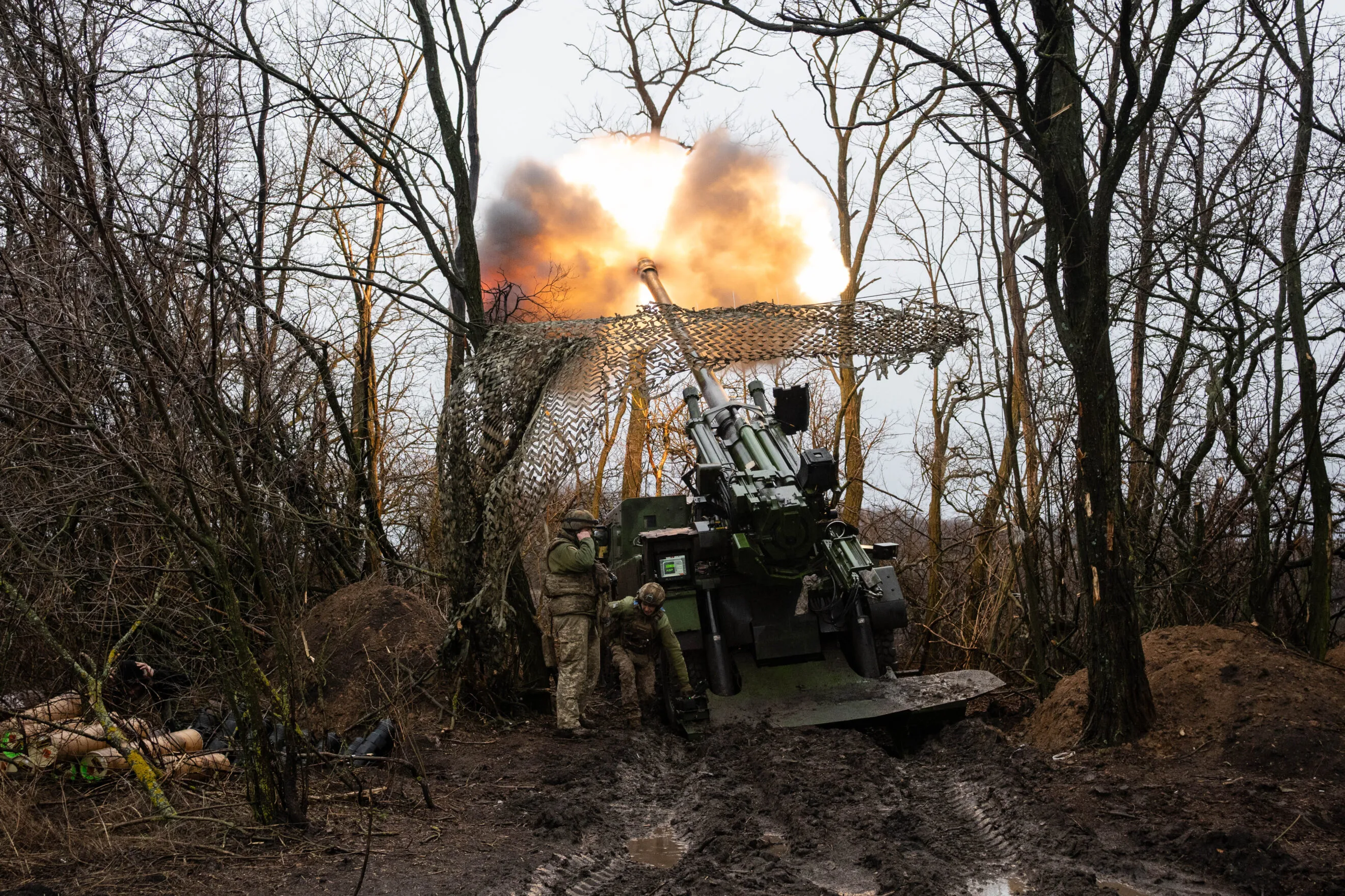
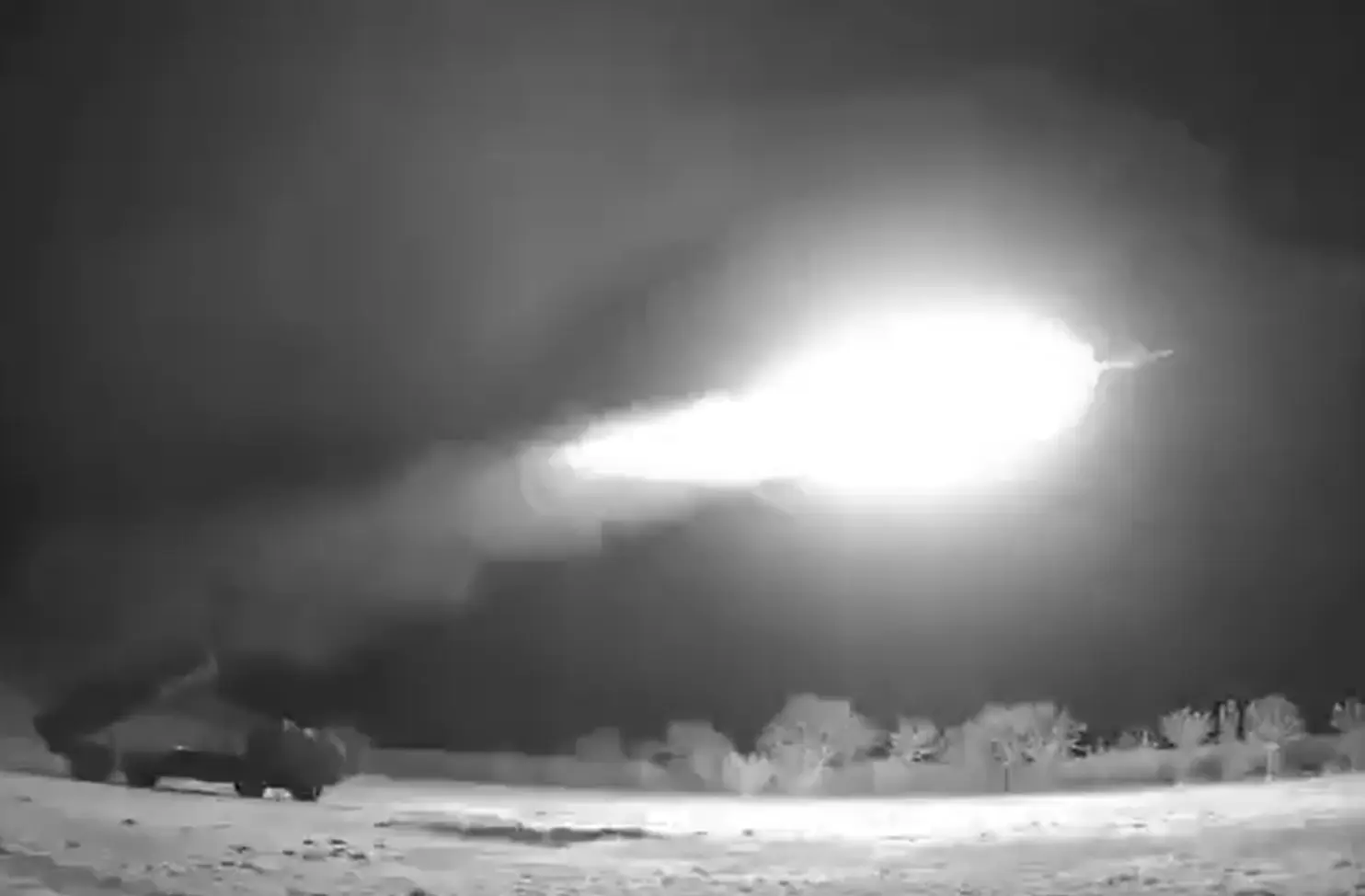
Ukraine, by contrast, is increasingly fighting through quality, technology and precision. Long-range drones, strikes on oil infrastructure, naval unmanned systems, adaptive air defense and local initiative help compensate for shortages of manpower and heavy weapons. But technological ingenuity does not remove the need for large volumes of ammunition and protection of the sky.
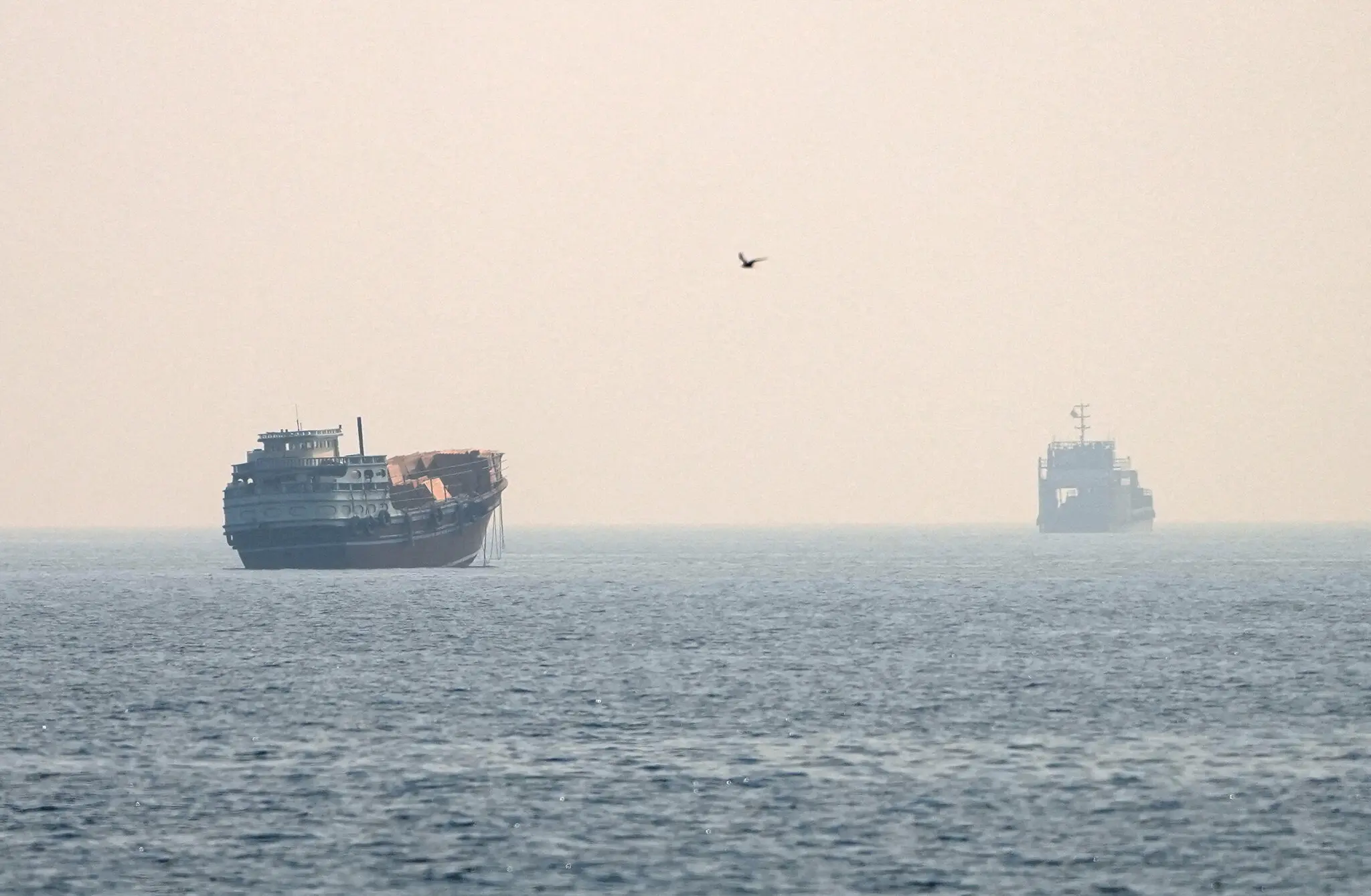
That is why European sanctions matter only if they keep pace with Russian adaptation. New packages of restrictions increase pressure on Russia’s energy interests, sanctions-evasion networks and the so-called shadow fleet through which Moscow tries to preserve oil revenues.
But sanctions policy has its own weakness: it is always racing against time. Russia searches for new routes, intermediaries, insurance schemes, financial channels and technological loopholes. Europe closes one door; the Kremlin tries to open another. In a long war, this is not a single campaign, but a permanent pursuit.
The diplomatic track, meanwhile, has nearly exhausted its visible momentum. Ukraine wants a three-way format involving the United States, Russia and Kyiv because it refuses to return to the old great-power logic in which its future is discussed without it. Moscow rejects that format because it would break the asymmetry the Kremlin prefers.
Europe wants a seat at the table, but Russia does not view Brussels as a neutral mediator. This is not merely a matter of diplomatic form. European capitals are now too deeply tied to Ukraine’s defense for Moscow to see them as arbiters. At the same time, they are increasingly the ones paying for the continuation of Ukraine’s resistance.
French attempts to open a separate channel with Moscow have shown the limits of Europe’s maneuvering room. Russia is willing to talk when talks restore its status as a great power, but not when they require concessions. The Kremlin is not looking for a mediator. It is looking for negotiations that would consolidate its gains.
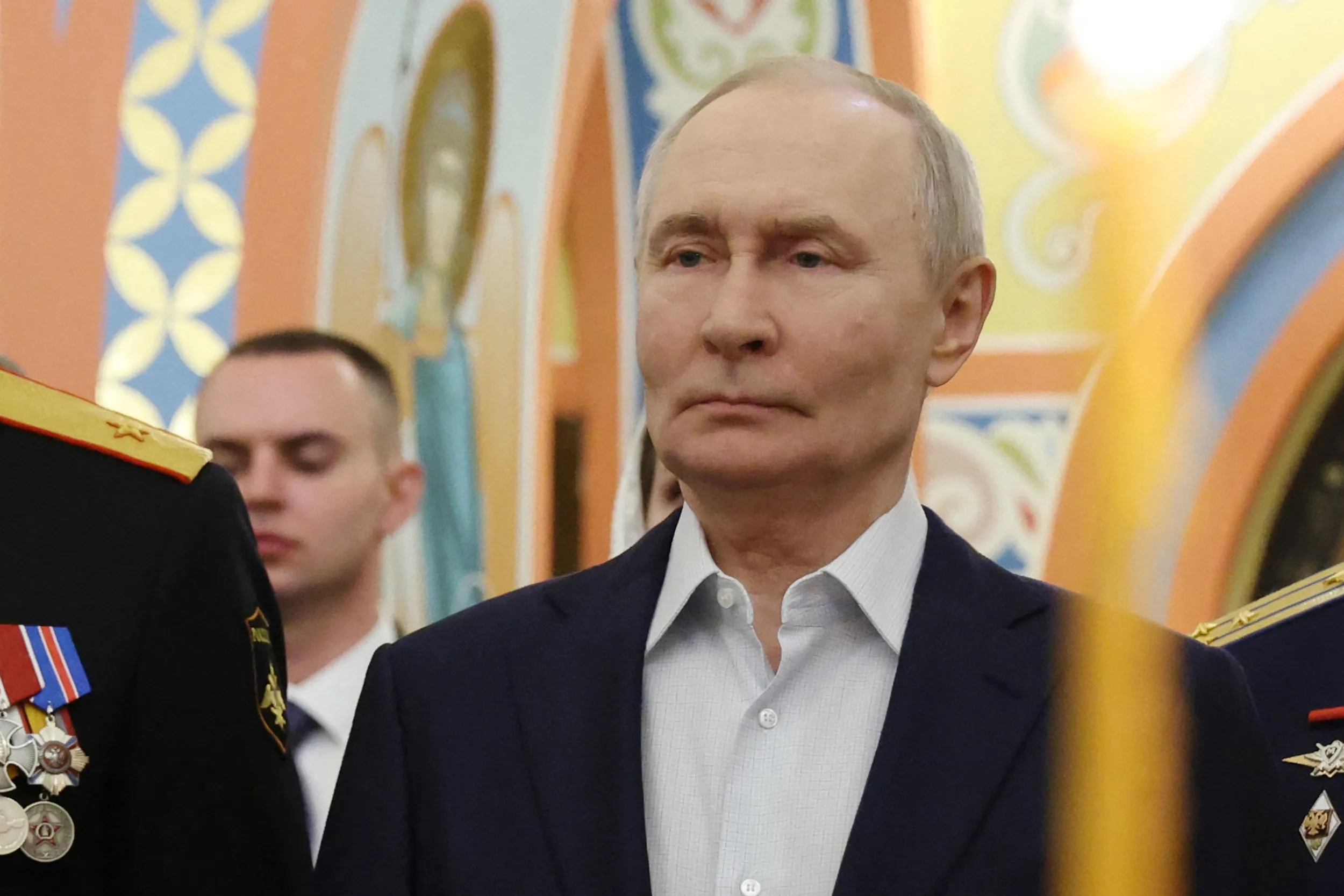
For Vladimir Putin, time has not yet become a sufficient force pushing him toward peace. Higher energy prices soften economic pressure, the repressive system maintains domestic loyalty, and wartime propaganda turns losses into proof of a supposed historic struggle. The Kremlin may not be winning quickly, but it believes it can avoid losing for a long time.
For Volodymyr Zelensky, the equation is different. He must hold the front, persuade partners, modernize the defense industry and explain to society why the war has no quick diplomatic exit. Ukrainian politics is living less by the promise of imminent peace and more by the logic of endurance.
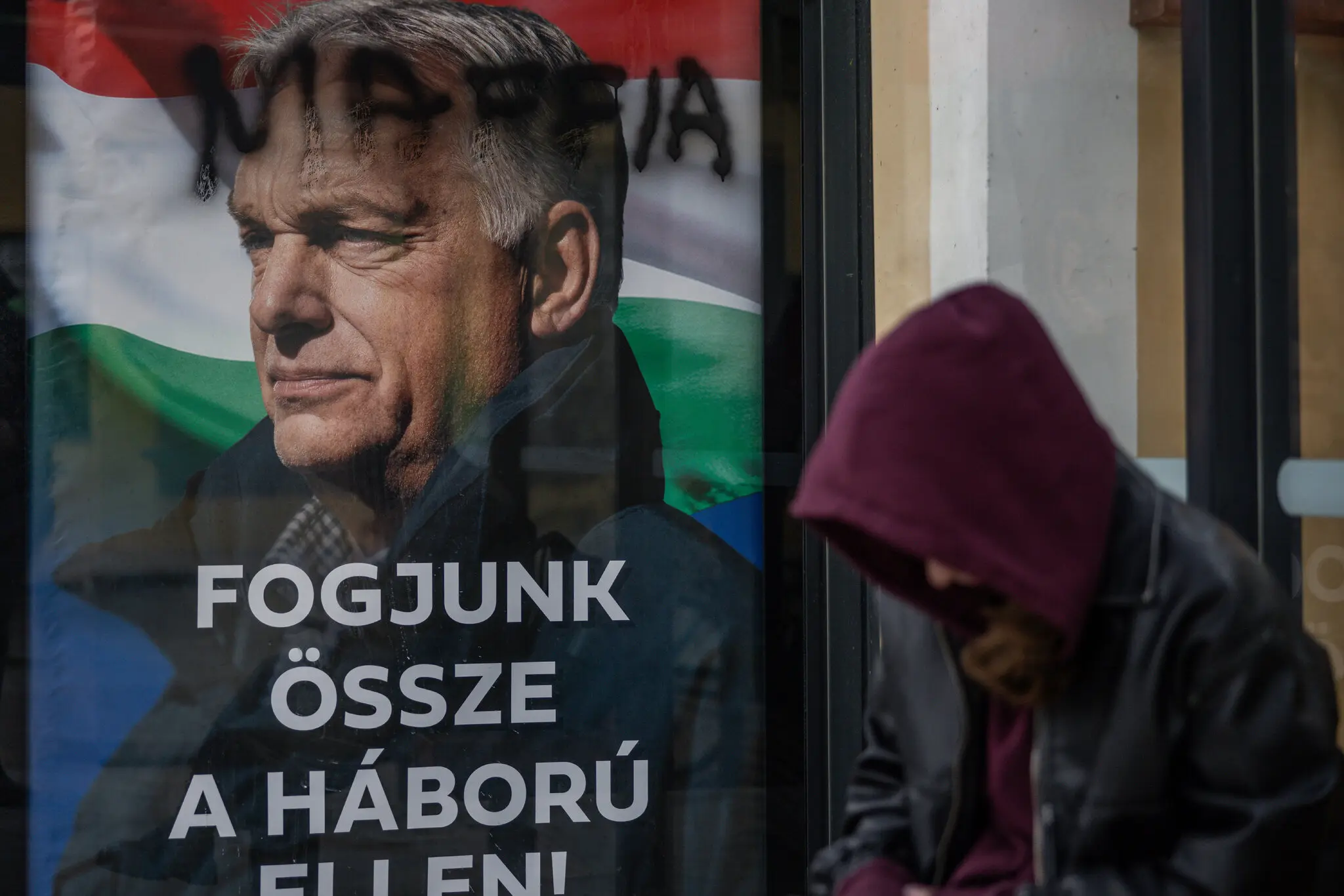 Минулого місяця в Кестхеї, Угорщина, був випущений передвиборчий плакат прем'єр-міністра Угорщини Віктора Орбана. Він програв спробу переобрання — Акос Стіллер
This creates a new reality for Europe. Supporting Ukraine “for as long as it takes” is no longer enough if Europe has not defined what this support is meant to achieve. Outlasting Russia is not the same as forcing it to change course. Keeping Ukraine in the game is not the same as giving it the conditions to win.
The central question of the coming months is not only the volume of aid. It is political honesty. If Europe is not prepared for a rapid Ukrainian victory, it must define the purpose of a long war: to exhaust the Russian army, damage the economy of aggression, protect Ukraine’s skies, expand weapons production and make any future attack costlier than any possible gain.
Otherwise, strategy becomes a waiting game built on chance: the death of a dictator, an economic collapse, a palace coup, sudden fatigue inside Russian society or another turn in American politics. Such scenarios are possible. They are not a foundation for continental security.
Ukraine is now receiving more European money, more defense agreements and more room to build its own production capacity. But the war remains an open equation. Neither side has a clean path to victory, and peace does not move closer simply because the war has become exhausting.
Europe has taken an important step: it has recognized that Ukraine cannot be left alone. The next step is harder — to admit that support without strategy may prolong the war without necessarily ending it on terms that produce security. For Kyiv, that means a long struggle. For Europe, it means the end of the convenient illusion that time will do the political work by itself.