

















Mykhailo Fedorov’s dismissal as defense minister has turned a hidden conflict at the center of Ukraine’s war system into an open political crisis. What might once have remained a dispute behind closed doors has now moved into news conferences, parliament, social media and the streets.
Fedorov, who held the post for only six months, delivered the sharpest public criticism of Ukraine’s military command since the start of the full-scale war. He accused Commander in Chief Oleksandr Syrskyi of blocking initiatives, encouraging intrigue and refusing to speak openly about the army’s problems.
His remarks matter not only because of their personal accusations. They exposed a deeper dispute: whether Ukraine should defeat Russia through technological asymmetry, drones, fast procurement and a new generation of commanders, or whether the older military hierarchy will continue to set the pace of change in the armed forces.
According to Daycom’s earlier analysis, this crisis is dangerous because it has erupted precisely when Ukraine had begun to show visible success. Long-range strikes inside Russia, attacks on oil infrastructure, the campaign against Crimea and the expansion of unmanned systems created a sense of new momentum. Now that momentum risks running into an internal fracture.
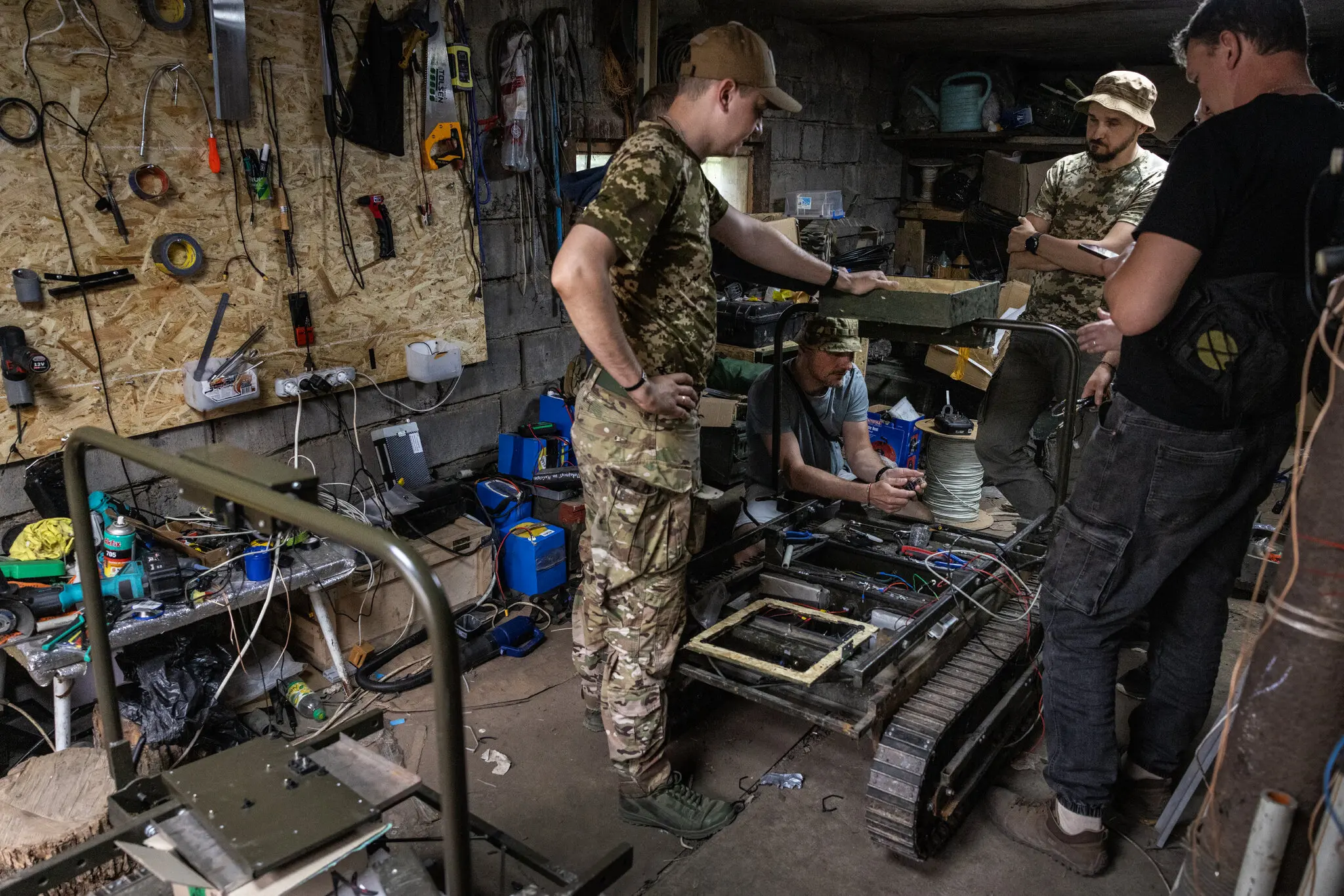
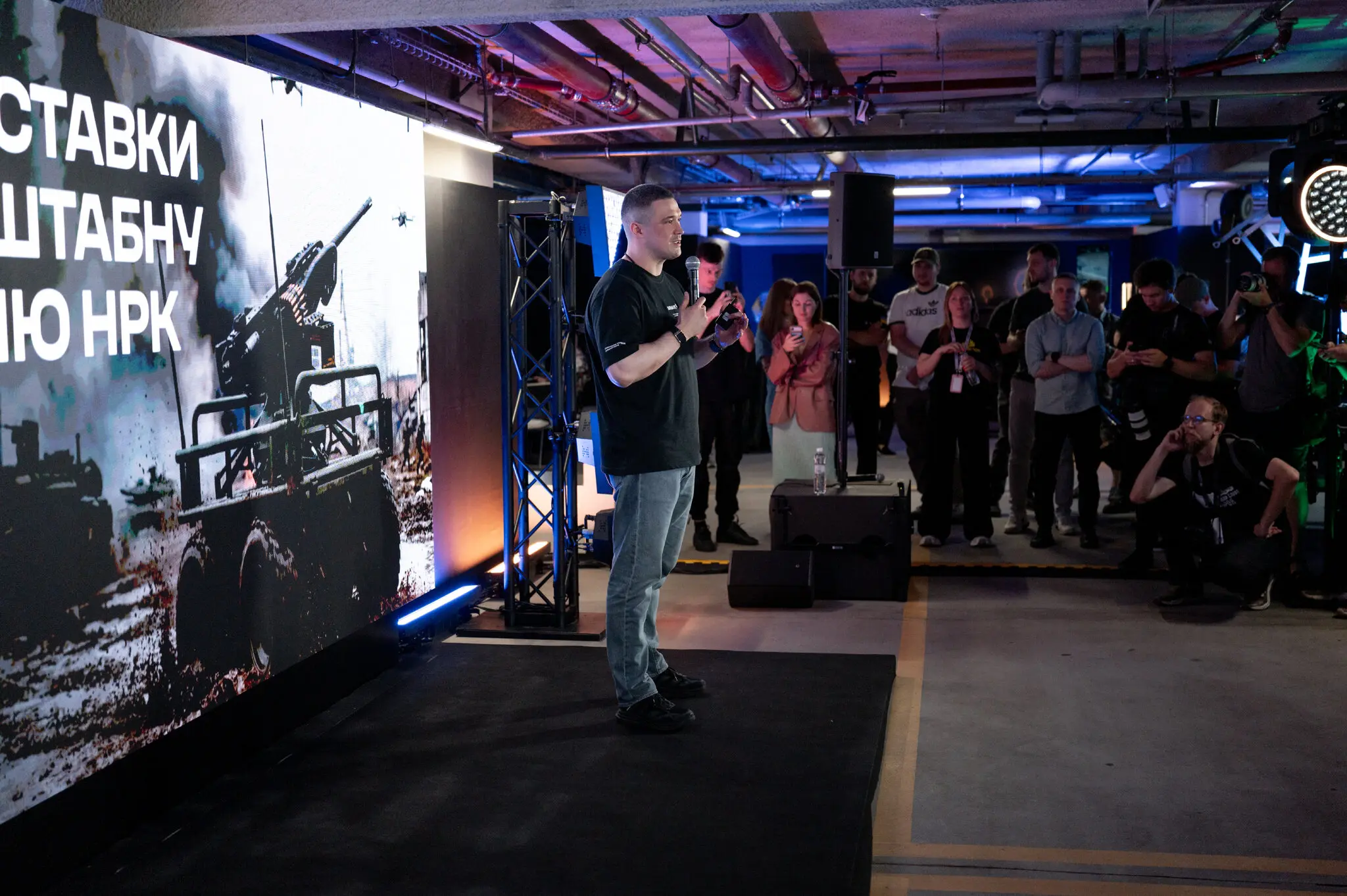
Fedorov became the symbol of that new logic. For a large part of Ukrainian society, he represented not a traditional ministry, but a state-scale wartime start-up: drones, digital platforms, rapid production, competition among developers, simplified procurement and a bet on technology where Russia has the advantage of mass.
Syrskyi, by contrast, is the face of an older military school. He was educated in the Soviet system, commanded the ground forces and played a key role in the defense of Kyiv and the counteroffensive in the Kharkiv region. His supporters see him as a hard battlefield commander capable of holding the army together in an exhausting war.
But that difference in generation and method has now become politically explosive. Fedorov acknowledged Syrskyi’s past achievements, but argued that the war has changed completely. In his view, the front is no longer shaped only by infantry, armor and artillery, but by drones, robots, data, air defense, electronic warfare and decision-making speed.
His most severe accusation concerned the culture of command. Fedorov spoke of lies, poorly organized units and a lack of personal responsibility inside the army. For wartime Ukraine, this is exceptionally heavy rhetoric because it is aimed not at a secondary official, but at the man who leads the armed forces.
Syrskyi did not answer the accusations in substance. He thanked Fedorov for his work and stressed that the country must focus on the war. Such restraint may look like an attempt not to deepen the conflict. But it does not remove the question that has already been placed before the public: is the old hierarchy blocking the decisions that have given Ukraine its latest advantages?
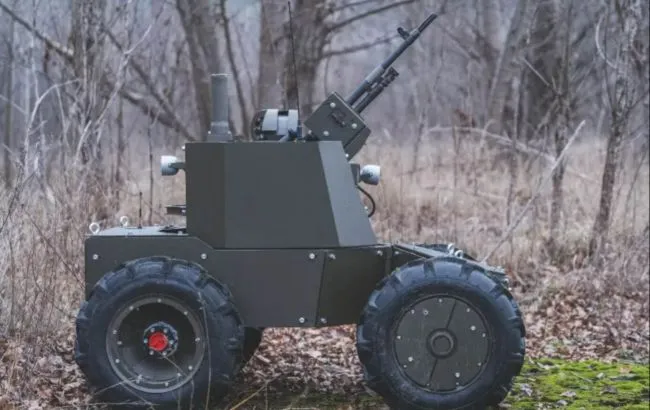
The dispute is not only about drones. Drones are merely the most visible symbol of a new type of war. Behind them stands a broader model: smaller teams, faster production cycles, direct feedback from the front, digital procurement, flexible units and the ability to strike Russia’s weak points without entering a symmetrical race of resources.
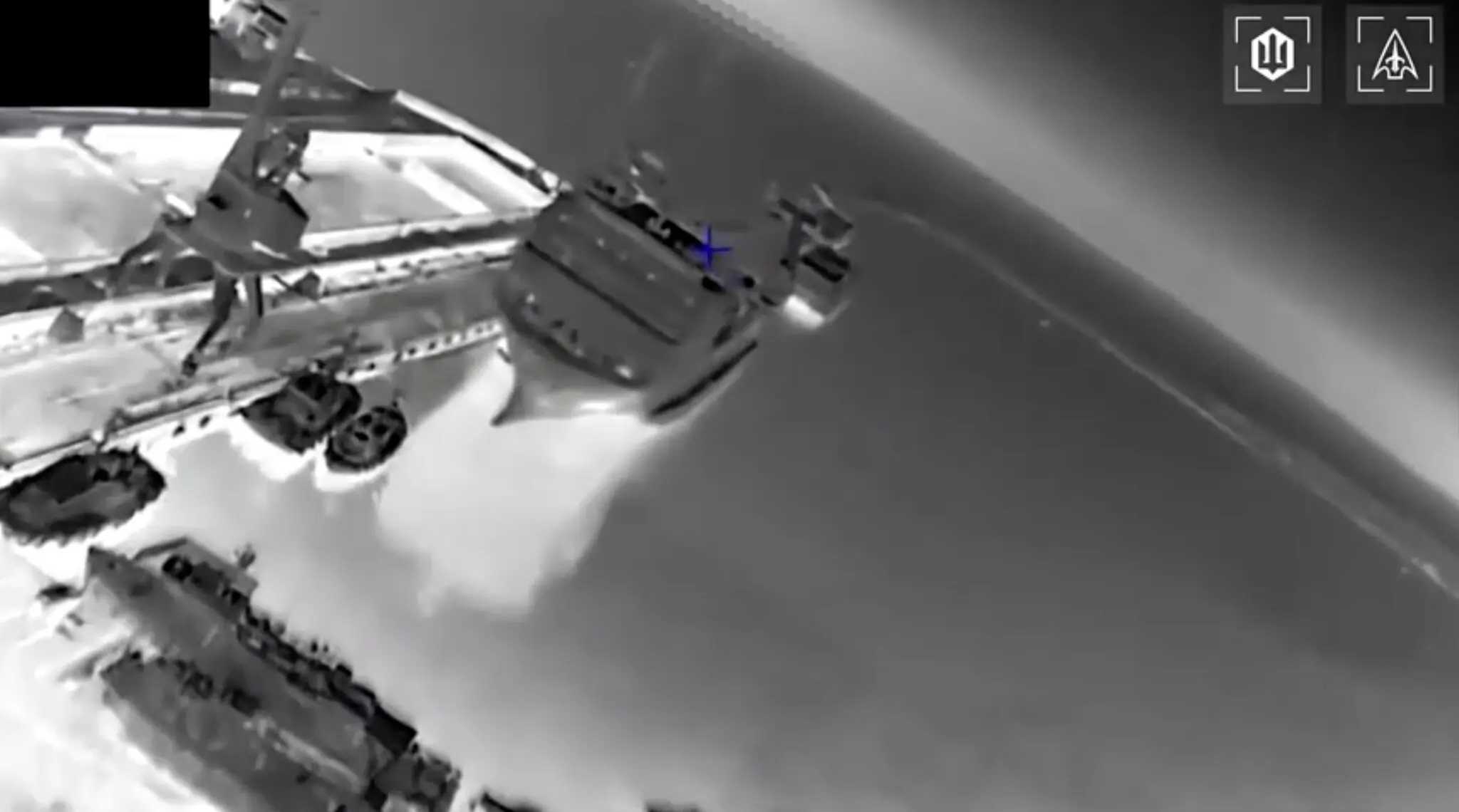
That model has already produced results. Ukrainian unmanned systems regularly reach Russian military and energy targets, put pressure on Moscow, hit oil refining and force Russia to spend more on defending its rear. For a country with limited resources, this is not an extra option. It is a method of survival.
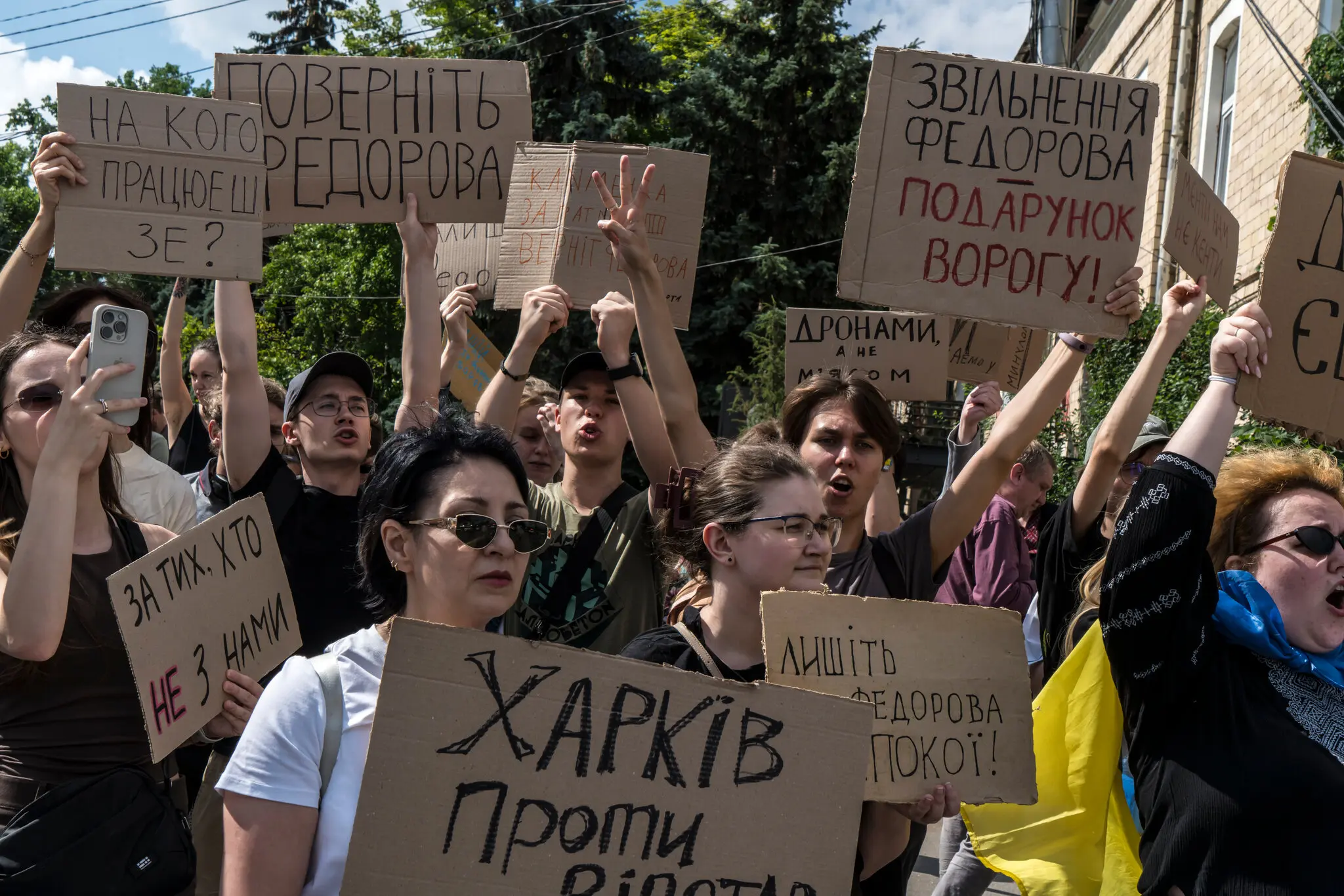
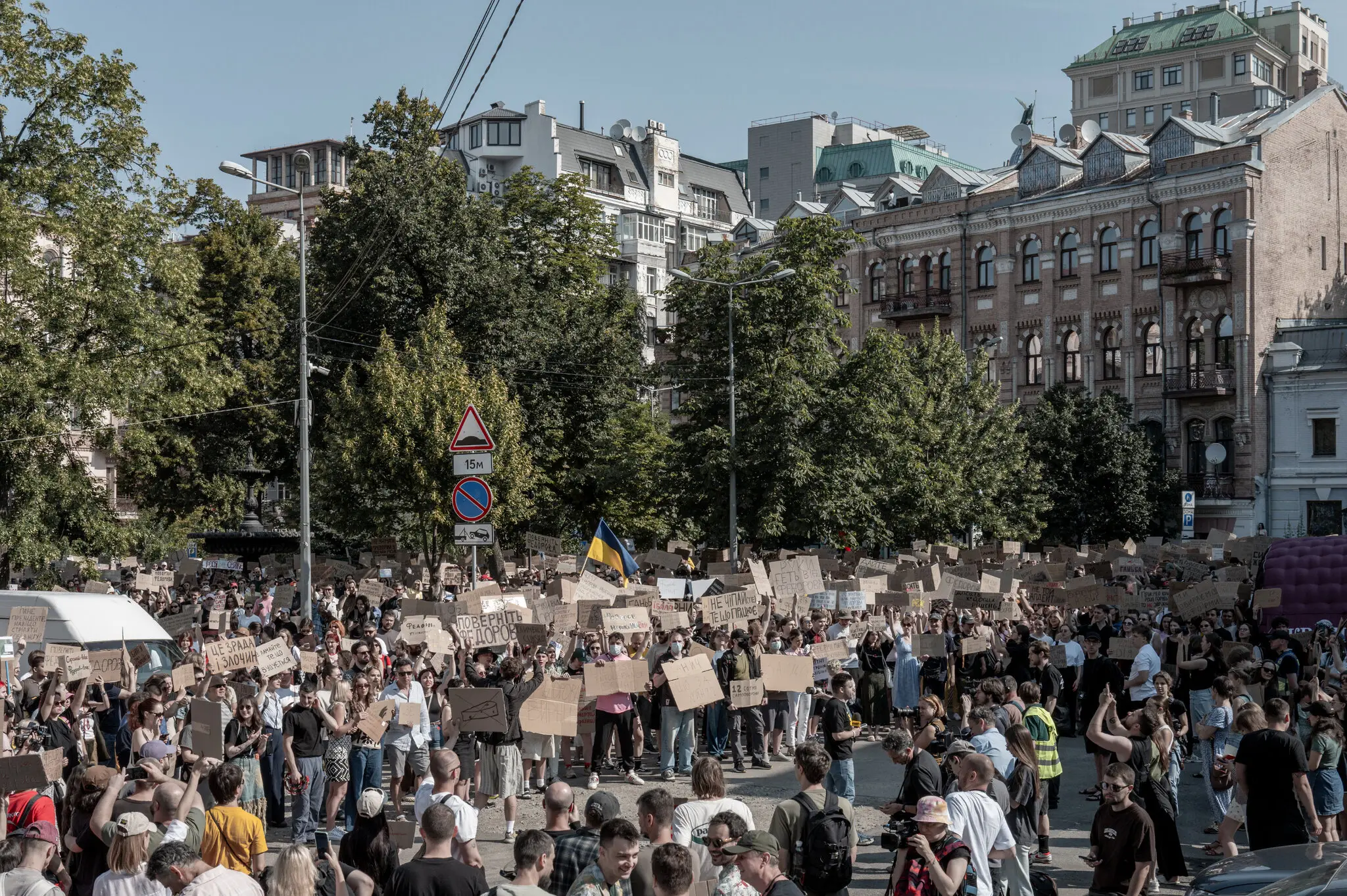
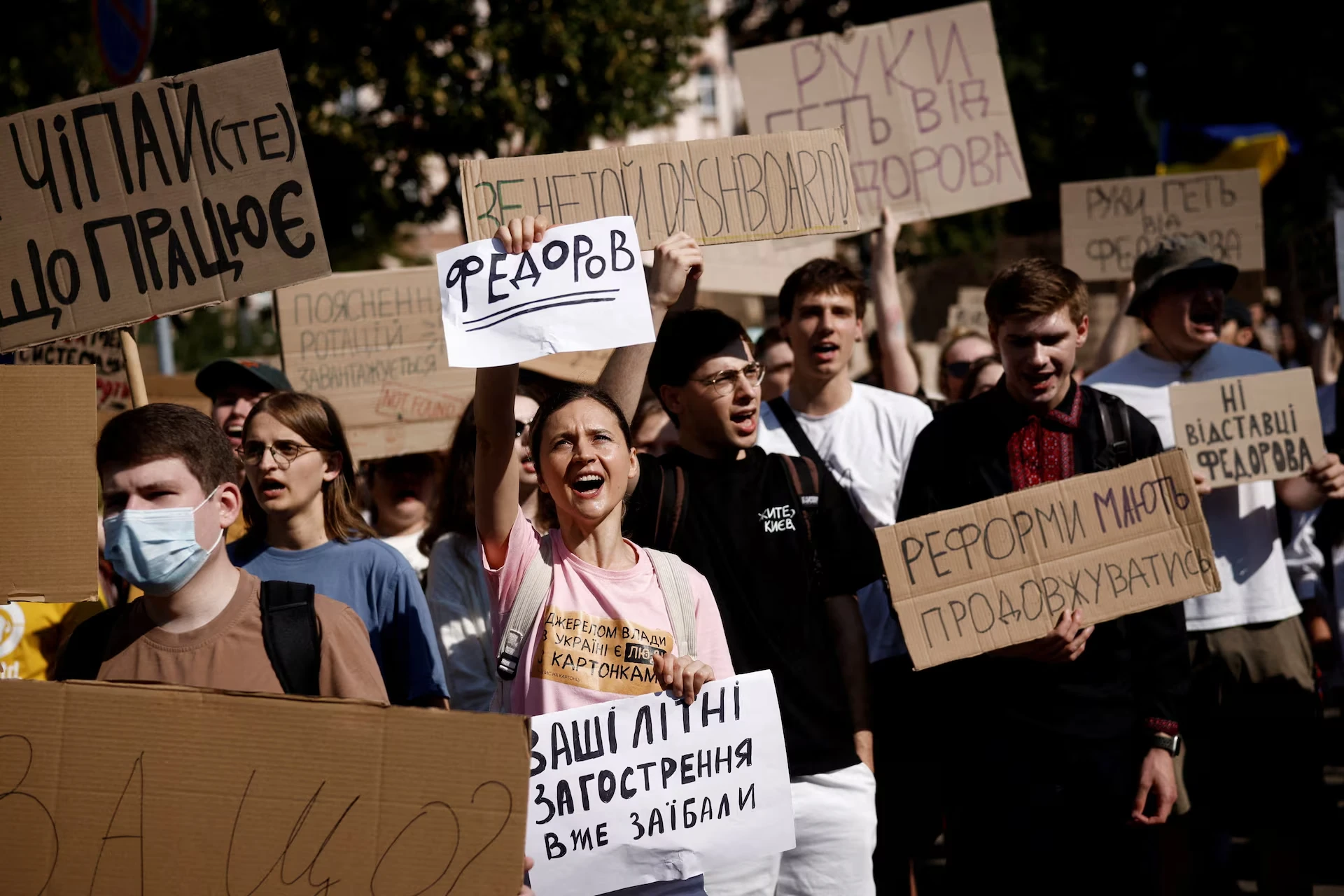
That is why Fedorov’s dismissal provoked such a sharp reaction. Hundreds of people joined a rare wartime demonstration in Kyiv. Mostly young Ukrainians saw in him a representative of a generation that does not want to fight an army with more people, equipment and ammunition by relying on old methods.
Their support does not mean that society rejects the army or discipline. On the contrary, the protest was born from the desire to win. People were defending not merely a minister as a political figure, but an idea of effective defense: faster, more technological, less bureaucratic and less dependent on old closed channels.
A separate layer of the conflict is defense procurement. Fedorov said he had tried to reduce corruption and had made enemies among contractors as a result. For Ukraine, this is one of the most sensitive issues of the war. Billion-dollar contracts, Western support and domestic production create not only opportunity, but also temptation for old practices.
If technological modernization runs into the interests of contractors, command habits or opaque mechanisms of resource distribution, the problem is no longer only about personnel. It becomes systemic. Ukraine cannot afford a defense industry that must be fast while remaining hostage to old corridors of influence.
Support for Fedorov from some military figures deepened the drama. Resignations in protest and public statements by commanders showed that the split is not confined to politics. Part of the army also sees his removal as a risk to defense capability, especially in air defense and the fight against Russian drones.
Zelensky, meanwhile, has found himself in a difficult position. He confirmed the existence of disagreements between the minister and the commander in chief, but did not offer the public a persuasive explanation of why he chose this outcome. In wartime, personnel decisions may require secrecy. But complete silence about their logic quickly breeds distrust.
The problem is complicated by another front: mobilization. A shortage of infantry remains one of Ukraine’s most difficult vulnerabilities. Drones are changing the war, but they do not eliminate the need for soldiers to hold positions. Forced and rough recruitment has already become a source of social tension, and the authorities are looking for someone who can ease that pressure.
In that sense, a possible turn toward security officials or managers from the internal system has an understandable logic. But it does not answer the central question: how to combine the need for manpower with the need for technological advantage. Ukraine cannot win through mobilization alone. But it also cannot replace infantry with drones alone.
The real challenge is synthesis. The army needs discipline, but not paralysis. It needs hierarchy, but not a cult of loyalty. It needs technological boldness, but not chaos. It needs procurement at wartime speed, but with oversight that prevents corruption from hiding behind urgency.
The Fedorov crisis has shown that Ukraine’s wartime system has grown faster than its institutions have changed. Drones, deep strikes and new producers have already created a different reality. But mechanisms of command, promotion, accountability and procurement still partly belong to an older time.
For Russia, any internal split in Ukraine is an opportunity. But an even greater gift would be Kyiv’s inability to speak honestly about its own weaknesses. Wartime democracy cannot afford disorder, but it also cannot survive on silence if mistakes accumulate inside the system.
The Fedorov crisis does not have to end in defeat. It can become a moment of maturity if the authorities preserve the technological course, clean up defense procurement, protect the drone ecosystem and at the same time prevent the army from turning into a collection of disconnected start-ups.
But that requires political honesty. Society needs to understand what exactly failed between the minister and the command, which reforms will be preserved, who will be responsible for air defense, unmanned systems, procurement and mobilization, and how the state will avoid losing pace at a moment when Russia is looking for every crack.
The war has changed completely, and that is what makes the conflict so sharp. Ukraine can no longer return to the old army, but it has not yet fully built the new one. Fedorov’s dismissal is painful proof of that transition.
The central issue now is not whether he returns to office. It is whether the course he represented survives. If Ukraine loses speed, technological boldness and trust in reform, Russia will receive an opening it could not win on the front. If the crisis forces the system to change, this explosion may become not the start of a rollback, but a painful step toward an army capable of defeating a stronger enemy.