



















Russia said it had stepped up radiation monitoring after fires near the Chornobyl nuclear power plant, while reporting no abnormal readings on its own territory. Ukrainian emergency services also said radiation levels remained within normal limits.
That is important, but not sufficient, reassurance. Normal dosimeter readings mean there is no sign of a radiation accident at this stage. Yet any fire in an area where radionuclides remain from the 1986 disaster carries a different kind of risk — slower, weather-dependent and shaped by soil conditions and the movement of smoke.
According to Daycom’s earlier analysis, Chornobyl in wartime is no longer only a symbol of a past nuclear catastrophe. It has become a test of state resilience. Any fire in the exclusion zone is now more than a forest emergency; it sits at the intersection of ecology, defense and civil protection.
The 1986 accident destroyed the fourth reactor of the Chornobyl nuclear power plant and released radioactive material into the atmosphere. Its consequences reached Ukraine, Belarus, Russia and large parts of Europe, while the exclusion zone remained a territory of special control.
Fires in such a landscape are dangerous not only because of flames. They can lift particles from soil, forest litter and old vegetation where traces of contamination have remained for decades. For the wider population, the risk may stay limited, but for firefighters and nearby areas, continuous monitoring is essential.
The central word in this story is not panic, but control. Radiation levels may be stable at a given moment, yet the situation can change with wind direction, the size of the fire, access for emergency crews and the ability to work in hazardous sectors. In the Chornobyl zone, reaction time can matter as much as the readings themselves.
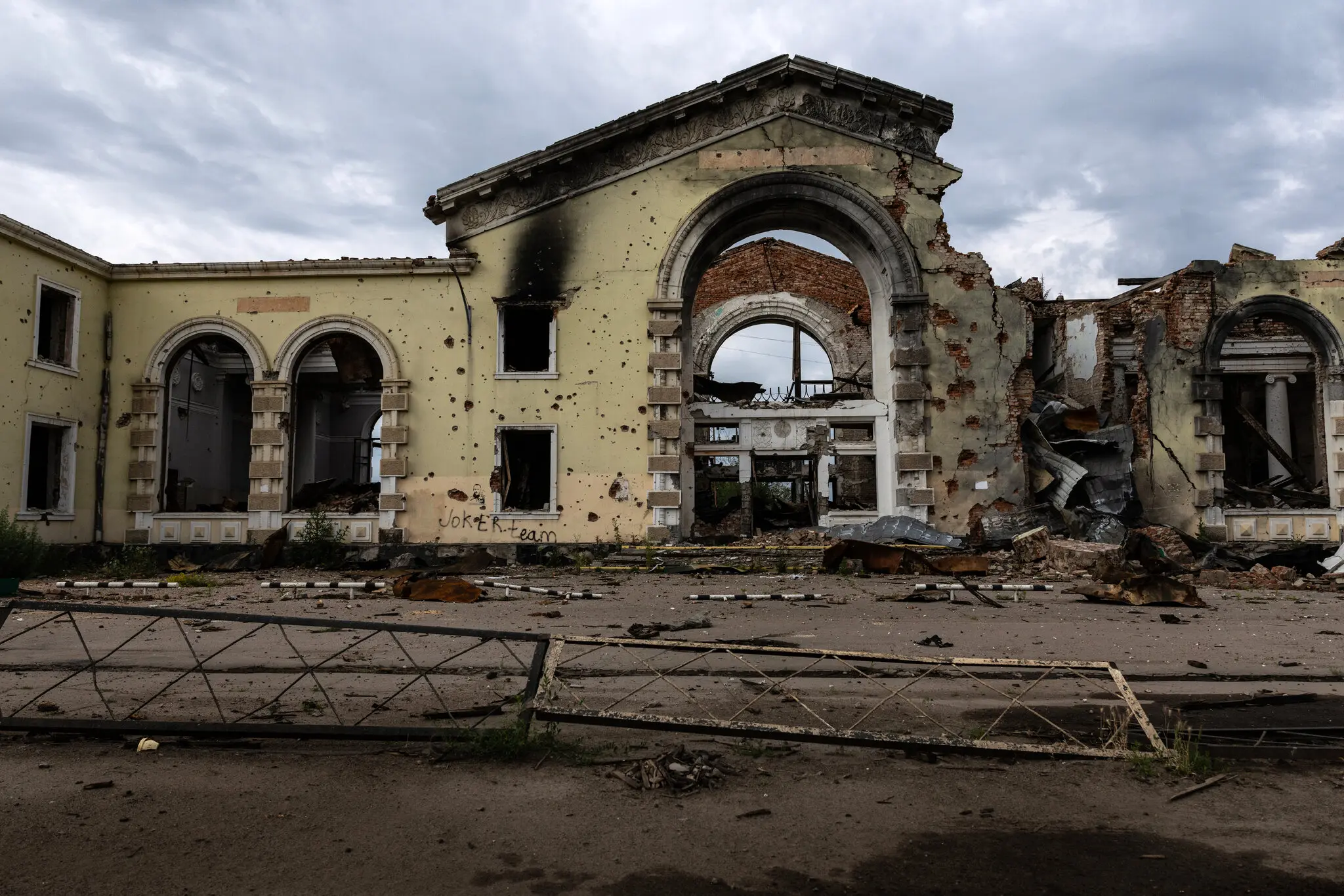
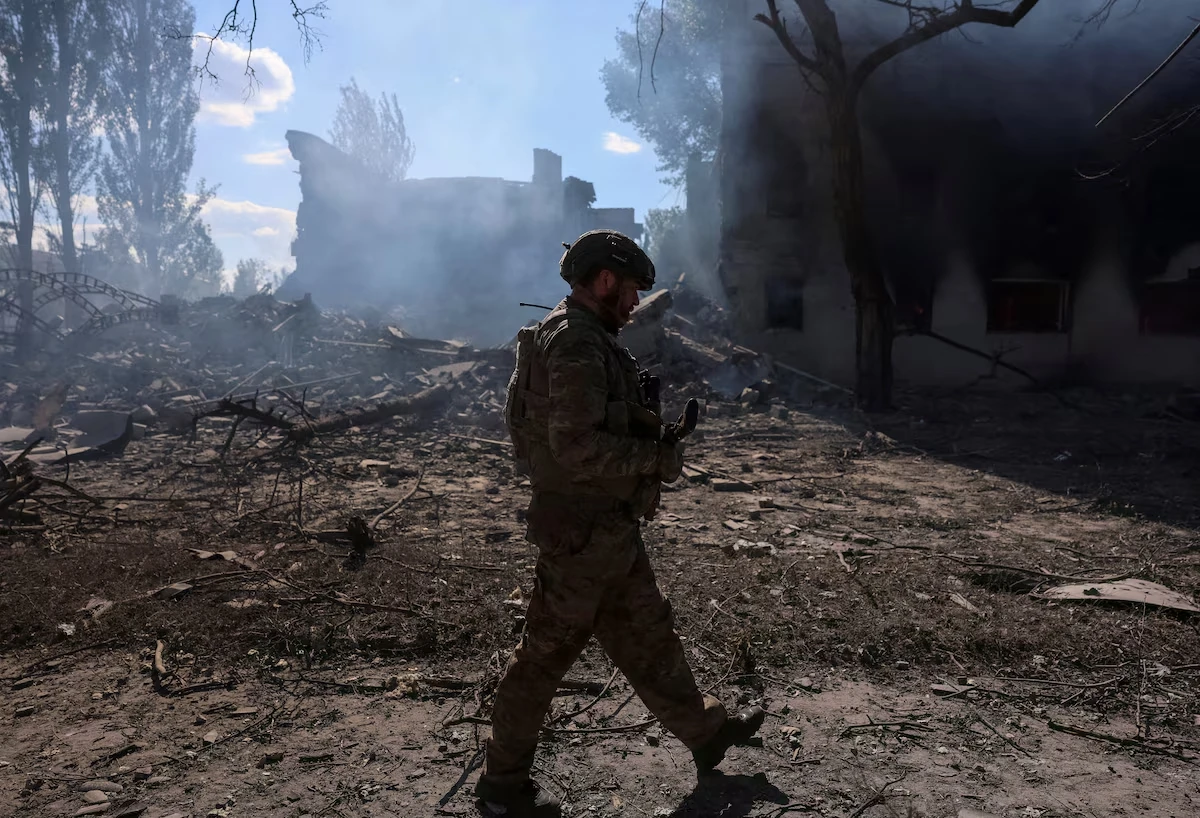
War makes that work far more difficult. Mined areas, unexploded ordnance, restricted access, the risk of new strikes and the lack of safe routes turn firefighting into a high-risk operation. Where ordinary emergency protocols would apply in peacetime, every decision now depends on a map of threats.
This also changes the nature of environmental security. The main concern in the Chornobyl zone used to be residual radioactive contamination. Now it is compounded by the consequences of Russia’s invasion: damaged infrastructure, military risks, mined territory and constant tension around nuclear sites.
For Ukraine, Chornobyl remains a place of double memory. It is the site of a disaster that shaped a culture of radiation control, and it is also a territory that has been pulled back into the logic of war since 2022. Every fire there automatically acquires political and international significance.
Russian statements about normal radiation levels on Russian territory do not remove the core problem. The key question is not only whether abnormal readings have been recorded today, but whether the safety system can operate without interruption — from fire units in the exclusion zone to automated monitoring and international oversight.
The most dangerous scenario in such cases is an information vacuum. When Chornobyl is involved, the public responds not only to numbers, but also to trust in those who publish them. Open radiation data, timely updates and clear explanations are almost as important as the physical work of extinguishing the fire.
As long as readings remain within normal limits, the fire is not a radiation catastrophe. But it is a warning. The Chornobyl Exclusion Zone is not a frozen museum of the 1986 accident. It is a living and vulnerable space where war can turn a local fire into a national security problem.
The main conclusion is simple: stable radiation levels do not mean the absence of risk. They mean the control system is still working. In Chornobyl, especially during war, that continuity of control is the thin line between anxiety, manageable danger and crisis.