











Ukraine marked the 40th anniversary of the Chornobyl disaster not in the quiet distance of history, but under the pressure of war. What should have been a day of remembrance for 1986 has again become a conversation about danger, radiation, occupied nuclear facilities and the fragility of nuclear safety.
On April 26, 1986, the explosion at reactor four of the Chornobyl nuclear power plant turned a Soviet technological failure into a European trauma. Radioactive contamination spread far beyond Ukraine, hundreds of thousands were evacuated, and Pripyat became the symbol of a city from which life disappeared almost overnight.
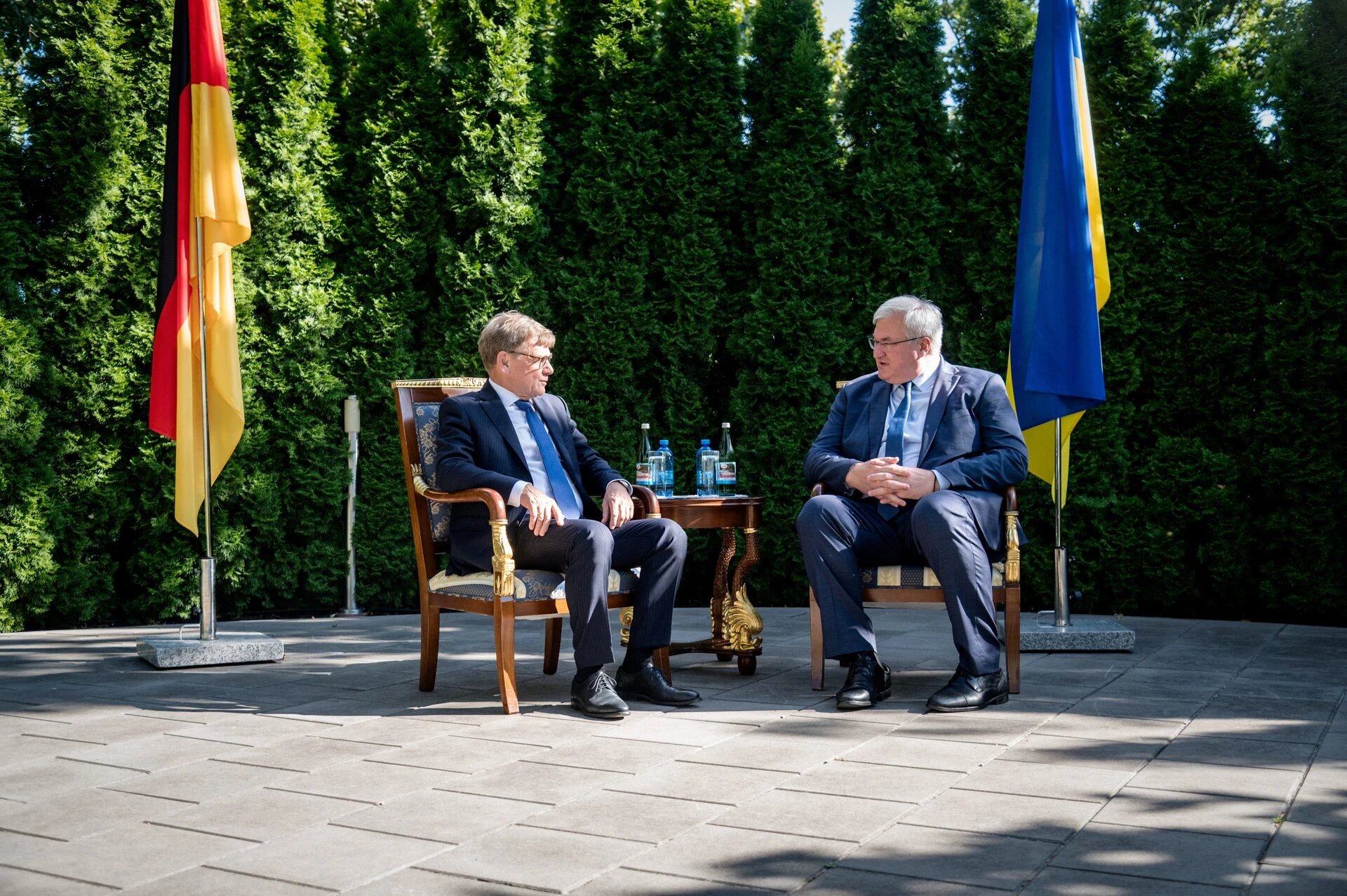
Four decades later, Chornobyl is no longer only a place of the past. At memorial events, Ukrainian officials, foreign guests and international representatives spoke not only about the dead and the liquidators, but also about the new threats that Russia’s war has brought to nuclear sites.
According to Daycom’s earlier analysis, the meaning of this anniversary lies in the changed scale of memory. Chornobyl is no longer only a lesson about Soviet lies, technical arrogance and the cost of concealing the truth. It is now also a warning that war can return the world to old nuclear fears.

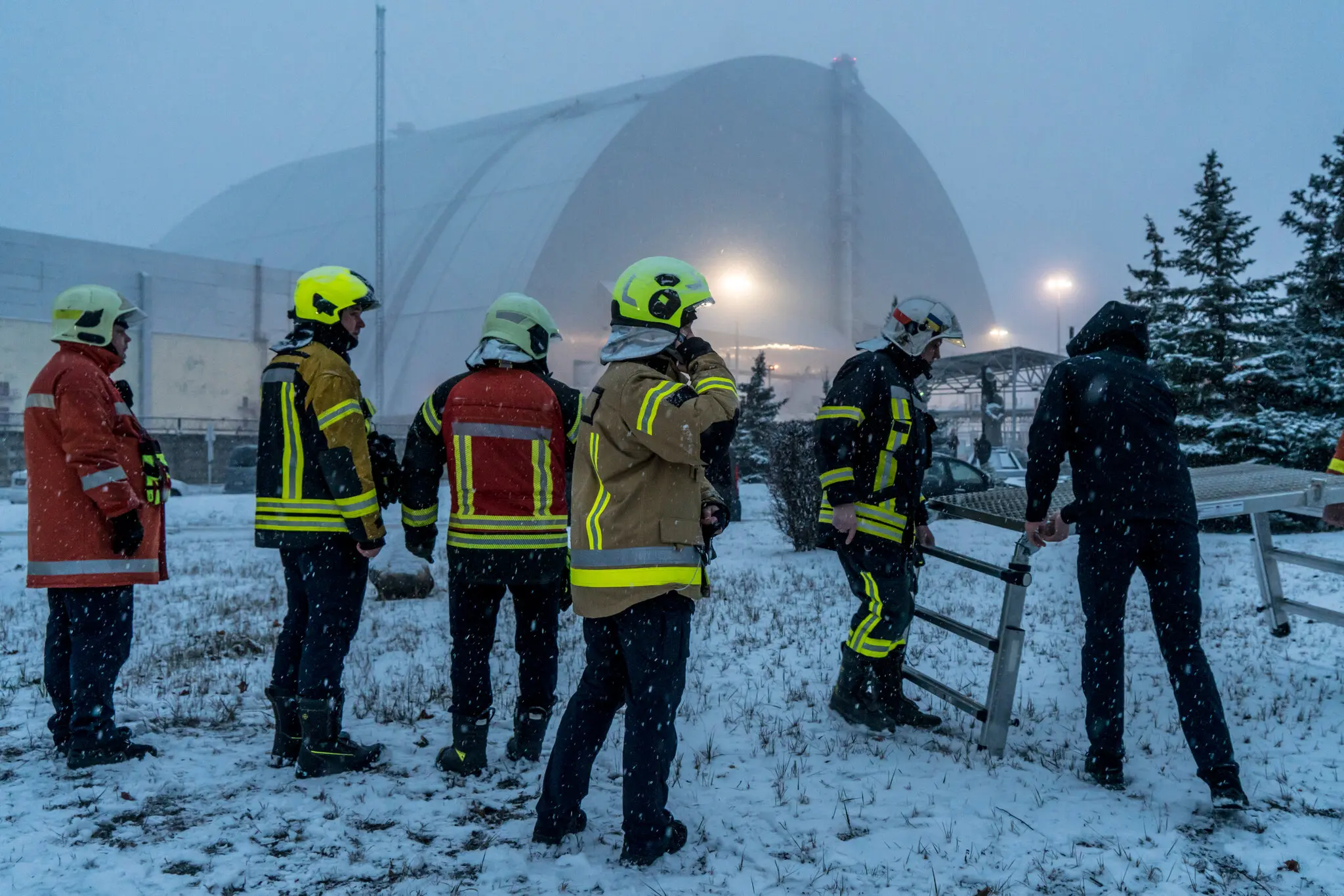
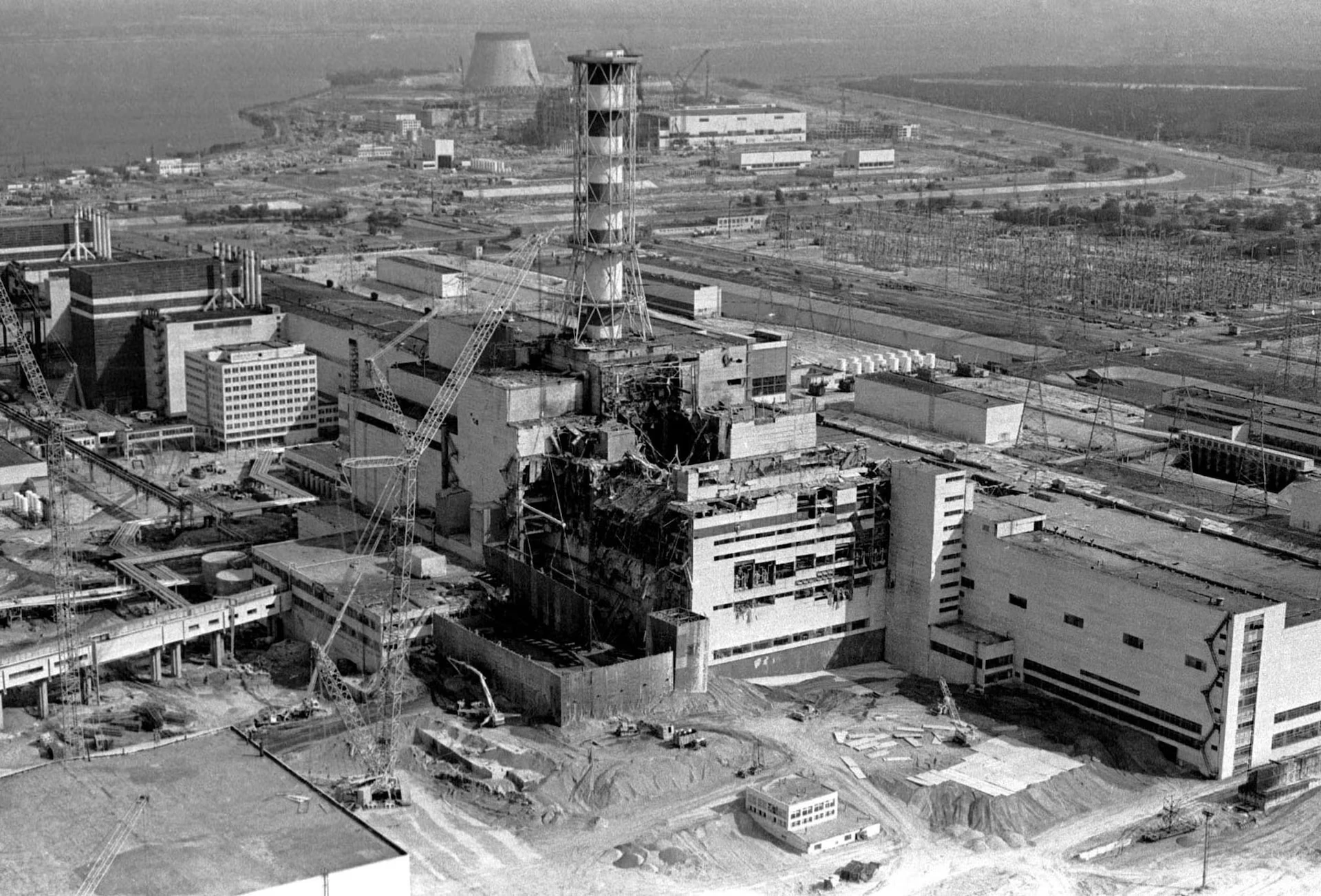
The sharpest symbol of that new danger is the damaged New Safe Confinement over reactor four. In February 2025, a Russian drone pierced the protective arch built as a long-term barrier over the destroyed reactor. No critical leak was detected, but the structure lost part of its protective function.
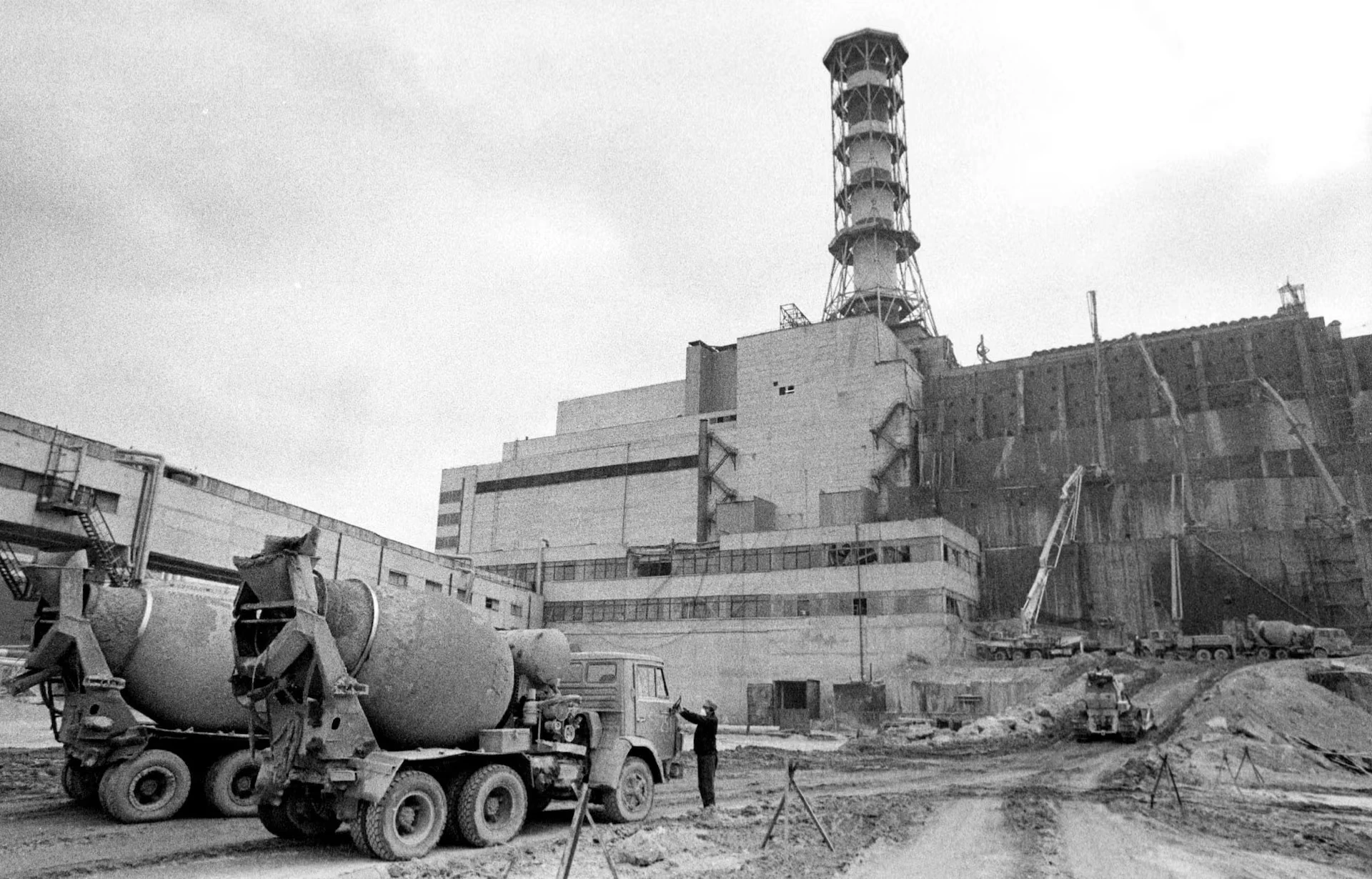
This is not a minor technical problem. The confinement was designed to isolate the remains of the reactor, protect the old sarcophagus and make possible the eventual dismantling of hazardous structures. After the strike, Ukrainian engineers began temporary repairs, but full restoration requires work on a much larger scale.
The cost of those repairs is estimated at hundreds of millions of euros. That is not only the price of steel, sealing and engineering. It is the price of preventing Chornobyl from turning from a monument to a past catastrophe into an open problem for the future.
The fact that, 40 years after the accident, the world is again forced to raise resources for the safety of Chornobyl shows the long life of its consequences. The catastrophe did not end with the shutdown of a reactor, an evacuation or the construction of a sarcophagus. It continues as an engineering, medical, ecological and political obligation.
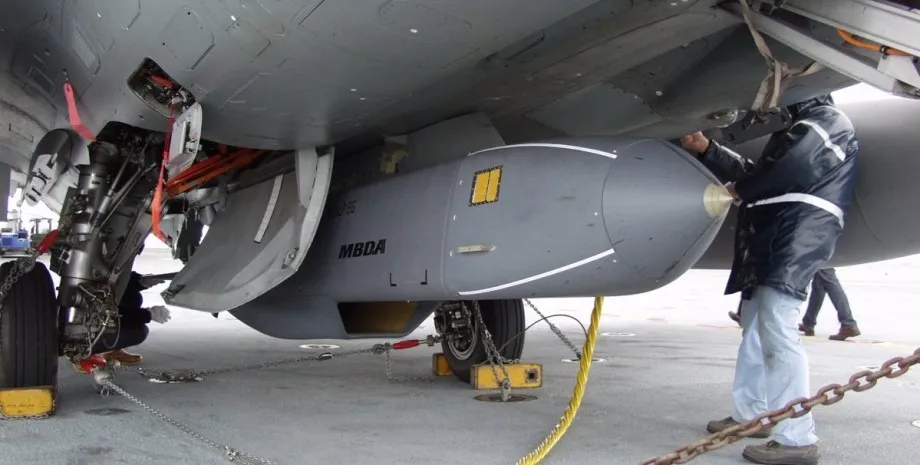
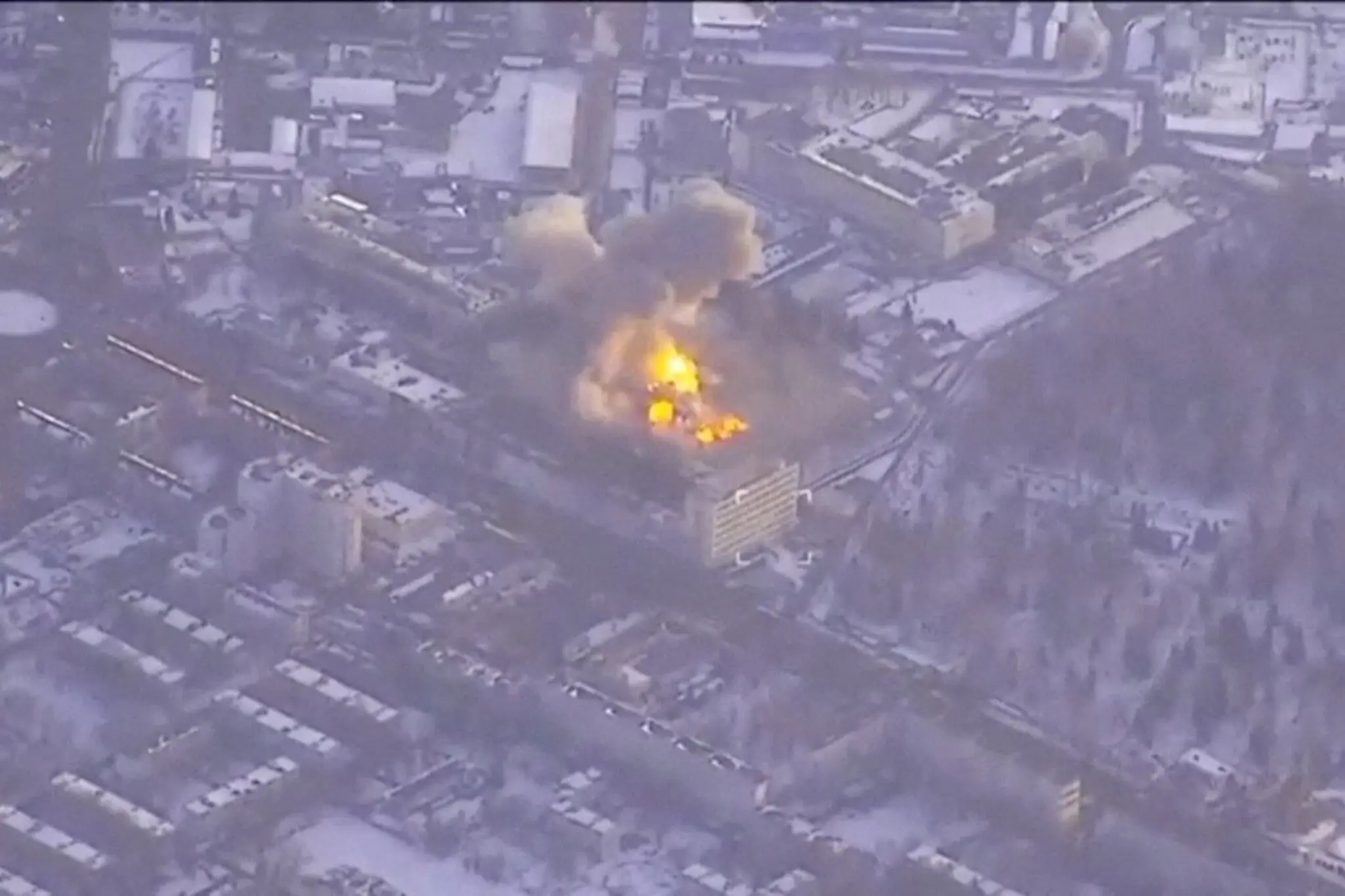
War has added a new threat to that obligation. Russian missiles and drones have repeatedly passed dangerously close to nuclear facilities. In peacetime, even one such episode would be treated as an emergency. In wartime, it risks becoming part of a grim routine.
An even more dangerous situation persists at the Zaporizhzhia nuclear power plant. Europe’s largest nuclear facility has been under Russian occupation since March 2022. Its reactors are shut down, but the plant still requires stable external power for cooling and safety systems. Every loss of power pushes it closer to scenarios that nuclear energy must never normalize.
Another disruption at the plant became the 15th temporary blackout since the beginning of the occupation. Even short switches to emergency modes increase risk, because a nuclear facility cannot function according to the logic of battlefield improvisation. It needs procedure, stability and responsible management, not military control.
This is especially important for Ukraine, where nuclear energy has become the backbone of the power system under Russian attacks. After strikes on thermal power plants, substations and grids, nuclear units provide a crucial share of electricity generation. The risk around nuclear plants is therefore not only environmental, but strategic.
Today, the Chornobyl exclusion zone looks almost paradoxical. Where people were forced to leave, nature has returned: moose, wild horses, trees growing through abandoned roads and the silence of Pripyat, broken only by patrols and station workers. But that silence is deceptive. Beneath it lie tons of radioactive material and the memory of a mistake that cannot be erased.
The Soviet authorities tried to hide the scale of the accident, delayed the truth and left liquidators alone with consequences that were later often denied. Ukraine now speaks about Chornobyl in the opposite language: as an open wound that must not be silenced, because silence in nuclear matters is itself a danger.
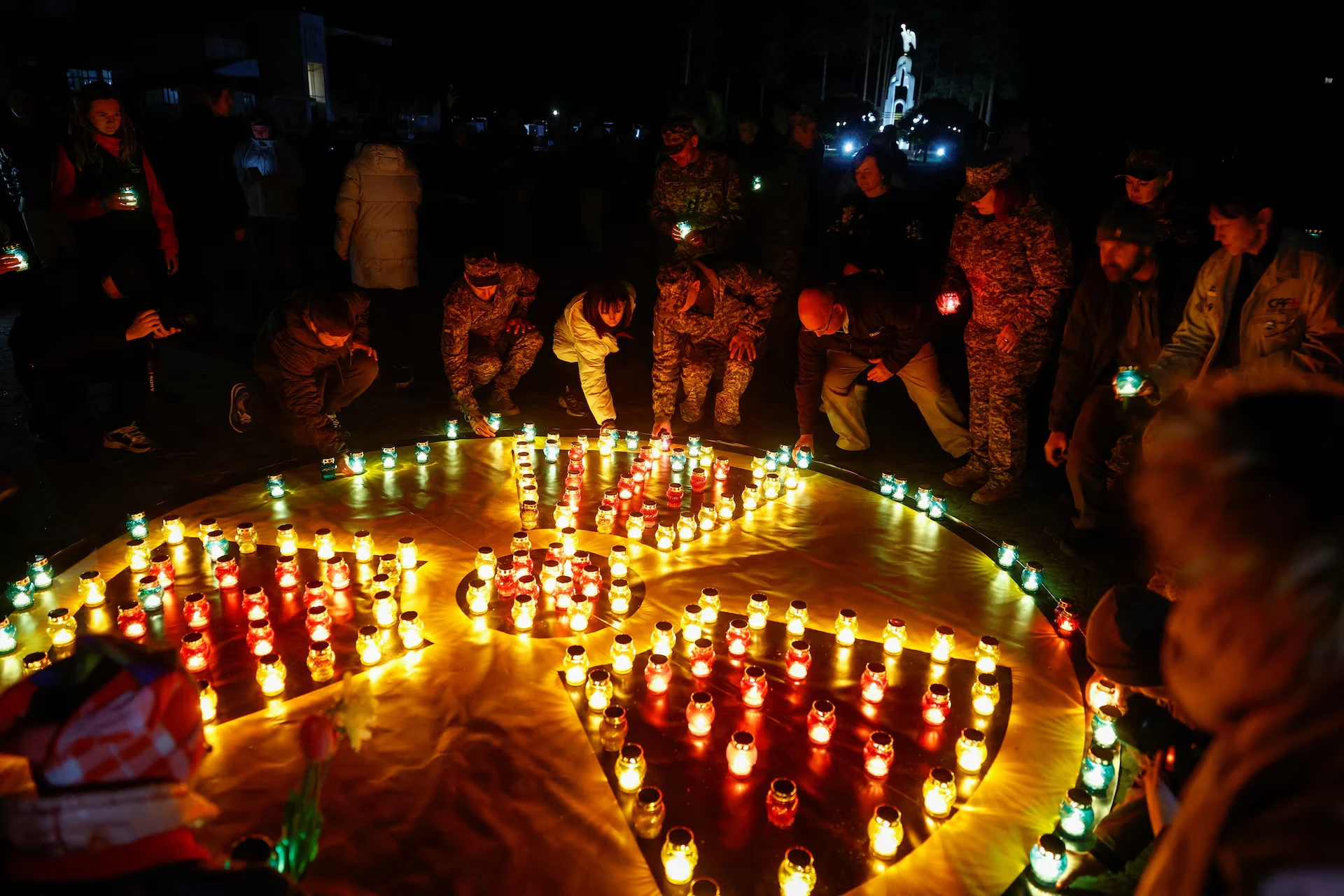
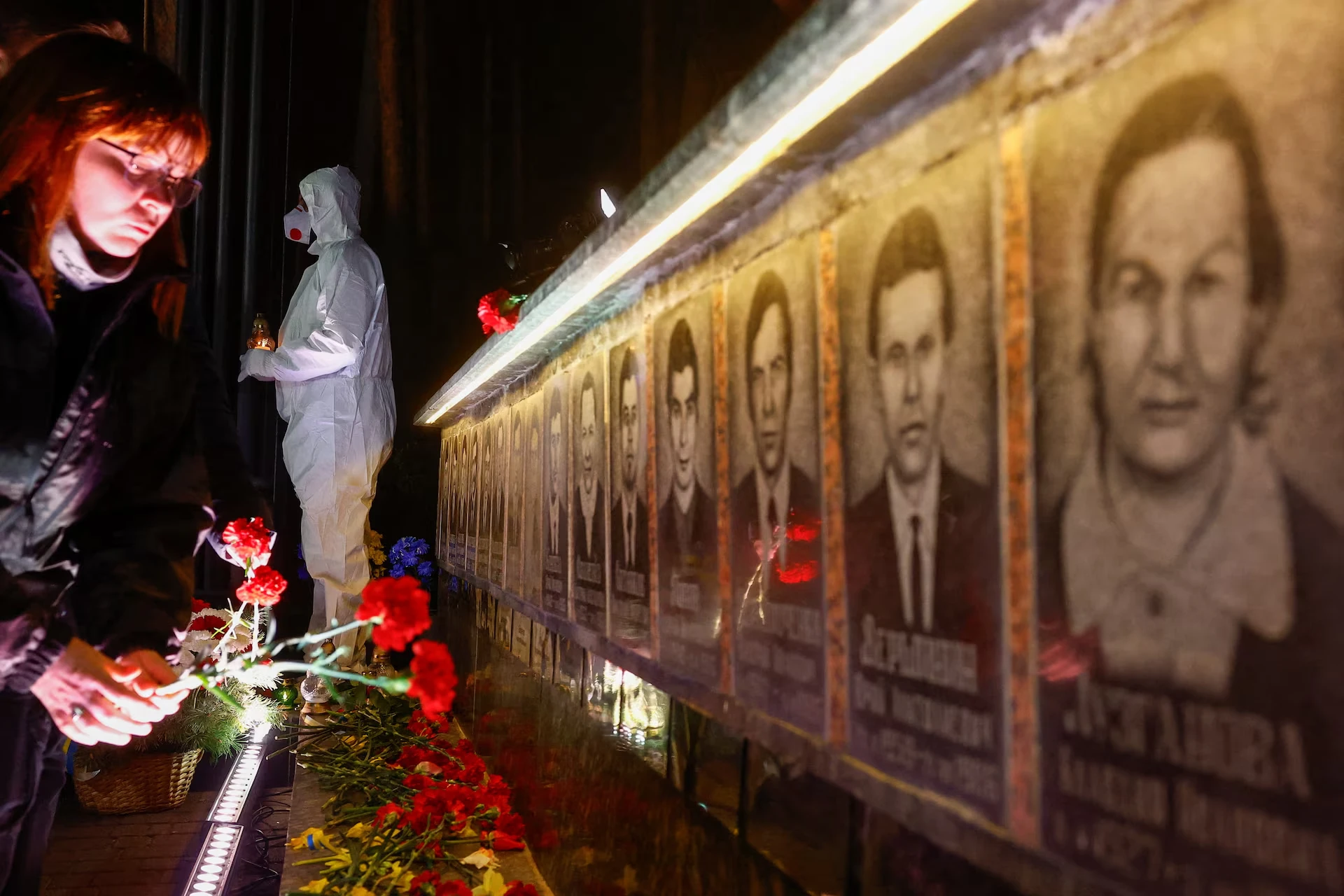
That is why this anniversary carried not only mourning, but political meaning. The world was reminded that nuclear safety cannot be a local issue. Radiation does not stop at borders, and war near nuclear sites is not the internal matter of one state. It is a risk for Europe, for global energy security and for the international system of control.
Chornobyl once proved how costly the combination of technology, irresponsibility and state secrecy can be. The Zaporizhzhia plant now shows another dimension of the same threat: when nuclear infrastructure becomes a hostage of war, even a shut-down reactor does not mean safety.
On the 40th anniversary, Ukraine remembered not only the dead and the liquidators. It also spoke about the workers who still keep nuclear facilities functioning, the engineers repairing the damaged confinement, the energy crews restoring grids after strikes and the cities for which light has become a daily proof of resilience.
The Chornobyl disaster taught the world that a technological catastrophe does not end as a date in a textbook. It lives in human bodies, contaminated land, abandoned homes, safety budgets, international funds and every new generation of specialists forced to manage the consequences of someone else’s failure.
Forty years later, Chornobyl again sounds like a warning. But now it is addressed not only to engineers and officials. It is addressed to politicians, armies and societies that must understand one thing: nuclear infrastructure cannot be a battlefield. In nuclear safety, there is no local defeat. There is only shared risk, beginning in one place and potentially ending far beyond it.
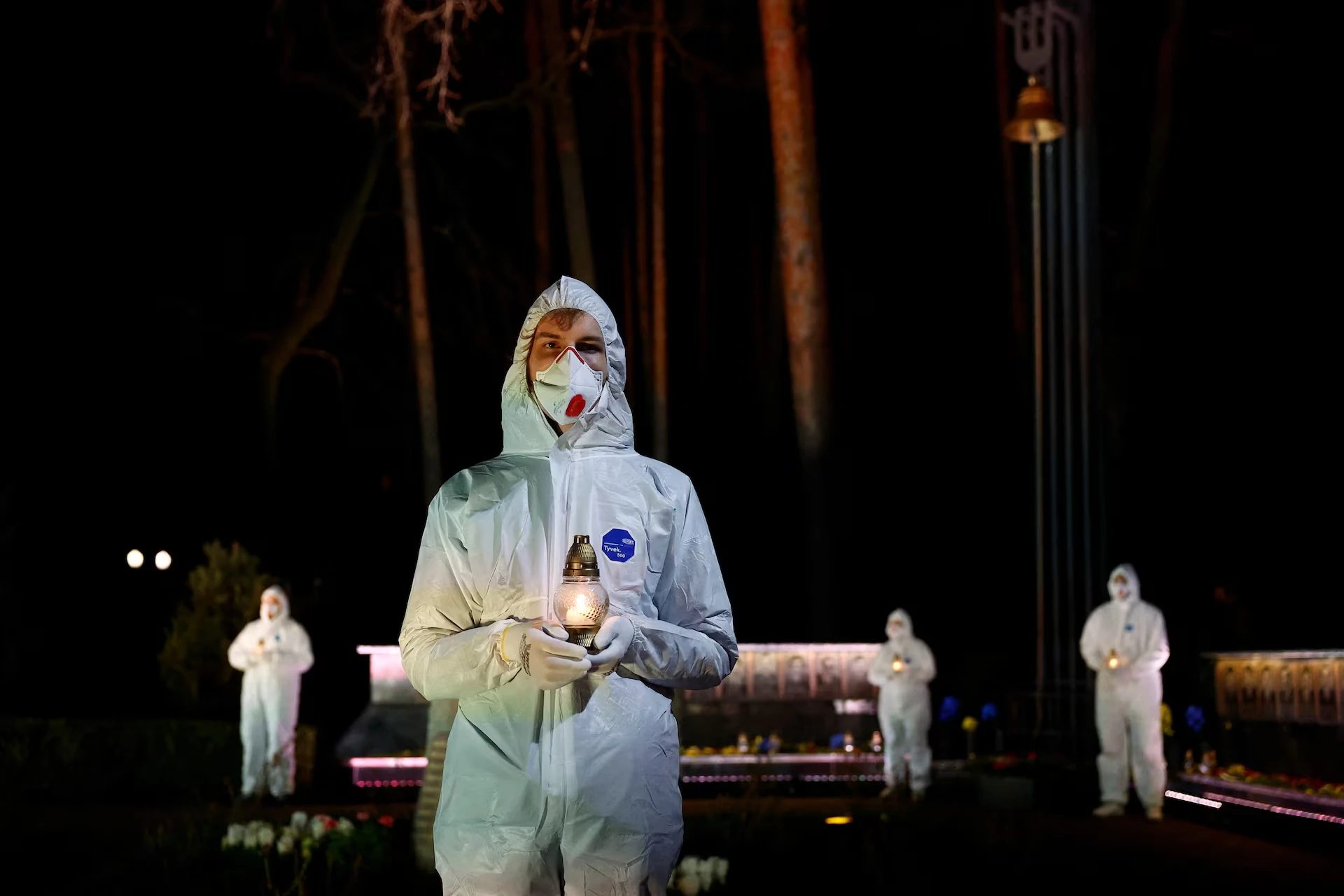
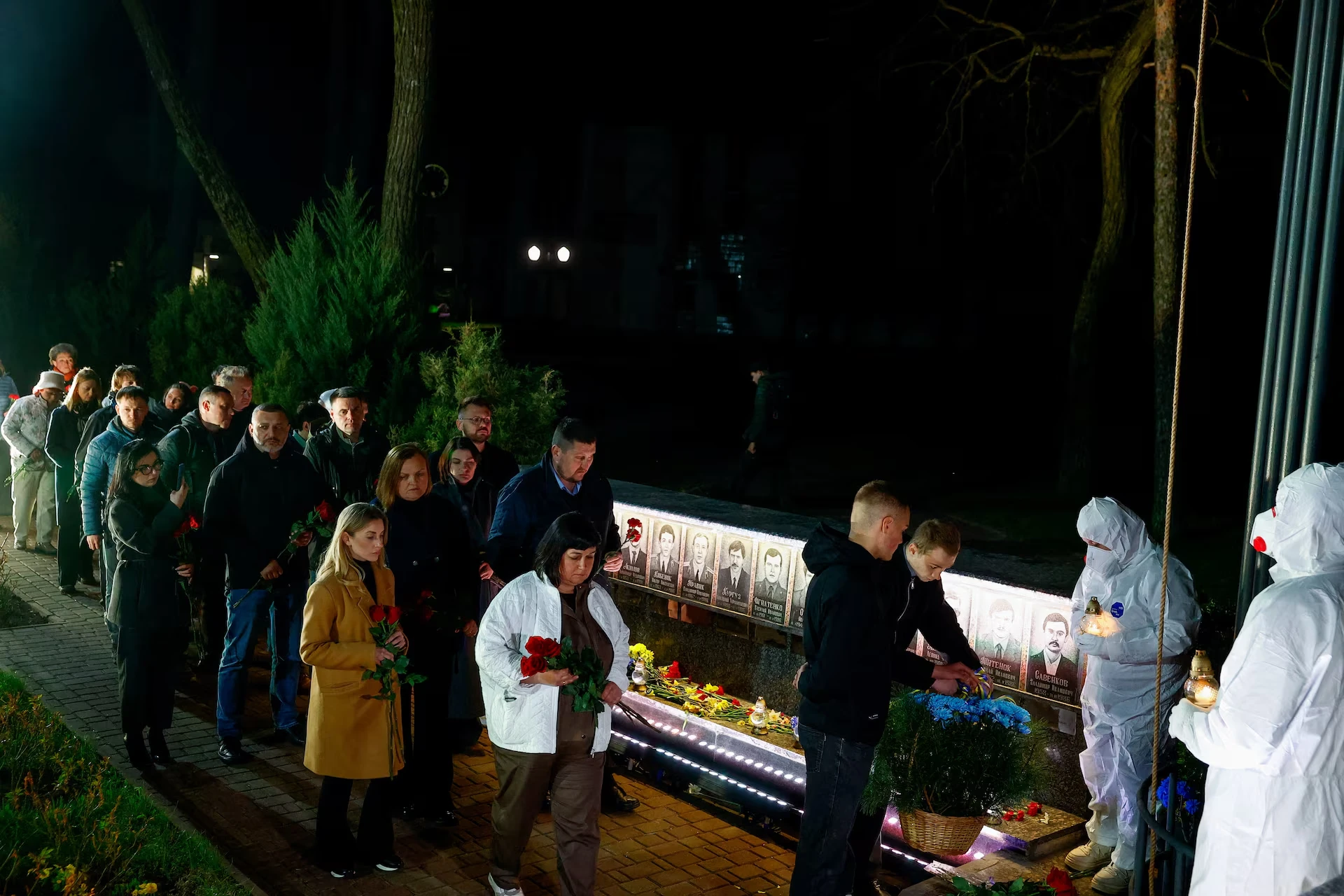
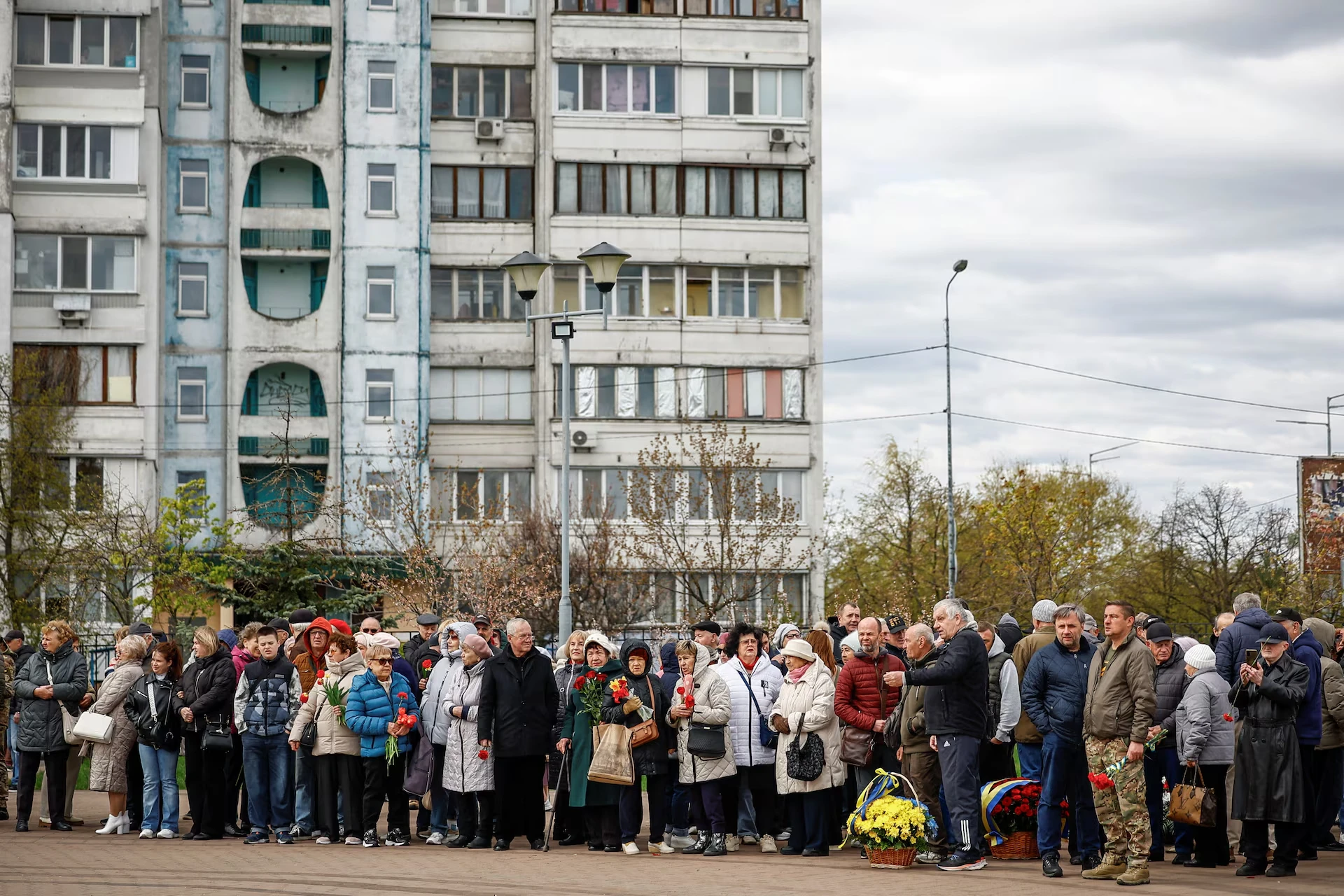 Люди прийшли вшанувати пам'ять пожежників та робітників, які загинули внаслідок вибуху реактора на Чорнобильській атомній електростанції, на церемонії вшанування 40-ї річниці катастрофи, у Києві, Україна, 24 квітня 2026 року — Аліна Смутко