






















The Strait of Hormuz has once again ceased to be merely a route between the Persian Gulf and the open sea. In the span of a single day, it moved from cautious hopes of a partial return to commercial shipping to a new phase of fear, as vessels began turning around and the corridor fell back under hard political and military control.
Iran said it was returning the strait to its “previous state” and restoring strict oversight, framing the move as a response to the continuing American blockade of Iranian ports. For the market, the meaning was immediate and blunt: even the brief window in which carriers could imagine a limited recovery of transit closed almost as soon as it appeared.
That is why the current situation is more dangerous than just another episode of escalation. On Friday and into early Saturday, 19 ships still passed through the strait — not many, but enough to suggest a fragile signal of possible easing. Within hours, however, that signal was overtaken by fresh attacks on commercial vessels and a new wave of reversals.
According to Daycom’s earlier analysis, the most dangerous effect of crises like this lies not only in the physical threat to ships, but in the destruction of predictability itself. For a tanker, a container ship or an insurer, there is only one thing worse than an outright ban: a regime in which transit is technically possible, but any voyage can suddenly become an incident with no clear outcome.
The two Saturday episodes made that reality unmistakable. In one case, a tanker came under fire without radio warning. In another, a container ship was struck by an unknown projectile that damaged part of its cargo. After that, some vessels changed course, while major operators moved back toward a waiting posture in which crew safety outweighed delivery schedules.
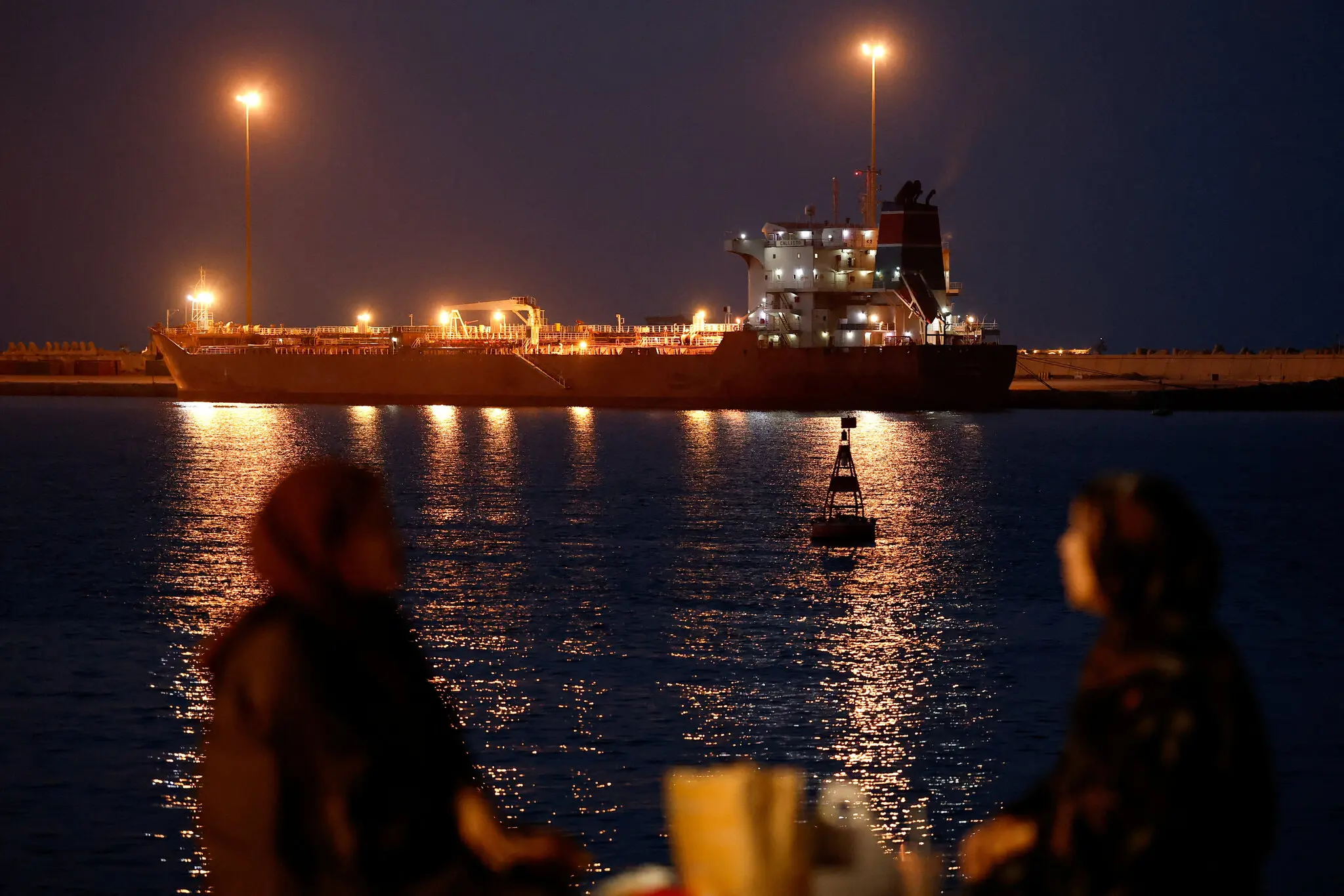
India’s response was especially revealing. New Delhi summoned Iran’s ambassador and expressed deep concern over attacks involving two Indian-flagged ships. That matters not only diplomatically. India is one of the Asian powers for which the stability of Hormuz is not an abstract geopolitical issue, but a core part of energy security, oil imports and the reliability of maritime transport.
An even stronger signal came from the shipping market itself. Maersk said its vessels would not pass through the strait until it was safe to do so. This is not just corporate caution. When one of the world’s largest logistics players publicly steps away from a route, the risk has already moved beyond military analysis and become a commercial fact: more expensive insurance, longer delivery chains, delays, emergency surcharges and the prospect of higher freight costs.
The Strait of Hormuz matters not because it is narrow or famous, but because it carries a critical share of the global energy flow. Any instability there hits oil markets, freight rates, chemical logistics and shipping between Asia, the Middle East and Europe almost immediately. That is why even a handful of attacks and a few course reversals can produce an effect far greater than the number of incidents suggests.
The current crisis also shows that this is no longer just a one-off flare-up. International maritime bodies had already confirmed more than twenty incidents in the region by early April and at least ten dead seafarers. They also warned that tens of thousands of civilian sailors remain exposed in a zone where global supply chains have effectively become hostages to coercive power politics.
At this point, one fact becomes central: Iran is using the strait not only as a maritime space, but as leverage. The return to “strict control” is not simply a military gesture. It is an attempt to impose a cost on the American blockade and to remind Washington that sanctions, pressure and maritime isolation will be answered not only in diplomatic language, but in one of the key arteries of world trade.
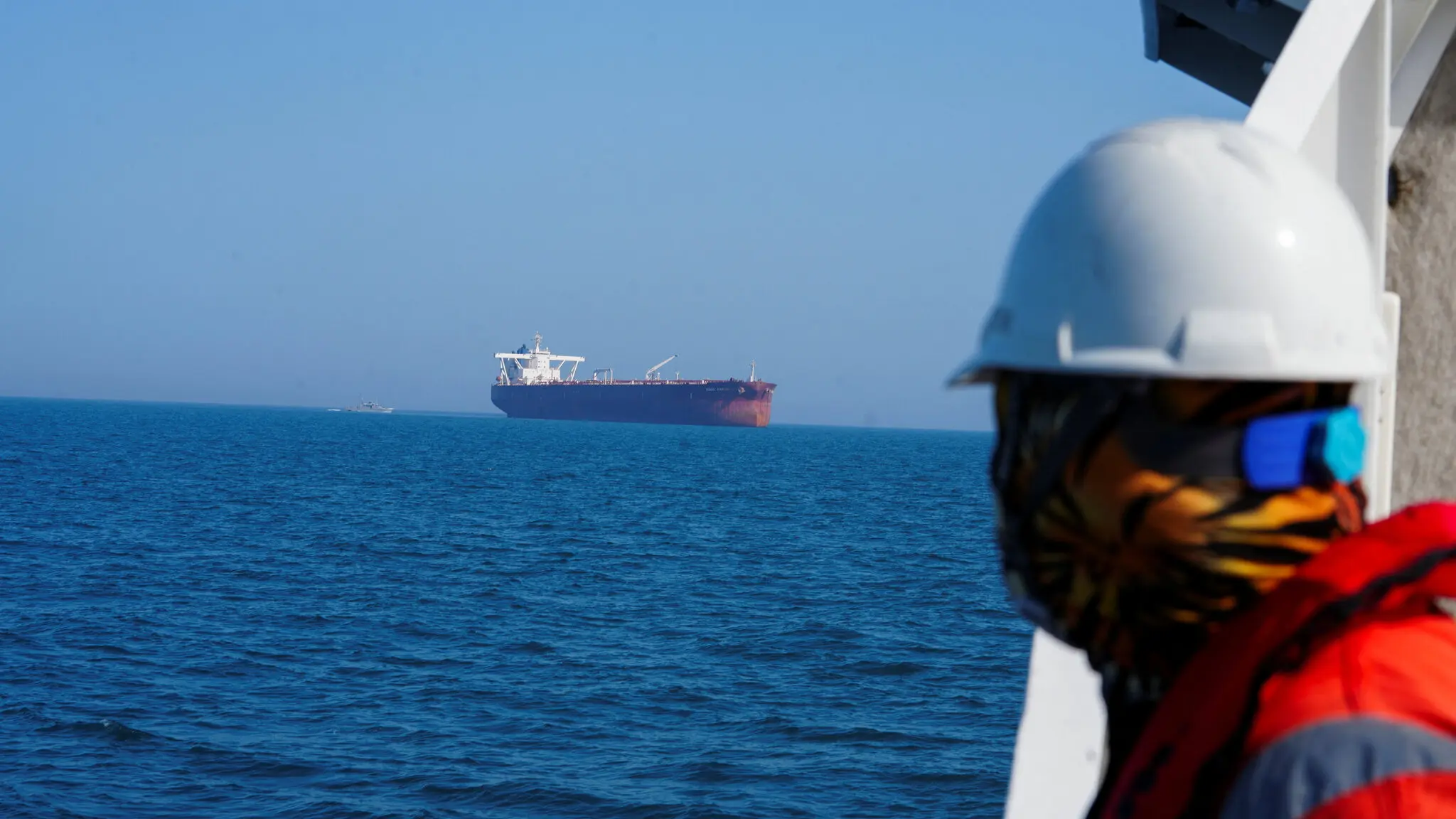
And yet this is precisely where the deepest paradox emerges. The more aggressively the strait is turned into an instrument of coercion, the weaker trust becomes in any short-lived reopening or temporary easing. For shipping companies, traders and insurers, what matters is not a formal announcement that passage is allowed, but the stability of the regime itself. If the corridor is opened one day and ships are fired upon the next, the market will choose retreat over courage.
That is why several course reversals matter more than they seem to at first glance. Every ship that turns back is not merely one captain changing route. It is a signal to the entire system that the strait is no longer predictable. And once predictability disappears, so does the willingness of major operators to return tankers, container ships and insurance coverage on normal terms.
The coming days will therefore be decisive not so much for political rhetoric as for the actual practice of transit. If ships continue to avoid Hormuz, and attacks or forced turn-backs continue, the world will face not a short-lived burst of anxiety, but a new phase of transport disruption. For oil markets, that means renewed pressure on prices. For maritime logistics, higher costs. For energy importers, another wave of uncertainty. For diplomacy, a narrower space for maneuver.
In the end, Saturday’s events in the Strait of Hormuz are not simply a story about two attacked ships. They are a demonstration of how quickly a fragile maritime pause can turn into a new geoeconomic threat. When tankers sit at anchor, container ships reverse course and major carriers suspend passage, it becomes clear that the issue is no longer the safety of a single voyage. It is about who controls one of the central arteries of global trade — and on what terms.