
























Armin Papperger’s remarks about Ukrainian drone production landed in Kyiv as something much more serious than a careless interview line. In comments reported by the Associated Press, the Rheinmetall chief compared Ukraine’s drone work to “playing with Lego,” said parts were being made by “Ukrainian housewives” with kitchen 3D printers, and dismissed that ecosystem as “not innovation.”
That wording hit a nerve because drones are no longer a side story in Ukraine’s war. AP notes that President Volodymyr Zelenskyy reacted immediately, calling the remarks “strange” and replying that if every Ukrainian housewife can really produce drones, then every Ukrainian housewife could also be the CEO of Rheinmetall. The hashtag #MadeByHousewives quickly became a backlash slogan online, and senior Ukrainian officials joined in to defend the sector.
At one level, this was a messaging disaster. At another, it exposed something much larger: a collision between two military-industrial cultures. One still thinks in terms of long procurement cycles, armored platforms, artillery lines and large factories. The other thinks in terms of cheap FPV systems, rapid iteration, distributed manufacturing, battlefield feedback loops and design changes that happen in days rather than in fiscal years. Papperger appeared to treat that second culture as amateurism. Ukraine heard it as proof that parts of Europe’s legacy arms industry still do not fully understand the war now being fought on its own continent.
In Daycom’s assessment, that is the real significance of the controversy. Papperger did not simply insult Ukrainian women or mock volunteer ingenuity. He downplayed the most consequential military adaptation Ukraine has produced since 2022: the ability to compress the distance between frontline need, engineering response and usable output. In a war where cost, speed and adaptability often matter as much as pure mass, that is not a side innovation. It is one of the central reasons Ukraine has remained operationally resilient.
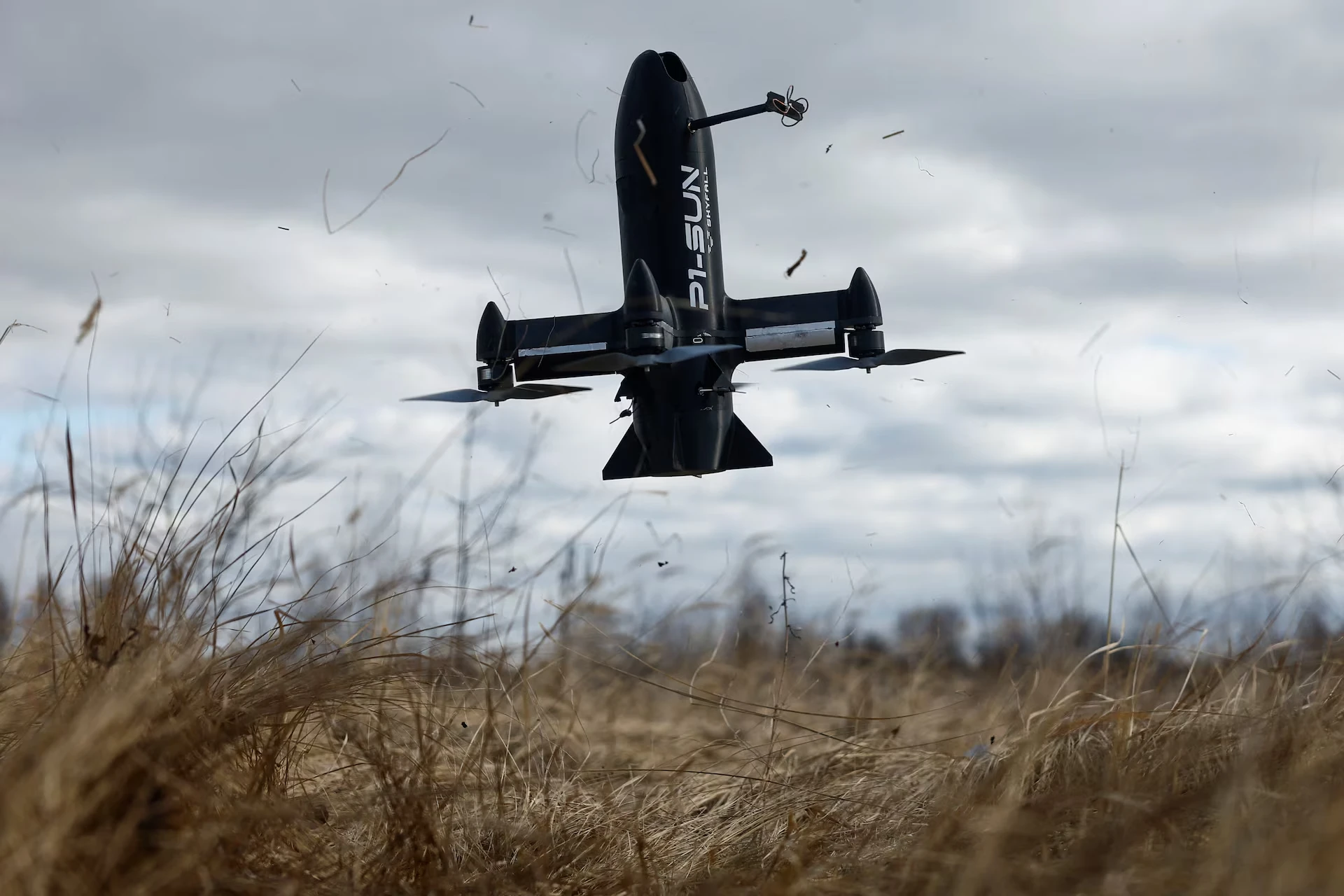
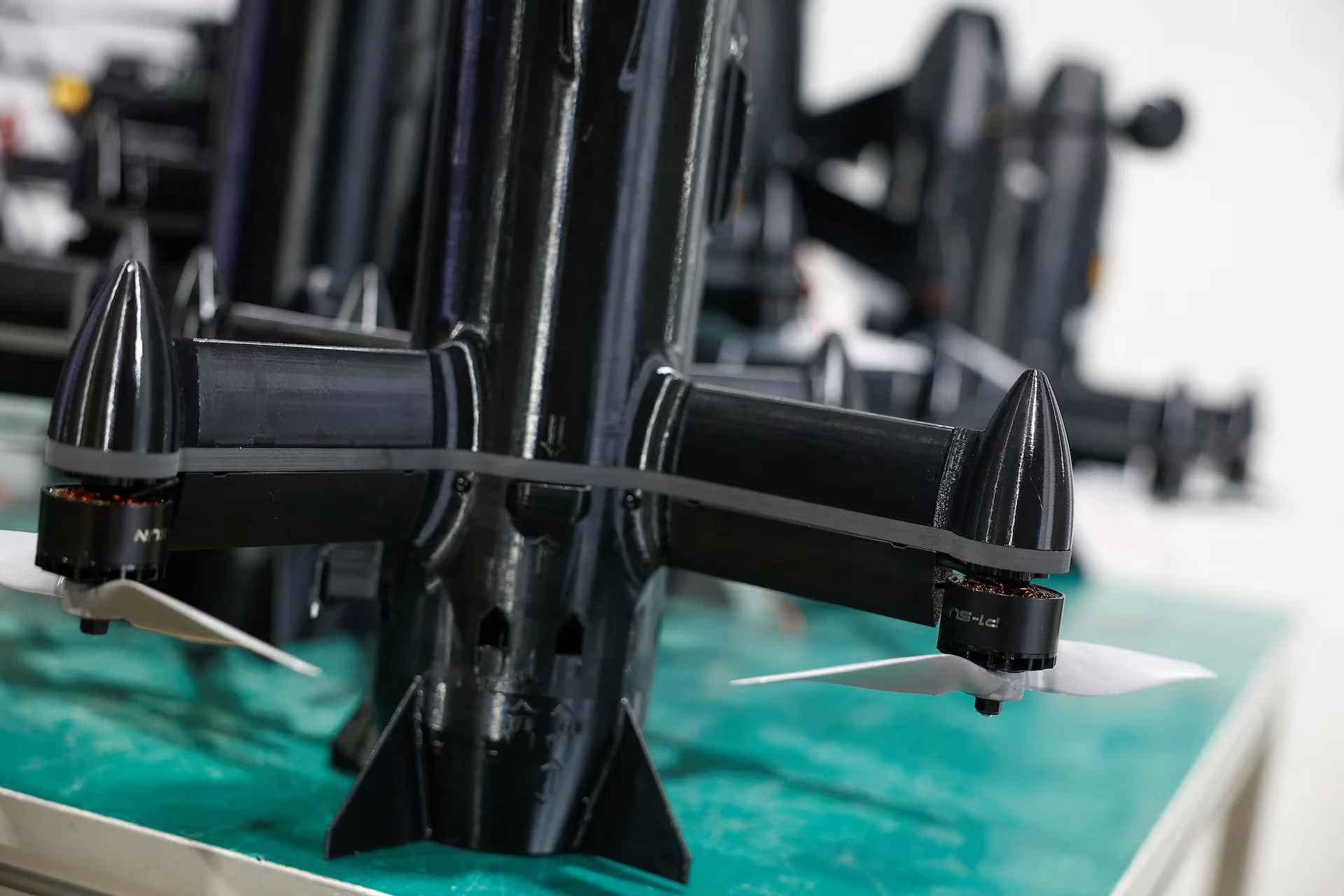
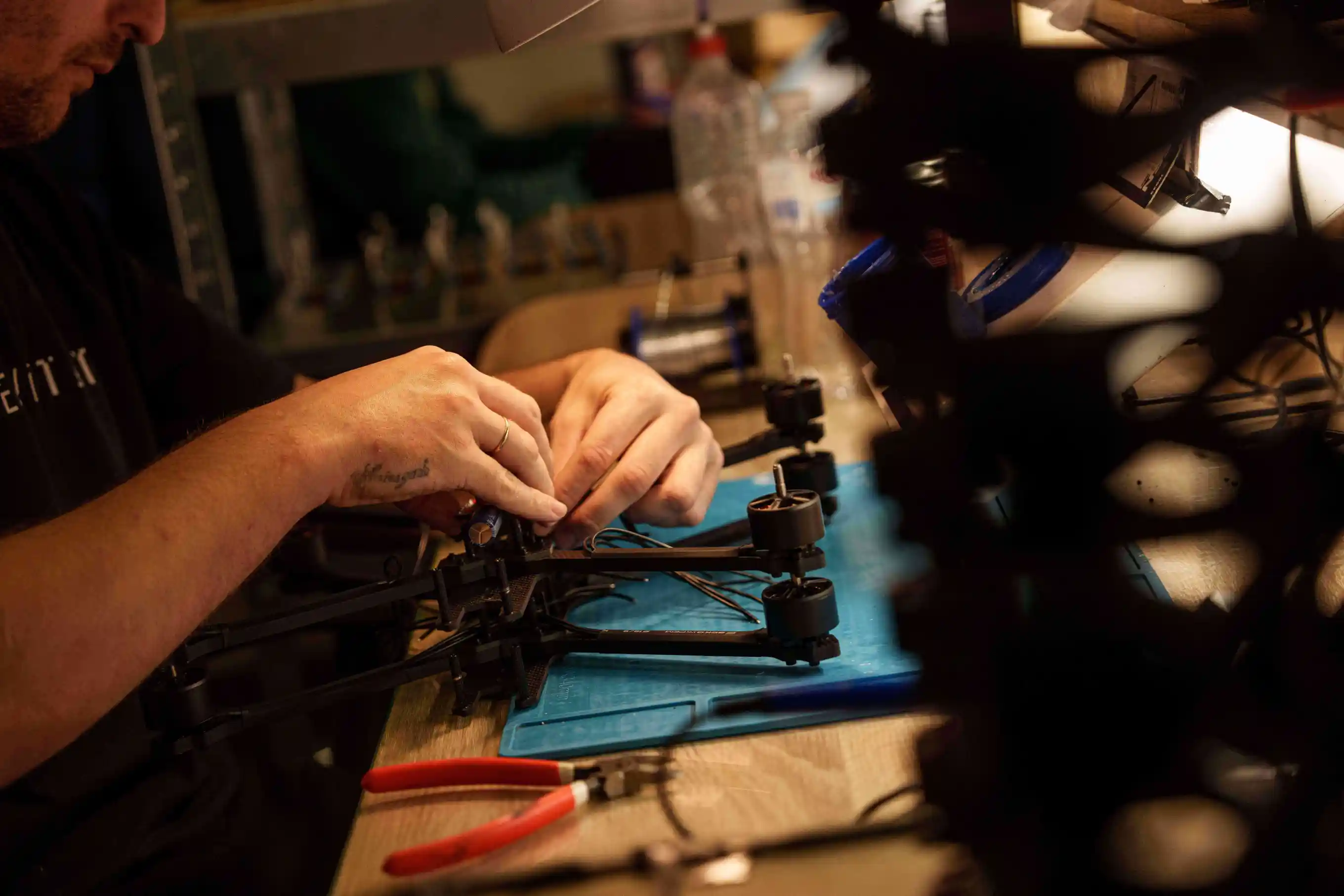
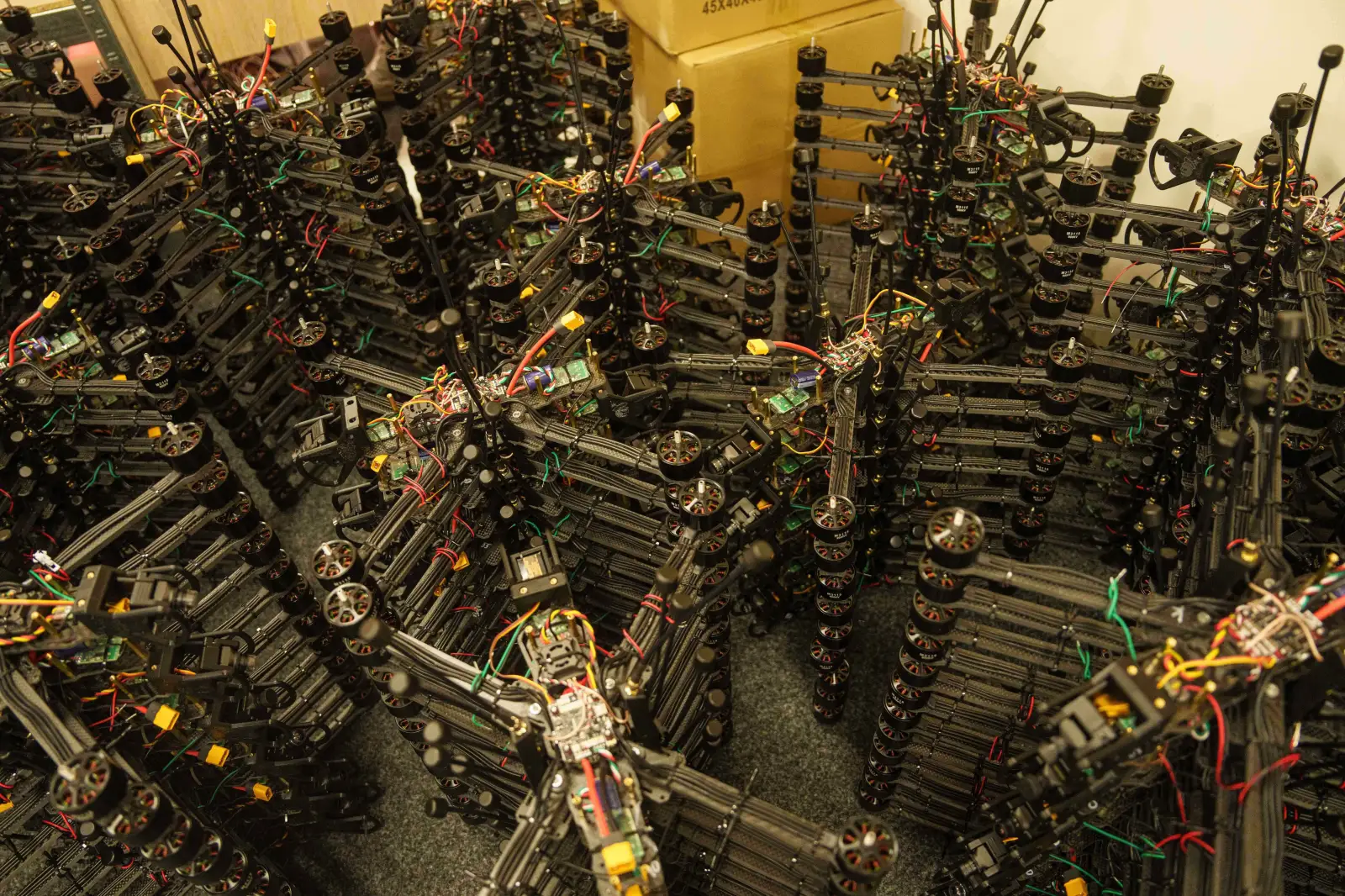
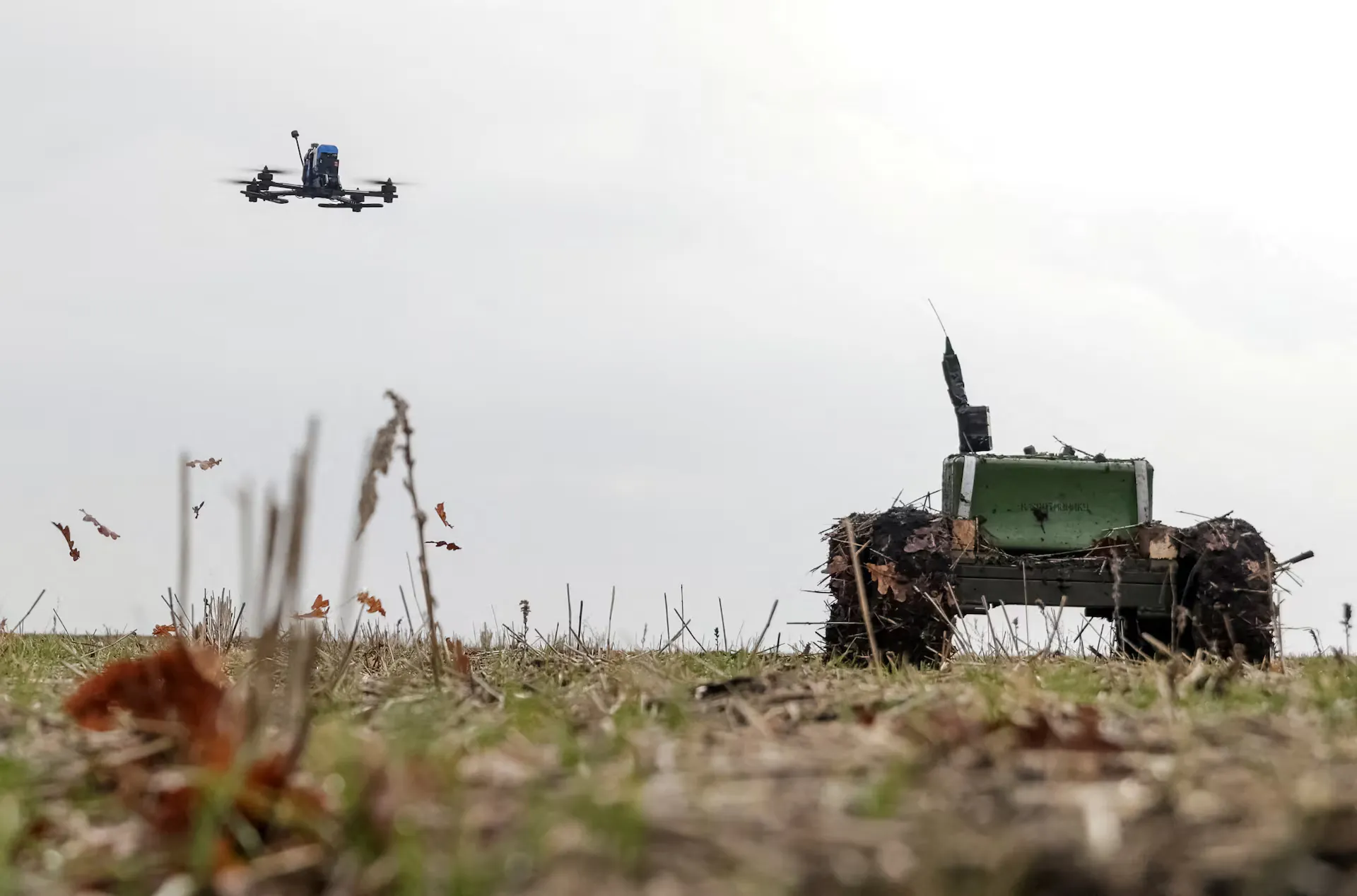
The irony is that Papperger was speaking about a system whose roughness is part of its strength. Ukraine’s drone sector did not emerge as a polished laboratory product of a giant defense bureaucracy. It grew out of urgency, improvised workshops, small-scale teams, volunteer networks and the direct pressure of battlefield survival. That is precisely why it has been able to evolve so quickly. Ukraine did not build an elegant peacetime drone industry first and then test it in war. It built a wartime drone ecosystem inside war.
That distinction matters because it changes the meaning of the word “innovation.” In the older industrial imagination, innovation often means higher-end engineering, proprietary systems and complex platforms produced at scale by large firms. In the Ukrainian case, innovation has often meant something less glamorous but more decisive: building what works, modifying it immediately when it fails, and doing so faster than the enemy can adapt. If a battlefield can force that kind of compression, then a kitchen 3D printer is not evidence of backwardness. It may be evidence that the production system has learned how to survive under pressure.
The controversy became even sharper because Rheinmetall is not some outside critic lobbing comments from a distance. On its own website, the company says Rheinmetall Ukrainian Defense Industry LLC has been operating in Kyiv since October 18, 2023, as a joint venture with Ukraine’s state-owned defense industry, with Rheinmetall holding 51% and UDI 49%. The company says the cooperation is intended to build joint defense-industrial capabilities in Ukraine and includes service, maintenance, assembly, production and development of military vehicles.

That makes the episode more awkward than a simple public-relations stumble. Rheinmetall wants to be seen as a long-term industrial partner in Ukraine, not merely a supplier from abroad. Yet its chief executive used a tone of condescension toward the very wartime ecosystem with which the company is now institutionally linked. For Kyiv, that does not look like a minor cultural misfire. It looks like evidence that some of the Western defense establishment still wants Ukrainian battlefield experience while remaining reluctant to treat it as intellectually equal.
To be fair, Papperger is not wrong about one thing: drones have not made tanks, artillery and large platforms irrelevant. Even the Ukrainian reading of this war does not support that conclusion. But the balance has changed. Cheap drones now alter the economics of armor, the survivability of gun lines and the assumptions that once favored large, expensive systems by default. A legacy manufacturer can continue to argue for heavy weapons and still be correct. What it cannot do anymore is pretend that mass drone warfare is somehow a primitive sideshow to “real” defense technology.
The “housewives” line was especially revealing for another reason. In trying to belittle the ecosystem, it accidentally named one of its truths. AP reports that Prime Minister Yulia Svyrydenko responded by stressing that Ukrainian women are an essential part of both Ukraine’s war effort and Europe’s security, and that they have entered fields once seen as male-dominated with discipline and determination. The backlash worked because Ukrainians flipped the frame: what Papperger presented as evidence of crudity, they turned into evidence of social depth, adaptability and wartime mobilization.
Rheinmetall later tried to contain the damage. AP reports that the company said it has “the utmost respect” for Ukrainians fighting Russia and called their innovative strength and fighting spirit an inspiration. That statement eased some of the immediate pressure, but it did not erase the original instinct behind the comment. The reputational problem was not simply that the company found the wrong words. It was that its first reflex was to talk down to a military ecosystem that the rest of Europe is increasingly trying to study.
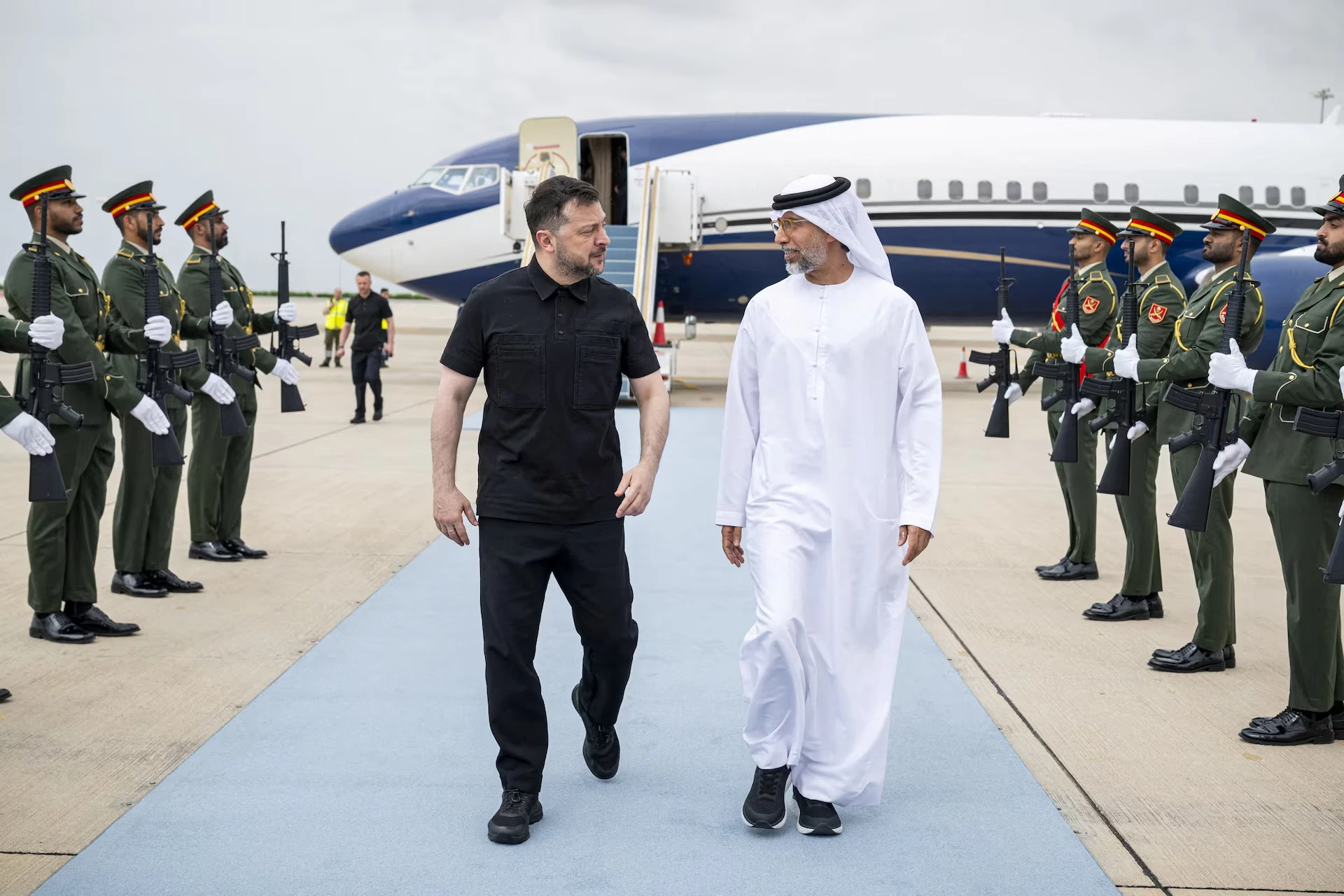
And that may be the most important lesson from the whole episode. Ukraine’s drone experience is no longer viewed internationally as a temporary improvisation by a country merely trying to stay alive. AP notes that Zelenskyy is already offering Ukraine’s advanced drone expertise abroad, including to Gulf states facing Iranian drone threats. That means Ukraine is no longer just a recipient of weapons or a testing ground for other people’s ideas. It has become a producer of a new wartime industrial logic—messier than the old model, less elegant, often built from the bottom up, but strategically effective in ways the old hierarchy is still struggling to admit.