














Kyiv marked its day of mourning not with silence, but with the sound of excavators, shovels and rescue radios. After the deadliest Russian strike on the capital this year, the city had not finished searching for the living and the dead. People could still be trapped beneath the rubble.
The death toll had risen to at least 30. Ninety-two people were wounded. Ten remained missing, and rescue operations continued at three locations. For Kyiv, this was no longer the morning after the strike, but a second day spent inside the disaster.
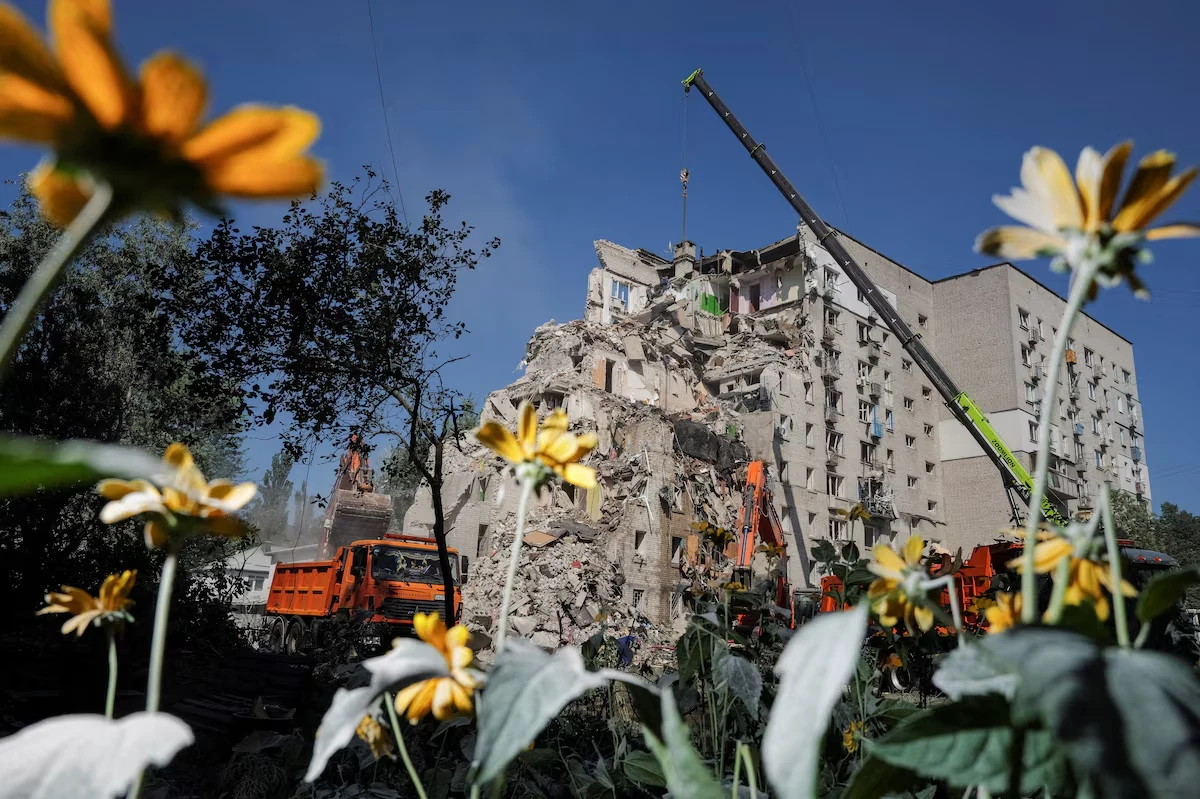
Flags were lowered across the capital. Near damaged buildings, people brought flowers, searched for belongings among debris, stared at shattered apartments and tried to understand what could still be saved from their lives. Rescuers kept working through the ruins.
According to Daycom’s earlier analysis, this attack became a turning point not only because of the scale of destruction, but because it connected several lines of the war at once: the strain on Ukraine’s air defenses, Russia’s reliance on civilian terror and Ukraine’s growing pressure on Russia’s rear.
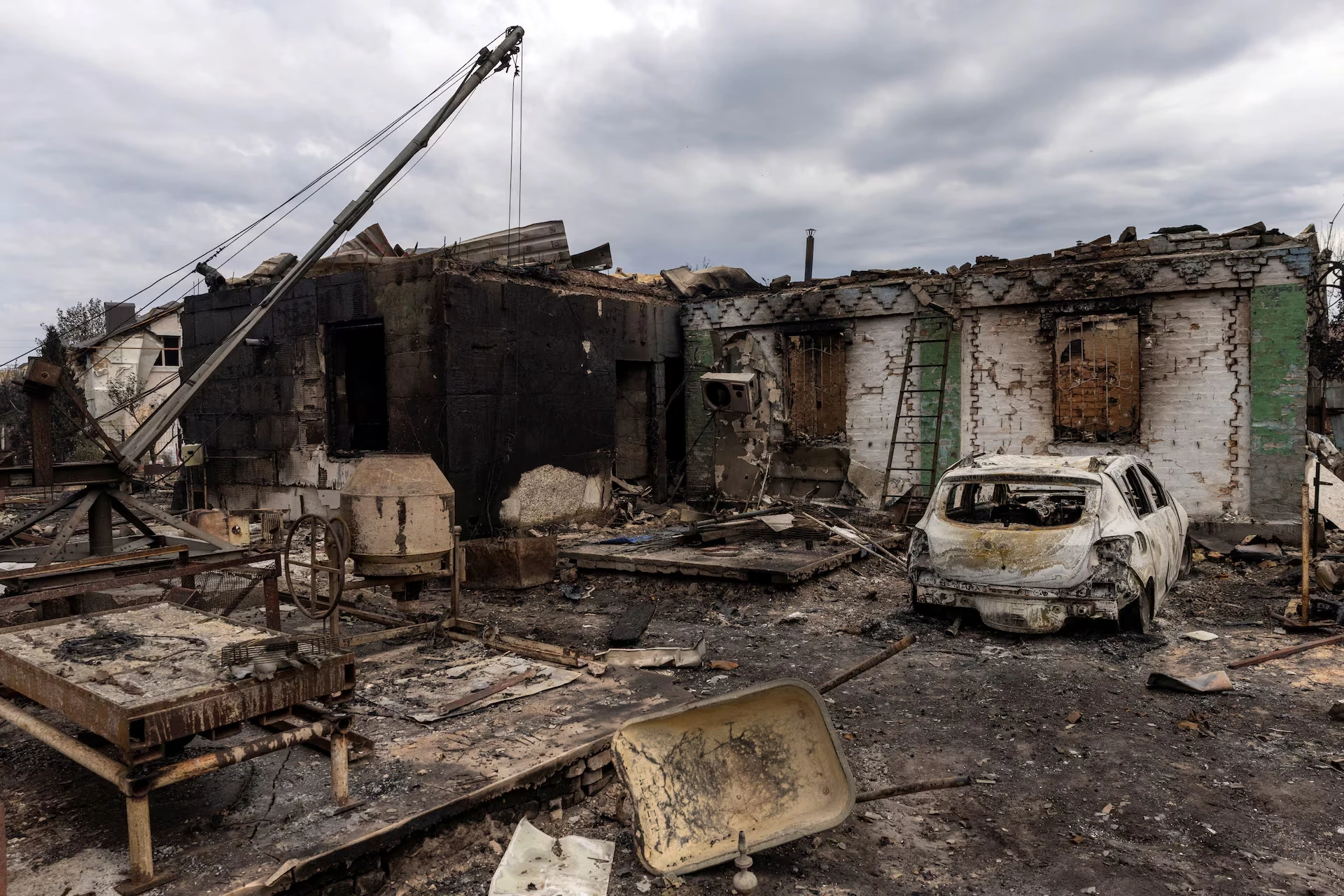
More than 100 residential buildings were damaged in Kyiv. That number does not convey the true scale of loss, because behind every address stands a separate life: a kitchen without windows, a child’s bed under dust, documents on a wet floor, a wall broken through during a rescue operation.
One resident, 65-year-old Zoia, said that during the strike she prayed for only one thing — to remain unharmed. Her apartment was damaged, but under such circumstances even that phrasing sounds almost restrained. In a city counting dozens of dead, survival becomes the first measure of loss.
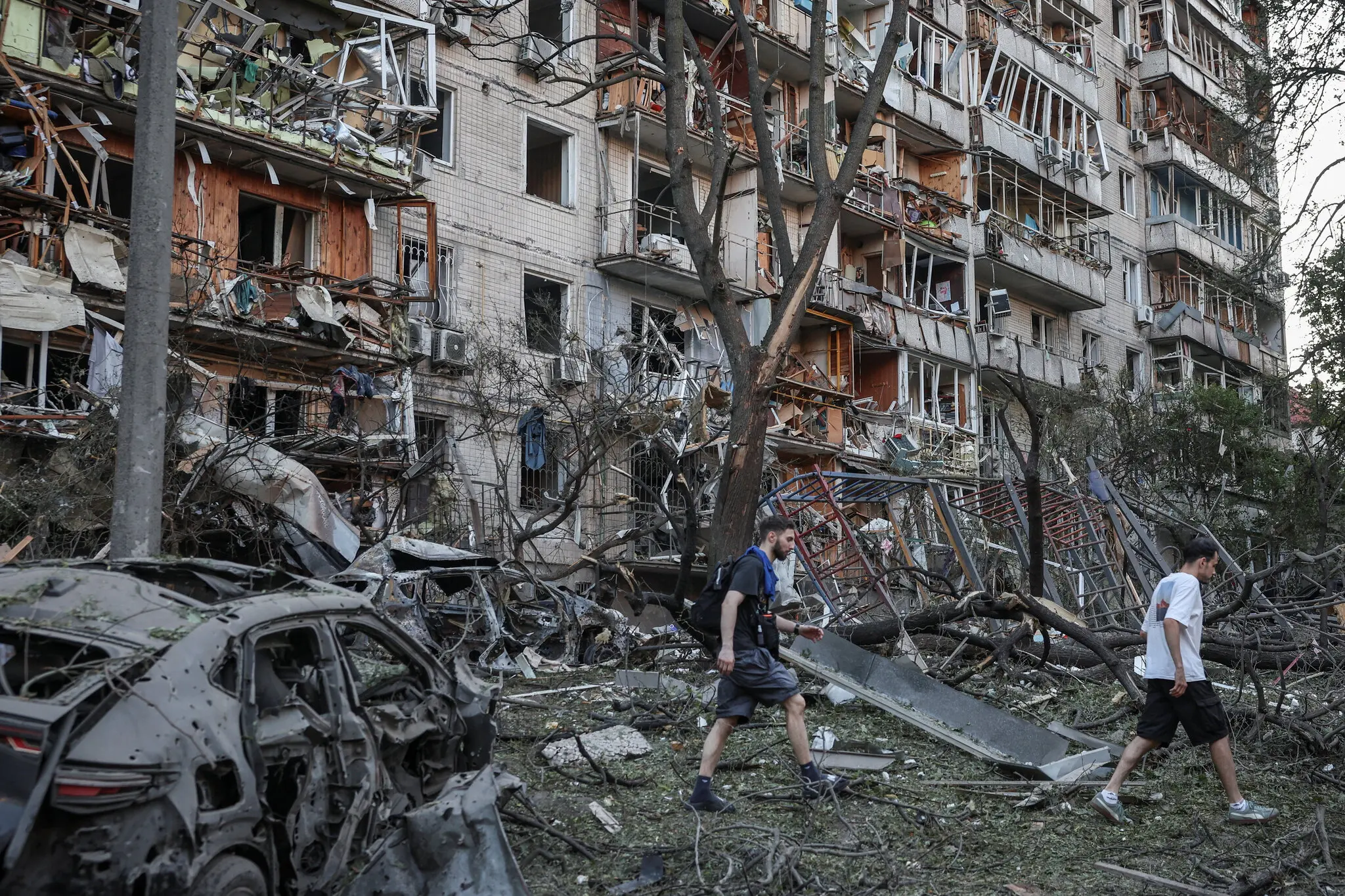 Місце російського обстрілу Києва у четвер — Аліна Смутко
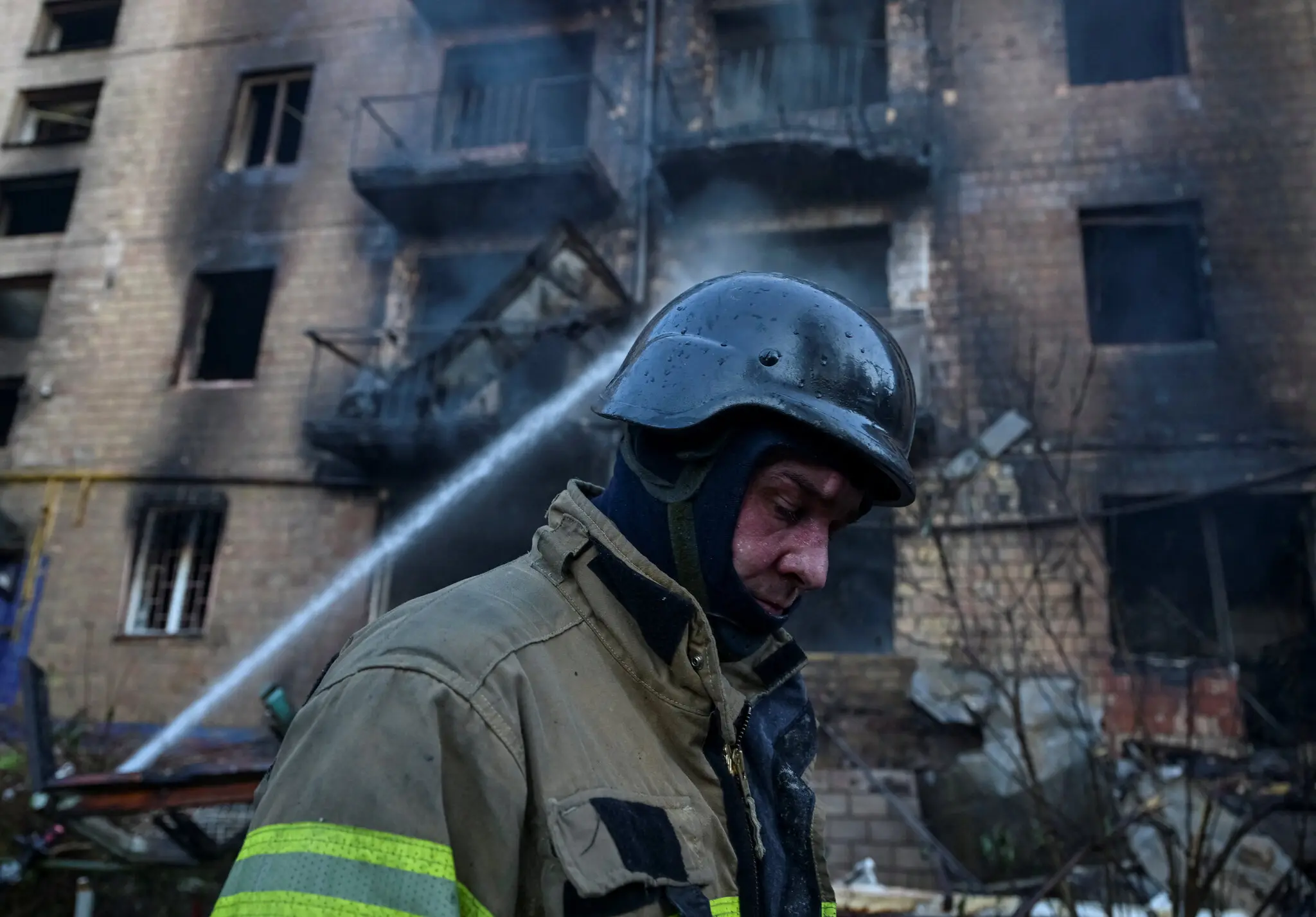 Пожежник проходить біля житлового будинку, пошкодженого внаслідок російських ракетних ударів та ударів безпілотника в Києві, Україна — В'ячеслав Ратинський
Another Kyiv resident, 27-year-old Tetiana Pryvalova, spoke of windows and doors blown out, and of part of a wall broken through during the rescue of a woman. Her conclusion was brief: the apartment was no longer livable, and neither was the building. That is how war erases the line between housing and ruin.
The hardest part of such stories is their everyday precision. People do not describe geopolitics. They speak of doors that no longer exist, walls that no longer hold, belongings that had to be searched for in rubble. In these details, the Russian strike becomes visible without explanation.
The missing form a separate wound. Among those still being sought were the parents of a 10-year-old boy hospitalized after the attack, and a 15-year-old girl. Such reports change the tone of the whole tragedy: behind the dry word “missing” lies time in which families can neither mourn nor breathe.
Forensic experts worked to identify recovered remains. This is the heaviest and least visible stage after mass strikes. When fires are extinguished and cameras pull away from destroyed facades, the work remains that restores names to the dead and gives families the right to say goodbye.
The Russian attack on Kyiv was not an isolated episode. A drone strike on a house in Sumy region killed four people, including a woman and her toddler daughter. That widens the picture: Russia is striking not only the capital, but the very idea of a safe place in Ukraine.
Kyiv drew the greatest attention because of the scale of the strike, but the logic of Russia’s campaign is the same across the country. Home must become vulnerable. Night must become dangerous. Ordinary life must depend on a siren, a hallway, a basement, a charged phone and the randomness of falling debris.
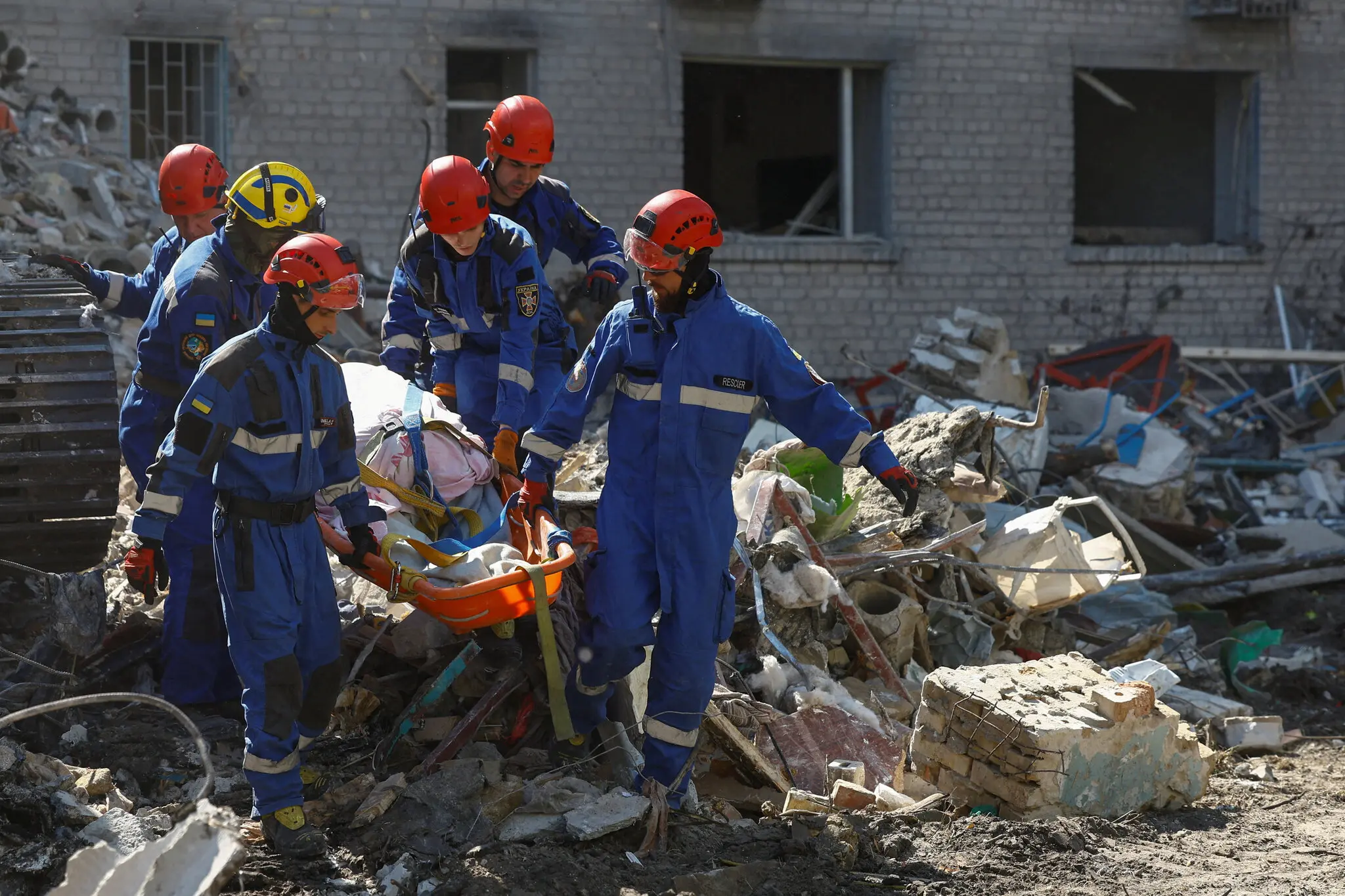 Рятувальники витягують з багатоквартирного будинку тіло загиблого внаслідок російських атак — Валентин Огіренко
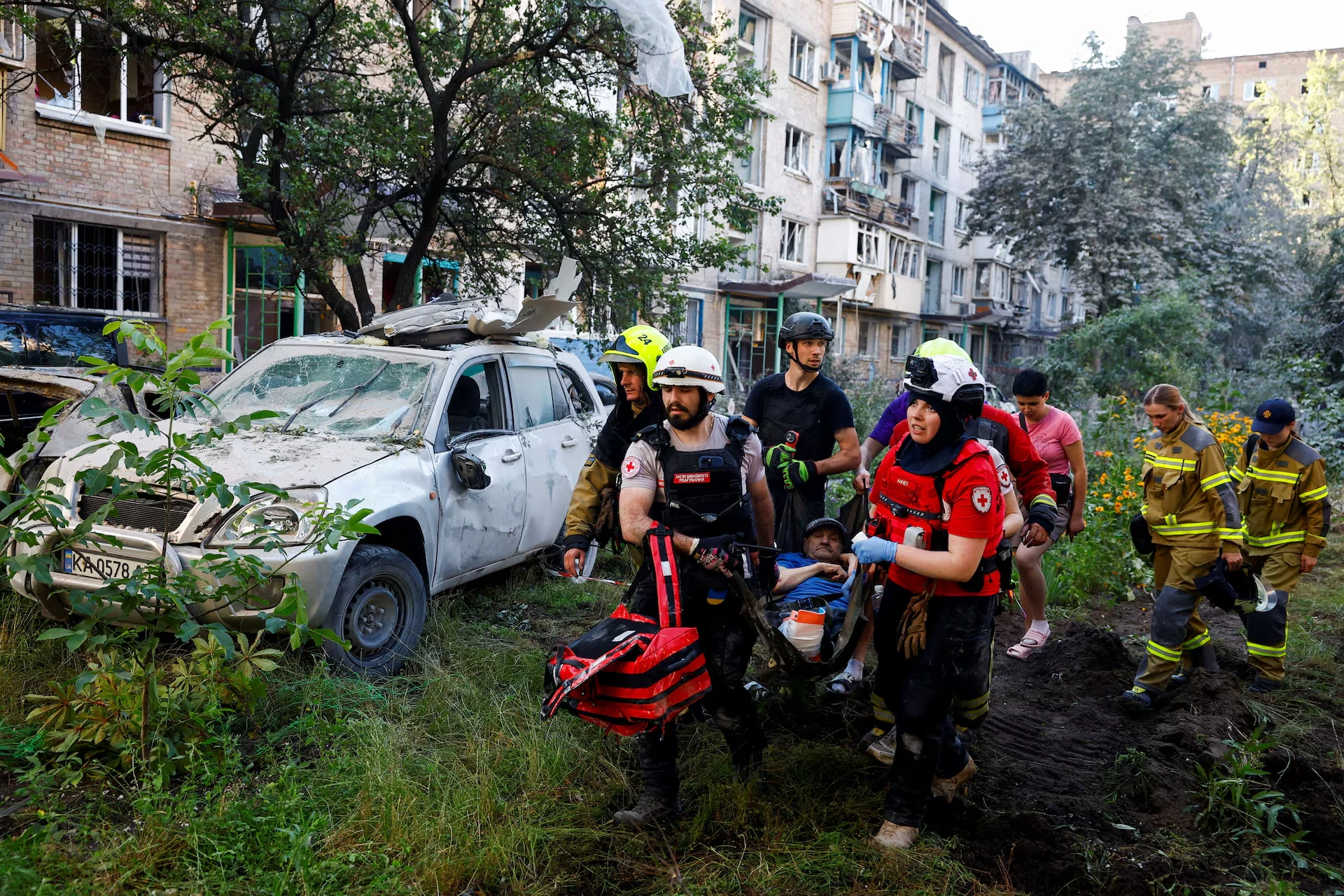 2 липня 2026 року в Києві, Україна, на тлі російського вторгнення в Україну волонтери, парамедики та рятувальники виносять пораненого мешканця з місця, де розташований житловий будинок, пошкоджений під час нічних російських ракетних та безпілотних ударів — Валентин Огіренко
This spring has become especially deadly for Ukrainian civilians. Russia increasingly combines missiles and drones in long waves of attacks, trying to overload air defenses, exhaust rescue services and create a permanent sense of threat in which a city has no time to recover.
The war is entering its fifth year since the full-scale invasion, but its civilian dimension is not shrinking. On the contrary, the harder it becomes for Russia to achieve quick results at the front, the more important strikes on cities become. The Kremlin is trying to move pressure from the battlefield onto society.
In recent months, Ukrainian forces have slowed Russian advances along the long front line and retaken territory in some areas. That does not mean an easy turning point. But it creates a new problem for Moscow: if the front does not deliver quick victory, Russia seeks results in civilian fear.
Volodymyr Zelensky framed it as a political diagnosis: Russia has no argument left for its war except ballistic missiles. His remark that Putin still tries to “vanquish” residential buildings became a precise description of Russia’s logic after the strike.
Moscow, in turn, presents attacks on Kyiv as a response to Ukrainian strikes on Russian territory. But that rhetoric tries to hide the fundamental difference between strikes on infrastructure that feeds the war and hits on apartment buildings where children, older people and families sleep.
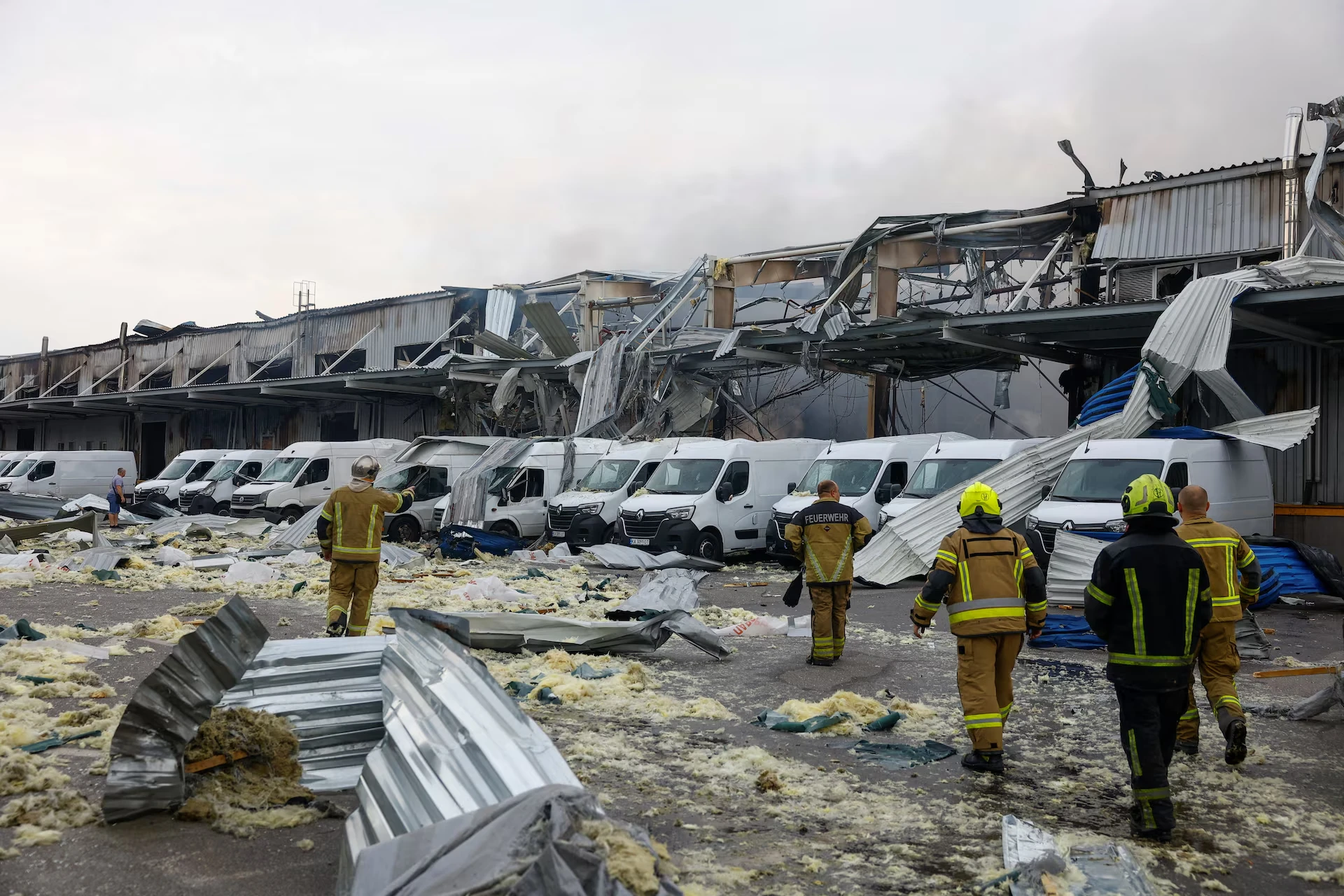
Ukraine has indeed intensified its long-range campaign inside Russia. Its targets include energy infrastructure, oil refineries, fuel depots, military facilities and logistics. This is an attempt to make the aggressor pay for the war not only at the front, but also inside its rear economy.
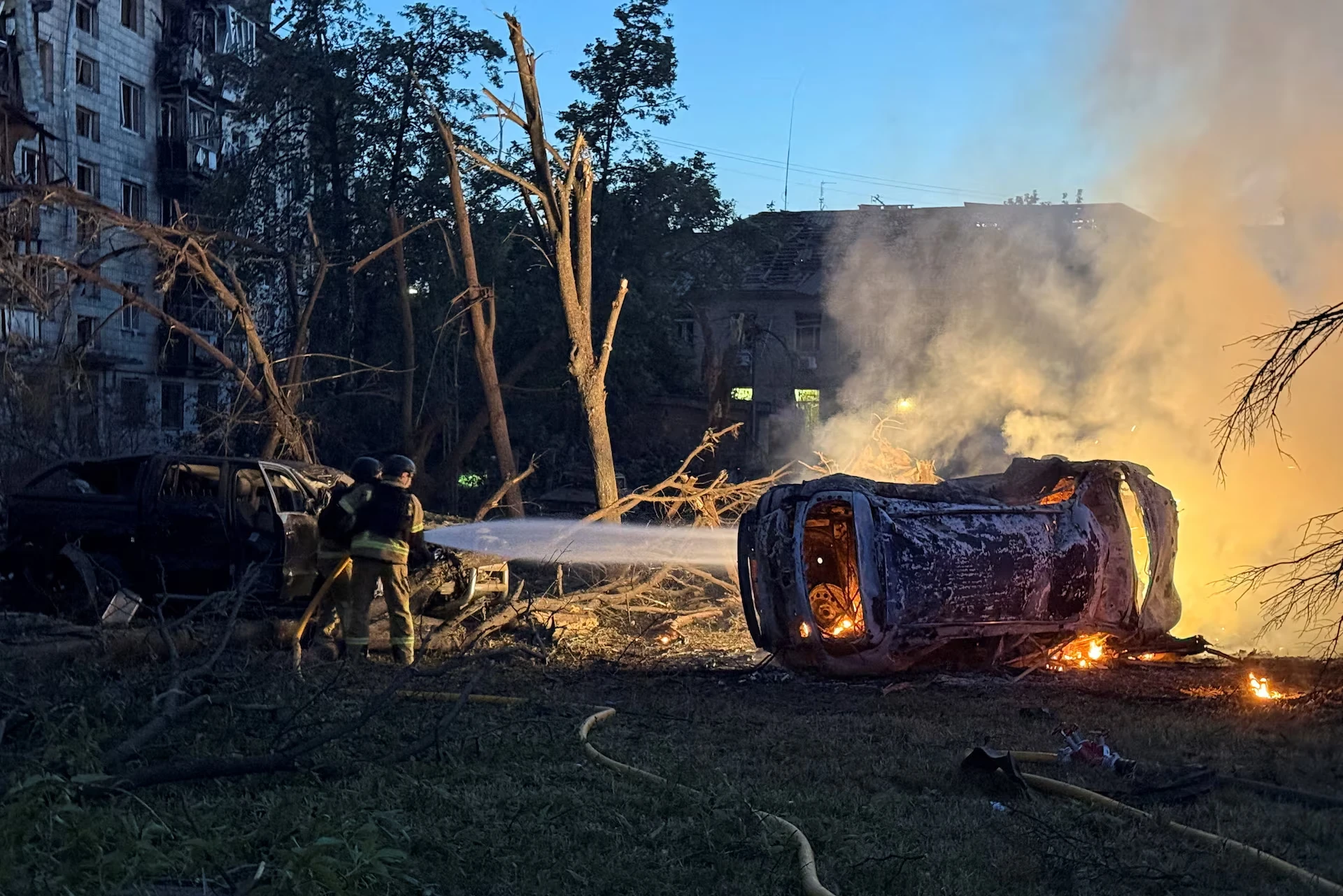 2 липня 2026 року в Києві, Україна, пожежники працюють на місці житлового будинку, пошкодженого під час російського ракетного та безпілотного удару в рамках російської агресії проти України. Фото зроблено мобільним телефоном — Stringer
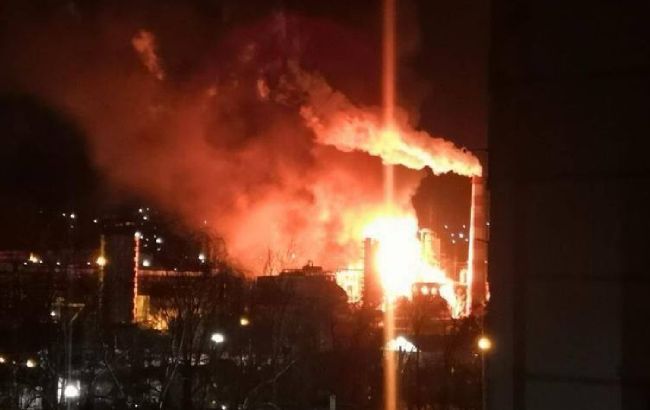
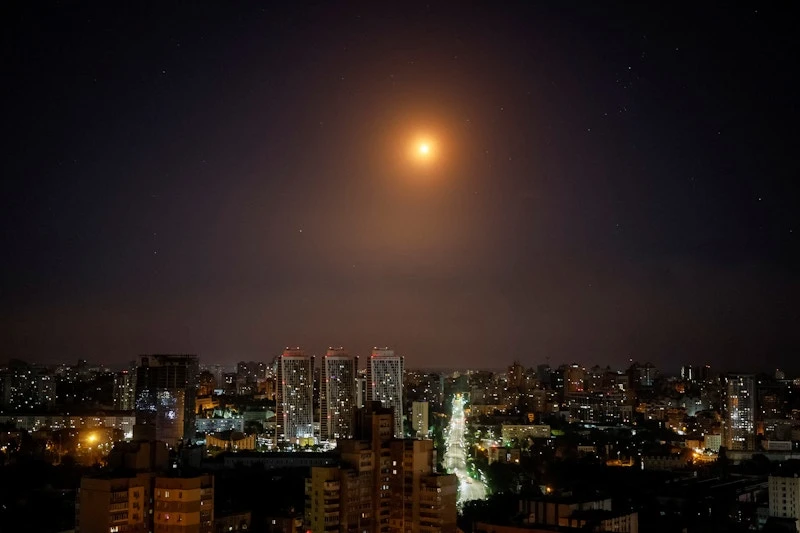
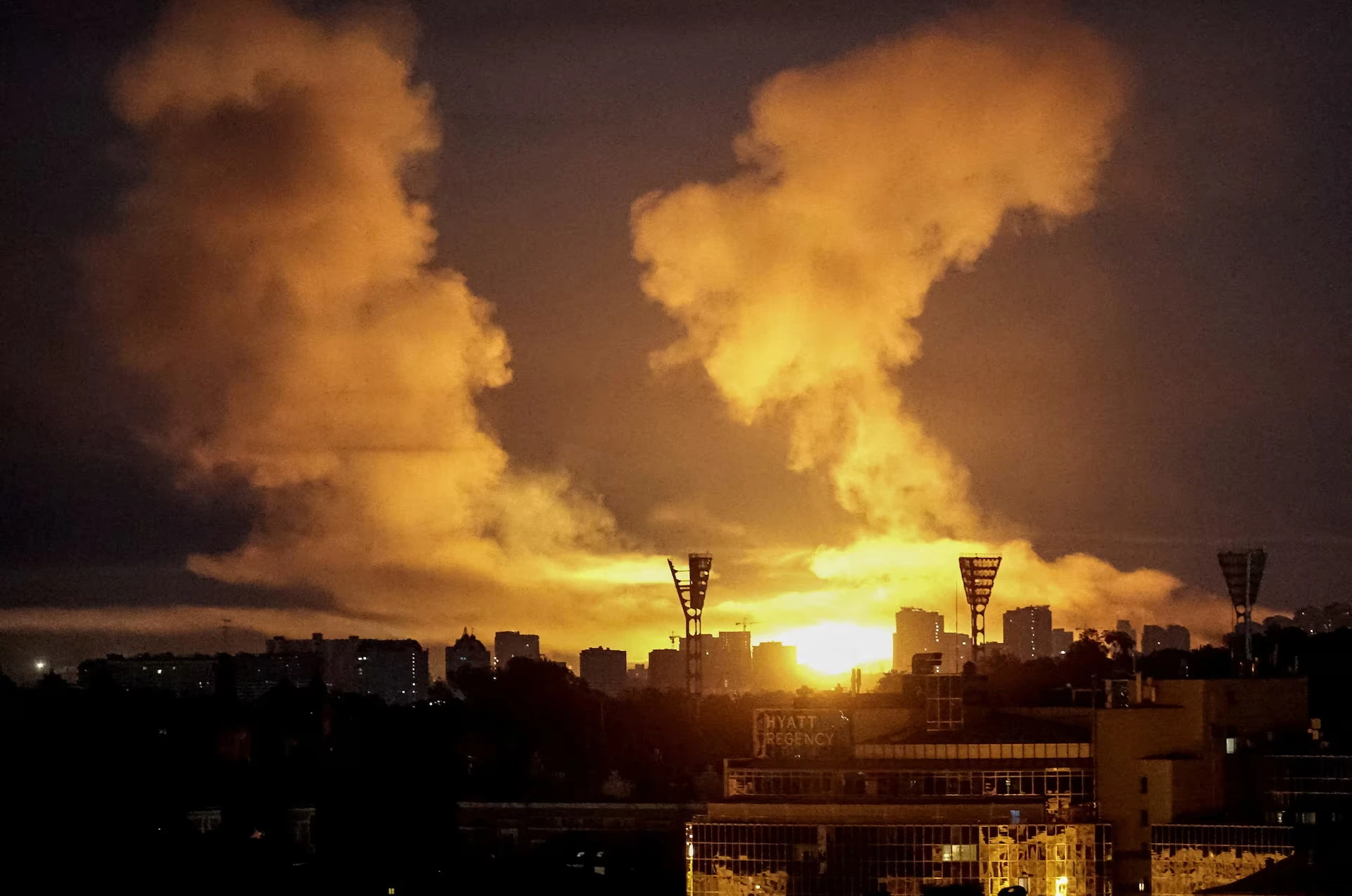 Під час російського ракетного та безпілотного удару в рамках російської агресії проти України 2 липня 2026 року в Києві вибух освітлює небо над містом — Анна Войтенко
Strikes on Russian refineries have already triggered fuel shortages in some regions. For one of the world’s largest oil producers, the need to import gasoline has become a painful symbol. The war the Kremlin wanted to keep far from most Russians is returning through gas-station lines and scarcity.
That is what makes the current phase especially dangerous. Ukraine is raising the price of the war for Russia, while Russia is trying to respond by raising the price for Ukrainian cities. This is not a mirror logic, but a clash between two different strategies: striking the war machine and striking civilian endurance.
Russia also claimed on Friday that it had captured Oleksandrivka in Dnipropetrovsk region. Even if this represents a local movement of the front, it fits Moscow’s broader calculation: press slowly on land while striking cities, forcing Ukraine to pay on two levels at once.
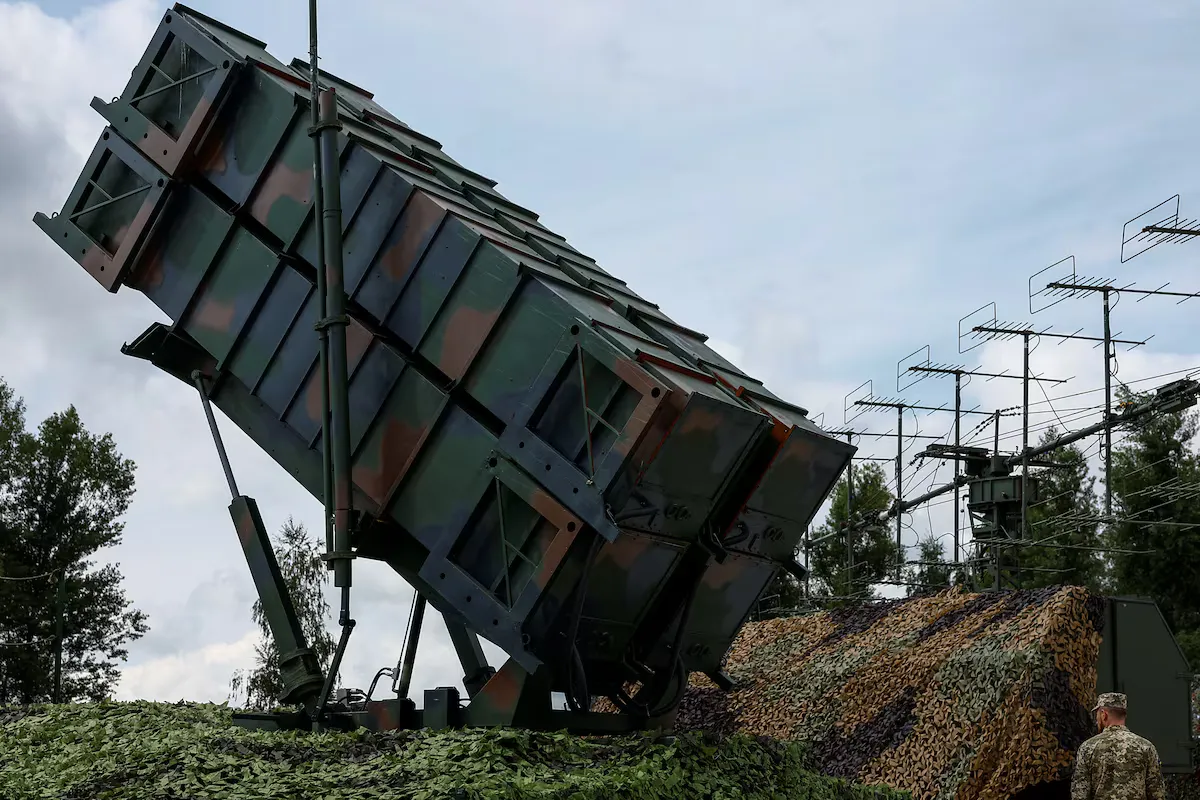
For Kyiv, that calculation runs into the question of air defense. Every new attack shows that systems protecting the sky are not auxiliary weapons, but the basis for the survival of a major city. When Russia launches missiles and drones in waves, even a small percentage of breakthroughs means dozens dead and hundreds of destroyed apartments.
Rescuers at the strike sites became the visible boundary between catastrophe and the possibility of salvation. They worked for a second day while the city was formally in mourning. Their work has no ceremony. It is dust, concrete, the smell of burning, heavy silence and the decision not to stop while there is still a chance to find someone.
In such attacks, the time after the explosion often matters more than the moment of impact itself. The first hours are a chance for the living. The next ones are the search for bodies. Then come identification, repairs, funerals, temporary housing, psychological trauma and the question of whether one can return to a building that no longer feels like home.
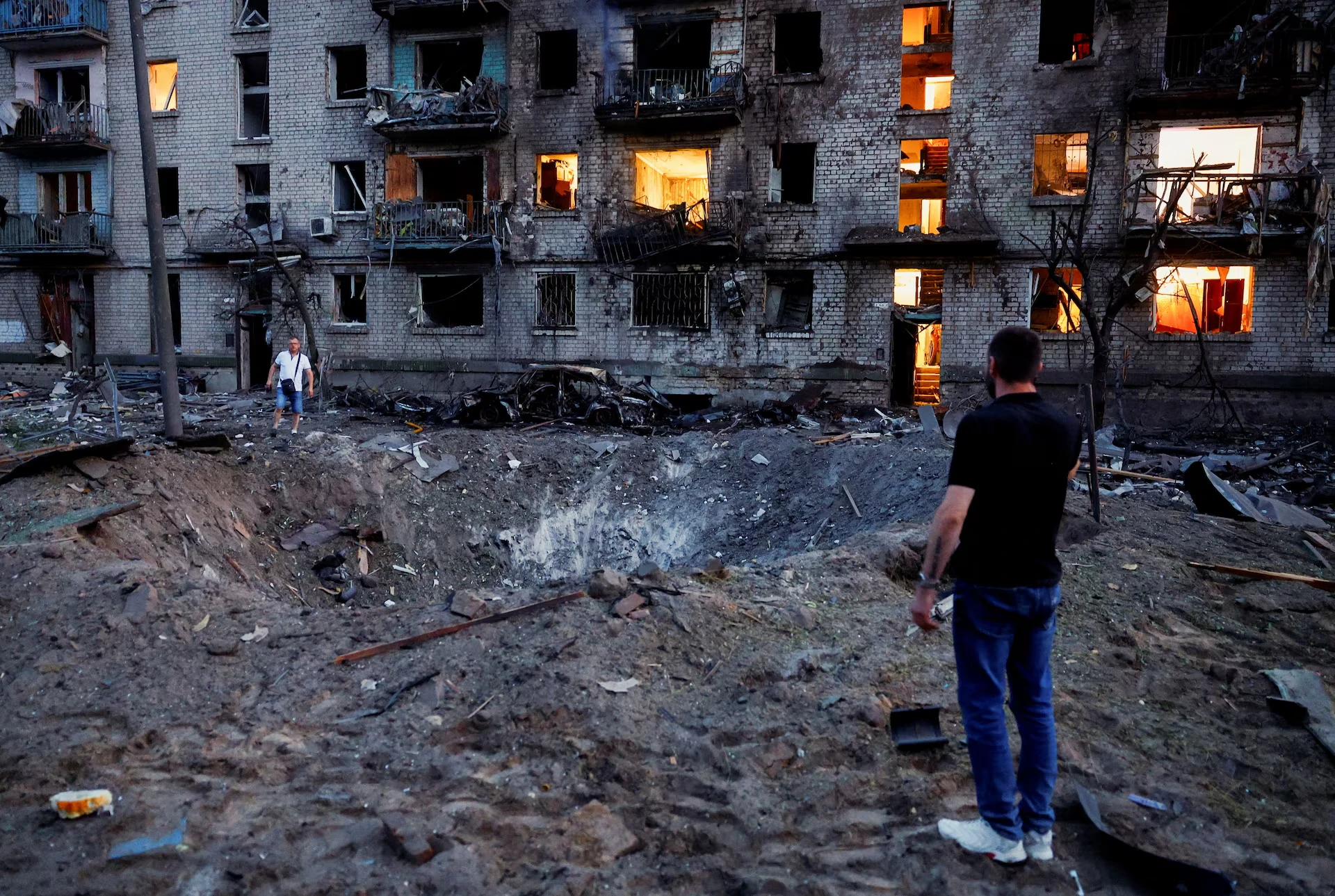 Мешканці стоять поруч із кратером, що утворився на місці події під час нічних російських ракетних ударів та ударів безпілотників на тлі нападу Росії на Україну, у Києві, Україна, 2 липня 2026 року — Валентин Огіренко
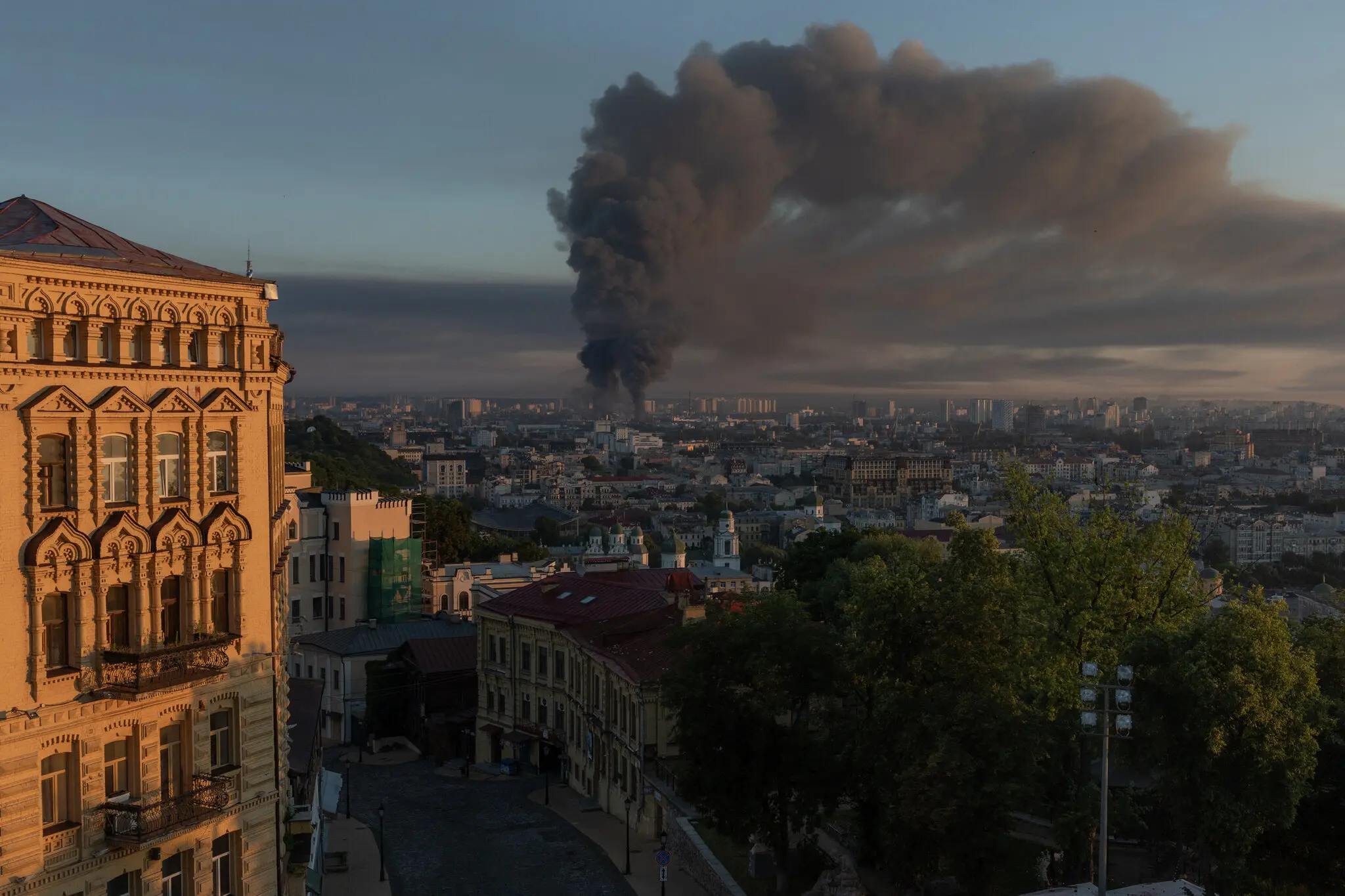 Щонайменше 21 людина загинула та 85 отримали поранення внаслідок нічних нападів у Києві — Роман Піліпей
The day of mourning in Kyiv was not only a sign of grief, but a political fact. The capital mourned the dead, yet also showed that the Russian strike had not stopped the city from functioning. People brought flowers, rescuers dismantled concrete, municipal workers cleaned streets, residents searched for belongings.
This resilience must not be mistaken for proof that Ukraine can endure everything indefinitely. On the contrary, every such night shows the limits of human and technical resources. A city can rise after a strike, but it should not have to prove that again and again at the cost of new graves.
For Ukraine’s allies, the conclusion remains unchanged. Interceptors are needed, air-defense batteries are needed, long-range capabilities are needed, sanctions against Russia’s war industry are needed, and decisions must be made faster than Moscow can stockpile another batch of missiles and drones.
Kyiv in mourning did not look defeated. It looked exhausted, angry and intensely alive. That is why this attack cannot remain only a tragic statistic. Thirty dead is not merely the result of one night. It is a warning of the price of every delay in defending Ukraine’s sky.