






















The European Union is preparing to increase political and economic pressure on Russia after the German government formally blamed Moscow for the failed drone attack at Leipzig/Halle Airport. Berlin now treats the incident as part of a broader pattern of Russian hybrid activity directed against European states.
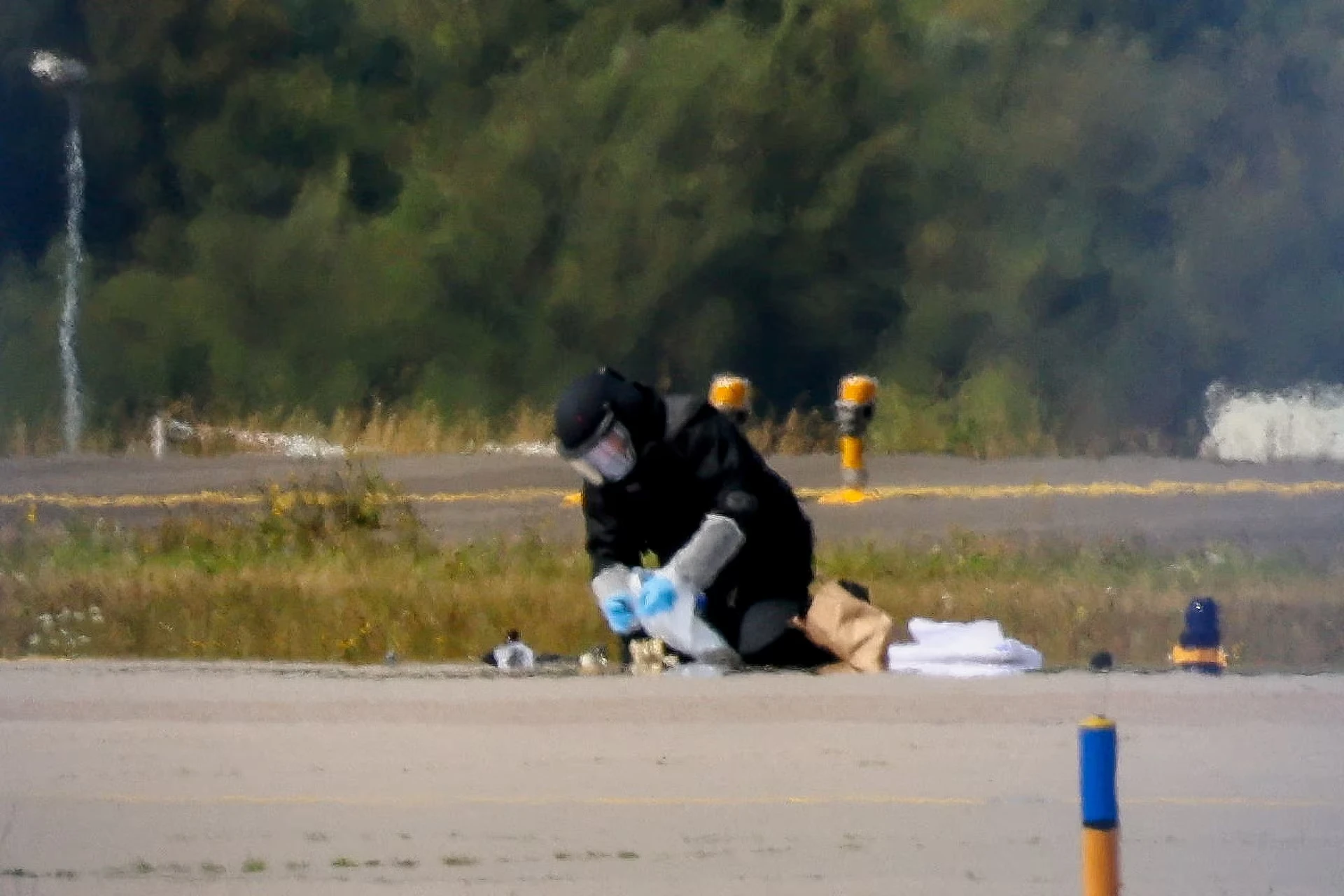
The case centres on events from the night of August 4 to 5, when a drone equipped with explosives and a detonator was discovered near the airport’s runway area. Operations were disrupted while specialists secured the site. Leipzig/Halle is one of Germany’s most important cargo hubs and a significant logistics point for allied transport.
German authorities say their attribution is based not on a single piece of evidence but on a combination of police findings, technical characteristics of the device and intelligence supplied by Germany and partner countries. The full evidentiary package has not been released publicly for security reasons.
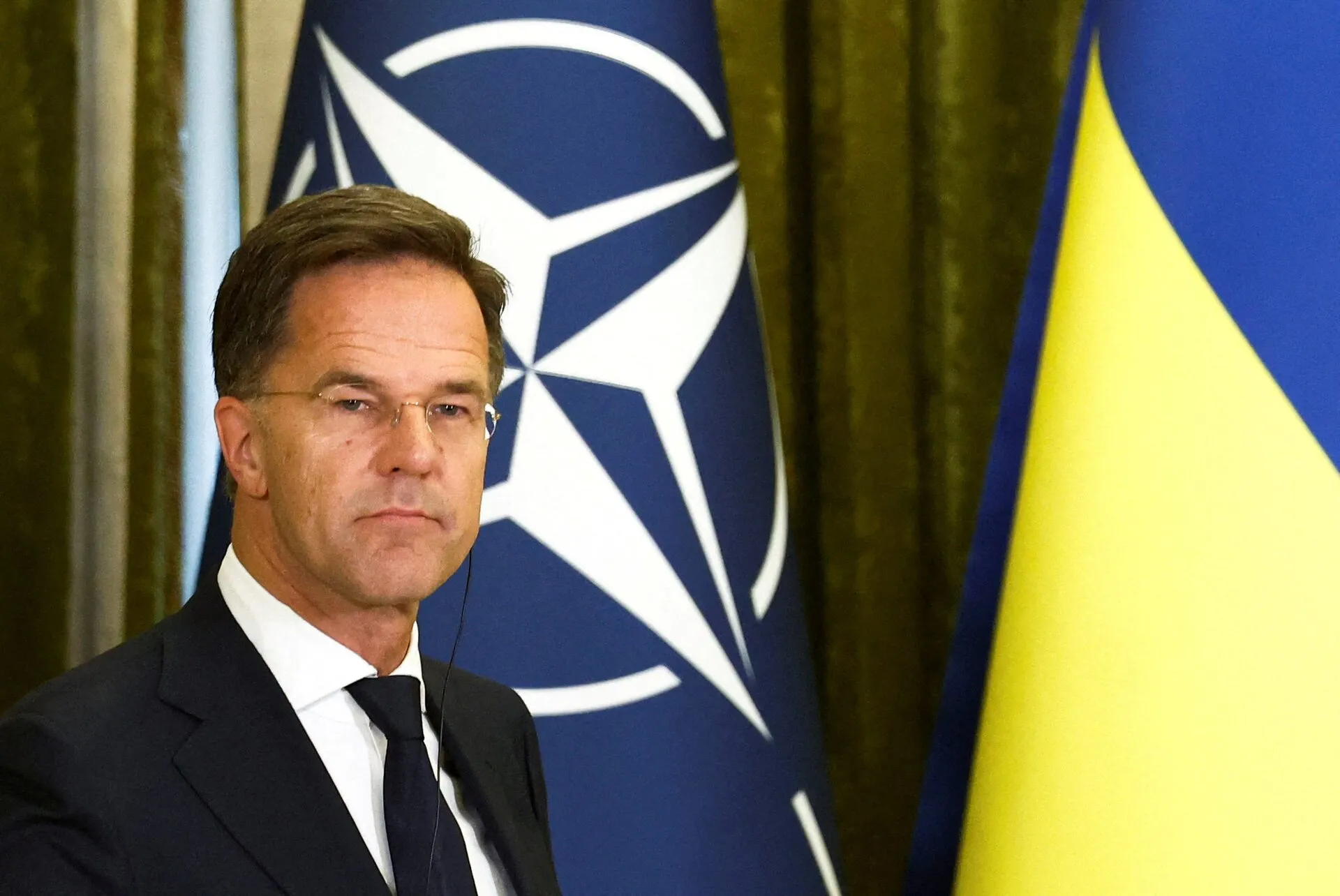
The European response has moved well beyond expressions of solidarity with Berlin. European Commission President Ursula von der Leyen said after talks with NATO Secretary General Mark Rutte that Europe was confronting a new security reality and would have to respond to increasingly risky Russian actions faster and more forcefully.
Daycom’s analysis indicates that the Leipzig drone attack matters not simply as one failed act of sabotage. It is accelerating Europe’s shift from treating hybrid operations as isolated incidents toward building a systematic model of resistance to hostile activity carried out inside the EU itself.
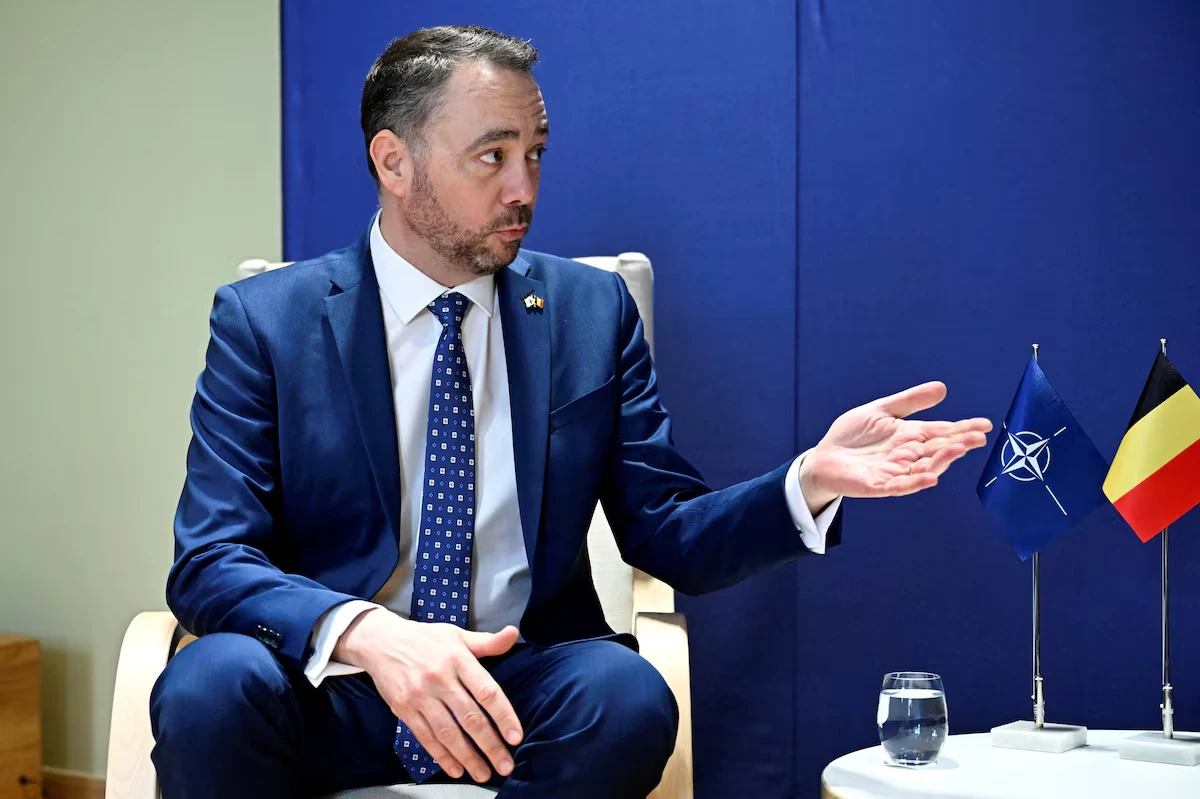
Germany has already begun taking national measures. Berlin is moving to close Russia’s consulate general in Bonn and end the arrangement governing the Russian House cultural centre in Berlin, while also tightening some restrictions connected to Russian state activity.
Another area of pressure is Russia’s so-called shadow fleet — the network of tankers and associated companies that European governments say is used to evade energy sanctions. Germany is also backing additional personal sanctions against individuals suspected of involvement in hybrid operations.
At the EU level, the response could be broader still. Officials are examining new sanctions connected to Russia’s military-industrial complex and measures aimed at closing loopholes used to circumvent existing restrictions.
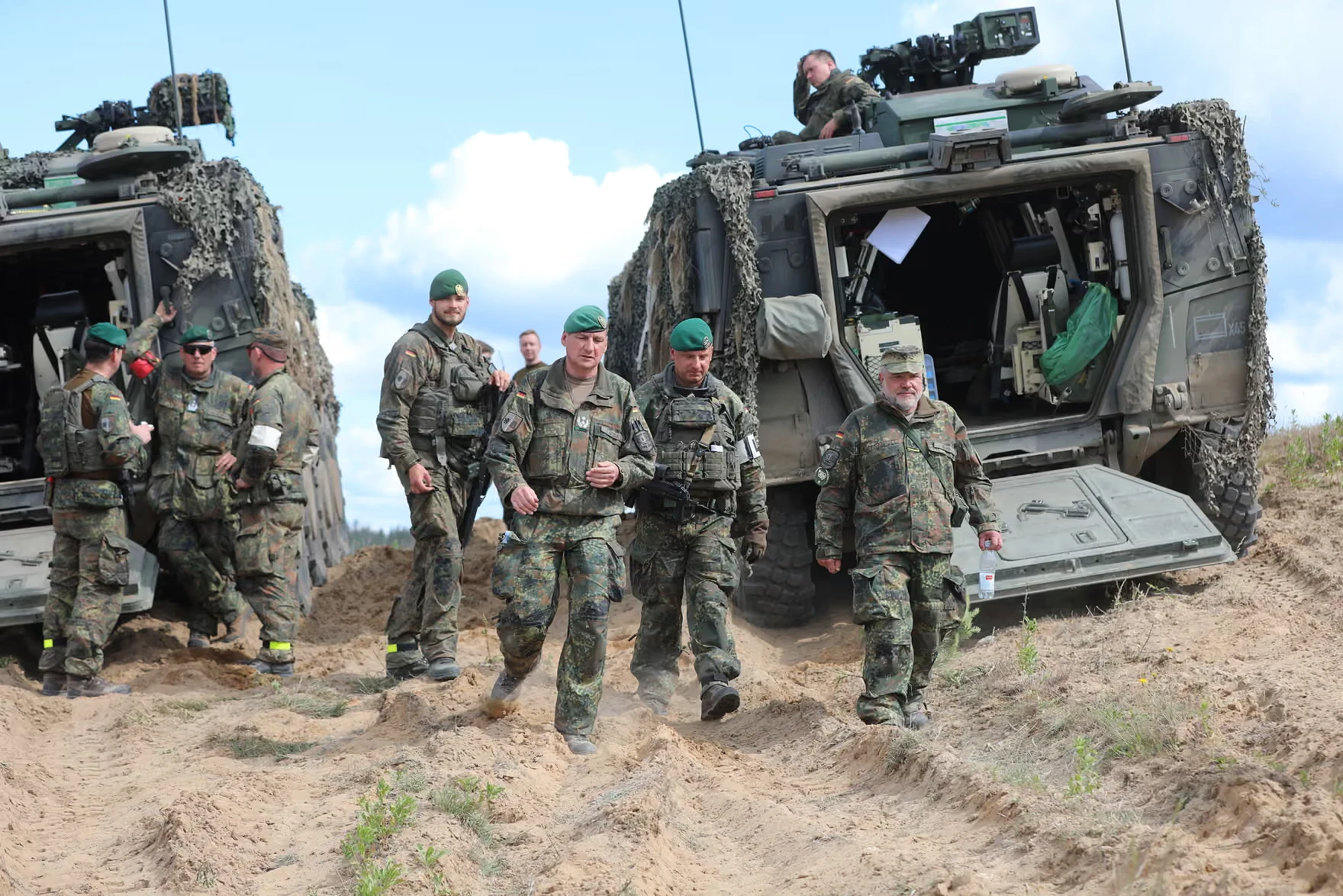
The Leipzig incident is increasingly being considered within the wider context of Russia’s war against Ukraine. European and NATO officials have linked it to a broader pattern of sabotage, cyber operations, espionage and airspace violations along the alliance’s eastern flank.
For NATO, one of the most difficult features is that these actions remain below the threshold of open warfare. An arson attack, a drone near a civilian airport, damage to a power facility or a cyberattack can cause serious disruption while still leaving enough ambiguity for those responsible to deny involvement.
That ambiguity is central to hybrid strategy. An overt missile strike on NATO territory would immediately create a fundamentally different crisis. A covert operation involving intermediaries, civilian technology and indirect evidence forces the targeted state first to establish who was responsible.
German officials have described this as a defining feature of hybrid operations: there may be no obvious sender, and once an incident is uncovered, the contest shifts from the event itself to the interpretation of who carried it out and why.
Russia denies involvement. Moscow has called the accusations fabricated and has promised a response to Germany’s measures. Diplomatic protests have followed on both sides as European governments increase pressure on Russian representatives.
Germany has not made the complete intelligence case public, meaning outside observers cannot independently test every element behind the attribution. The federal government nevertheless says its conclusion about Russian responsibility is clear.
Almost simultaneously with the diplomatic escalation, German authorities opened investigations into two further incidents involving energy infrastructure in Brandenburg and North Rhine-Westphalia.
In Brandenburg, police found several improvised devices near a power substation, some of which failed to activate. Investigators are examining a range of possible motives and have not made a final attribution.
In North Rhine-Westphalia, damage to another energy facility temporarily forced generating units with a combined capacity of about 4,200 megawatts offline. Regional authorities said they were considering both the possible involvement of a foreign state and domestic extremist activity.
At this stage, no public evidence has established that either of those energy incidents was directly linked to Russia or to the Leipzig operation. That distinction matters: a shared political context does not automatically mean a shared criminal origin.
For Europe, premature attribution is itself a risk. If every unexplained fire, technical failure or infrastructure incident is automatically described as a Russian operation, it can weaken confidence in cases where the evidence is genuinely strong.
European governments, however, are no longer willing to ignore the broader pattern. NATO has warned about suspected arson attacks, sabotage attempts, operations affecting companies linked to defence production, incursions into allied airspace and other hostile activities below the threshold of conventional war.
If Western assessments are correct, the strategic logic for Moscow is straightforward. Such actions can increase the domestic cost of supporting Ukraine, create a sense of vulnerability inside European societies and test how far pressure can be pushed without triggering a direct confrontation with NATO.
Europe faces the opposite dilemma. A weak response may encourage further operations by suggesting there is little cost. An overly rapid escalation based on incomplete evidence can give Russia an opportunity to exploit European mistakes and challenge the credibility of future accusations.
That is why the immediate response is centred on sanctions, diplomatic measures, counter-intelligence, stronger protection for critical infrastructure and continued support for Ukraine. Germany has also made clear that the Leipzig incident will not lead it to reduce assistance to Kyiv.
That signal is significant because the strategic purpose of a hybrid operation may not be the physical destruction of a single target. It may instead be designed to change political behaviour. If one failed attack is enough to frighten a government into reducing support for Ukraine, it can still achieve an important objective.
Rutte has framed NATO’s response in precisely those terms. If Moscow expects threats or covert operations to divide allied governments or weaken their commitment to Ukraine, that calculation must fail. The alliance is simultaneously pushing for greater defence production and stronger protection of its own territory.
Leipzig is also changing the way European governments think about the concept of the rear. Airports, substations, transport hubs, defence plants and logistics networks can no longer be treated as fully outside wartime risk simply because they are located hundreds of kilometres from the Ukrainian front.
That is particularly sensitive for Germany. The country is one of the central industrial and logistical pillars of European support for Ukraine. Leipzig/Halle plays a major role in cargo transport and is also connected to the operation of heavy Ukrainian Antonov An-124 aircraft.
For that reason, even an unsuccessful operation can matter strategically. An explosive drone does not need to destroy an airport to force the government to spend more on security, impose temporary restrictions, conduct additional personnel checks and redesign protective procedures.
The next stage of the EU response will depend on which sanctions proposals secure support from all member states. Political agreement exists around the need to increase pressure, but the exact design of the next package is still being worked out.
The shadow fleet is likely to remain a central target. European governments increasingly connect Russia’s capacity for hybrid operations to the wider financial resources available to the Russian state and are trying to target both suspected operatives and the revenue streams sustaining the broader security apparatus.
The Leipzig case has therefore moved far beyond the criminal investigation of a single drone. It is becoming a test of whether the EU and NATO can develop a consistent and credible response to operations that are more dangerous than ordinary espionage but remain below the threshold of declared war.
Europe’s challenge is not simply to answer with another sanctions package. It must make hybrid operations less effective and more expensive by improving attribution, protecting vulnerable infrastructure, strengthening counter-intelligence and preserving political unity.
Leipzig has also shown how blurred the old boundary between front line and rear area has become. The Russia-Ukraine war has not physically moved into Germany, but its logistical, intelligence and political consequences are increasingly embedded in European security.
That is why the response from Berlin and Brussels matters beyond this single case. If the Leipzig attack was indeed part of a Russian state-directed operation, Europe’s reaction now will help shape Moscow’s next calculation about how risky — and how costly — another attempt might be.