



















When Benjamin Netanyahu confirmed a 10-day cease-fire on the Lebanese front, he effectively acknowledged what he had tried to avoid admitting for weeks: at this stage of the war, Israel can no longer set the political tempo on its own. The pause was driven by Washington, which is trying to prevent the Lebanese front from unraveling the broader framework built around the fragile cease-fire with Iran. For the Israeli prime minister, that means an uncomfortable change of role. Instead of directing escalation, he is now temporarily operating inside someone else’s timetable for de-escalation.
That is why this pause looks less like a diplomatic achievement than an awkward concession. Netanyahu’s core objective — to severely weaken Hezbollah and push the threat away from Israel’s north — remains unfinished. If the war pauses before that goal is reached, any cease-fire is immediately read inside Israeli politics as incompletion. And incompletion in matters of security quickly becomes the language of accusation.
The reaction in Israel made that clear almost instantly. Right-wing opponents called the truce a betrayal of northern residents. Centrists treated it as yet another example of a government promising more than it can deliver. Even within Netanyahu’s own camp, doubts surfaced over whether the Lebanese state can meaningfully guarantee Hezbollah’s conduct. That is the central flaw in the entire arrangement: formally, the cease-fire is made with a state, but the real firepower on the other side of the border belongs to an actor the state does not control.
According to Daycom’s earlier analysis, the most fragile cease-fires in the Middle East emerge precisely where the legal addressee of an agreement and the actual holder of force are not the same. Lebanon is nearly a perfect example of that contradiction. Beirut may welcome the pause, but that does not mean Hezbollah is prepared to live by its political design. Every day of quiet under such conditions is not the product of a durable settlement. It is a temporary overlap of interests that can collapse with a single volley.
Netanyahu clearly understands this, which is why he moved at once to cushion the domestic blow. Almost in parallel with confirming the pause, he insisted that Israeli troops would remain in southern Lebanon as part of an expanded security zone south of the Litani River. The political purpose of that message was transparent. If he had to accept a cease-fire, he could not appear to be retreating. Continued military presence became a way to reassure his right-wing base that a pause does not amount to surrender.
But that is also where the next problem begins. A cease-fire under which one side openly declares that it will not leave the territory it has entered is not so much an end to war as a short suspension under altered conditions. For Israel, that presence is a tool of deterrence. For Lebanon and Hezbollah, it is almost guaranteed to become a future source of claims that the agreement is already being undermined. The longer Israeli forces remain inside Lebanon, the thinner the diplomatic shell of the pause becomes.
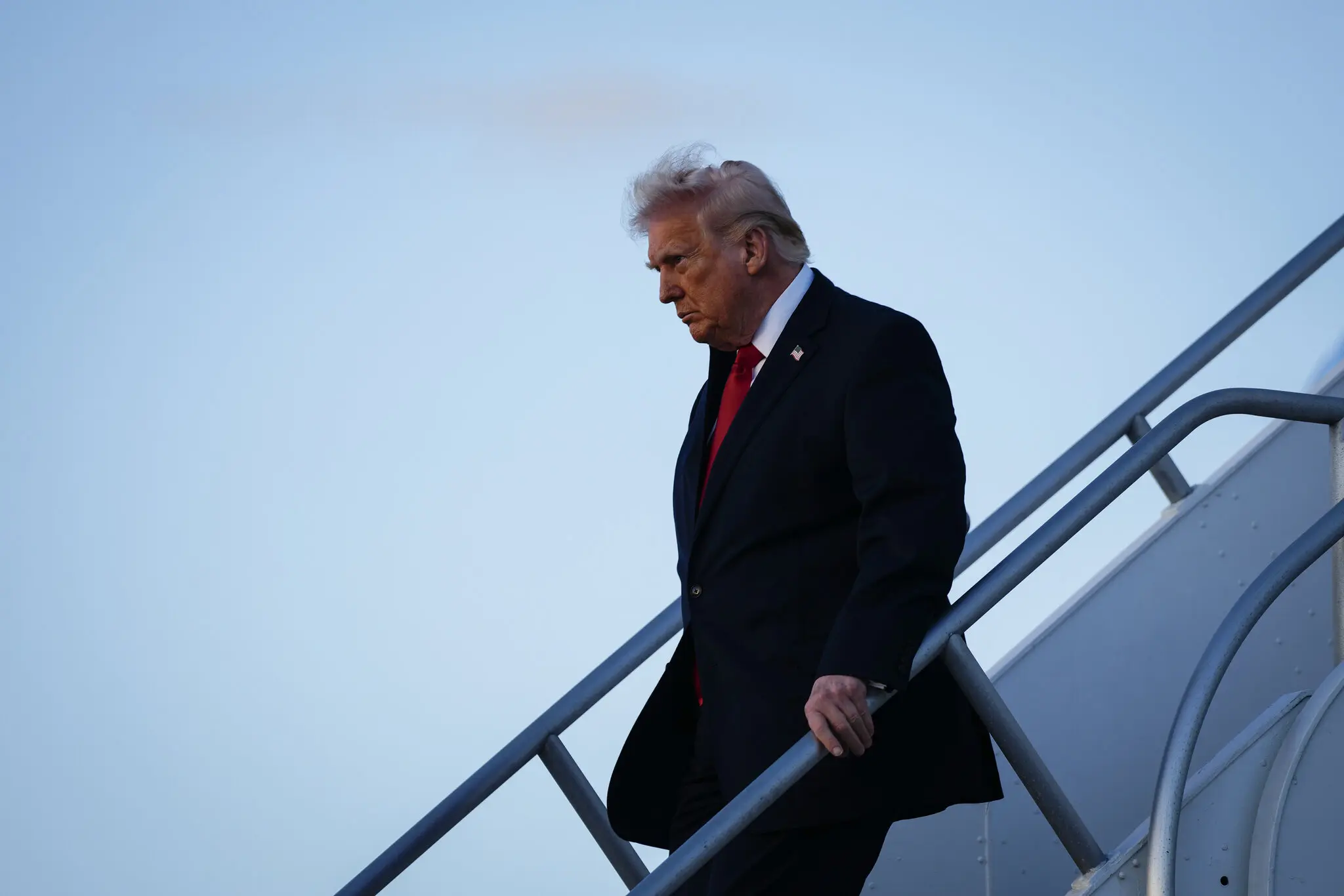
Trump’s interest in this arrangement is different. For the White House, the Lebanese front has become a dangerous secondary theater that could shatter the fragile cease-fire around Iran and widen the conflict again at the regional level. That is why Washington is pressing not for a final resolution to the Hezbollah problem, but for a temporary freeze. For Netanyahu, that logic is politically inconvenient. It subordinates Israel’s military campaign to a broader American architecture in which the priority is not finishing Hezbollah, but stabilizing the regional picture ahead of a new round of bargaining with Tehran.
That is the real trap for the Israeli prime minister. If the pause holds, Washington will try to claim the diplomatic credit, while Netanyahu will remain exposed to criticism over an unfinished war. If the pause collapses, he may be able to argue that he was right not to trust Lebanese guarantees, but he will also face another round of instability on Israel’s northern border. Even the best available outcome for him does not look like a clean political win.
This is why the current cease-fire should not be read as proof that Israel has achieved what it wanted. It should be read as evidence that the limits of Israeli freedom of action are once again being shaped by more than the battlefield. Netanyahu accepted the pause because American pressure outweighed his desire to carry the campaign to a politically satisfying end. But the war remains unfinished, Hezbollah remains unbroken, and northern Israel remains tied to a temporary arrangement that can be called many things — just not a stable peace.