

























Global markets have received another reminder that the war in the Persian Gulf is no longer only a military crisis. The latest exchange of strikes between the United States and Iran has tied oil, shipping, insurance and bonds into a single chain of risk. Even where prices have eased, they have not returned to prewar normality.
On Thursday, Brent crude slipped to about $77 a barrel, but remained above the levels seen before the latest escalation. U.S. benchmark West Texas Intermediate also edged lower, to about $72 a barrel. This is not panic, but neither is it calm: the market is trying to define a new boundary of danger.
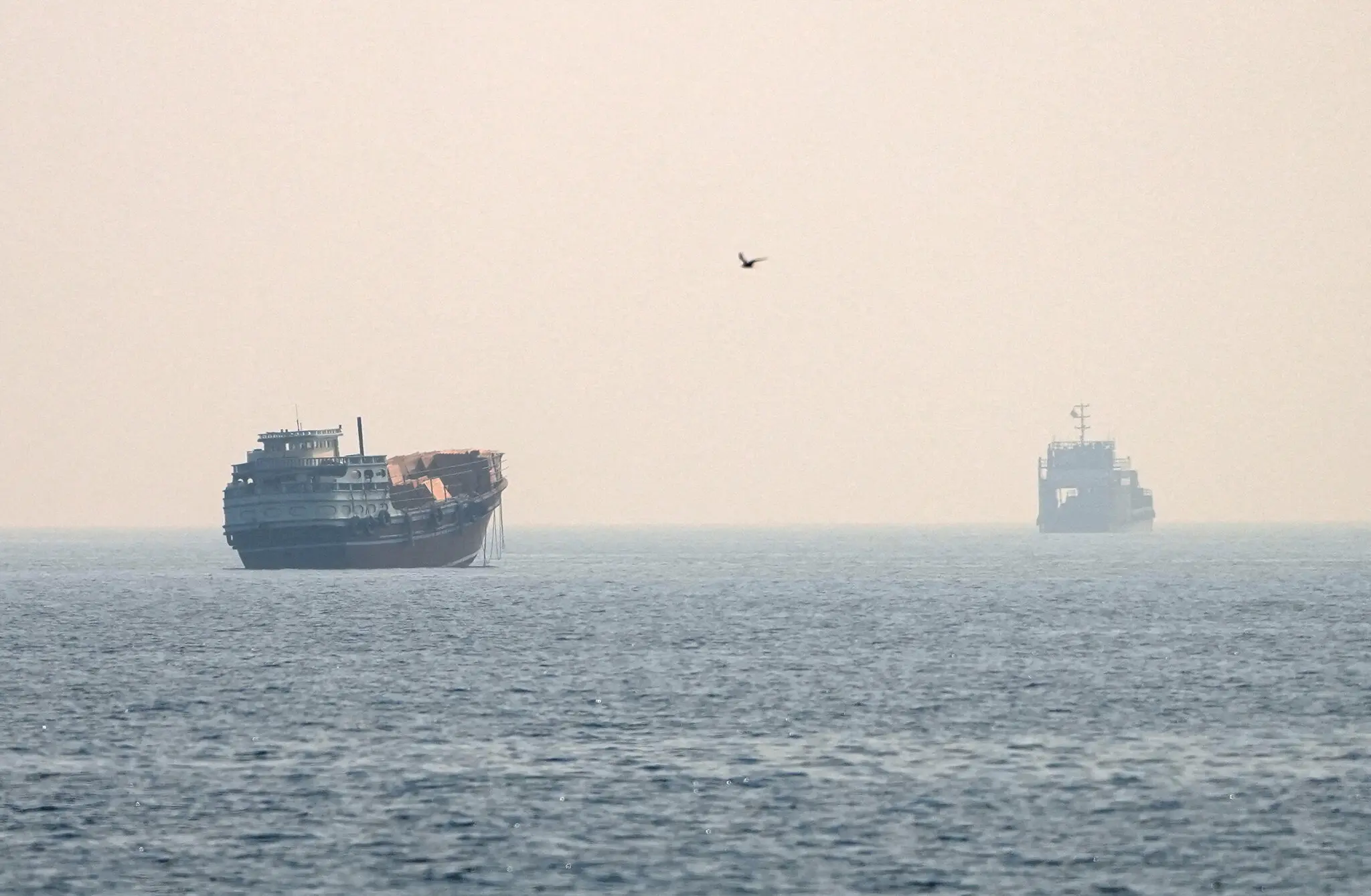
The central reason remains the Strait of Hormuz. A critical share of the region’s oil and gas exports moves through this narrow maritime corridor. When military action approaches tanker routes, the price of a barrel begins to reflect not only supply and demand, but also the probability of a missile strike, a mine threat or a breakdown in insurance coverage.
According to Daycom’s assessment, the current market reaction shows not the force of a price shock, but the depth of distrust in the cease-fire. Investors are not yet pricing in a full blockade of Hormuz, but they no longer believe in a quick and linear recovery of shipping. That is why even a decline in prices does not look like a return to stability.
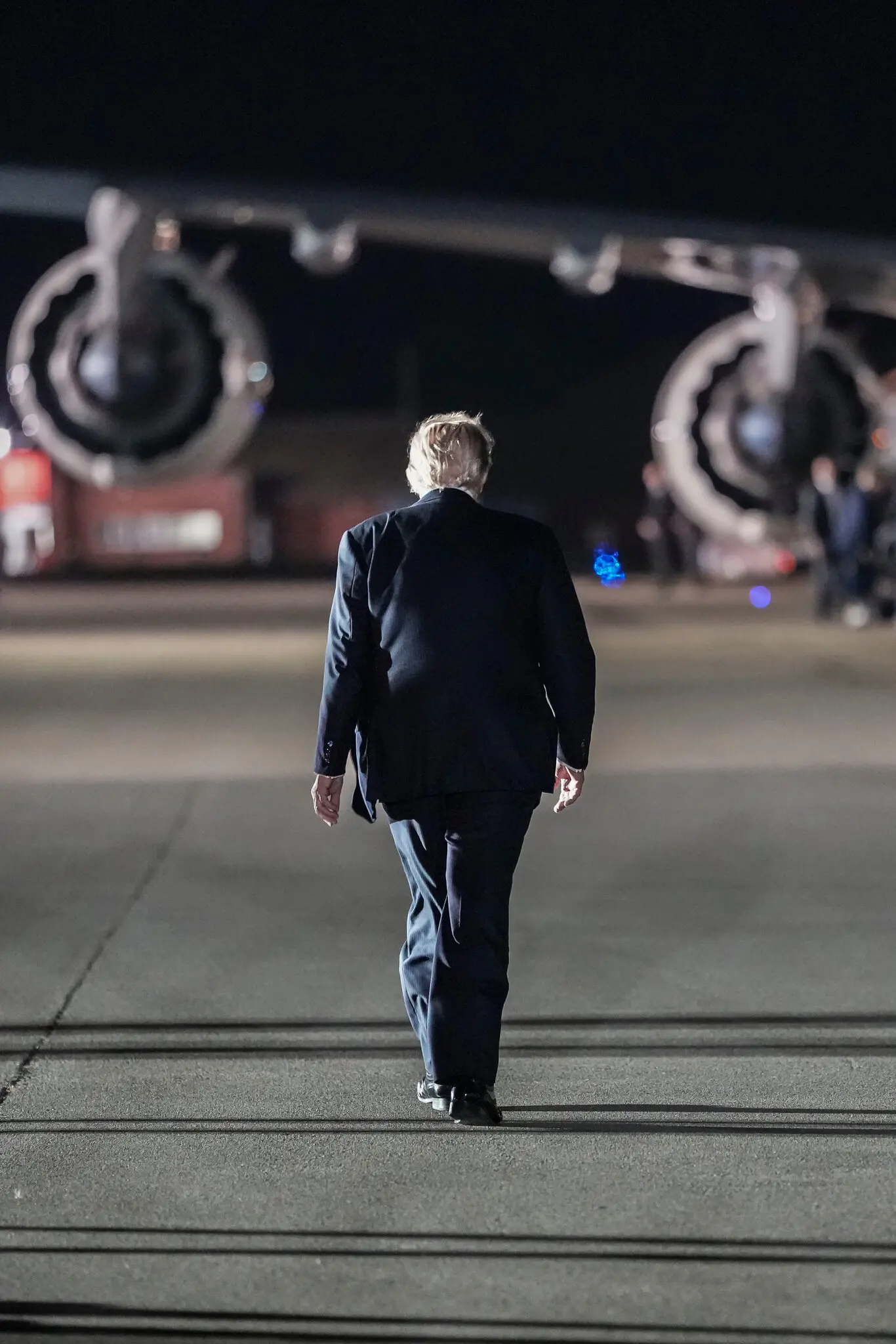
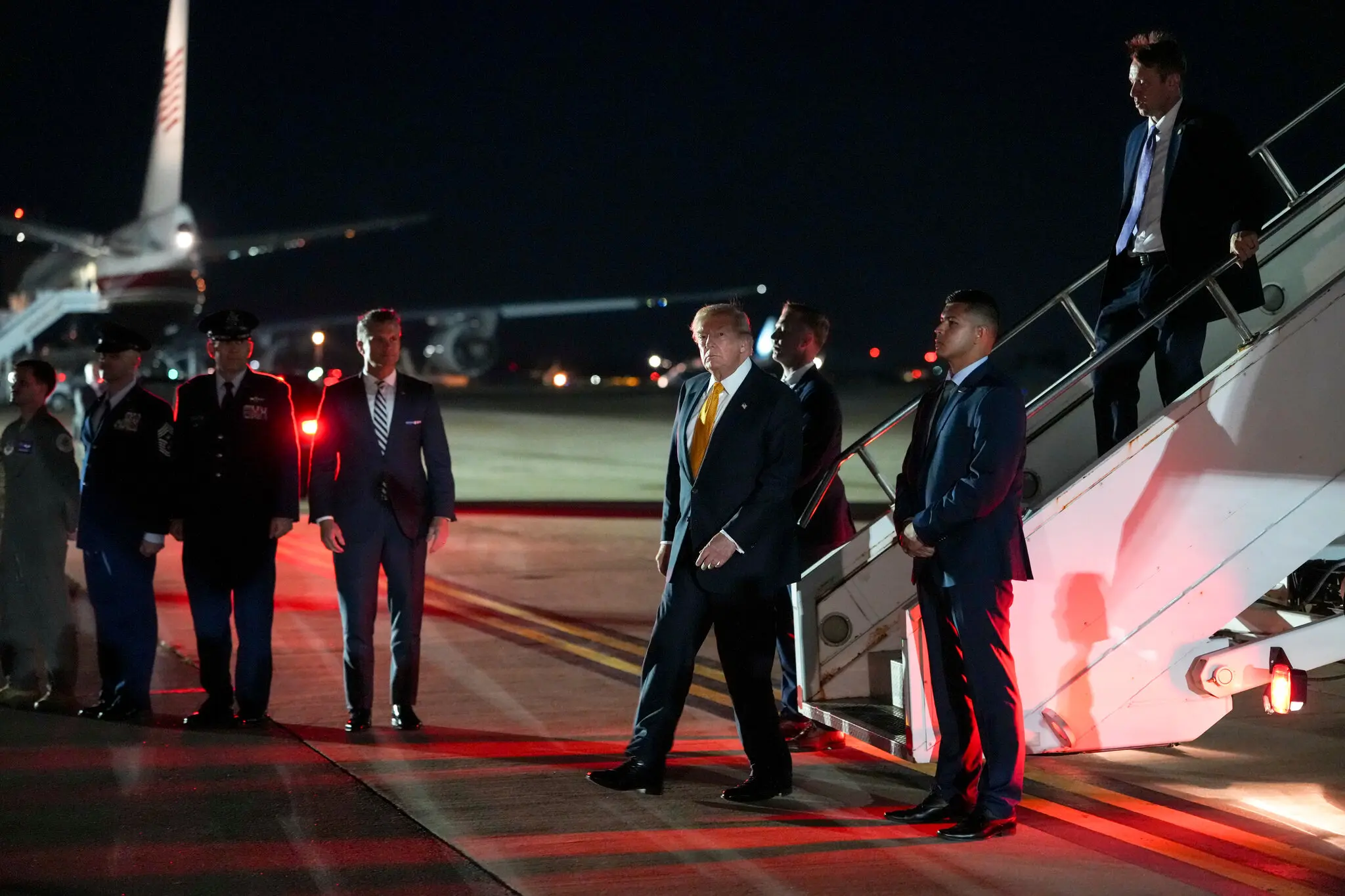
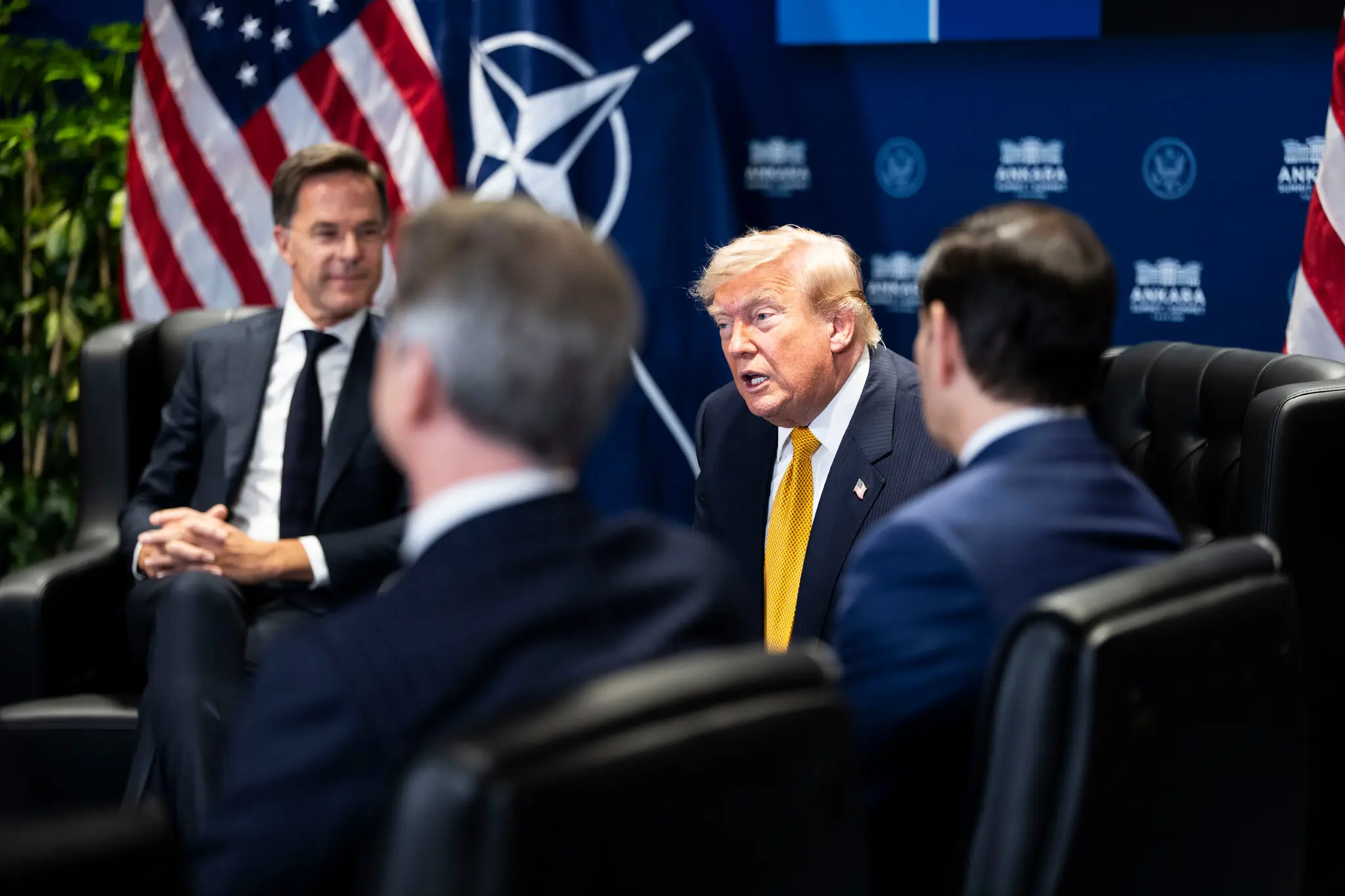
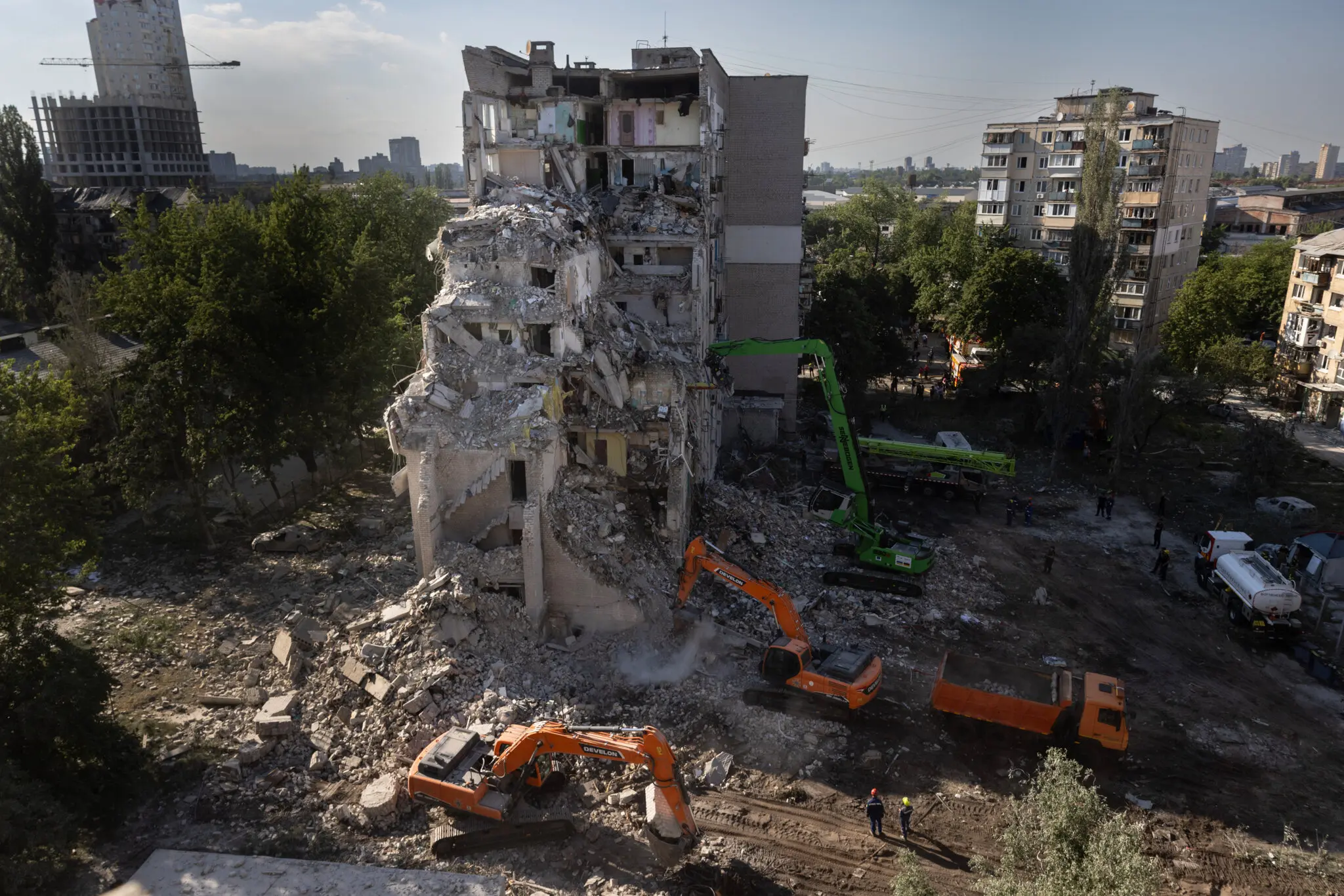
Washington presented the new U.S. strikes on targets along Iran’s coast as a response to attacks on commercial vessels. Donald Trump called them “retribution.” Tehran, by contrast, insists that the strait can function normally only through arrangements with Iran, not under American threats.
That formula exposes the essence of the conflict. The United States views freedom of navigation as a global rule that cannot depend on the will of a single state. Iran is trying to prove that security in the Strait of Hormuz is impossible without its consent. For markets, this means one thing: military and political risk is becoming part of the price of every barrel.
The International Maritime Organization has already urged shipowners to avoid passage through the strait. Such a recommendation affects not only current voyages, but the entire logistics system of the region. Once major operators start reconsidering routes, delays and added costs quickly move into freight rates, contracts and final prices.
The recovery of traffic after the cease-fire agreement had already been incomplete. On Tuesday, 41 vessels passed through the strait in both directions. That was more than during the most intense days of the war, when only a few crews dared to sail between Iran and Oman. But it was far below the prewar level, when Hormuz handled more than 130 ships a day.
The choice of route is also revealing. Many vessels this week used the Iranian corridor, which Tehran describes as the only viable path. Only two ships on Tuesday chose the Omani route, where the U.S. Navy serves as the main reference point. This is no longer a technical navigational difference, but a political map of risk on water.
That is where Iran’s new leverage lies. Even without fully closing the Strait of Hormuz, Tehran can create enough uncertainty to affect markets. It does not need to halt all traffic. It only needs to make every voyage more expensive, slower and more politically sensitive.
At the same time, a complete shutdown of shipping serves neither side. Iran also depends on energy revenues and cannot endlessly pressure a route that remains important to its own economy. The United States has no interest in an oil price surge that would hit consumers, inflation and the domestic political agenda.
That makes the most likely scenario not a total blockade, but a regime of intermittent instability. Shipping partially resumes, then stops again after an attack or warning. Oil prices retreat, but do not fall back to previous levels. Markets learn to live with the risk, but they cannot ignore it.
This instability is already moving from the oil market into the wider financial system. U.S. equities have been trading unevenly, S&P 500 futures have moved between small gains and losses, and the VIX volatility index has climbed to its highest level in two weeks. Investors are not fleeing risk en masse, but they are clearly repricing uncertainty.
The bond market is reacting even more sensitively. Higher oil prices are reviving inflation concerns, while the yield on 10-year U.S. Treasury notes has moved close to 4.6 percent. That is an important signal: the war in Iran is affecting not only energy, but also expectations for Federal Reserve policy.
If energy prices remain elevated, the Fed will have less room for a softer policy stance. Inflation, which had seemed more contained, could receive another external impulse. For businesses, that means more expensive credit; for consumers, higher costs; for governments, a more difficult balance between security and economic growth.
Gasoline prices in the United States are already responding more visibly than political statements. The average price of a gallon has risen to $3.85, while diesel has climbed to $4.81. Fuel does not move in perfect sync with crude, but prolonged volatility in the commodity market almost always works its way into gas stations, logistics and consumer prices.
The global backdrop is also weakening. The International Monetary Fund has already lowered its forecast for world economic growth this year. The war in Iran adds another channel of pressure: more expensive energy, unstable shipping, rising insurance costs and weaker investor confidence.
For Asia, this means more cautious management of energy purchases. For Europe, it brings another vulnerability after years of energy shocks. For the Gulf states, it creates a paradox: higher oil prices may support revenues, but military risk threatens the very export routes on which those revenues depend.
The current market is not behaving as though it expects an inevitable catastrophe. But it is already behaving as though a peaceful scenario is no longer the baseline. That distinction matters. Panic creates a sharp spike. Distrust creates a longer risk premium, built into oil, bonds, freight and insurance.
That risk premium may become the main economic consequence of the war if the conflict does not move into a full-scale phase. The world may avoid a complete blockade of Hormuz, yet still live with a permanently more expensive passage through it. For the global economy, that is less dramatic than a shock, but far more exhausting.
The cease-fire was supposed to return the Strait of Hormuz to predictability. Instead, it has shown how easily a military pause collapses when the rules that follow it are left undefined. As long as the United States and Iran argue not only over strikes, but also over who has the right to determine the movement of ships, every barrel of oil will carry part of this war inside it.
Markets may still calm for a few days or weeks. But the real question is no longer whether Brent falls by a dollar or two. The question is whether shipowners, insurers and traders will believe that the Strait of Hormuz has again become a route rather than a front line. Without that confidence, even cheaper oil will remain expensive for the world economy.