





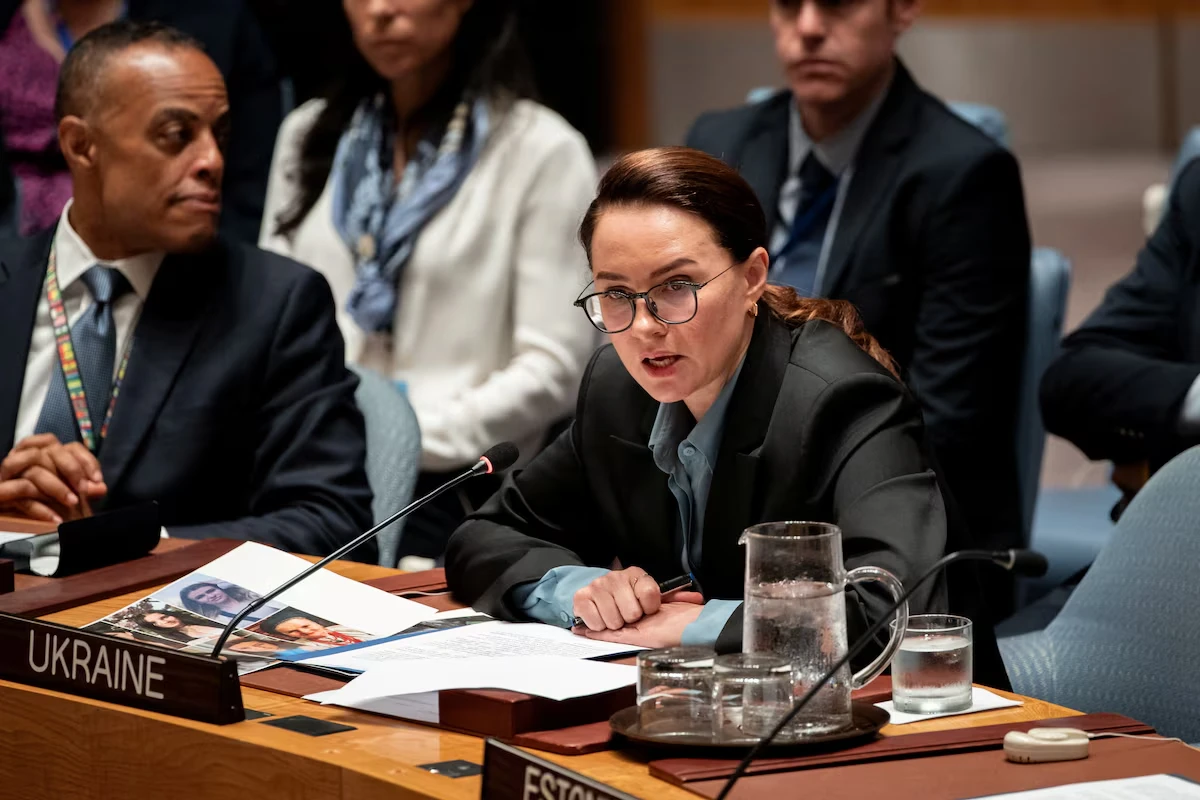















Islamabad is hosting the foreign ministers of Saudi Arabia, Turkey, and Egypt for two days of consultations on the war in the Middle East. The visit is being presented as an effort at de-escalation, and Prime Minister Shehbaz Sharif is also expected to meet the diplomats.
On the surface, this looks like another multilateral meeting during wartime. In practice, however, it is an attempt by Pakistan to establish itself as a mediator between Washington and Tehran at a moment when direct channels are blocked and traditional diplomatic platforms such as Oman and Qatar are themselves under pressure.
In recent days, Islamabad has already acknowledged that it passed along a 15-point American proposal for ending the war to Iran and also signaled readiness to host potential U.S.-Iran talks. Tehran, however, did not accept the plan and instead sent back proposals of its own.
According to Daycom’s assessment, Pakistan’s current diplomatic activism has a двойной смысл. On the one hand, it is indeed an effort to lower the level of escalation. On the other, it is also an opportunity for Islamabad to restore its weight in regional politics, where it has long sought to be not merely a peripheral player but a venue where decisions can be shaped.
Pakistan has a rare combination of connections that makes this possible. Officially, Islamabad describes itself as a key stakeholder because it borders Iran and has emphasized that it is pursuing diplomacy at the highest level. Foreign Minister Ishaq Dar has said openly that he has spoken personally with both American and Iranian leaders.
Yet this role grows not out of strength, but out of vulnerability. The war has created one of Pakistan’s biggest challenges in recent years in the fields of energy and economic security. The country depends on oil and gas supplies from the Middle East, as well as on remittances from millions of Pakistanis working in the Gulf.
In other words, Islamabad is not seeking peace only “on principle.” It is trying to prevent a scenario in which the war fully strikes its balance of payments, fuel market, and domestic stability. That is why de-escalation in the Middle East is not a foreign-policy bonus for Shehbaz Sharif, but a matter of the government’s internal survival.
Geography adds another layer of urgency. Pakistan shares a long border with Iran, while borderland Balochistan already remains an area of chronic instability. Any widening of the war threatens not only refugee flows or arms smuggling, but also a renewed escalation of older separatist conflicts.
Another factor is Pakistan’s internal sectarian sensitivity. The country is home to one of the largest Shiite populations outside Iran, which forces Islamabad to balance between proximity to Tehran and strategic ties with Arab monarchies, above all Saudi Arabia, with which it signed a defense pact last year.
That is why the composition of the guests in Islamabad matters so much. Saudi Arabia, Turkey, Egypt, and Pakistan had already coordinated positions last week in Riyadh, where they officially discussed Iran’s escalation and the need for further joint consultations. Islamabad is now trying to move that coordination from the declarative level to a more practical one.
But this still does not mean the emergence of a unified bloc. Each side comes with its own constraints: Saudi Arabia is interested in containing Iran, Turkey wants a larger strategic role, Egypt operates cautiously as a mediator, and Pakistan itself has no diplomatic relations with Israel while also trying not to irreparably damage ties with the United States.
For that reason, the talks in Islamabad are unlikely to become a “peace conference” in the literal sense. It is more realistic to see them as an attempt to assemble a regional pressure group in favor of a pause in the war — without the direct belligerents at the table, but with influential states capable of passing messages, shaping conditions, and reducing the risk of a wider explosion.
The problem, however, is that the positions of the parties remain far apart. The American 15-point plan reportedly included not only sanctions relief, but also a rollback of Iran’s nuclear program, missile restrictions, and issues connected to the Strait of Hormuz. For Tehran, that looks less like a compromise than a package of maximalist demands.
There is also a reputational limitation. Pakistan is trying to speak the language of de-escalation in the Middle East while simultaneously remaining in open conflict with Afghanistan. That does not erase Islamabad’s mediating role, but it does make it morally contradictory.
A country that seeks to present itself as a channel for peace is at the same time carrying the burden of its own coercive policies on another frontier. For outside partners, this means Pakistani diplomacy may be useful, but it should not be confused with neutrality.
Still, in the current phase of the war, Pakistan is not being asked to embody perfect impartiality. What is expected of it is something simpler and more urgent: to keep channels of communication alive where they might otherwise collapse entirely. If Islamabad, together with Saudi Arabia, Turkey, and Egypt, can help buy even a few days for diplomacy, that would already count as a political result.
In the coming days, it will become clearer whether Pakistan can turn its status as a diplomatic “mailbox” between Washington and Tehran into a real negotiating platform. If not, Islamabad will remain merely a transit link. If it can, it may emerge from the crisis not only less vulnerable, but politically heavier than it was before the war.