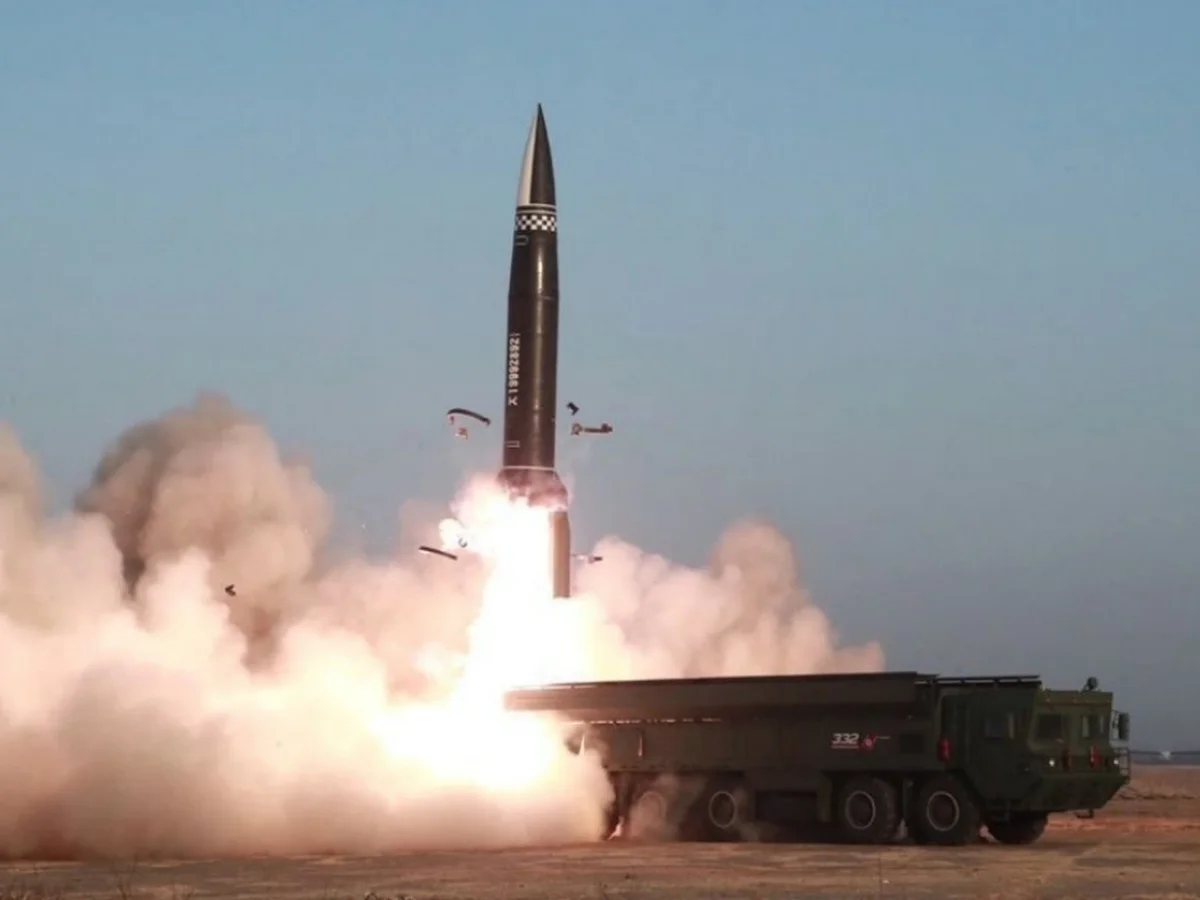






















Russia’s massive overnight attack on Kyiv on August 20 did not begin with the long drone saturation phase that has characterized many previous barrages. High-speed missiles arrived early, explosions followed within minutes, and some of the heaviest destruction was recorded in residential areas of the capital and the surrounding region.
By the afternoon of August 20, Kyiv authorities had reported at least 15 people killed and dozens wounded in the capital. Later operational accounts indicated that the toll in Kyiv and the surrounding region had risen further. Rescue crews continued searching damaged buildings, leaving the final casualty count subject to revision.
In the Solomianskyi district, the upper floors of a nine-story residential building were destroyed. Dozens of homes were damaged elsewhere, along with a school, a children’s hospital, warehouses and other facilities. Patients and medical staff at the damaged hospital were reported safe despite the impact on the building.
Nearly 40,000 people spent the night sheltering in Kyiv’s metro system, including thousands of children. Underground stations have become one of the capital’s most important refuges during prolonged alerts. Nights spent sleeping on platforms and in passageways are increasingly part of wartime routine rather than an exceptional emergency.
According to Daycom’s analysis of verified public information, the significance of the August 20 attack lies not only in its scale but in the sequence of weapons used. Russia appears increasingly willing to test Ukraine’s ability to stop ballistic missiles without first relying on hours of cheaper drone attacks to exhaust air defenses.
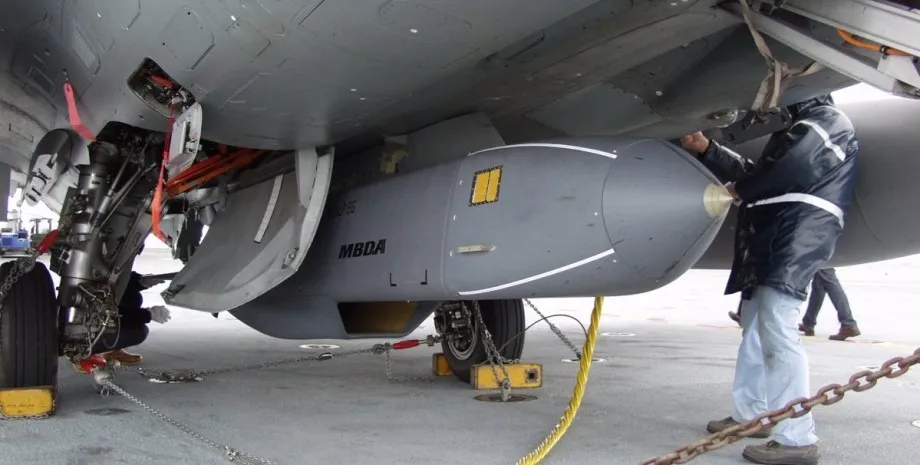
Ukrainian officials said the Kyiv region was the main focus of the barrage. Russia used several categories of missiles, including weapons flying on ballistic or near-ballistic trajectories, alongside cruise missiles, sea-launched Kalibr missiles, attack drones and decoy aerial targets intended to complicate the defensive picture.
Ukraine’s air defenses destroyed or suppressed a large share of the drones and intercepted many cruise missiles. Separate public figures for the effectiveness of ballistic-missile interception were not released. That distinction matters because ballistic threats remain among the hardest targets for Ukraine’s existing defensive network.
Against ballistic missiles, Ukraine depends heavily on US-made Patriot systems and the limited supply of interceptors available for them. Other air-defense weapons remain highly effective against drones and many cruise missiles, but far fewer systems can reliably engage high-speed ballistic targets descending toward cities.
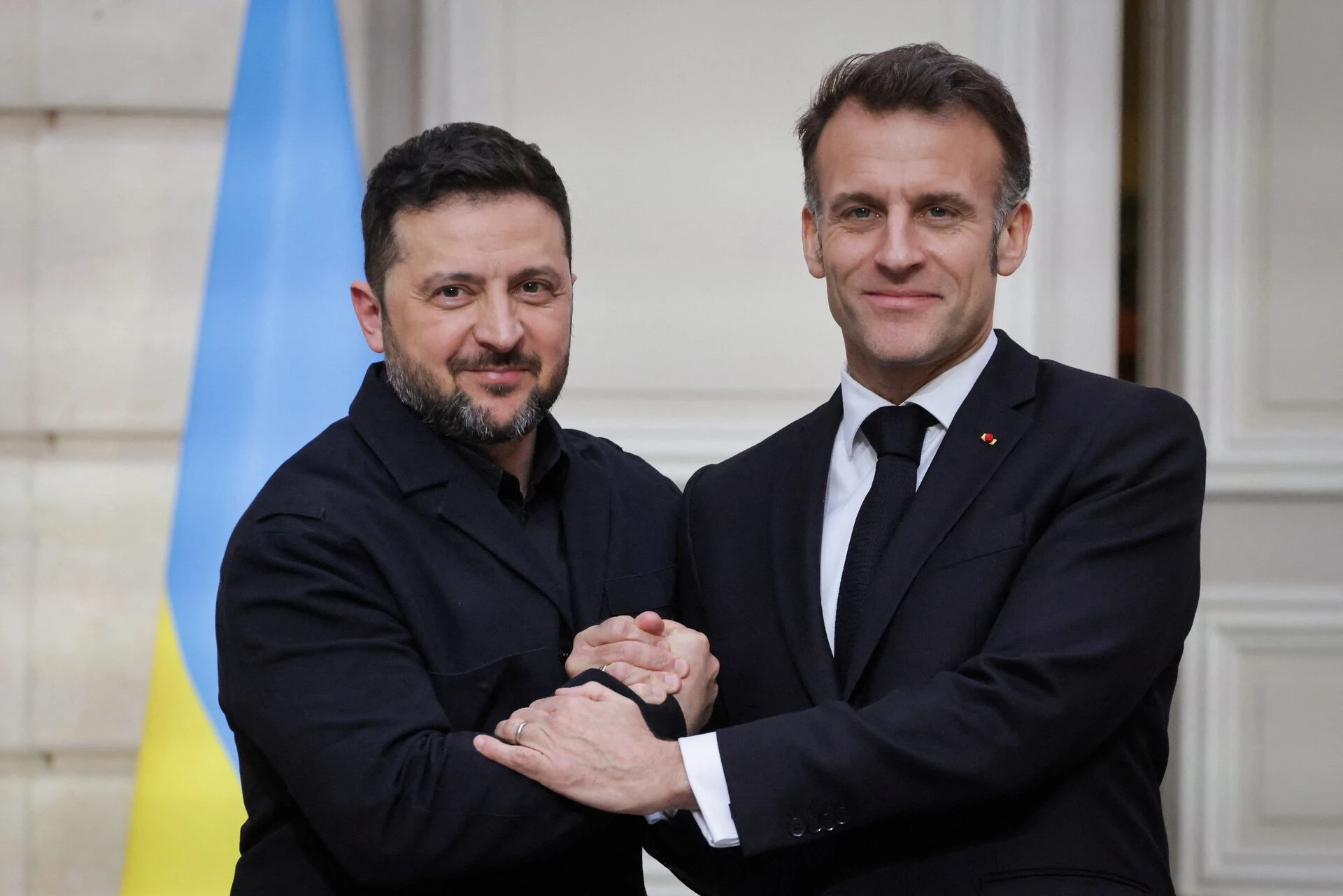
President Volodymyr Zelensky has repeatedly warned through the summer that Ukraine lacks sufficient Patriot missiles. Kyiv is seeking not only additional launchers but dependable flows of interceptors, because even deployed batteries cannot provide sustained protection if their ammunition stocks are depleted faster than they are replenished.
That shortage affects Russia’s military calculations directly. If Moscow believes Ukraine has fewer interceptors available, it has a stronger incentive to use the weapons for which Kyiv has the least redundancy. Every ballistic missile that penetrates the defense increases both the physical damage and the psychological effect of the campaign.
For much of the war, major Russian strikes have often followed a layered saturation model. Waves of Shahed-type drones and decoys forced Ukrainian defenses to operate for hours before cruise and ballistic missiles entered the airspace, placing additional stress on radars, crews and ammunition reserves.
That pattern allowed Russia to force Ukrainian units to reveal positions, divide attention and expend cheaper interceptors before the most destructive weapons arrived. Ballistic missiles were frequently the most dangerous element of such attacks, but they did not necessarily form the first concentrated phase of every major barrage.
The August 20 attack suggests Russian commanders may feel increasingly confident about employing ballistic weapons more directly. One night is not enough to prove a permanent doctrinal shift, but the strike fits a broader summer pattern in which heavy missile attacks on major Ukrainian cities have become more frequent and more lethal.
Kyiv had already endured major ballistic attacks earlier in the summer. After those strikes, Ukrainian leaders again linked the scale of damage to insufficient missile-defense resources and urged partners to accelerate deliveries of both Patriot systems and the interceptors required to keep them operational.
The problem is not simply the number of Patriot batteries. A launcher with too little ammunition does not create a durable defensive shield. In a high-intensity war, interceptors are consumable assets, yet Western production was designed for peacetime stockpiles and far lower rates of sustained combat expenditure.
Suppliers must now replenish their own arsenals, support Ukraine and respond to rising missile-defense demand in other regions at the same time. The resulting competition for industrial capacity has turned the Patriot shortage from a question of individual aid packages into a long-term manufacturing problem.
Ukraine and its partners are also examining ways to broaden ballistic defense and develop cheaper complementary systems. But alternatives cannot be produced overnight. New weapons must be designed, tested, certified, manufactured at scale and integrated into Ukraine’s existing network before they can meaningfully reduce dependence on Patriot.
Until then, Kyiv remains exposed to fluctuations in the interceptor supply. The question determines more than battlefield statistics: it shapes whether tens of thousands of civilians spend another night underground and how likely it is that the next high-speed missile reaches a residential district rather than being destroyed in flight.
The civilian cost of weakening air defenses is already visible. United Nations monitoring recorded nearly 1,400 civilian deaths in Ukraine during the first six months of 2026, alongside thousands of injuries. The total was substantially higher than in the same periods of the previous two years.
Long-range missiles and attack drones have been a major driver of that increase, striking cities far from the front line and exposing civilians who previously faced less direct danger. When the tempo rises, even a modest decline in interception effectiveness can translate into many more impacts over the course of a month.
July reinforced the trend, with civilian deaths and injuries reaching one of the highest monthly levels in years. A significant share of those casualties came from missiles and long-range loitering munitions, demonstrating how the air war has become an increasingly important source of civilian harm away from active ground combat.
Air-defense performance has therefore become a humanitarian measure as much as a military one. A difference of only a few percentage points in missile interception can mean dozens of additional impacts over several weeks, particularly when the weapons involved carry large warheads and reach urban targets at extreme speed.
Patriot is not an absolute shield. Even a well-supplied battery can be challenged by simultaneous launches, changing trajectories and mixed waves of different weapons. The purpose of air defense is not to eliminate all risk, but to reduce the number of successful penetrations to the lowest level physically possible.
Russia also faces constraints. Ballistic missiles are far more expensive than attack drones, require more sophisticated industrial capacity and cannot be produced in unlimited numbers. Moscow therefore has little reason to abandon Shahed-type systems, which remain an economical way to impose constant pressure and complicate Ukrainian defenses.
What is changing is the balance between Russian missile production and Ukrainian interceptor availability. If Moscow can restore its stocks faster than Kyiv receives the means to destroy them, weapons that have been present throughout the war can begin producing a steadily greater strategic effect without any dramatic technological breakthrough.
That is why Russian barrages must increasingly be assessed by more than the total number of objects launched. The order of weapons, concentration against individual areas, repetition of strikes and combinations of drones and missiles reveal where Russian planners believe Ukrainian defenses are weakest.
The August 20 attack exposed one such vulnerability clearly. Ukraine destroyed large numbers of drones and cruise missiles, yet the destruction in Kyiv remained severe. A high overall interception rate can therefore conceal the more important question of whether the most destructive part of a mixed barrage was successfully stopped.
Moscow said it had targeted facilities associated with drone production, military depots and logistics infrastructure. Those claims were not independently verified. Documented consequences of the attack included damage to residential buildings, a school, a children’s hospital and other civilian sites.
The strike also disrupted urban infrastructure. Tens of thousands of households temporarily lost electricity, although power was restored to many consumers relatively quickly. Such effects demonstrate how even a limited number of missiles penetrating defenses can trigger consequences far beyond the immediate impact sites.
Kyiv declared August 21 a day of mourning. Flags were lowered and entertainment events restricted as the city marked the victims. The observance was another sign of how sharply the civilian cost of Russia’s air campaign has risen during 2026 and how frequently large Ukrainian cities are now absorbing deadly strikes.
Politically, every such attack increases pressure on Ukraine’s allies. Kyiv argues that better-protected cities alter Moscow’s calculations: when more missiles are destroyed before reaching their targets, the economic and military return on each barrage falls while the cost of sustaining the campaign rises.
Political willingness alone, however, cannot solve the shortage. Western countries need to expand interceptor production, secure long-term contracts and manufacture missiles faster than they are consumed. Without that industrial shift, even substantial aid packages will continue to provide only temporary relief from a structural deficit.
Ukraine’s shortage of Patriot interceptors has therefore evolved from a technical air-defense problem into one of the central variables of the wider air war. It influences Russian tactics, civilian casualties, the resilience of major cities and the strategic calculations surrounding how long Moscow can sustain its current tempo.
The most troubling lesson from August 20 is not that Ukrainian air defenses have stopped functioning. They continue to destroy large numbers of incoming threats. The danger is that Russia is probing precisely the parts of the shield where the margin for error is smallest — and every missing interceptor makes the next barrage more consequential.