



















Polish-Ukrainian relations are again passing through a dangerous stretch. A dispute over historical memory, state honors and the symbols of wartime history has become more than a diplomatic problem between allies. It has opened precisely the kind of space in which Russia operates most effectively: through distrust.
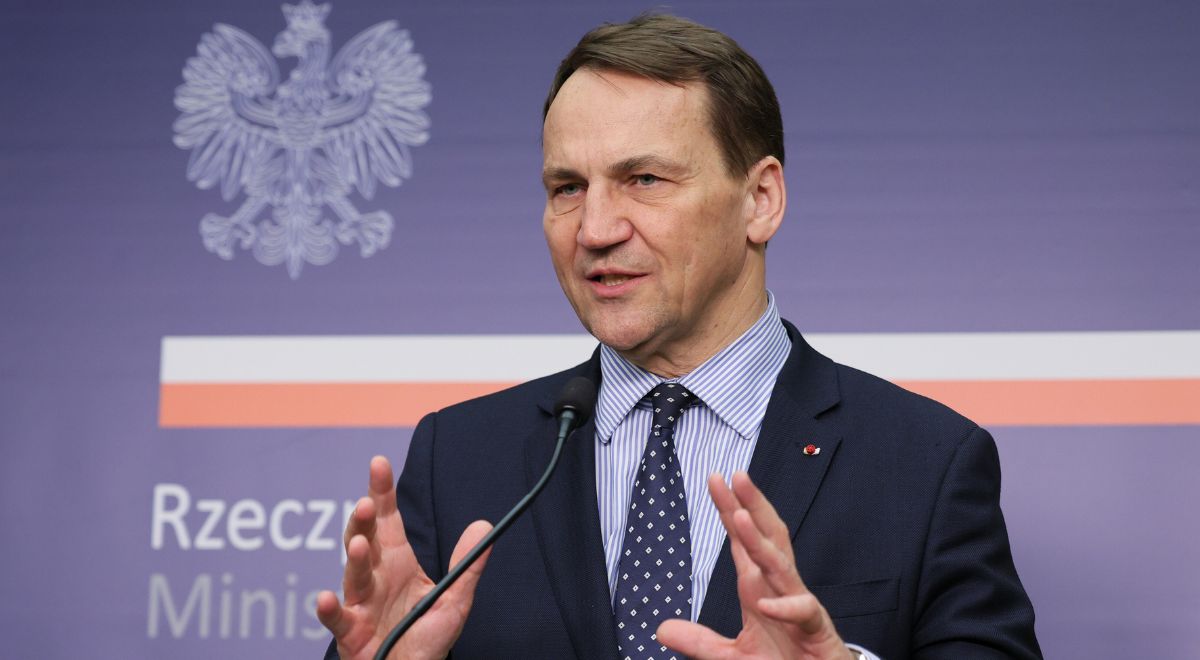
Polish special services are preparing for possible Russian sabotage operations aimed at inflaming tensions between Poles and Ukrainians. The concern is not limited to information campaigns. It also includes physical provocations: attacks on facilities linked to aid for Ukraine, or incidents that could be used to deepen mutual hostility.
The warning from Poland’s minister responsible for special services matters because it describes a concrete Russian method. Moscow does not necessarily need to invent a conflict from nothing. It only needs to find an existing crack and widen it into a political crisis.
According to Daycom’s earlier analysis, the Polish-Ukrainian axis is one of the most valuable targets for the Kremlin. Poland has become Ukraine’s key rear area: military, humanitarian, logistical and diplomatic support all pass through its territory. Weakening that axis would strike not only Kyiv, but the entire eastern strategy of Europe.
The current tension followed President Karol Nawrocki’s decision to strip Volodymyr Zelensky of Poland’s highest state honor. The move was tied to a dispute over the naming of a Ukrainian military unit after figures associated with the Ukrainian Insurgent Army. For Ukraine, this belongs to the memory of anti-Soviet struggle. For Poland, it touches the painful history of Volhynia and the mass killings of Poles during World War II.
That historical wound is not invented and cannot be erased by diplomatic formulas. Polish memory of the Volhynia tragedy remains deep, familial and politically sensitive. Ukrainian memory of the independence movement also has its own internal logic, shaped by resistance to empires and Soviet violence.
The problem is that between these memories lies a space Russia has long tried to occupy. The Kremlin does not need historical truth. It needs emotional raw material: resentment, humiliation, mistrust, a sense of betrayal. Where historians search for complexity, propaganda looks for a short blow.
Polish officials are already seeing intensified Russian information activity. Trolls, bots and anonymous channels are trying to amplify disputes, strengthen radical voices and create the impression that public support for Ukraine in Poland is rapidly collapsing. This is a classic mechanism of hybrid warfare: not to persuade everyone, but to poison the atmosphere.
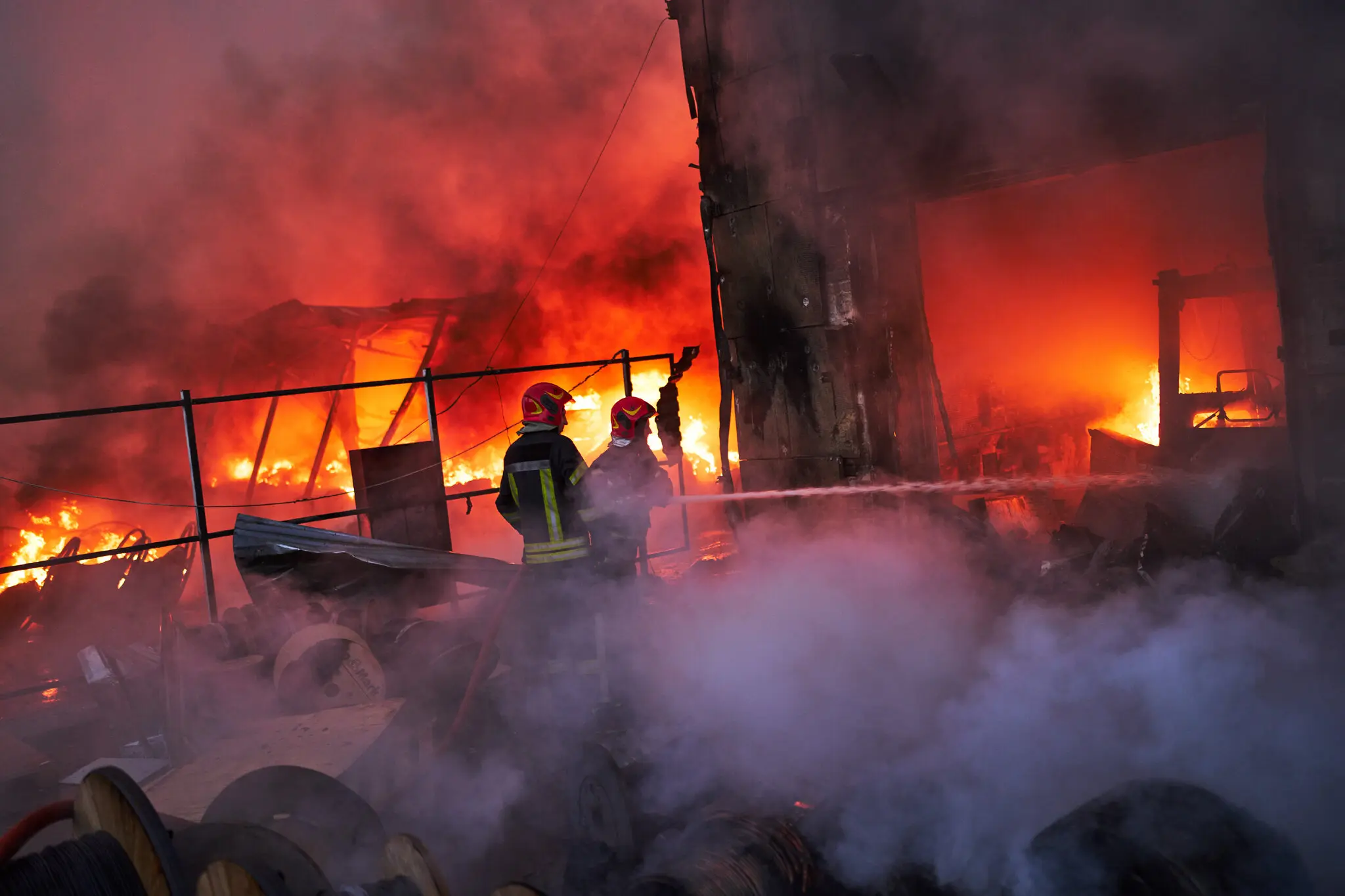
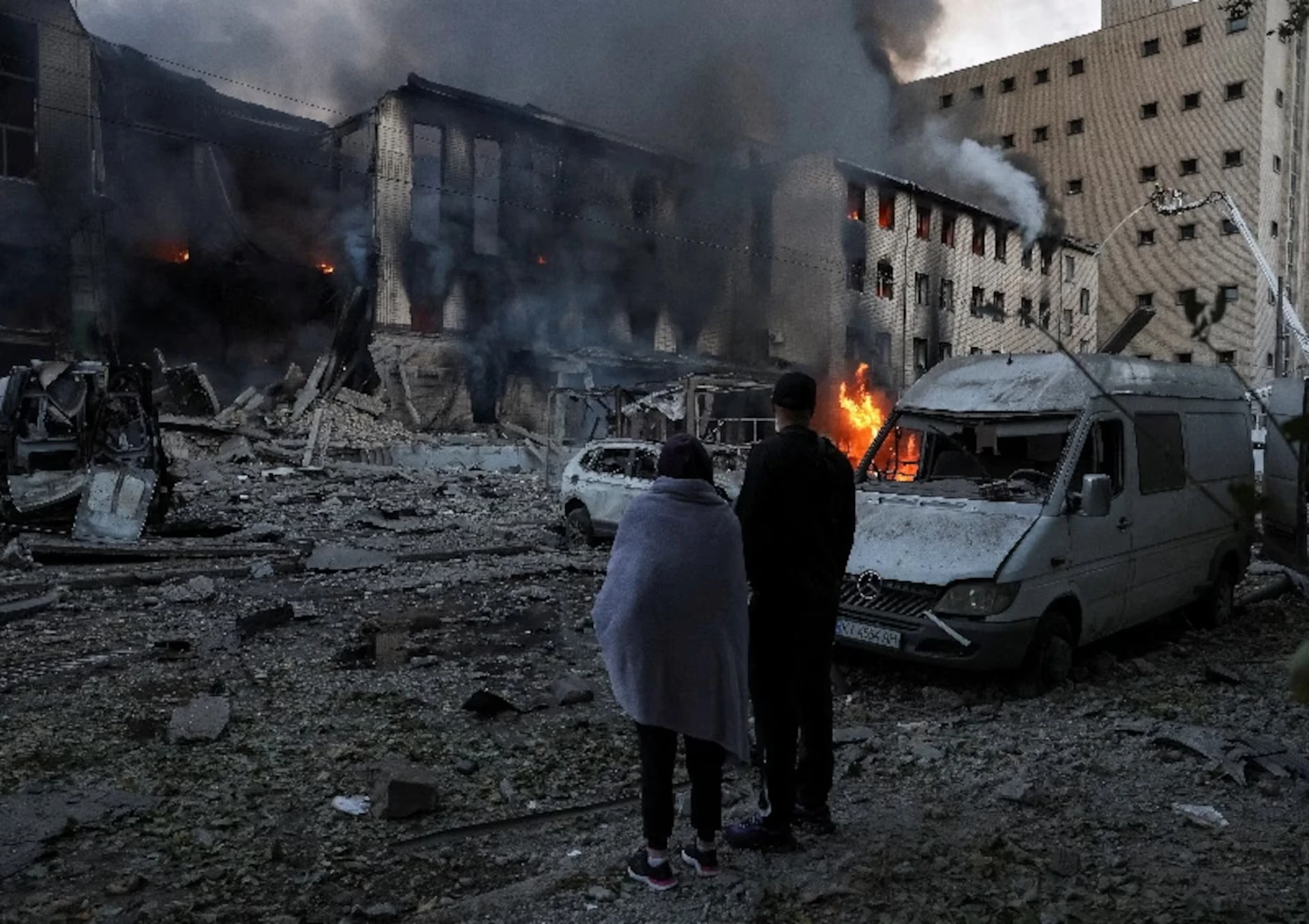
The most dangerous scenarios are not online posts, but possible provocations on the ground. An attack on Ukrainians in Poland, the arson of an aid facility, an incident near a logistics hub, damage to infrastructure or an attempt to present sabotage as an “internal conflict” could quickly turn a political dispute into a public security crisis.
That is why Polish services are looking not only at military facilities and critical infrastructure. Humanitarian organizations, aid warehouses, transport routes, refugee support centers and places connected to Polish-Ukrainian cooperation may also be at risk. In sabotage logic, the symbol can matter more than the scale of destruction.
Russia has already shown that it can operate in Europe through indirect tools: recruitment, arson, surveillance, cyberattacks, disinformation and attempts to influence marginal political circles. Poland and the Baltic states are on the front line of this threat because they are NATO members, neighbors of the war and key routes of support for Ukraine.
Warsaw understands that a Russian provocation does not have to be large to be effective. One carefully chosen incident can generate thousands of reposts, enter political talk shows, split parties, mobilize the street and create suspicion between communities. In hybrid warfare, the explosion often occurs not only at the site of an attack, but in public consciousness.
For Ukraine, this situation is especially dangerous. Poland remains one of Kyiv’s most important allies, despite difficult historical disputes, tensions over agricultural imports, war fatigue and domestic Polish politics. A loss of trust in this direction would cost Ukraine more than a single diplomatic quarrel.
For Poland, the risk is also strategic. Anti-Ukrainian radicalization may look like a useful domestic political tool in the short term, but over time it works for Moscow. The deeper Poland and Ukraine quarrel, the easier it becomes for Russia to promote the idea that Europe’s eastern flank is divided, tired and incapable of common policy.
This does not mean historical questions should be silenced. On the contrary, silence is what makes them explosive. Volhynia, the memory of the U.P.A., responsibility, exhumations, honoring victims and the language of mutual respect all require honest work. But that work cannot take place according to a script in which every gesture is immediately turned into a weapon against alliance.
Polish-Ukrainian history is genuinely complex. It contains shared resistance to imperial pressure, mutual aid, trauma, asymmetries of memory, migration, borders, war and politics. That is exactly why it is so vulnerable to manipulation. A simple myth is dangerous on both sides: it either denies pain or turns it into an endless grievance.
Russia’s interest is to prevent this complexity from becoming the basis for a mature dialogue. The Kremlin does not want memory; it wants a clash of memories. Not historical responsibility, but political hostility. Not a discussion of the past, but the destruction of the present alliance that prevents Russia from waging war against Ukraine without a European response.
That is why Warsaw’s warning should be taken seriously. It does not mean a specific attack is inevitable. It means the Polish state sees the logic of preparation, interest in sensitive facilities and an intensified information background. In security policy, such signals matter before an incident, not after it.
The best response to this threat is not emotional denial of problems between Poland and Ukraine, but sober separation. Historical disputes should remain matters for memory policy, diplomacy, archives, churches, victims’ families and commissions. Sabotage, propaganda and provocations should be matters for special services, prosecutors and counterintelligence.
This separation is especially important for society. When another scandal, anonymous video, call for revenge or alleged “proof” of hostile intent by Ukrainians or Poles appears online, the first question should not be emotional. It should be security-minded: who benefits from this story becoming explosive right now?
Poland and Ukraine are not countries without problems. But their partnership has become one of the main barriers to Russian expansion. That is why Moscow is not merely trying to quarrel two governments. It wants Poles and Ukrainians to stop seeing each other as difficult allies and begin seeing each other as natural enemies.
That is the essence of the current warning. Russian hybrid warfare does not always arrive as tanks, missiles or open threats. It can arrive as an arson attack on a warehouse, a fake account, a provocateur near a monument, an assault on refugees or an information campaign that persuades society that a rupture is inevitable.
Polish-Ukrainian relations now need not rhetorical warmth, but cold discipline. Memory must be honest. Politics must be responsible. Security must be alert. Russia’s greatest victory in this situation would not be one act of sabotage, but the moment after it — if Warsaw and Kyiv began to suspect each other more than Moscow.