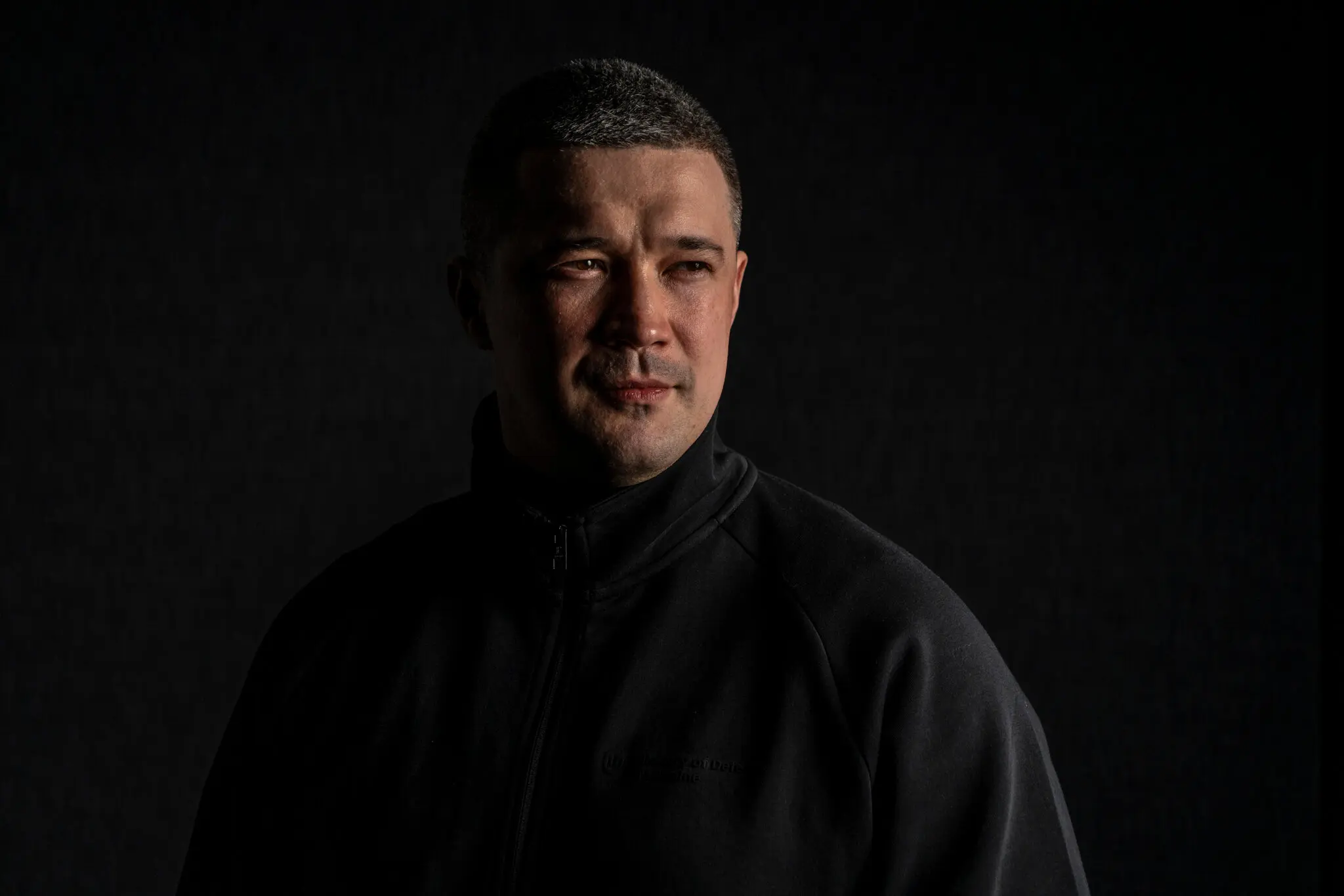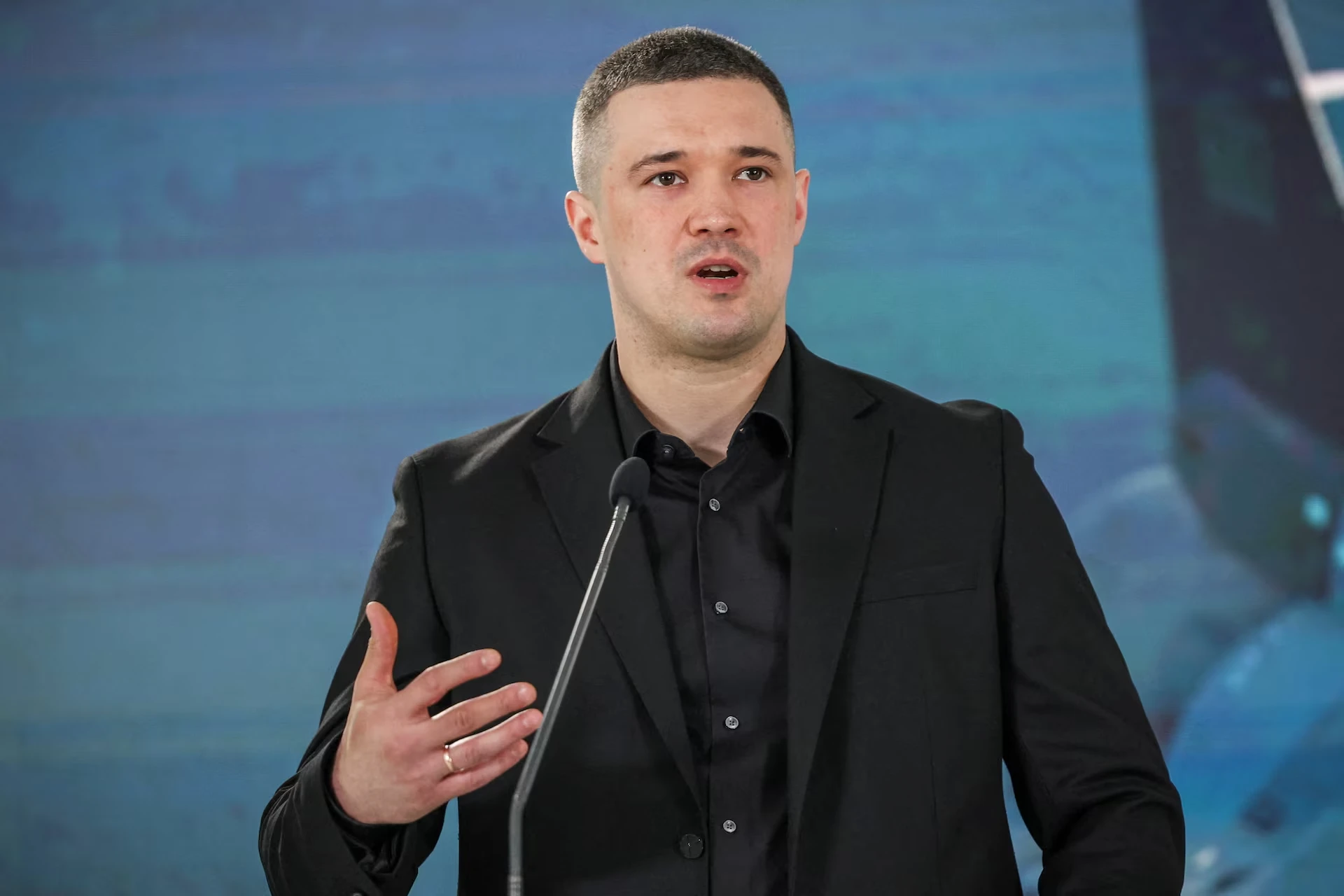

















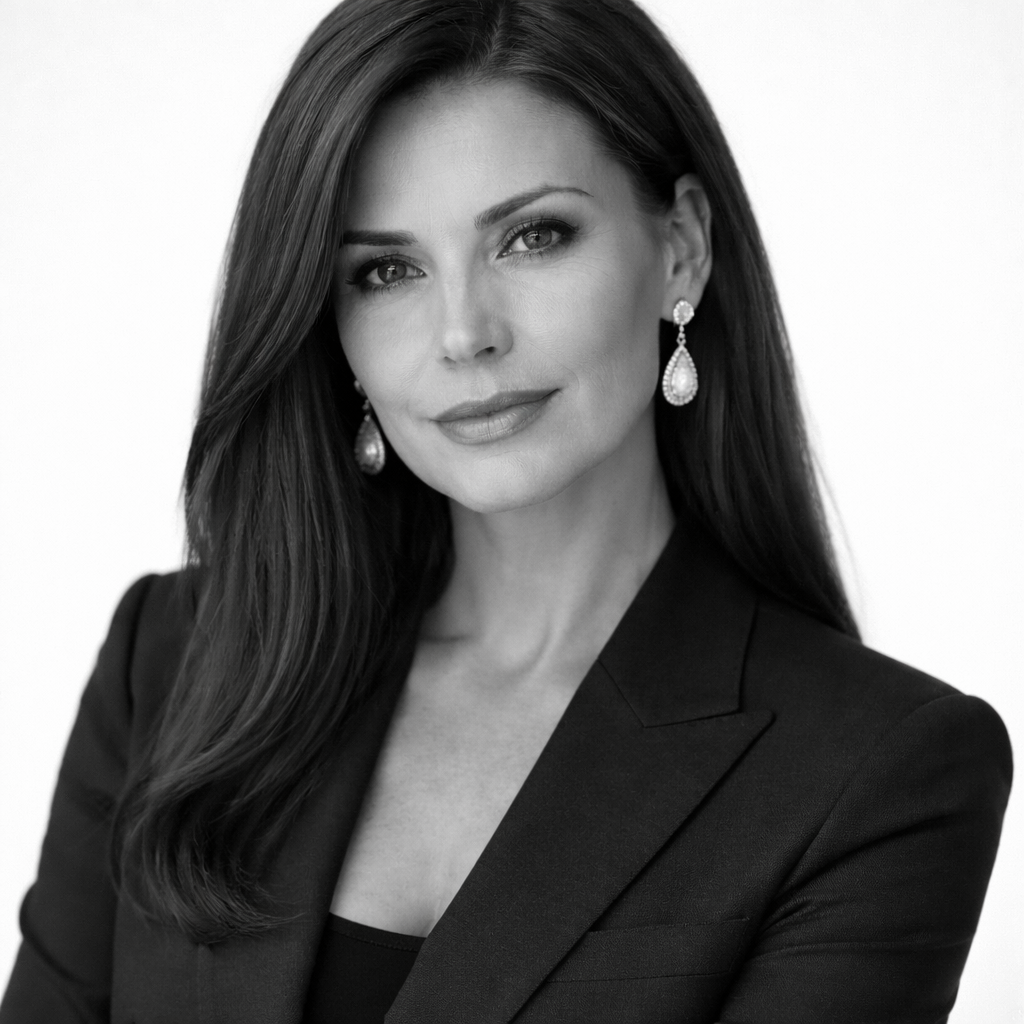
Mykhailo Fedorov lasted only six months as Ukraine’s defense minister, but his removal has become far larger than an ordinary government reshuffle. It brought people into the streets because many saw the decision not merely as a change of names in an office, but as a possible retreat from the very logic that has helped Ukraine survive against a stronger enemy.
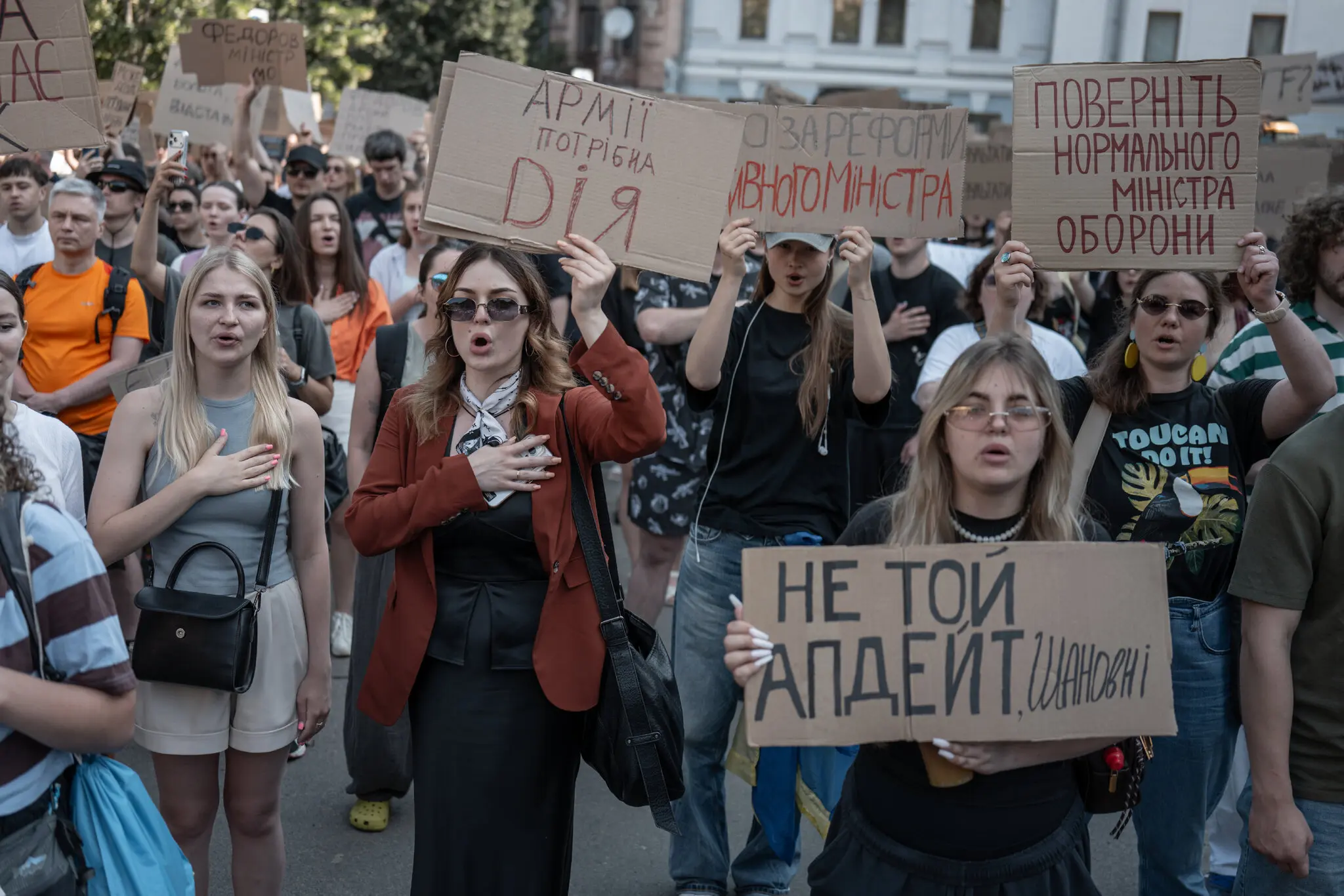
President Volodymyr Zelenskyy did not nominate Fedorov to remain at the Defense Ministry during a broader government reset. Parliament was expected to vote on a new cabinet, but before that, protests began in cities across Ukraine. Their message was direct: part of society did not want the man who became the face of the drone war to disappear from the defense chain of command.
Fedorov was the youngest defense minister in Ukraine’s history. His appointment was understood as Zelenskyy’s bet on technological asymmetry: if Russia has more people, artillery and resources, Ukraine must answer with the speed of innovation, drones, robots, digital platforms and a direct link between the front and manufacturers.
According to Daycom’s assessment, the protests after his removal are the most important detail in this story. They showed that the drone revolution is no longer a narrow subject for military engineers and operators. It has become part of society’s idea of Ukraine’s chance at victory — and any threat to that logic is now perceived as a political risk.
Fedorov did not come to the defense ministry from the military caste. His career grew out of digital modernization, e-government services and Zelenskyy’s technology team. He advised the president on technology, led the state’s digital transformation agenda and knew how to speak to Western partners in the language of products, platforms, speed and scale.
After the full-scale invasion, that language began to sound at the front. Ukraine could not wait for heavy defense industry to slowly meet every need of the army. It had to create cheaper, faster and more flexible solutions. That is how drones moved from being auxiliary tools to one of the centers of the war.
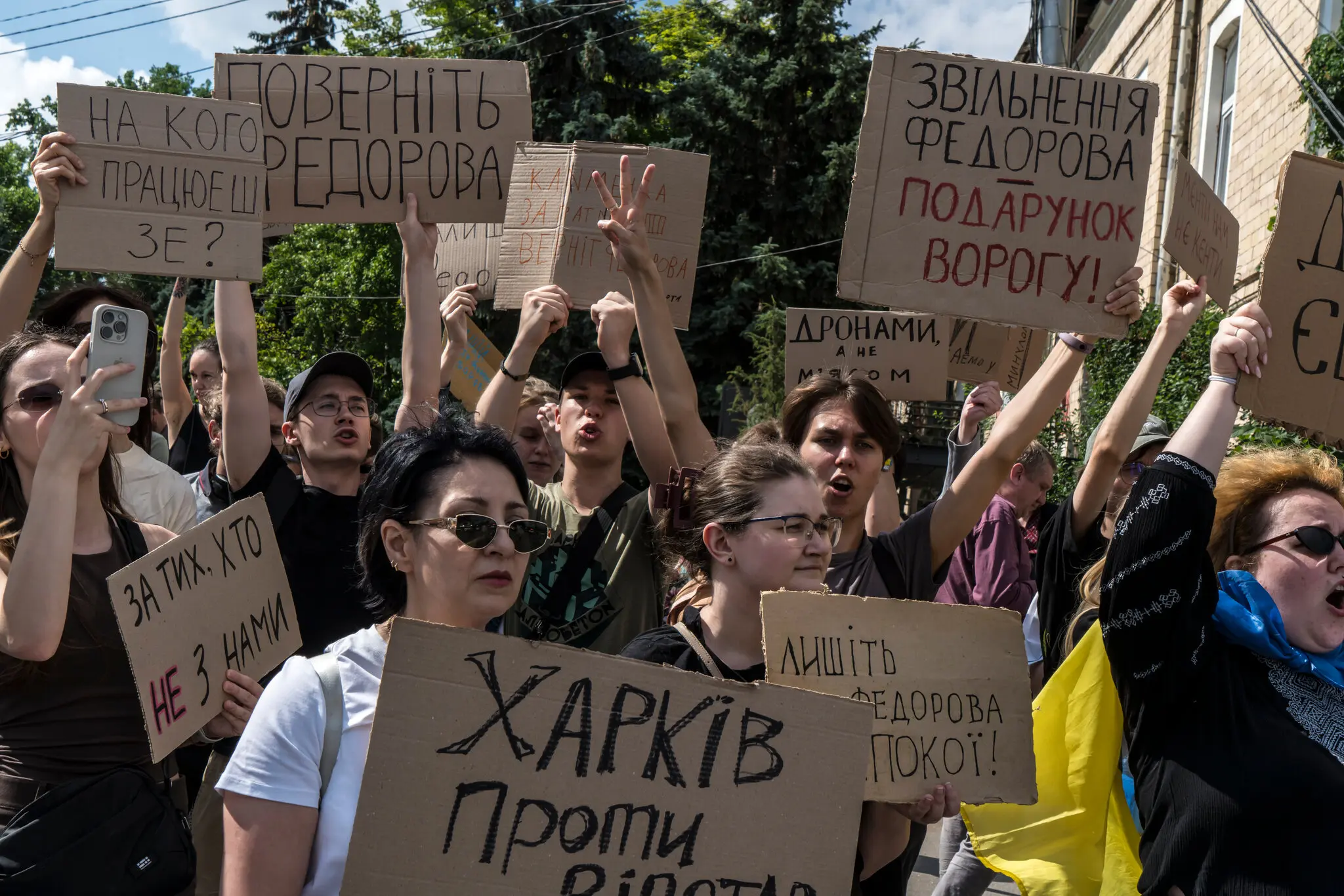 Протест проти звільнення міністра оборони України Михайла Федорова в Харкові в четвер. Деякі з гасел можна перекласти як «Поверніть Федорова» та «Звільнення Федорова – це подарунок ворогу» — Брендан Гоффман
During Fedorov’s time in office, Ukraine experienced a wave of optimism tied to long-range strikes on Russian refineries, military facilities and industrial sites, as well as systematic pressure on occupied Crimea. These were not isolated operations, but signs of a new military logic: strike deep, force Russia to stretch its defenses and bring the war closer to its resource base.
Fedorov became the public face of that shift. He promoted war as a competition of technological cycles: who sees the problem faster, builds a prototype faster, tests it at the front, improves it and moves it into production. For Ukraine, such speed was not a management style. It was a way to compensate for inequality with Russia.
His links to the Western technology world strengthened that image. Fedorov maintained contacts with executives who saw Ukraine’s battlefield as a glimpse of the future of war: data, artificial intelligence, satellite communications, analytics and autonomous systems. For Western technology circles, he was an understandable Ukrainian official — young, digital and focused on results.
But this was also where the tension began. Experienced generals did not always share his faith in a robotized future. For them, war remained not a presentation about drones, but a trench, infantry, assaults, artillery, rotations, losses and the physical holding of ground. They saw a danger that technological optimism could underestimate the brutal reality of the front.
That criticism was not empty. Drones cannot hold a tree line after a battle by themselves. Robots will not replace all infantry. Platforms cannot eliminate the need for discipline, logistics and command. The Ukrainian army cannot afford to become a chaotic market of experiments in which every unit fights with its own technological ecosystem.
Yet the conservative argument has limits. If Ukraine accepts the war only as a contest of infantry and artillery, it risks being trapped inside Russia’s logic of attrition. Russia has more people and can pay a terrible price for slow advances for longer. Ukraine’s answer must be different: reduce the role of human beings wherever a machine, sensor or algorithm can take over part of the risk.
Fedorov tried to do exactly that. He did not merely buy drones. He changed the idea of how weapons should reach the front. Programs such as Brave1 Market, nicknamed an “Amazon for weapons,” allowed soldiers to choose certain weapons and order them faster. For the front, that meant acceleration. For the old procurement system, it meant danger.
Defense contractors felt those mechanisms sharply. Large contracts, closed negotiations, lobbying and slow approvals had created a familiar architecture of profit. When a soldier or unit gains more influence over what is bought, part of that architecture begins to collapse. This is not only administrative reform. It is a redistribution of power inside the defense economy.
That is why Fedorov’s removal so quickly acquired a political interpretation. For his supporters, it looked like a victory of generals and contractors over the innovation system. For his critics, it looked like the necessary restraint of an overconfident technology team. For Zelenskyy, it was part of a broader reset meant to prepare the government for the next phase of the war.
The protests showed that society does not see this decision as purely technocratic. Ukrainians have already seen how drones change the front, how small teams create solutions that bypass heavy bureaucracy, how workshops and start-ups become part of national defense. For many, Fedorov represented not just a minister, but an entire culture of fast war.
This matters because the war has created a new class of trust. Veterans, drone operators, volunteers, engineers, small manufacturers and digital teams often trust not large institutions, but those who deliver results quickly. Fedorov was one of the few state officials whom this ecosystem saw as its own, or at least as someone it could understand.
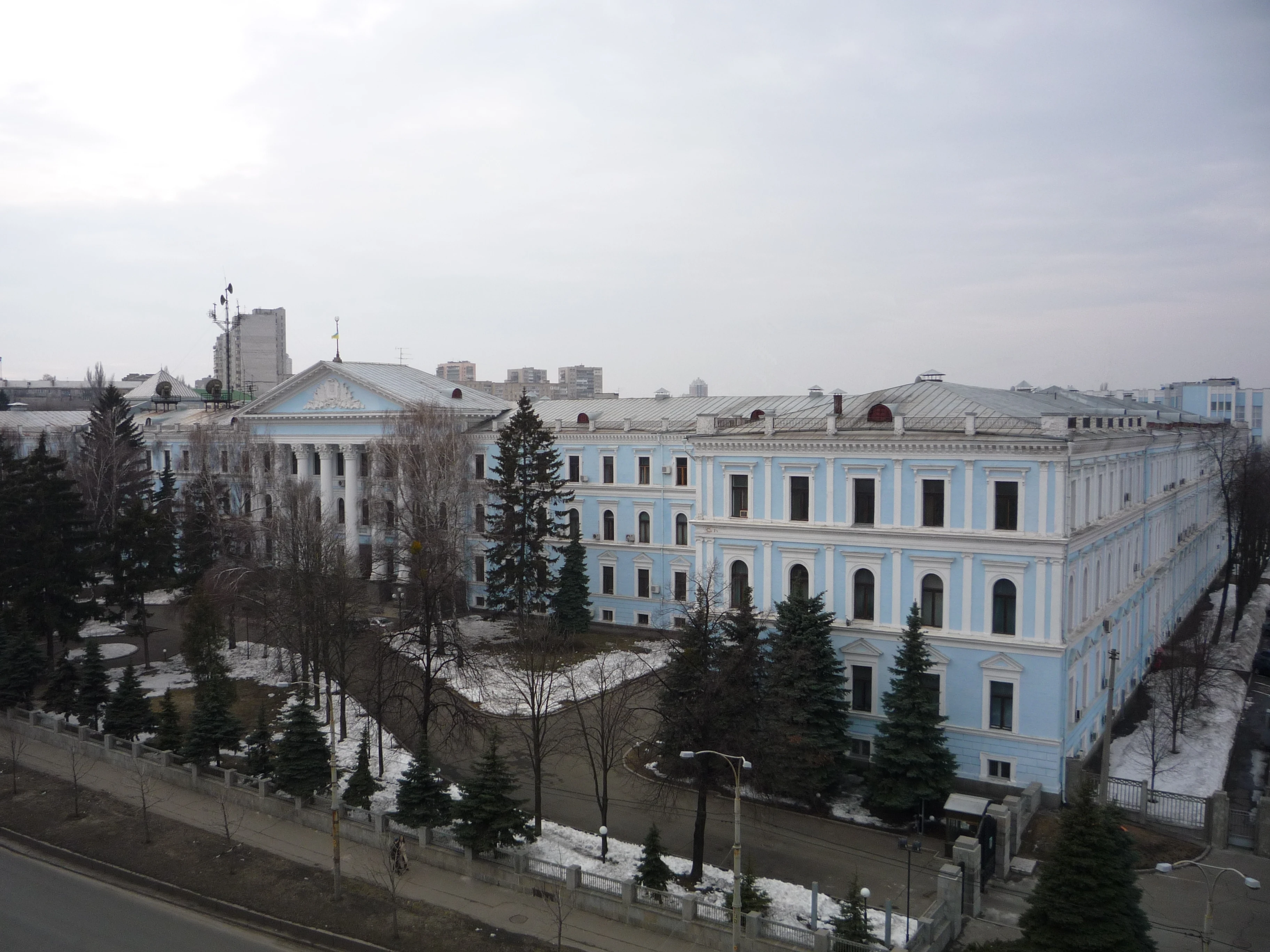
His removal therefore raises a question that goes far beyond one person. Has Ukraine’s innovation model become strong enough to survive the loss of its main political face? Will Brave1, digital procurement, direct links with manufacturers and the turn toward robotics remain real mechanisms, or will they begin to shrink under pressure from older interests?
If the system survives, Fedorov’s departure will be painful but not fatal. The new leadership could take the innovation infrastructure, add discipline, standardization and a closer link with the General Staff. That would be the best scenario: not the cult of one reformer, but the institutionalization of speed.
If, however, his removal becomes the beginning of a revanche by the old procurement logic, the consequences will be far more serious. In war, tempo often matters more than perfect form. A drone that hits today may be jammed tomorrow. A software solution that gives an advantage today may be copied by the enemy tomorrow. Every month of bureaucratic delay can cost lives at the front.
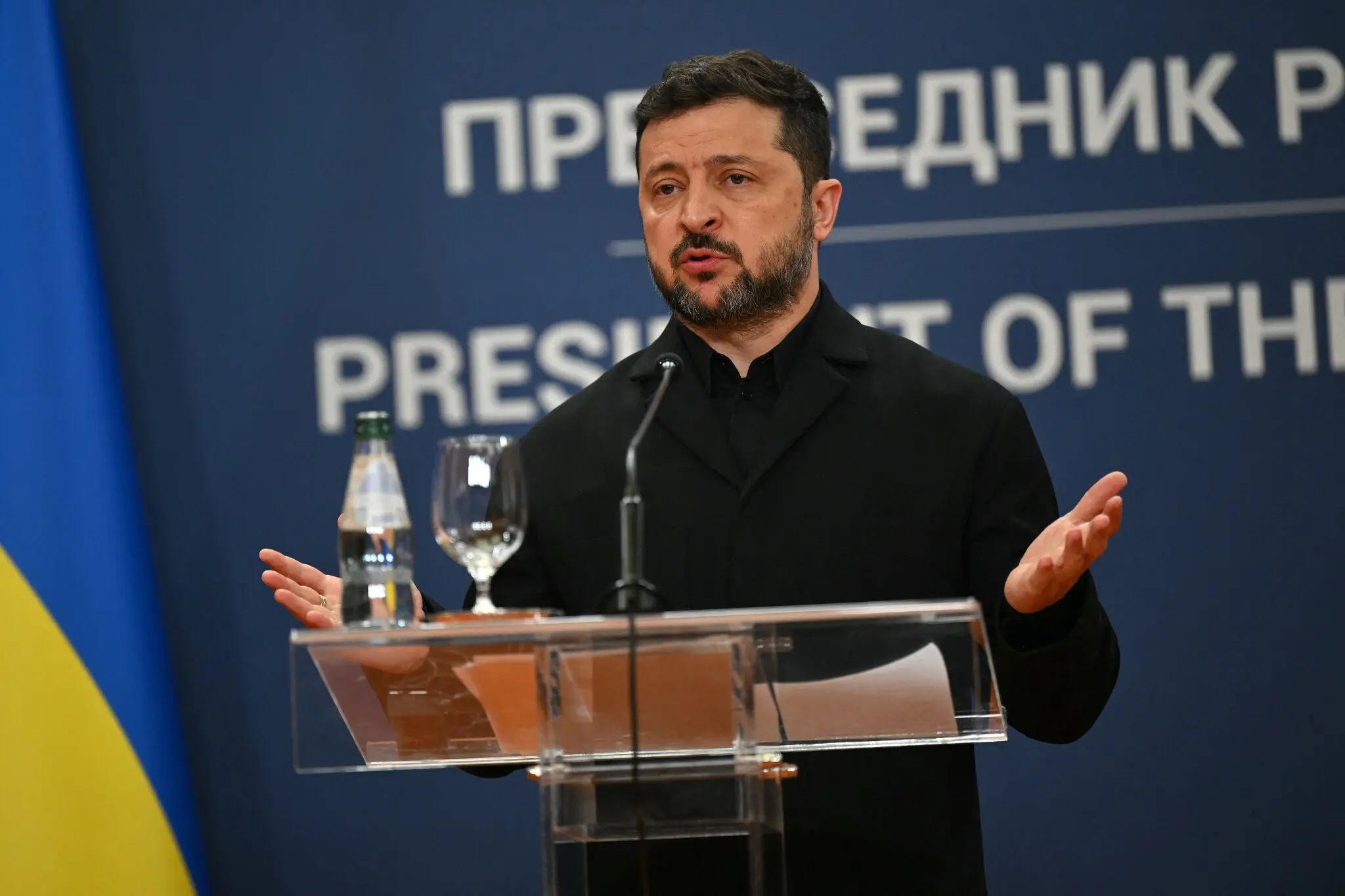
For Zelenskyy, this is also a political risk. A president has the right to change ministers, especially during war. But when the dismissal of a popular technology minister provokes protests, it means the government is facing a new kind of public sensitivity. People are protesting not only for a person, but for a model of war they believe works.
Zelenskyy has long concentrated political responsibility in his own hands. That gave Ukraine speed in the first years of the full-scale war, but it creates another problem: every personnel change is now read as a signal about the internal balance of the presidential system. Whom does it elevate? Whom does it remove? Can it tolerate strong and popular executors beside the president?
Fedorov was inconvenient precisely because he had become too visible. He had his own audience, support from parts of the opposition, ties to the West and a clear image as a man of the future war. In a system where the president is expected to remain the central symbol of resistance, such a minister can easily shift from asset to potential political challenge.
Yet war does not allow this to be seen only through the lens of ratings. Ukraine needs strong ministers if they can deliver results. It needs generals who do not reject innovation out of distrust of civilians. It needs technologists who do not look down on infantry reality. And it needs a president capable of keeping all these forces inside one system rather than choosing between them.
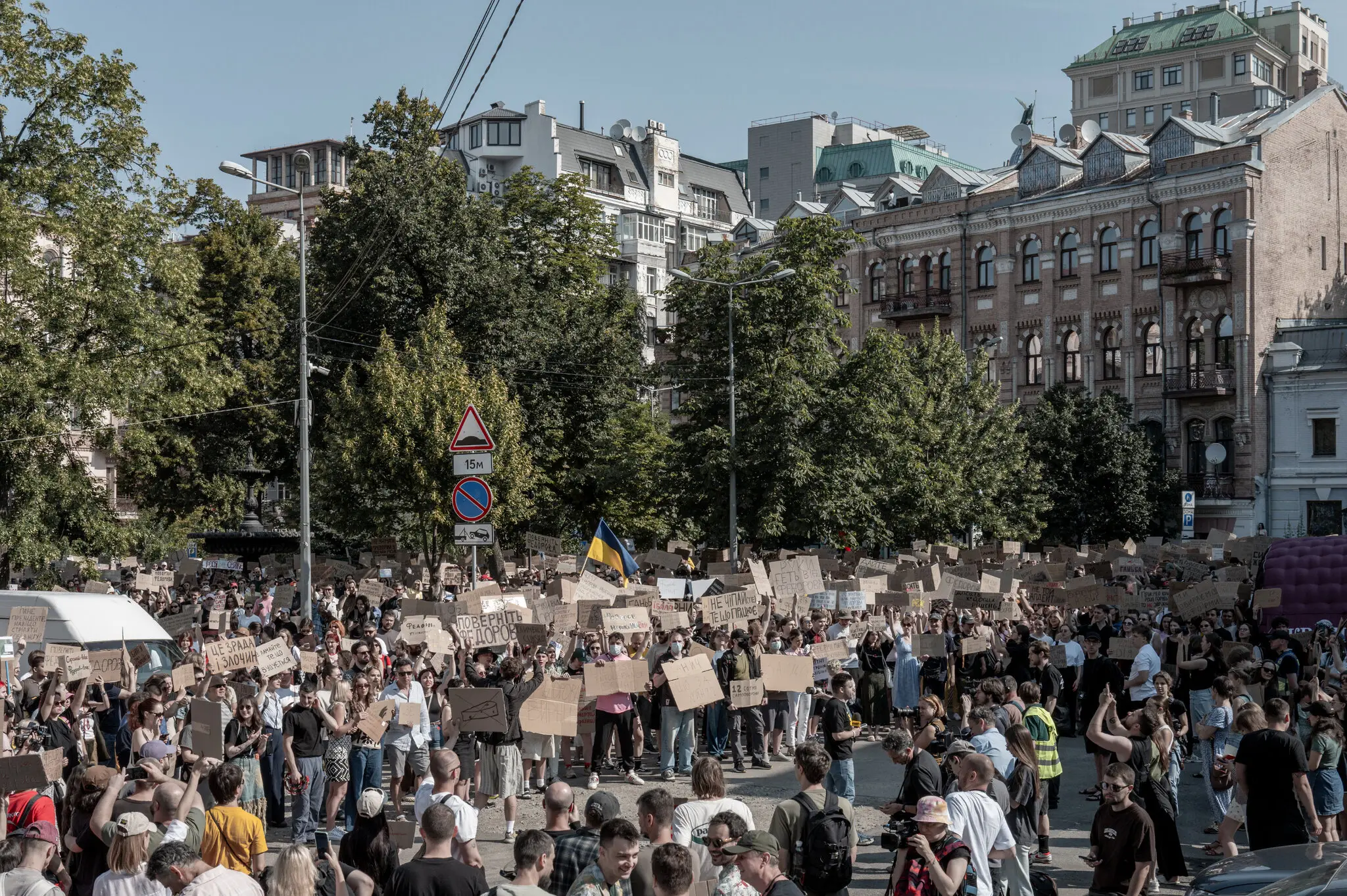 Протест у Києві, столиці України, у четвер — Єджей Новіцький
Fedorov described his approach as fighting with the “speed of innovation.” That phrase became more than self-presentation. It was the shortest description of Ukraine’s advantage. Ukraine has no right to be slower than Russia. It has no right to wait until the old defense machine matures into the future on its own. It must build that future under fire.
That is why the protests after his removal matter. They show that part of Ukrainian society already understands technological war as a political question. Drones, robots and digital procurement are not only tools of the front. They are an answer to the central fear: that a larger enemy will impose on Ukraine a war of attrition in which human resources become decisive.
Fedorov’s removal does not necessarily break that answer. But it has become a test of it. If the drone strategy depended on one minister, it was weaker than it seemed. If it has already taken root in the army, industry and society, it will survive his departure. The next decisions by the new government will show which of these is closer to the truth.
Ukraine is fighting in conditions where every innovation quickly becomes routine, and every routine quickly becomes obsolete. It needs not the romance of drones, but an institution of speed. Not the cult of a young minister, but a system that shortens the path from idea to front every day. Not a confrontation between generals and technologists, but their forced coexistence inside one logic of victory.
That is what will be decided after Fedorov. Not only his career, not only the composition of the cabinet, not only another internal intrigue. The question is whether the Ukrainian state can preserve the most valuable thing it has produced in the war: the ability to be faster, more flexible and bolder than an enemy still trying to win by mass.
If the government preserves that ability, Fedorov will remain an important stage, but not the last pillar of Ukraine’s technological war. If it does not, his removal will become the symbol of a moment when a country that had learned to fight with the future suddenly felt the past pulling it back.