



















Vladimir Putin described the events in occupied Starobilsk as a “new page” in the war — and almost immediately that phrase became part of Russia’s explanation for a mass strike on Ukraine. The Kremlin is again trying to present attacks on Ukrainian cities as a forced response, rather than the continuation of a systematic campaign of destruction.
Russia claims its overnight attack was retaliation for a May 22 strike on a dormitory in the part of the Luhansk region it controls, where Moscow says 21 people were killed. Putin accused Ukraine’s leadership of deliberately committing a grave crime against children and teenagers at a teachers’ college.
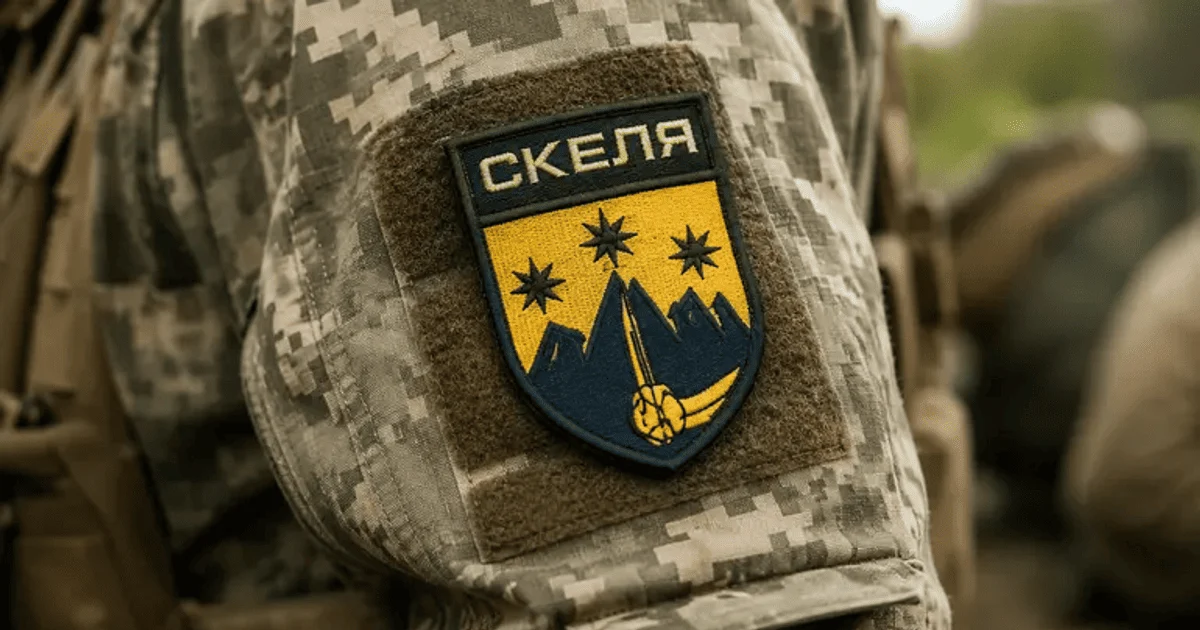
Ukraine’s military rejects Russia’s version. Kyiv says the strike did not target a civilian dormitory, but an elite drone command unit in the Starobilsk area. The circumstances remain part of a fierce information battle in which each side is trying to impose its own frame on events.
According to Daycom’s assessment, the central issue is not only the dispute over a specific target. More important is how quickly Moscow turns a contested episode into political permission for a new wave of strikes. The formula of “retaliation” allows the Kremlin to disguise offensive logic as punishment.
This is not a new tactic. Russia has repeatedly described strikes on Ukraine as “revenge” for events it presents in its own preferred light. The pattern is circular: first Moscow builds an emotional accusation, then attaches military action to it, and after the destruction insists it was merely reacting.
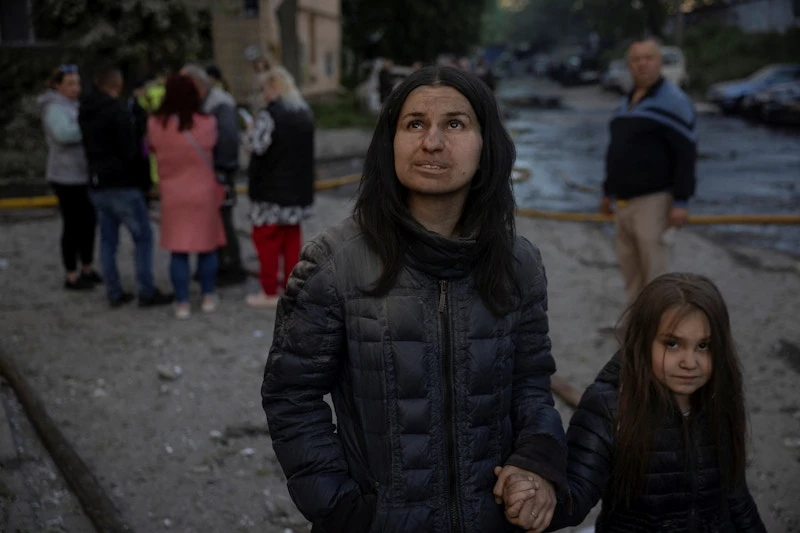
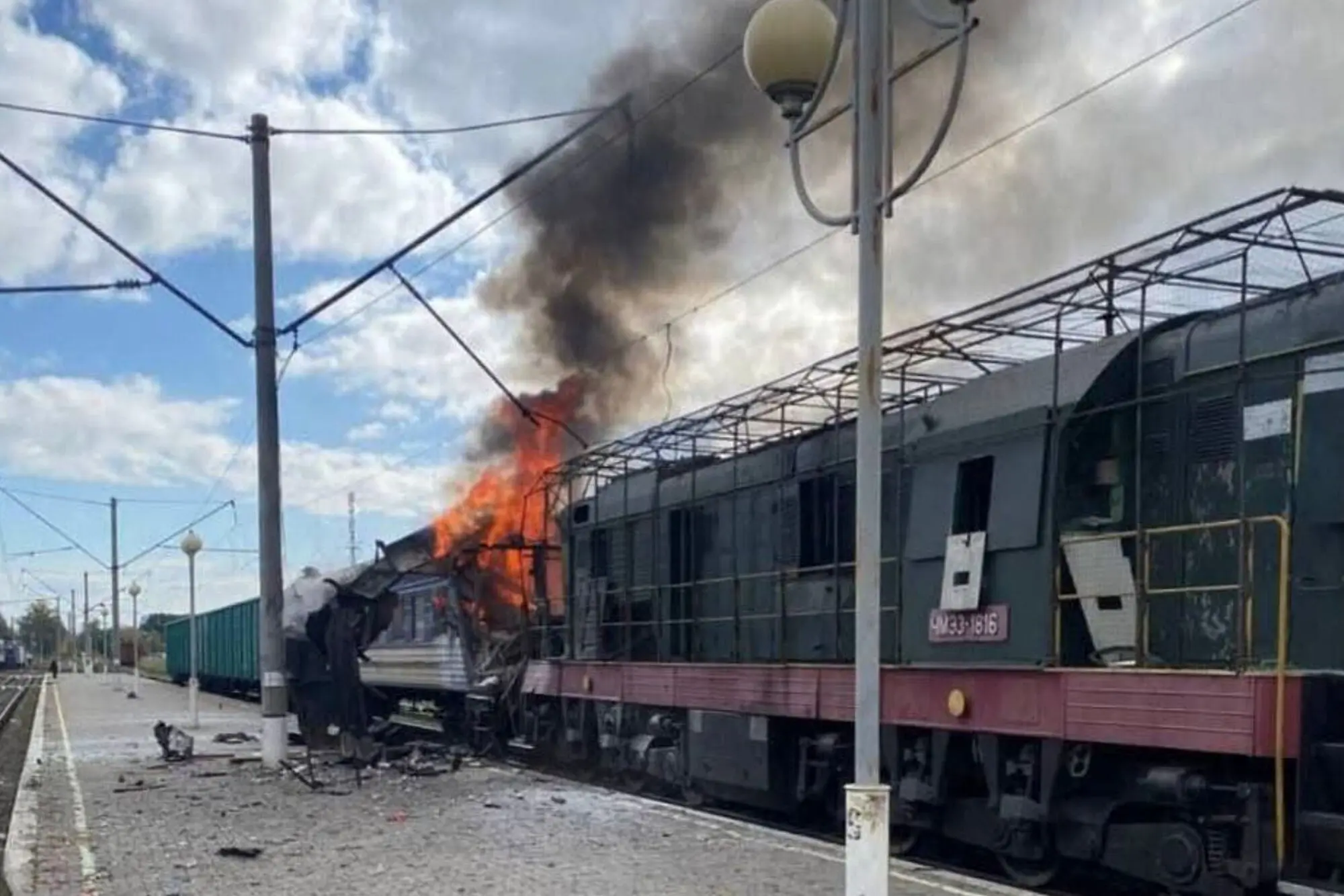
The problem is that the real consequences of such “responses” regularly extend far beyond declared military targets. Apartment buildings, clinics, energy facilities, transport sites and civilian districts are hit. This gap between the Kremlin’s language and the reality on the ground has long been one of the defining features of Russia’s wartime rhetoric.
Putin’s phrase about a “new page” serves another purpose. It tries to shift moral responsibility for escalation onto Ukraine. The Kremlin does not speak of its own decision to launch hundreds of drones and dozens of missiles. It speaks of an allegedly forced reaction to another side’s crime. Once again, the aggressor seeks the role of the offended party.
For Russia’s domestic audience, that construction is especially useful. Society must be told why the war is now in its fifth year, why Ukraine is striking more often inside Russia’s rear, and why the promised quick victory has turned into a long, costly and exhausting campaign. The image of a “new page” creates the impression that Russia is not stuck, but merely moving to another phase.
For the outside world, the signal is different. Moscow is showing that it is ready to raise the intensity of strikes and treat any Ukrainian action as a reason to expand attacks. It is an attempt to impose fear of escalation on Kyiv’s partners: if Ukraine strikes Russian military nodes, Russia will hit Ukrainian cities harder.
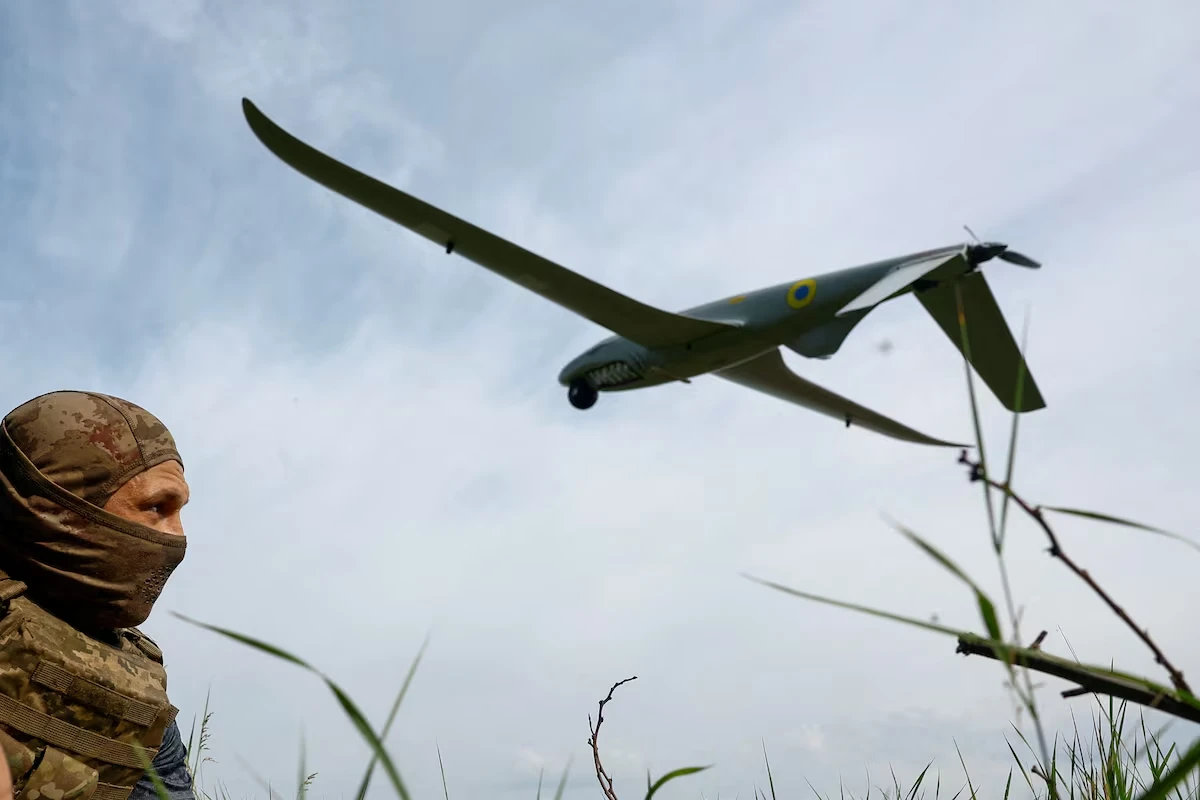
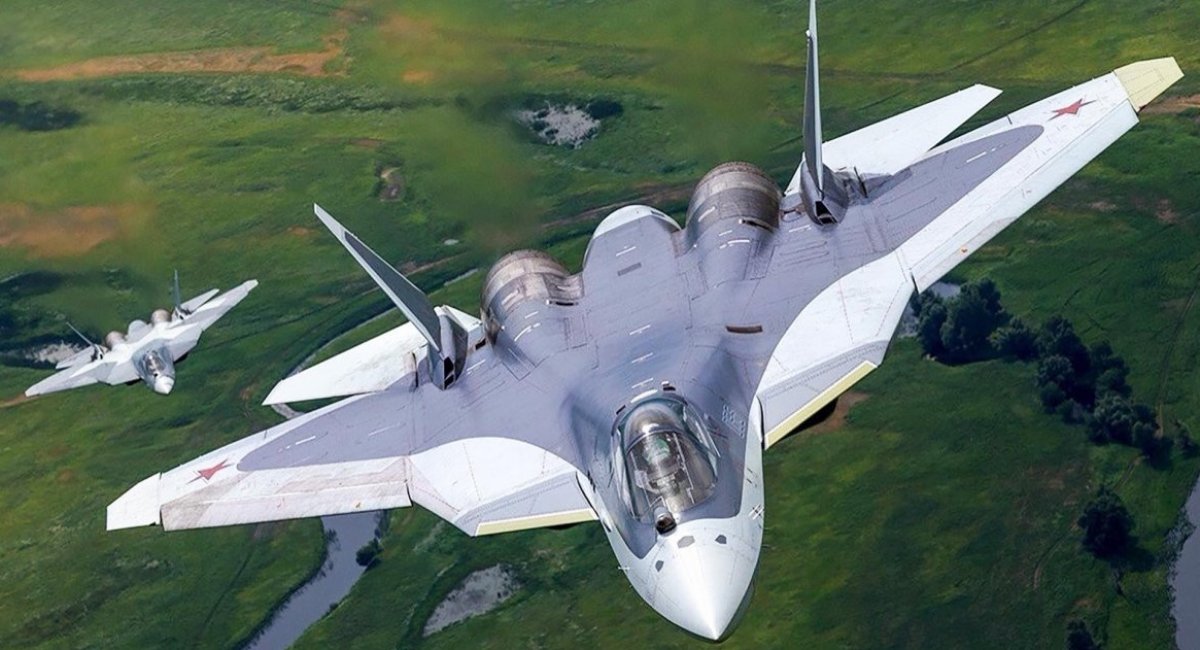
That is why Russian rhetoric after Starobilsk cannot be separated from the broader air campaign. The Kremlin is trying to exhaust Ukrainian air defenses, force Kyiv to spend scarce interceptors, keep civilians in constant anxiety and test the West’s readiness to replenish Ukraine’s stocks.
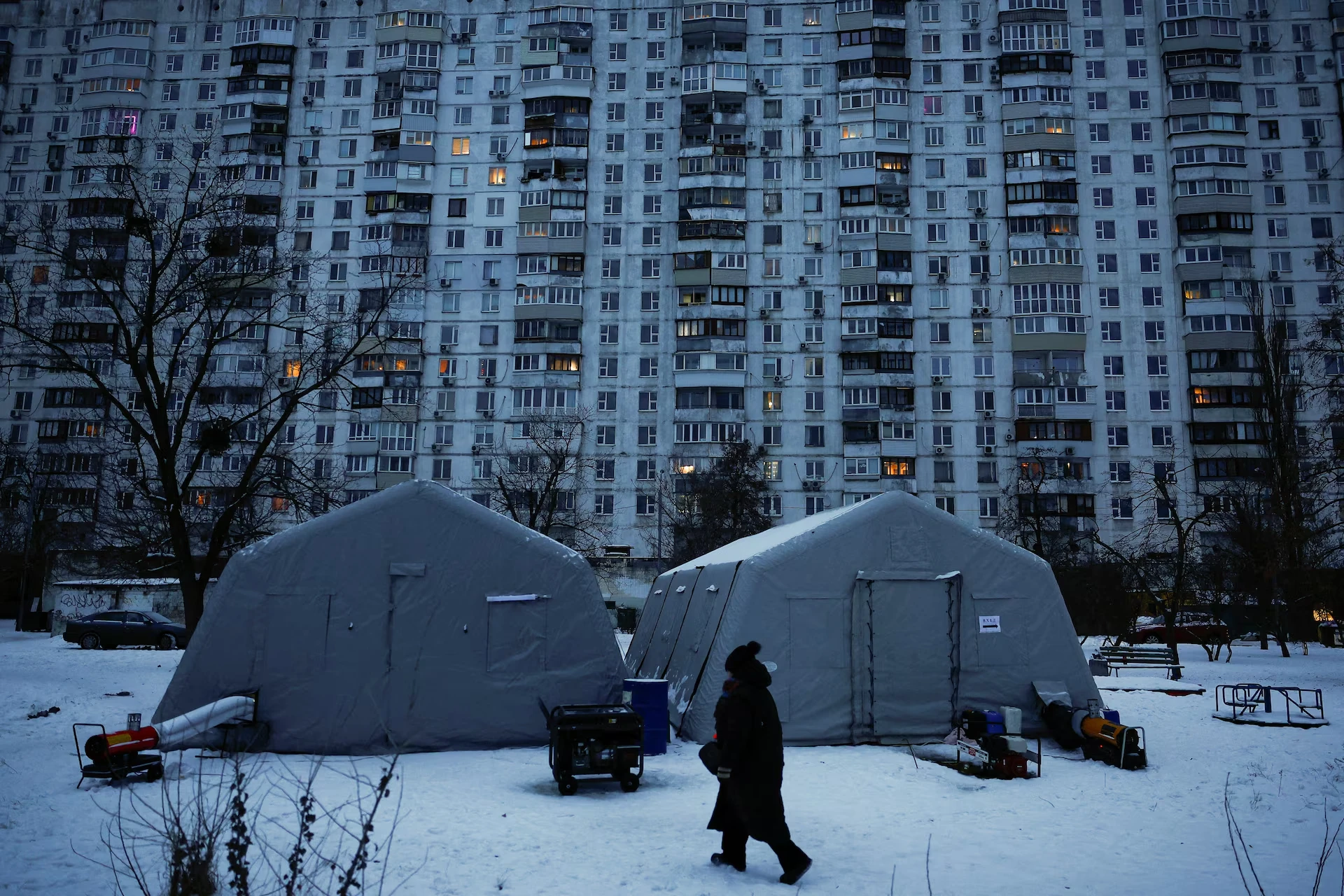
In this logic, the information justification is as important as the military plan. If society is told that strikes are “punishment,” it becomes easier to conceal their strategic purpose: to damage energy systems, disrupt governance, intimidate people, complicate industrial work and show allies that supporting Ukraine will become increasingly costly.
Starobilsk has therefore become not only the site of a specific incident, but a political instrument. Russian authorities are using it to attach a new wave of violence to an emotionally charged image of dead children and teenagers. That rhetoric is especially dangerous because it blurs the line between sympathy for victims and permission for further destruction.
Ukraine faces a more difficult communication task. It is waging war against Russian military infrastructure, including command posts, drone units, depots, logistics and energy resources that support the aggressor’s army. But every strike in occupied territory is recast by Russia as a crime against civilians.
That creates a space where facts, timing, access to the scene and control of information become part of the battle. In occupied territories, independent verification is almost impossible, while Russian administrators control the first testimonies, images and official wording. Such episodes quickly become propaganda tools.
Yet even amid uncertainty, one thing is clear: Russia does not need a genuinely new pretext to strike Ukraine. Mass attacks on Kyiv, Kharkiv, Dnipro, Odesa, Zaporizhzhia and energy sites were happening long before Starobilsk. Their logic was not formed as a reaction to one event, but as a method of war.
Putin’s “new page” therefore looks very much like the old one. It contains accusations without full access to evidence, theatrical moral outrage, strikes on Ukrainian cities and an attempt to shift responsibility for escalation onto the victim of aggression. What is new is only the scale of the means and the speed with which Russia is trying to pressure Ukraine’s skies.
Ukraine’s answer to this tactic must be twofold. The first is military: more air defense, more interceptors, more long-range capabilities against Russia’s war infrastructure. The second is political: not to allow the Kremlin to turn every strike it launches into a “response,” or every Ukrainian defensive action into an excuse for Russian terror.
In this war, Putin’s words matter almost as much as missiles, because they prepare the ground for the next strikes. When the Kremlin speaks of a “new page,” it is not trying to describe reality, but to rewrite it. Ukraine and its allies must not accept that frame. Behind it is not a new phase of war, but an old Russian formula: first accusation, then attack, then the demand to treat the aggressor as a side that was merely responding.