



















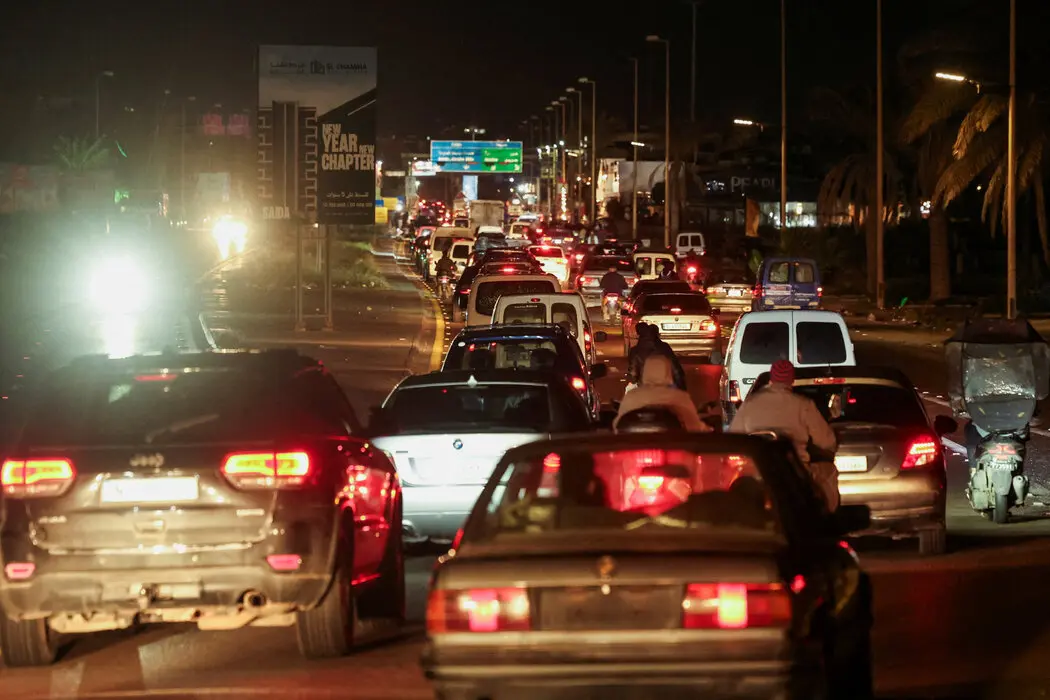
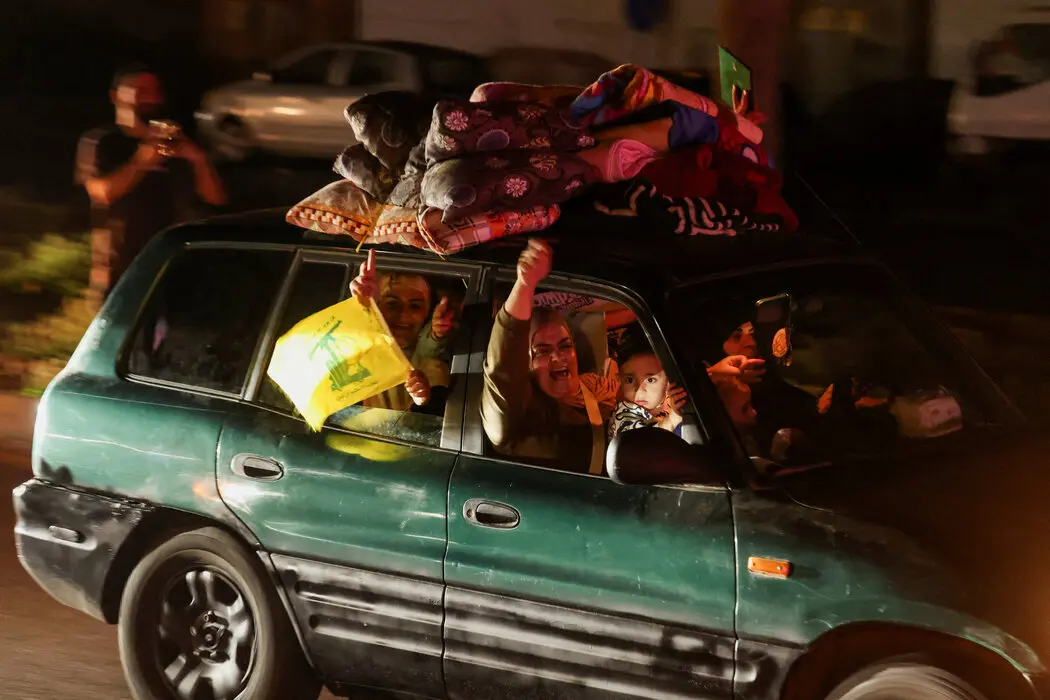
The first hours after the cease-fire in Lebanon revealed the most important truth about wars like this one: for civilians, war does not end when diplomats announce a formula. It ends when the road home opens. That is why thousands of displaced families poured onto the main highways toward southern Lebanon almost as soon as the truce took effect. Their return was not simply a humanitarian reaction. It was also an act of urgency, almost of disbelief. People rushed home because they know better than anyone how short a Middle Eastern pause can be.
This cease-fire matters far beyond Lebanon itself. It removes one of the most dangerous points of friction in the already fragile U.S.-Iran track, at least temporarily. Tehran had insisted that any meaningful de-escalation must extend to Lebanon rather than apply only to the direct line between Washington and Iran. In that sense, the 10-day pause between Israel and Lebanon is not a separate story. It is part of the wider architecture of an unstable regional truce that the United States is trying to hold together before it breaks apart again.
And yet this is precisely where the central contradiction begins. Formally, the sides agreed to a cease-fire. In reality, Hezbollah was not a full participant in the negotiating structure and has not offered an unambiguous pledge of long-term compliance. Its language has been conditional, signaling that its behavior will depend on how events unfold. As Daycom’s earlier analysis noted, the greatest danger in conflicts of this kind is not only the possibility of renewed fire, but the absence of a single authority capable of guaranteeing silence on behalf of all armed actors. In Lebanon, that structural weakness remains exactly where it was before.
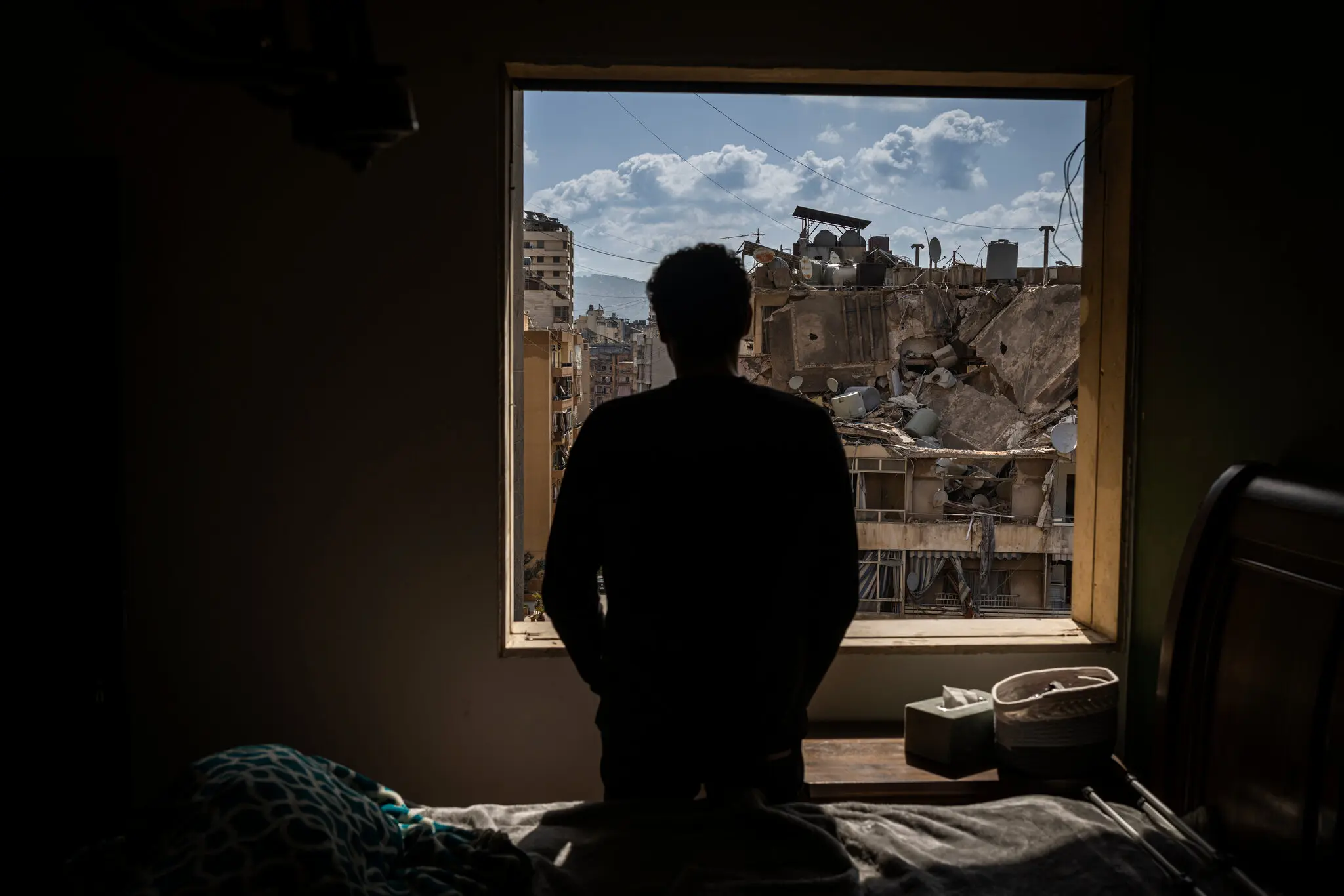
That is why the images of families heading south carry both a tragic and a political meaning. After more than 2,100 people killed in Lebanon and over one million displaced, the movement home looks like a society trying to impose normality on a landscape where no institution can yet guarantee it. For Beirut, it is a chance to suggest that the state can still reclaim at least partial control over space and public life. For ordinary Lebanese, it is something more immediate: an attempt to get ahead of the next wave of uncertainty while the sky is, at least for now, quieter.
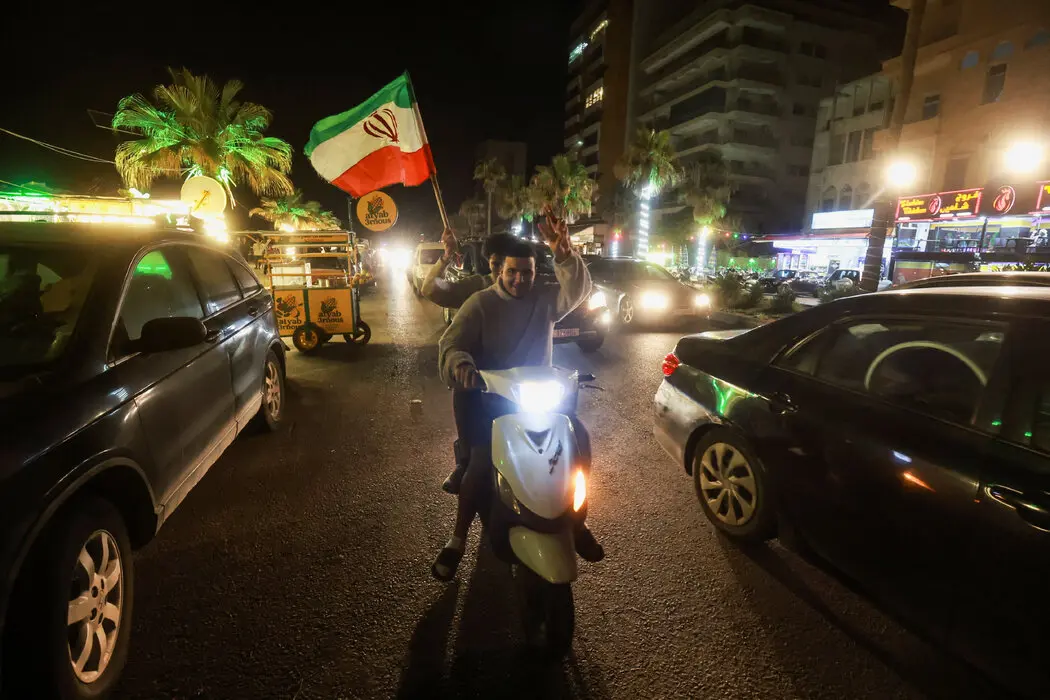
But the fragility of this truce is built into its own wording. The U.S. framework leaves Israel with the right to take “necessary measures in self-defense” while prohibiting offensive operations against Lebanese targets. Diplomatically, that sounds workable. Practically, it creates a very wide field for argument over what counts as defense and what counts as renewed escalation. The Lebanese army said within hours that it had recorded Israeli violations after the cease-fire began, while Israel has made clear that it does not intend to surrender freedom of action if it judges Hezbollah to remain an immediate threat. What exists, then, is not a peace framework. It is a narrow corridor of managed ambiguity.
Relief in northern Israel should also not be mistaken for a sense of resolution. For residents there, the halt in Hezbollah rocket fire brings real psychological respite. But almost no one can plausibly believe that the source of danger has disappeared. That is why Israel accepts the truce without accepting strategic closure. It is treating silence as an operational pause, not as the end of the underlying problem. In that logic, the cease-fire does not settle the conflict. It simply freezes it at a moment of high alert.
The deeper problem is unchanged: the Lebanese state still does not monopolize decisions of war and peace on its own territory. Every truce between Beirut and Jerusalem therefore contains an internal fracture. It is negotiated by authorities that do not fully control the battlefield and must be observed by forces that were not fully party to the deal. In such a structure, calm depends less on the strength of the agreement than on a temporary overlap of interests. And temporary overlaps on this front rarely last long.
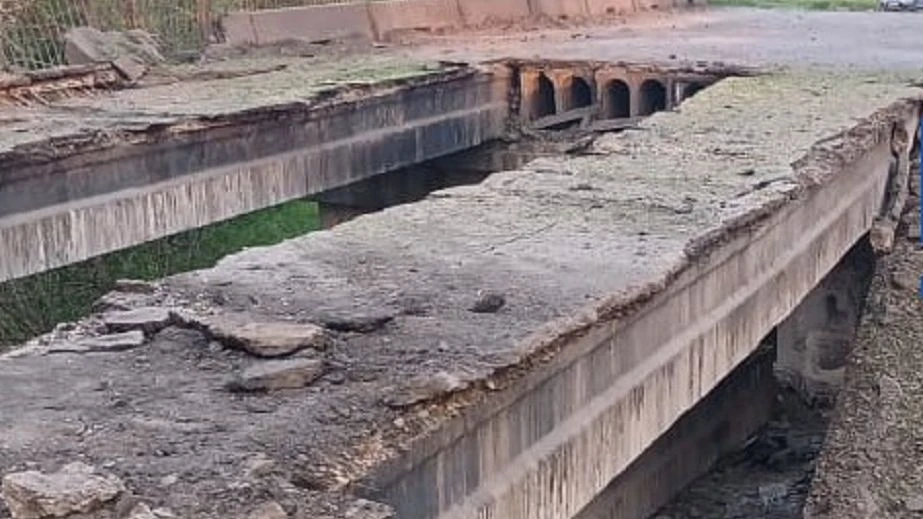
That is why the sight of civilians returning home is not evidence that the war is truly over. It is, in some ways, the clearest evidence that it is not. People are returning not because a durable security order has been restored, but because waiting any longer has become intolerable. They are moving back into damaged towns and villages under the shadow of possible renewed strikes, balancing official caution against the basic human need to reclaim a life, a house, a street, a routine. In that sense, the road south offers a more honest portrait of Lebanon today than any diplomatic statement. Society is trying to move forward while politics merely tries to postpone the next test.
The 10-day truce therefore carries a double meaning. It does save lives immediately, and it does give the broader U.S.-Iran diplomatic track a chance not to collapse this week. But it removes none of the foundational conflicts: not Hezbollah’s independent armed role, not Israel’s insistence on retaining strategic freedom, not the weakness of the Lebanese state, and not Iran’s continuing regional stake in the Lebanese theater. The silence now settling over Lebanon is not the end of war. It is only a brief measure of how exhausted all sides have become by its cost.