














Ukraine’s proposed silence lasted only a few hours in Russia’s actions. Kyiv said it was ready for a cease-fire beginning on May 6, responding to Moscow’s short pause around May 9. Russia did not confirm that it would join the initiative and instead continued its attacks.
By late Wednesday morning, Ukraine had recorded 1,820 violations of the proposed cease-fire. These were not isolated incidents, but a broad pattern: assaults along the front, airstrikes, drone attacks, and damage to homes, infrastructure and industrial sites.
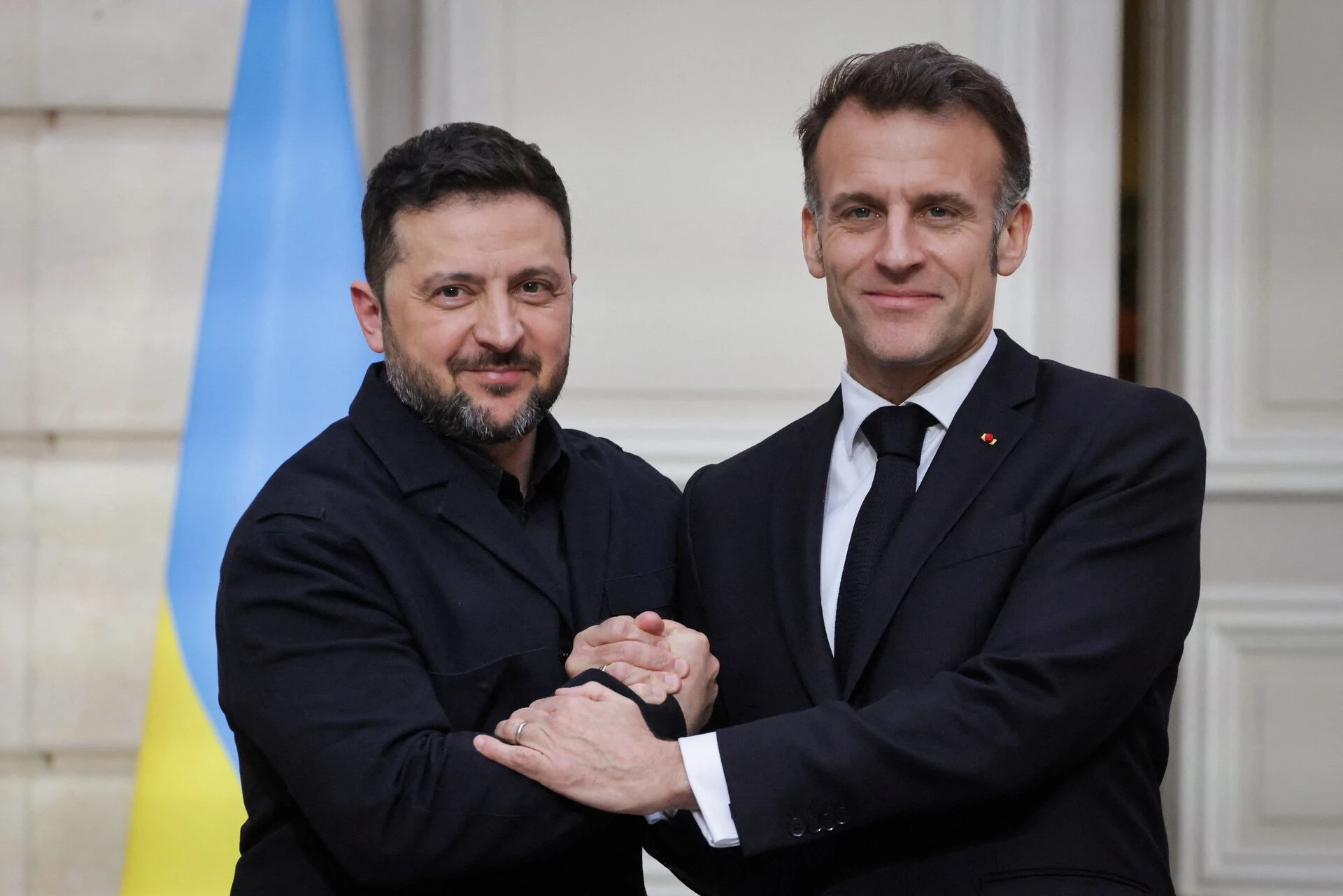
Volodymyr Zelensky called it an obvious rejection of a cease-fire and of saving human lives. In his evening address, he said Russia had answered Ukraine’s proposal with new strikes and new attacks, and that Ukraine would determine its own justified responses.
According to Daycom’s earlier analysis, the day mattered not only militarily, but politically. Ukraine proposed silence before Russia’s holiday calendar. Russia showed that it is interested not in stopping the war itself, but in securing its own May 9 ritual.
The Kremlin wants a short pause for Moscow’s parade. Kyiv is proposing silence that should not end with the television image from Red Square. That is the central conflict: for Ukraine, a cease-fire should save people; for Russia, it increasingly looks like a way to protect a ceremony.
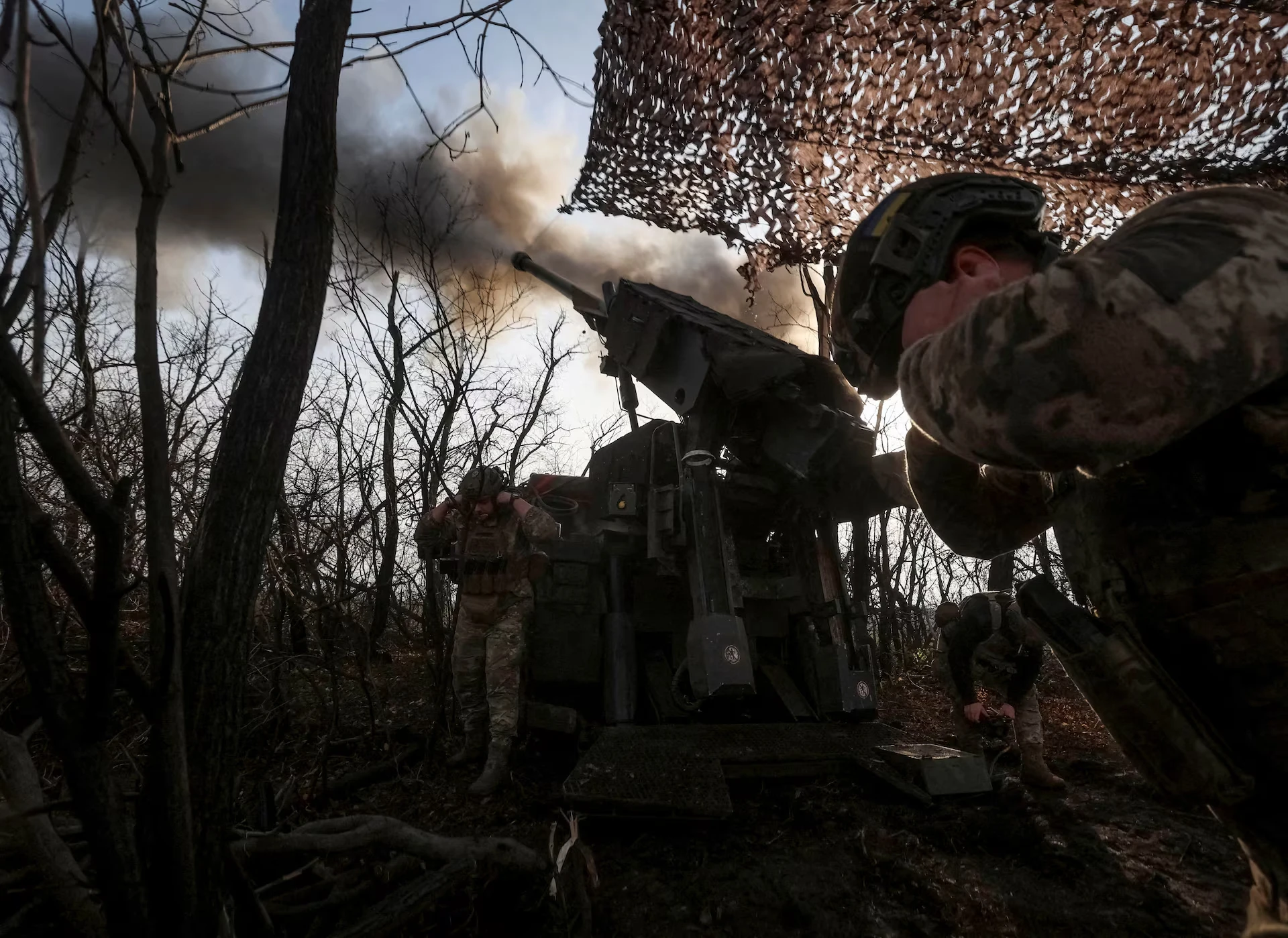
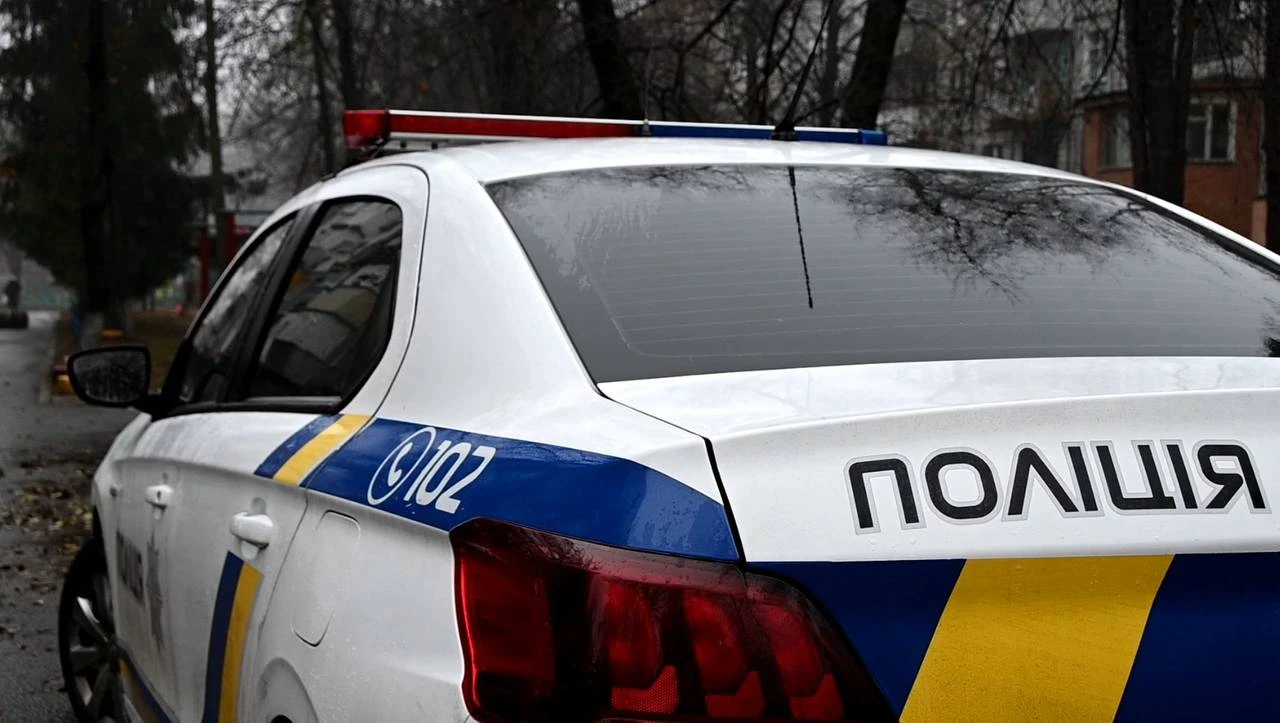
The strike on the Sumy region was especially revealing. Four people were killed in Russian attacks, including two women who worked at a kindergarten hit by a drone. No children were present at the time, but the attack on such a site showed again how hollow Russia’s language about a “cease-fire” has become.
Another person was killed when a drone struck a house. A man also died after hitting a mine believed to have been dropped by Russian forces. These episodes do not look like combat aimed only at the front. They show a war that systematically expands into civilian space.
After midnight, Kharkiv, Kryvyi Rih and Zaporizhzhia also came under attack. Private homes, infrastructure and industrial sites were damaged. Zaporizhzhia had endured one of the deadliest strikes of the year the day before, when 12 people were killed. The new attacks continued the same line of violence.
That is why Ukrainian diplomacy calls Russia’s May 9 cease-fire appeals false. If Moscow truly wants silence, it can stop its attacks now, not for two days around a parade. If strikes continue after Ukraine’s initiative, Russia’s pause looks less like diplomacy than stage scenery.
At the same time, Moscow intensified its threats against Kyiv. Russia’s Foreign Ministry warned foreign diplomatic missions to evacuate personnel if Moscow launches a mass strike on the Ukrainian capital. The Kremlin tied the warning to any possible Ukrainian attempt to disrupt Russia’s May 9 commemorations.

This was not merely a warning. It was an attempt to legitimize in advance a possible attack on another country’s capital by presenting it as a “response.” Russia defines the potential pretext, sets the threshold itself and threatens consequences. That is not the logic of peace. It is the logic of blackmail.
Linking a possible strike on Kyiv to a parade exposes the moral asymmetry. Moscow demands safety for Red Square but offers no safety to Ukrainian cities. It wants silence over its own ritual while reserving the right to strike kindergartens, homes, enterprises and capitals.
Zelensky pointed directly to the vulnerability of Russia’s parade. Moscow has been forced to scale it back and hold it without the usual display of military hardware, fearing Ukrainian strikes and drones over the capital. His message was sharp: Russia has fought to the point where even its main parade now depends on Ukraine.
For the Kremlin, that is a painful symbolic blow. May 9 was supposed to remain a stage of strength, continuity and control. Instead, it has become an event that needs air defense cover, digital restrictions, threats against Kyiv and diplomatic intimidation.
For years, Russia tried to present the war as something controlled from the center and distant from ordinary Moscow life. Now the center itself must reckon with the consequences of that war. If the parade fears drones, the image of an unreachable capital no longer works.

For Ukraine, the situation also poses a difficult choice. A unilateral observance of silence loses meaning if Russian forces continue striking cities and the front. In society, a simple feeling is growing: one cannot remain silent when the other side uses a pause only as political scenery.
At the same time, Kyiv is trying to preserve its diplomatic advantage. Ukraine’s proposal showed partners that it is not rejecting a cease-fire. On the contrary, it offered a broader and more honest formula than Russia’s pause tied to a holiday calendar.
Russia answered with actions. Instead of silence, there were 1,820 violations. Instead of a humanitarian gesture, drones hit the Sumy region. Instead of peace, there was a threat of a mass strike on Kyiv. Those facts now define the dispute over the cease-fire.
For Europe and the United States, this is an important moment of assessment. Russia’s short pause cannot be treated as a peace initiative if attacks continue before and after it. A cease-fire is measured not by anniversary statements, but by the absence of new deaths in Sumy, Zaporizhzhia, Kharkiv, Kryvyi Rih and Kyiv.
The coming days will show whether Moscow tries to use May 9 as a diplomatic trap. It may demand silence for the parade and then accuse Ukraine of rejecting peace. But after new attacks and direct threats against Kyiv, that formula is losing credibility.

A real cease-fire cannot be a pause for a ceremony. It must mean stopping strikes on people, cities, kindergartens, homes and front-line positions. Russia failed that test. It answered Ukraine’s silence not with silence, but with war — and that became the main result of the day.