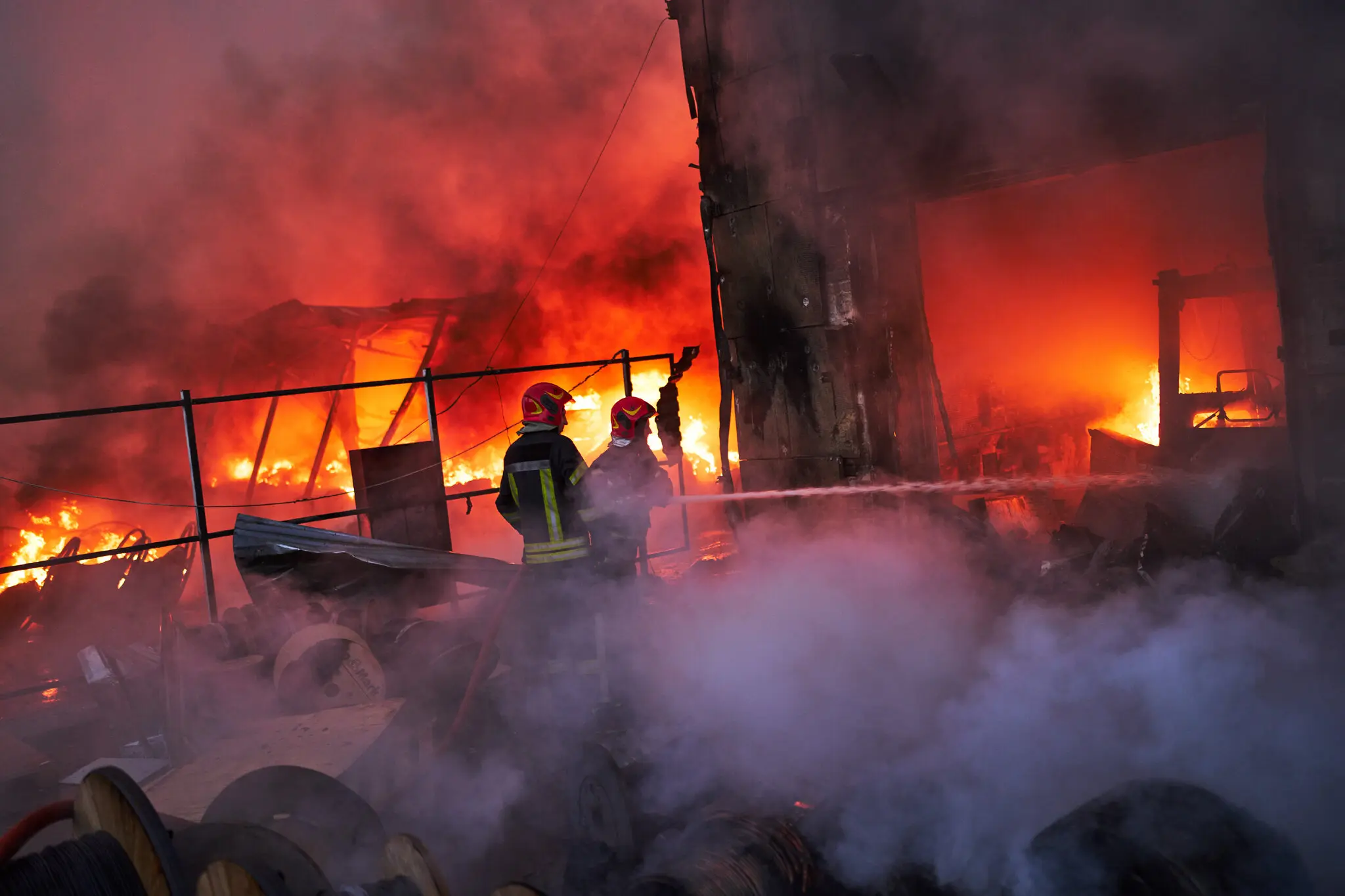






















An unidentified airborne object entered Polish airspace during Russia’s overnight attack on Ukraine and crashed in the Lublin region. Ukrainian officials identified it as a Russian Kh-101 cruise missile, but Polish authorities have not yet completed their examination of the debris.
Polish radar detected the object at 3:40 a.m. local time as it moved west. Military aircraft were scrambled to secure the country’s airspace, but the target soon disappeared from radar. A helicopter crew later located what appeared to be the crash site.
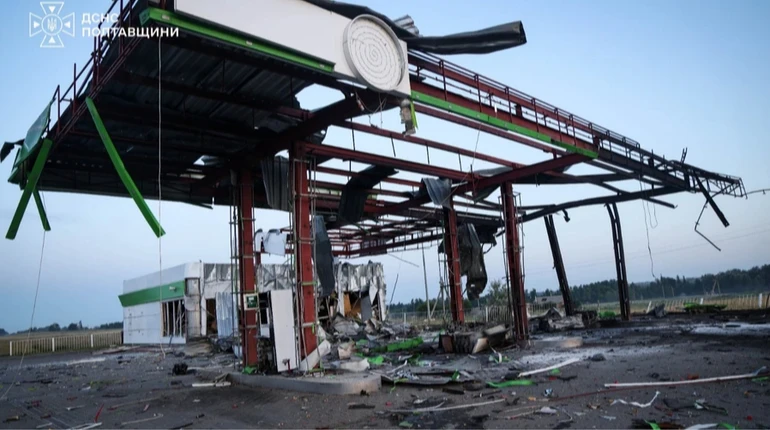
The impact left a crater about 10 meters wide in a field near the village of Tarnawa-Kolonia. Debris was found roughly two kilometers from residential buildings. No casualties were reported, and the area was secured by police, military personnel and investigators.
According to Daycom’s earlier analysis, the central issue is not only whether the wreckage proves that the object was Russian. More important is the fact that a weapon launched during an assault on Ukraine once again turned NATO airspace into part of the war’s operational geography.
Warsaw’s caution is justified. Until the technical examination is complete, Polish authorities cannot formally identify the munition, reconstruct its route or establish why it crashed. Fragments of the airframe, engine, electronics and warhead may determine whether the object was a Kh-101.
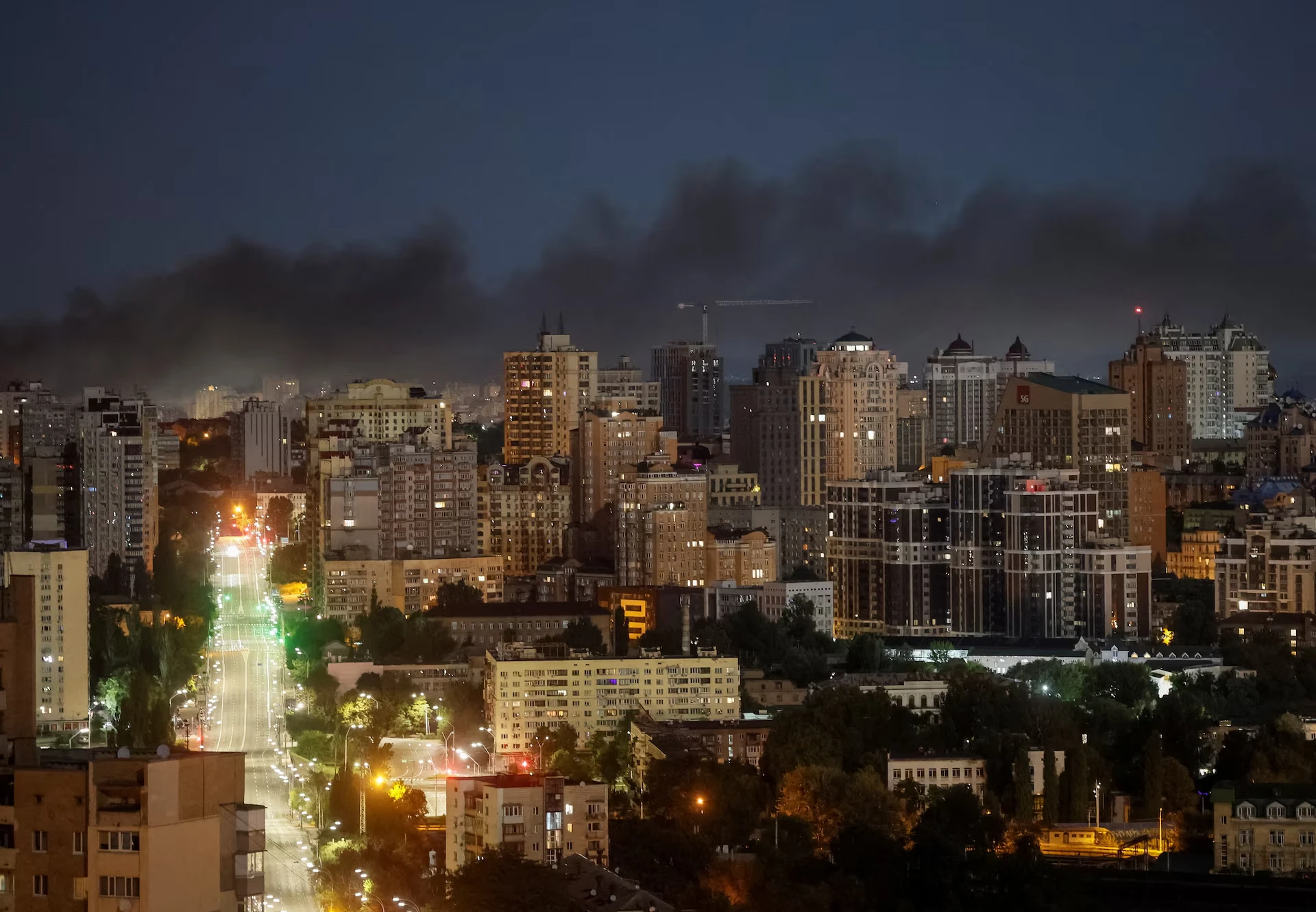
The timing nevertheless strengthens Ukraine’s account. The object appeared during a large Russian barrage that reached Kyiv, western Ukraine and cities near the Polish border. Poland had already activated its aircraft, as it routinely does during major strikes on its neighbor.
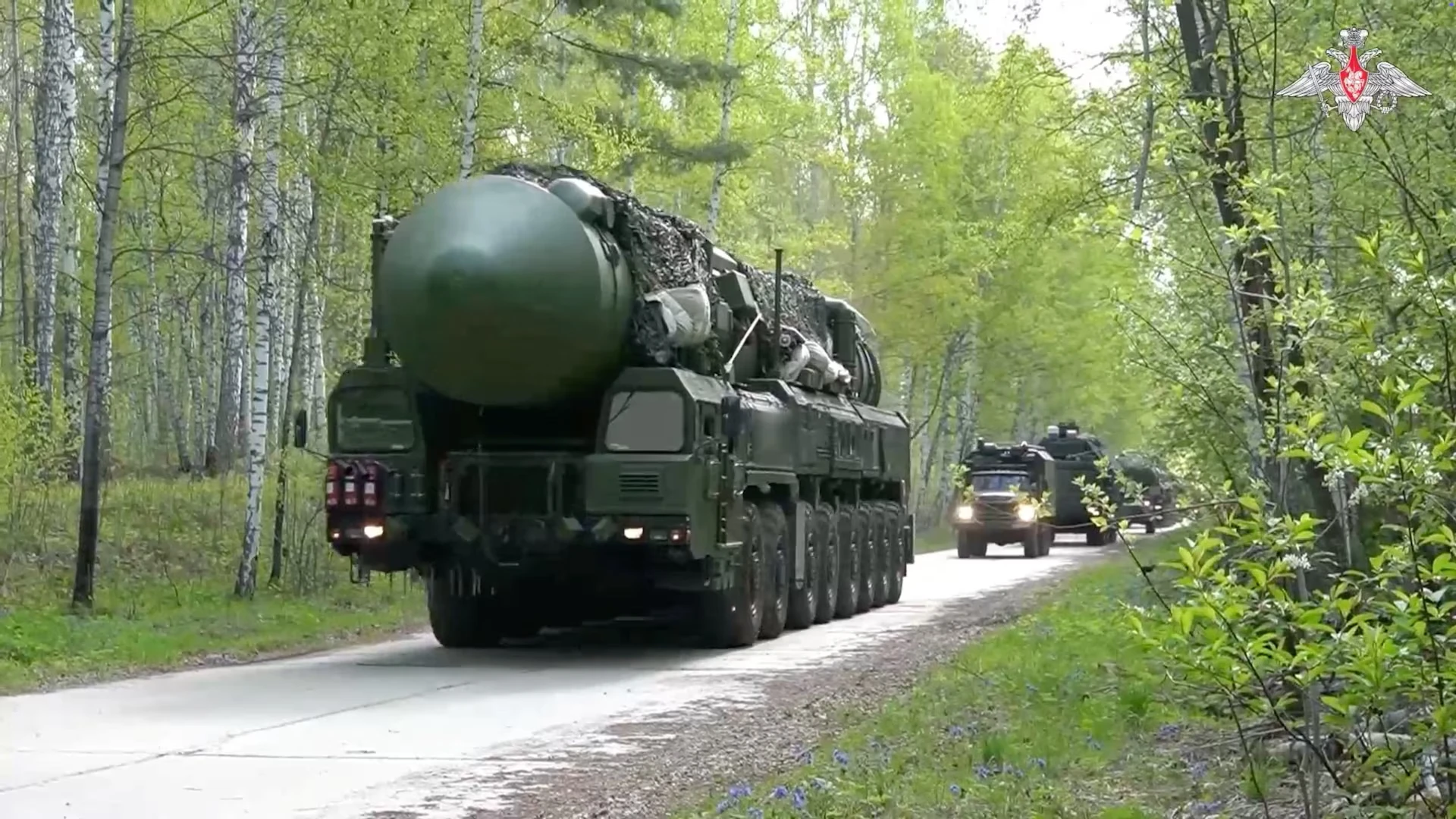
The Kh-101 is a long-range air-launched cruise missile used regularly by Russian strategic bombers against Ukrainian cities and infrastructure. Its flight path can be programmed with multiple turns to avoid air-defense systems and exploit gaps in radar coverage.
If the debris belongs to such a missile, investigators will need to determine whether the incursion resulted from a navigation error, a technical failure or a deliberately programmed route. These are different military scenarios, but the civilian consequence is the same: a combat weapon fell on the territory of a NATO member.
Poland cannot indefinitely treat accident as a sufficient explanation. The longer the war continues, the more often Russian missiles and drones approach allied borders, cross them or fall in neighboring regions.
The danger does not depend only on Moscow’s intentions. A missile that changes course accidentally can still strike a home, factory or transport hub. The security risk begins when the border is crossed, not when investigators establish the motive.
The incident also raises questions about Poland’s detection and interception system. Radar operators saw the object and military aircraft were launched, but the target disappeared and crashed before it could be fully identified.
That does not necessarily indicate a failure of Polish air defense. Cruise missiles fly at low altitude, use terrain to conceal their approach and may enter reliable radar coverage for only a short period. Ordering the destruction of an unidentified object above populated territory also requires careful judgment.
The brief interval between detection and disappearance nevertheless shows how compressed the response cycle has become. NATO’s eastern flank needs more than fighter patrols: it requires denser radar coverage, ground-based defenses, automated data exchange and systems optimized for low-flying targets.
The object happened to fall in open farmland, and no one was killed. Yet a crater of that size only two kilometers from homes shows how narrow the difference was between a serious security incident and a civilian disaster.
Prime Minister Donald Tusk established a special coordination team and traveled to the area. That decision elevated the case from a local investigation to a matter of national security, where technical findings will quickly acquire political consequences.
Poland has several possible levels of response. It can reinforce air patrols and deploy additional defenses in the east, issue a diplomatic protest and demand an explanation from Moscow, or request formal consultations with NATO allies.
An airspace violation does not automatically trigger Article 5 of the North Atlantic Treaty. Collective defense applies to an armed attack, and allies assess each incident according to its circumstances, scale and political context.
Article 4 offers a lower threshold. It allows a member state to seek consultations whenever it believes its territorial integrity, political independence or security is threatened. For Warsaw, that mechanism could produce a collective assessment and additional defensive measures without immediately escalating the confrontation.
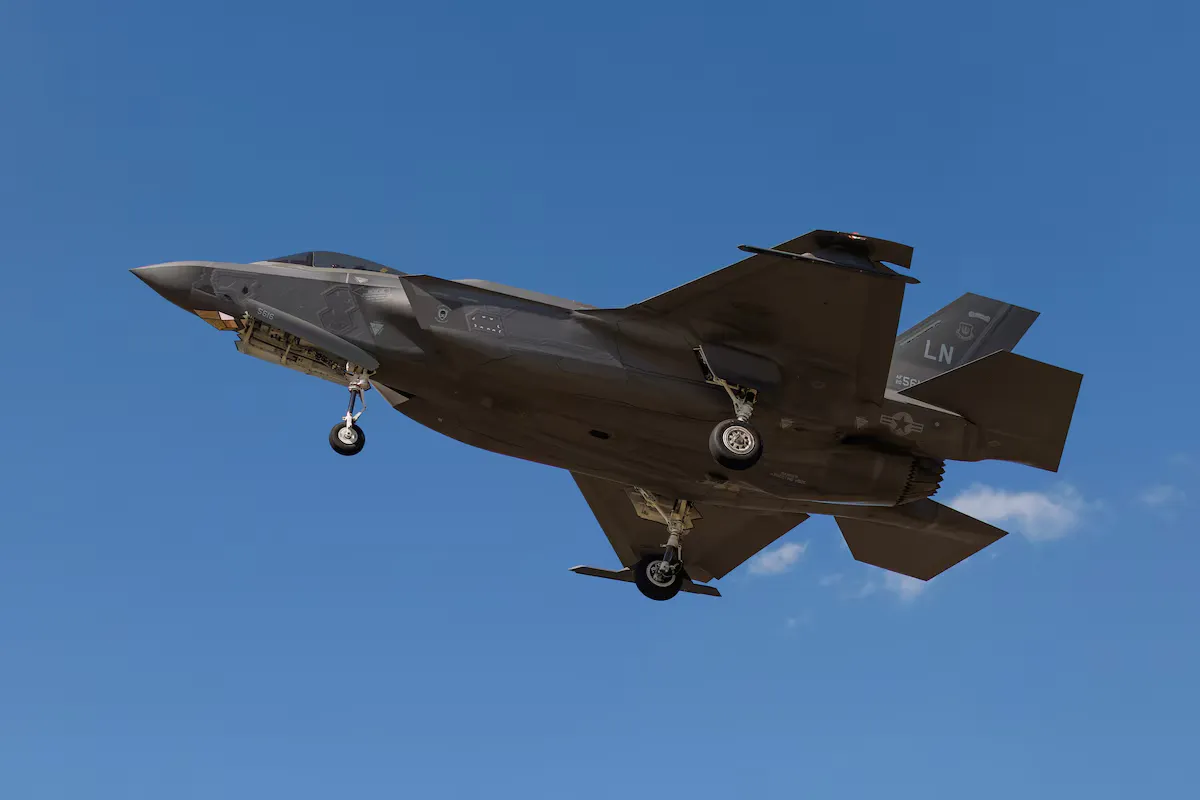
NATO has already strengthened air policing and air defense along its eastern flank after earlier violations. Fighter aircraft, surveillance planes, aerial refueling assets and ground-based systems remain on heightened readiness.
This latest incident will test whether that architecture can do more than launch aircraft after a threat is detected. Its real effectiveness depends on rapid classification, cross-border data sharing and a decision chain fast enough to act before a weapon reaches the ground.
For Ukraine, the episode reinforces the argument that its air defenses protect more than Ukrainian cities. Every Russian missile destroyed before it approaches the western border reduces the danger to Poland, Romania, Slovakia and other neighboring states.
That does not mean NATO members can outsource the defense of their territory to Kyiv. On the contrary, the crash in the Lublin region demonstrates the need for a connected system in which Ukrainian radar data, Polish aircraft and allied defenses operate from the same real-time picture.
Information sharing already exists, but it can be deepened. Ukraine often tracks Russian missiles from the moment they enter its airspace. Poland has the authority and means to intercept threats over its own territory. The crucial factor is how quickly warnings pass between those systems.
Warsaw must also avoid two political extremes. An excessively restrained response could persuade Moscow that even serious violations will carry no consequences. Declaring a deliberate Russian attack before the evidence is complete would create a risk of escalation without a sufficient factual basis.
The strongest response would therefore be practical rather than rhetorical: a public technical report, reinforced defenses in the Lublin region, consultations with allies and further investment in systems capable of detecting cruise missiles close to the ground.
Russia may argue that it never intended to strike Poland. But a state launching dozens of missiles near NATO territory remains responsible for the foreseeable danger of navigation failures, technical defects and falling debris.
Repetition is what turns these events into a strategic problem. A single incident may be explained as an accident. A pattern of incursions means that Russia’s war against Ukraine is systematically creating risk for allied territory.
The crater near Tarnawa-Kolonia remains a site of investigation, not proof of a deliberate attack. But it has already established something else: the boundary between the Ukrainian battlefield and NATO airspace is far clearer on a map than it is in modern warfare.
If the examination confirms a Kh-101, Poland will receive more than fragments of a Russian missile. It will receive a concrete warning that the defense of NATO’s eastern flank begins well before the Polish border — in the skies over Ukraine, where these weapons must first be detected and destroyed.