





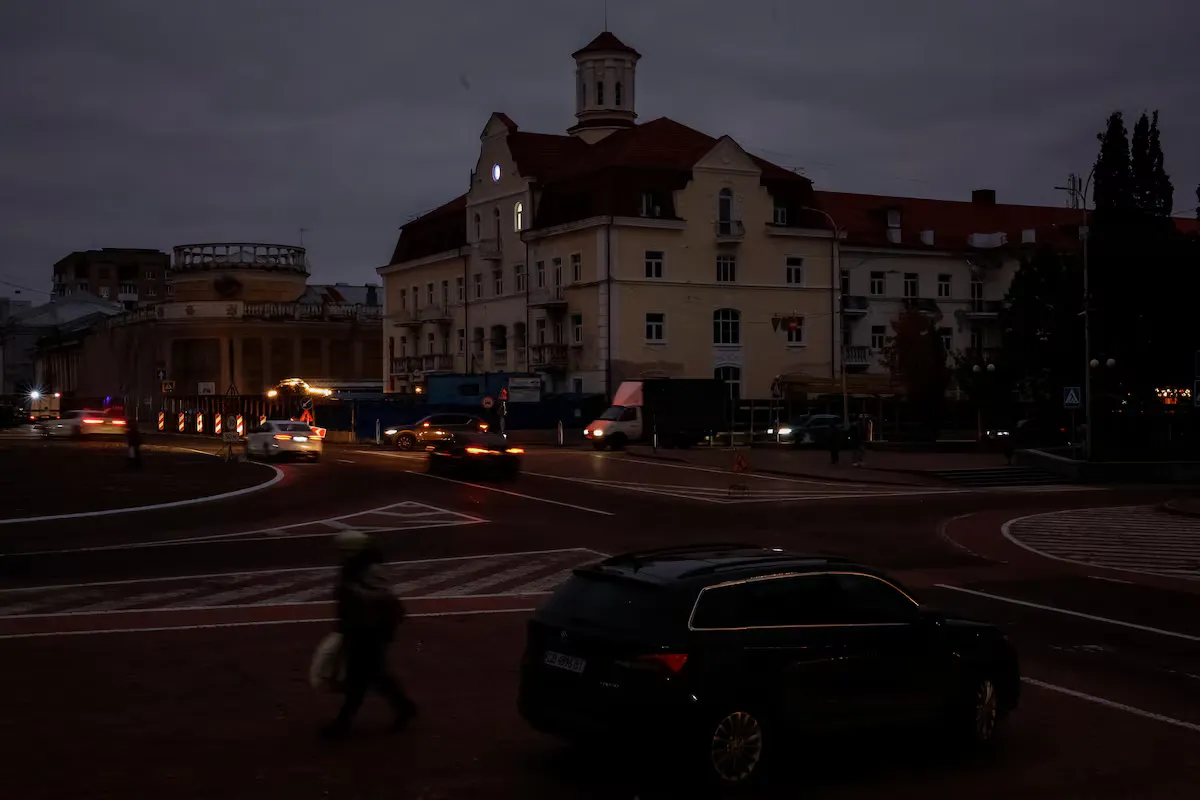















On the night of July 30, Russia’s air assault stretched across Ukraine — from Kyiv and the Dnipropetrovsk region to Lviv, less than 100 kilometers from Poland. Early reports put the death toll at no fewer than eight, with the number expected to rise as rescuers continued clearing debris.
The deadliest strike hit the outskirts of Kryvyi Rih. An Iskander-M ballistic missile launched from Russia’s Voronezh region struck a house occupied by a large family. Six people were killed, including girls aged five and twelve. Eight others were wounded.
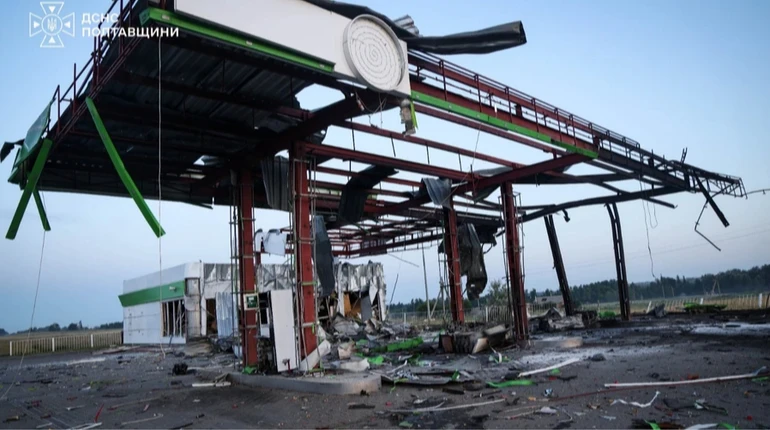
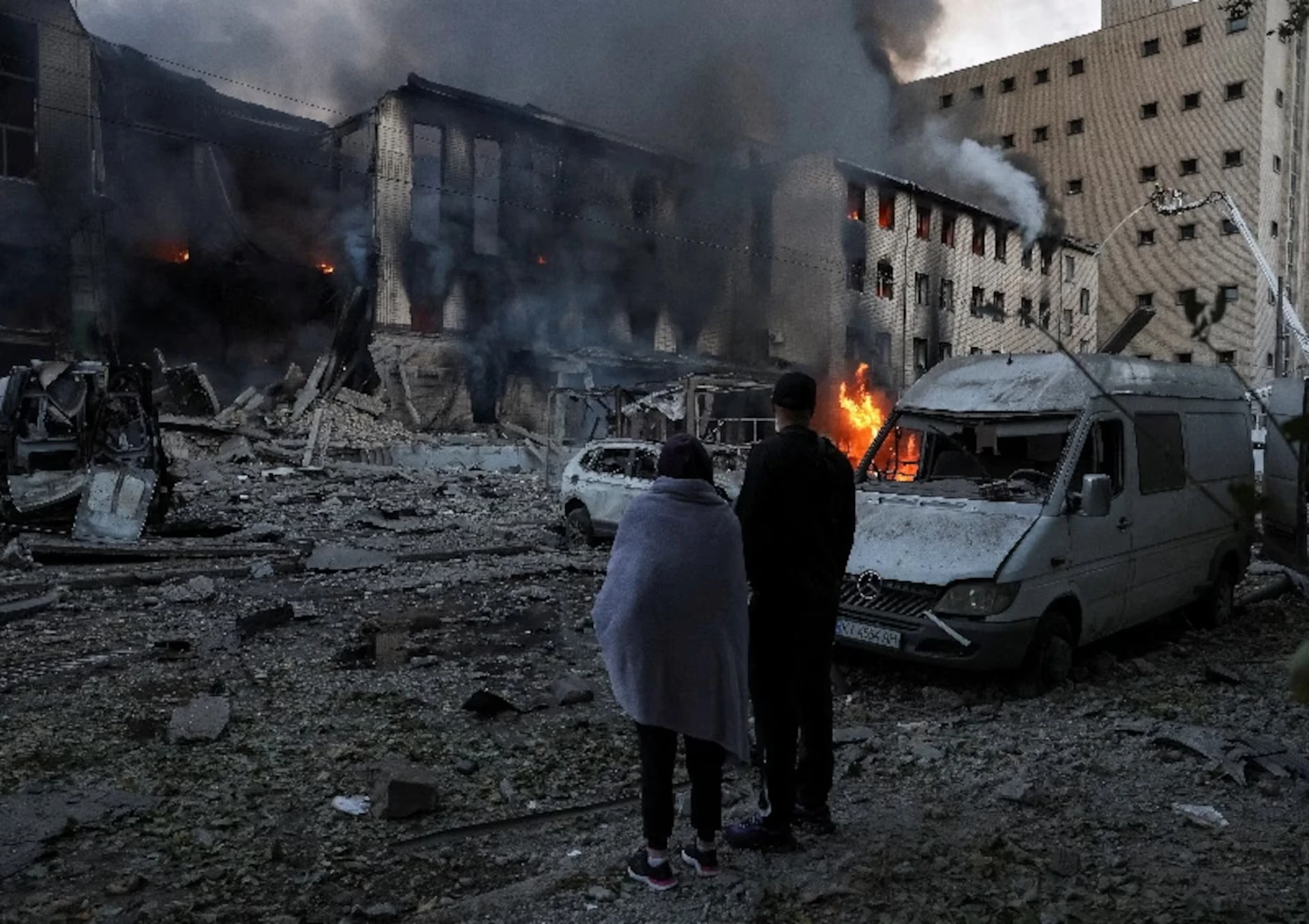
One person was killed in Kyiv, where fires broke out at several nonresidential sites. Another death was reported in the Poltava region. In Lviv, missiles damaged two apartment buildings and wounded 26 people as rescue crews searched the rubble for anyone trapped inside.
In Daycom’s assessment, the significance of the attack lies not only in the number of missiles, drones and casualties. Russia once again demonstrated its ability to place simultaneous pressure on frontline cities, the capital and the western rear, forcing Ukraine to divide limited air-defense resources across the entire country.
In Kryvyi Rih, speed was the decisive factor. Only a few minutes may pass between the launch of a ballistic missile and impact. Under those conditions, an air-raid warning does not always give a family enough time to wake, gather children and reach shelter.
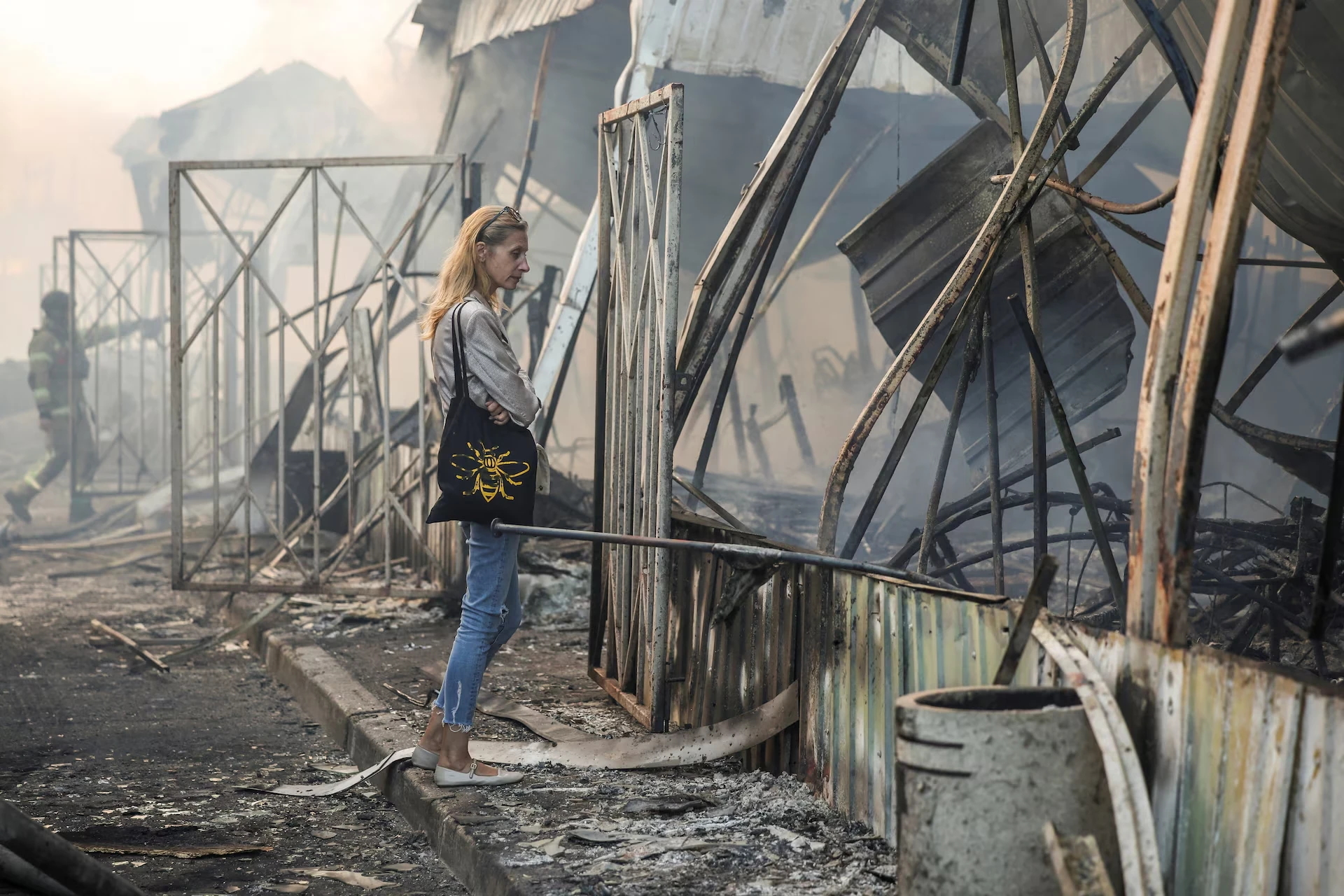 Мешканець спостерігає за ринком, пошкодженим під час російського ракетного та безпілотного удару на тлі нападу Росії на Україну, у Києві, Україна, 30 липня 2026 року — Аліна Смутко
That is why Patriot interceptors have a different strategic value from most other air-defense weapons. Ukraine can engage drones with mobile fire teams, aircraft and cheaper interceptor systems. Against modern ballistic missiles, however, the range of effective options remains extremely narrow.
The attack on Lviv exposed another vulnerability. Western Ukraine had long functioned as a relatively secure logistical and humanitarian base. Relocated businesses operated there, wounded soldiers received treatment, displaced people found shelter and supplies entered the country across the European Union’s border.
Geographic distance from the front now provides less protection. Russian missiles can reach cities close to NATO territory, turning every strike in the region into not only a Ukrainian security crisis but a wider European one.
Poland scrambled fighter jets and activated forces responsible for protecting its airspace during the attack. In the Lublin region near the Ukrainian border, police found a crater and scattered debris from an unidentified object after residents reported hearing a loud explosion.
Ukrainian officials said a Russian cruise missile had entered Polish airspace. Warsaw had not yet issued a final conclusion on the origin of the debris in the first hours after the incident. The distinction matters: a possible violation of NATO territory requires technical confirmation, not merely a political judgment.
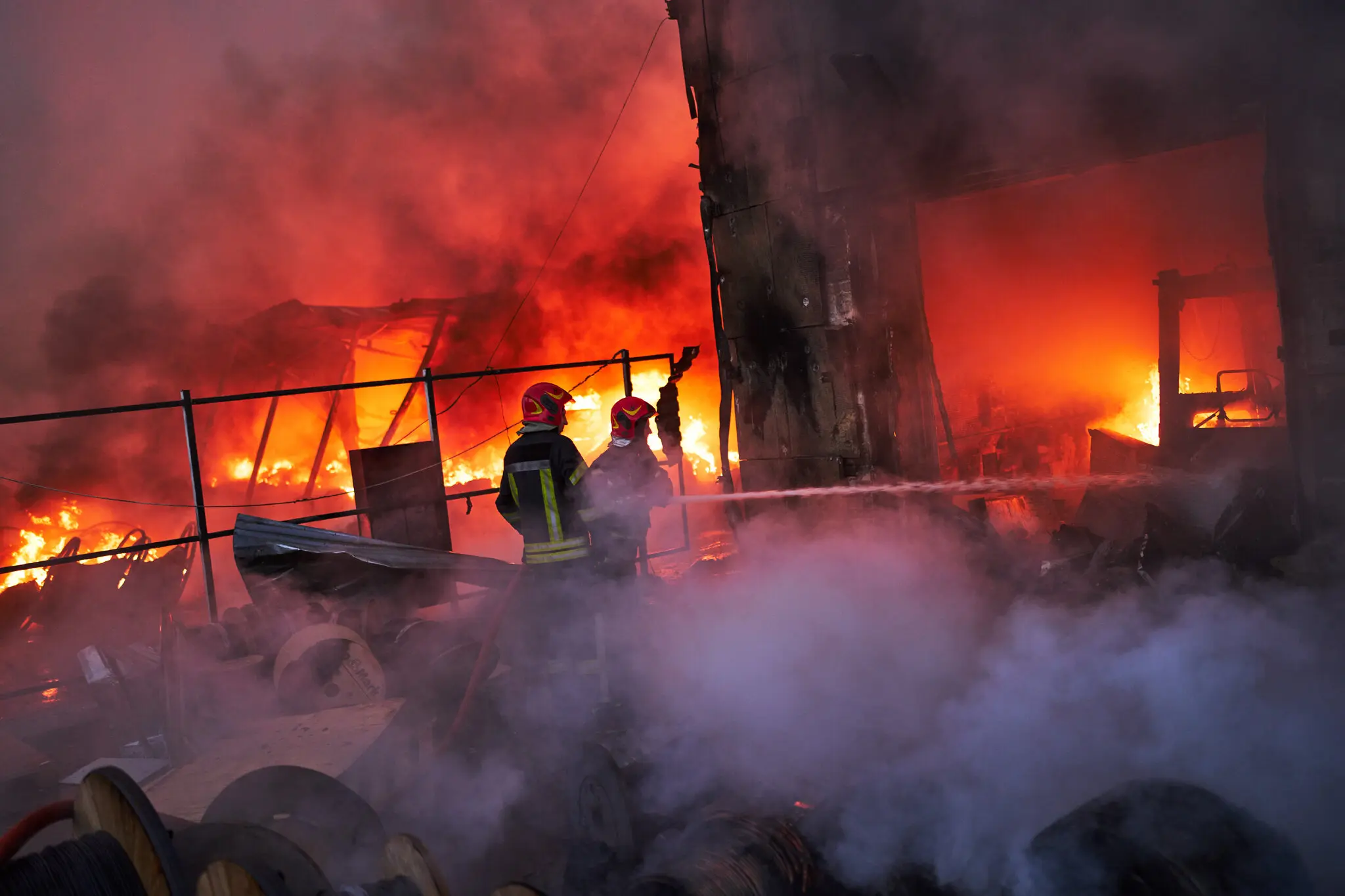
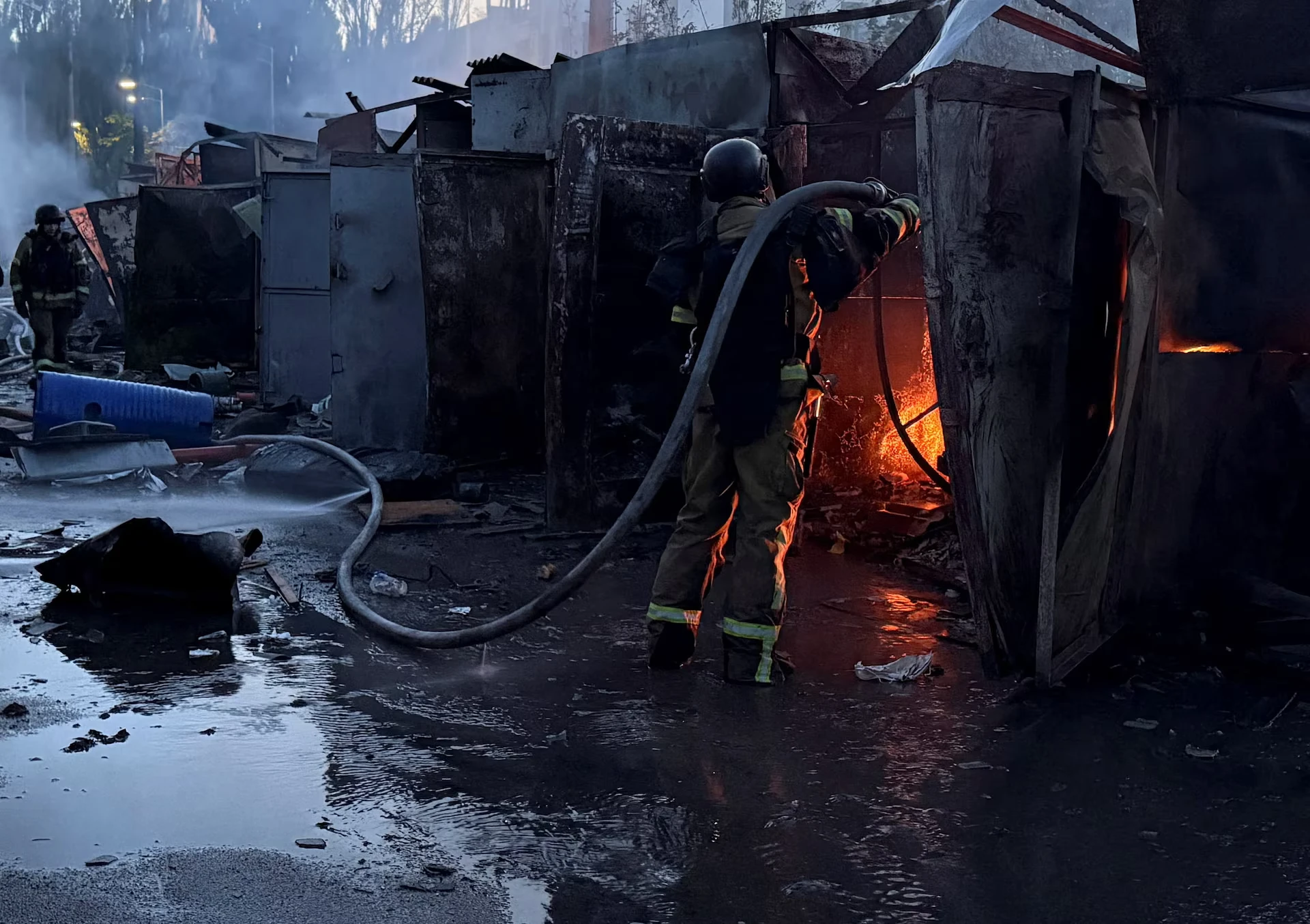 Пожежники працюють на місці російського ракетного удару на тлі нападу Росії на Україну в Києві, Україна, 30 липня 2026 року. Фото зроблено мобільним телефоном — Stringer
The deployment of Polish aircraft does not mean NATO has entered the war. It is a defensive procedure intended to monitor the airspace and intercept a threat if necessary. Yet the growing frequency of such episodes is turning an emergency response into a new borderland routine.
This is one of the most dangerous consequences of Russia’s missile campaign. Even without a deliberate strike on Poland, a navigation failure, damaged missile or falling debris could cause casualties beyond Ukraine and force allied governments to decide how quickly and forcefully to respond.
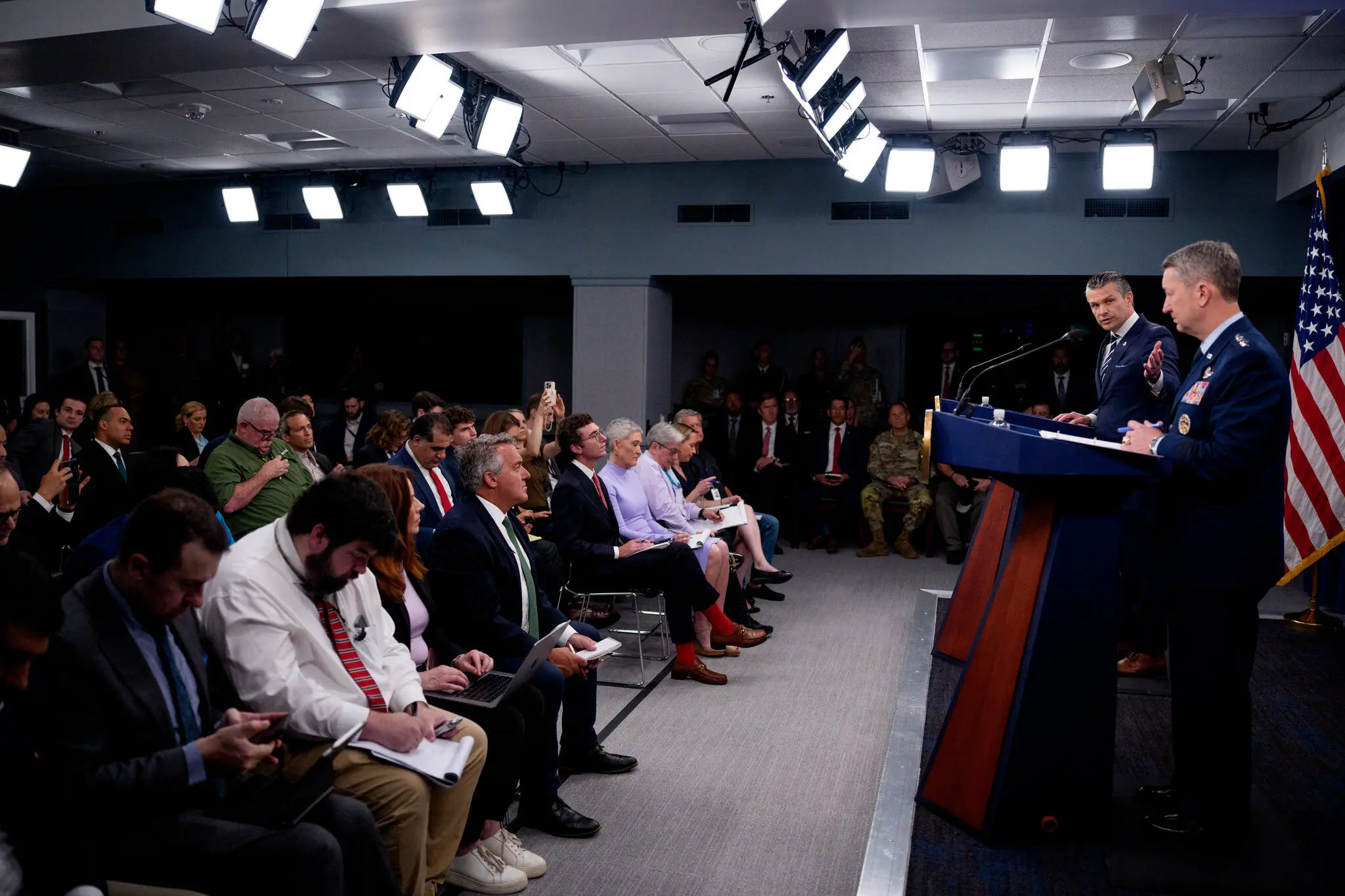
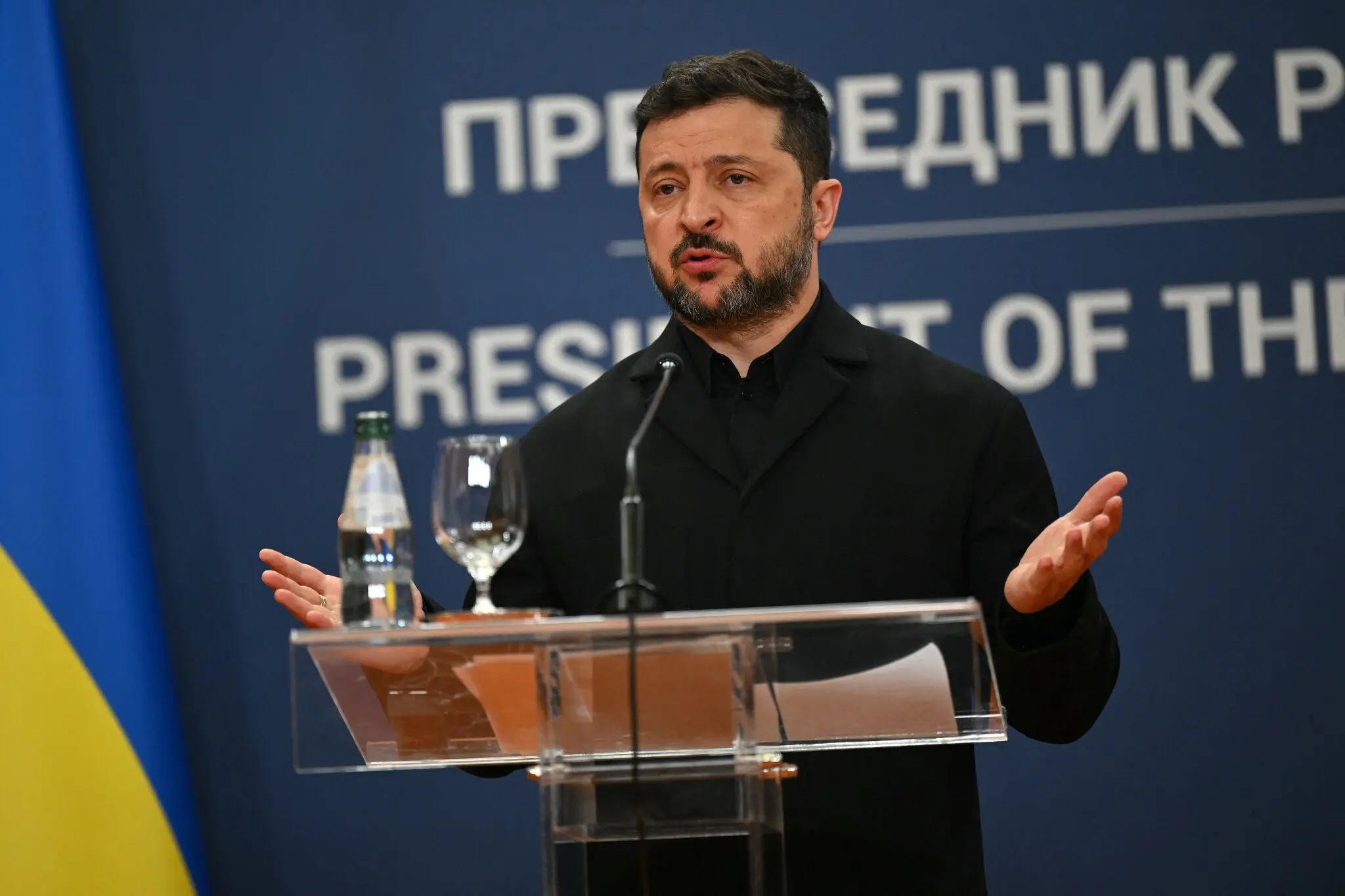
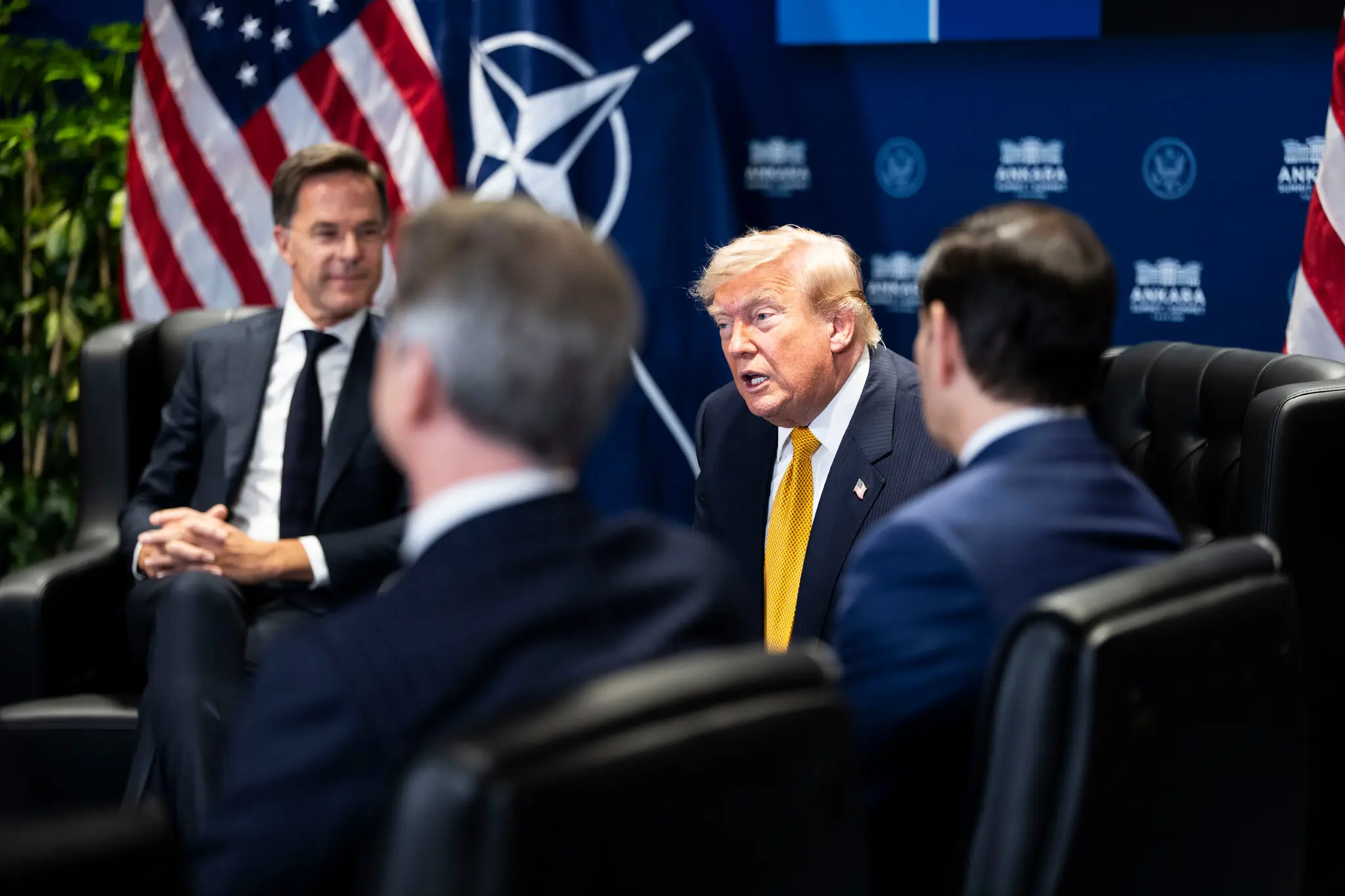
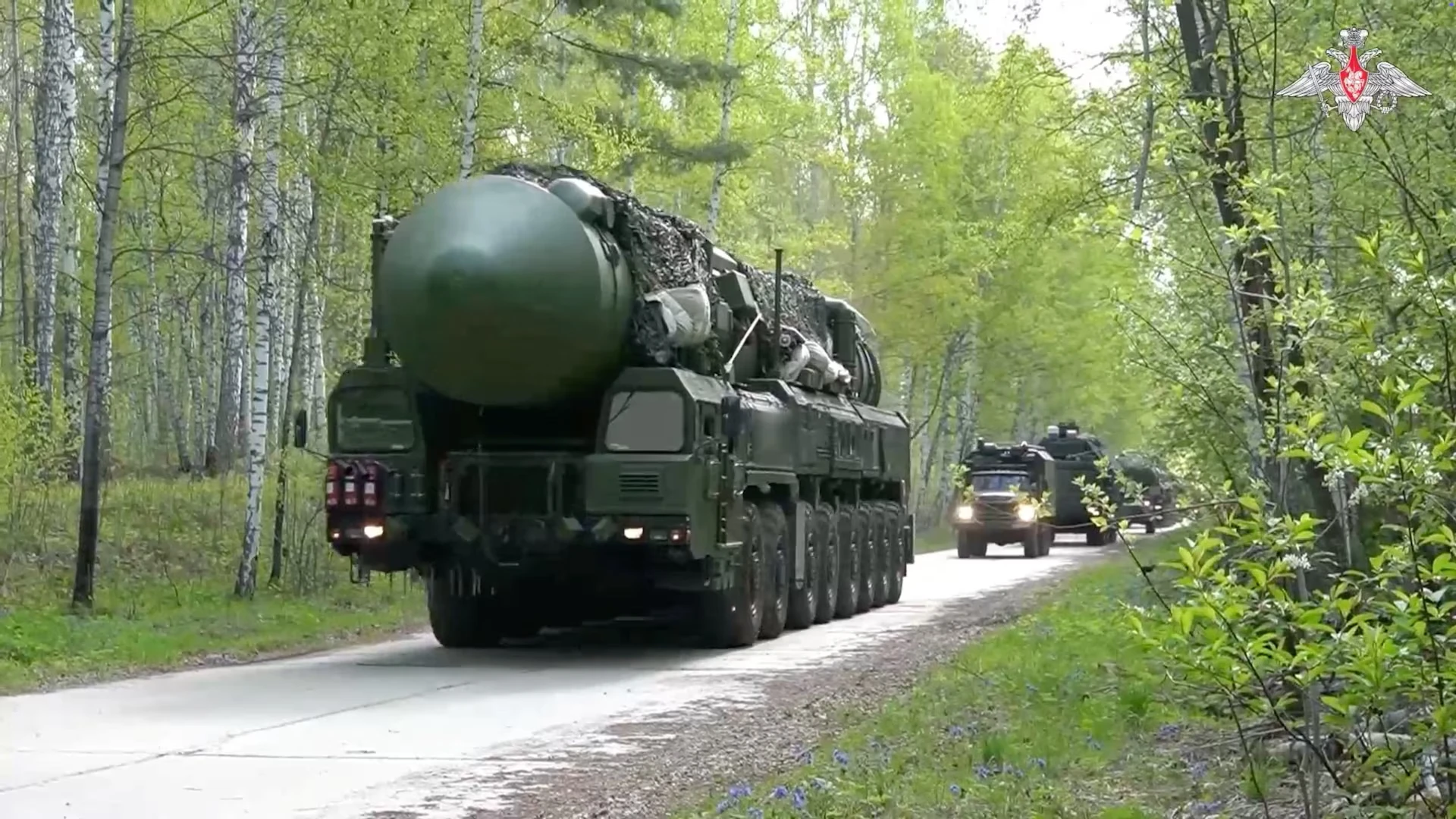
The attack came immediately after Volodymyr Zelensky returned from the United States. In Washington, the Ukrainian president had discussed missile defense and Donald Trump’s decision to allow Ukraine to manufacture Patriot systems under an American license.
That agreement could transform Ukraine’s defensive capacity over the long term. Domestic or joint production would reduce Kyiv’s dependence on shifting White House decisions, delivery schedules and stocks that Washington must divide among several regional crises.
A license, however, cannot intercept a missile. Production requires factories, machinery, specialized components, trained engineers, testing and reliable multi-year contracts. Years may pass between a political decision and the first serially produced interceptors.
Ukraine operates on a different timetable. The next mass strike could come within days, while existing interceptor stocks shrink after every attack. Localized Patriot production must therefore be accompanied by immediate deliveries from allied inventories and a rapid expansion of American manufacturing.
Zelensky had warned that Russia was preparing another major assault even before traveling to Washington. Ukrainian intelligence had detected the accumulation of missiles, and the president urged citizens not to ignore air-raid warnings. The July 30 attack confirmed that Moscow still retains the ability to organize large salvos after years of intensive war.
Russia’s strategy is not limited to destroying individual targets. A mass attack forces Ukraine to defend dozens of directions at once, spend scarce interceptors, disrupt transportation and production, place hospitals on emergency power and keep millions of people in shelters.
Moscow said it had targeted military facilities and cargo vessels. Yet in Kryvyi Rih, a missile destroyed a family home. In Lviv, apartment buildings were damaged. In Kyiv, urban areas were hit. The distance between the declared target and the actual result is measured in human lives.
Russia combines several types of weapons in the same assault. Drones force air defenses to reveal their positions and exhaust mobile teams. Cruise missiles approach along complex routes. Ballistic missiles descend at high speed, leaving only seconds for decisions.
The result is an air-defense equation with too few correct answers. An interceptor must be selected within moments, and a mistake can mean either a missile passing through or an expensive defensive round being wasted on the wrong target.
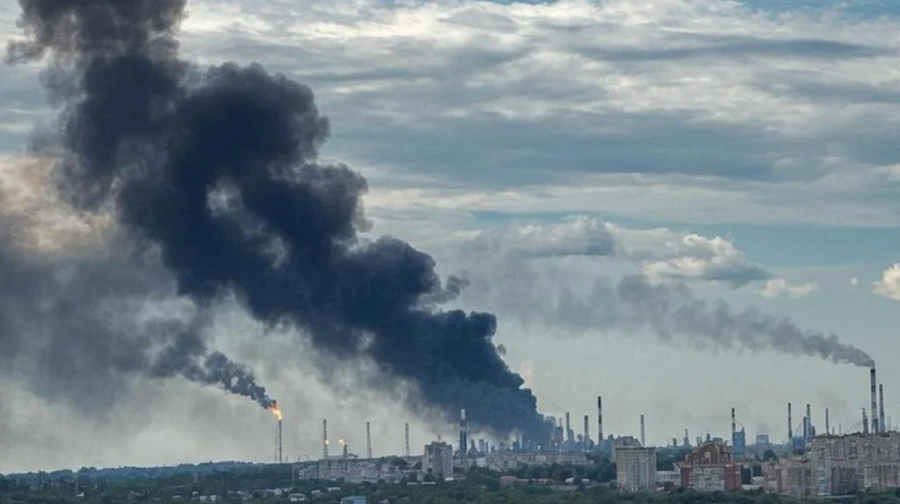
At the same time, Ukraine continued its drone campaign deep inside Russia. Fires broke out at warehouses belonging to the country’s largest online retailer, Wildberries, in Penza and Sarapul. One person was wounded in Penza, and about 200 workers were evacuated.
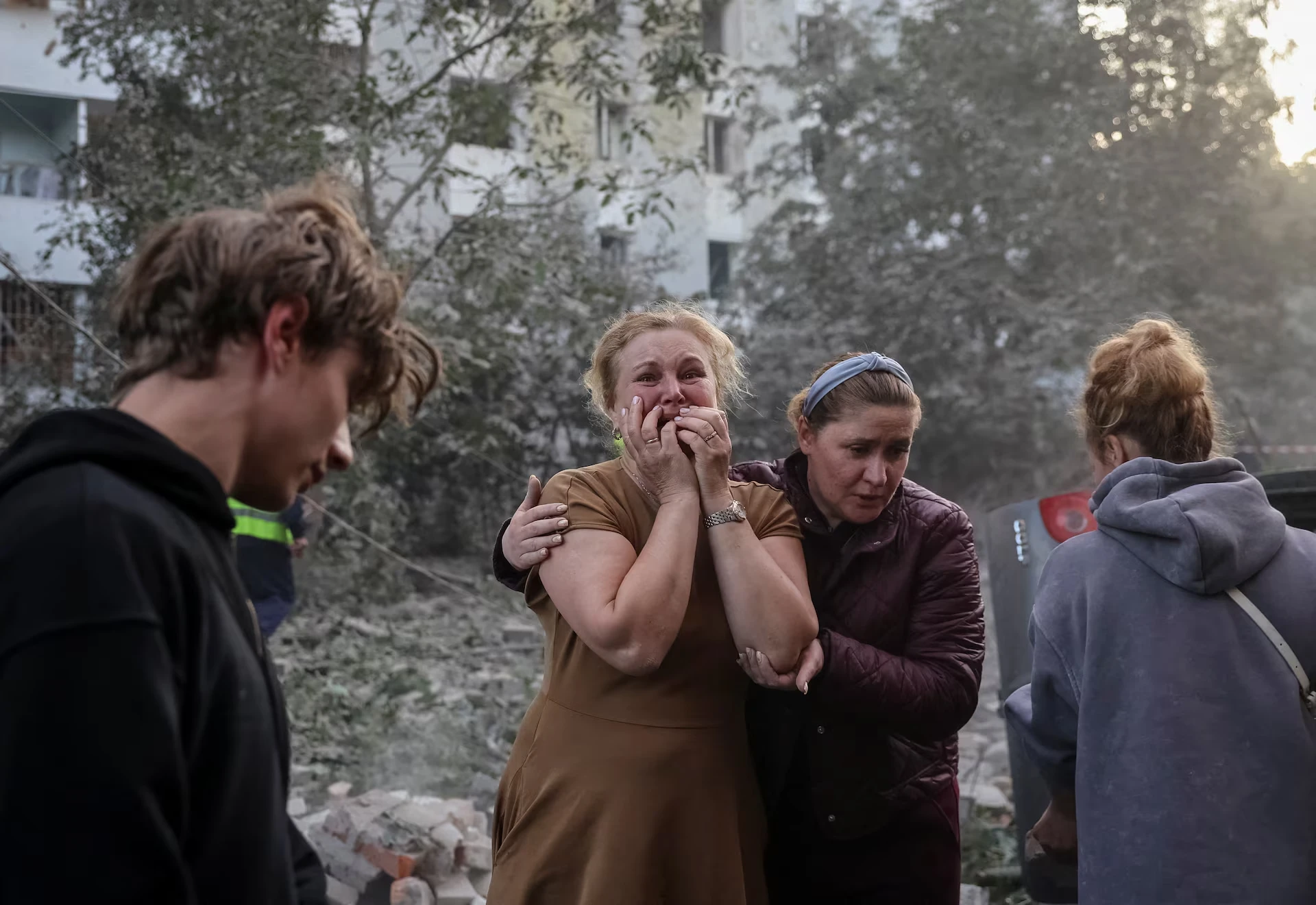 Жінка реагує біля житлового будинку, що постраждав від російського ракетного удару, на тлі нападу Росії на Україну, у Львові, Україна, 30 липня 2026 року — Роман Балук
Such facilities have become recurring targets in Ukraine’s long-range campaign. Large marketplaces are not merely civilian retail platforms but part of a broader logistics network moving electronics, clothing, equipment, dual-use components and goods that may also serve military needs.
Strikes on warehouses differ from attacks on oil refineries or airfields. Their consequences enter daily life more quickly: deliveries are delayed, sellers lose inventory, small businesses absorb losses and banks face a higher risk of unpaid loans.
For Kyiv, this is a way to move part of the war’s economic cost into the Russian rear. For ordinary Russians, it signals that distance from the front no longer guarantees stability. But as these operations expand, so does the risk of civilian casualties and political backlash.
The two campaigns are not symmetrical. Russia launched the full-scale invasion, occupies Ukrainian territory and systematically attacks Ukrainian cities. Ukraine’s long-range operations are the response of a state trying to weaken the military, industrial and logistical capacity of the aggressor.
Modern air war nevertheless blurs the boundary between military infrastructure and civilian commerce. A warehouse may serve the army and thousands of entrepreneurs at the same time. An energy facility may power both a factory and a residential district. A missile aimed at one object may fall on another.
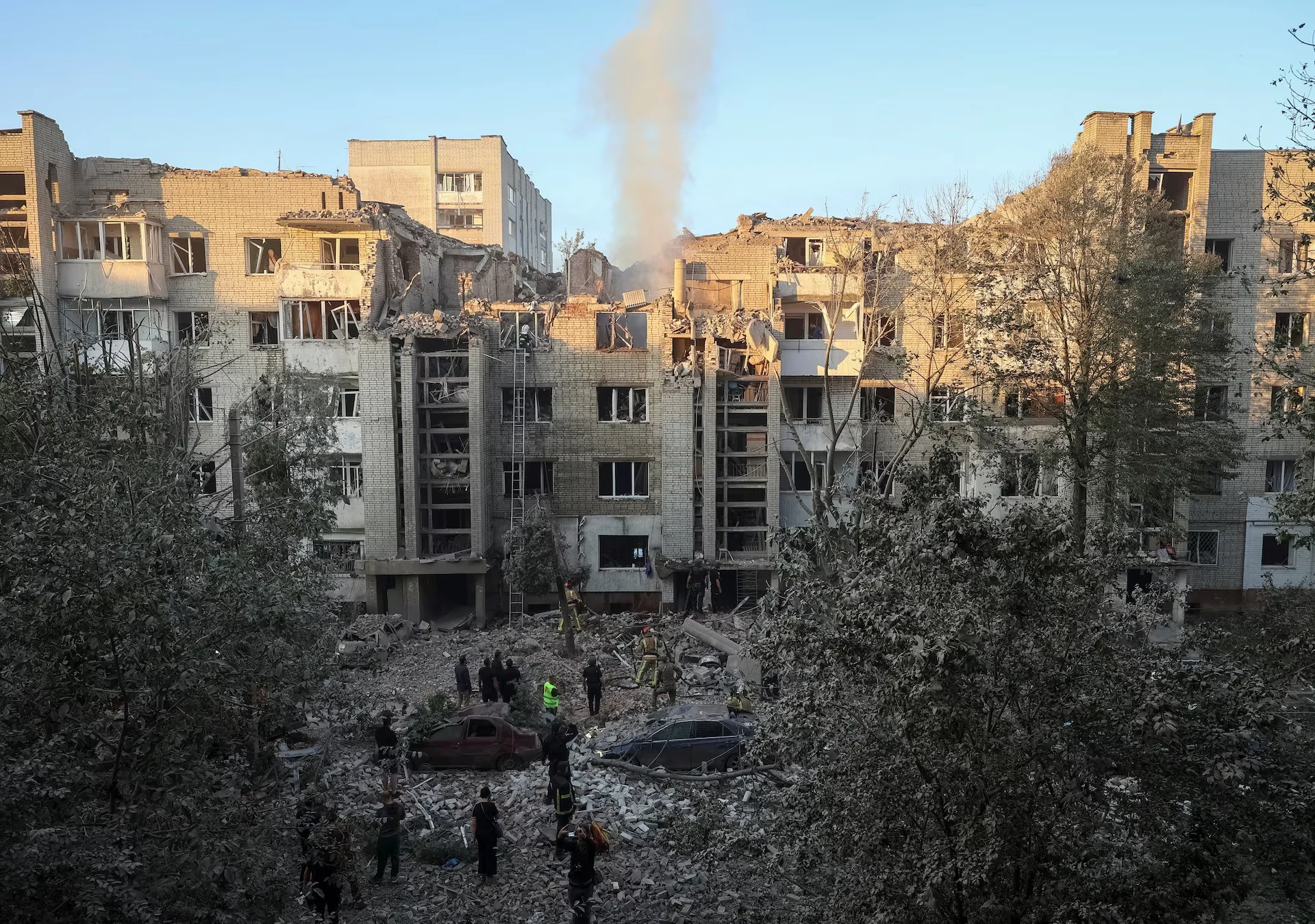 Рятувальники працюють на місці багатоквартирного будинку, постраждалого від російського ракетного удару на тлі нападу Росії на Україну, у Львові, Україна, 30 липня 2026 року — Роман Балук
The night of July 30 therefore matters as more than an isolated attack. It revealed a system in which Russia strikes across the full depth of Ukraine, Kyiv responds against Russian logistics and Poland scrambles aircraft because danger has reached its own frontier.
That system is steadily expanding the geography of the war even though no side formally announces a new front. Western Ukrainian cities are losing their status as a secure rear, Russian regions are losing the assumption of immunity and NATO border states are losing the comfort of being detached observers.
The Patriot licensing decision was an important result of Zelensky’s visit to Washington. The Russian assault immediately returned the debate to its core. Ukraine needs more than a technological promise: it needs ready interceptors, additional batteries and an uninterrupted supply chain.
In Kryvyi Rih, the gap between a long-term agreement and actual protection lasted only the few minutes of an Iskander’s flight. For the family whose home was hit, future production will change nothing.
The central lesson of the night is therefore not measured only by the number of missiles launched or Polish fighters scrambled. It lies in the widening gap between the speed of Russia’s attacks and the speed of Western decisions. As long as that gap remains, every new agreement on protection risks arriving after the next missile.