


















Russia’s fuel crisis has moved beyond factory reports and exchange charts. It has reached filling-station queues, driver restrictions, local decrees and Cossack patrols in resort towns. The war the Kremlin tried to keep away from ordinary life is returning through the gasoline pump.
Novorossiysk, Russia’s largest Black Sea port for oil exports, has temporarily halted gasoline sales to private motorists. Fuel is being distributed through special cards to municipal services, companies and businesses. Diesel remains available only at some filling stations.
In Anapa, one of the most popular resorts in Krasnodar region, the problem has taken on an almost social dimension. Cossacks have appeared near filling stations to help regulate queues, direct traffic, prevent conflicts and stop drivers from filling canisters outside the established rules.
According to Daycom’s earlier analysis, these episodes matter not as local inconveniences, but as signs of a deeper break. Ukraine’s campaign of strikes on Russian energy infrastructure is beginning to turn from military pressure into an economic and domestic factor inside Russia itself.
For years, the Kremlin struck Ukrainian power plants, substations, oil depots, ports and cities, trying to make the war more expensive, darker and colder for Ukraine. Now Ukraine is hitting the systems that feed Russian aggression: refineries, fuel logistics, export hubs and energy routes.
Russia remains one of the world’s largest oil producers, but that advantage does not guarantee stable gasoline supplies at home. Crude oil does not replace refineries, repair crews, railway logistics, additives, storage tanks and distribution networks. Those are precisely the links now under pressure.
Novorossiysk has special significance in this picture. It is not a peripheral city, but the Black Sea gateway of Russian oil exports. If authorities are restricting gasoline sales to private drivers there, the crisis is affecting not only remote regions, but nodes critical to the state’s energy economy.
Anapa shows the other side of the problem — the social one. A resort city depends on the movement of people, cars, services, seasonal business and logistics. When a driver can buy only 20 liters and a line at a filling station becomes a potential flashpoint, fuel stops being just a commodity. It becomes a measure of trust in the authorities.
The deployment of Cossacks to maintain order at filling stations is symbolic. The Russian state is using semi-traditional, semi-security structures where market logistics and administrative management can no longer cope without added discipline. This is not panic, but it is already a sign of strain.
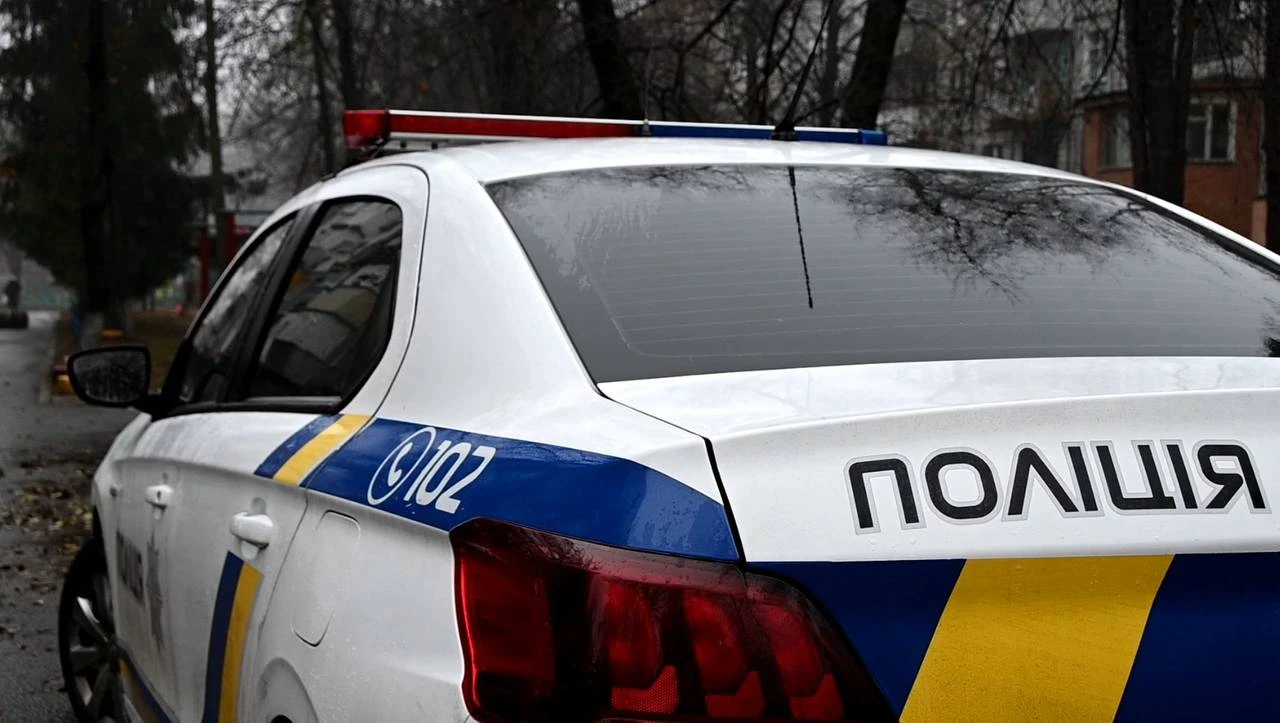
Fuel limits, queues and bans on filling canisters point to fear of a secondary market. Shortages quickly produce speculation: someone buys more than needed, someone resells at a higher price, someone tries to build a reserve. Police in Krasnodar have already detained people carrying a large volume of gasoline on suspicion of resale.
The state is responding with a familiar toolkit: limits, control, priority for services, administrative decisions and a stronger presence at filling stations. But these measures do not remove the main cause. If refining capacity is damaged, logistics are overloaded and demand remains high, a queue can be organized, but not abolished.
Another signal came with the decision to allow gasoline and diesel production with a higher sulfur content until the end of the year. This is not a move from strength, but from a lack of room for maneuver. When a state lowers fuel-quality requirements, it acknowledges that filling the market quickly matters more than maintaining the previous standard.
For Russia’s war machine, fuel is strategic. The army needs diesel for equipment, gasoline for transport, aviation fuel, supplies for rear bases and stable logistics. If the civilian market is already feeling shortages, that does not necessarily mean paralysis at the front, but it does mean the distribution of resources is becoming more difficult.
Ukrainian strikes on refineries are designed for exactly that purpose — not to destroy Russia’s entire oil industry, but to create bottlenecks inside it. A damaged primary processing unit, delayed repairs, a shortage of additives, an overloaded railway or a restricted port can have an effect greater than a single fire.
The fuel crisis also strikes at the Kremlin’s political mythology. For years, Russia sold the image of an energy superpower capable of dictating terms to others. But a filling-station queue in a country that exports oil damages that image more deeply than many sanctions formulas. It shows citizens not geopolitics, but an empty tank.
That is why the authorities are trying to localize the problem in the language of technical fixes. Limits are introduced somewhere. Fuel cards are issued elsewhere. Officials insist the situation is under control. Security is strengthened at filling stations. But the wider the geography of shortages becomes, the harder it is to keep them inside the frame of “temporary inconvenience.”
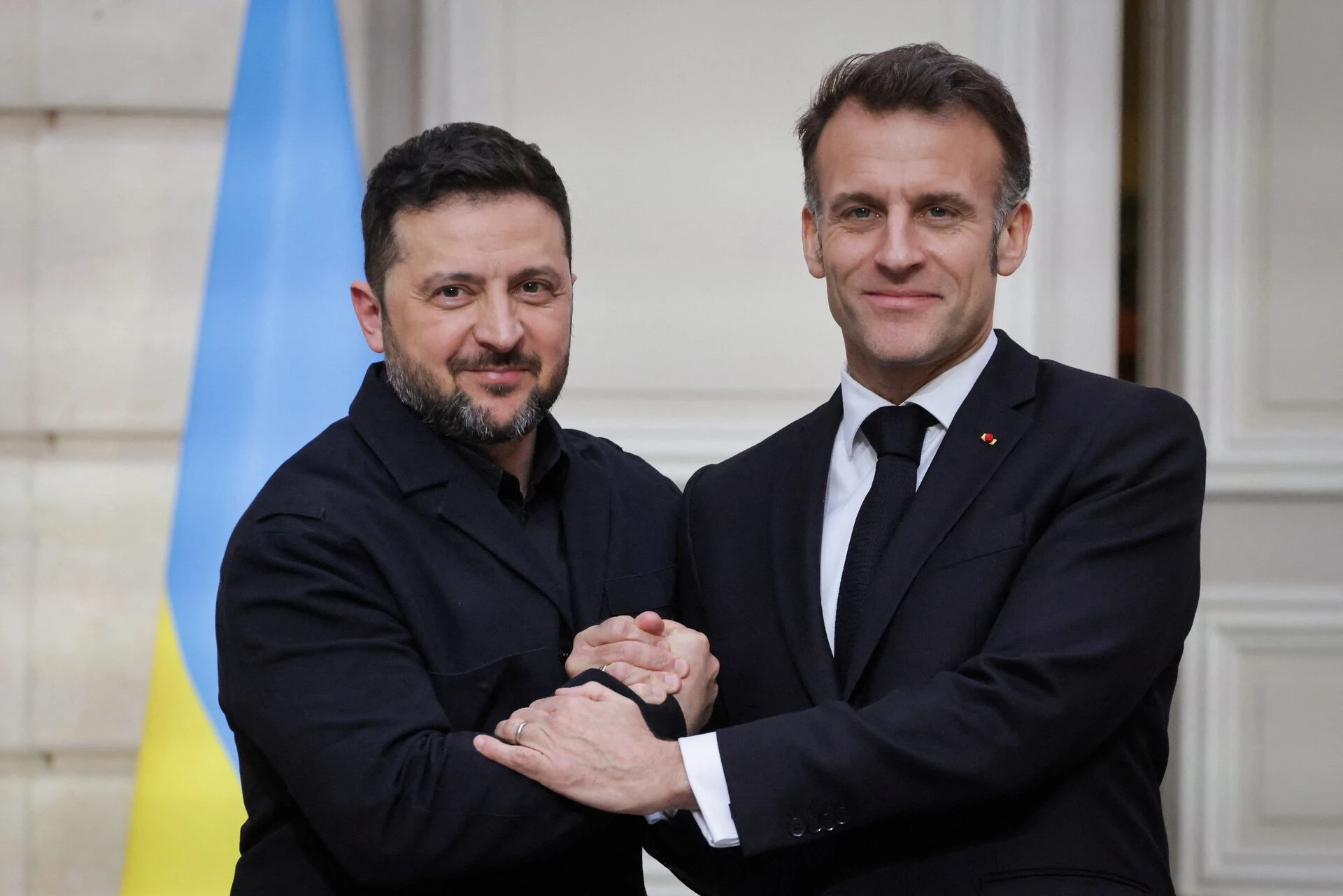
For Ukraine, this campaign is part of a broader strategy of imposing costs. Volodymyr Zelenskyy has repeatedly proposed negotiations, while Vladimir Putin has rejected peace initiatives and continued the full-scale war. In that logic, strikes on Russian energy infrastructure are not an act of revenge, but a way to pressure the resource base of aggression.
Moscow, for its part, responds with mass attacks on Ukrainian cities. The day before, Russia again launched hundreds of drones and dozens of missiles at Kyiv, killing at least 30 people. This context matters: the Russian state calls its strikes a “response,” but it was Russia that first turned civilian infrastructure into a regular target of the war.
The difference between the two logics is fundamental. Ukraine is trying to hit systems that give Russia fuel, money and logistics to continue the invasion. Russia strikes cities, homes, energy facilities, hospitals, buses and residential districts, trying to exhaust Ukrainian society.
The fuel shortage will not force the Kremlin to stop the war immediately. The Russian system has large reserves of coercion, propaganda and administrative endurance. But shortages change the cost of war. They move its consequences from battlefield reports into daily life, business, transport, tourism and the nerves of Russian regions.
The most painful part for Moscow is that this problem can accumulate. One strike on a refinery can be explained away. A series of strikes can be offset through imports, redistribution and lower standards. But if attacks continue and repairs cannot keep pace with the damage, a temporary crisis begins to become structural.
The new stage of the war is increasingly decided not only on the front line. It runs through refinery units, pipelines, ports, railway junctions, insurance risks, import routes and filling-station queues. Fuel has become not just a resource, but a political indicator of resilience.
Novorossiysk and Anapa have shown how quickly a strategic strike turns into an everyday inconvenience for citizens. First a plant burns. Then reserves disappear. Then a limit is introduced. Then dozens of cars form a queue. Then people appear nearby whose task is to “prevent conflicts.”
That sequence is where the pressure on Russia lies. The war no longer remains a television event to be consumed between holidays and the resort season. It comes to a port, to a resort, to a filling station, to the commute to work and to the decision of whether there will be enough gasoline for the week.
The Kremlin can continue to speak of control. But a fuel queue is a language citizens understand without translation. If Ukraine can maintain the tempo of strikes on Russia’s energy system, that language will grow louder. Gasoline will then become for Russia not only a commodity, but a daily reminder of the price of the war it brought to Ukraine.