




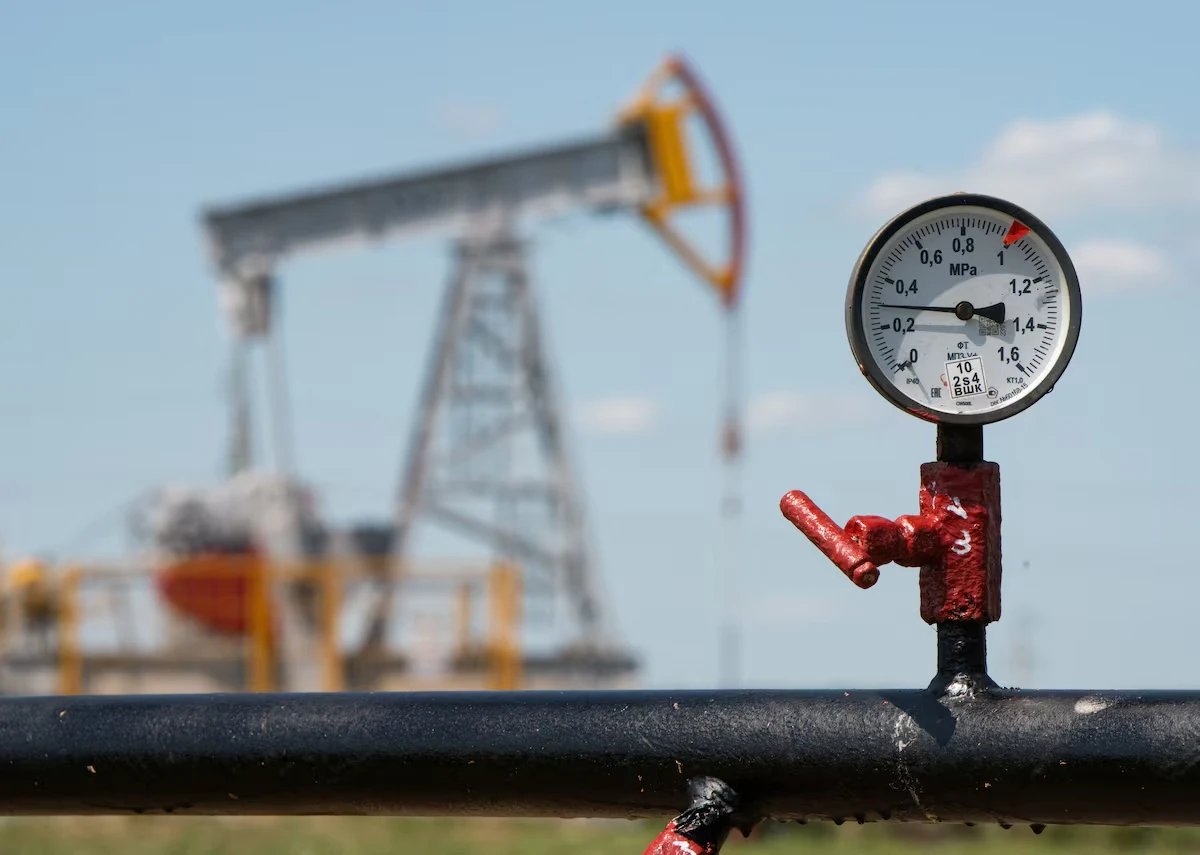

















Russia increased crude oil and condensate production in July by roughly 100,000 barrels a day from June, pushing output back above 9 million barrels a day. After several months of pressure, the increase looks like a sign of resilience, but the underlying balance remains fragile.
Two factors supported the rebound: firm crude exports and a partial recovery in refinery throughput. Both are critical for the Kremlin because oil and fuel sales remain among the most important sources of budget revenue during the war.
The problem is that Russia can no longer treat production as separate from refining and logistics. Every additional barrel must either be processed domestically or moved abroad. When one of those channels narrows, producers eventually have to reduce output.
In Daycom’s assessment, July demonstrated the adaptability of Russia’s oil system more than a return to stable growth. The industry has learned to redirect flows after sanctions and attacks, but it is increasingly dependent on refineries, ports and tanker capacity remaining available at the same time.
Russian oil output stood at about 8.93 million barrels a day in June, around 61,000 barrels lower than in May. Average production in 2025 was higher, at roughly 9.13 million barrels a day.
The earlier decline was driven largely by refinery damage and export constraints. When refineries cannot take crude, producers must find another destination for the volumes that would otherwise have been processed at home.
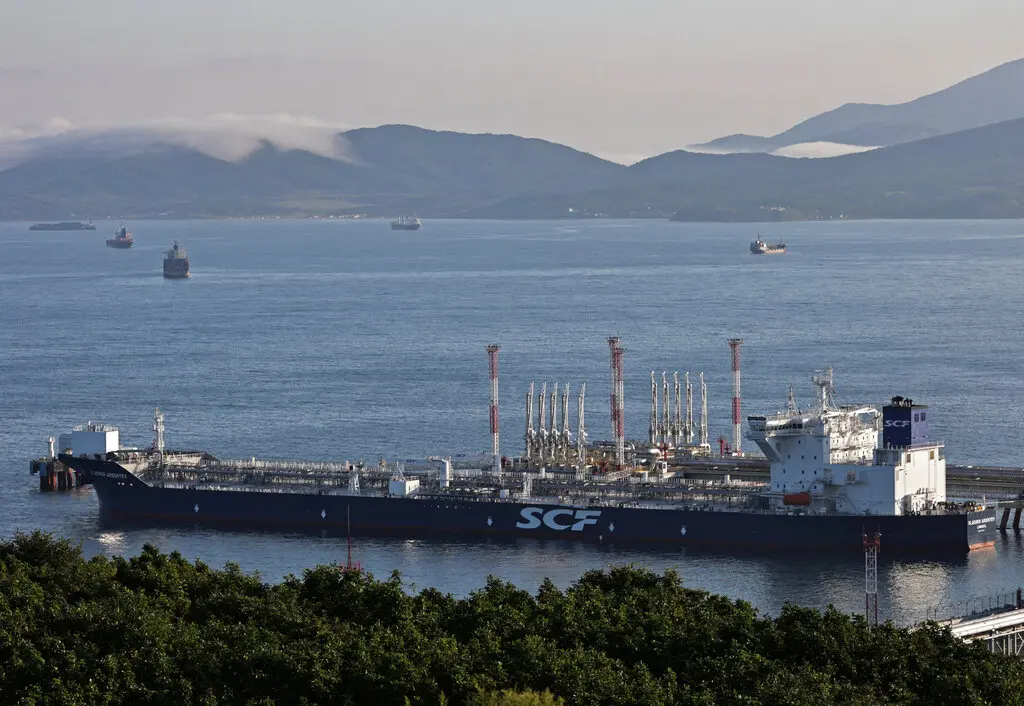
Yet sending every surplus barrel to export terminals is not an unlimited solution. Russia’s pipelines, ports, loading facilities and available tanker fleet can absorb only so much crude at once.
That is why attacks on refineries can have a broader economic effect than the visible damage suggests. A strike on one plant does not merely reduce gasoline or diesel output. It changes the route of all the crude that was supposed to arrive there.
If nearby refineries have no spare capacity, that oil must be redirected toward export terminals. If ports are congested or tanker availability is insufficient, the next adjustment may be lower production at the wellhead.
Russia managed to avoid that outcome in July. Some refining capacity returned to service, while exports remained strong enough to absorb additional barrels.
By late July and early August, however, the picture had begun to change again. A new wave of drone attacks damaged several Russian refineries and forced some facilities to suspend operations.
One of the latest incidents involved a fire at a refinery in the Yaroslavl region after a drone attack. Every such shutdown creates additional crude volumes that need to be redirected elsewhere.
Moscow plans to raise crude exports from its western ports by about 4 percent in August compared with July. That increase is directly connected to unplanned refinery outages: oil that would have been processed domestically must instead be sold abroad.
In the short term, the system can work. Russia preserves production and foreign-currency revenue, while overseas buyers receive more crude.
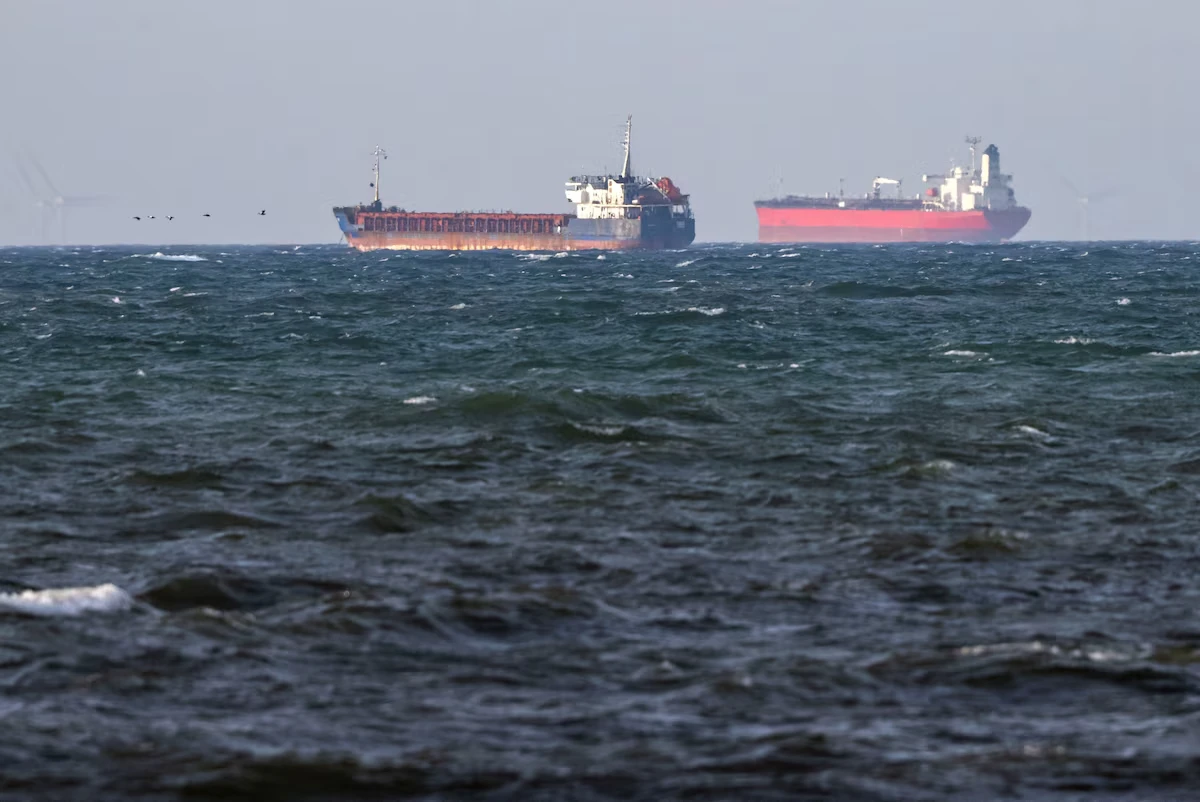
But the model has a physical limit: the number of available ships. That constraint is becoming especially important in the Black Sea, where spare tanker capacity has tightened.
A tanker is no longer merely a transport vessel in Russia’s oil economy. Under sanctions, it has become as essential to the export system as a well, pipeline or terminal.
Moscow spent years building what is often called a shadow fleet — a network of older ships, opaque ownership structures, alternative insurance arrangements and unconventional transfer practices designed to keep oil moving outside traditional Western channels.
That system helped Russia preserve large exports to Asia after losing much of its European market. But it is not limitless.
Older vessels require more maintenance, some are sanctioned directly, and Black Sea operations carry additional military and insurance risks. When export volumes suddenly rise, shortages of available tonnage can become a hard constraint.
That creates the central paradox of August. New attacks on refineries theoretically free more crude for export. But if Russia cannot find enough tankers, the resulting surplus may force producers to reduce output.
The chain is straightforward: refinery shutdown, crude diversion, port congestion, tanker shortage, production cuts.
This is how modern economic warfare works. Strategic effects are determined not only by the destruction of equipment, but by whether the wider system can create an alternative route around the damage.
So far, Russia’s oil industry has shown a considerable ability to adapt. Damaged units are repaired, crude flows are redistributed among refineries, and export routes are altered relatively quickly.
That resilience should not be underestimated. Russia operates one of the world’s largest oil and gas systems, has a substantial domestic engineering base and possesses decades of experience managing enormous volumes of hydrocarbons.
At the same time, every layer of flexibility is becoming more expensive. Rerouting increases transport costs, refinery repairs require equipment and components, and each new sanctions workaround makes logistics more complicated.
For the Kremlin, the issue is particularly sensitive because of the federal budget. Oil and fuel revenues support not only civilian expenditure, but also military production, weapons procurement and the cost of sustaining the armed forces.
Russia therefore has a strong incentive to keep supply volumes as high as possible even when the profitability of individual routes declines. For the state, the key concern is not merely corporate margins, but the continued flow of tax revenue and foreign currency.
Sanctions are designed to attack the opposite side of that equation. They do not necessarily have to eliminate Russian exports altogether if they can raise costs and reduce the amount Moscow earns from each barrel sold.
Ukrainian strikes on refining capacity add a physical layer of pressure. They force Russia to repair plants, rearrange supply chains and sell more crude instead of higher-value refined products.
Crude oil and refined fuels have different economics. Domestic refining creates additional value, supplies the internal market and allows Russia to export more expensive products such as diesel.
When a refinery goes offline, part of that value disappears. Russia may still sell the crude, but it must simultaneously ensure that domestic gasoline and diesel supplies do not become too tight.
A prolonged sequence of refinery outages therefore creates a difficult trade-off between export revenue and stability in the domestic fuel market.
If refining falls too far, crude exports rise. If transport infrastructure cannot handle those volumes, production must fall. If too much refined fuel is exported, domestic prices and shortages become a greater risk.
Pressure simply moves from one part of the system to another.
That is why July’s increase of roughly 100,000 barrels a day should not be read as straightforward evidence that sanctions or attacks have failed. It shows primarily that Russia still possesses room to maneuver.
August may reveal how much of that room remains. If refinery attacks continue and tanker capacity cannot absorb the extra crude, producers may have to cut output regardless of Moscow’s preference.
A decline of several hundred thousand barrels a day would not by itself collapse the Russian economy. But a sustained loss of volumes would mean lower budget revenue and greater dependence on global oil prices.
That vulnerability matters more in a wartime economy where state spending has become structurally elevated. Even a modest deterioration in the oil balance can accumulate month after month.
The global market, however, also limits how much pressure can be applied. If Russian exports fall too sharply, world oil prices may rise, partly compensating Moscow for the loss of physical volume.
For Russia’s opponents, the optimal strategy is therefore more complicated than simply removing barrels from the market. The objective is to compress Russian margins without creating a global shortage severe enough to drive prices sharply higher.
That is where sanctions, price restrictions, tanker controls and attacks on refining infrastructure intersect.
July showed that Russia’s oil system can still route around significant obstacles. August will test how many of those obstacles it can absorb at once.
As long as ports remain functional, tankers can be found and damaged refineries can be restored, Moscow may be able to keep production above 9 million barrels a day. But that figure is no longer simply a measure of the strength of Russia’s petroleum industry.
It has become a measure of how effectively Russia can rebuild and redirect an enormous energy system each month under the simultaneous pressure of sanctions, drone attacks and wartime logistics.
In July, that system held. August will demand more of it — and may reveal whether the production increase marked the beginning of a genuine recovery or only a temporary pause before the next set of constraints.