



























After the hantavirus outbreak aboard the cruise ship MV Hondius, the word “virus” once again triggered public anxiety. Three deaths, passengers from multiple countries, isolation measures, flights and an ocean route easily formed a story that felt familiar in a post-pandemic world.
But this outbreak has a different biology. Hantavirus does not spread like Covid-19, influenza or a common cold. For most strains, the main route of infection is not a casual conversation with a sick person, but exposure to particles from the urine, droppings or saliva of infected rodents.
The outbreak on the MV Hondius involves the Andes strain, which is endemic to South America. It is the only known hantavirus capable of limited human-to-human transmission, but that transmission usually requires close and prolonged contact, not a brief encounter in a public space.
According to Daycom’s analysis, this is where the line runs between justified caution and panic. Hantavirus can be deadly for an infected person, but the current outbreak does not show the behavior of a virus that moves easily and widely from person to person.
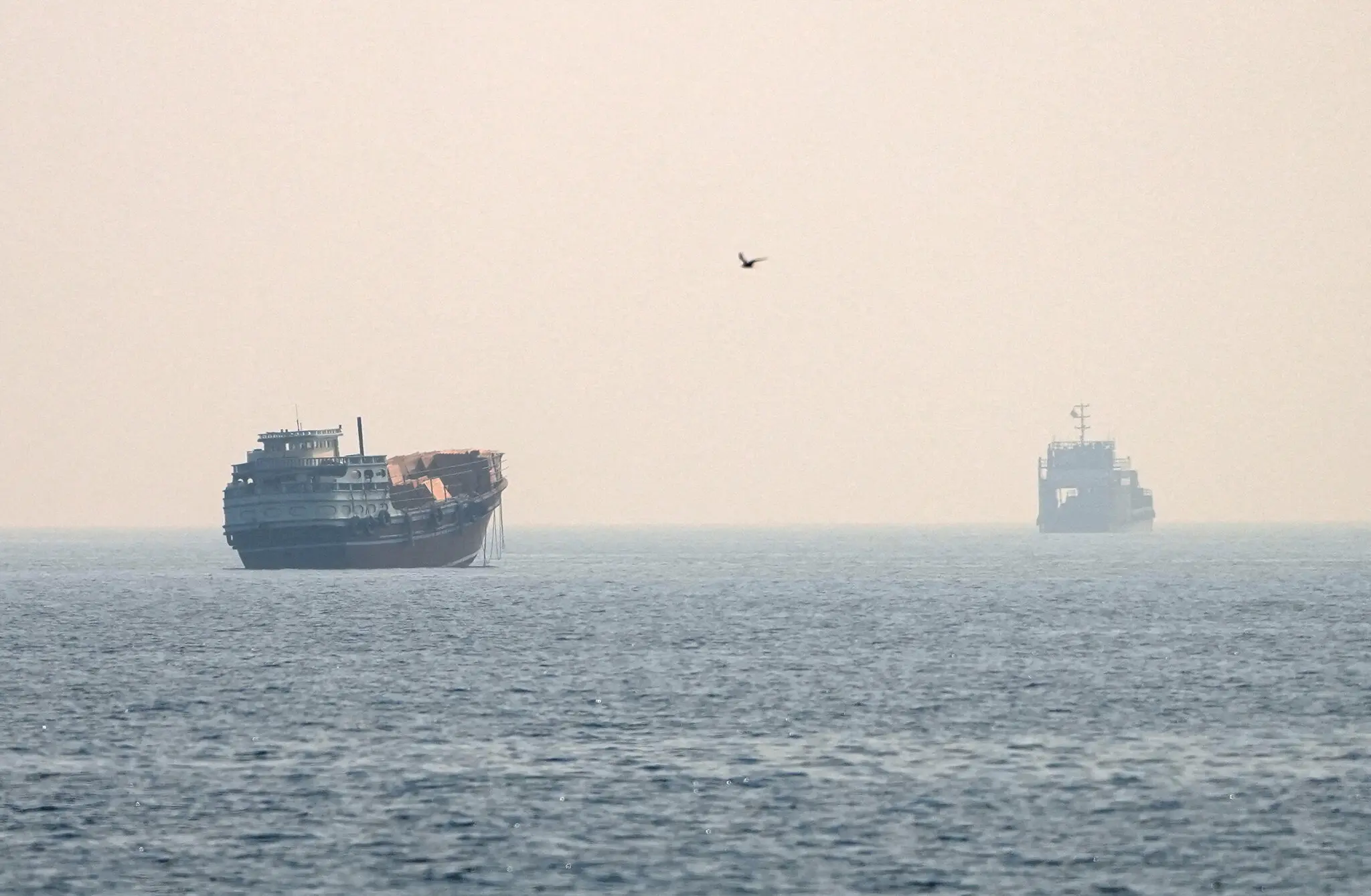
By early May, health authorities had reported several cases linked to the MV Hondius, including confirmed and probable infections, as well as three deaths. The ship later reached the Canary Islands, where passengers began disembarking and returning to their home countries on organized flights.
Those numbers are serious, but they do not describe uncontrolled spread. They show the difficulty of contact tracing: passengers left the ship, traveled through different countries and may have been near sick people before the full picture of the outbreak was understood.
Air travel is one of the public’s biggest fears in this case. An infected passenger or a symptomatic person on a plane sounds alarming, but the Andes virus does not behave like coronavirus. High-risk exposure usually means prolonged closeness, caregiving, physical contact or contact with bodily fluids.
For most people, the practical answer is simple: those who were not on the ship, did not have close contact with an infected person and were not exposed to rodents or their traces have no reason to change daily behavior. The risk to the wider public remains low.
The situation is different for people with possible exposure. The incubation period for hantavirus pulmonary syndrome can last for weeks. That means the absence of symptoms immediately after contact does not always end the need for medical monitoring.
Early symptoms can be deceptively ordinary: fever, chills, body aches, headache, weakness, nausea, diarrhea or abdominal pain. The danger begins when cough, shortness of breath, chest pain or the feeling that breathing is becoming harder appears.
In such cases, waiting is dangerous. There is no specific antiviral treatment or widely available vaccine for hantavirus. Care depends on rapid medical evaluation, breathing support, oxygen, intensive treatment and management of complications.
That is why the disease is both rare and dangerous. In the United States, hundreds of hantavirus cases have been recorded over decades of surveillance, and a significant share of severe pulmonary cases have been fatal. It is not a mass threat, but it is not a disease to dismiss.
The Andes strain is not native to the United States. The better-known hantavirus there is Sin Nombre, which is linked to rodents in the western states. That distinction matters: imported cases connected to travel do not automatically mean that the virus has become established in a new region.
The people most at risk are those who live or work around rodents: farmers, warehouse workers, stable workers, cleaners, pest-control staff, foresters, travelers in endemic rural areas and anyone opening old sheds, garages or cabins after a long period of disuse.
Prevention is more useful than fear. Dry rodent droppings should not be swept or vacuumed, because that can push particles into the air. Surfaces should first be wetted with disinfectant, rooms should be ventilated, and gloves should be used during cleaning.
In homes and outbuildings, cracks should be sealed, food and animal feed stored in tight containers, garbage removed, and rodents denied access to water and shelter. If an infestation is serious, the answer is not a broom and courage, but professional pest control and protective equipment.
Travelers to regions where hantaviruses are common should be cautious about sleeping in abandoned or poorly ventilated buildings, camping near signs of rodents or cleaning cabins without protection. The most dangerous setting is often not the forest itself, but an enclosed space with dry rodent contamination.
Comparisons with Covid-19 are more misleading than helpful. Covid-19 became a pandemic because it spread easily between people, including from those without symptoms. The Andes virus transmits far less efficiently, and most hantaviruses do not sustain person-to-person spread at all.
That does not make the MV Hondius outbreak minor. It showed how quickly a rare zoonotic infection can become an international problem when it appears inside a network of global mobility — on a ship, in aircraft and among passengers from many countries.
The best response is not public alarm, but precise caution. Exposed people must be identified, symptomatic people examined quickly, at-risk passengers monitored, and the public told the key distinction: a low risk of spread does not cancel the severity of the disease.
There is no need to fear hantavirus as the next pandemic. But there is also no room for carelessness. For most people, it is not a daily threat. For those who had real exposure to an infected person or to rodents, it is a reason to act quickly, calmly and without improvisation.