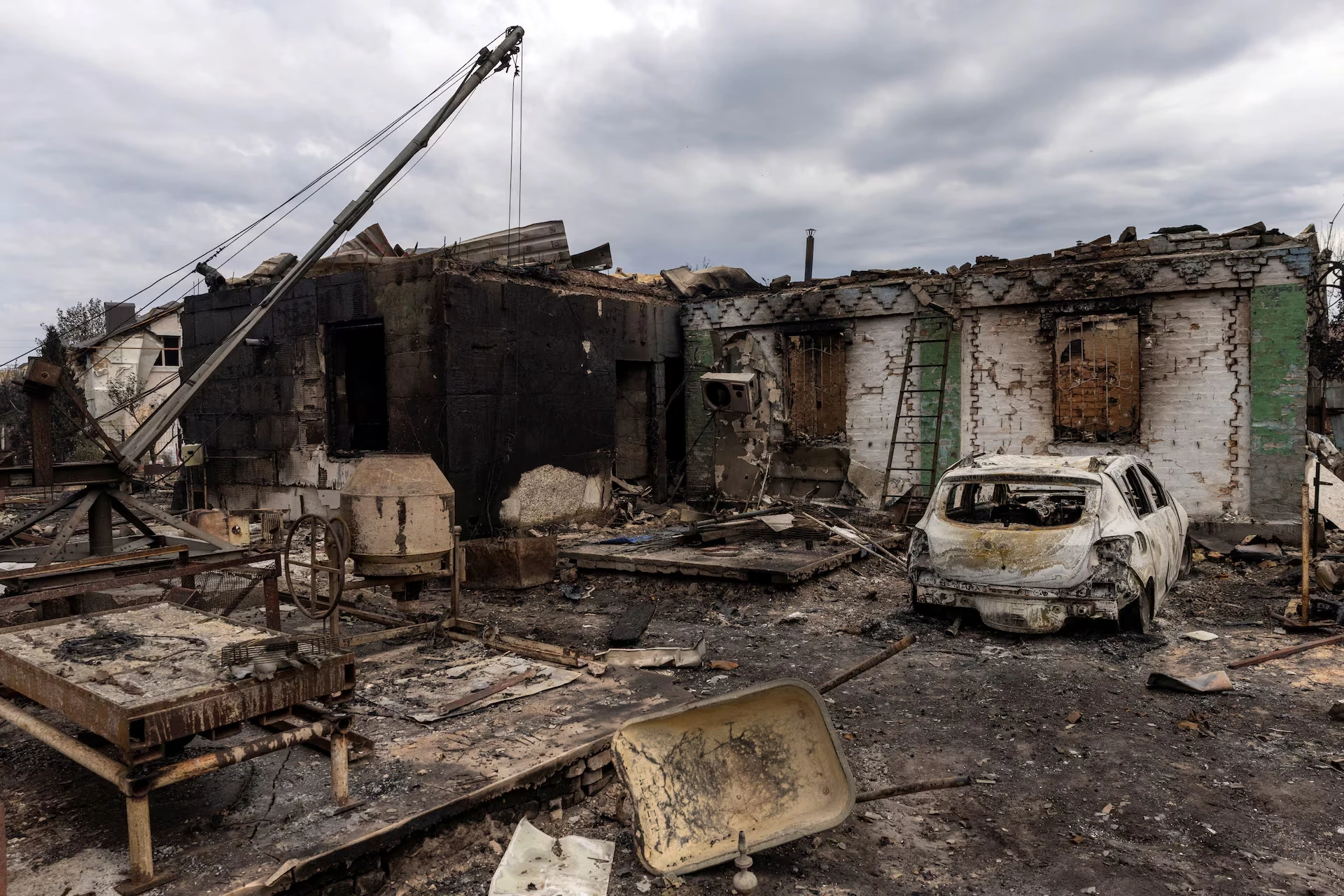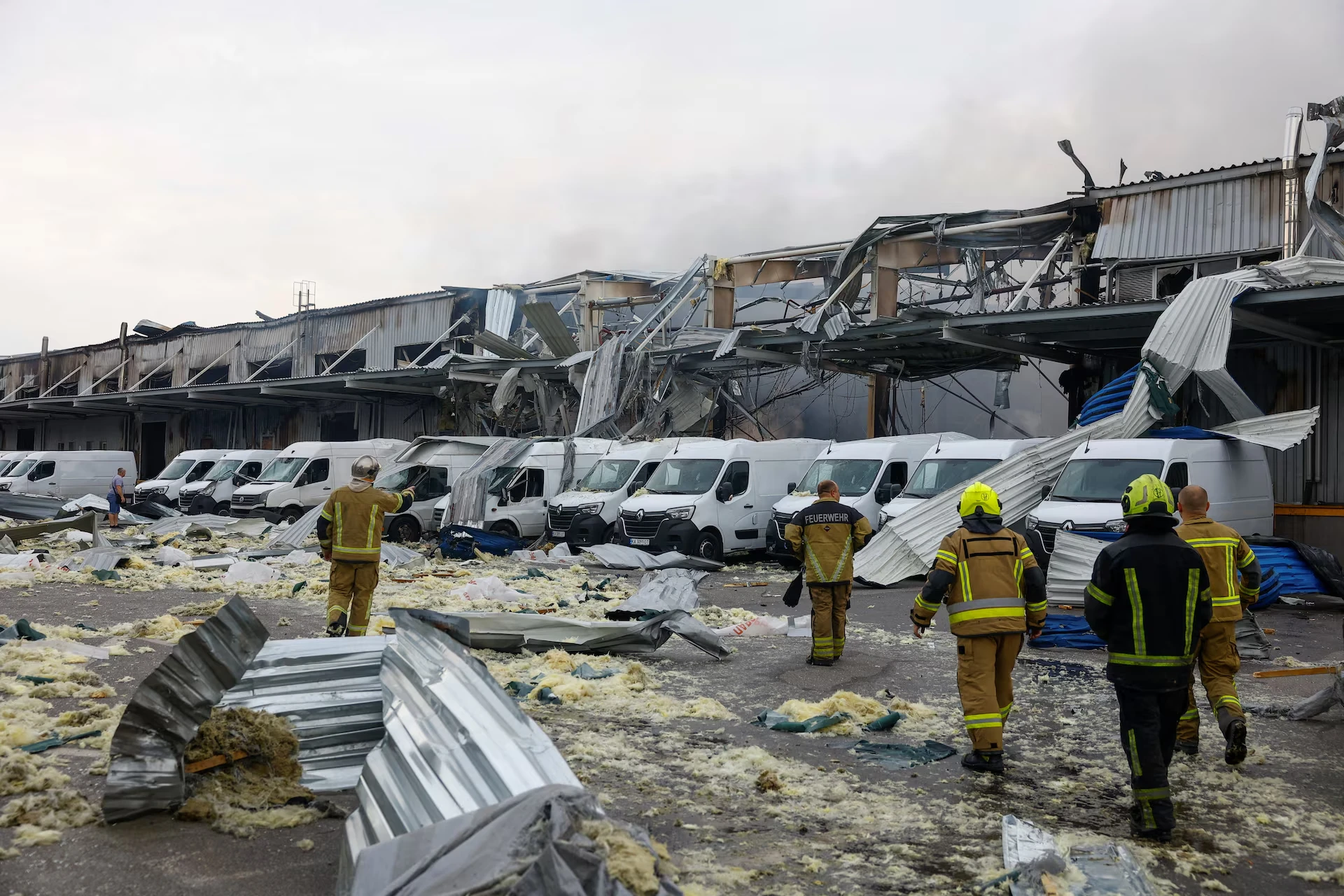


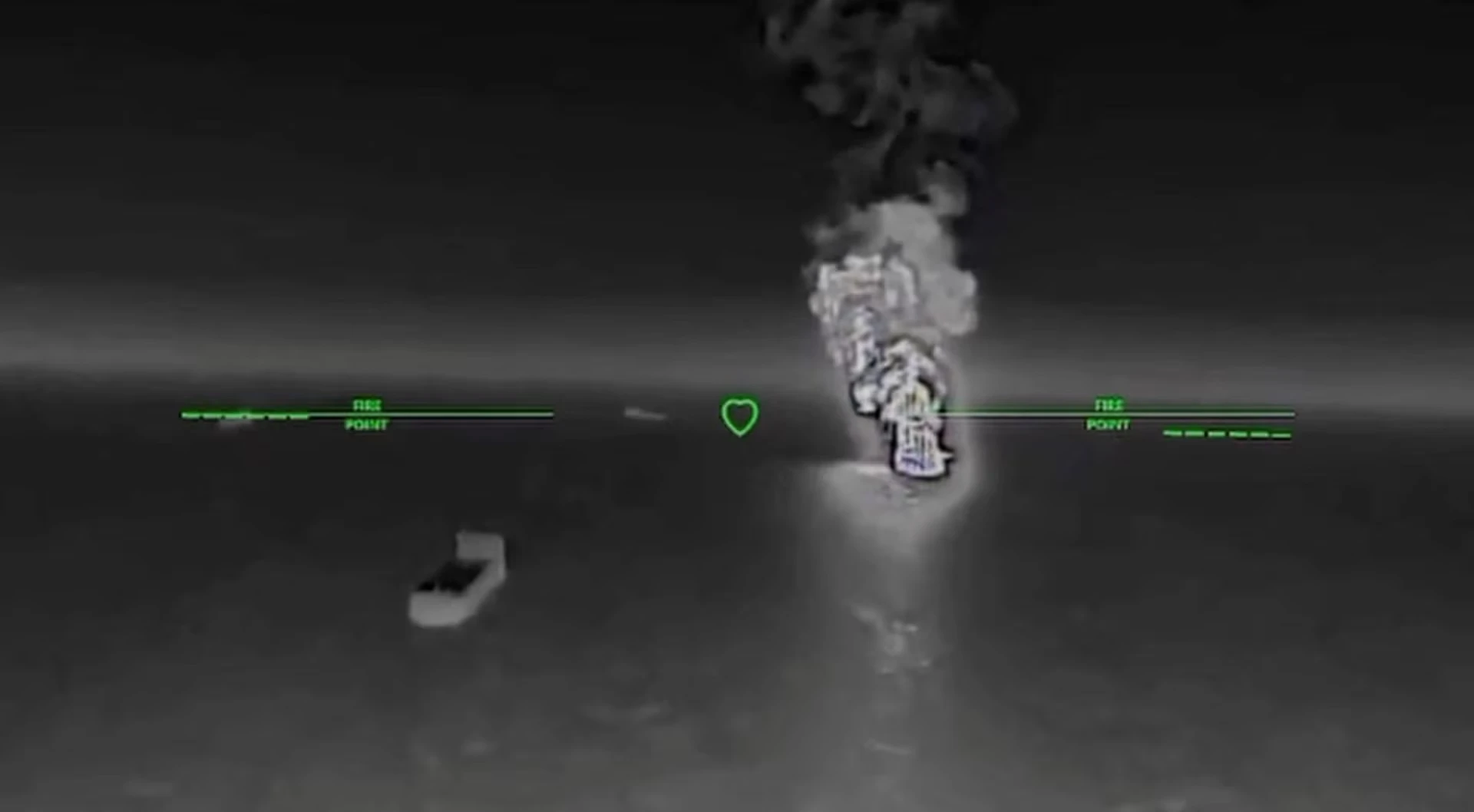





















On the night of March 28, Russia once again chose not to bet on a battlefield breakthrough, but on deep aerial pressure against Ukraine’s rear. The wave attack with drones killed four people, while the list of damaged sites included gas production facilities, port infrastructure, residential buildings, and a maternity hospital in Odesa.
The maternity hospital became the most powerful symbol of the strike. In Odesa, Russian drones damaged a medical facility, residential buildings, and port infrastructure; two people were killed in the region and at least twelve others were wounded. A strike on a place where life begins is no longer an accident in this war. It is a method.
No less revealing was the attack on the Poltava region, where facilities linked to gas production again came under fire. This did not look like an isolated episode, but rather part of a sustained campaign against Ukrainian energy infrastructure, designed to produce a cumulative effect over time.
According to Daycom’s assessment, the key to understanding this attack lies in the intersection of three targets: civilian infrastructure, health care, and energy. The Kremlin is not simply striking cities. It is attacking Ukraine’s ability to sustain daily life — to treat the wounded, deliver babies, heat homes, transport goods, and at the same time maintain national defense under constant aerial pressure.
 Рятувальник працює на місці пологового будинку, який постраждав під час нічних ударів російських безпілотників на тлі нападу Росії на Україну, в Одесі, Україна, 28 березня 2026 року — Ніна Ляшонок
The scale of the strike only reinforces that logic. Even with the high effectiveness of Ukrainian air defense, Russia is demonstrating that it can overload the system through numbers, pacing, and the wave-like structure of launches. The point of this tactic is not merely the number of successful hits, but to turn defense itself into an exhausting daily condition.
This matters especially in the broader context of spring 2026. Recent weeks have shown a sharp increase in the intensity of Russian aerial attacks against the backdrop of what appears to be a new offensive cycle. The current drone attack fits naturally into that escalation: Moscow is increasing pressure where Ukraine is most vulnerable outside the front line.
That is precisely why Odesa was not just another target, but a strategic node. Several meanings of the war converged there at once: port infrastructure, export logistics, a major civilian city, and medical facilities. A strike on Odesa is always an attempt to hit the economy, the public psyche, and the sense that the rear can still remain relatively safe.
Within that logic, the maternity hospital was not collateral damage but a concentrated message. Attacks on medical institutions destroy not only walls and equipment, but also the basic sense of security. When a hospital is hit, the war enters the most intimate sphere of society — the place where people expect care, not attack.
Pressure on Ukraine’s energy sector is no less systematic. Strikes on gas production facilities show that Moscow aims to weaken not only immediate resilience, but also Ukraine’s capacity to move through the coming months without new shortages, breakdowns, or forced reallocations of resources. This is a war not only of destruction, but of attrition against reserves.
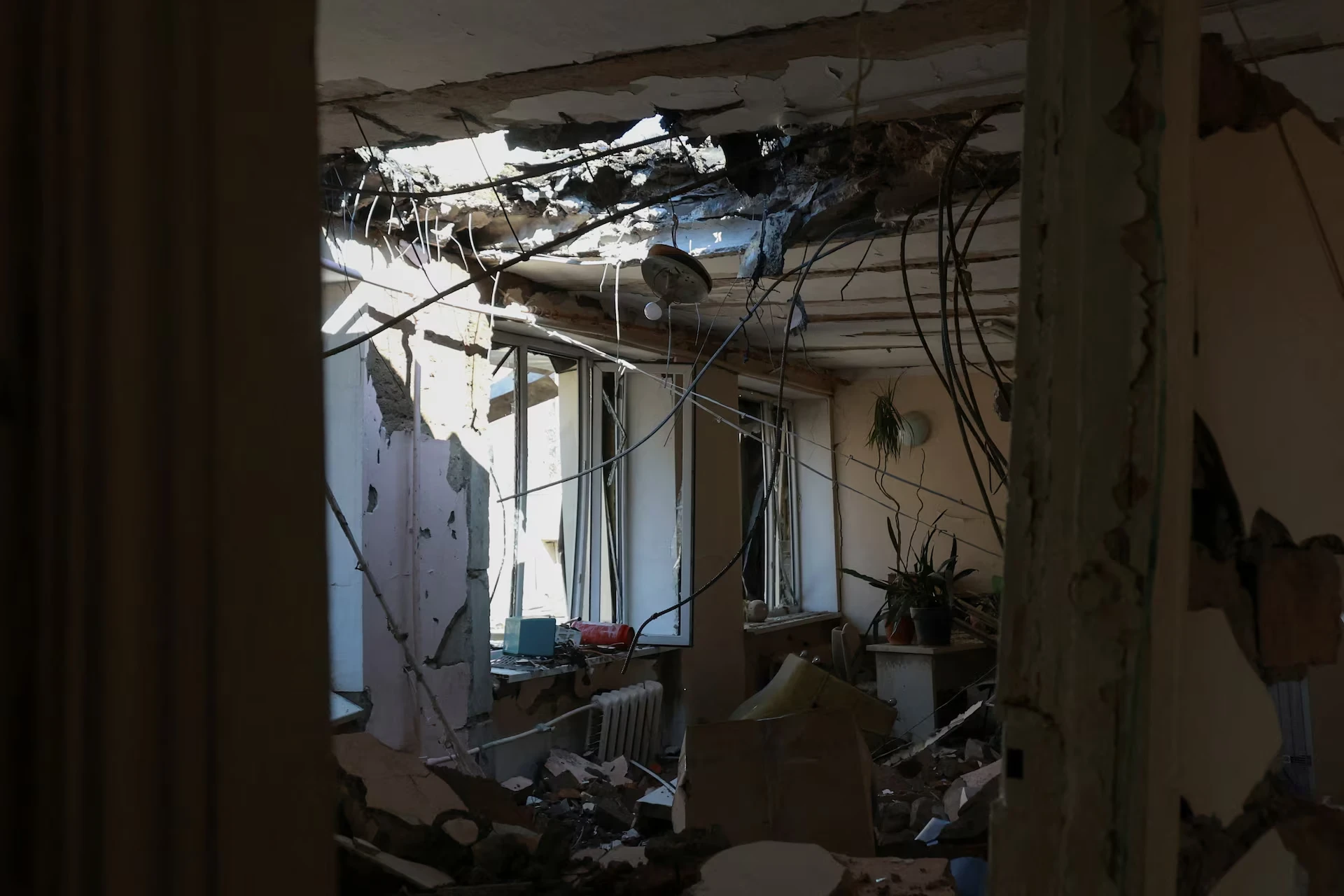 Внутрішній вигляд пологового будинку, який постраждав під час нічних ударів російських безпілотників на тлі нападу Росії на Україну, в Одесі, Україна, 28 березня 2026 року — Ніна Ляшонок
What makes this tactic especially dangerous is that it cannot be neutralized with a single solution. Even successful work by Ukraine’s air defense does not eliminate the fact that some drones still get through. And every such impact means not just debris and fire, but repair costs, production stoppages, supply disruptions, and another blow to the endurance of urban life.
Odesa, meanwhile, remains a city of double vulnerability. On the one hand, it is a large rear-area center with dense civilian development. On the other, it is a strategic maritime hub that Russia has long targeted as a symbol of the resilience of Ukrainian exports. When the port, residential quarters, and a hospital all come under attack at once, the goal becomes obvious: to erase the boundary between the front and everyday life.
There is also a psychological layer. Russia is increasingly combining Shahed drones, other UAV types, and serial launch waves in order to exhaust not only interceptor stockpiles, but also the country’s nervous system. Life under night sirens, the waiting for the next strike, and the collapse of daily predictability all become part of the same strategy as the destruction of physical targets.
In that sense, the strike on the maternity hospital also serves a propaganda function. Such attacks do not deliver a conventional military advantage, but they reinforce the image of total vulnerability: nothing is truly protected, not even a place where newborns and patients are being cared for. This is terror not as a byproduct of war, but as a mode of warfare.
At the same time, the strikes on gas production reveal another element of Moscow’s design: to drag Ukraine into an expensive defense not only along the line of contact, but across the rear sectors of the economy as well. When a country is forced simultaneously to defend its skies, restore energy systems, sustain health care, and repair housing infrastructure, the cost of resilience rises every day.
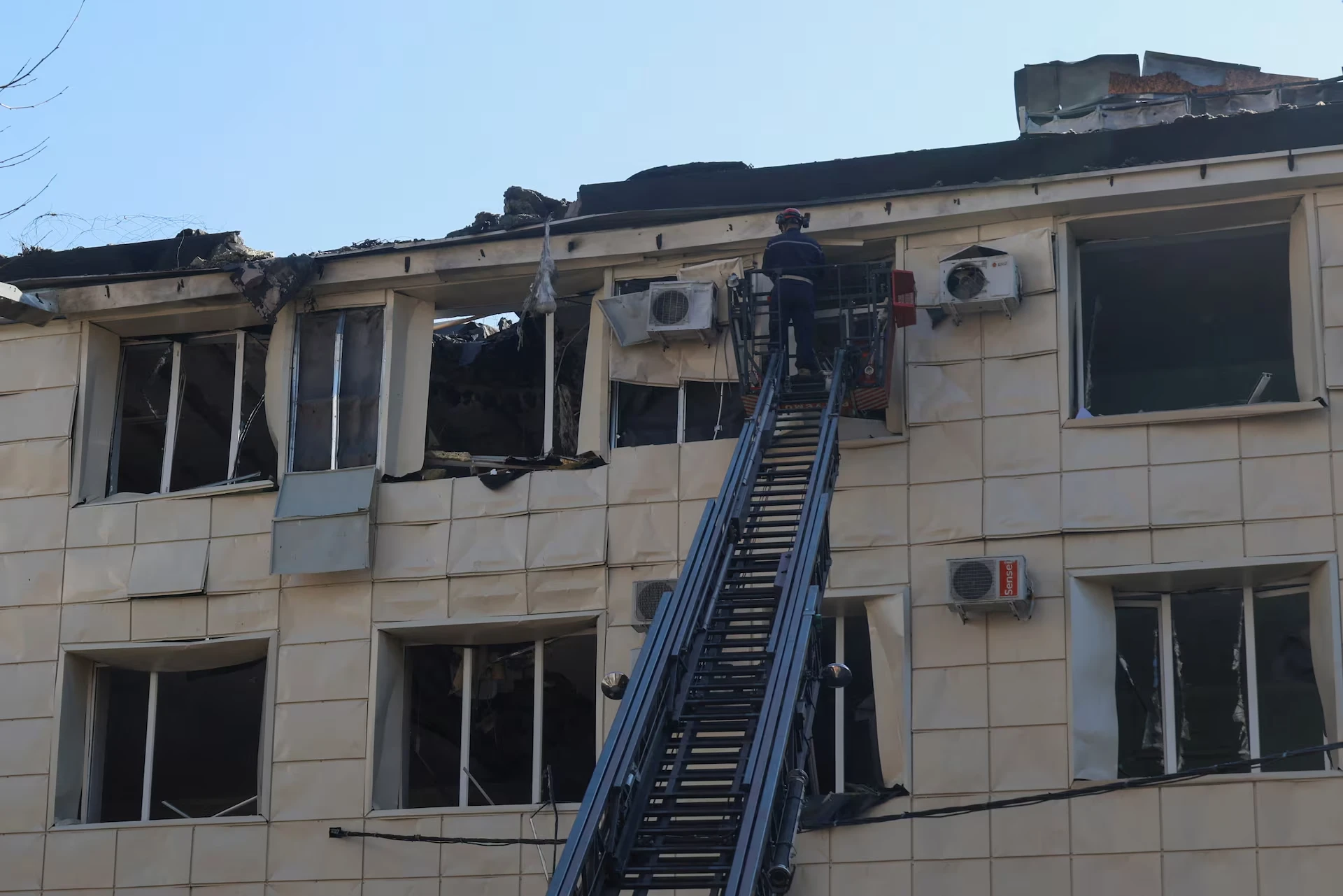 Рятувальник працює на місці пологового будинку, який постраждав під час нічних ударів російських безпілотників на тлі нападу Росії на Україну, в Одесі, Україна, 28 березня 2026 року — Ніна Ляшонок
That leads to the central political conclusion. The current aerial assault shows that Russia is increasingly waging a war in which the front and the rear merge into a single zone of damage. If it was once possible to speak separately about attacks on energy, separately about Odesa, and separately about medical facilities, it now looks more and more like a unified strategy of exhausting the state through its civilian framework.
That is why the response to such attacks cannot be reduced to the number of drones shot down in a morning briefing. Ukraine needs more interception systems, better protection for critical infrastructure, faster restoration of medical and energy facilities, and a clear international signal that attacks on a maternity hospital, civilian infrastructure, and the Odesa region will not be normalized as merely the “background noise” of the war’s fourth year.