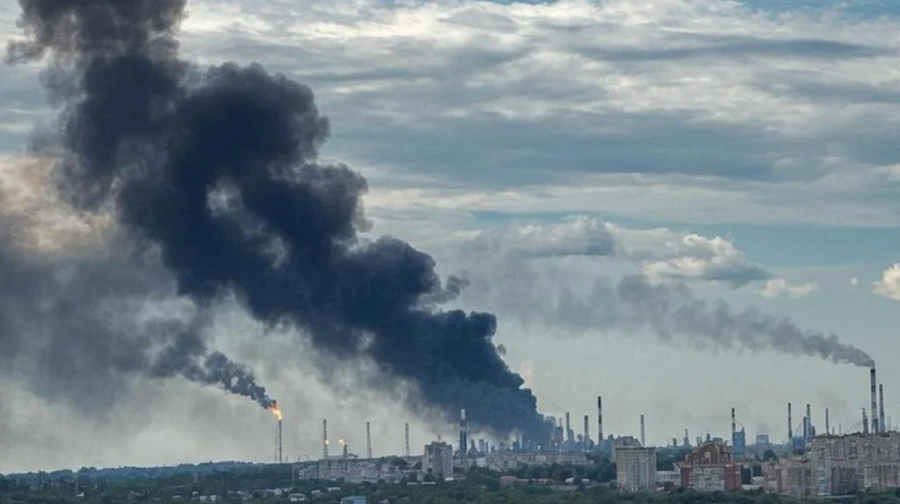





















Kazakhstan has reduced oil production after drone attacks halted tanker loading at the Black Sea terminal of the Caspian Pipeline Consortium. The route carries most of the country’s crude exports to global markets.
The cut was not caused by damage to Kazakhstan’s oil fields, but by the loss of export capacity. Once crude intake into the pipeline was suspended, storage tanks began to fill, forcing producers to lower output in a controlled manner.
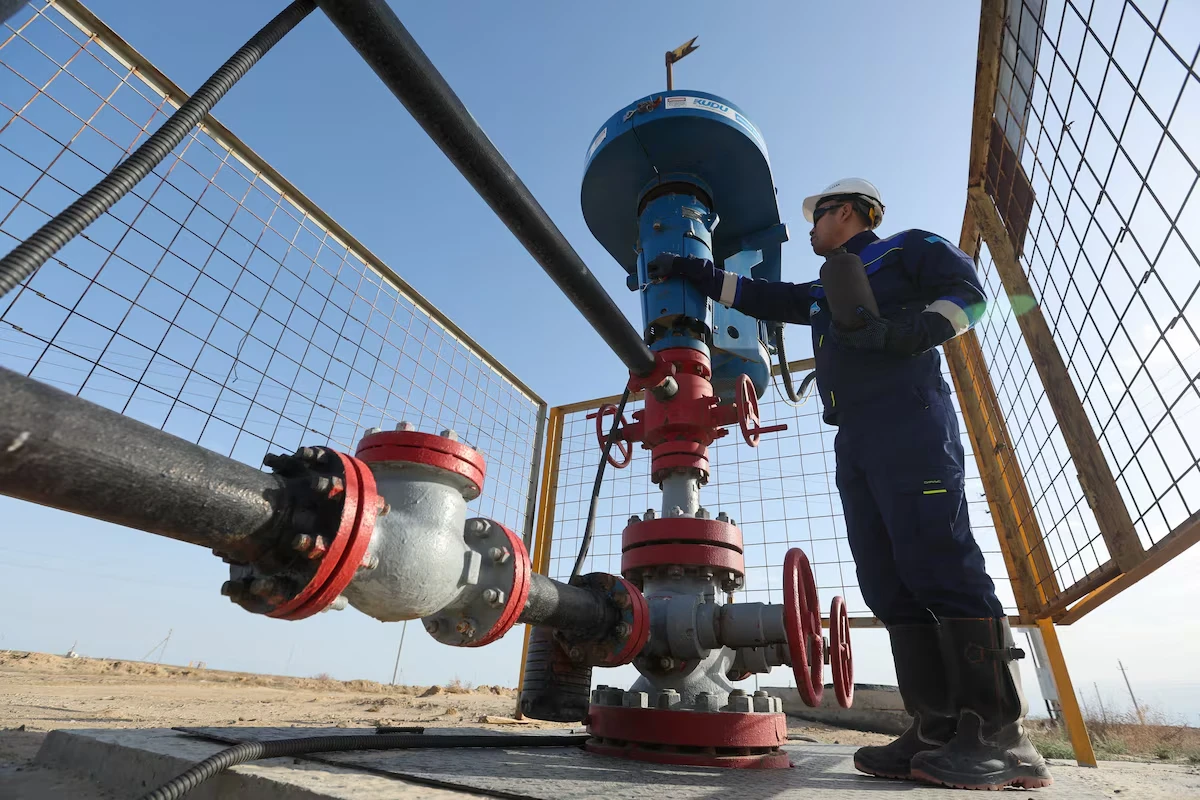
The sharpest decline came at Tengiz, Kazakhstan’s largest oil field, operated by a consortium led by Chevron. Industry estimates indicate that daily production fell by more than half, from roughly 925,000 barrels to about 406,000.
According to Daycom’s earlier analysis, the disruption turned a localized attack near a Russian port into a regional energy shock. It demonstrated that Kazakhstan’s oil industry, though nationally controlled, remains critically dependent on infrastructure running through Russia.
Kazakhstan’s total production of oil and gas condensate fell to about 1.63 million barrels per day, compared with a July average of roughly 2.07 million. In practical terms, the market temporarily lost more than 400,000 barrels of daily supply.
The Kazakh Energy Ministry confirmed the reduction but did not disclose its full scale. Officials said the adjustment was necessary to prevent storage congestion at producing companies and to preserve the stability of the system until pipeline intake could resume.
The Caspian Pipeline Consortium remains the main artery of Kazakhstan’s oil exports. Its pipeline runs for more than 1,500 kilometers from western Kazakhstan across Russian territory to a marine terminal near Novorossiysk.
The route carries volumes equivalent to about 2 percent of daily global crude supply. That share alone is not enough to determine the market, but its loss becomes more consequential when other major energy corridors are also under pressure.
The disruption comes amid severe instability around the Strait of Hormuz and continued threats to Saudi exports through the Red Sea. In that environment, even a temporary reduction in Kazakh supply adds uncertainty, raises insurance costs and makes oil prices more sensitive to further shocks.
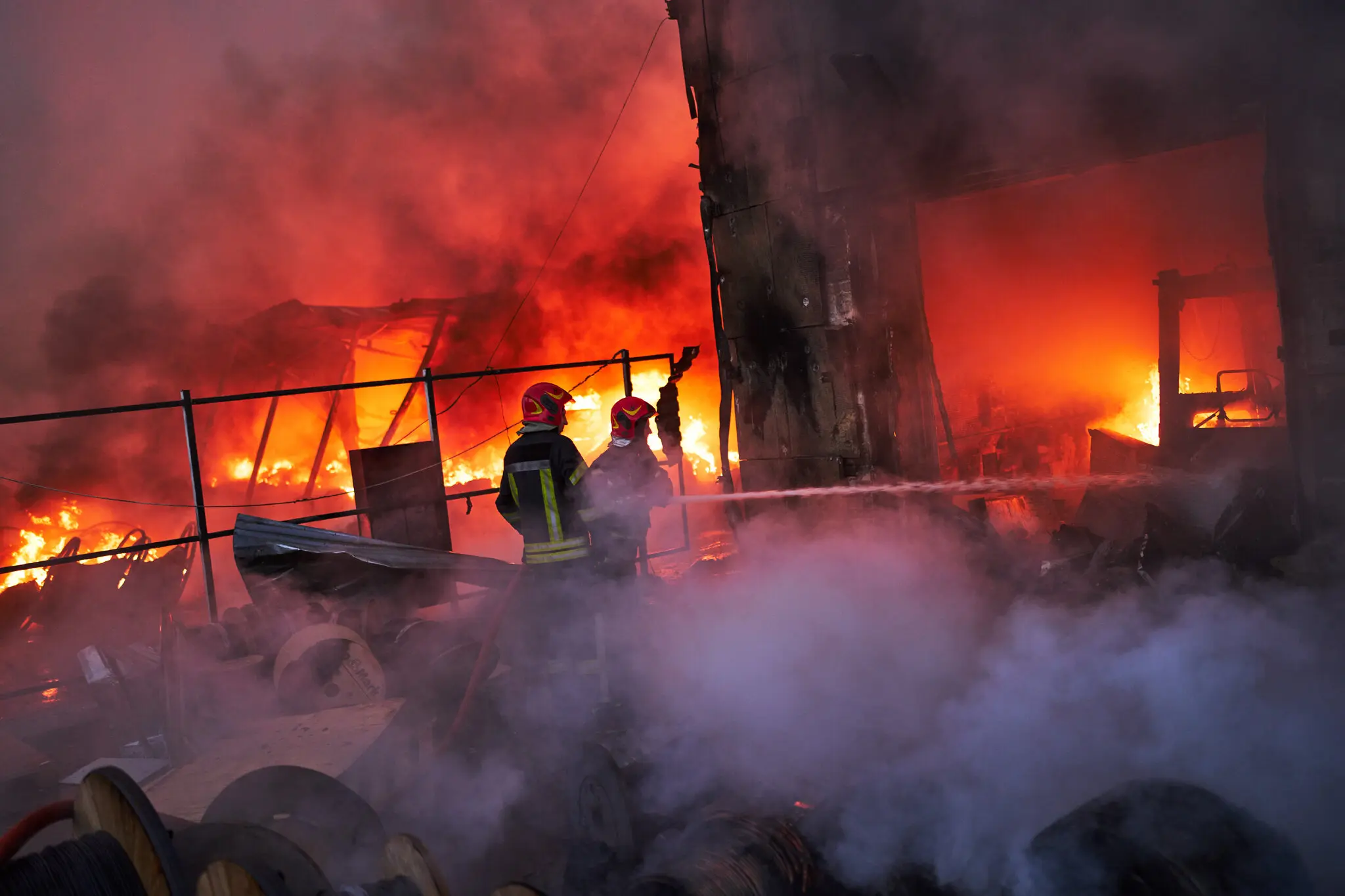
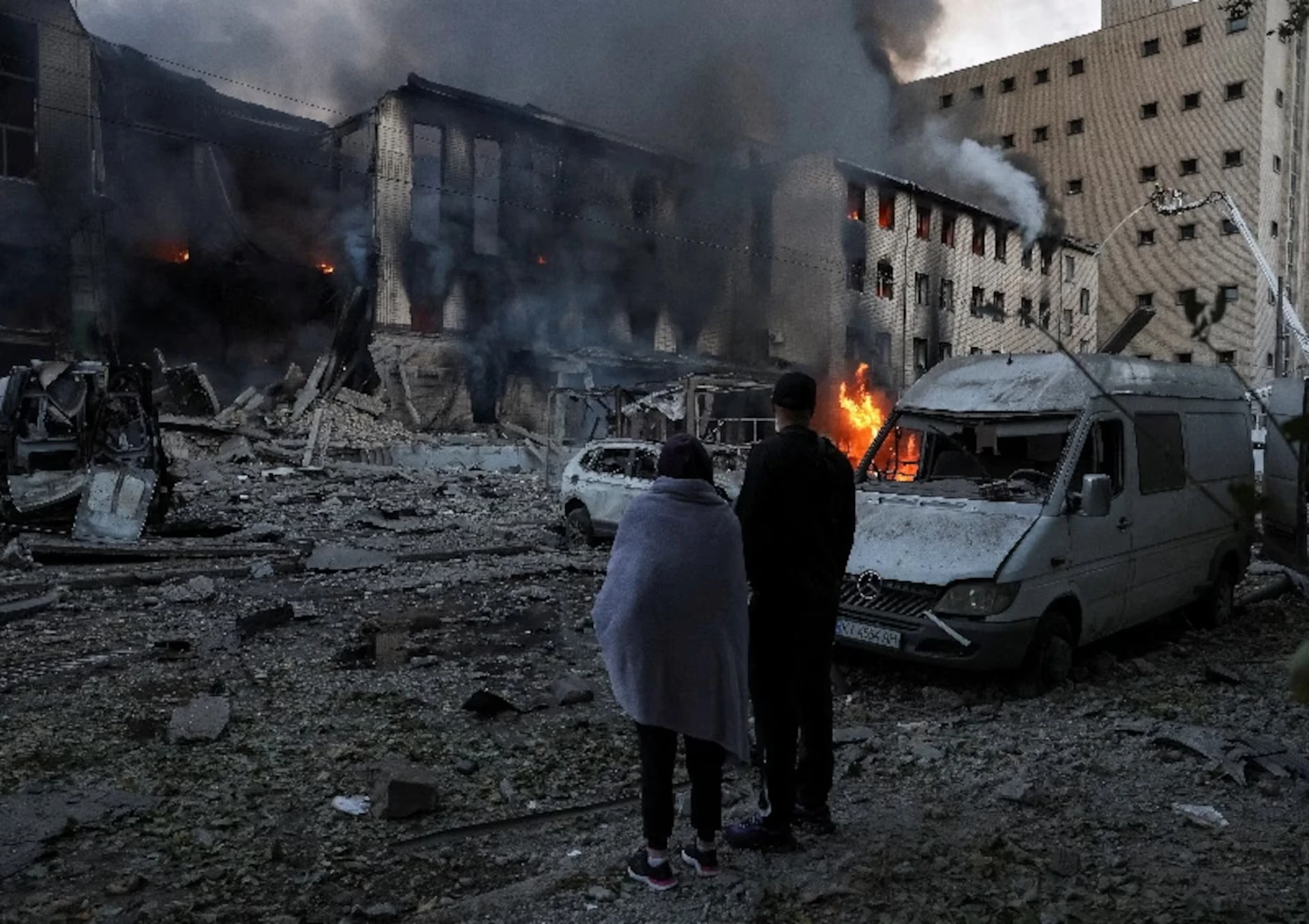
The current problems began after the consortium suspended loading at its Black Sea terminal following attacks on oil tankers. Two additional vessels were later targeted nearby, and one reportedly caught fire.
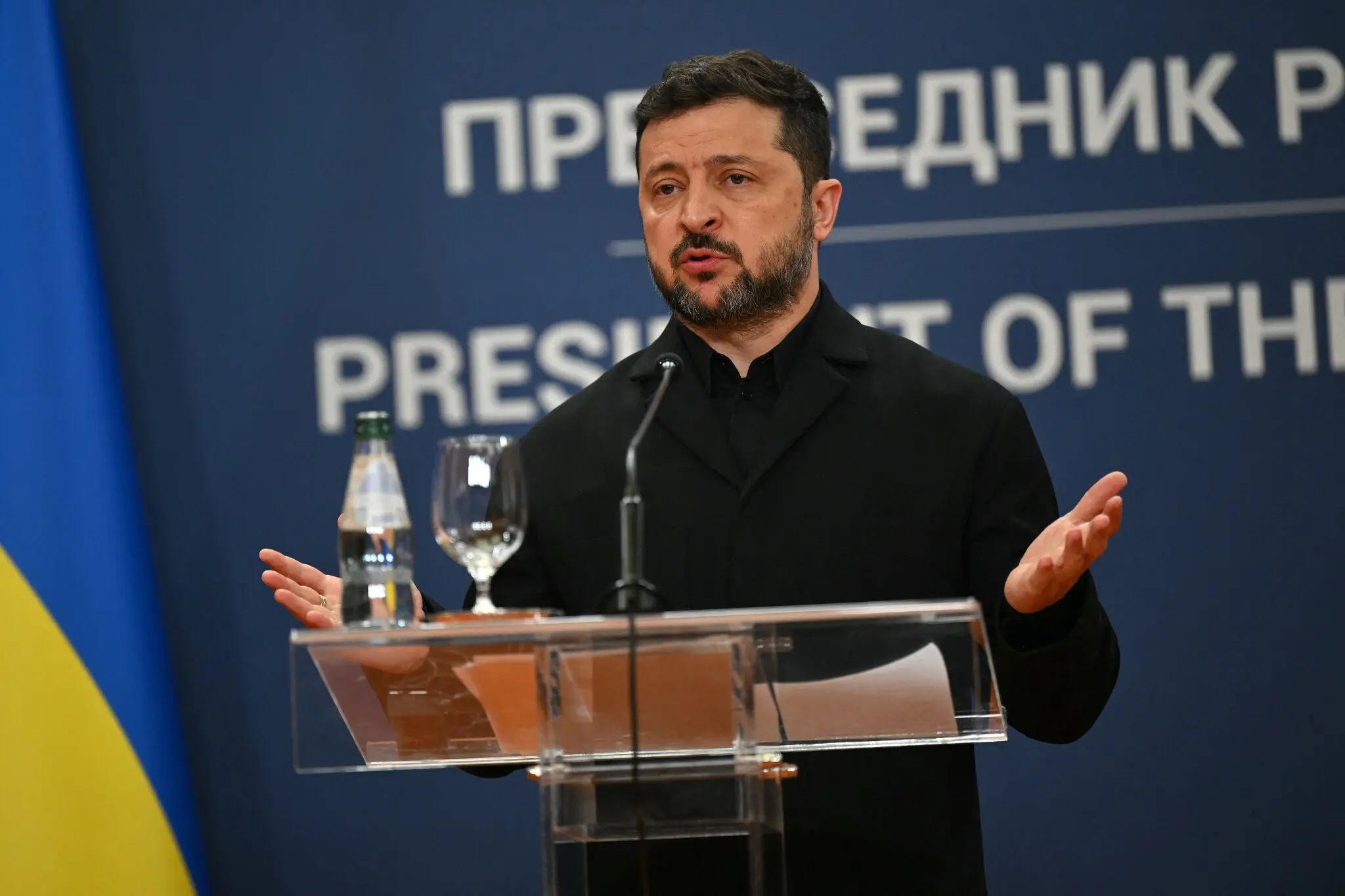
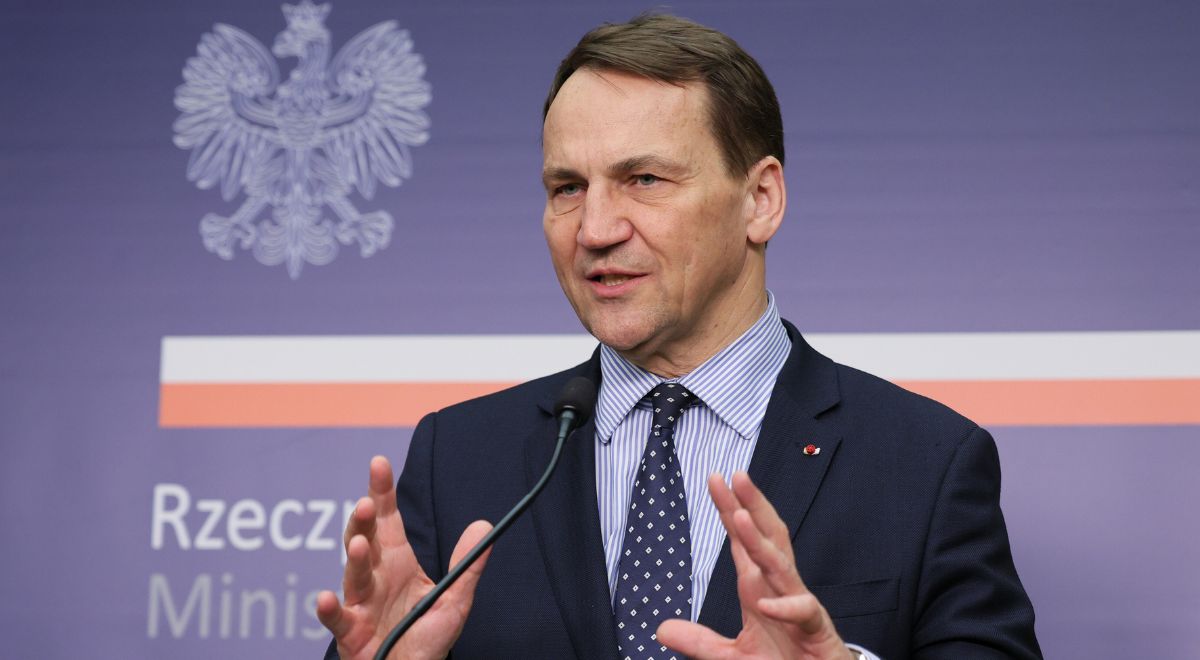
Russia accused Ukraine of carrying out the strikes and described them as an attempt to destabilize the global oil market. Kyiv has not commented, leaving responsibility for the attacks officially unconfirmed.
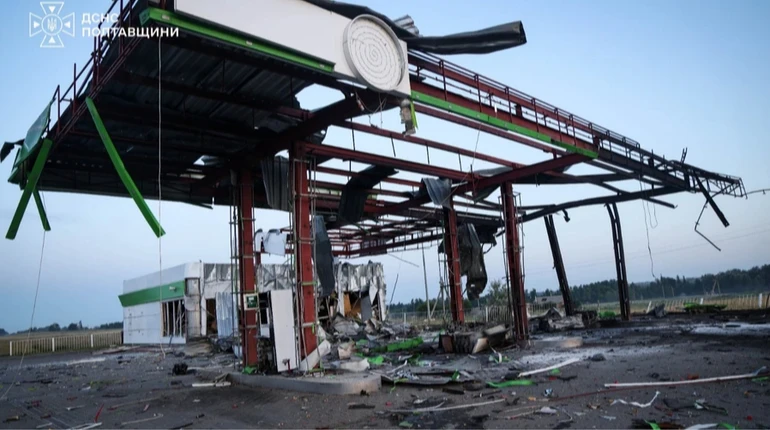
The wider strategic context is nevertheless clear. Ukraine has intensified strikes against Russian energy and port infrastructure in an effort to reduce Moscow’s revenues, disrupt military logistics and make the Black Sea a zone of persistent operational risk.
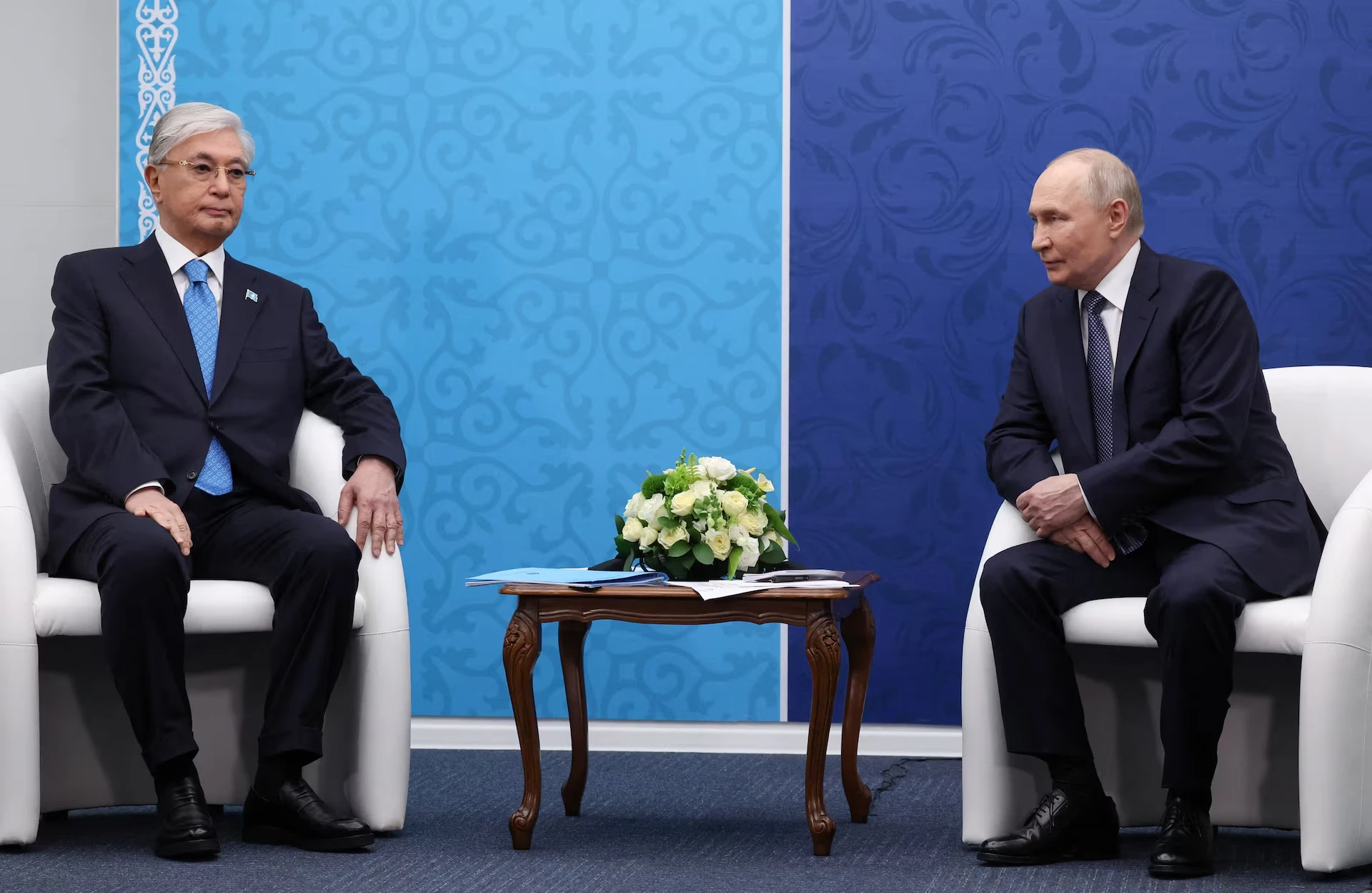
Kazakhstan has become an unintended casualty of that campaign. Its oil is not Russian, and the pipeline serves major international companies. Yet the physical dependence on Russia’s Black Sea coast leaves Kazakh exports exposed to any escalation around Novorossiysk.
For Astana, this is not the first warning. The CPC route has already been disrupted by maintenance problems, bad weather, political disputes and terminal outages. Each episode reinforces the same conclusion: geography remains the central weakness of Kazakhstan’s oil model.
Tengiz and other major fields can produce far more crude than the country can quickly reroute through alternative channels. Trans-Caspian shipments, exports through Azerbaijan and other pipelines still lack the capacity to replace Novorossiysk at scale.
That is why a production cut became unavoidable. Oil companies cannot store crude indefinitely, and once pipeline intake stops, the effects move rapidly upstream. In a complex field system, an export bottleneck can become a production problem within days.
For Chevron and other investors, the disruption adds a new layer of risk. Multibillion-dollar expansion projects at Tengiz were built on the assumption of stable access to maritime exports. If shutdowns become recurring, project economics will depend not only on oil prices but also on the security of Russian ports.
Kazakh authorities are consulting producers, the pipeline consortium, shipowners and state agencies in an effort to restore stable exports. A return to normal operations, however, will depend not only on the terminal’s technical condition but also on credible security guarantees for tankers.
Shipowners are increasingly cautious about entering high-risk waters. Even limited damage can lead to higher insurance premiums, demands for additional guarantees and refusals by some operators to accept voyages. In this way, a logistical problem gradually becomes a financial one.
For Russia, attacks near Novorossiysk create a layered strategic challenge. The port serves not only Russian exports but also transit flows belonging to allied and neutral countries. Disruptions weaken Moscow’s position as a guarantor of secure energy transportation.
For Kazakhstan, the lesson is harsher: sovereignty over oil fields does not mean sovereignty over exports. As long as most of the country’s crude passes through Russian territory, any strike in the Black Sea can slow production thousands of kilometers from the front.
The current reduction may prove temporary if loading resumes quickly. Yet even a brief interruption has exposed a systemic vulnerability. A single terminal can affect Kazakhstan, international oil companies and the global supply balance at the same time.
War is increasingly reshaping energy markets not by destroying oil fields, but by targeting narrow logistical corridors. Novorossiysk has become exactly such a chokepoint — geographically distant from Kazakhstan, yet so essential that even its largest fields are forced to slow when the route goes dark.