




















Taiwan is preparing for a war it hopes never comes. Its emerging defense strategy rests on a simple calculation: the island cannot match China ship for ship, aircraft for aircraft or missile for missile, but it can make an invasion so difficult and expensive that the cost itself becomes a deterrent.
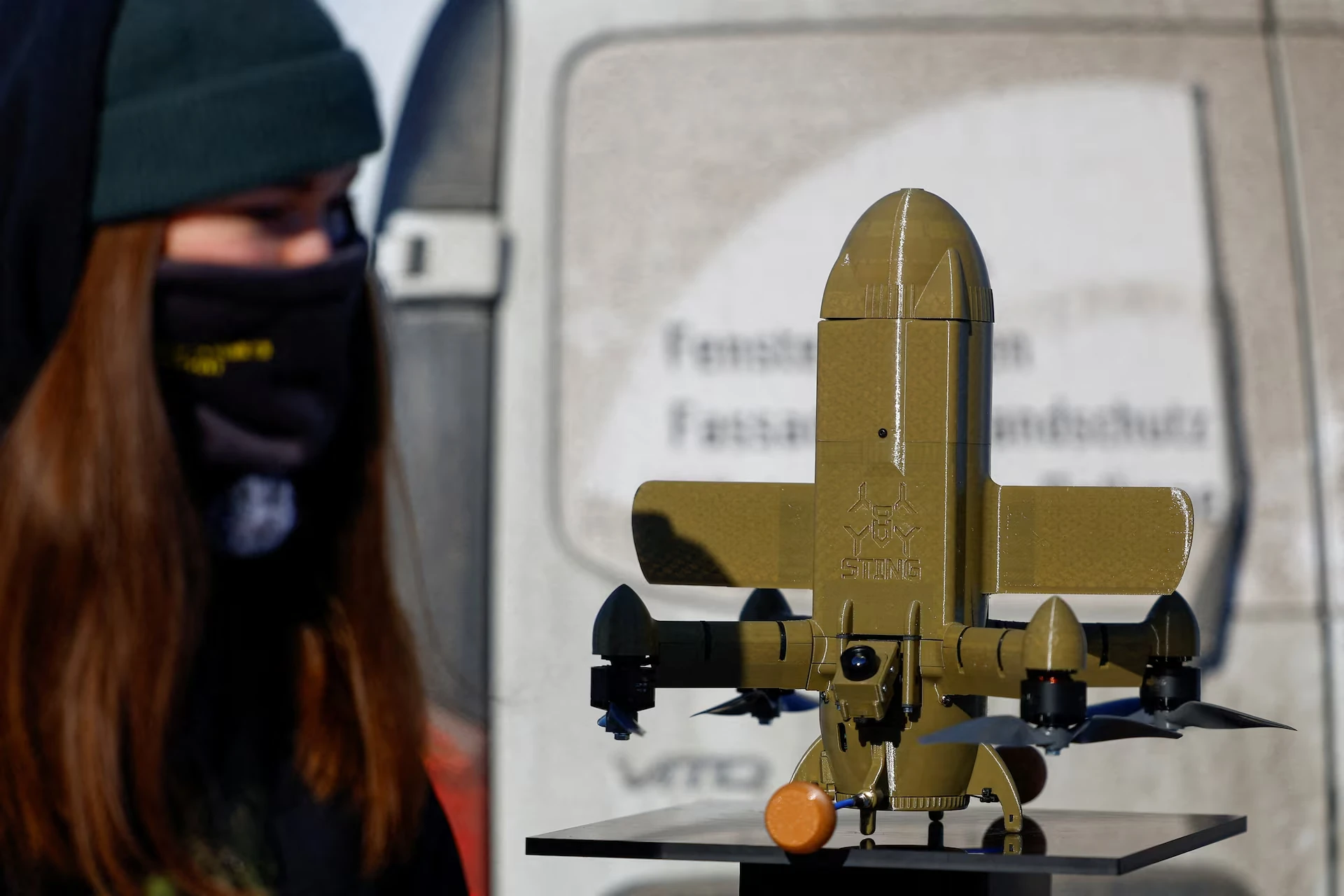
Drones sit at the center of that strategy. Taiwan is building toward a force that combines reconnaissance systems, attack drones, uncrewed surface vessels, mobile missile units and artillery, all designed to find and strike invading forces at sea, along the coast and deeper inside their formations.
U.S. military planners have described the concept as a “hellscape.” The idea is not to rely on a single exquisite weapon, but to saturate an attacking force with large numbers of cheaper systems that can detect targets, pass coordinates and strike faster than the enemy can adapt.
As Daycom noted in its earlier analysis, Taiwan is effectively trying to turn a geographic vulnerability into a defensive advantage. China has overwhelming numerical superiority, but any invasion would require troops and equipment to cross the Taiwan Strait and concentrate in relatively predictable areas — precisely where drones can be most dangerous.
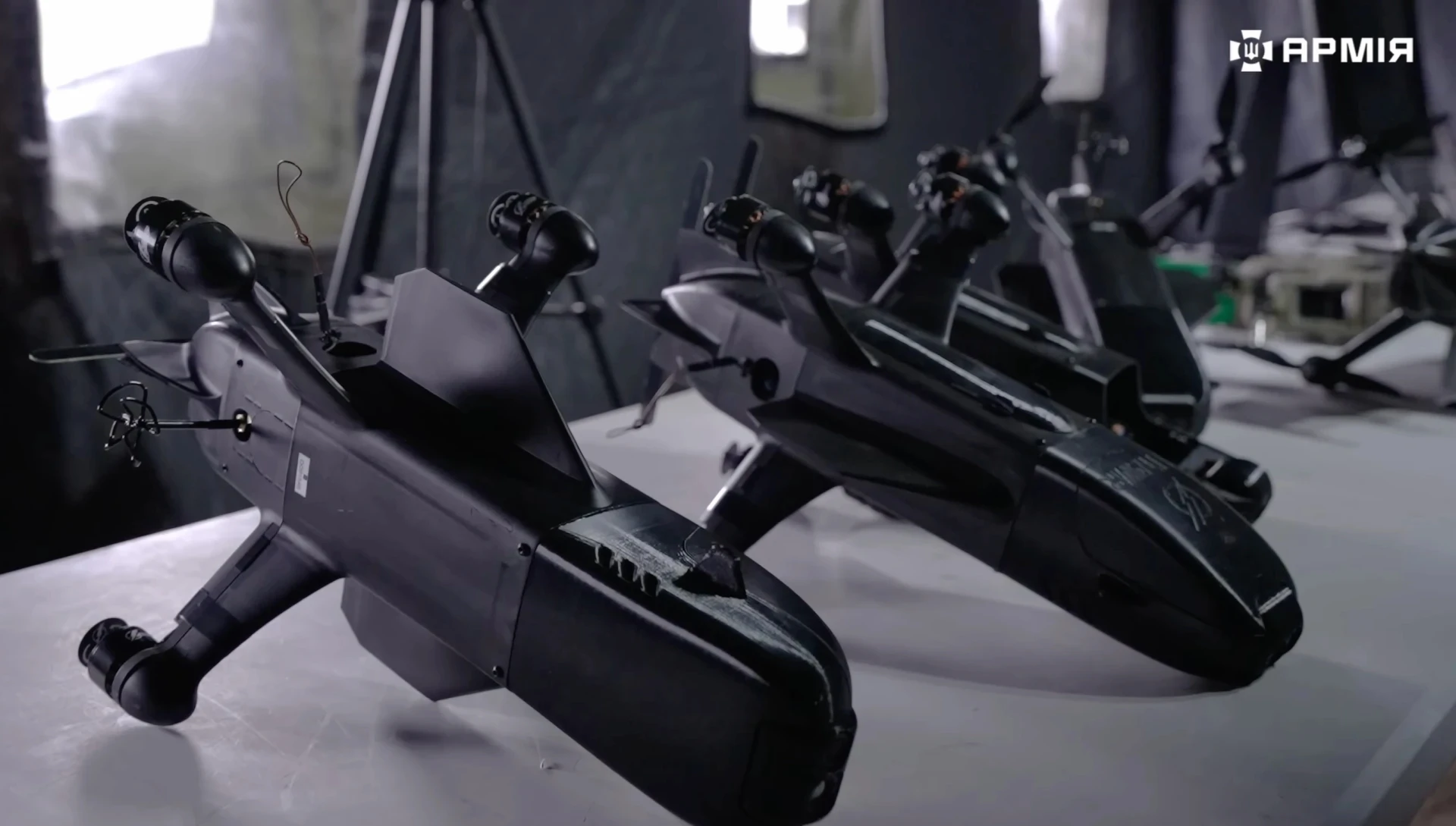
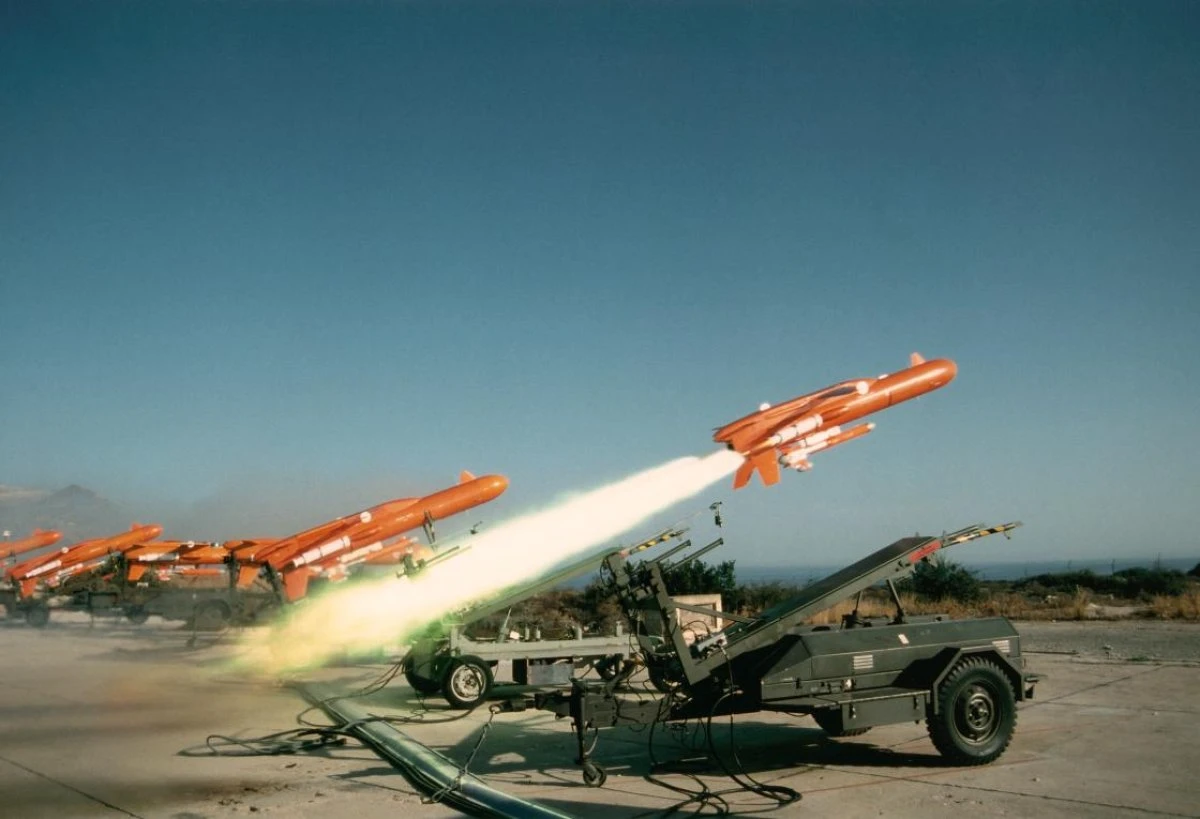
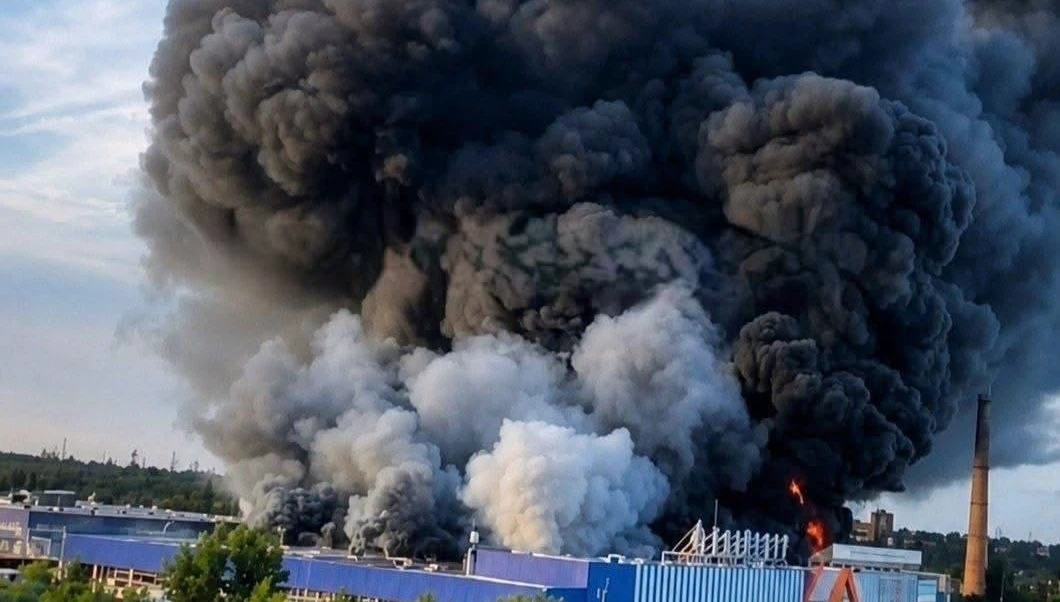
Ukraine has become the most important battlefield laboratory for this thinking. Its forces have shown that inexpensive FPV drones can destroy armor worth many times more, while longer-range systems can strike logistics hubs, storage sites and industrial targets far behind the front.
For Taiwan, those lessons are especially relevant. In a Chinese amphibious assault, likely targets would include landing ships, transports, ports, command nodes and vehicles attempting to come ashore along a limited number of suitable coastal areas.
Taipei therefore wants more than a larger drone inventory. It is trying to build an entire unmanned ecosystem. By 2030, Taiwan aims to produce around 100,000 drones a month, with roughly half intended for export.
At the same time, the military plans to acquire more than 210,000 aerial and maritime unmanned systems. That scale reflects a larger shift: drones are no longer being treated as a supporting reconnaissance tool. They are becoming part of the core architecture of the island’s defense.
But this is where the harder problem begins. Buying hundreds of thousands of drones is far easier than learning how to fight with them effectively. Ukraine’s experience suggests that battlefield performance depends less on the number stored in warehouses than on the speed of the cycle between detection, decision and strike.
That requires a different kind of military. Units have to become smaller, more mobile and more autonomous. They must change positions quickly and avoid remaining exposed after firing. On a battlefield saturated with surveillance, a stationary battery or headquarters can become a target almost immediately after it is detected.
Taiwan’s annual Han Kuang exercises are increasingly being reshaped around that reality. Troops are practicing drone reconnaissance, target acquisition and strike coordination, while also training to detect and destroy hostile unmanned systems.
Taiwan has also created a Littoral Combat Command designed to integrate drones, mobile missiles and artillery into a single coastal defense network. In theory, this would allow Taiwanese forces to attack Chinese units before they ever reach the beaches.
Uncrewed surface vessels add another layer. Sea drones can scout for enemy ships, create decoys, attack landing vessels or force Chinese naval units to remain farther offshore. In an amphibious operation, even delaying the timetable can have strategic consequences.
Yet Taiwan differs from Ukraine in one crucial respect: it has not been forced to learn under the pressure of an actual invasion. Ukraine’s military changed because battlefield losses, mistakes and technological shifts made adaptation unavoidable. Taiwan must reform in peacetime, when institutional resistance is often stronger.
That creates one of the greatest risks in the entire strategy: becoming fascinated by technology without changing military culture. An army can acquire tens of thousands of drones and still remain centralized, slow and dependent on cumbersome decision-making.
In that case, the “hellscape” would exist mainly on paper. Drones require trained operators, secure communications, software, spare parts, batteries, munitions and constant tactical adaptation. China, meanwhile, is investing heavily in electronic warfare, jamming and counter-drone systems.
Beijing is studying the same war as Taipei. The People’s Liberation Army is expanding its own fleets of uncrewed aircraft and vessels, improving its ability to disrupt communications and developing systems designed to detect and neutralize drones.
A future conflict around Taiwan would therefore be unlikely to become a one-sided showcase of unmanned warfare. It would be a contest between two networks of sensors, communications, autonomy and industrial production, with each side trying to blind the other before losing its own ability to see.
For Taiwan, industrial independence is especially important. In the event of a blockade, China would almost certainly try to cut off outside supplies. Critical components, munitions and spare parts therefore need to be produced or stockpiled on the island itself.
That is why Taiwan is treating the drone sector not just as a military program but as a national industrial project. In the first three months of 2026, the island exported $115 million worth of drones — more than during all of 2025.
The logic is twofold. Strong exports create peacetime demand, help manufacturers scale production and reduce unit costs. In a crisis, those same factories could be redirected toward domestic defense needs.
Taipei is also trying to position itself as a key supplier of drone components for democratic countries seeking to reduce dependence on Chinese parts. Defense strategy and industrial policy are increasingly becoming one and the same.
Domestic political disputes remain serious. The government proposed spending about $6.5 billion over five years on drone procurement, while opposition parties blocked the plan over concerns about corruption and waste and put forward their own approach with a stronger emphasis on domestic production.
But the underlying need for a large unmanned force is no longer seriously contested. The argument is increasingly about money, oversight and how much of the supply chain should remain inside Taiwan.
That is an important strategic shift. Taiwan is moving away from the idea that its survival will depend mainly on a small number of large platforms — fighter jets, warships or expensive missile systems. The new model relies on thousands of dispersed assets that are harder to eliminate in a single opening strike.
This does not remove the need for conventional air power, naval forces or U.S. support. Its purpose is different: to survive the first blow and make any attempted landing so chaotic, costly and unpredictable that Chinese planners cannot assume a rapid victory.
That is the real logic of the “hellscape.” Taiwan does not need to guarantee the destruction of every invading force. It needs to convince Beijing that crossing the strait would mean unacceptable losses and that a short campaign could become a prolonged war.
Drones are central to that strategy not because they make Taiwan stronger than China. They make China’s superiority less decisive. For an island facing a much larger adversary, that distinction could determine whether a war begins at all.