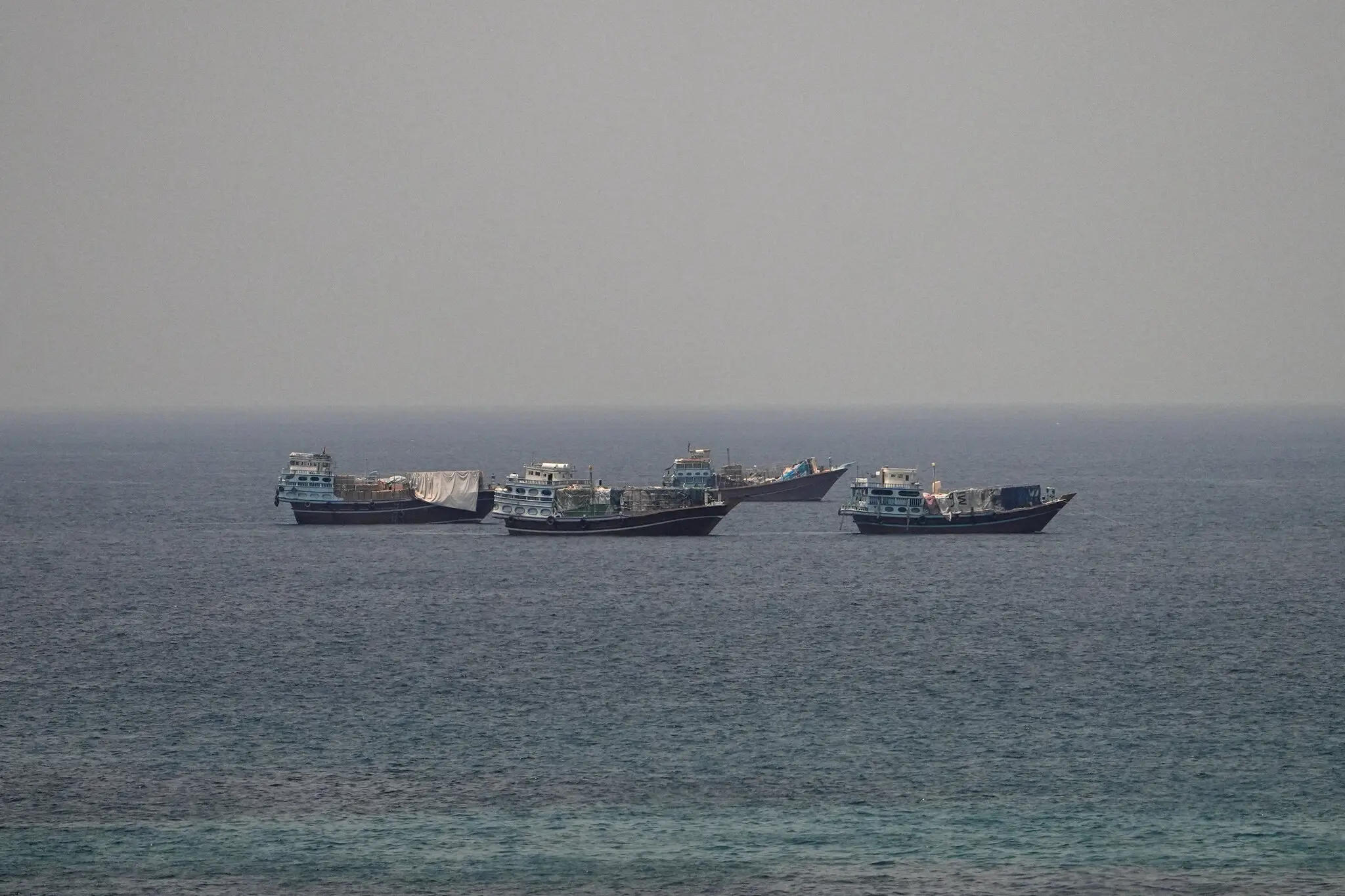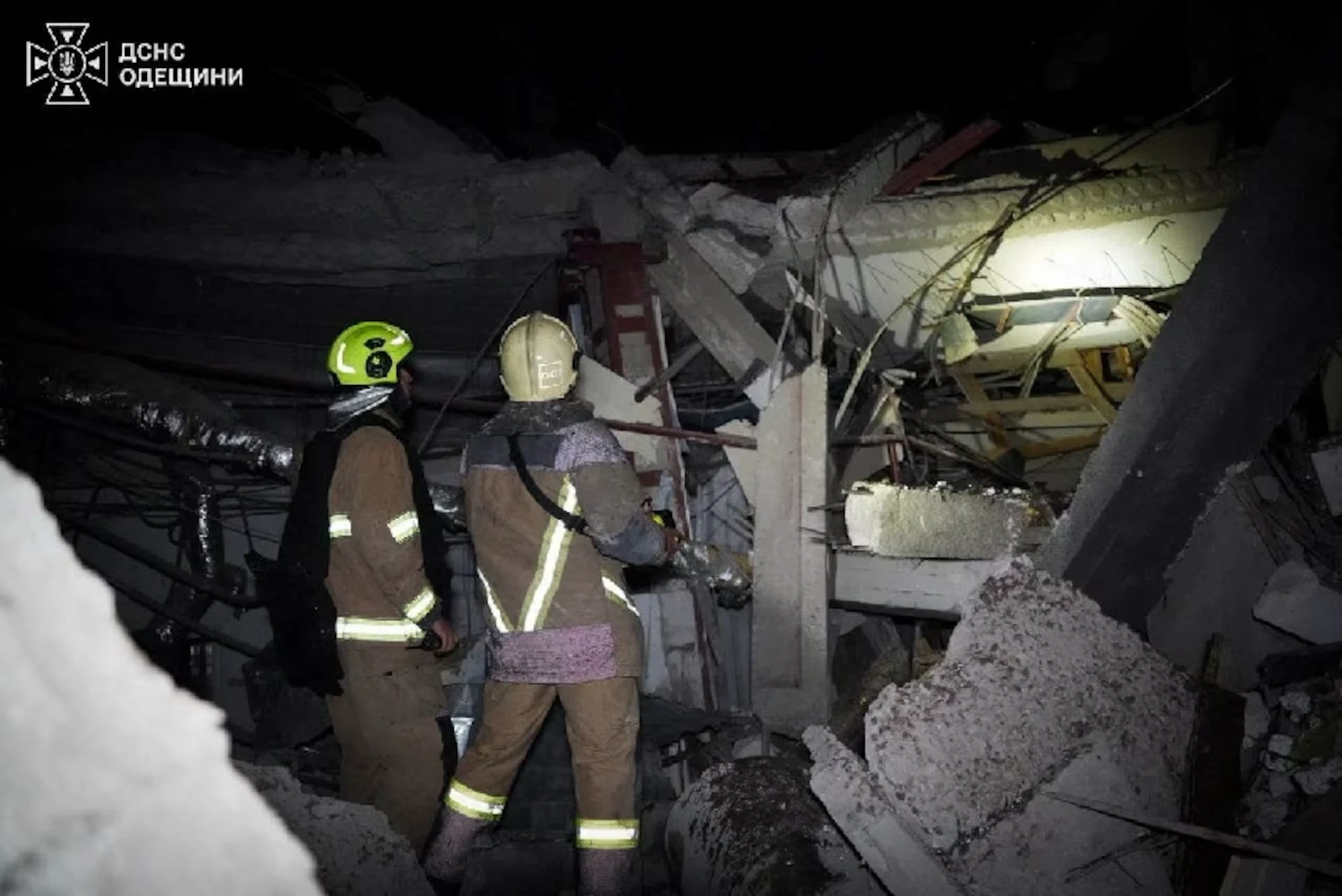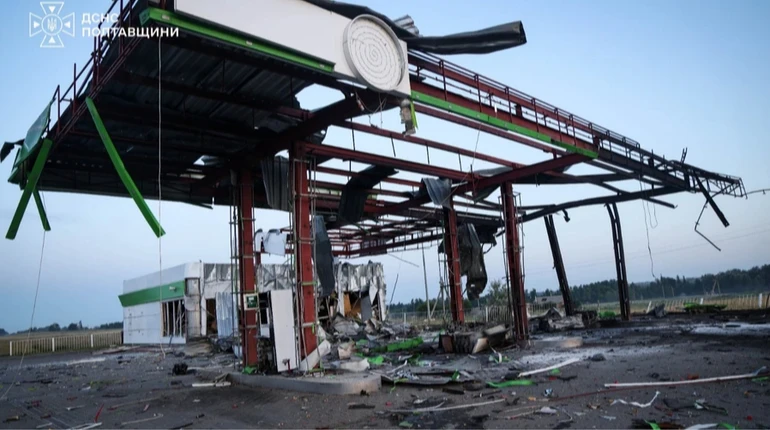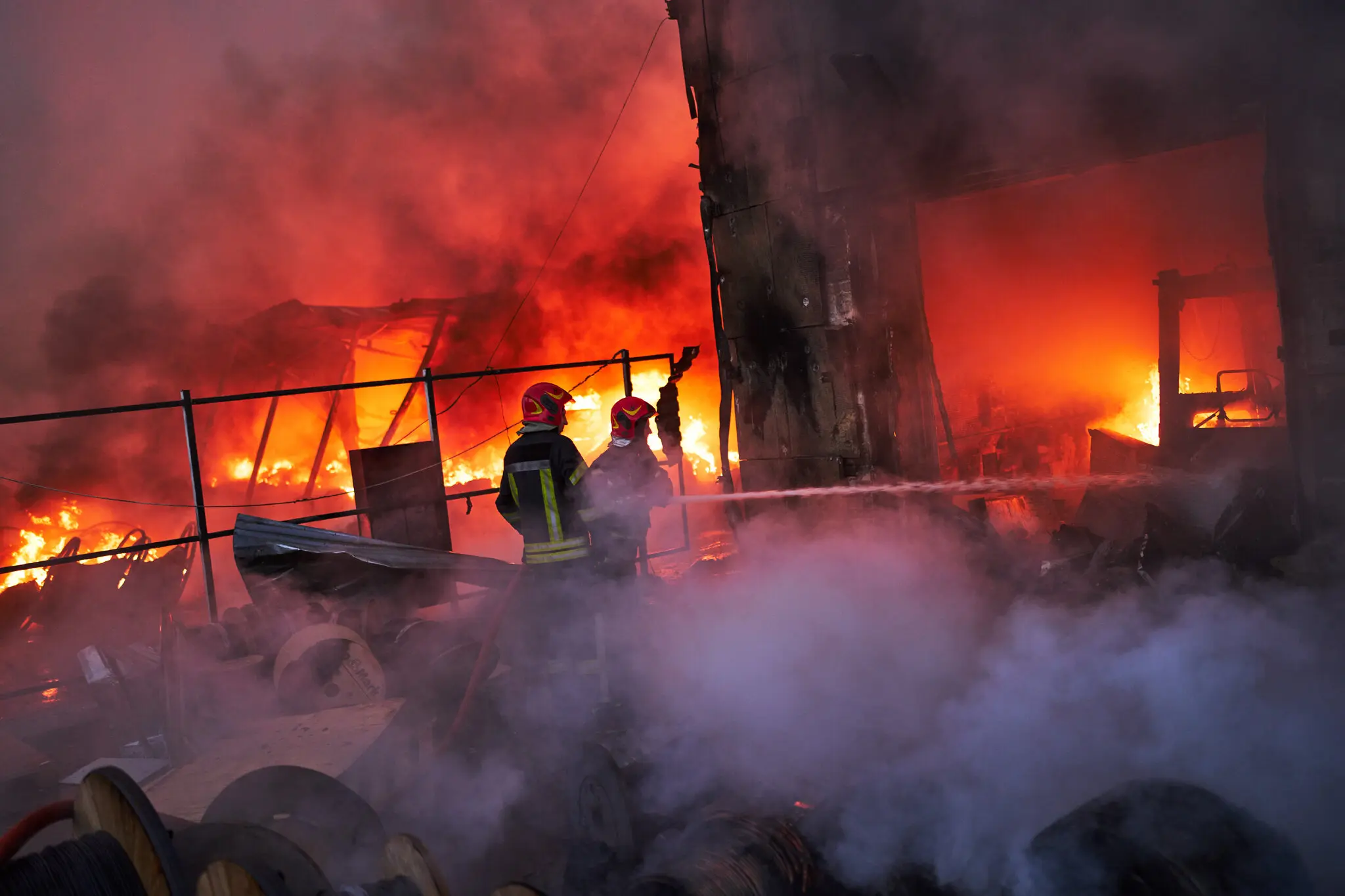





















The Strait of Hormuz has again become a place where geography turns into a global economic threat. A strike on a commercial vessel in Omani waters triggered another round of U.S. attacks on Iran and brought markets back to the central fear of recent weeks: an energy crisis can ignite faster than diplomats can name it.
Roughly a fifth of the world’s oil normally moves through the narrow sea corridor between Iran and Oman. It is not just a tanker route. It is an artery linking Persian Gulf production to Asian industry, gasoline prices in the United States, inflation expectations in Europe and the budgets of countries that depend on imported energy.
The latest attack was especially dangerous not because of the scale of the damage, but because of where it happened. The vessel was not traveling through the middle of the strait, where the risk of mines remains, but closer to Oman’s coast — a route the United States had tried to turn into a protected alternative to Iranian waters. Tehran is now openly challenging that route.
According to Daycom’s earlier analysis, Iran does not necessarily need to close the Strait of Hormuz completely. It only needs to make it unpredictable. For the oil market, fear can work almost as powerfully as a physical blockade: insurance premiums rise, shipowners pause, traders price in risk, and consumers pay for it at gas stations and in transport costs.
Shipping data has already become a warning signal. Before the war, more than 130 vessels passed through the strait each day. In recent days, that flow has fallen to a few dozen, and on one day only 22 ships attempted the passage. Some captains switch off tracking systems, some wait in safer waters, and others reconsider voyages altogether.
For the oil market, this means a new round of volatility. Brent ended the week near $76 a barrel — far below the wartime peak near $120, but already above prewar levels. That gap shows that traders do not expect a full energy collapse, yet they no longer believe in the stability of the route.
After the earlier cease-fire between the United States and Iran, supply from the Persian Gulf began to recover. In June, oil exports from the region rose to about 16 million barrels a day, helping calm panic and reviving talk of a possible supply glut. But even that level was only about two-thirds of prewar volumes.
Now the market is again balanced between two opposing scenarios. The first is a gradual recovery in traffic, the return of tankers and lower prices. The second is another series of strikes, fear of passage through the strait, higher freight costs, tighter physical supply and a sharp jump in energy prices. The distance between those scenarios can be measured not in months, but in a single night of trading.
That is why the reopening of markets after the weekend may be tense. Oil no longer responds only to supply and demand. It responds to every signal from the Strait of Hormuz, every military statement, every movement of U.S. forces in the Persian Gulf and every decision by shipowners who are calculating not politics, but the risk of losing crew, cargo and vessels.
For Iran, attacks on shipping have become a tool of asymmetric pressure. Tehran cannot match the United States in air power or naval strength, but it can create danger where the global economy is most vulnerable. The Strait of Hormuz is one of globalization’s narrowest chokepoints, and that is why its danger is always greater than the width of its shipping lanes.
Iran’s logic is clear: if the West and U.S. allies try to bypass Iranian waters by using the Omani lane under American protection, that route too must become risky. In that sense, Tehran is not merely attacking ships. It is attacking the idea of a safe corridor that would allow the world to act as though the war in the Gulf were local.
That closely resembles the lesson Iran drew from the Red Sea. The Houthis in Yemen, linked to Tehran, showed that even an unequal actor can alter the map of maritime trade if it creates enough fear. Traffic through the Red Sea still has not returned to its prewar norm, and ships have paid for the risk through longer routes, higher costs and delays.
Hormuz is even more important. If the Red Sea disrupts container routes and part of the energy trade, Hormuz is directly tied to oil and liquefied natural gas. There, any attack moves quickly into the language of barrels, insurance, futures and consumer inflation. That is why even a limited incident can have a disproportionate economic effect.
For the United States, the situation creates a dilemma. A military response must show that attacks on shipping will not go unanswered. But every strike on Iran can provoke another response in the strait, and every such response can push oil prices higher again. It is a closed circle in which displays of force can both deter and inflame the crisis.
The problem is made worse by the fact that the global economy is not entering this phase from a position of comfort. High gasoline prices are already weighing on households, businesses and political approval. In the United States, the average price of a gallon remains roughly a third higher than before the war. For consumers, this is not geopolitics. It is the weekly bill at the pump.
If oil rises again, economists will quickly return to the language of “demand destruction.” That is the point at which energy becomes so expensive that companies cut production, carriers raise prices, consumers spend less and central banks face a new inflation problem. A single attack on a vessel then stops being a maritime incident and becomes a macroeconomic factor.
For energy-importing countries, the danger is especially acute. Europe, India, China, Japan and South Korea may have different political positions toward Iran and the United States, but they share the same dependence on stable sea routes. Their interest is simple: tankers must move, insurance must not explode, and the price of a barrel must not turn every budget forecast into fiction.
For Persian Gulf exporters, the risk is also double-edged. Higher oil prices can temporarily lift revenues, but a dangerous sea reduces the physical ability to sell. If ships fear entering the region, the price premium cannot compensate for lost confidence in the route. Markets dislike scarcity. They dislike uncertainty even more.
The worst scenario does not necessarily require a formal closure of Hormuz. That would be an unlikely and extremely costly step for Iran itself. The more realistic danger is a slow exhaustion of shipping: isolated attacks, unpredictable U.S. responses, mine threats, rising insurance costs and a gradual reluctance by companies to take the risk.
That kind of scenario is harder to resolve because it has no single dramatic moment. The strait is formally open, but ships do not come. Oil is formally available, but delivery becomes more expensive. Diplomacy formally continues, but every new incident makes it less credible. That is how a local escalation turns into a long economic illness.
The cease-fire between the United States and Iran already showed that the market can recover quickly when it sees a real reduction in risk. But the latest attack showed something else: confidence in the safety of the Strait of Hormuz is fragile. It can be lost in a few hours and take weeks or months to rebuild.
That is why the main question now is not only how high Brent will rise when trading resumes. The deeper question is whether shipowners, insurers and buyers will believe that the Persian Gulf route is manageable again. Without that belief, no formal cease-fire can return the oil market to normal.
The Strait of Hormuz has always been a place where a small point on the map weighs more than most capitals. Today it is reminding the world again that in the modern economy, the price of a barrel is formed not only on exchanges or at wells. It is formed where one attacked ship can force the global market to count fear as part of the cost of energy.