




















Moscow is trying to preserve the American channel for negotiations over Ukraine, even as it publicly displays irritation with Washington. The Kremlin says it expects contacts with Steve Witkoff and Jared Kushner to resume once they are free from other diplomatic tracks.
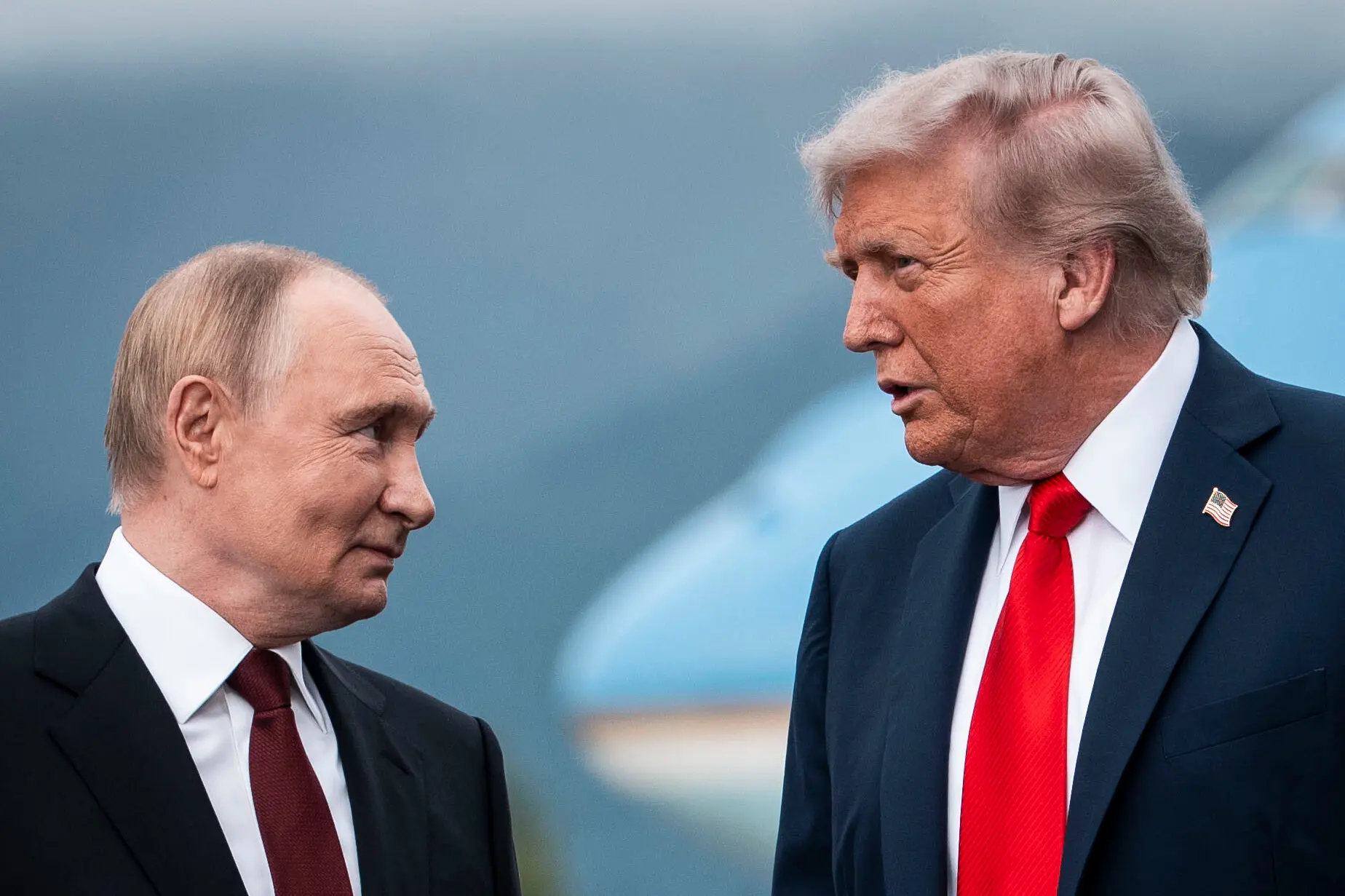
The statement came shortly after Russian officials began accusing the United States of failing to honor “understandings” allegedly reached between Vladimir Putin and Donald Trump at their summit in Alaska. Moscow has not named the specific terms of those understandings, but it keeps returning to the formula of the “spirit of Anchorage.”
On the surface, this looks like a technical pause: the American envoys are occupied with other crises, including the Iran track, while the Ukraine file waits. In reality, far more is at stake. The Kremlin is trying to prevent the negotiating initiative from slipping away at the very moment when the war is again becoming a domestic problem for Russia.
According to Daycom’s earlier analysis, the main contradiction in Russia’s position is that Moscow is simultaneously complaining about the United States and trying to restore it as the central mediator. The Kremlin understands that without Washington, it is much harder to shape any deal in a way that pressures Kyiv rather than Moscow.
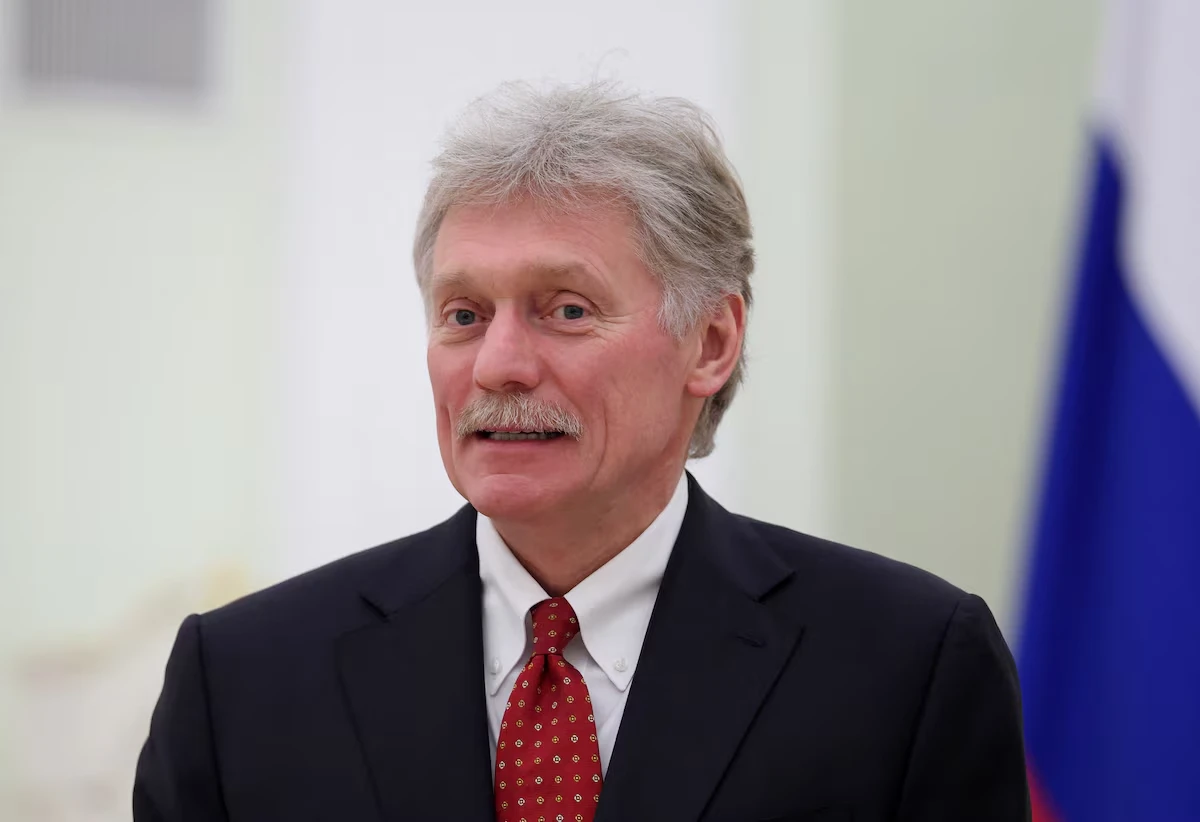
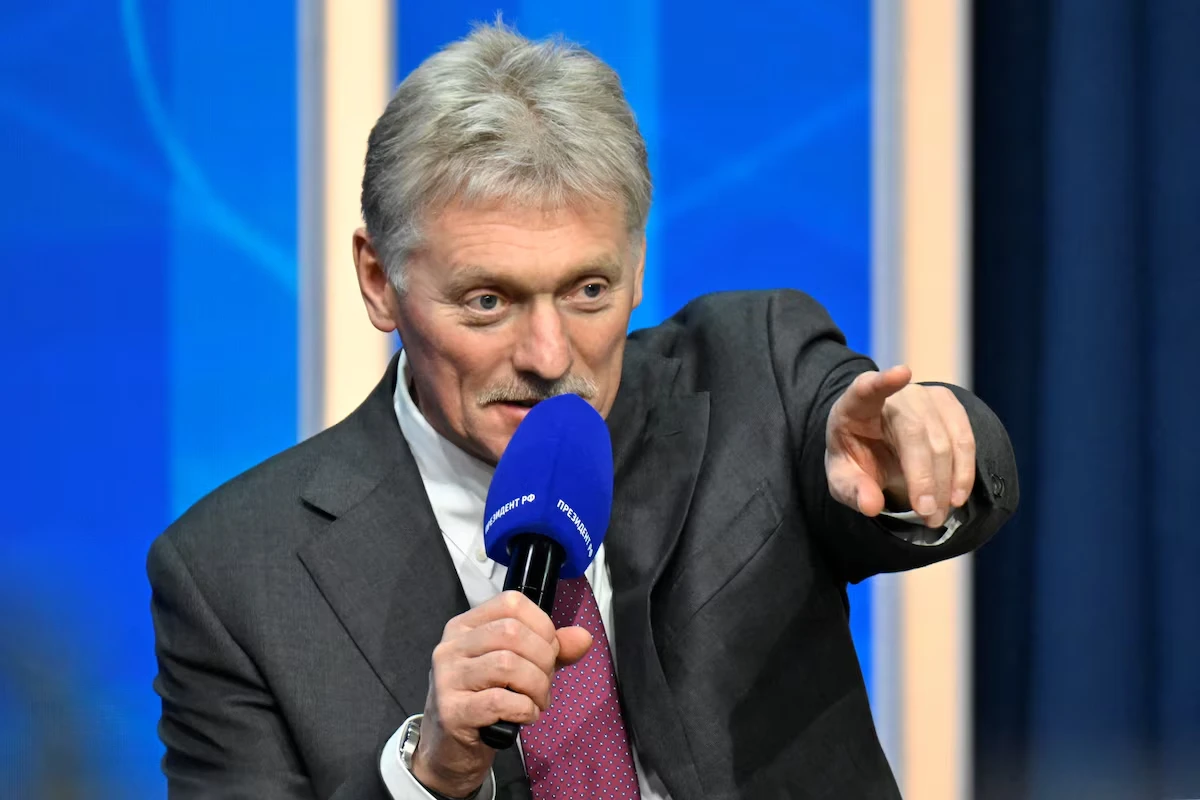
Dmitry Peskov’s positive words about Witkoff and Kushner were not accidental. Russia calls their efforts “constructive” because it sees in that channel a chance to speak not with Europe, but with an American team that may be looking for a quick deal and a political result for Trump.
European capitals are far less convenient for Moscow. Paris and London are increasingly associated in Russian rhetoric with a hard line, while the European Union is not prepared to openly force Ukraine into territorial concessions. That is why the Kremlin does not want to replace Witkoff and Kushner with other figures: it needs not just a conversation, but the right political channel.
The formula of the “spirit of Anchorage” has become Moscow’s way of describing its preferred framework for peace. In Russia’s reading, it meant the possibility of a major deal in which Ukraine would give up the part of Donbas it still controls, while Russia would freeze the battle lines elsewhere. Kyiv has repeatedly made clear that it will not surrender its territory without a fight.
That is why Russia’s expectations from American mediation are not limited to a ceasefire. The Kremlin wants the United States to help turn military pressure into a political result. Without that, negotiations do not give Moscow what it wants most: recognition of its gains, legalization of a new line of control and a weakening of Ukrainian agency.
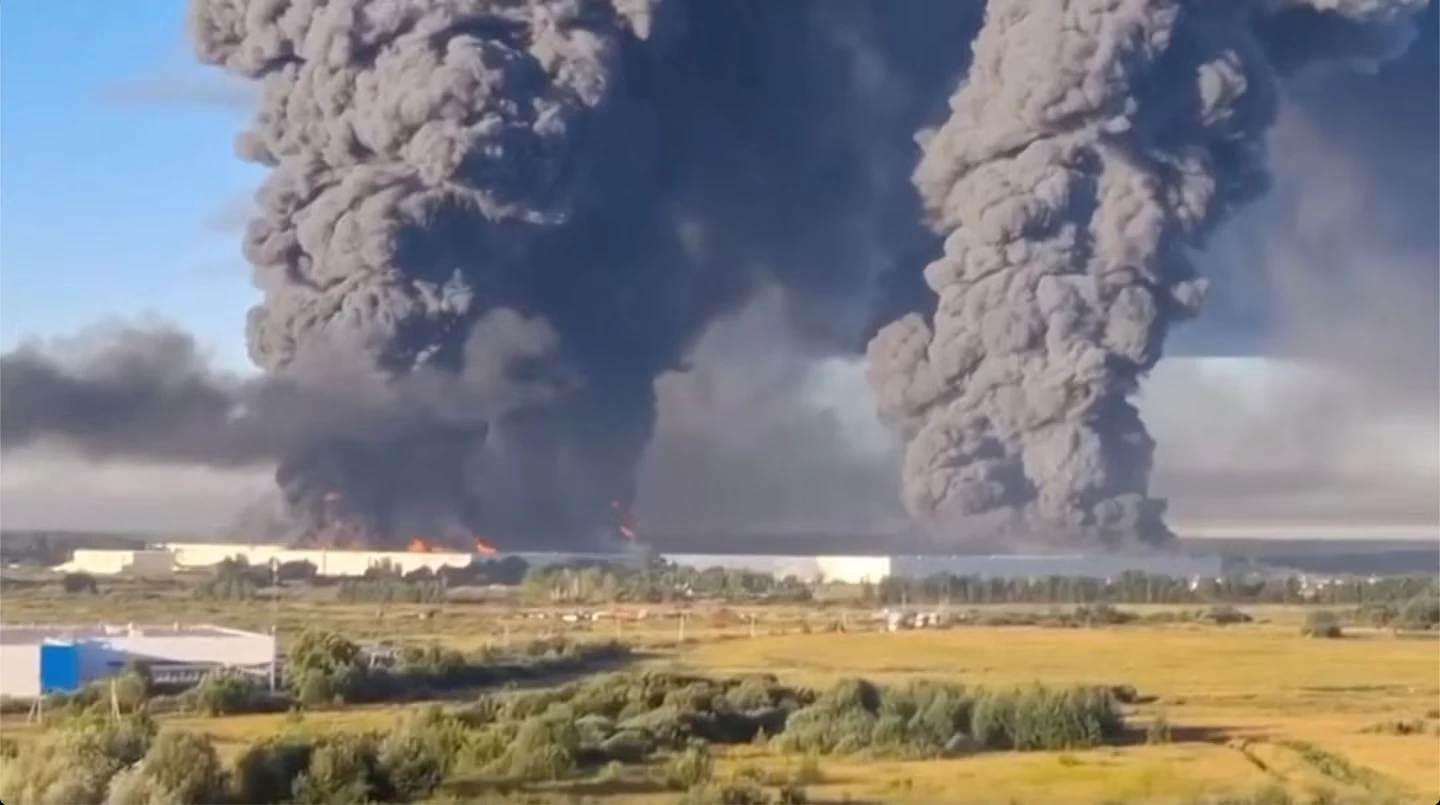
The pause in contacts is painful for Russia also because it coincides with intensified Ukrainian strikes on its rear. Drones are increasingly hitting refineries, logistics hubs, targets in Crimea and industrial regions. After attacks on fuel infrastructure near Moscow, the war has moved much closer to Russia’s center than the Kremlin would like to admit.
In these conditions, Moscow needs two answers at once. The first is military: to show its own society that the state can punish Ukraine and protect Russia’s rear. The second is diplomatic: to bring the United States back into a process that could stop the war on terms close to Russian demands.
That is why the Kremlin’s tone appears contradictory. At the beginning of the week, Russian officials accused Washington of moving away from earlier understandings. A few days later, they expressed gratitude to American envoys and waited for work to continue. This is not a change of mood, but two parts of one strategy: pressure the United States publicly while avoiding the destruction of the private channel.
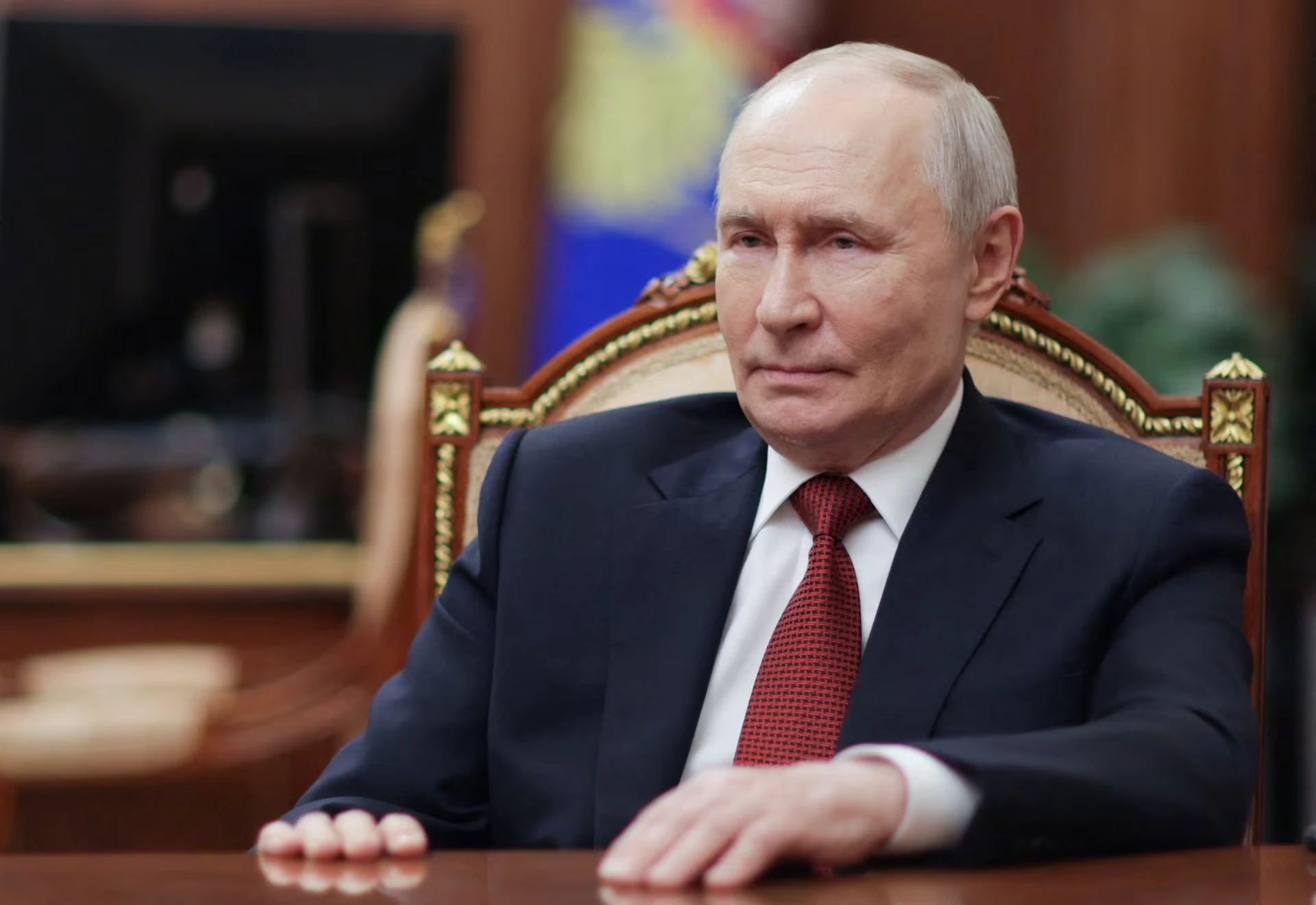
For Putin, that channel has personal significance. Alaska was not just a meeting with an American president. It was meant to show the Russian audience that the Kremlin remained part of a great-power game in which Ukraine’s fate could be discussed directly with Washington. If that format disappears, not only a diplomatic scheme collapses, but also the image of Russia as America’s equal.
For Trump, the Ukraine track is not pure diplomacy either. It is a question of political result: he promised to end the war quickly, but reality has proved more complicated than personal understandings. The Iran track has diverted attention, Europe is trying to put Ukraine back at the center of the agenda, and Kyiv is showing that it is not ready to become the object of someone else’s deal.
The Kremlin has noticed that shift. That is why it is important for Moscow to emphasize that Witkoff and Kushner “listen to all sides.” In Russian translation, this means they do not begin the conversation by automatically accepting the Ukrainian and European position. For Moscow, that quality is now more valuable than any formal diplomatic title.
But time is not working as simply as the Kremlin would like. Russia continues to press at the front, including in Donetsk region, while also facing fuel problems, strikes on refineries, tax changes to stabilize the market and the rising cost of defending its own infrastructure. Its war is not only offensive; it is becoming increasingly expensive inside Russia itself.
Ukraine, in turn, is trying to prevent negotiations over its head. Kyiv insists that any format with Russia must include a Ukrainian mandate, and that Europe cannot speak without coordination with Ukraine. This directly contradicts Russia’s dream of a grand bargain in which Washington and Moscow define the main terms.
That is why the question of Witkoff and Kushner’s availability only appears to be about personnel. In fact, it concerns who will control the diplomatic framework of the war. If the United States returns as the arbiter of a quick deal, Moscow will try to revive the “spirit of Anchorage.” If Washington acts together with Kyiv and Europe, Russia’s preferred scenario narrows sharply.
The Kremlin understands this. Its softer language about the American envoys does not signal flexibility. It signals a bet on the format it needs: personal, closed, less European and potentially more suitable for exchanging territory for a pause in the fighting.
For Ukraine, the danger lies precisely in that kind of diplomacy. It can be presented as pragmatism, but in practice it would return the war to an old imperial logic in which stronger states decide what is possible for a weaker one. That is why Kyiv insists not only on participation in talks, but on control over who speaks on behalf of its partners and how.
Russia’s statement about waiting for Witkoff and Kushner is not a protocol detail. It is an attempt to keep open the door to a negotiating corridor where Moscow still hopes to receive not peace, but the formalization of its seizures. After complaints about the United States, the Kremlin is again showing that without the American channel, it struggles to turn the war into a favorable political deal.
That is the central meaning of the moment. Russia wants America to return not merely to conversation, but to the role of a mediator capable of pressuring Ukraine. Ukraine wants to ensure that no mediator has the right to trade away its territory. The real line of future negotiations will run between those two logics.