





















When Russian forces attacked from multiple directions on February 24, 2022, much of the world assumed that Russia would defeat Ukraine quickly. The thrust toward Kyiv, Kharkiv, and the south appeared rapid, and the balance of forces seemed overwhelming. The Kremlin expected a blitz campaign that would install a new власти in Kyiv and lock in geopolitical control.
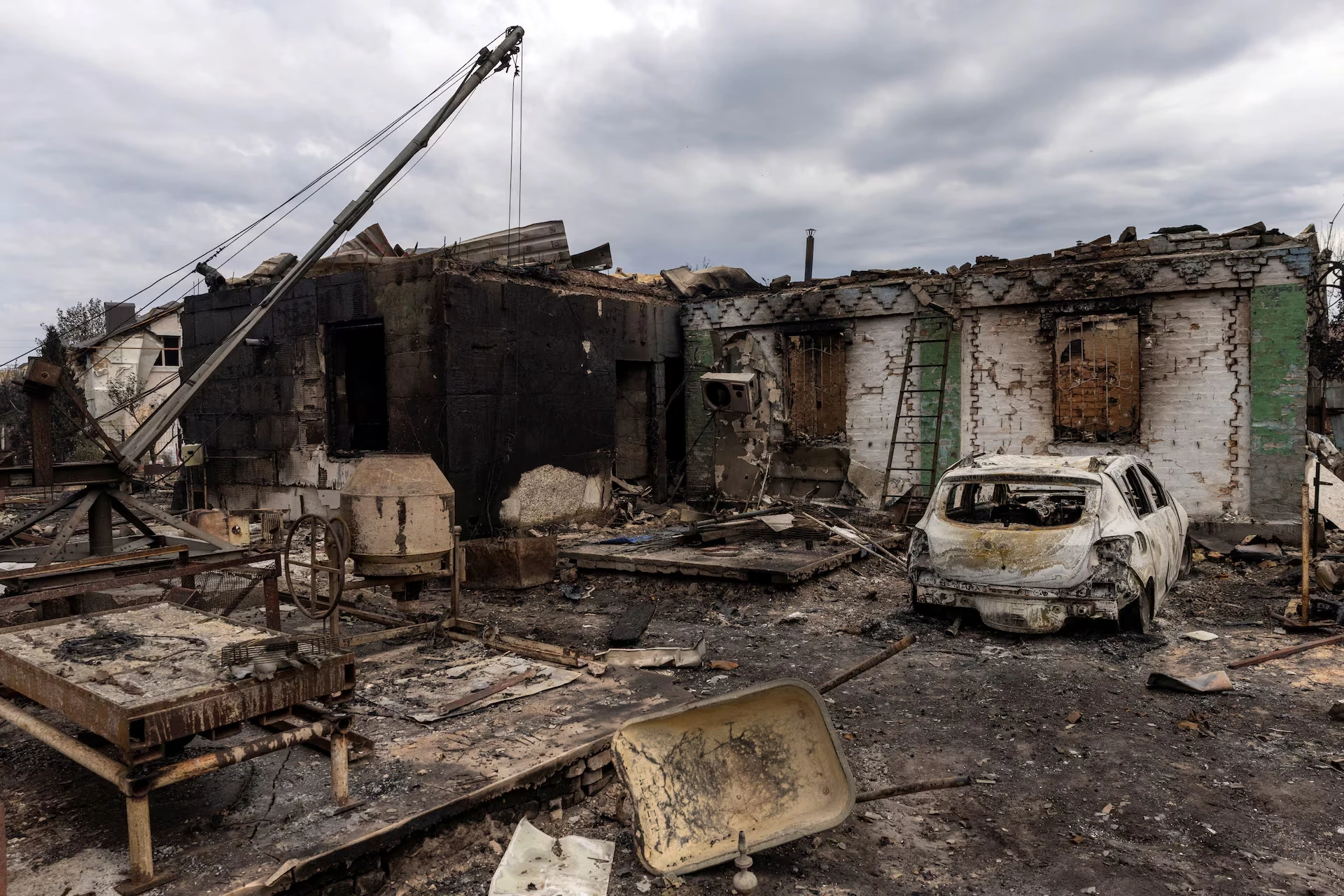
Four years later, that logic has been disproven. Despite its substantial resources, the Russian army has not captured a single regional capital, and its advance remains slow and punishing. The war has become a prolonged confrontation in which even minor territorial gains come at enormous cost.
According to analysts’ estimates, Russia’s total casualties have exceeded 1.2 million — a figure described as extraordinary even by the standards of a large-scale war. In 2025, roughly 400,000 casualties yielded only about 0.8 percent of Ukrainian territory. That imbalance raises serious questions about the effectiveness of Russia’s strategy itself.
According to Daycom’s analysis, the key reason for this paradox lies in the Kremlin’s original strategic error: underestimating Ukraine and trying to launch simultaneous offensives on multiple fronts. That decision stretched logistics, drained momentum, and shattered the plan for a short war.
After the failure of its initial blitz, Russia shifted toward a war of attrition. It mobilized the economy, offered high contract payments to recruits, and expanded weapons production. For a time, it seemed as if time was working in the Kremlin’s favor, especially as Ukraine struggled with mobilization and delays in Western aid.
But that strategy collided with the new reality of modern warfare. Drones, precision artillery, and battlefield surveillance have made large-scale offensive operations extremely risky. Any concentration of armor or manpower is quickly detected and struck, effectively breaking the classic model of a decisive front-line breakthrough.
That is why today’s Russian offensives look very different. Instead of armored spearheads, there are small assault groups, infantry moving on buggies or motorcycles, and a slow, grinding effort to wear down defensive lines. This can produce movement, but it does not produce strategic decision.
At the same time, Ukraine has adapted. It has built deeply layered defenses, especially in the area often described as the “fortress belt” — Kostiantynivka, Druzhkivka, Kramatorsk, and Sloviansk. These are precisely the cities Russia now seeks to gain through negotiations, which suggests it is not confident it can seize them militarily.
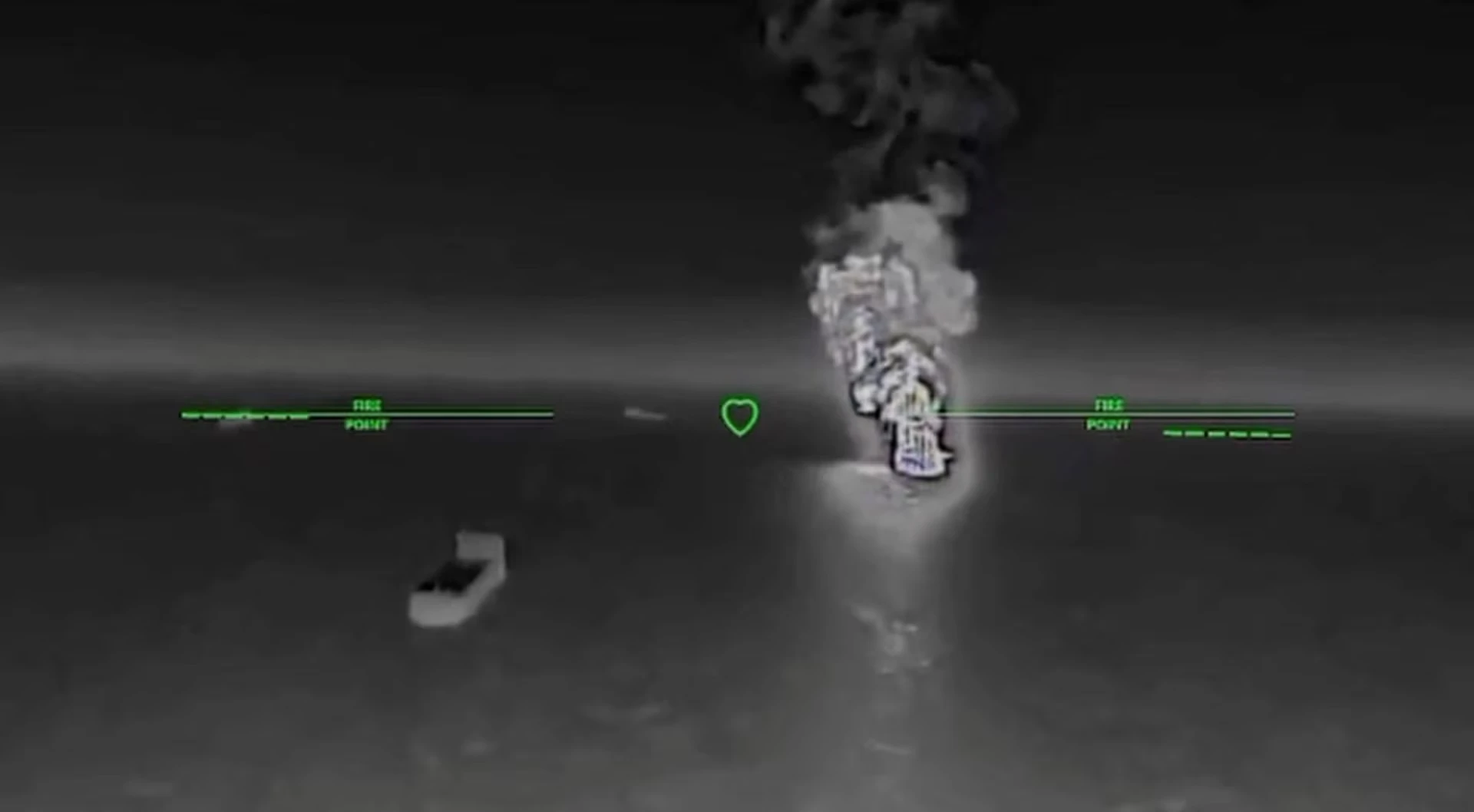
Another critical factor is technological adaptation. Ukrainian forces have made extensive use of drones for reconnaissance, strike missions, and the destruction of Russian logistics. That has allowed a smaller army to offset Russia’s numerical advantage and impose a type of battle that works against Russian strengths.
The political dimension matters no less. Despite all its difficulties, Ukraine has preserved its independence, and its military has become one of the most battle-hardened in Europe. Russia, by contrast, has failed to achieve its central goals — neither regime change in Kyiv nor the demilitarization of Ukraine.
More than that, the war has produced the opposite of what Moscow intended. NATO has expanded to include Finland and Sweden, while European countries have accelerated defense spending and rearmament. In strategic terms, Russia’s position is in many ways worse than it was in 2022.
The economic picture is not straightforward either. Russia has managed to adapt to sanctions and sustain a wartime economy, but it is increasingly dependent on China, burdened by inflation and high interest rates, and constrained in its long-term growth potential.
Despite all this, the Kremlin continues to promote the narrative of inevitable victory. That narrative underpins its negotiating pressure: Ukraine, Moscow argues, should give up territory because Russia will “win anyway.” But the battlefield evidence suggests otherwise.
The reality is that Russia can continue the war, but it cannot win it quickly. Its advances are slow, its losses are immense, and its strategic objectives remain out of reach. That does not mean the Kremlin is defeated. But it does mean it lacks decisive advantage.
In that context, the key struggle is not only military, but narrative. If the international community accepts the idea that Russian victory is inevitable, Ukraine’s position weakens. If that myth is broken, there is more room for a more balanced diplomatic outcome.
In the near term, the war will likely remain positional. But its eventual outcome will depend not only on resources, but on each side’s ability to adapt. And on that point, the experience of the last four years is clear: Russia’s advantage is not absolute, and its so-called winning hand is far from unbeatable.