
















Nearly a month into the war involving the United States, Israel, and Iran, Washington and Tehran are displaying a familiar diplomatic pattern: both sides speak of a possible settlement while also trying to show that they, not their adversary, control the tempo of the conflict and are not the ones looking for a way out first.
At the center of this phase is a U.S. 15-point peace plan that, according to multiple reports, is now being circulated through intermediaries. Its core demands are severe: the effective dismantling of Iran’s nuclear program, the removal of enriched uranium stockpiles, sharp restrictions on Iran’s missile arsenal, and guaranteed freedom of navigation through the Strait of Hormuz.
Iran’s public response has not been compromise, but a counter-demand. According to the available reporting, Tehran has rejected the American proposal and set out its own conditions: war reparations and recognition of its sovereign right to control the rules of passage through the Strait of Hormuz. In other words, Iran is trying to shift the conversation away from surrender and toward bargaining.
As Daycom assesses, the White House is now running not one campaign, but two at the same time. The first is military, aimed at weakening Iran and sustaining pressure. The second is diplomatic, aimed at imposing the framework of a future agreement before allies, markets, or domestic political pressure in the United States begin demanding a rapid end to the war.
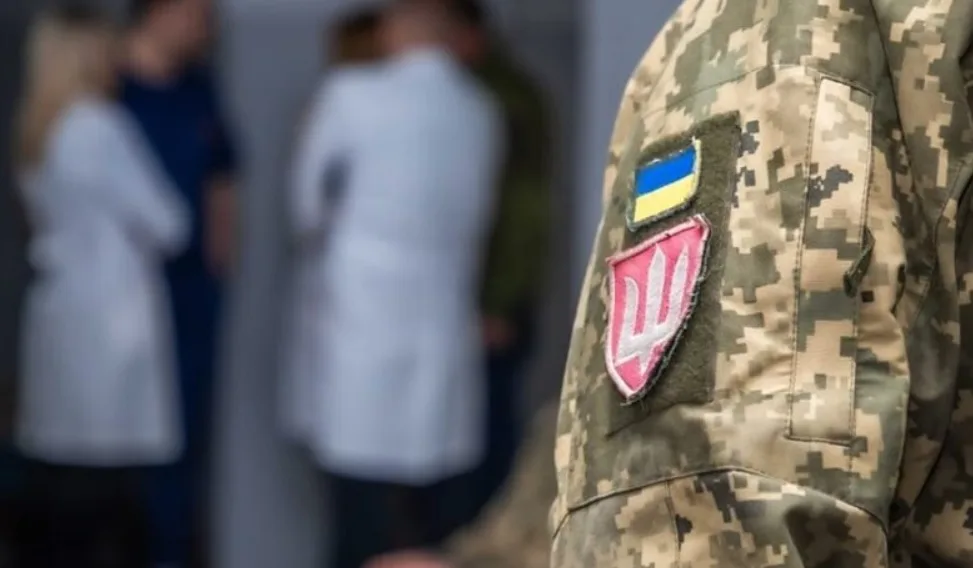
That is why diplomacy and troop movements are not at odds with one another. While advancing the peace initiative, the United States was also preparing additional forces for the region. American media reports have described plans involving roughly 2,000 paratroopers from the 82nd Airborne Division being readied for potential deployment to the Middle East. The exact numbers vary across reports, likely because they reflect different stages of planning, but the broader trend is unmistakable: the American military presence is being reinforced.
That logic is entirely consistent with Donald Trump’s style. He does not try to negotiate after applying pressure; he negotiates through pressure. His approach to Iran now looks like an effort to sell a peace framework under the shadow of additional force, ensuring that Tehran reads the American document not as a suggestion, but as an ultimatum backed by the possibility of further escalation.
At the same time, the White House is careful not to appear weak. Karoline Leavitt has publicly argued in recent days that the regime in Tehran is looking for an “exit ramp” and that American strikes have broken Iran’s military capabilities. Yet she has refused to provide details about the supposedly “productive” talks, preserving room for the administration to continue both diplomacy and military action at once.
Tehran, for its part, is engaged in a mirror-image strategy. Iran does not want to acknowledge that it is approaching negotiations under the pressure of bombardment, so it either denies the American version of events or reframes any contact as a discussion on Iranian terms. That is where the hard rhetoric about reparations, sovereignty over Hormuz, and the rejection of U.S. demands on missiles and the nuclear fuel cycle comes from.
Pakistan plays a distinct role in this architecture. According to several reports, messages between Washington and Tehran are being relayed through Islamabad, which is also being discussed as a possible venue for future contacts. This not only raises Pakistan’s diplomatic profile, but also increases the importance of its military leadership, which has in recent weeks tried to use its ties to Trump as a channel into crisis diplomacy.
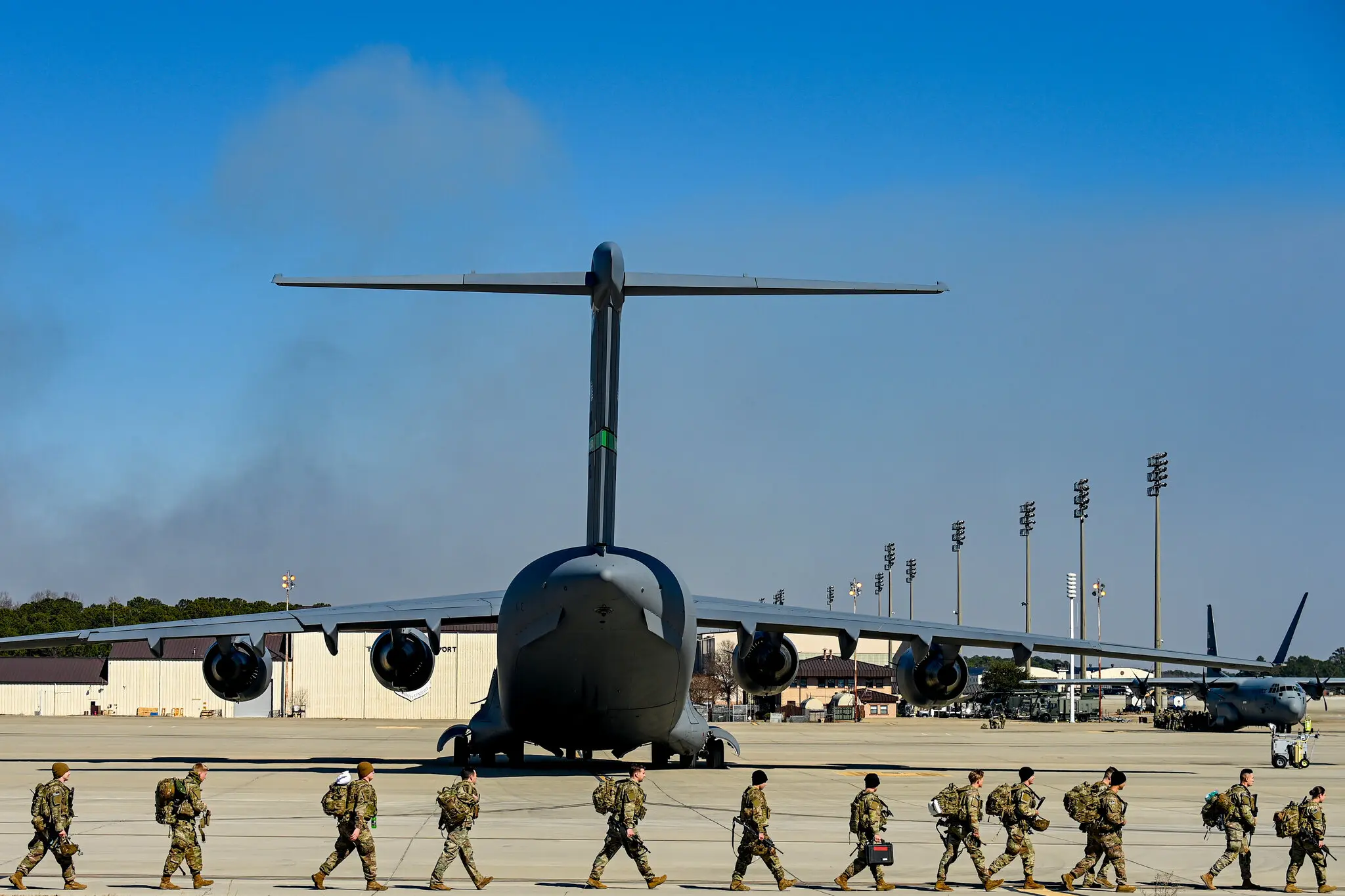 Американські солдати, що перекидаються до України з Форт-Брегга, Північна Кароліна, у 2022 році — Кенні Голстон
Still, the substance of the American proposal shows how narrow the path to a real agreement remains. The demand for zero enrichment, the removal of near-weapons-grade stockpiles, and severe cuts to Iran’s missile program essentially reproduces Washington’s maximalist prewar position. For Tehran to accept such terms without significant reciprocal guarantees would amount to formalizing a strategic defeat.
It is just as important to note what the plan does not appear to include. In the versions publicly described so far, there is no clear reference to regime change in Iran, to protections for protesters, or to political guarantees for Iranian society. That stands in sharp contrast to Trump’s earlier rhetoric, which at times appealed to Iranians as a potential force for internal upheaval. The White House therefore seems to be moving away from the language of transforming Iran and toward the language of coercing the Iranian state.
For Washington, this is a pragmatic shift. An agreement that lowers the nuclear and missile threat and partially restores freedom of navigation now looks more achievable than any attempt to reshape Iran’s political order. But here lies the internal contradiction in Trump’s approach: the more the United States talks about peace, the harder it becomes to explain why it is simultaneously building up forces; the more it builds up forces, the harder it becomes to convince Iran that this is not preparation for another round of strikes.
From Tehran’s perspective, additional American troops are not merely background noise; they are part of the substance of the negotiation. If the United States can quickly reinforce the theater with paratroopers, Marines, and naval assets, then any peace contact looks less like a stable diplomatic process and more like a pause between rounds of coercion. That is one reason Iranian demands are so inflated: they are meant not only to extract concessions, but to raise the price of the conversation itself.
Another point is equally important: even if talks begin, they are unlikely to be direct, rapid, or public. Reporting from several capitals already suggests a multilayered back channel involving Pakistan, Arab states, and unofficial American envoys. That means diplomacy may continue to unfold alongside escalation for quite some time, with no clear dividing line between “war” and “negotiation.”
For the region, the central danger is that such a dual strategy can easily slip out of control. If Trump concludes that military pressure is yielding more than diplomacy, the reinforcement of U.S. forces could quickly become the basis for another operation. If Iran, on the other hand, interprets these deployments as preparation for moves against strategic nodes such as Kharg Island or a forcible reopening of Hormuz, it will have every incentive to sabotage the diplomatic framework before it fully takes shape.
In the end, Washington is trying to operate at the intersection of two logics: coercion and settlement. The peace plan is meant to show that the United States does not want an endless war. The troop buildup is meant to show that it is not afraid of continuing one. The problem is that, from Tehran’s point of view, this very combination makes the American proposal look less like a compromise and more like an ultimatum wrapped in diplomatic language.
That is why the coming days will be decisive not only for the military theater, but for the architecture of any possible peace. If the two sides can translate their exchange of signals into a substantive process, the current military buildup may function as pressure before bargaining. If they cannot, it will be seen as the prelude to a new phase of war in which diplomacy serves not as an exit from the conflict, but as its tactical cover.