
























When Donald Trump entered the war against Iran, he did not offer a complicated doctrine. He offered a simple formula. Protect Americans, destroy Tehran’s missile capacity, remove the threat at sea, break Iran’s regional proxy network, shut down its nuclear pathway and, in the end, create an opening for political change inside Iran. The entire campaign was framed as short, forceful and almost linear.
A month later, the central reality is harder to ignore. The war has proved far more effective at producing images of damage than at producing a finished strategic outcome. Yes, Iran’s military infrastructure has taken serious losses. Yes, parts of its navy, missile industry and command structure have been hit hard. But nearly every one of the five declared goals now looks either incomplete or open to dispute.
That is why the central question is no longer one of force, but of measure. Not whether Washington can keep striking, but whether it can say, honestly and clearly, what would count as the end of the war. Until that answer exists, the White House is left substituting strategic clarity with political language about a mission that is supposedly close to success.
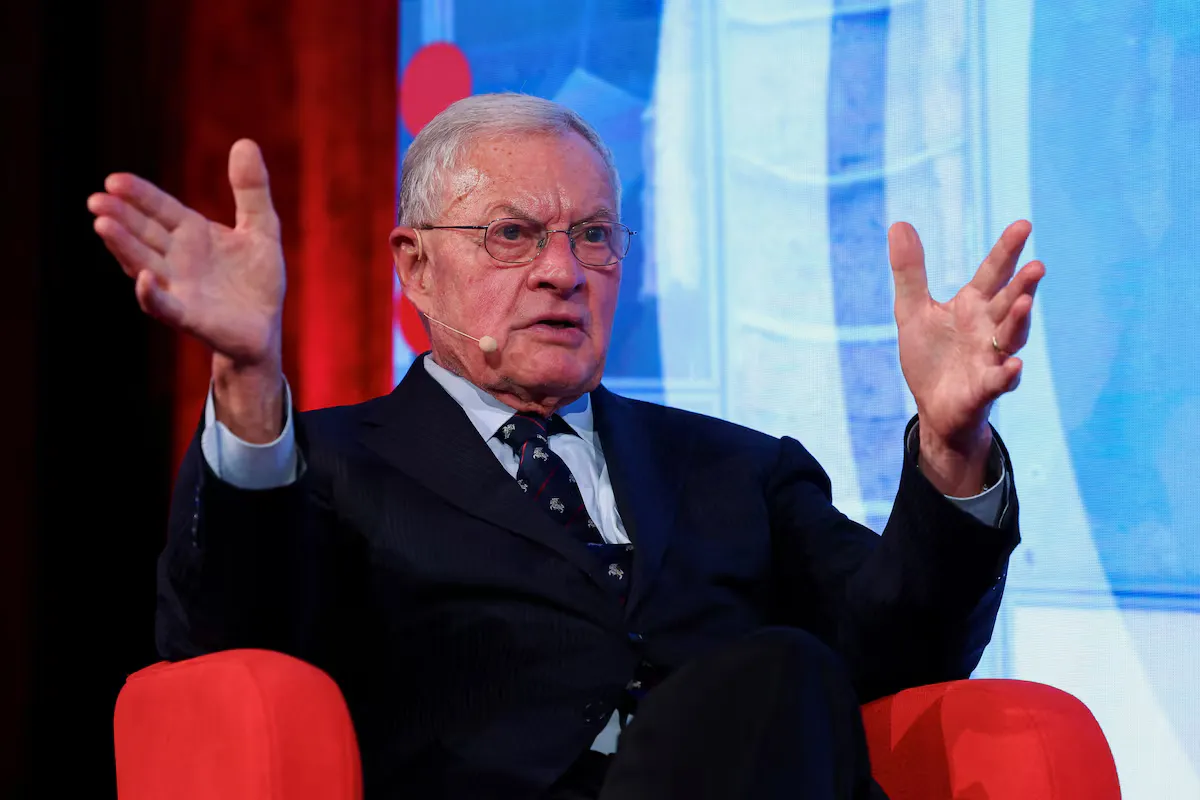
In Deykom’s assessment, the greatest weakness of this campaign lies in the widening gap between the goals announced at the start and the realities visible on the battlefield now. The longer the administration insists that the essential work has already been done, the more obvious it becomes that none of the central objectives has been closed cleanly enough to be placed, without qualification, in the category of completed tasks.
The first goal was stated in the harshest possible terms: destroy Iran’s missiles and wipe out its missile industry. Some launchers, depots and production sites have indeed been struck. But Iran still retains a meaningful arsenal, continues to fire missiles across the region and is compensating in part through the use of attack drones. That does not look like full disarmament.
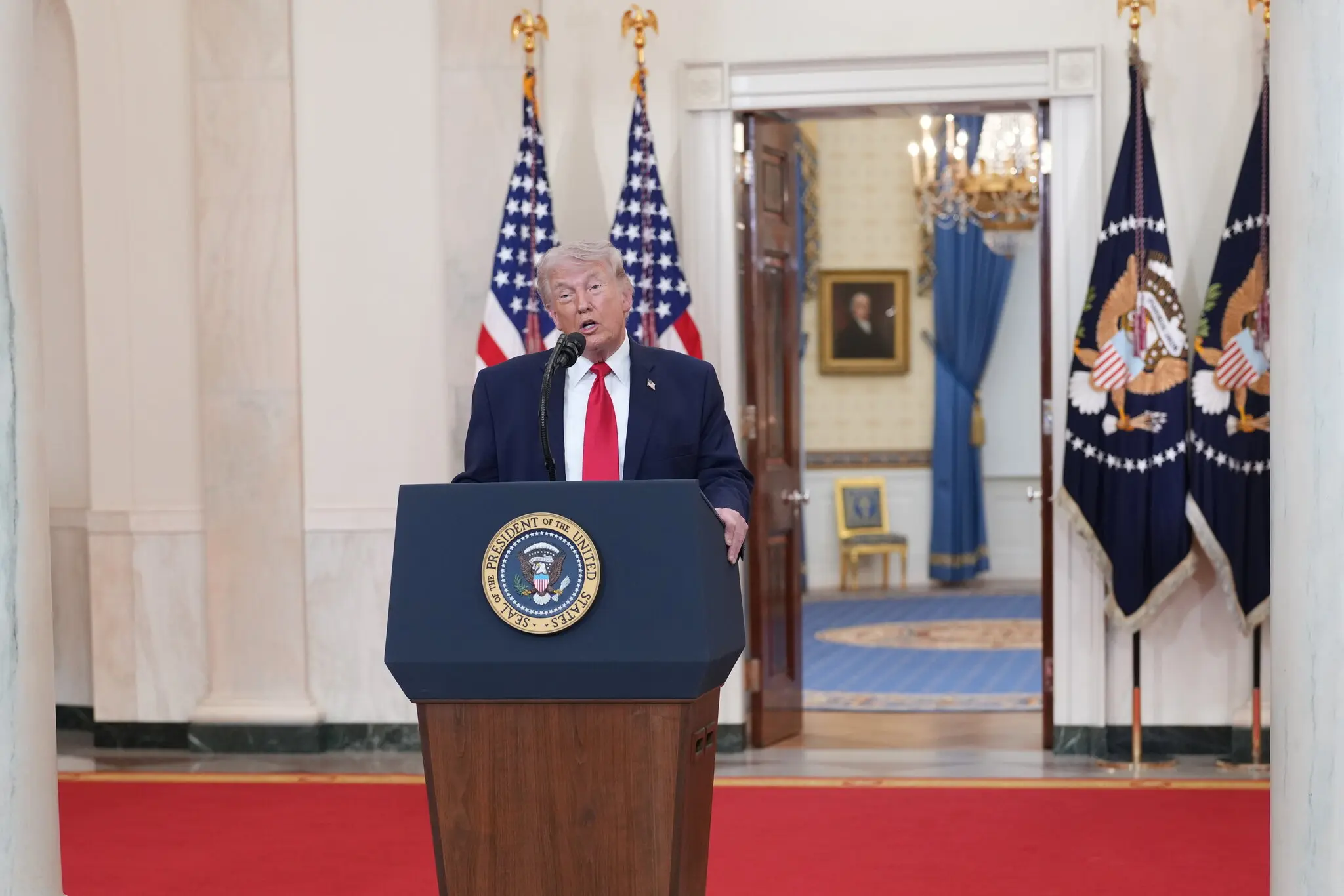
In other words, the missile threat has been weakened, but not removed. For a military campaign, that is an important interim result. For a political message built on absolute promises, it is already a problem. The larger the pledge at the beginning, the more damaging every surviving element looks at the end.
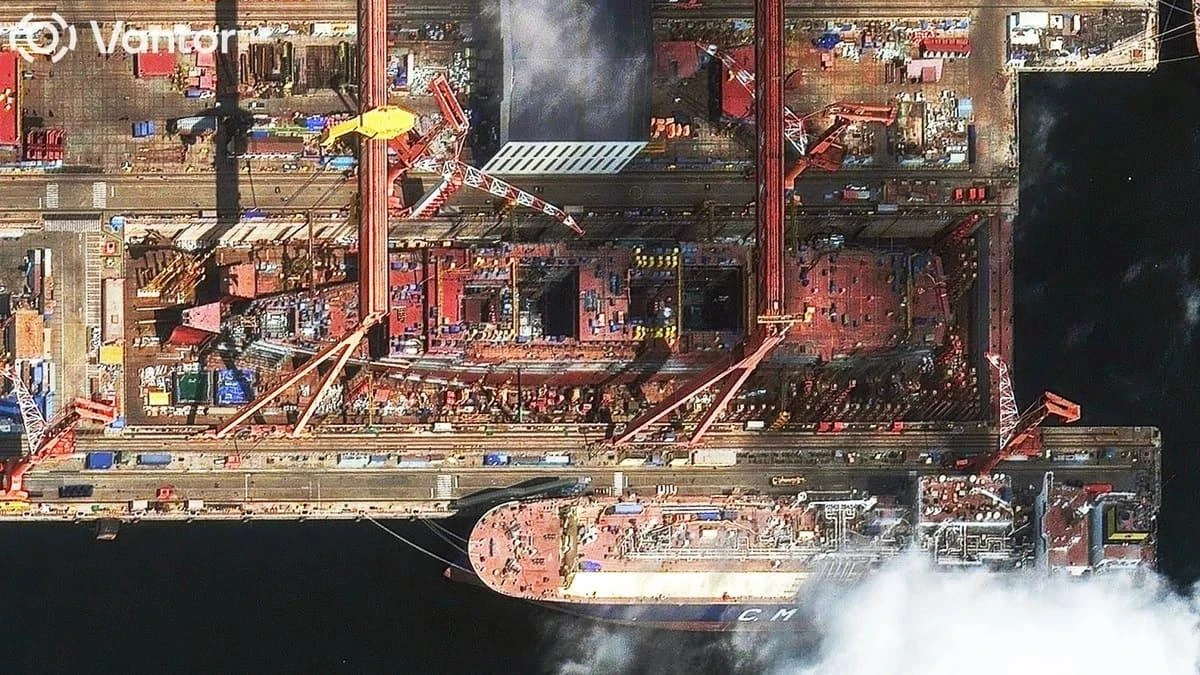
The second goal was Iran’s navy. Here, the picture is more favorable to Washington. A significant portion of Iran’s naval capability has been degraded. But even that has not delivered the main political effect the administration needed: stability in the Gulf. If the heart of this war lies in control over energy routes, the question is not only how many vessels were destroyed. It is whether safe maritime flow has actually been restored.
And that is where the central contradiction appears. The Strait of Hormuz remains the exposed nerve of the global market, and the risks to oil and gas shipments have not disappeared. So even tactical success at sea has not translated into strategic control. Destroying an opponent’s assets is not the same as restoring order when one of the world’s key trade arteries still operates under fear, disruption and uncertainty.
The third goal was to strip Iran of its ability to act through regional proxies. This was one of the most ambitious objectives and also one of the least achievable in a short war. Networks built over years do not vanish after several weeks of airstrikes. Some groups have been weakened, some have lost infrastructure, but the broader system of indirect influence remains in place. The proxy structure is still alive, and with it, regional instability.
That matters because it breaks the internal logic of a quick victory. If the proxy architecture survives the main blow, the war loses the shape of a completed act and begins to resemble a prolonged phase of managed disorder. In that kind of conflict, the White House can point to tactical gains, but it cannot convincingly claim that the region has become safer.
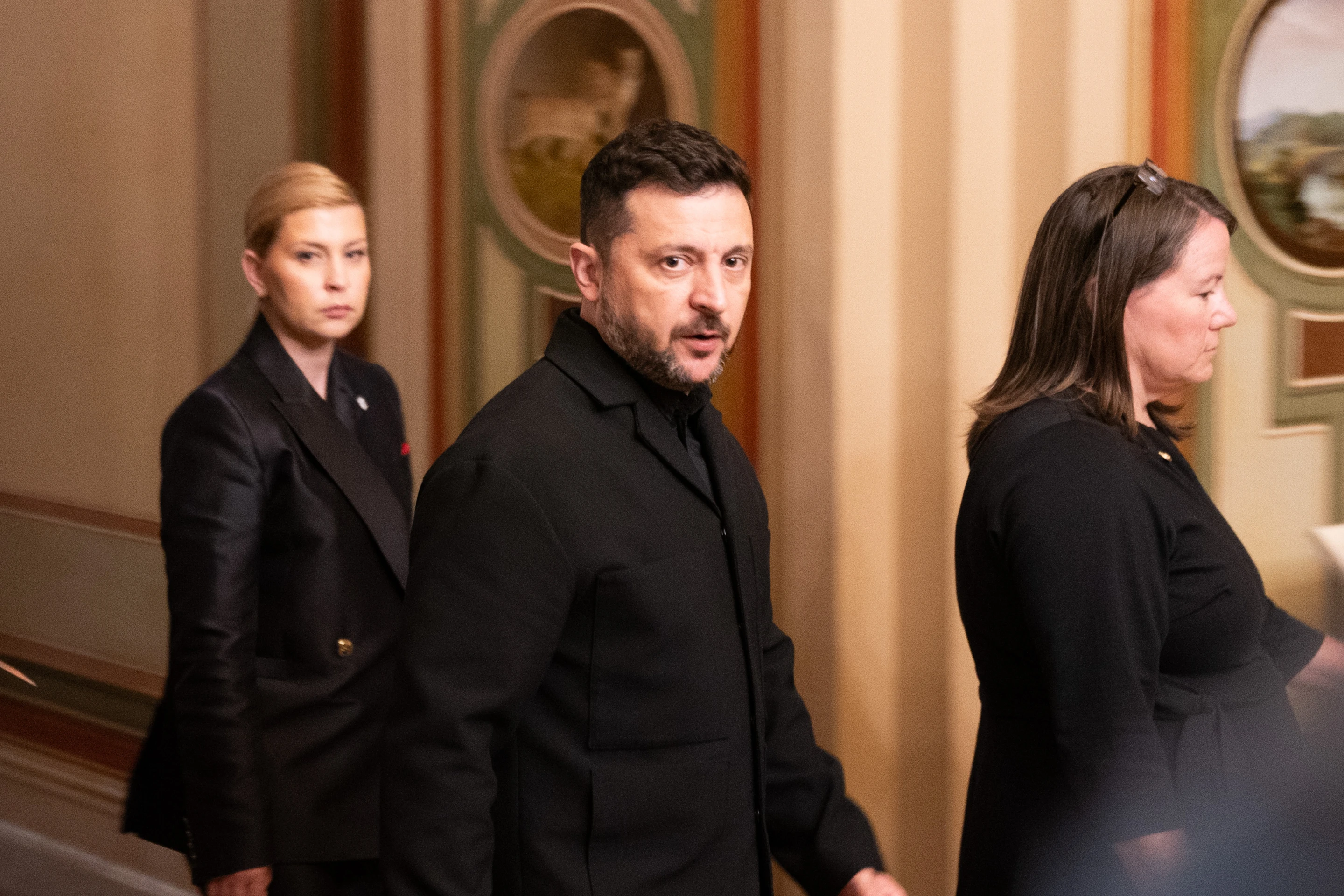
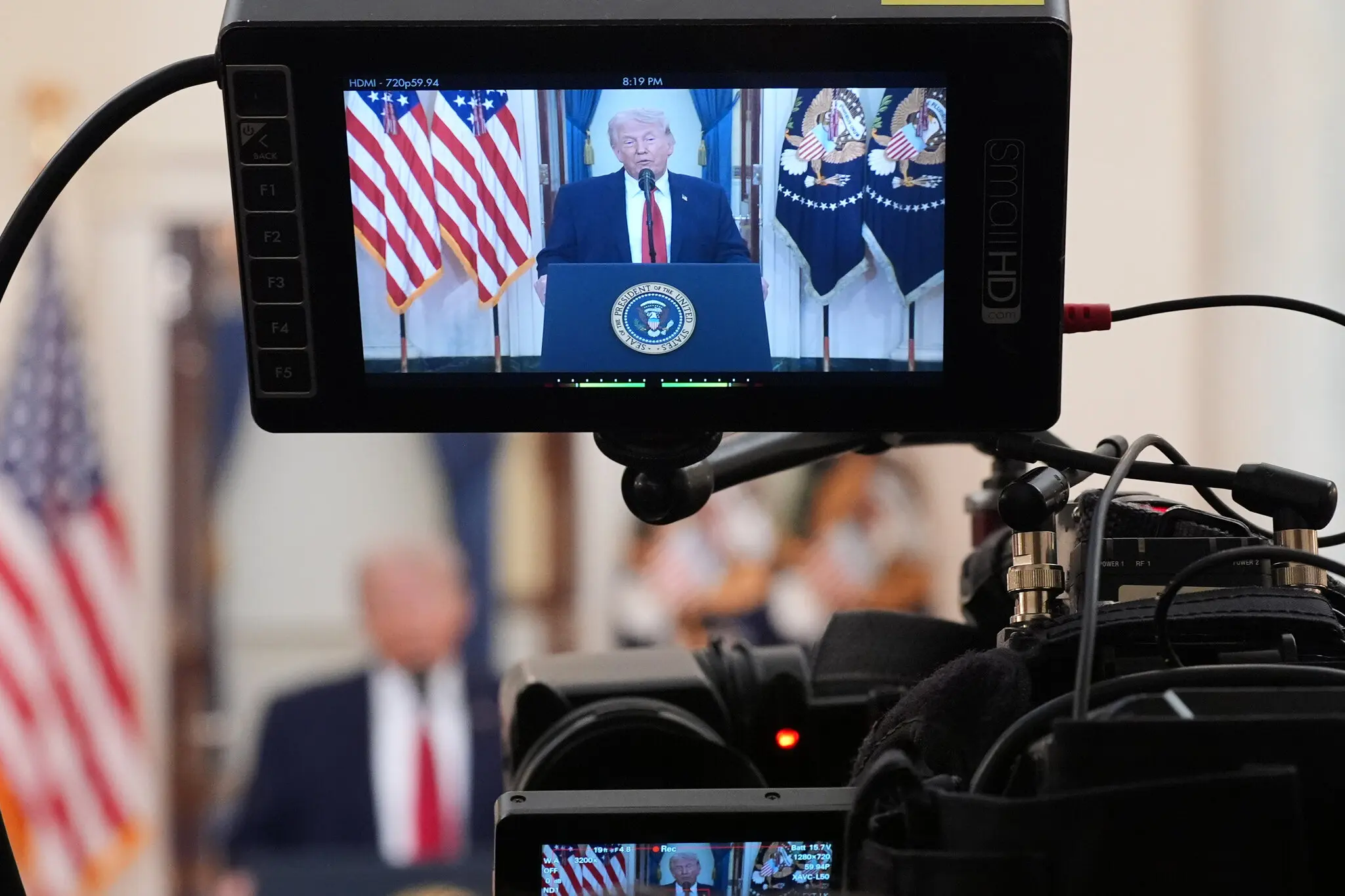 Президент США Трамп виступив із зверненням у прайм-тайм з Білого дому в середу — Фото басейну від Алекса Брендона
The fourth goal was to prevent Iran from obtaining a nuclear weapon. This is the objective that gives the campaign its greatest strategic weight and also exposes its deepest logical fracture. Nuclear facilities have been heavily damaged, but highly enriched uranium, by many estimates, still remains at least in part in underground tunnels and buried spaces that are extremely difficult to access. The most sensitive question, then, is still unresolved.
And here the administration runs into its own trap. If the war began as a campaign to shut down Iran’s nuclear path, then material that remains out of reach underground cannot suddenly stop being central to the mission. If it does, Washington is no longer changing the reality on the ground. It is changing the definition of victory itself. That is not a sign of completion. It is a sign of political repositioning.
The fifth goal was both the boldest and the least realistic: to give Iranians their chance to take back their country. That expectation has not materialized. Yes, parts of the leadership have been eliminated. Yes, elements of the ruling structure have been reshuffled. But the theocratic system has not collapsed. The state remains authoritarian, anti-American and capable of sustaining mobilization through war and resistance.
That may be the most important conclusion of the entire campaign. Trump entered the war with a set of aims that, taken together, suggested a full reset of Iran — military, political, nuclear and regional. What has emerged instead is something far less definitive: a damaged but not broken state, a weakened but not eliminated war machine, a disrupted but not secured maritime space, and a hard line of rhetoric unsupported by a final strategic result.
That is why the White House’s problem is no longer a shortage of force. It is a shortage of ending. The campaign no longer looks like an operation built around five reachable objectives. It looks like a war whose opening goals were too broad, and whose political management now depends on reducing them to a scale that can still be presented as an acceptable victory.
From that follows the central political risk for Trump. When a president promises to destroy missiles, dismantle a navy, neutralize proxies, eliminate a nuclear threat and open the way to regime change, he assumes not only military responsibility, but responsibility for a complete story of success. If even several of those nodes remain open, the story begins to come apart.
In the end, the war against Iran looks less and less like a finished operation and more and more like an attempt to declare the result ahead of time. The destruction is real and extensive. But there is a fundamental difference between large-scale damage and a large-scale victory. The first can be shown in strike footage and satellite images. The second has to be proved by a changed reality. That proof, Washington still does not have.