






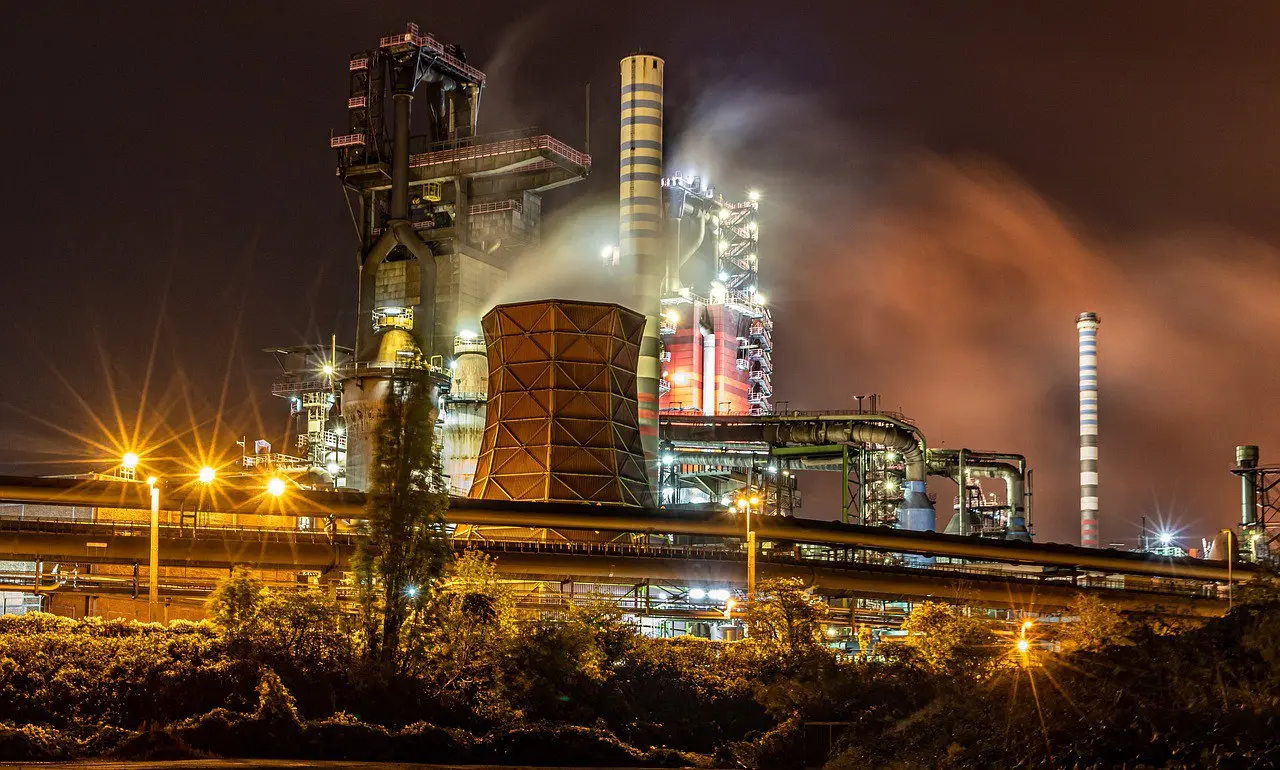














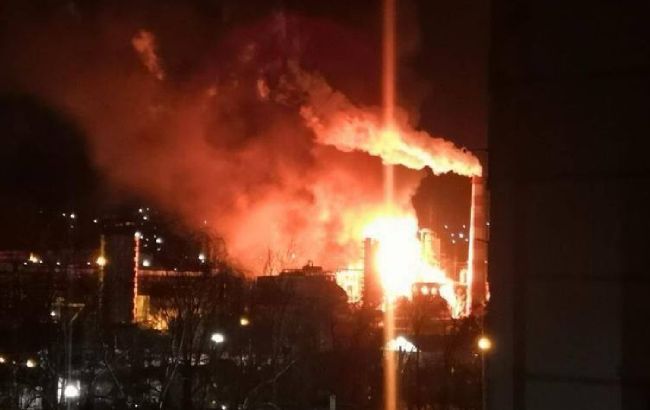
Tuapse has again come under attack by Ukrainian drones. A fire broke out at the seaport terminal, drawing more than a hundred emergency workers and dozens of vehicles to the site. For the Russian Black Sea port, it was the fourth strike in a single week.
Moscow formally points to localized damage and says there were no casualties. But the picture on the ground is broader: a state of emergency, oil-stained beaches, public restrictions, closed schools, canceled events and warnings not to drink tap water or water from natural springs.
After an earlier strike on the Tuapse refinery, a major fire halted production and left oil slicks along the coast. Elevated benzene levels in the air prompted sanitary authorities to advise residents to spend less time outdoors and keep windows closed.
According to Daycom’s earlier analysis, the significance lies not only in the strike itself, but in its repetition. Ukraine is no longer conducting isolated demonstrative attacks on Russian energy facilities. It is applying systematic pressure to nodes that connect oil, exports, logistics and the Kremlin’s war budget.
Tuapse matters to Russia. It is not merely a coastal city or a regional industrial site. Its Black Sea port and oil terminal are part of the system through which Russia’s energy sector helps sustain the financial endurance of the war.
That is why strikes on such facilities have a double effect. They cause physical damage — fires, shutdowns, leaks and emergency repairs. But they also hit the sense of control the Kremlin tries to preserve at home. When people are told not to drink water or go outside, the war stops being a television event.
For years, Russian authorities tried to keep society at a distance from the war: the front was far away, casualties abstract, the economy functioning and daily life intact. Ukrainian long-range strikes are changing that psychology. They do not equate Russia’s rear with Ukrainian cities under bombardment, but they do weaken the illusion of complete impunity.
The reaction of local residents is especially revealing. Official assurances of control increasingly collide with everyday distrust. People see smoke, smell chemicals, read warnings about water and air, and then hear that there is supposedly no danger. In that gap, a political crack begins to form.
For Kyiv, the logic of the strategy is clear. Russia has spent months attacking Ukraine’s energy system, leaving cities without power and heat, destroying substations, thermal plants, gas infrastructure and civilian facilities. Ukraine’s response is not aimed at symmetrical urban devastation, but at the economic arteries of the aggressor.
Oil remains one of the main sources of Russia’s wartime resilience. Even under sanctions, Moscow searches for export routes, uses a shadow fleet, discounts, intermediaries and new insurance schemes. Strikes on refineries, ports and terminals force it to pay an additional price for every barrel that reaches the market.
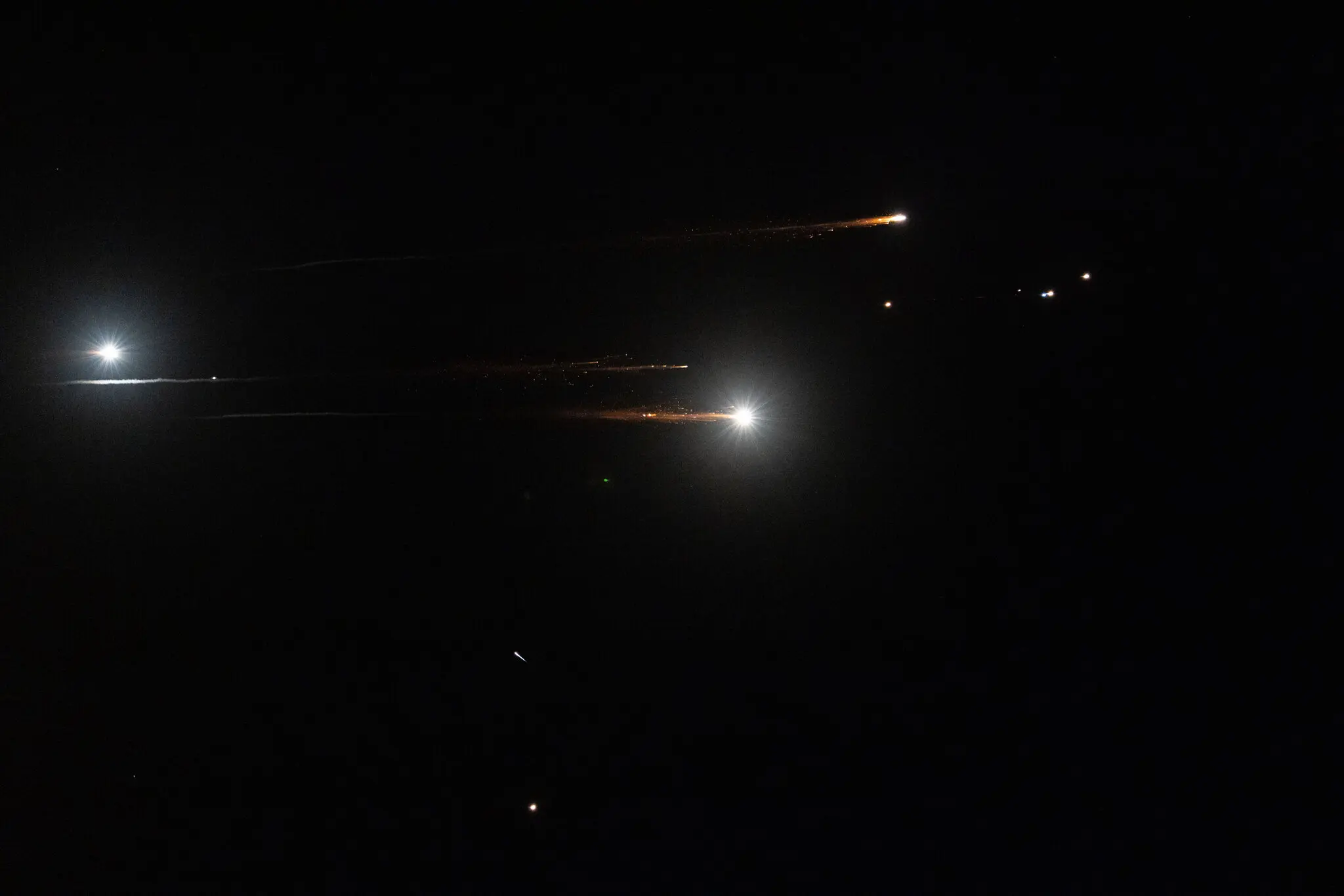
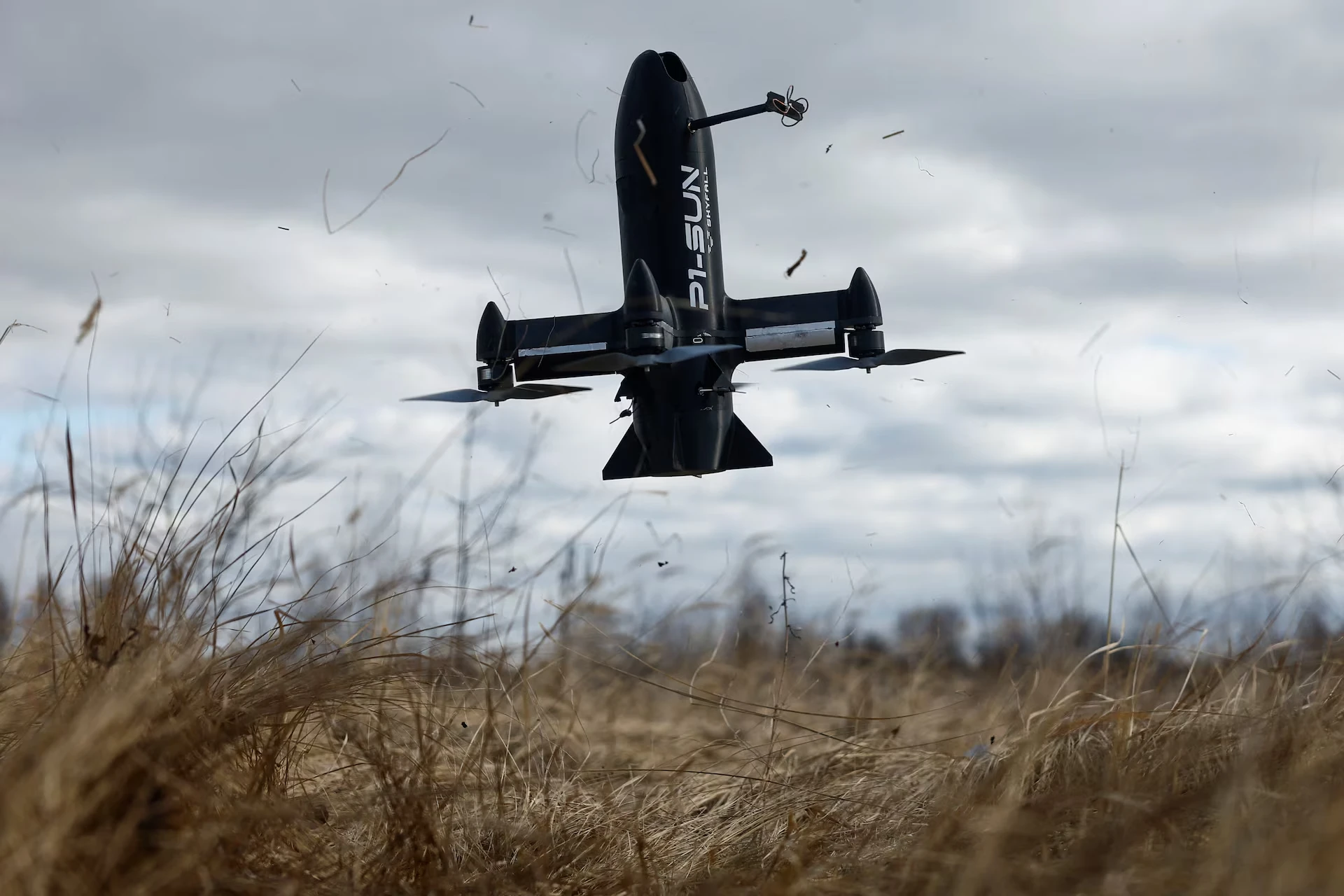
Tuapse is not an isolated episode. Ukrainian drones have also attacked oil facilities near Perm in the Urals and in the Orenburg region. Some of these targets lie roughly 1,500 kilometers from Ukraine. This is a new geography of war, in which Russian depth no longer guarantees safety.
Long-range capability has become one of Ukraine’s main tools of asymmetry. Kyiv cannot match Russia in the number of missiles, aircraft or manpower. But it can force a vast country to disperse air defenses, protect refineries, ports, depots, airfields and transport hubs across thousands of kilometers.
This exhausts not only equipment, but governance. Every new strike requires firefighters, repairs, security, environmental monitoring, information control, compensation and explanations. A Russian system accustomed to projecting strength outward is increasingly forced to extinguish consequences at home.
There is also a global dimension. Strikes on Russian refining capacity are taking place amid energy-market tension caused by the war in the Middle East. That makes Ukraine’s strategy sensitive for partners worried about sharp price increases. But from Kyiv’s perspective, the issue is different: if Russian oil finances missiles, it cannot remain untouchable.
Ukraine has faced pressure over attacks on Russian energy infrastructure before. Yet the logic of a war of attrition pushes it to continue the campaign. When diplomacy stalls and the front offers no quick breakthrough, economic pressure on the aggressor becomes one of the few ways to alter the Kremlin’s calculations.
Russia, of course, will not lose its ability to wage war because of one port or one refinery. Its energy system is large, dispersed and adapted to disruption. But the issue is not only immediate damage; it is the accumulation of risk. Repeated fires raise insurance costs, complicate logistics and disrupt repair cycles.
It is also telling that the consequences are becoming visible to ordinary Russians. They are not reading about abstract budget losses. They are seeing a polluted coastline, hearing about benzene, buying bottled water and keeping children away from school. War enters daily life not through a draft notice, but through environmental and municipal anxiety.
The Kremlin will try to present these attacks as terrorism against civilians while simultaneously minimizing their impact. But the two messages contradict each other. If everything is under control, why the emergency regime, oil-stained beaches and canceled public events? If the threat is serious, why is the war that authorities promised to keep distant returning to Russian cities?
For Ukraine, the campaign against energy infrastructure is a way to show that the price of aggression must rise beyond the front line. It must be felt in budgets, logistics, exports, regional administration and internal stability. Russia cannot endlessly strike Ukrainian infrastructure without putting its own at risk.
Tuapse has become one of the symbols of this new phase. A port that was supposed to function as part of Russia’s energy machine now serves as a reminder of its vulnerability. Drones do not stop the war by themselves, but they are changing its map: what Moscow considered the rear is increasingly becoming part of the front.